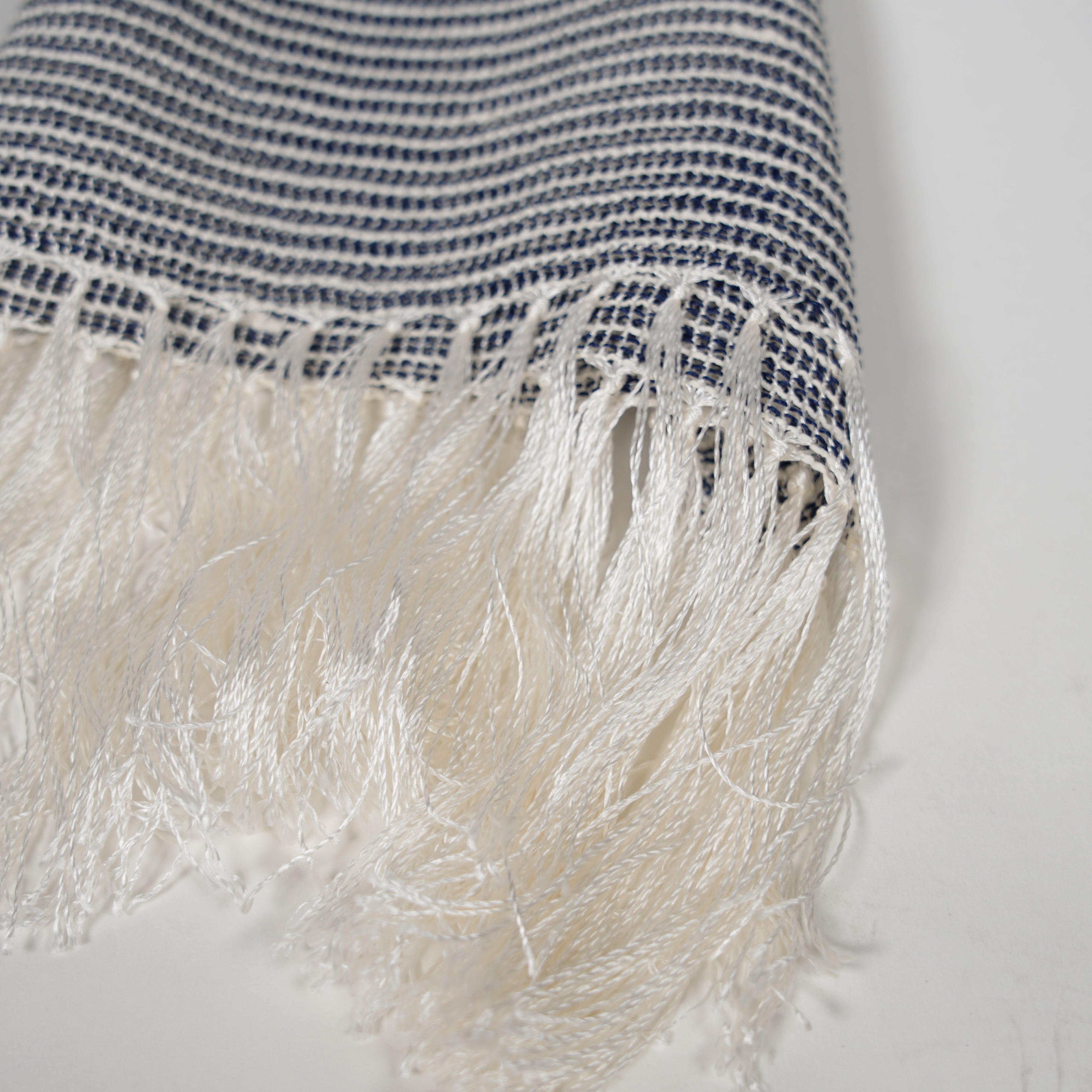
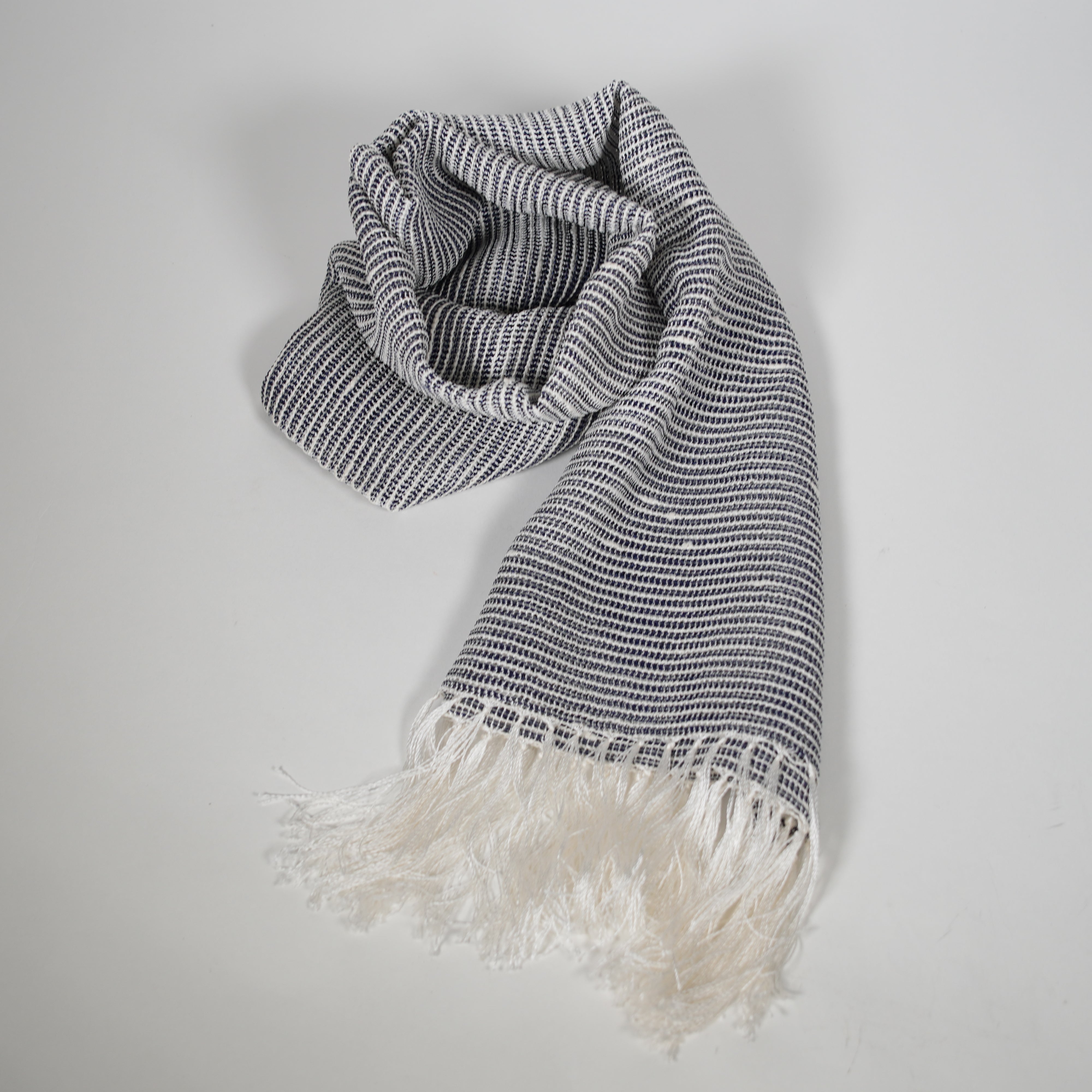
Papel japonés / robo / índigo azul
الوصف
التفاصيل
SIZE
MATERIAL
حِرَفِيّ
كوجي
تحذير
Elige opciones


Papel japonés / robo / índigo azul
Precio de ofertaDhs. 1,237.00
País
Idioma
Cesta
La cesta está vacía


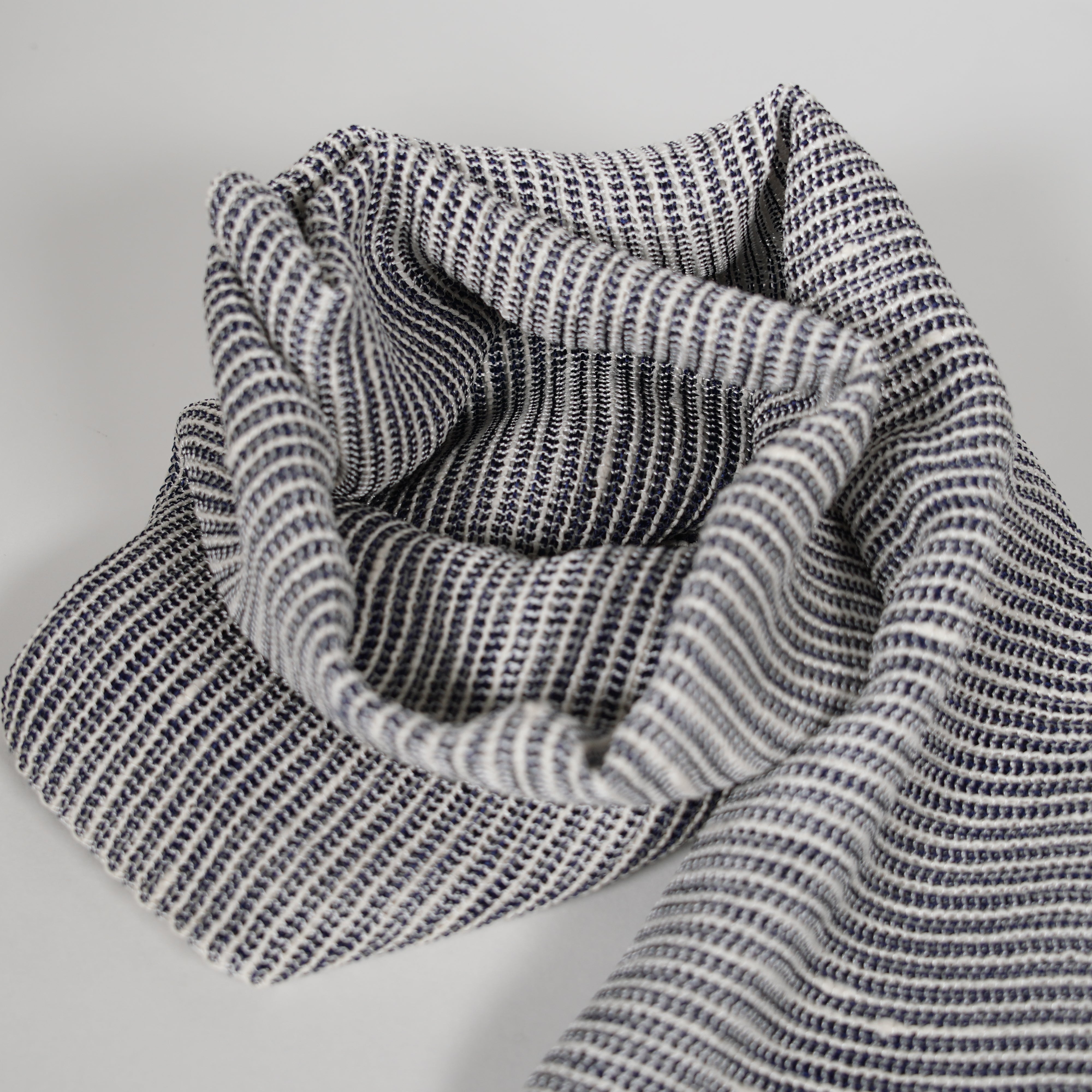
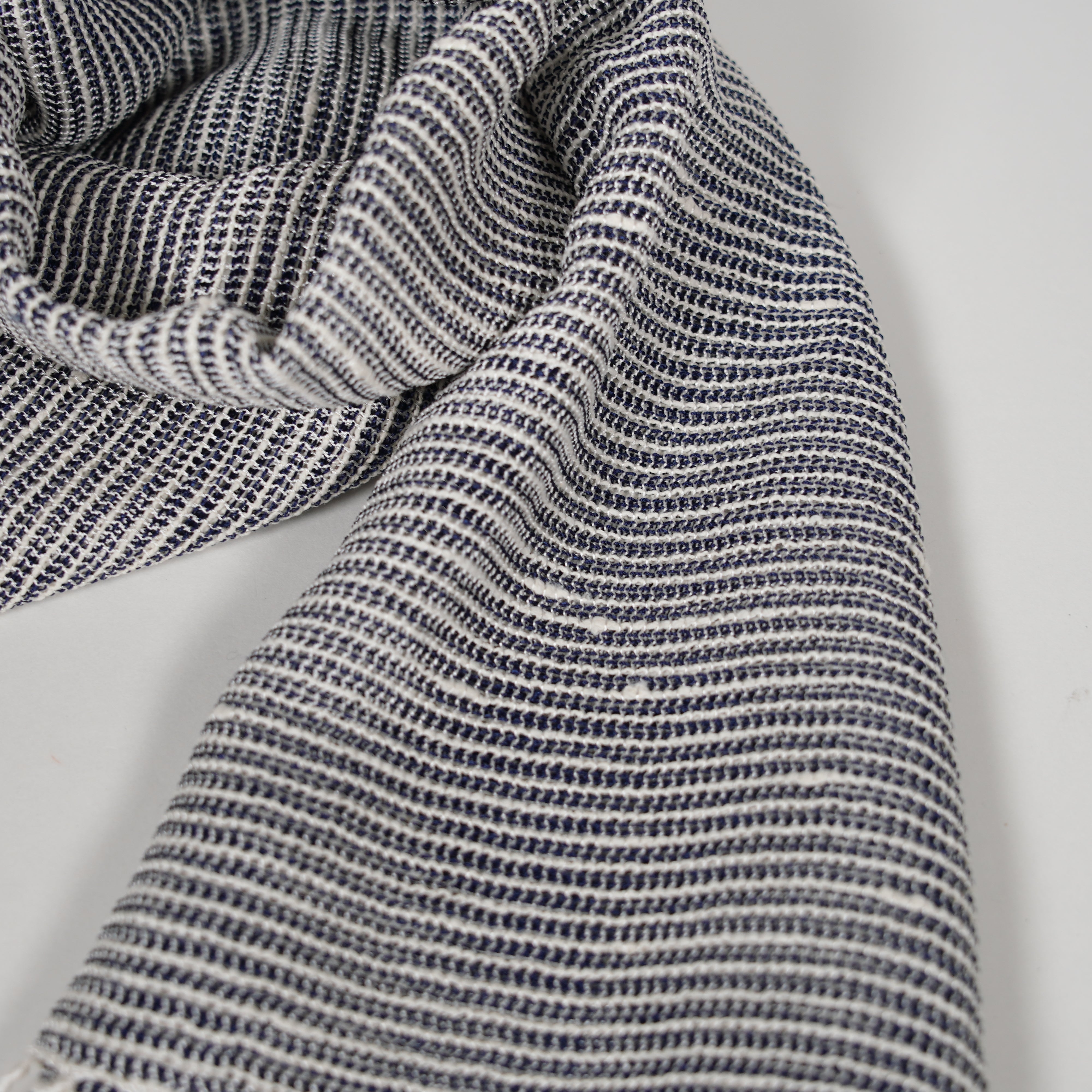
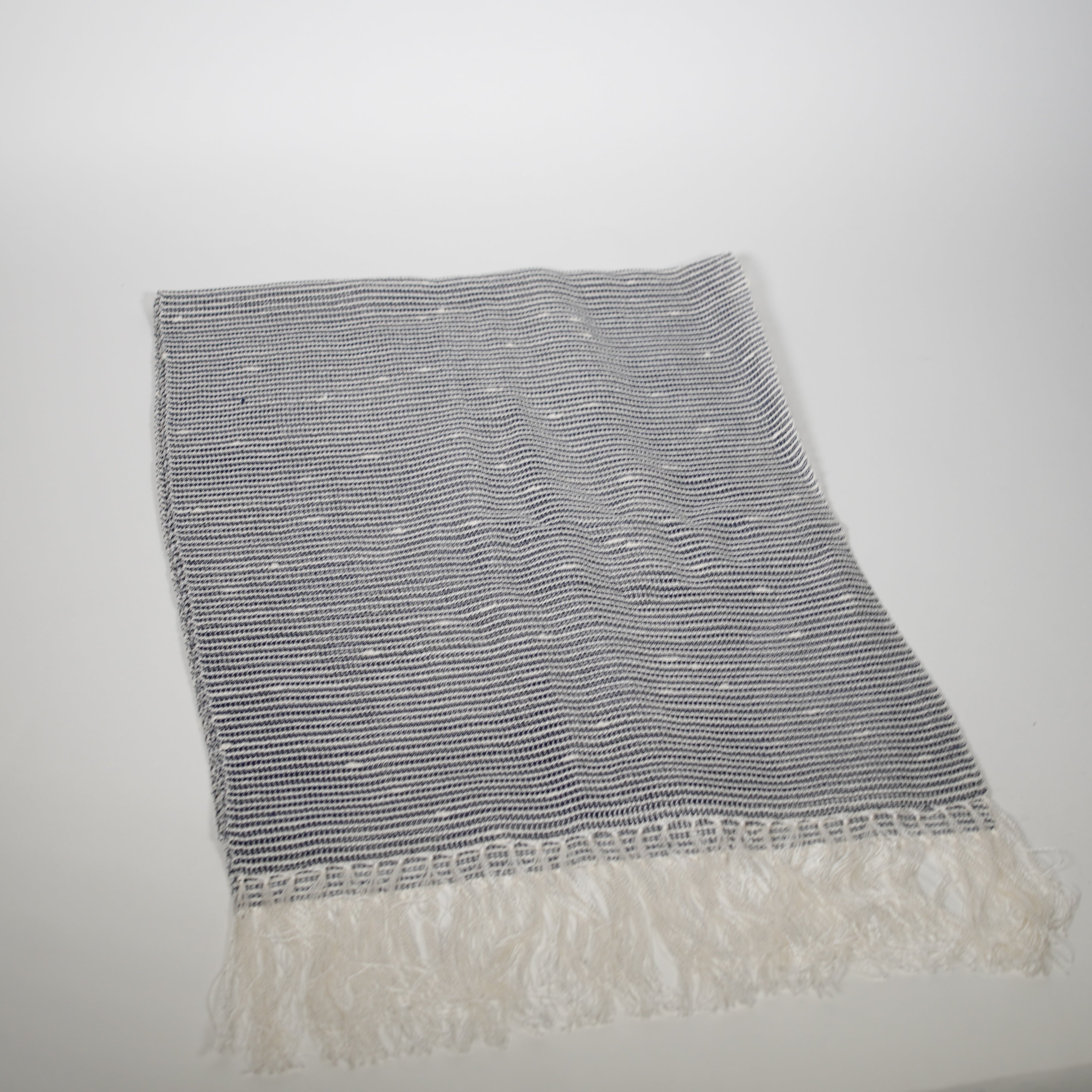
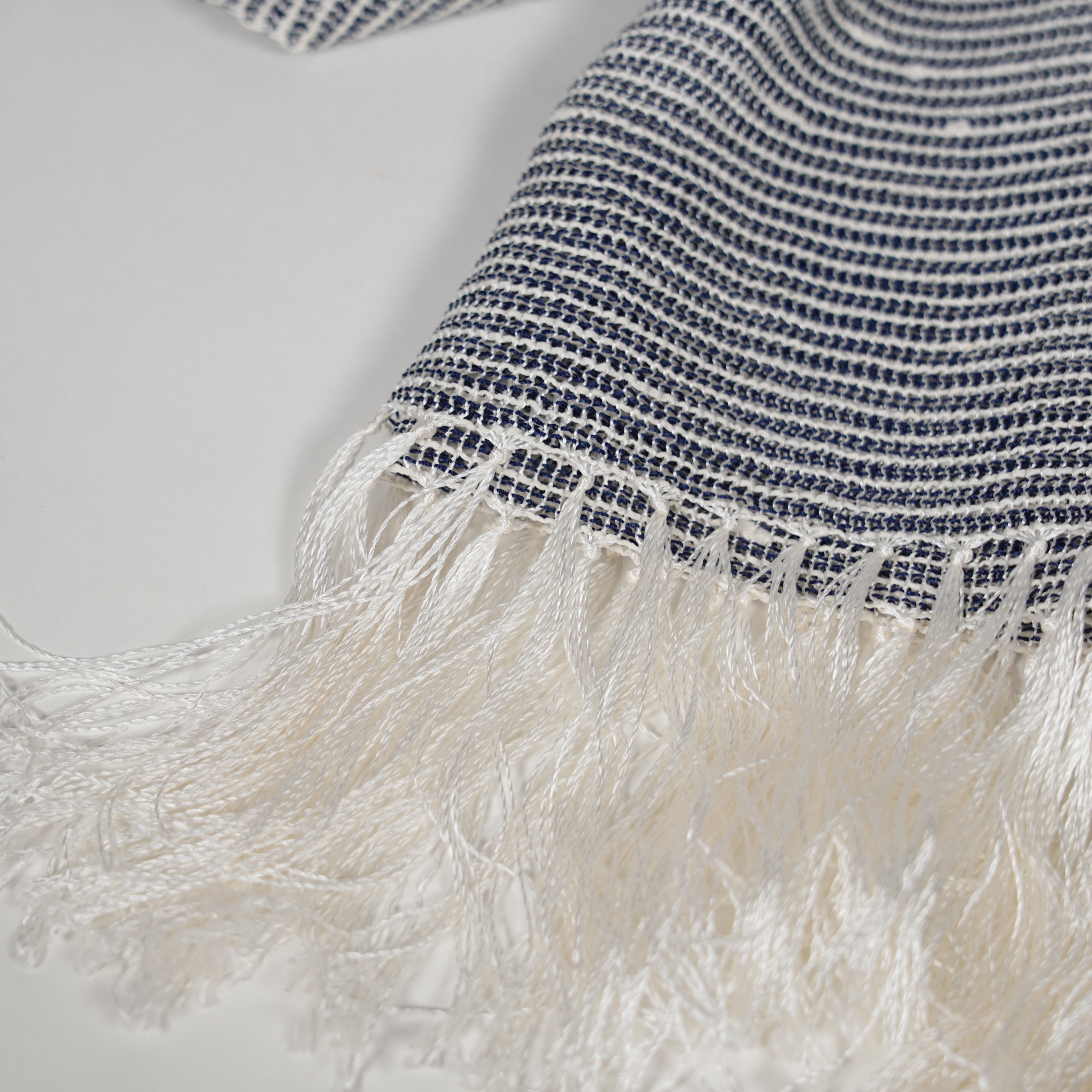
صُنع هذا الشال بتقطيع ورق الواشي «كوروتاني» (ورق ياباني) إلى شرائط رفيعة، ثم نسج خيوط الورق المبرومة مع خيوط حريرية.
المادة الخام المستخدمة في صناعة الواشي هي بشكل أساسي «كوزو» (توت الورق). وبفضل معالجته يدويًا، لا يفقد قوته الطبيعية، كما تُصنع كل ورقة واشي بعناية يدويًا بالطريقة التقليدية، ما يجعلها متينة ومرنة.
يرجى ملاحظة احتمال وجود اختلافات طفيفة في اللون والشكل، لأن كل قطعة تُصنع يدويًا.
أقوى ورق في اليابان!؟
ورق واشي «كوروتاني» متين للغاية ويتميز بصعوبة تمزقه حتى عند تعرضه لقوة شديدة. فهو قوي ومقاوم للتمزق، ومناسب للحفظ طويل الأمد.
يُعد هذا الواشي المتين ضروريًا في الحياة اليومية، وقد استُخدم منذ العصور القديمة في صناعة الفوانيس والمظلات اليابانية وحواجز «الشوجي» والتغليف.
وقد اعترفت به الحكومة باعتباره أقوى ورق في اليابان.
SIZE
العرض : 35 سم
الطول:194 سم
الوزن:65 جم
MATERIAL
ورق ياباني
حرير
KUROTANI WASHI
"We make honest paper."
Throughout our long history, we have always kept this thought in mind. We make and finish each sheet of paper by hand, putting our heart and soul into it.
We do the obvious things carefully, step by step. This attitude has never changed and will never change.
We have always been uncompromisingly committed to honesty and authenticity.
ARTISAN STORY
Kurotani Japanese paper
Kurotani Japanese paper preserves the traditions and techniques of papermaking that have been handed down over 800 years in the Kurotani region. Kurotani Japanese paper is recognized by the government as the "strongest paper in Japan," and a variety of products are produced using this characteristic. Among them, scarves made from washi are light, strong, and comfortable to the touch, and are highly recommended.
ACHIEVEMENTS
・Designated as Intangible Cultural Asset by Kyoto Prefecture
・Recognized by the government as "the strongest paper in Japan
KUROTANI WASHI / KUROTANI JAPANESE PAPER
About 800 years ago / 1200s / Kamakura Period (1185–1333)
Kurotani washi is made in the mountain community of Ayabe, Kyoto, where tradition says descendants of defeated Heike warriors began papermaking to support themselves. Using kozo mulberry, the community preserves labor-intensive boiling, beating, cleaning and hand-forming methods that produced strong paper for screens, wrapping and ledgers.
In Japan, Kurotani is valued as a working paper rather than a fragile decorative material. Its long fibers give strength, and contemporary makers use it for calligraphy, lamps, bags, business cards and artworks that exploit the physical toughness of washi.
Much of the labor happens before a sheet is ever formed. Kozo fibers are inspected in water and tiny dark scars or pieces of bark are removed by hand one at a time. The quiet whiteness of the finished sheet is the result of an enormous amount of invisible sorting.
الاختلافات الفردية
نظرًا لأن كل قطعة تُصنع يدويًا بشكل مستقل، فقد تطرأ اختلافات طفيفة في اللون والنمط والشكل والملمس. وتُعد هذه الاختلافات الدقيقة من الخصائص الطبيعية للأعمال اليدوية، ما يجعل كل قطعة فريدة من نوعها حقًا. نأمل أن تستمتعوا بهذه الاختلافات الفردية كجزء من جمال الحرفية اليابانية وطابعها المميز.
مدة الإنتاج
إذا لم تكن القطعة متوفرة في المخزون حاليًا، فقد يقوم الحرفي بصنعها حسب الطلب. ونظرًا إلى أن كل قطعة تُصنع يدويًا بعناية، فقد يستغرق الإنتاج عدة أشهر، وذلك حسب القطعة والجدول الزمني للحرفي. نقدر صبركم وتفهمكم.

Elige opciones