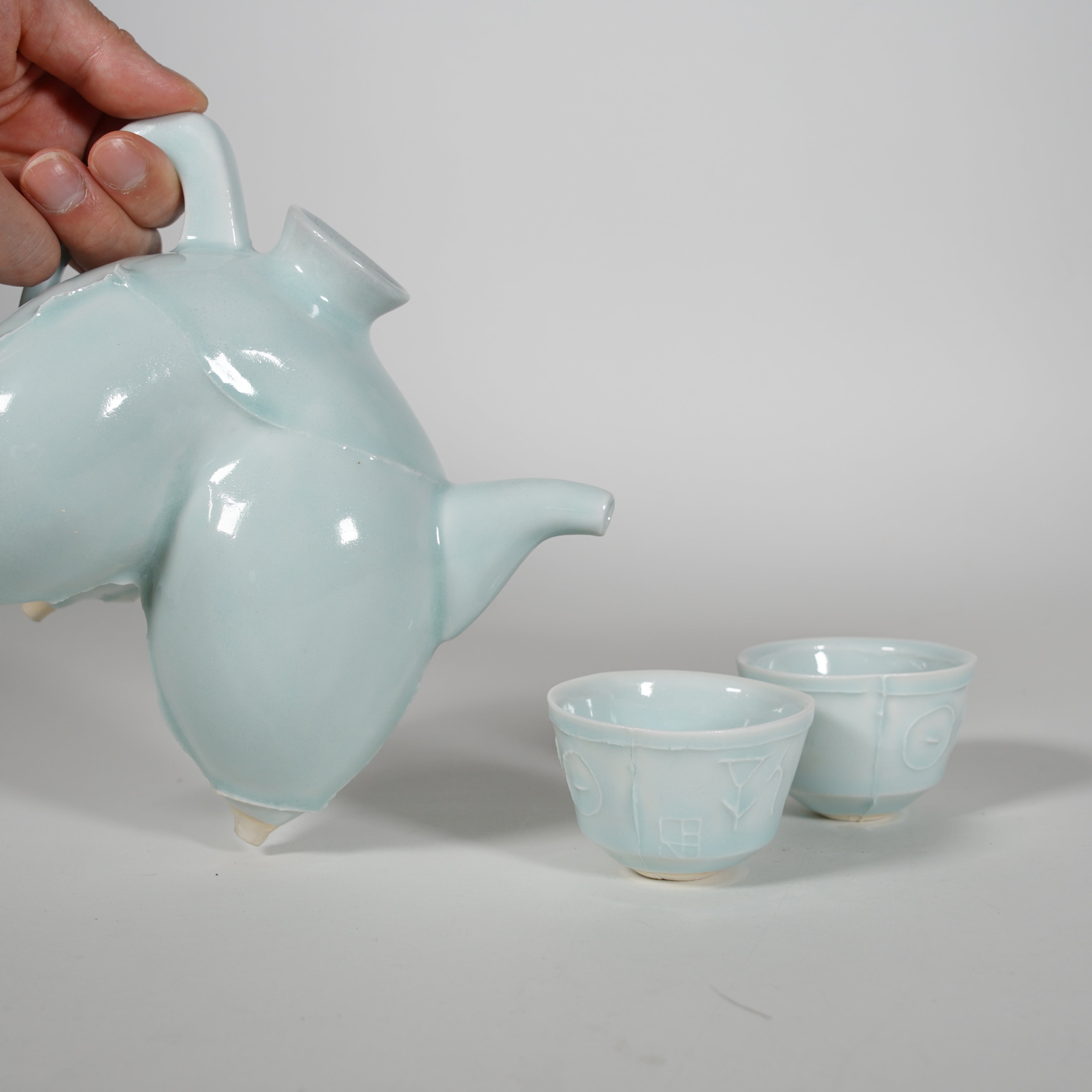
Ensemble de verre de saké
DESCRIPTION
DÉTAILS
SIZE
MATERIAL
ARTISAN
KOGEI
Attention
Ensemble de verre de saké
Prix de vente$588.00
Choisir les options
Ensemble de verre de saké
Prix de vente$588.00
Pays
Langue
Panier
Votre panier est vide
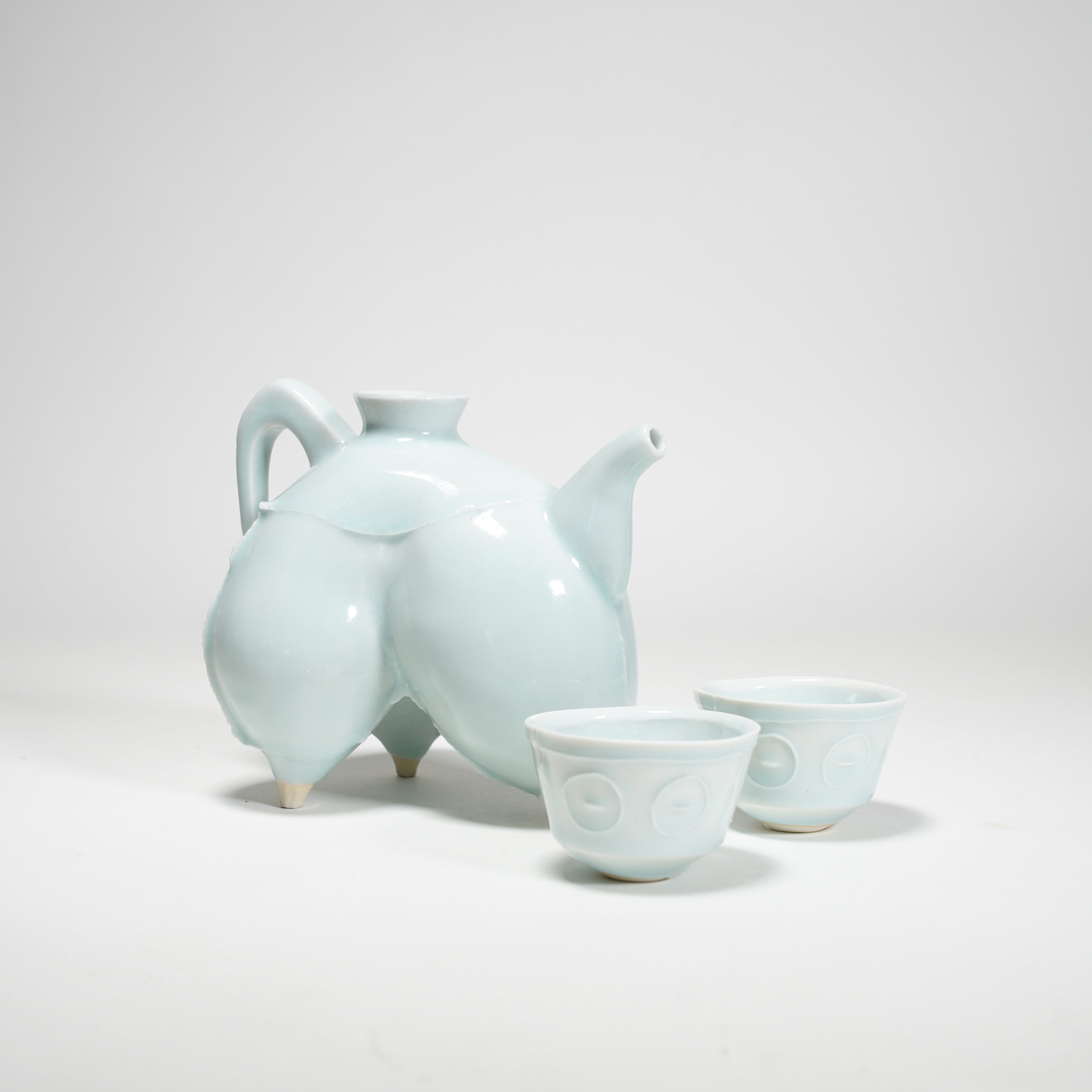
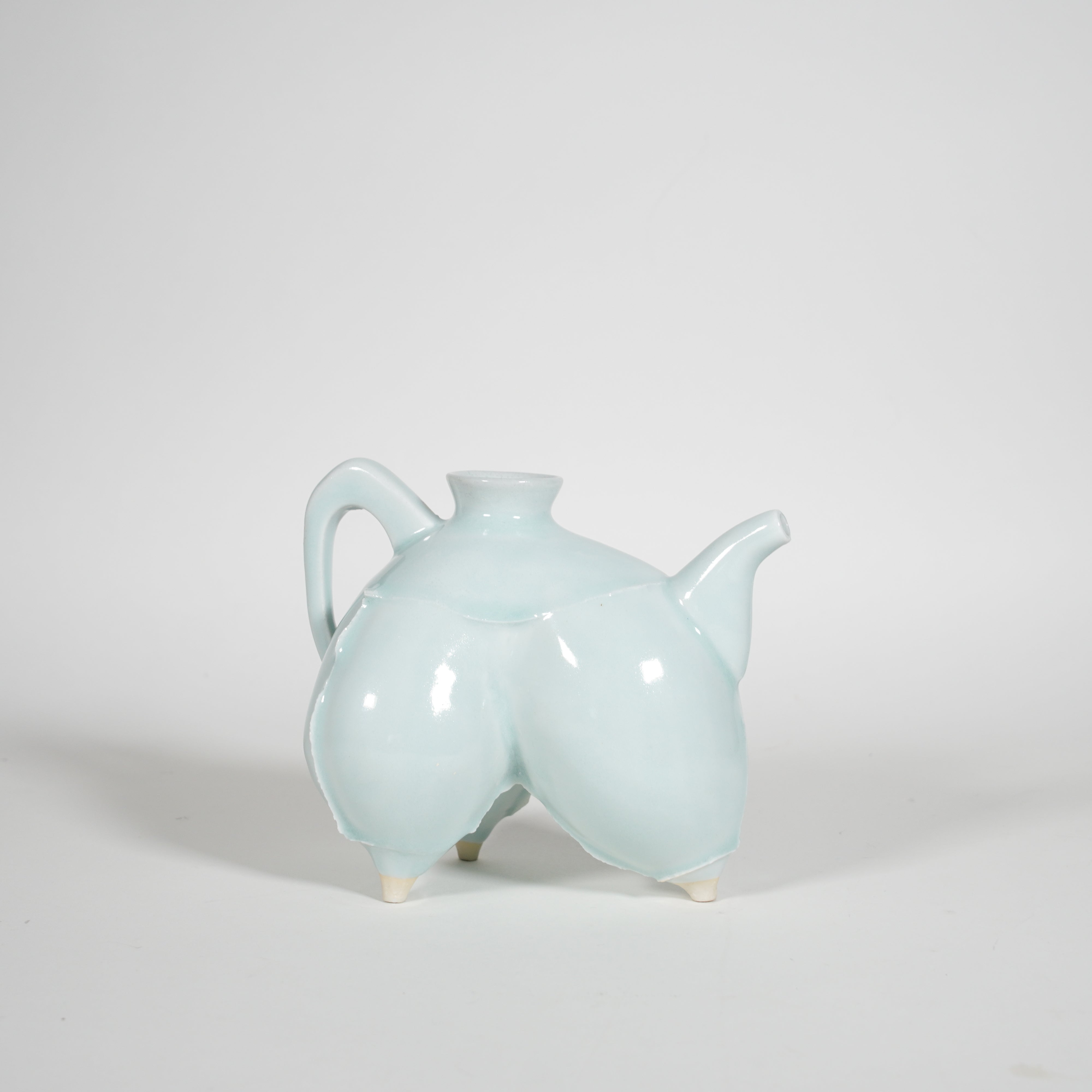
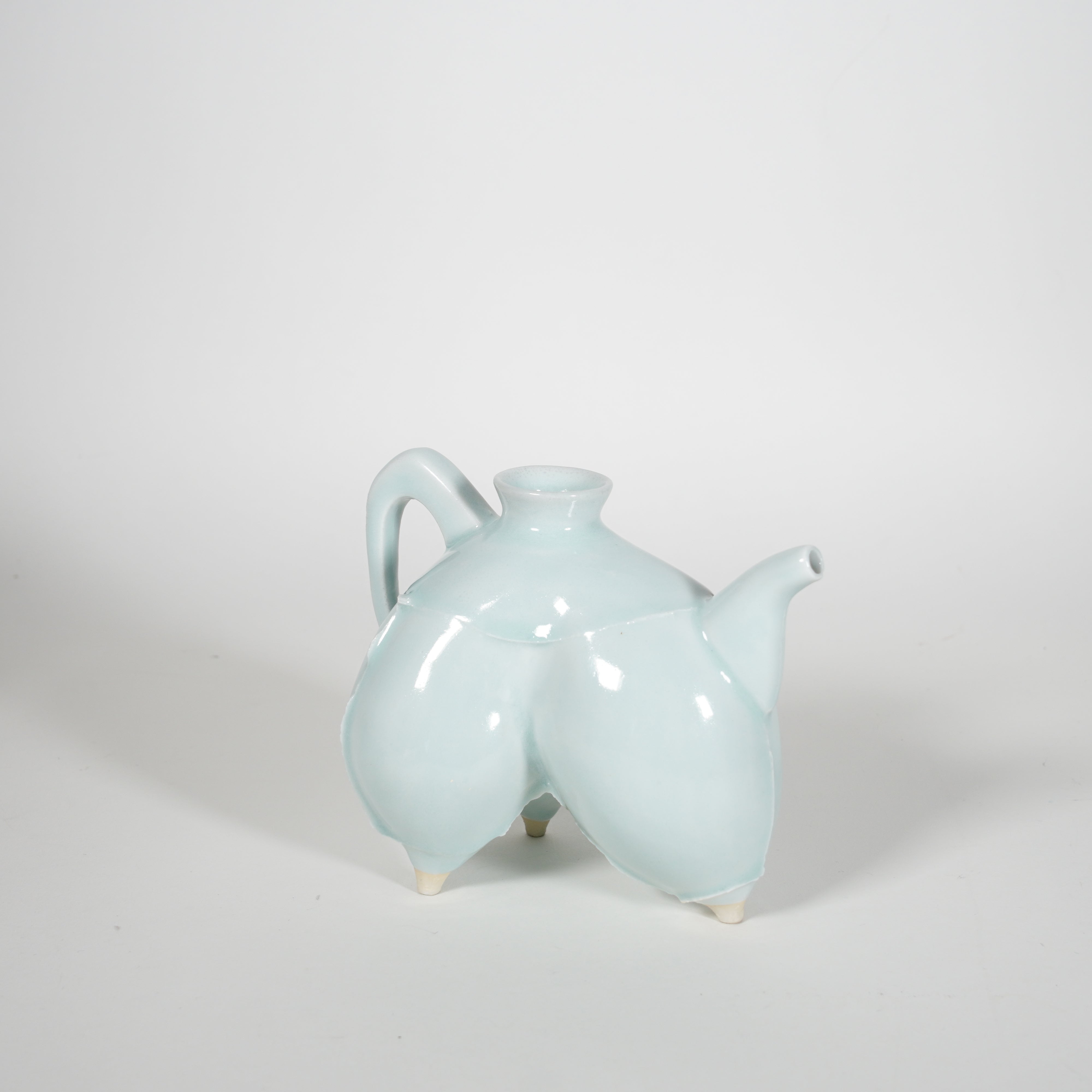
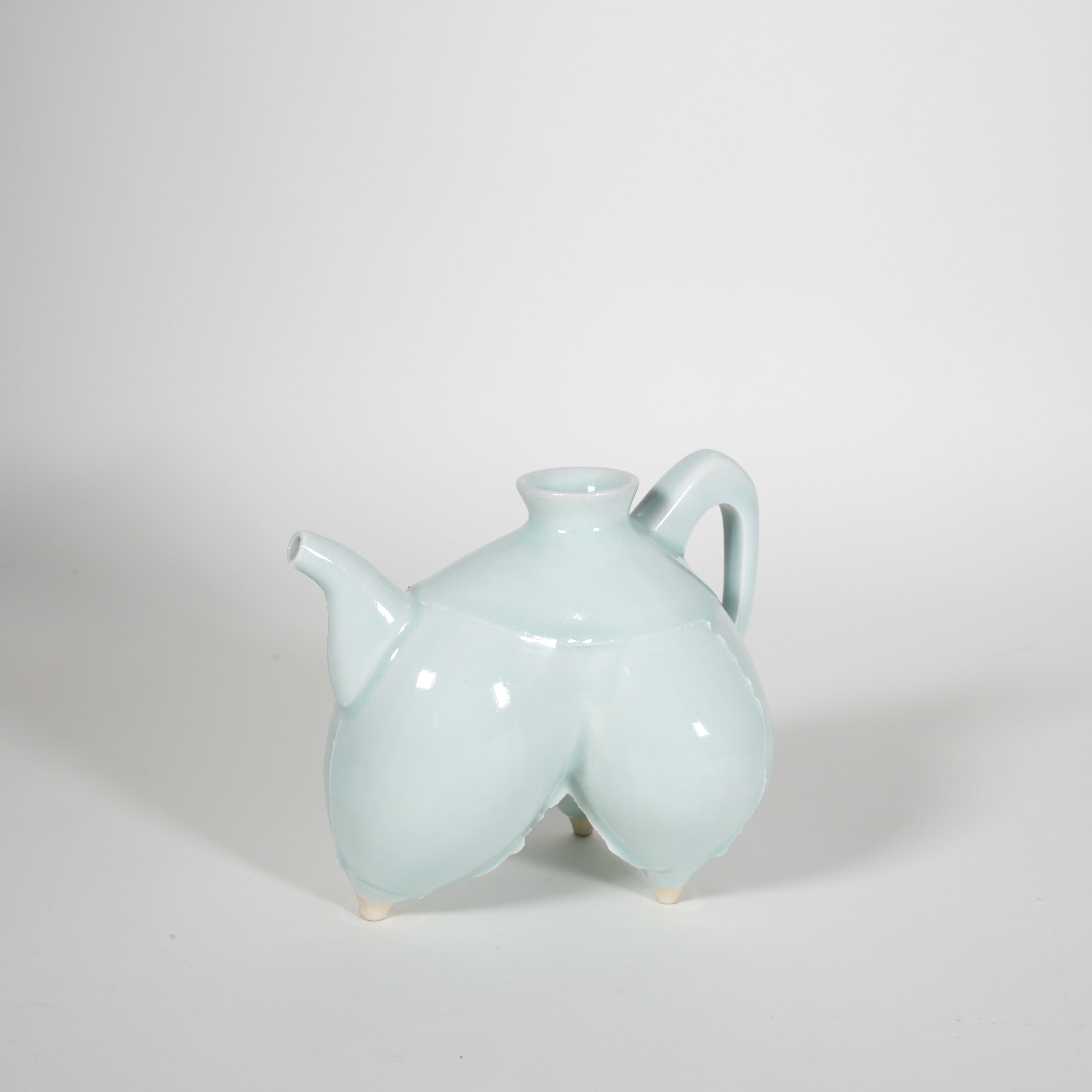
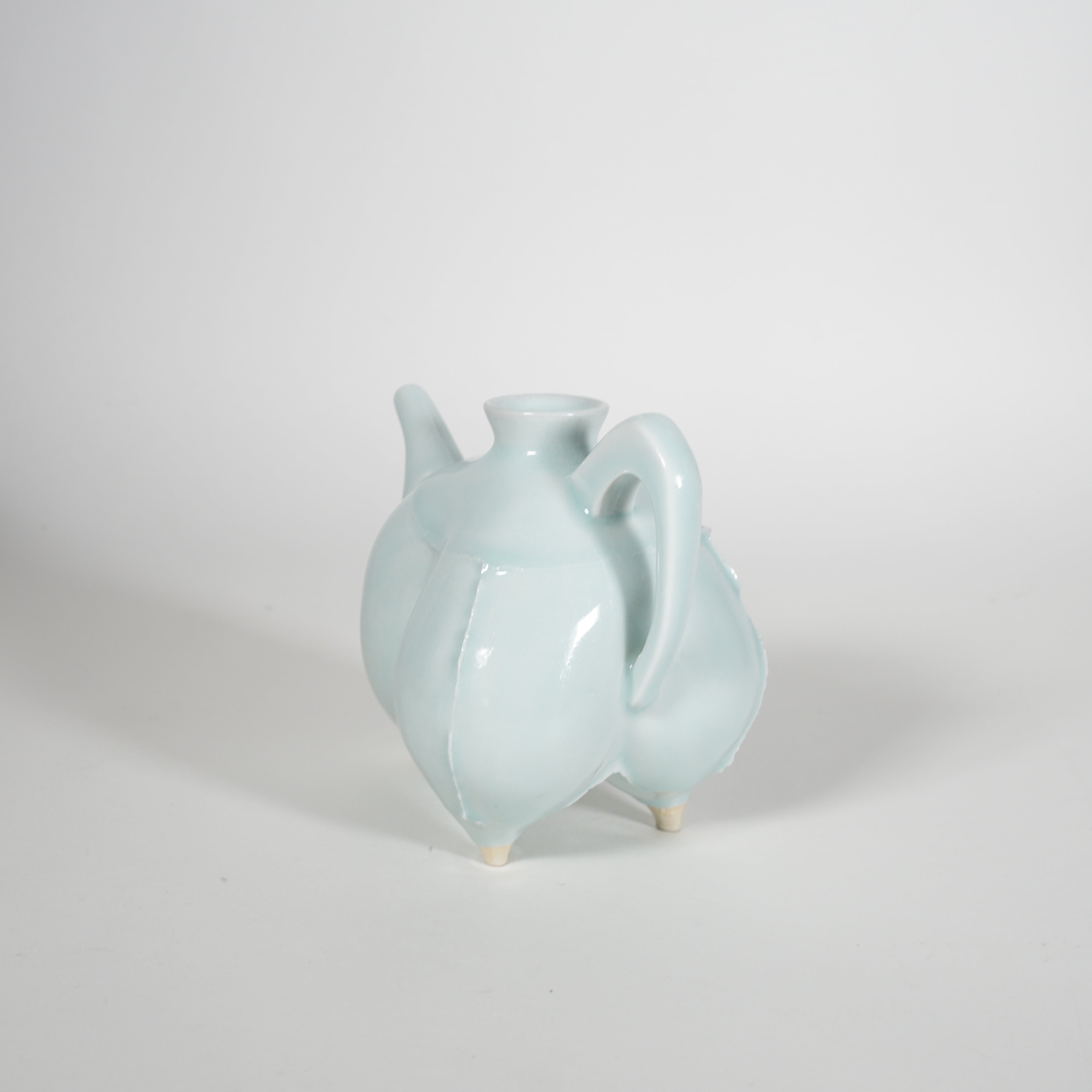
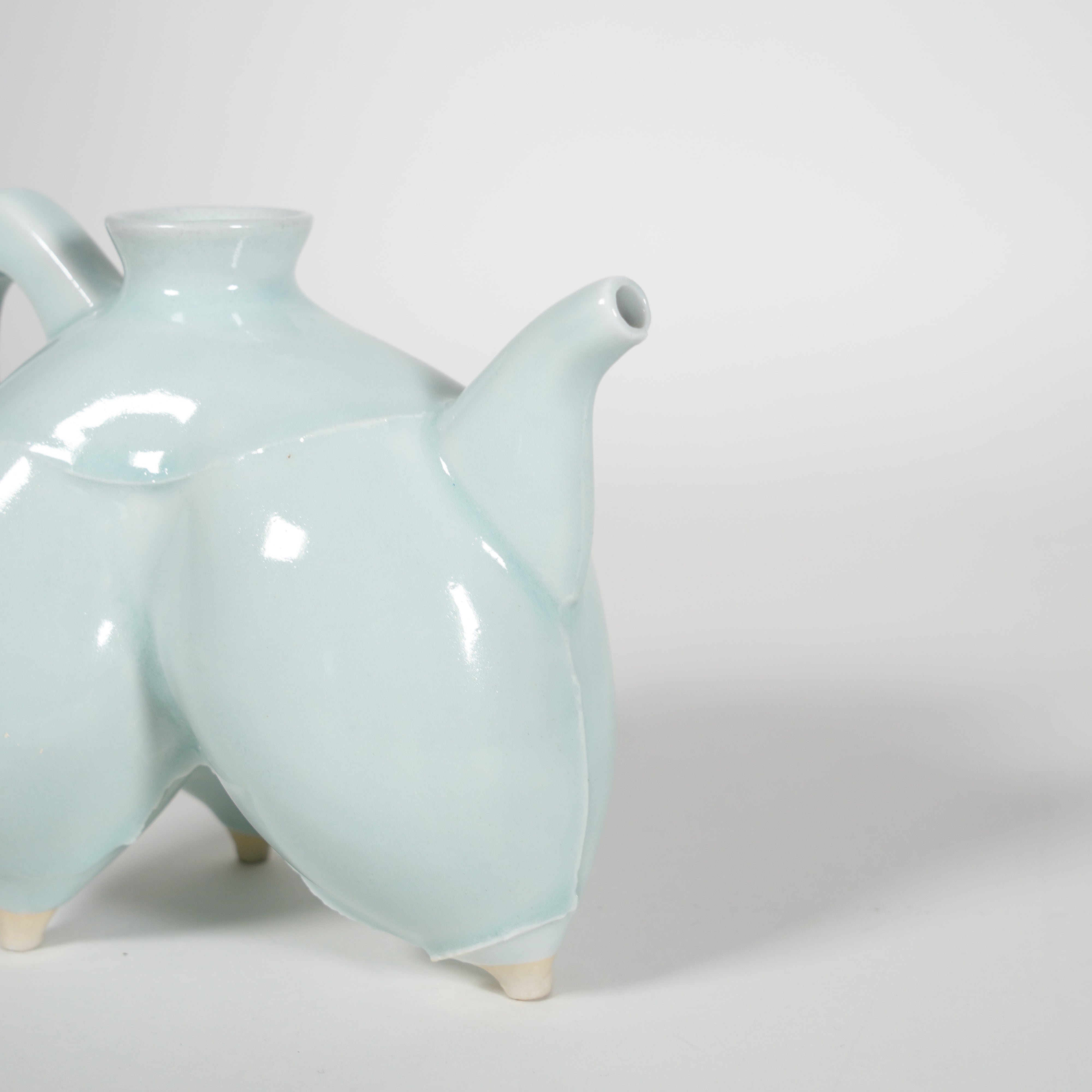
Il s’agit d’un récipient à saké imitant la vaisselle en terre cuite qui existe depuis environ 3 000 ans.
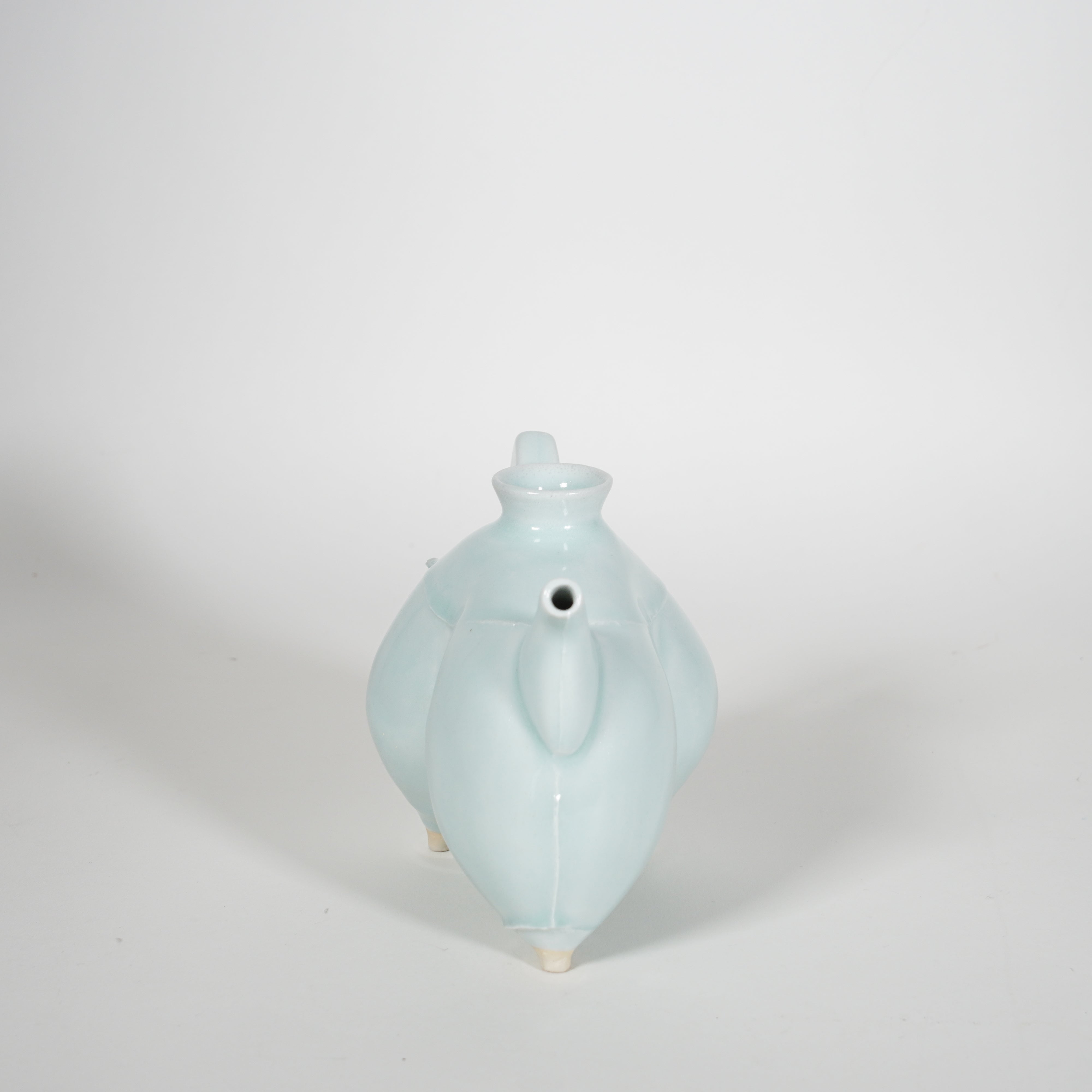
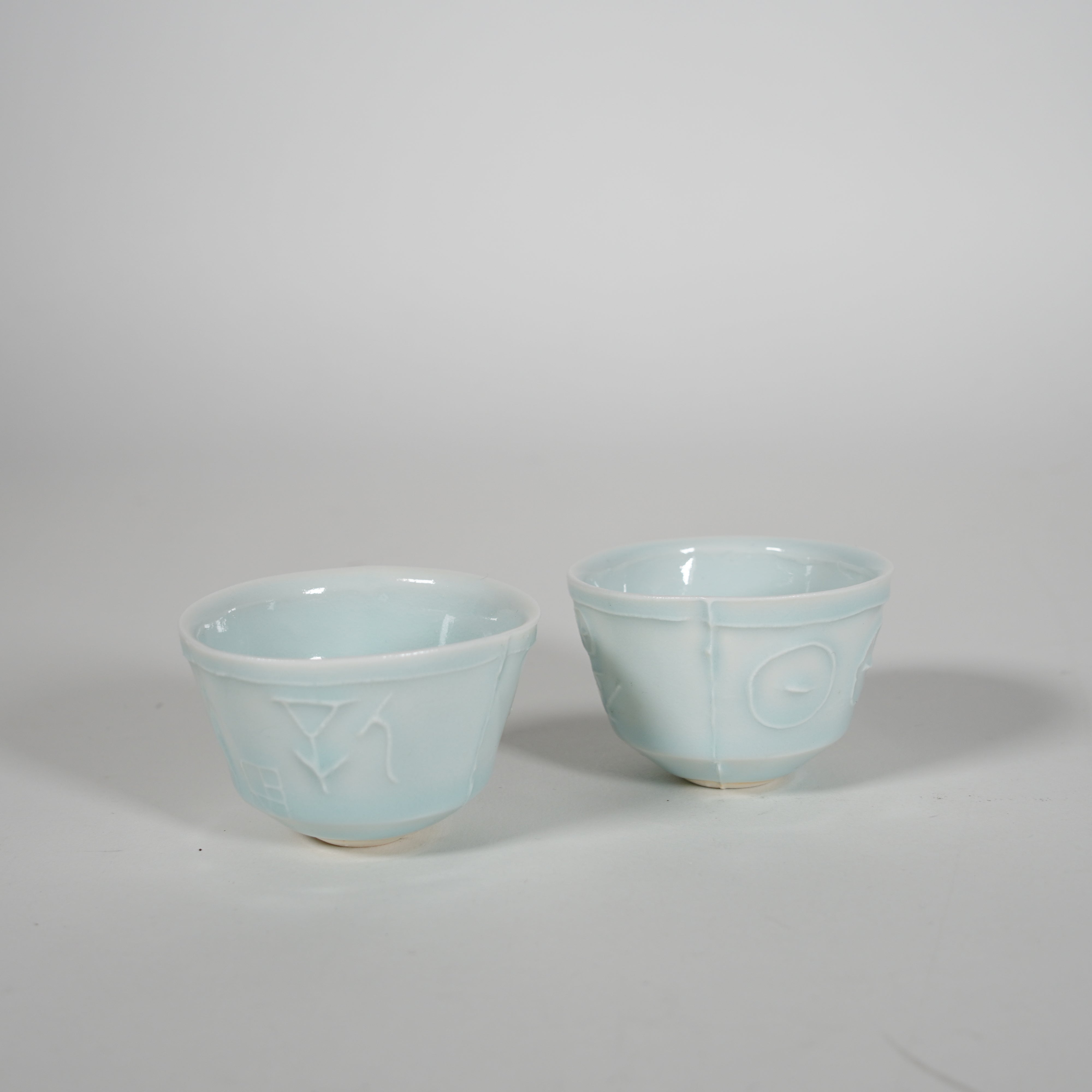
Il s’appelle « ka » et sa caractéristique la plus distinctive est qu’il possède trois pieds fixés à une partie en forme de moitié inférieure de corps humain. Il permet de réchauffer le saké qu’il contient. Il est vendu en lot avec deux petits bols à saké. Comme il s’agit d’un bol à saké rare, il serait très difficile de le trouver facilement, même en cherchant dans le monde entier. C’est l’un des produits qu’il a créés à son image en explorant l’histoire de différents pays du monde. Profitez de vos moments de dégustation avec ces merveilleux bols à saké.
SIZE
Largeur:16,5 cm
Profondeur:12 cm
Hauteur:15 cm
Poids:565 g
MATERIAL
Argile
MITSURU YOSHIKAWA
ARTISAN STORY
Mitsuru Yoshikawa
A Kyoto ceramic artist with more than 40 years of experience. Fascinated by ancient Chinese bronzes, he has continued to create generous, sculptural forms across both earthenware and stoneware. He is especially particular about the 'feet' of his vessels, having created more than 100 original molds, a collection that continues to grow.
ACHIEVEMENTS
・Received the Kyoto Prefecture Traditional Industry Excellent Technician Award
KYO WARE & KIYOMIZU WARE
About 1,200 years ago / 800s / Heian Period (794–1185)
Kyoto ceramics reach back to kilns operating before and during the Heian period, then expanded with tea culture in the Muromachi and Momoyama eras. In the seventeenth century, Nonomura Ninsei perfected brilliant overglaze decoration, followed by innovators such as Ogata Kenzan, Okuda Eisen and Aoki Mokubei, whose diverse approaches shaped today’s Kyo and Kiyomizu ware.
In Japan, these ceramics are famous precisely because there is no single fixed style. Tea bowls, kaiseki dishes and everyday tableware may use overglaze painting, blue-and-white decoration, gold, sancai-inspired color and many other techniques. The craft sits at the heart of Kyoto’s culture of pairing vessels with cuisine and tea.
The surprising point is that Kyoto was never defined by a single major clay deposit. Potters drew on materials such as Amakusa porcelain stone, techniques arriving from other regions, and the tastes of artists and patrons gathered in the capital. Freedom from one local material helped make Kyoto ceramics unusually hybrid and stylistically diverse.
Différences individuelles
Chaque pièce étant fabriquée à la main individuellement, de légères variations de couleur, de motif, de forme et de texture peuvent survenir. Ces différences subtiles sont une caractéristique naturelle des créations artisanales, ce qui rend chaque pièce véritablement unique. Nous espérons que vous apprécierez ces variations individuelles comme faisant partie de la beauté et du caractère de l'artisanat japonais.
Délai de production
Si un article n'est pas actuellement en stock, il peut être fabriqué sur commande par l'artisan. Comme chaque pièce est soigneusement fabriquée à la main, la production peut prendre plusieurs mois selon l'article et le planning de l'artisan. Nous vous remercions de votre patience et de votre compréhension.
Choisir les options