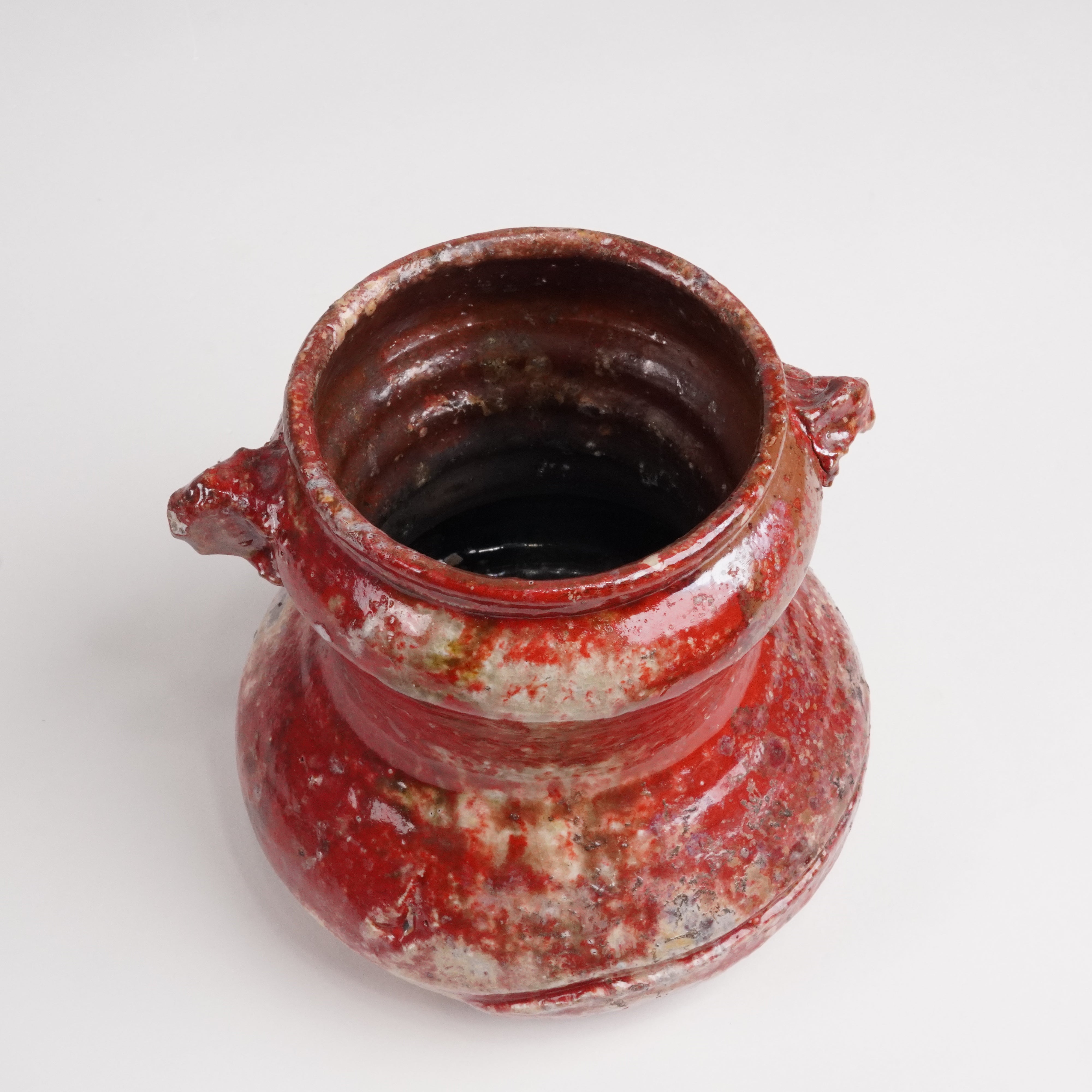
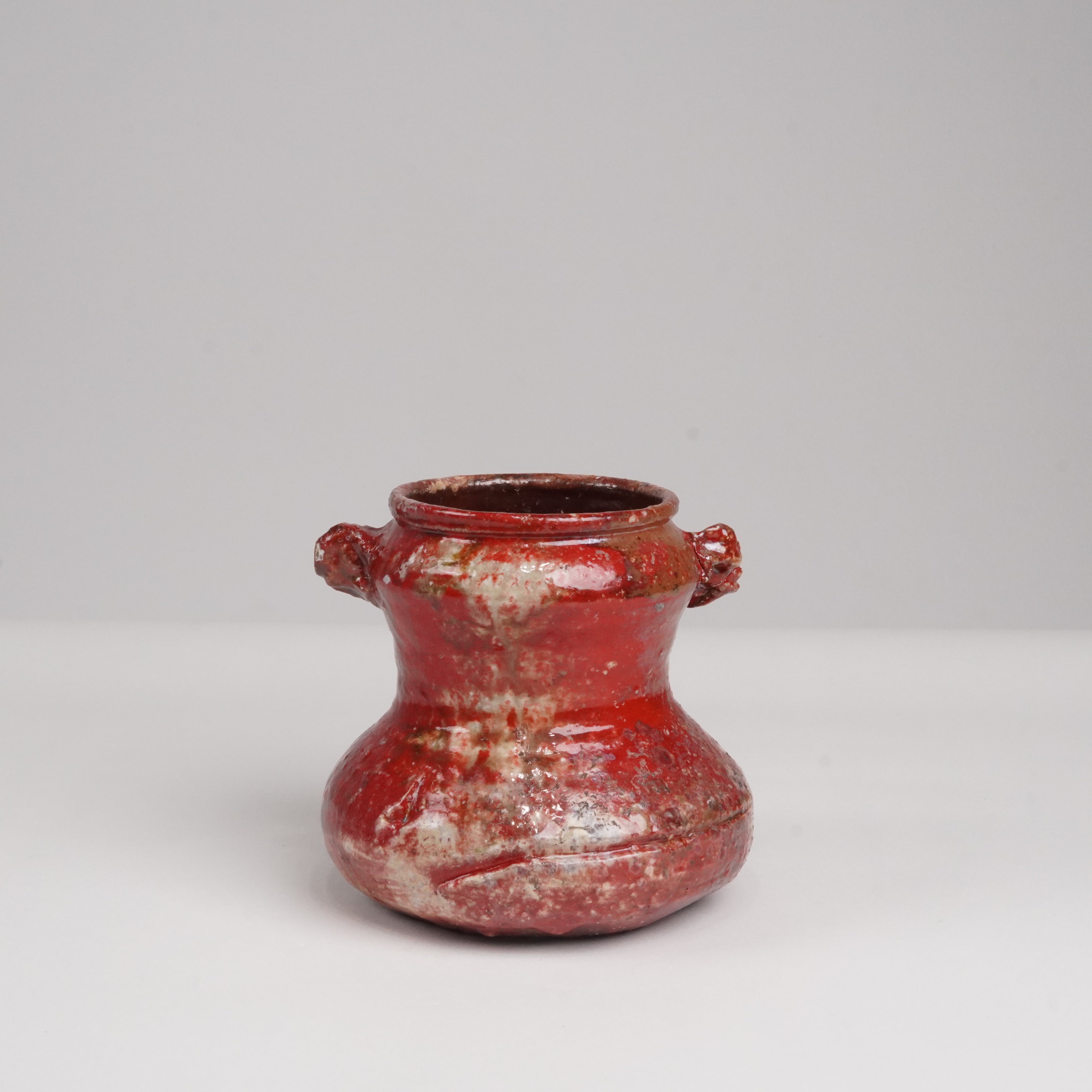
Vase à fleurs / Céramique de Tanba / Aka-Tanba rouge / À anse
DESCRIPTION
DÉTAILS
SIZE
MATERIAL
ARTISAN
KOGEI
Attention
Choisir les options


Vase à fleurs / Céramique de Tanba / Aka-Tanba rouge / À anse
Prix de vente13.373,00 Kč
Pays
Langue
Panier
Votre panier est vide


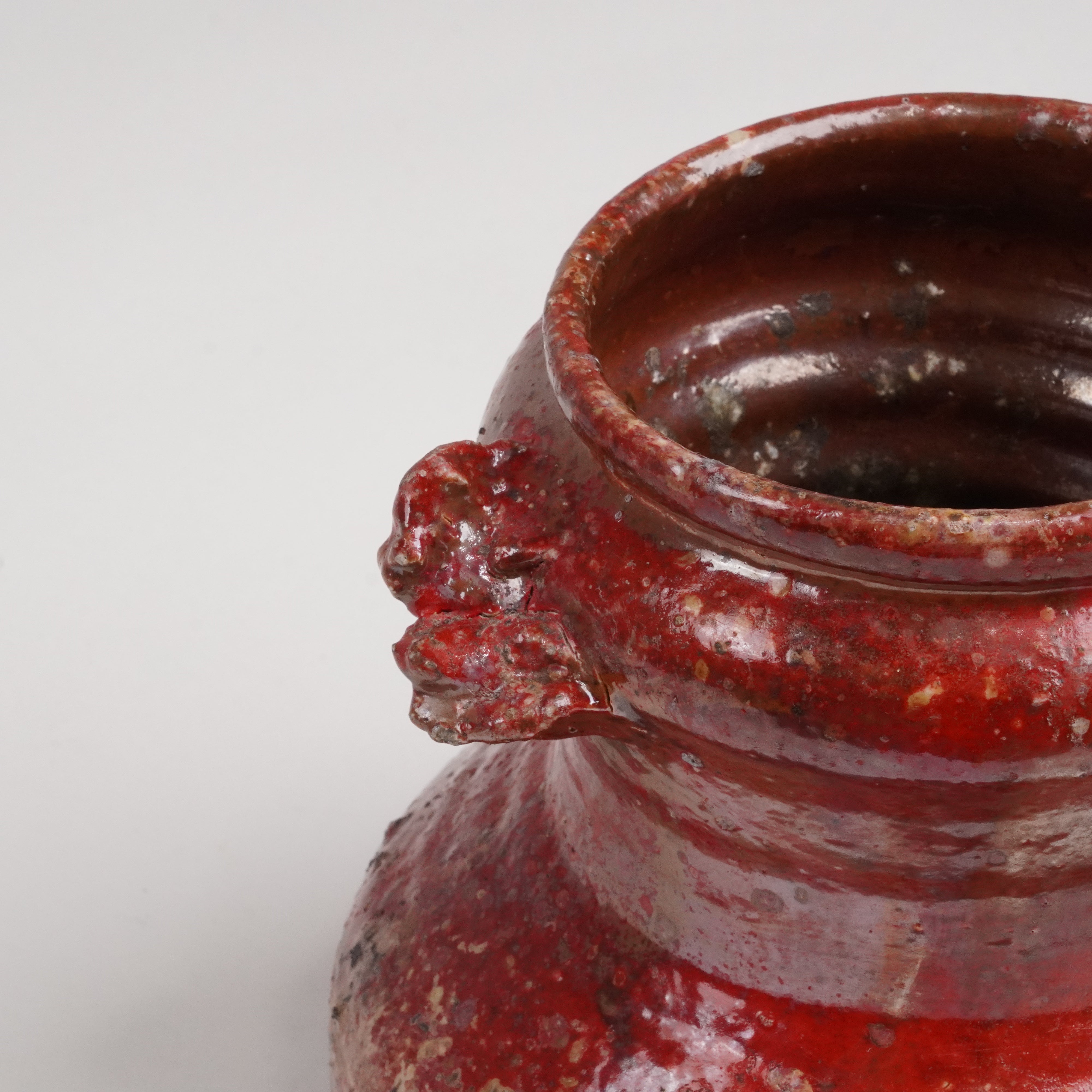
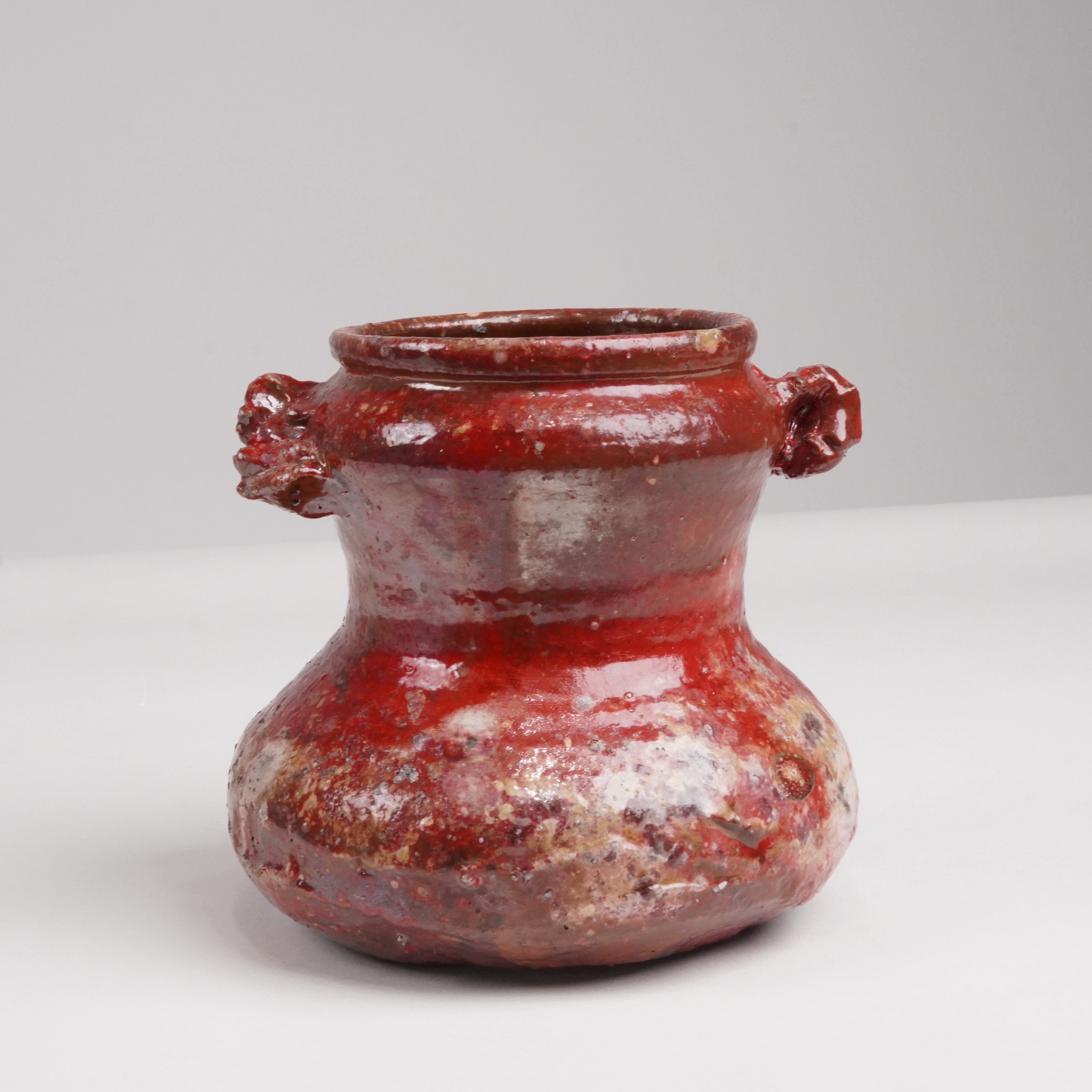
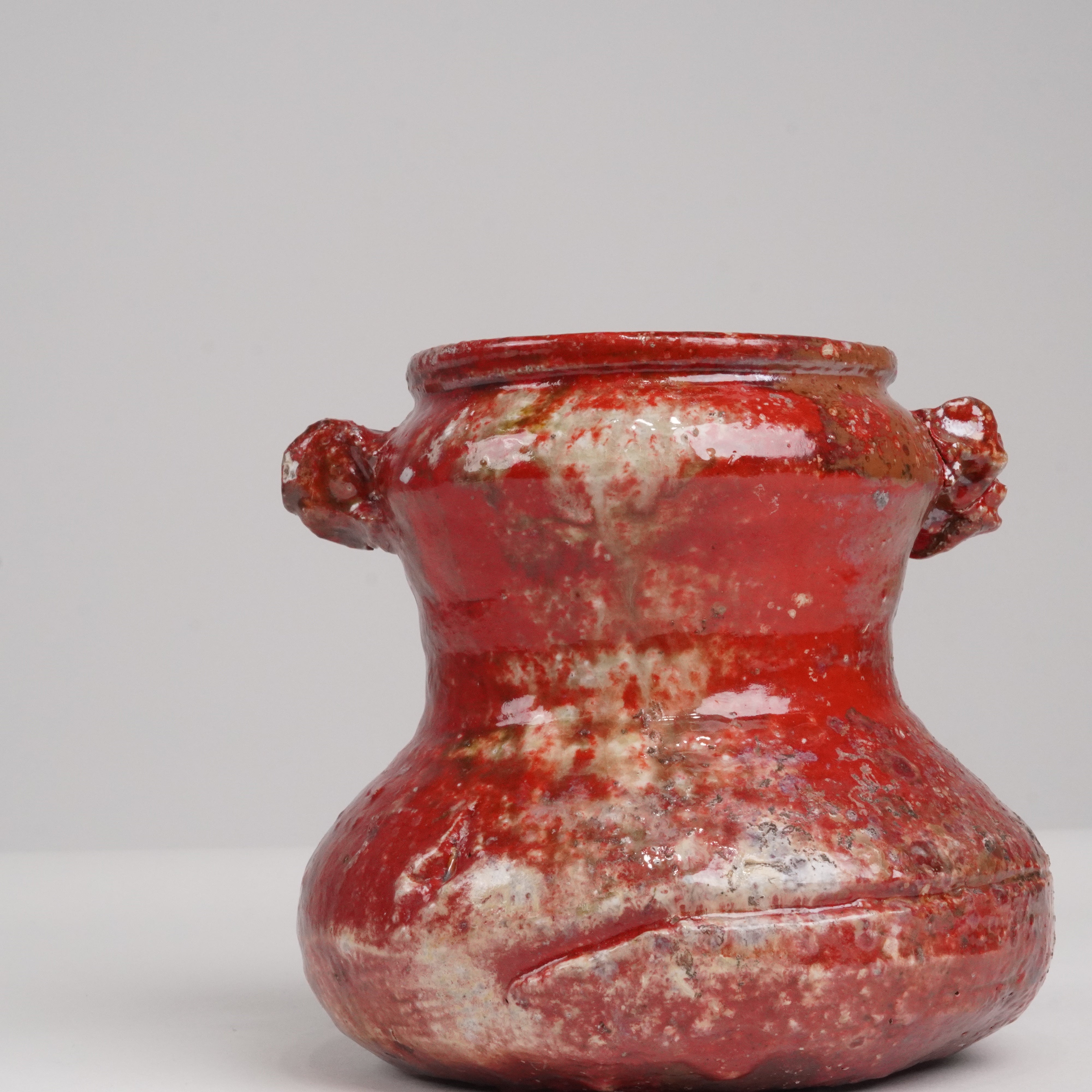
Ce vase, par sa présence à la fois simple et puissante, met en valeur la beauté du hai-kaburi (cendre naturelle), qui caractérise la poterie Tanba.
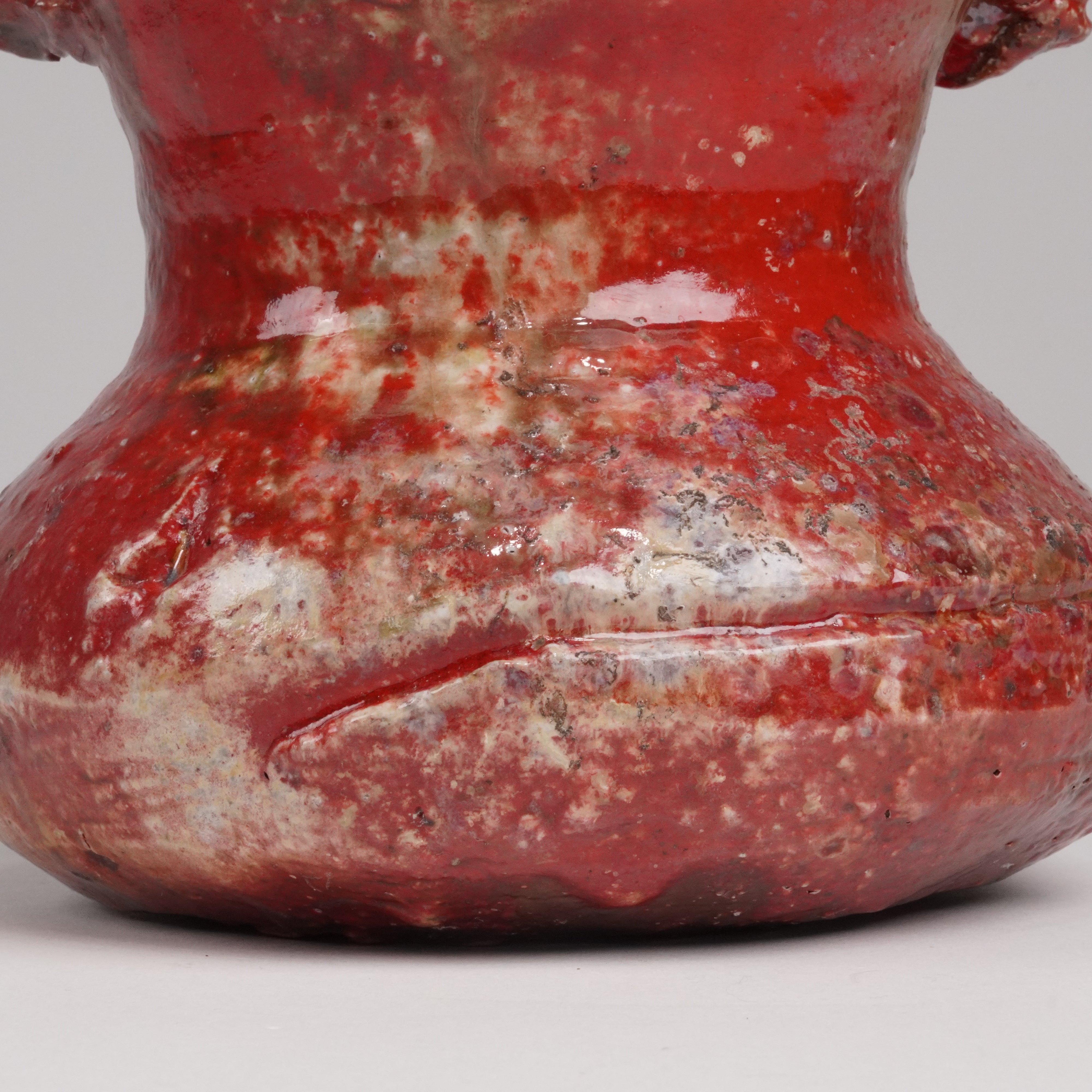
Au cours de plus de 60 heures de cuisson à haute température dans le four à rampe, les cendres qui tombent et les flammes dansantes créent des motifs organiques et des nuances subtiles impossibles à reproduire. Si ses tons terreux évoquent la sérénité, sa présence imposante en fait une pièce maîtresse saisissante qui sublime les fleurs qu’il contient et l’atmosphère qui l’entoure.
Chaque vase porte une expression unique : une création irremplaçable née du feu, des cendres et du temps.
SIZE
Largeur:16cm Profondeur : 16cmHauteur:15cmPoids:2 000g
MATERIAL
Céramiques
TANBUNGAMA
Bringing out the full strength of Tamba clay.
In the unique works created with clay and pigments, the spirit of Tamba’s nature and history is alive. Dynamic forms brought to life with vibrant modern reds, the rustic beauty of clay left in its natural state, and pieces that reveal different worlds on the front and back—all embody the challenge of artisans who honor the timeless tradition of Tamba ware while breathing new life into it.
ARTISAN STORY
Tanbungama
Tanbungama is a kiln that has been passed down through generations. Today, there are more than 60 Tamba ware kilns, but when the first generation began, there were only about 20 to 30, making Tanbungama one of the historic kilns in the Tachikui area. In its early days, the kiln mainly produced sake barrels, which were supplied to breweries in Nada. Nowadays, we focus on creating Japanese tableware and folk crafts that can be widely enjoyed in everyday life. Many of our works are fired in a traditional climbing kiln, which we use four to five times a year.
TAMBA TACHIKUI WARE
About 850 years ago / 1100s / Heian–Kamakura Period
Tamba Tachikui ware began around the end of the Heian or start of the Kamakura period and is one of Japan’s Six Ancient Kilns. Early jars and mortars were fired in anagama kilns; the introduction of climbing kilns in the Edo period increased production and expanded the range of glazes. Kilns remain concentrated around Tachikui in Hyogo.
In Japan, Tamba is loved as unpretentious pottery that lets clay and flame remain visible. Tableware, sake vessels and flower containers dominate, while younger potters continue to introduce contemporary forms and new glaze combinations.
A traditional climbing kiln stretches uphill through a sequence of connected chambers. Heat and flame move from one chamber to the next, so ash deposits and temperature vary dramatically by position. Even pieces with the same glaze can emerge completely different—the fire becomes the final painter.
Différences individuelles
Chaque pièce étant fabriquée à la main individuellement, de légères variations de couleur, de motif, de forme et de texture peuvent survenir. Ces différences subtiles sont une caractéristique naturelle des créations artisanales, ce qui rend chaque pièce véritablement unique. Nous espérons que vous apprécierez ces variations individuelles comme faisant partie de la beauté et du caractère de l'artisanat japonais.
Délai de production
Si un article n'est pas actuellement en stock, il peut être fabriqué sur commande par l'artisan. Comme chaque pièce est soigneusement fabriquée à la main, la production peut prendre plusieurs mois selon l'article et le planning de l'artisan. Nous vous remercions de votre patience et de votre compréhension.

Choisir les options