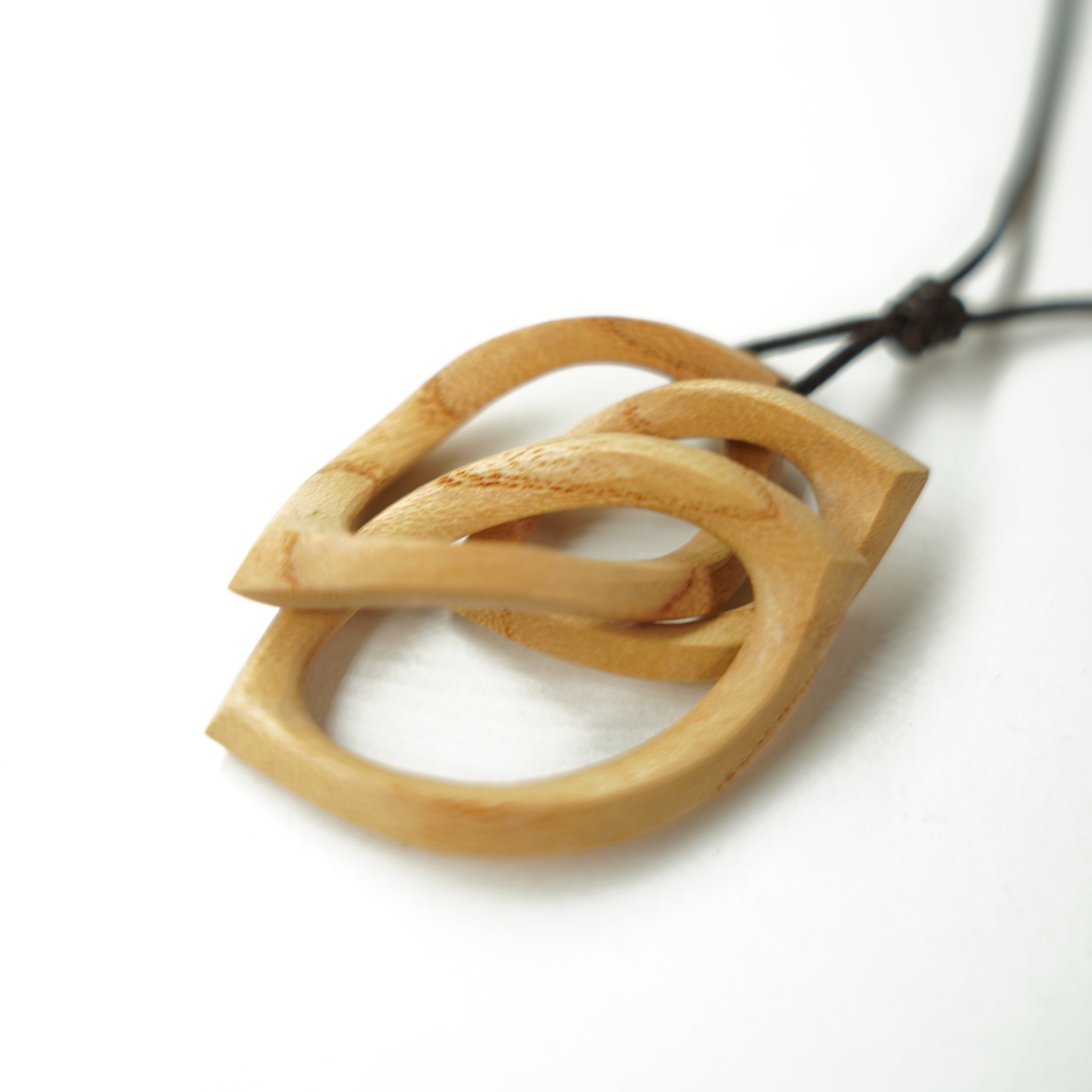
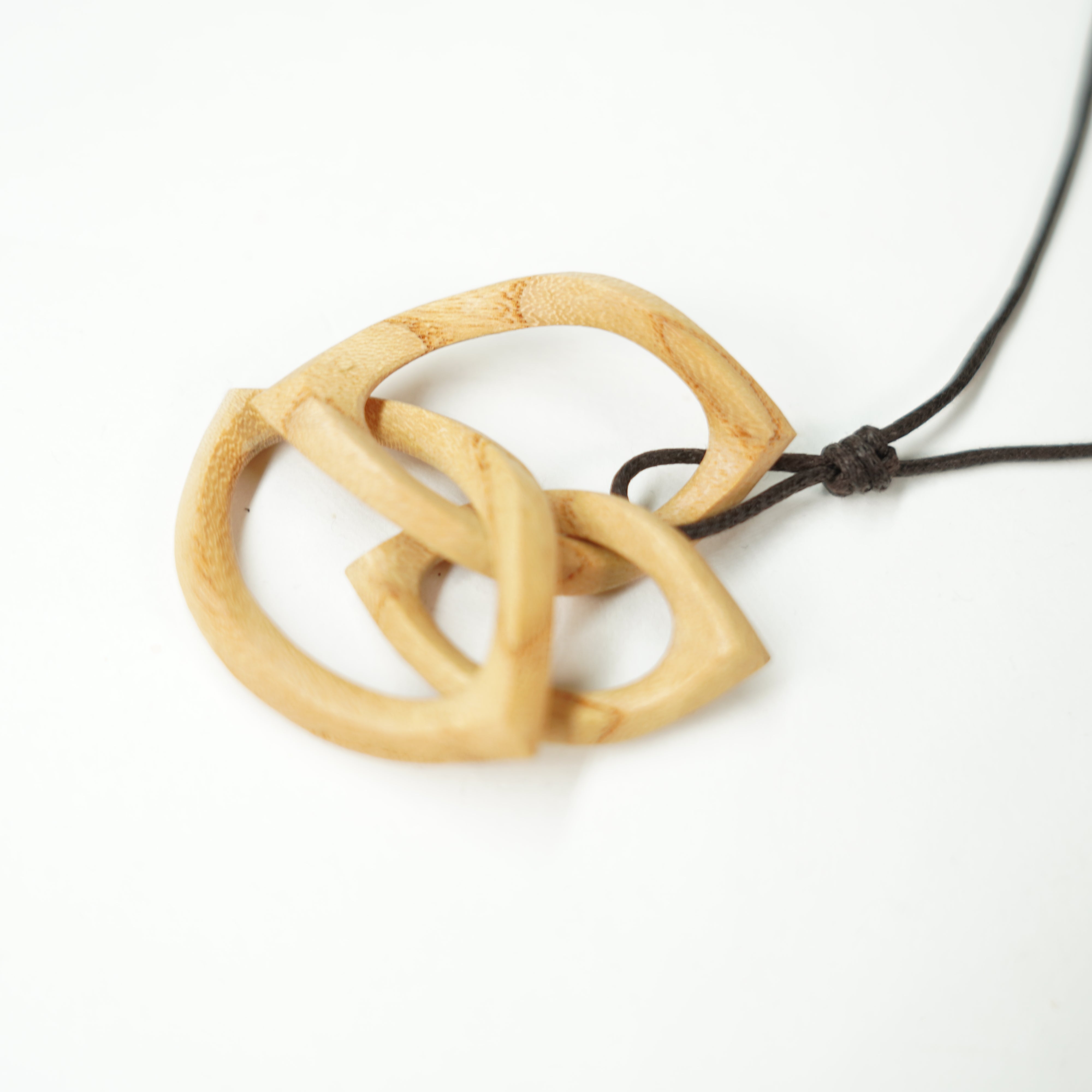
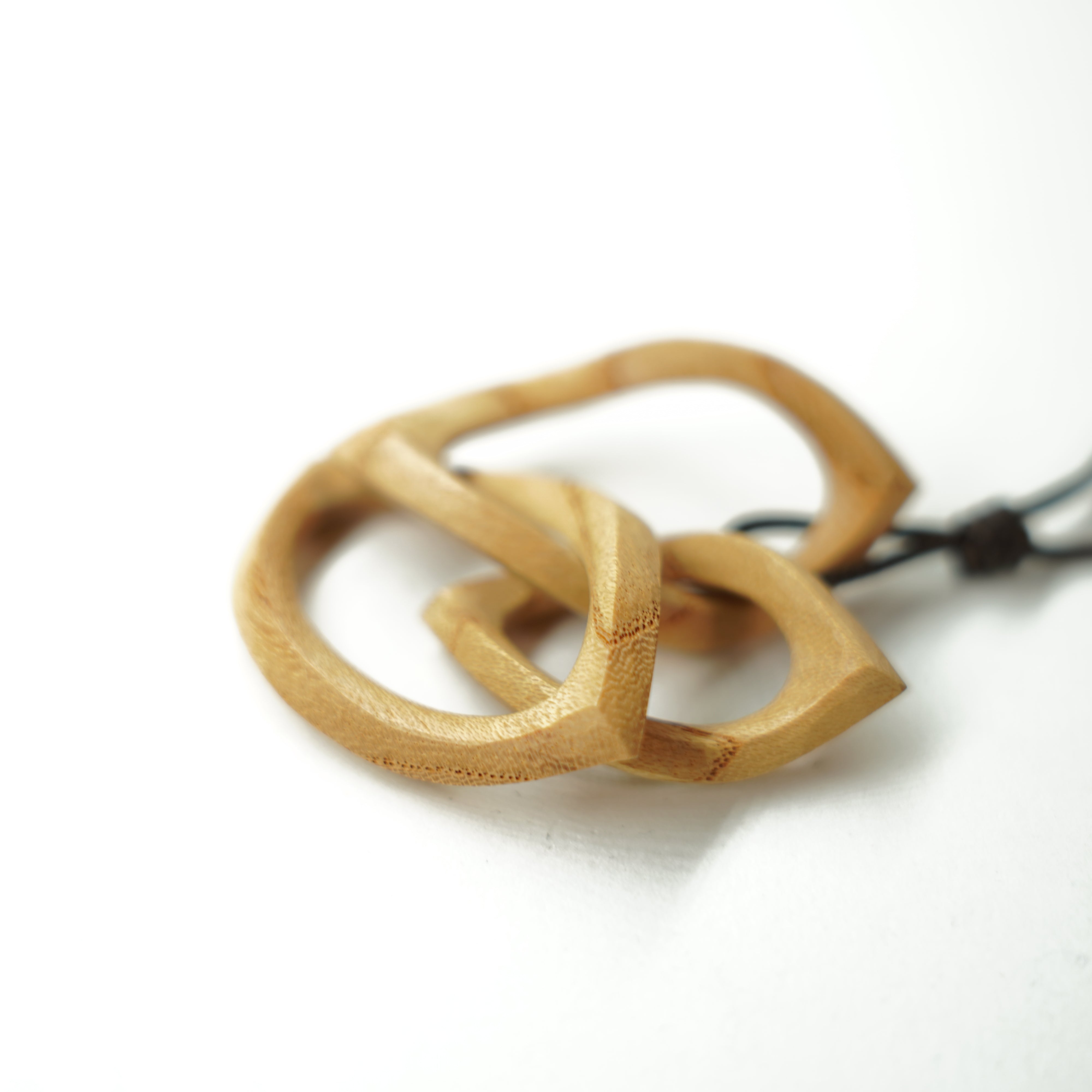
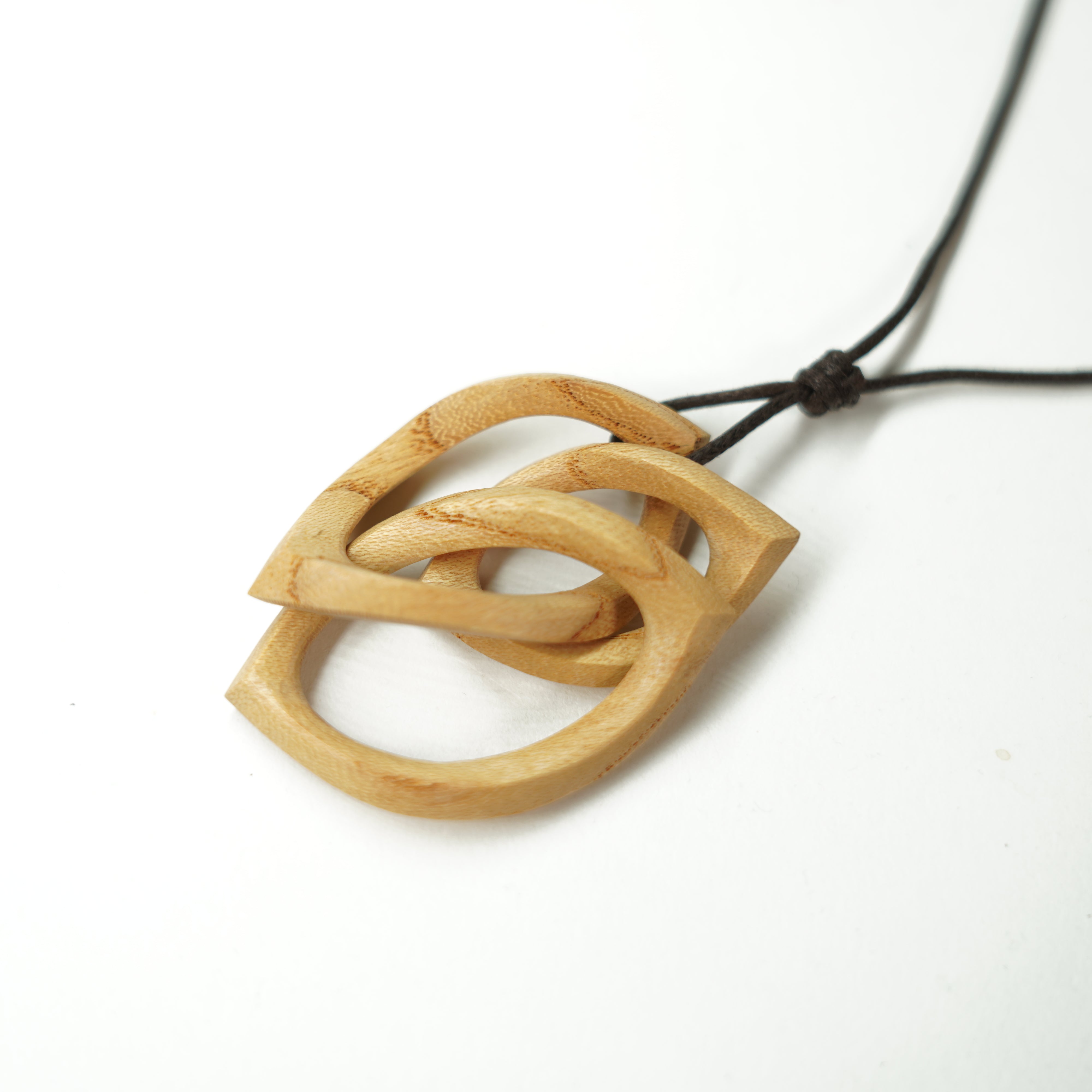
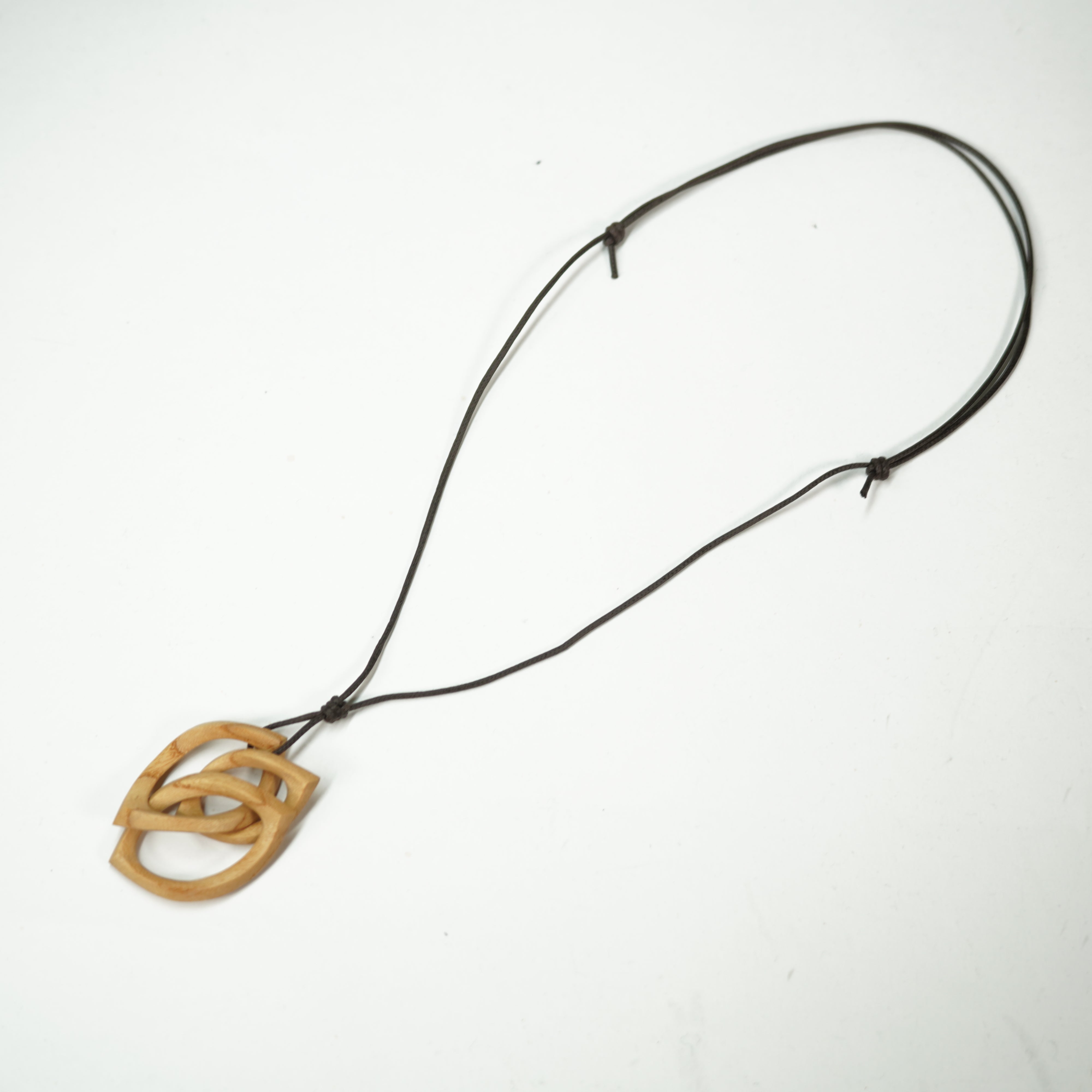
Collier / feuille de sculpture en bois
DESCRIPTION
DÉTAILS
SIZE
MATERIAL
ARTISAN
KOGEI
Attention
Choisir les options


Collier / feuille de sculpture en bois
Prix de vente10.262,00 Kč
Pays
Langue
Panier
Votre panier est vide


Ce collier a été façonné par un artisan qui sculpte habituellement des statues bouddhistes et d'autres sculptures. S'appuyant sur des années d'expérience et des techniques perfectionnées, la pièce présente des détails incroyablement complexes.
Étonnamment, le collier entier est sculpté dans un seul bloc de bois.
Que diriez-vous d'un cadeau pour vos proches ?
SIZE
Largeur:3,5 cm
Hauteur : 7 cm
Poids:3 g
*La longueur du cordon en cuir est réglable
MATERIAL
Bois
SETSUKO TAKEUCHI
I carry the lessons my father taught me into my work.
Cherish your tools. Respect the wood. Speak with the Buddha. Be kind to others. Work with all your heart.
Just like sharpening a blade, I sharpen my mind before beginning any task.
Just as my father always did.
ARTISAN STORY
Setsuko Takeuchi
Influenced by my father, a Buddhist sculptor, I began training in wood carving in the summer of my second year of high school.
The woods that have found their way to me through fate are each given new life in forms they are meant to become, and then sent to those who have been waiting for them.
I continue to carve with care, honoring the connection between the wood, the people, and the heartfelt intentions that bind them.
NISHIJIN ORI / NISHIJIN SILK TEXTILES
About 1,200 years ago / 800s / Heian Period (794–1185)
Nishijin textiles trace their technical roots to the Oribe-no-tsukasa, a Heian-period government workshop that produced luxury cloth for the court. Weavers scattered during the Onin War but later returned to the area around the former western army camp—nishi-jin—giving the district its enduring name. In the Meiji period, European Jacquard technology was actively introduced.
In Japan, Nishijin represents some of the country’s most prestigious silk weaving, especially obi and Noh costumes. Because designs are woven from pre-dyed yarn rather than printed afterward, colors can have extraordinary depth. Today the skills also appear in ties, bags, interiors and collaborations with fashion brands.
“Nishijin” was not originally an ancient place-name; it literally refers to the “western camp” of the Onin War. Production is also profoundly distributed: design, pattern preparation, twisting, dyeing and weaving may involve more than twenty specialized stages across the neighborhood. The city district itself functions like a single enormous workshop.
Différences individuelles
Chaque pièce étant fabriquée à la main individuellement, de légères variations de couleur, de motif, de forme et de texture peuvent survenir. Ces subtiles différences sont une caractéristique naturelle des créations faites à la main, rendant chaque pièce véritablement unique. Nous espérons que vous apprécierez ces variations individuelles comme faisant partie de la beauté et du caractère de l'artisanat japonais.
Délai de production
Si un article n'est pas actuellement en stock, il peut être fabriqué sur commande par l'artisan. Comme chaque pièce est soigneusement fabriquée à la main, la production peut prendre plusieurs mois selon l'article et le planning de l'artisan. Nous vous remercions de votre patience et de votre compréhension.

Choisir les options