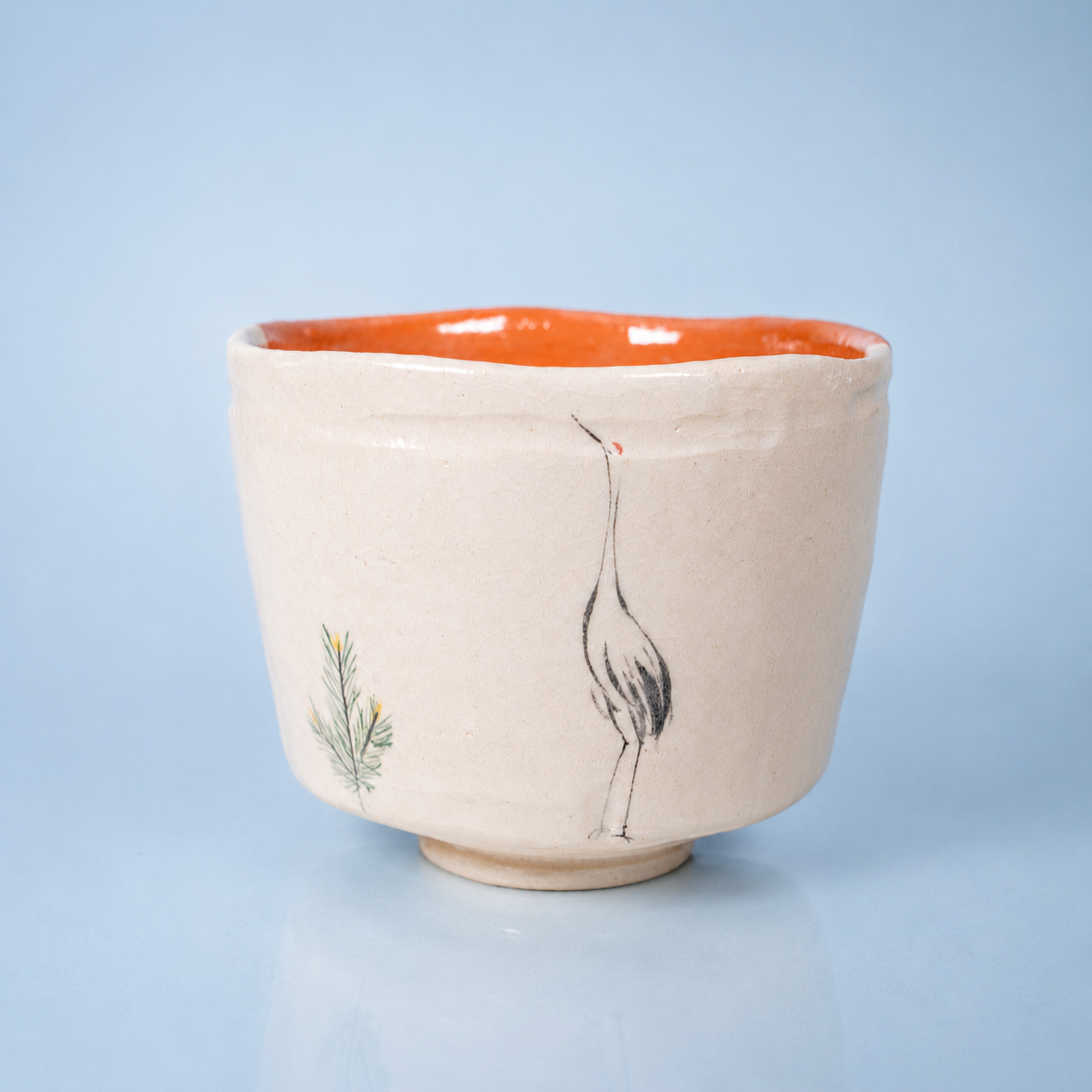
Raku Pottery / Tea Bowl / Crane
DESCRIPTION
DÉTAILS
SIZE
MATERIAL
ARTISAN
KOGEI
Attention
Choisir les options


Raku Pottery / Tea Bowl / Crane
Prix de vente1.370,00 kr
Pays
Langue
Panier
Votre panier est vide


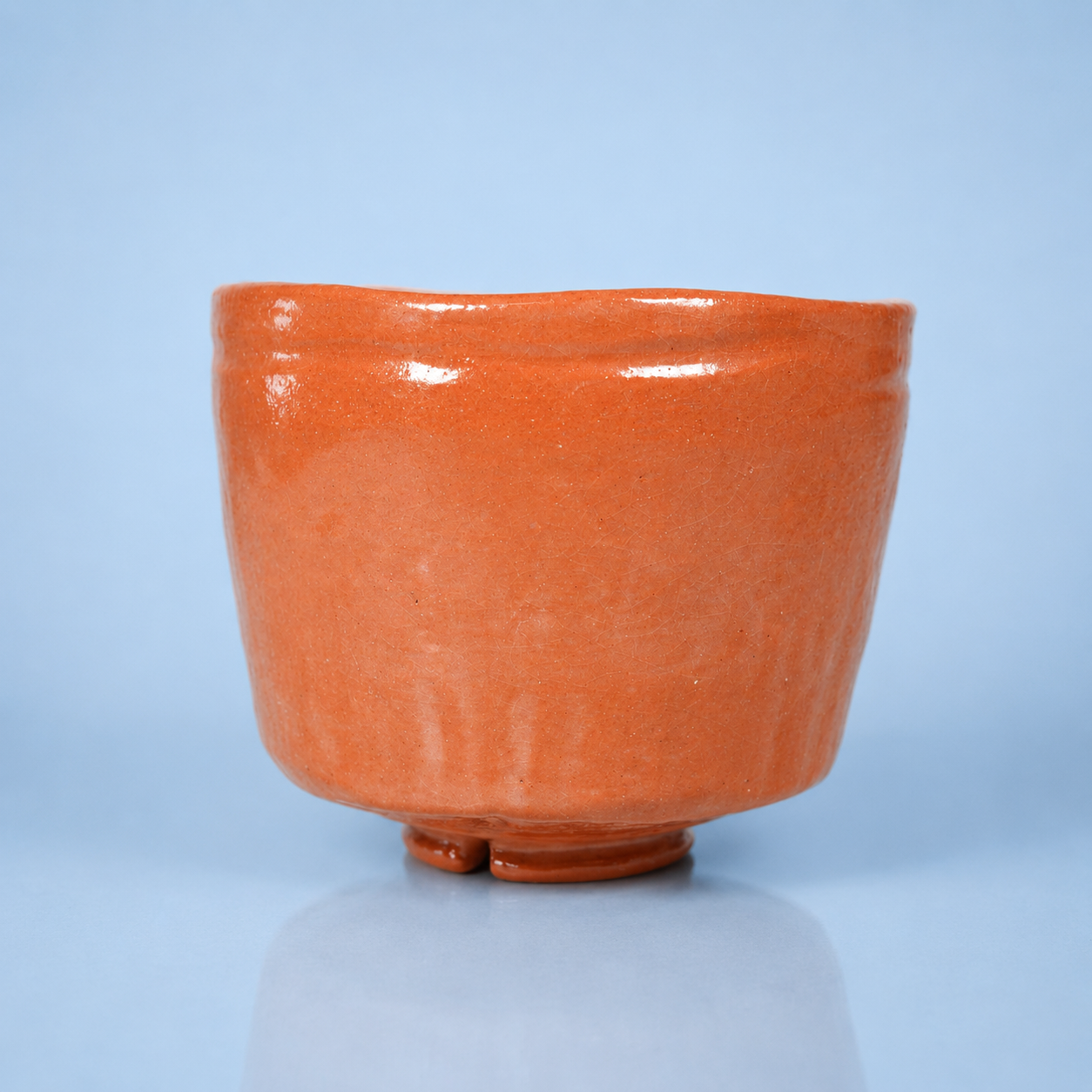
Il s’agit du motif de la première génération de la famille Tang, qui représentait une grue debout sur un bol à thé Raku rouge. La vaisselle Raku comprend des bols à thé conçus pour la cérémonie du thé. Le bol à thé possède un fond large, appelé « chasenzuri », qui permet de tourner facilement le fouet à thé et de servir le thé. De plus, le bol lui-même s’incurve légèrement vers l’intérieur au niveau du bord, ce qui empêche le thé de couler en buvant et rend la dégustation plus élégante.
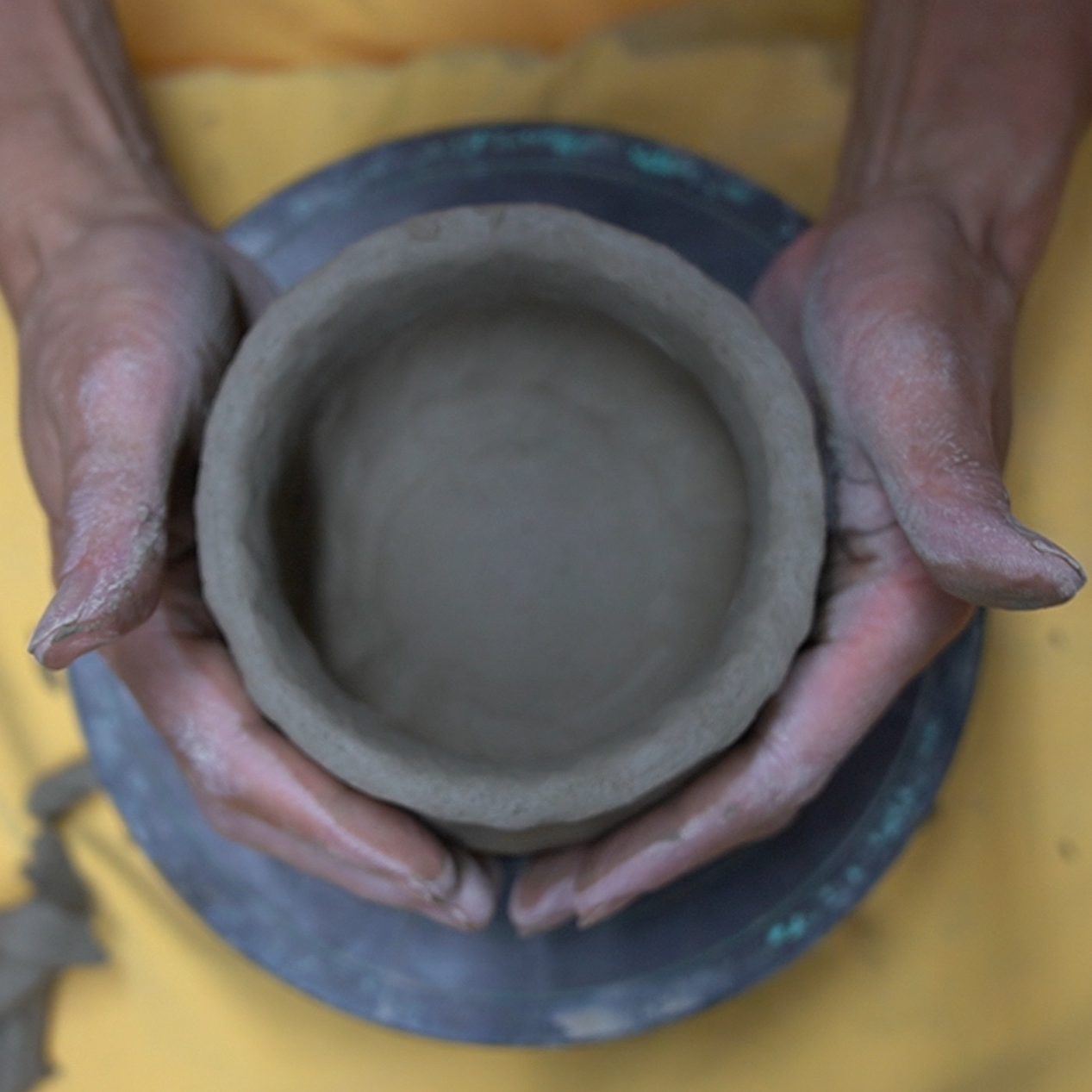
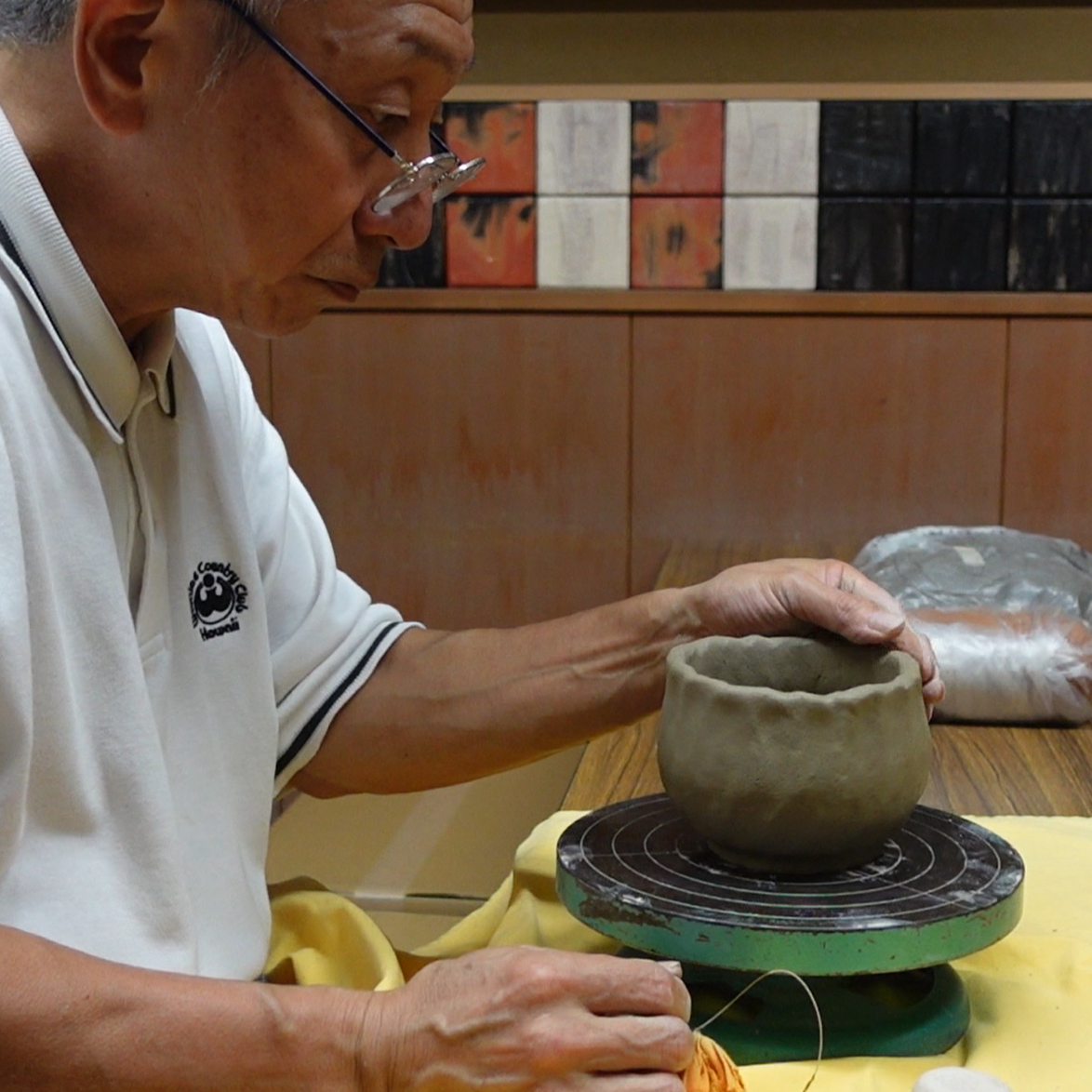
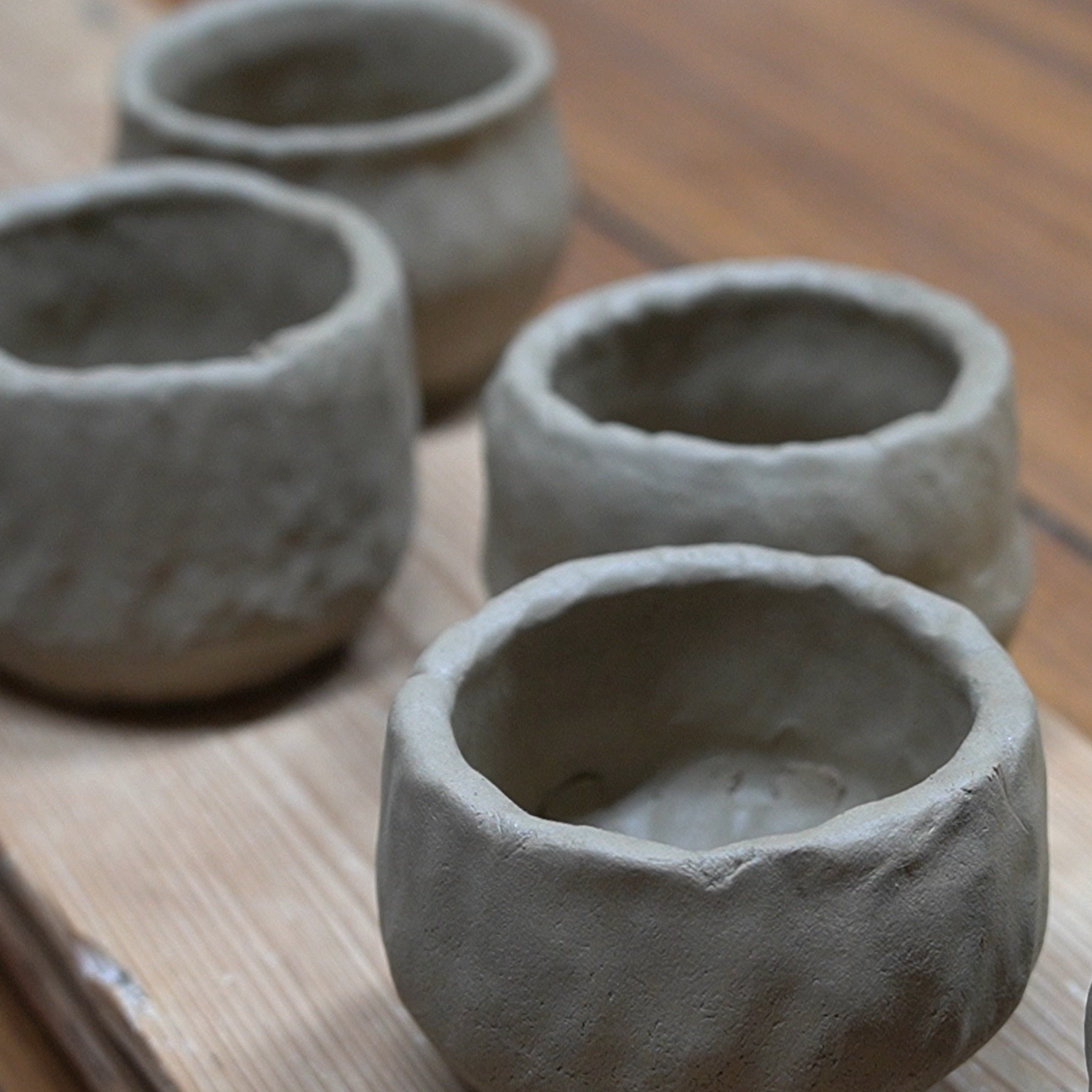
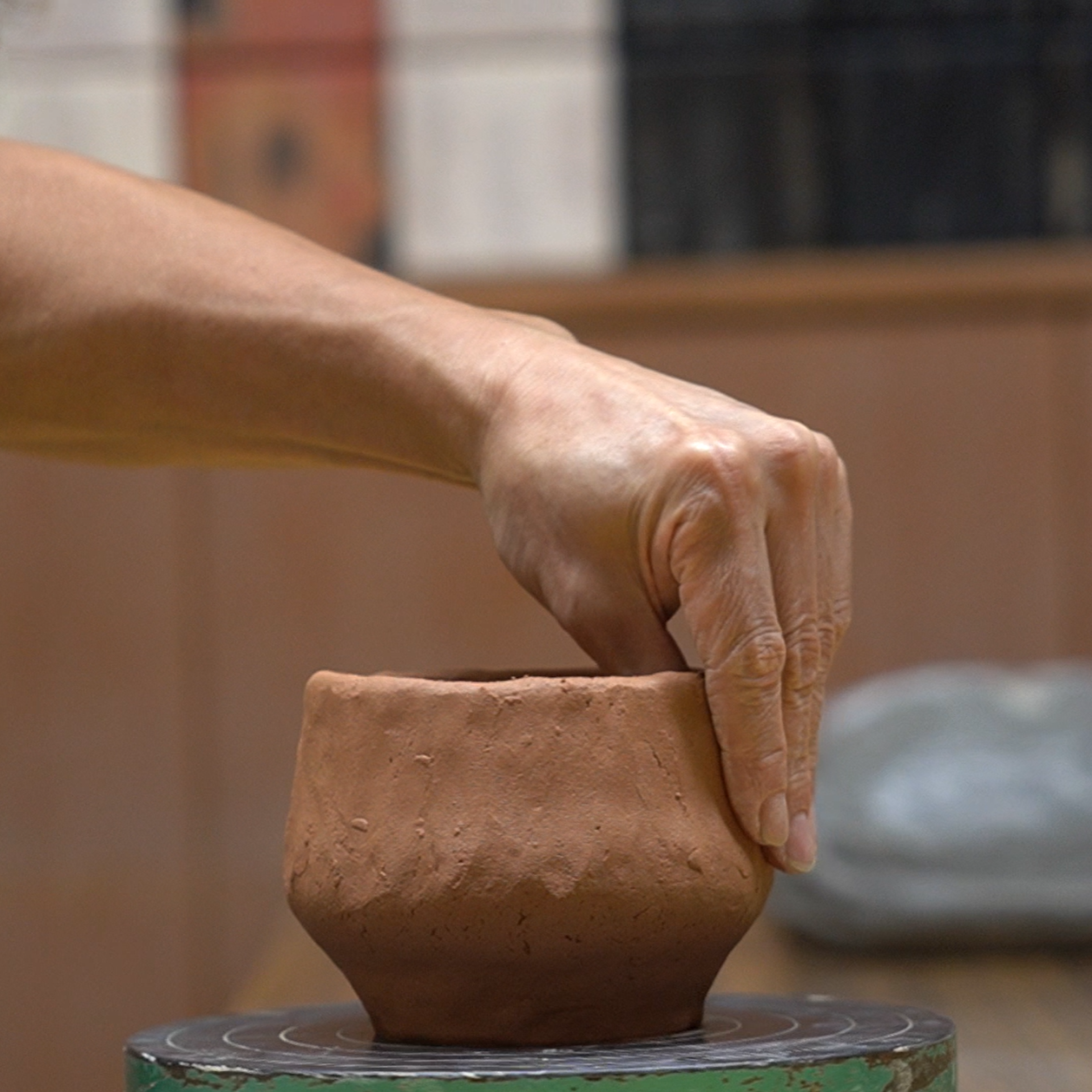
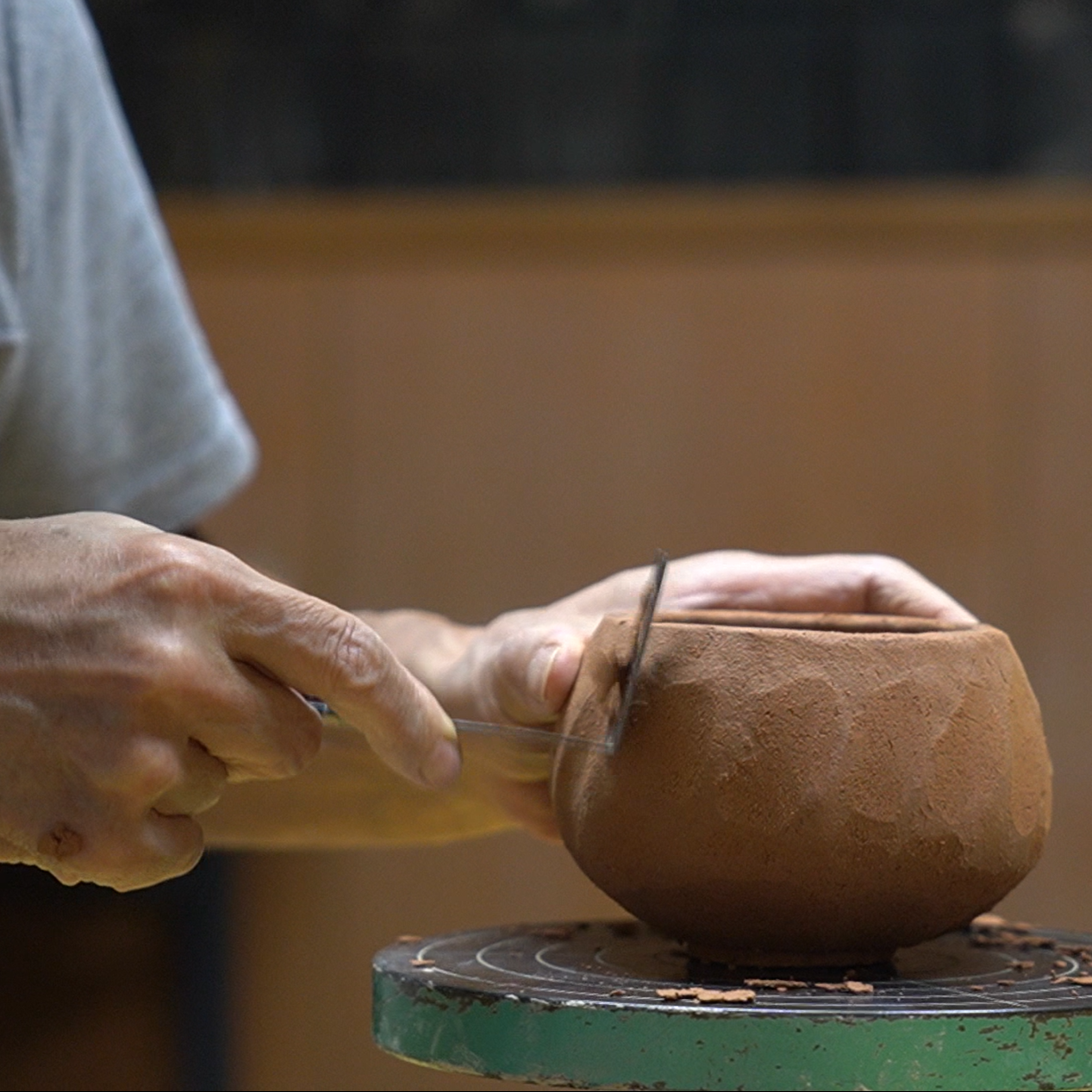
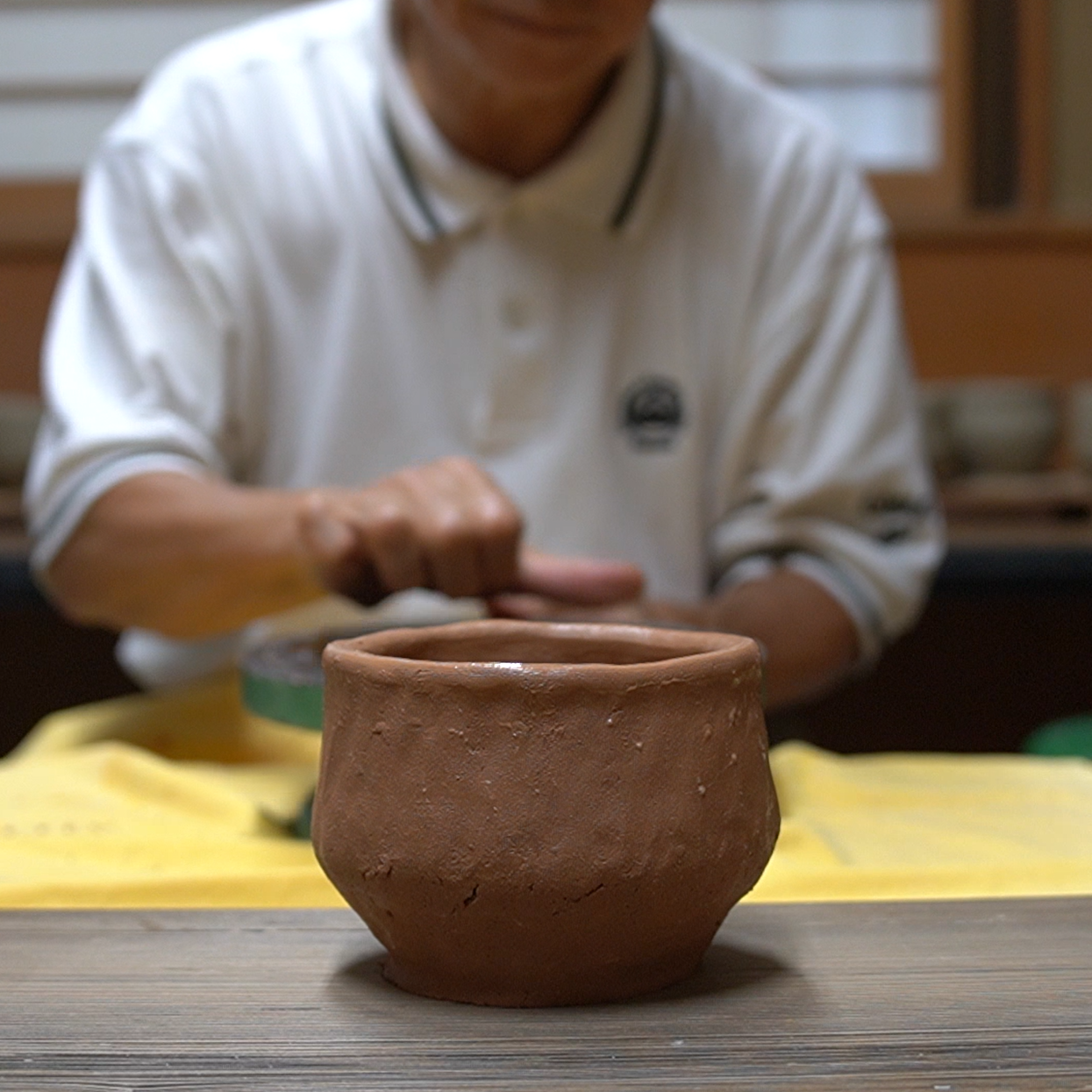
Il est façonné en le tournant ou en le pétrissant à la main, en utilisant uniquement les mains et des spatules, et se caractérise par de légères irrégularités et des formes épaisses. L’ensemble de sa forme, qui n’est pas parfaitement symétrique d’un côté à l’autre, exprime la « beauté de l’imperfection ». Il existe également un classement pour les bols à matcha, « Ichi-Raku, Ni-Hagi et San-Karatsu » (ce qui signifie respectivement 1er, 2e et 3e rang), la vaisselle Raku étant le bol à matcha le plus prestigieux.
SIZE
Largeur:10,8 cm
Profondeur:10,8 cm
Hauteur:8,2 cm
Poids:260 g
MATERIAL
Cray
RAKUNYU
“Developing Traditional Techniques”
We are working hard to produce "painted tea bowls," which are rare in Raku ware, and are challenging the development of unique Raku ware. We are not only preserving tradition, but also developing our techniques without being bound by them to produce products that will please our customers in the modern age.
ARTISAN STORY
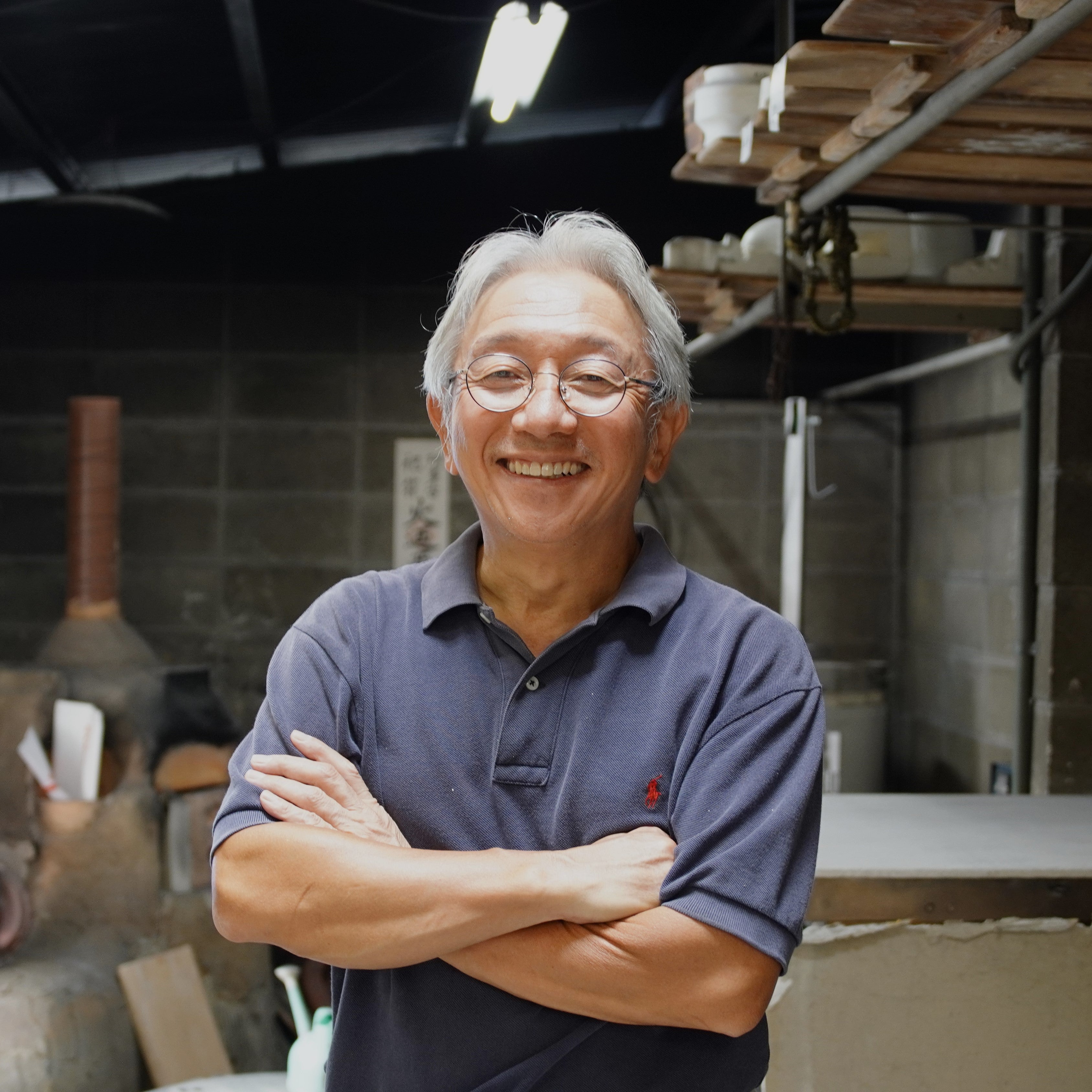
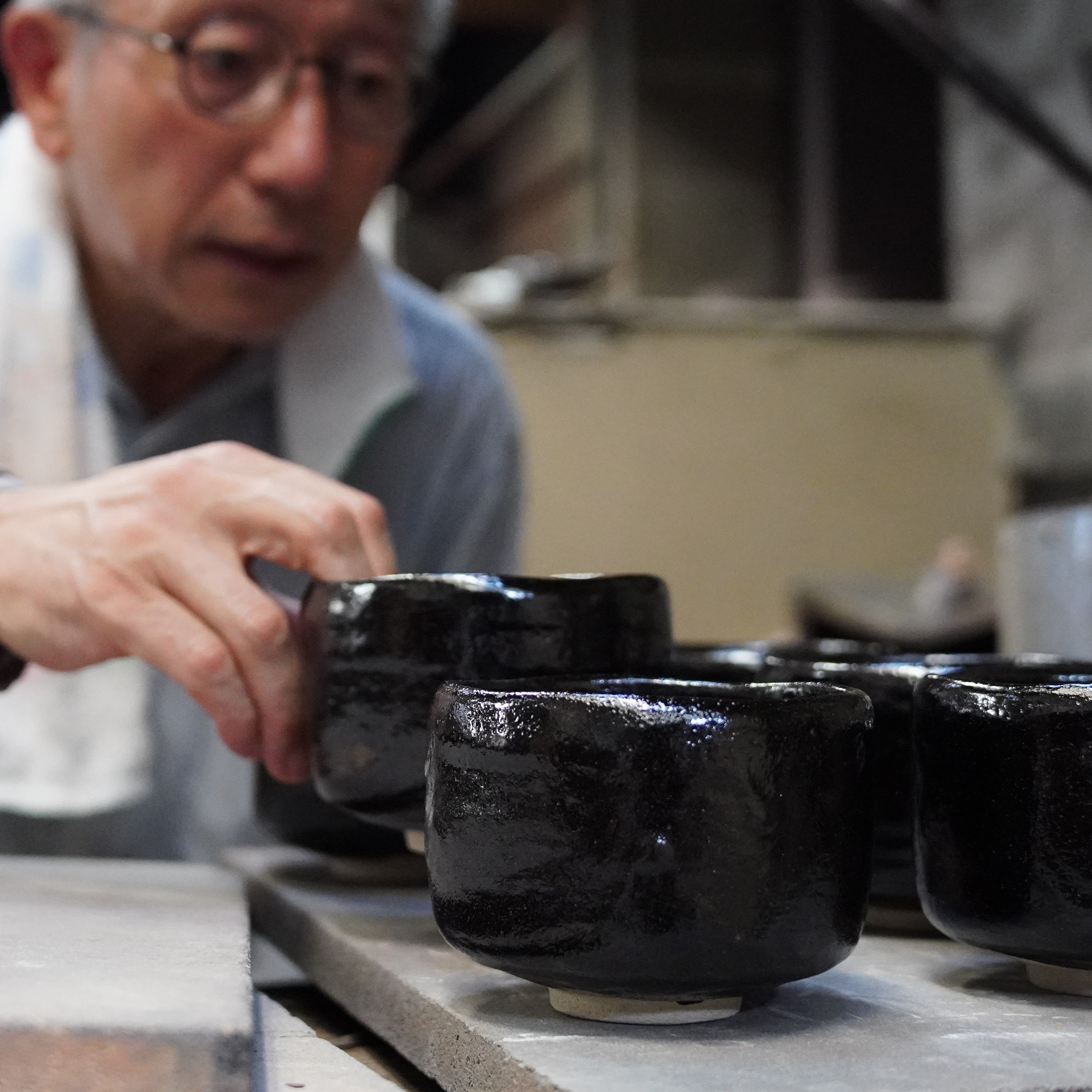
Yoshimura Rakunyu is a kiln specializing in Raku ware, which is a unique type of Kiyomizu ware. They create traditional and innovative items every day, ranging from black and red Raku tea bowls, which have been valued in the world of tea ceremony since the time of Sen no Rikyu, to gorgeous painted tea bowls, daily tableware, and indoor tiles called Raku Tile.
The Yoshimura family has been making pottery in Kyoto since the Meiji era (1868-1912), but since Rakunyu, the first generation, the family has made pottery its main business, creating tea ceremony utensils such as matcha bowls and figurines. The name "Rakunyu" has been passed down from generation to generation, and Mr. Yoshimura is the third generation.
ACHIEVEMENTS
・Selected to exhibit at the Kyoto Kiyomizuyaki Paris Exhibition
・Recognized by the City of Kyoto as a "Future Master Craftsman
RAKU WARE
About 440 years ago / 1580s / Azuchi–Momoyama Period (1573–1603)
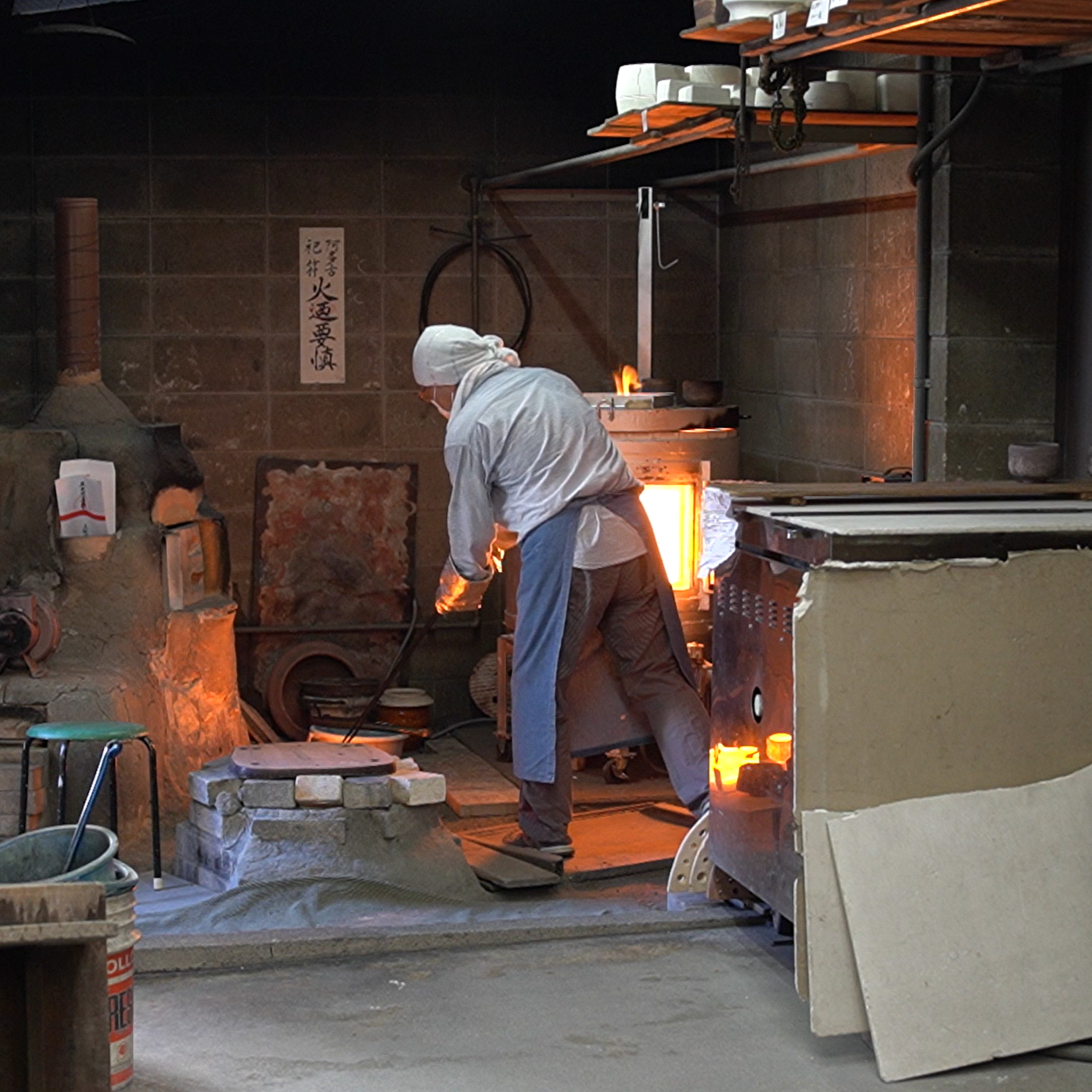
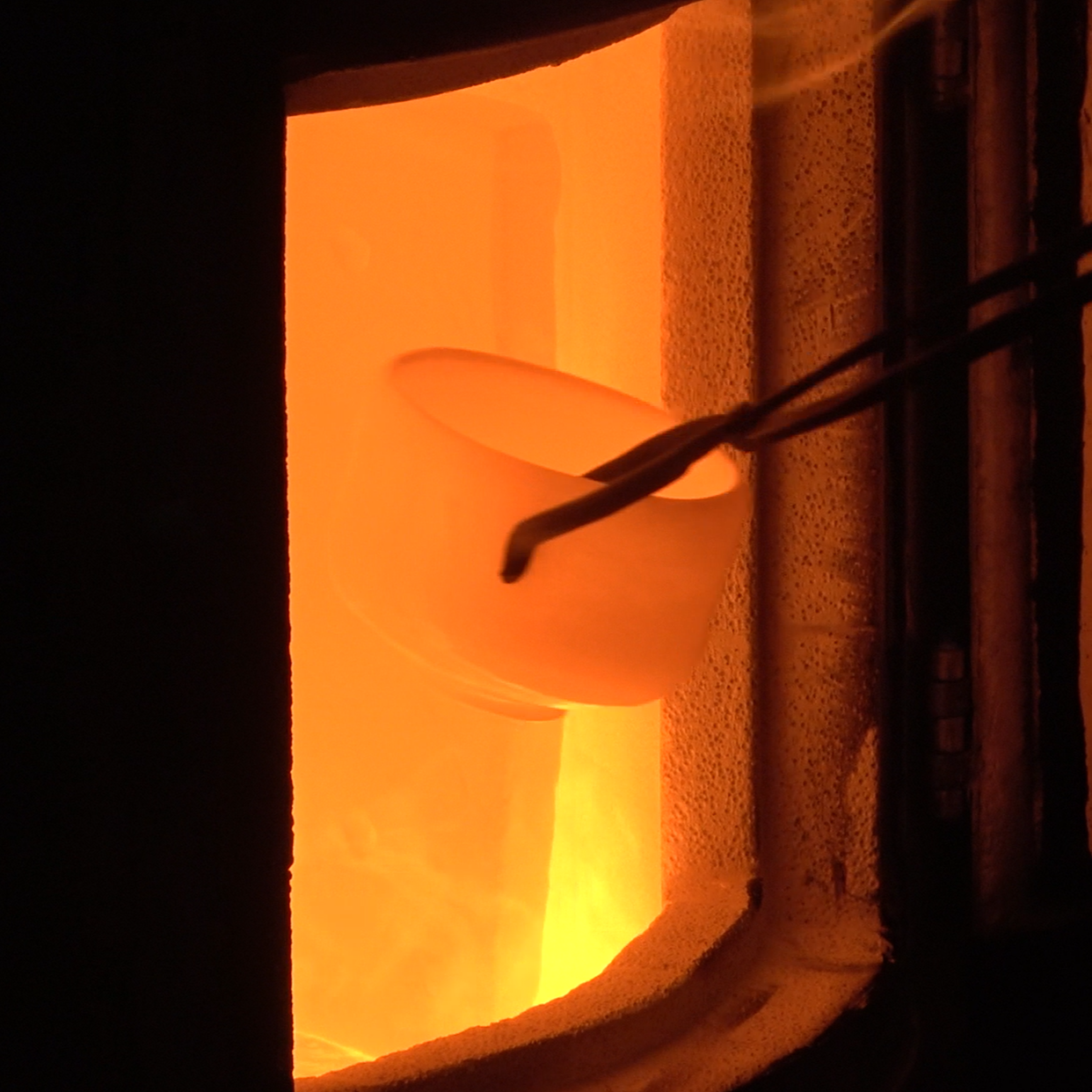
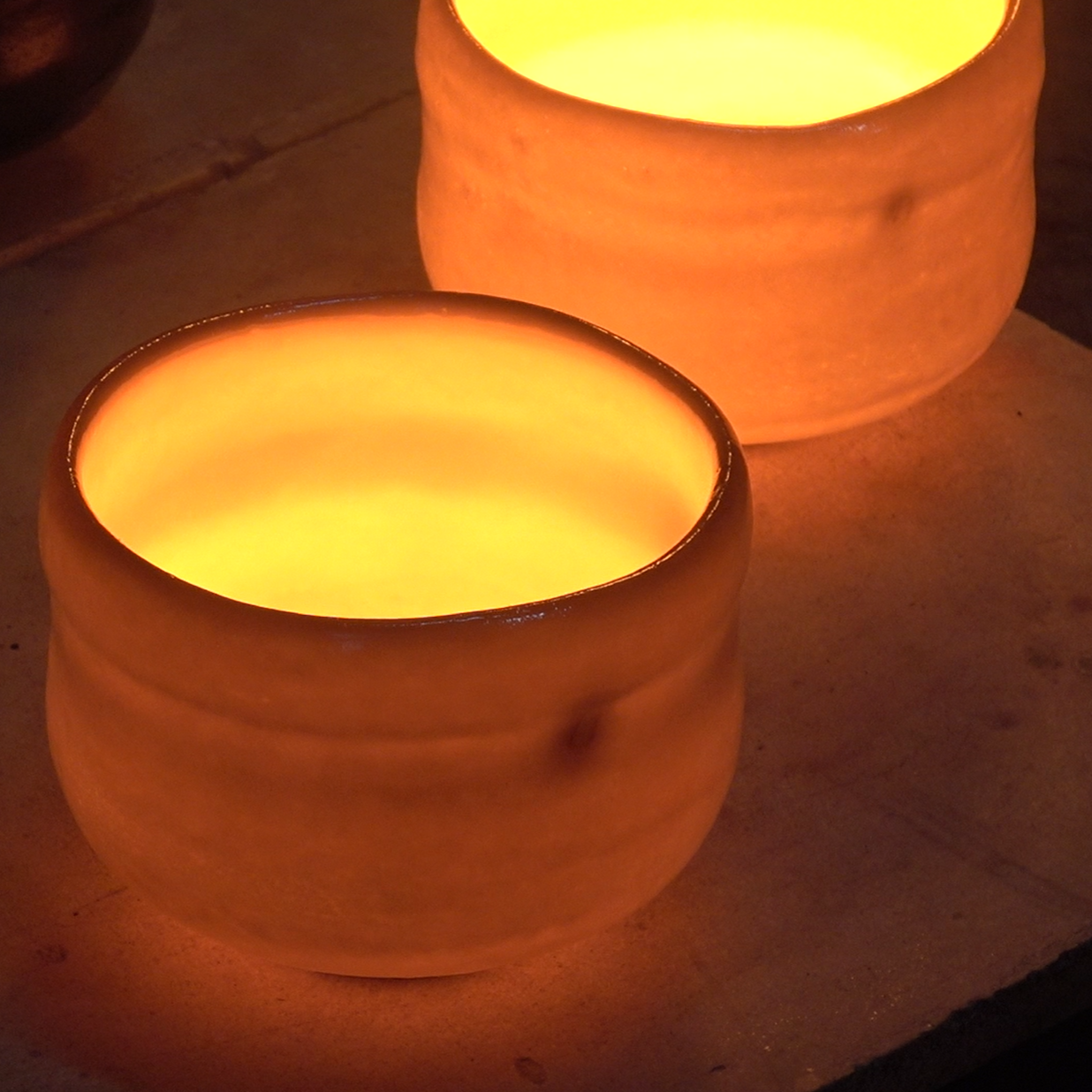
Raku ware is traditionally traced to the late sixteenth century, when the potter Chojiro created tea bowls responding to the aesthetic of tea master Sen no Rikyu. The vessels were hand-built rather than wheel-thrown, fired at relatively low temperatures and removed individually from the kiln, creating forms intimately connected with the quiet ideals of wabi tea.
In Japan, a Raku bowl is valued as much through touch as sight. The soft contours of black and red Raku are meant to be held in both hands, so weight, lip, texture and warmth become part of the aesthetic experience. The Raku family lineage and many other potters continue the tradition today.
A useful surprise for overseas audiences is that Western “raku firing” is not identical to traditional Japanese Raku. The dramatic post-firing reduction and smoke effects popularized abroad in the twentieth century belong to a different development. Traditional Raku remains fundamentally tied to tea and to a much quieter visual language.
Différences individuelles
Chaque pièce étant fabriquée à la main individuellement, de légères variations de couleur, de motif, de forme et de texture peuvent survenir. Ces subtiles différences sont une caractéristique naturelle des créations artisanales, ce qui rend chaque pièce véritablement unique. Nous espérons que vous apprécierez ces variations individuelles comme faisant partie de la beauté et du caractère de l'artisanat japonais.
Délai de production
Si un article n'est pas actuellement en stock, il peut être fabriqué sur commande par l'artisan. Comme chaque pièce est soigneusement fabriquée à la main, la production peut prendre plusieurs mois selon l'article et le planning de l'artisan. Nous vous remercions de votre patience et de votre compréhension.

Choisir les options