Teinture kyoto / petit / 006
DESCRIPTION
DÉTAILS
SIZE
MATERIAL
ARTISAN
KOGEI
Attention
Choisir les options


Teinture kyoto / petit / 006
Prix de venteRp 1.296.000,00
Pays
Langue
Panier
Votre panier est vide


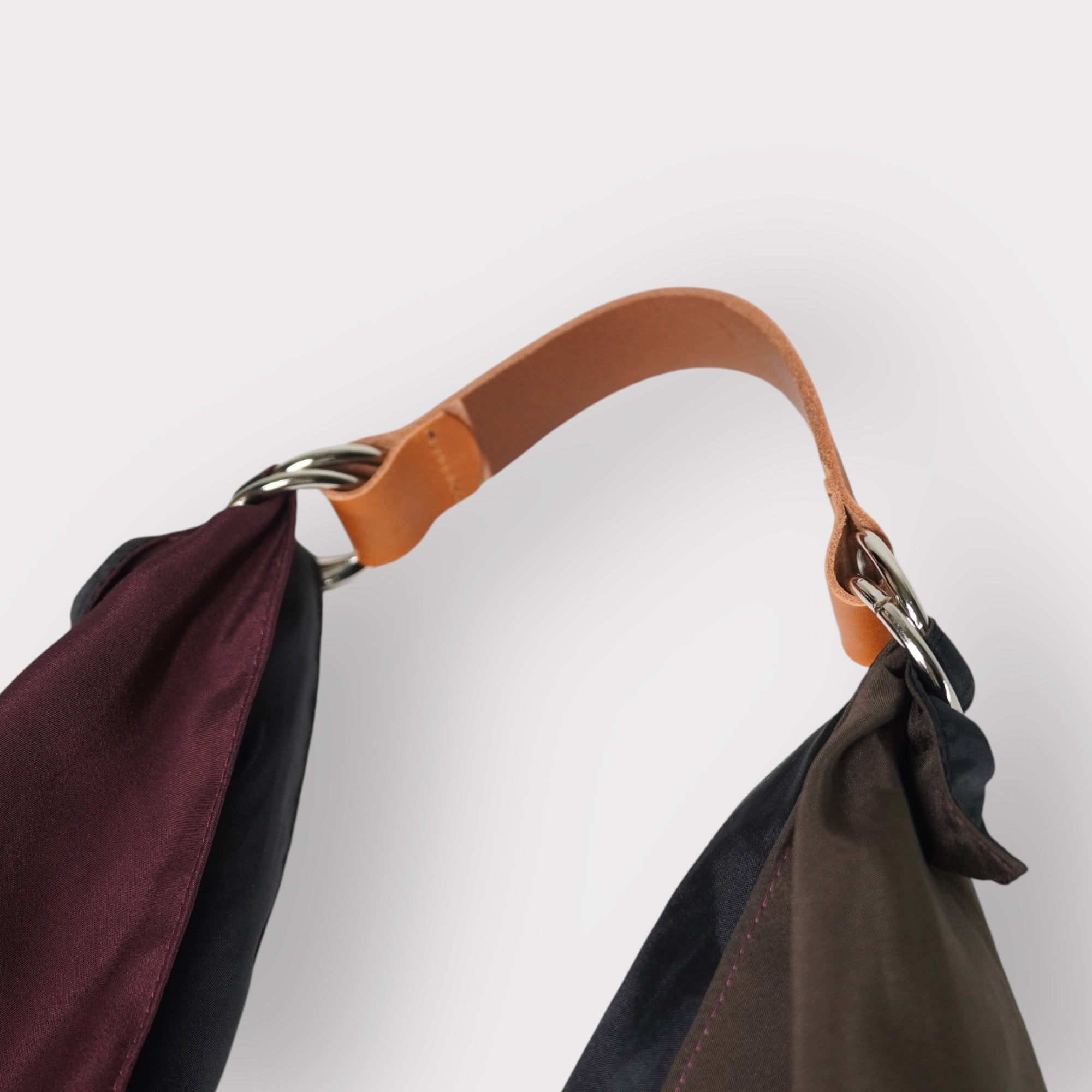
Nous avons confectionné ces sacs à partir d’échantillons de soie et de tissus d’essai en soie Kyoyuzen, généralement produits lors de la teinture de kimonos.
Ces sacs sont fabriqués avec savoir-faire, et vous pourrez apprécier divers motifs et combinaisons de magnifiques tissus.
SIZE
Largeur : 48 cm
Hauteur : 48 cm
MATERIAL
Soie
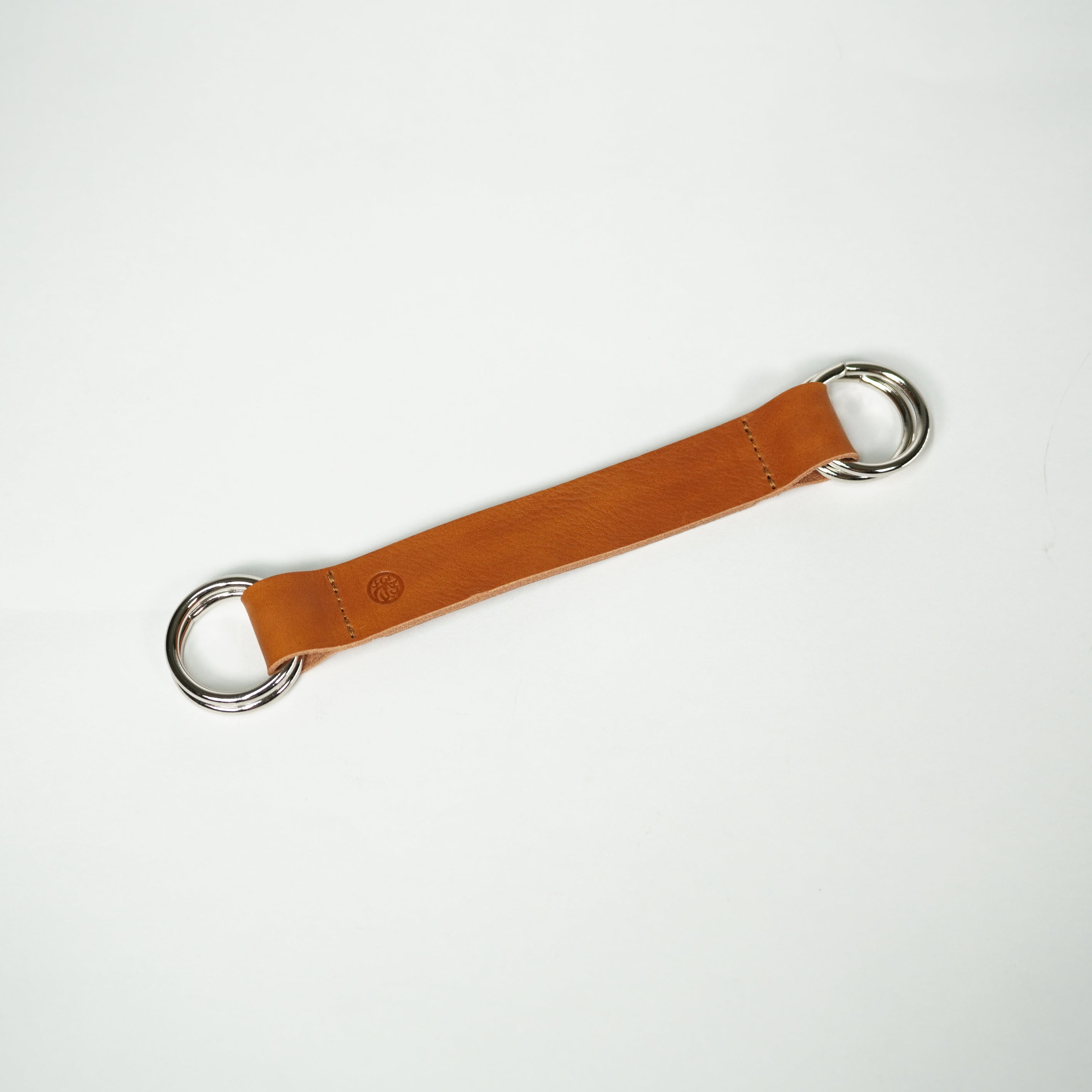
Poignée : Peau de bœuf
KATSUJIRO HINENO
Connecting Kyoto Dyeing to the Future
・Share the charm of Kyoto dyeing
・Make Kyoto dyeing feel more accessible
・Create new value for Kyoto dyeing
・Explore the possibilities of Kyoto dyeing
・Adapt Kyoto dyeing to meet new needs
・Promote Kyoto dyeing to the world
With these goals in mind, we are committed to carrying Kyoto dyeing into the future.
ARTISAN STORY
Kyoto Dyeing Store Hineno Katsujiro
The store was first established in 1952 by the founder. Now, three generations have continued to run this Kyoto dyeing shop. Located in Kyoto, one of Japan's most renowned dyeing regions, we have accumulated an extensive collection of designs, yuzen patterns, and dye samples over the years. By collaborating with over 150 specialized processing companies with advanced dyeing and weaving techniques, we serve as a comprehensive producer of Kyoto dyeing. Every day, we continue to craft products with care and dedication, committed to carrying the legacy of Kyoto dyeing into the future.
KYO YUZEN / KYOTO SILK DYEING
About 340 years ago / 1680s / Edo Period (1603–1868)
Kyo Yuzen took a decisive form in Kyoto’s Genroku era, when designs by the celebrated fan painter Miyazaki Yuzensai were applied to kimono. Fine paste-resist lines allowed many colors to be painted next to one another like a picture, establishing hand-painted Yuzen. In the Meiji period, stencil-based Yuzen greatly expanded production.
In Japan, Kyo Yuzen represents formal celebratory kimono worn for coming-of-age ceremonies, weddings and other important occasions. Brilliant dyeing may be combined with gold and embroidery, while the same techniques now appear on bags, scarves and interiors.
A single kimono can pass through more than twenty stages—design, underdrawing, resist application, coloring, steaming, washing, gold decoration and more. Different specialists often handle each stage, making Kyo Yuzen less the product of one maker than a collaborative artwork created by Kyoto’s craft network.
Différences individuelles
Chaque pièce étant fabriquée à la main individuellement, de légères variations de couleur, de motif, de forme et de texture peuvent survenir. Ces subtiles différences sont une caractéristique naturelle des créations artisanales, rendant chaque pièce véritablement unique. Nous espérons que vous apprécierez ces variations individuelles comme faisant partie de la beauté et du caractère de l'artisanat japonais.
Délai de production
Si un article n'est pas actuellement en stock, il peut être fabriqué sur commande par l'artisan. Comme chaque pièce est soigneusement fabriquée à la main, la production peut prendre plusieurs mois selon l'article et le planning de l'artisan. Nous vous remercions de votre patience et de votre compréhension.

Choisir les options