Plat profond / Jade
DESCRIPTION
DÉTAILS
SIZE
MATERIAL
ARTISAN
KOGEI
Attention
Plat profond / Jade
Prix de venteRp 5.925.000,00
Choisir les options
Plat profond / Jade
Prix de venteRp 5.925.000,00
Pays
Langue
Panier
Votre panier est vide
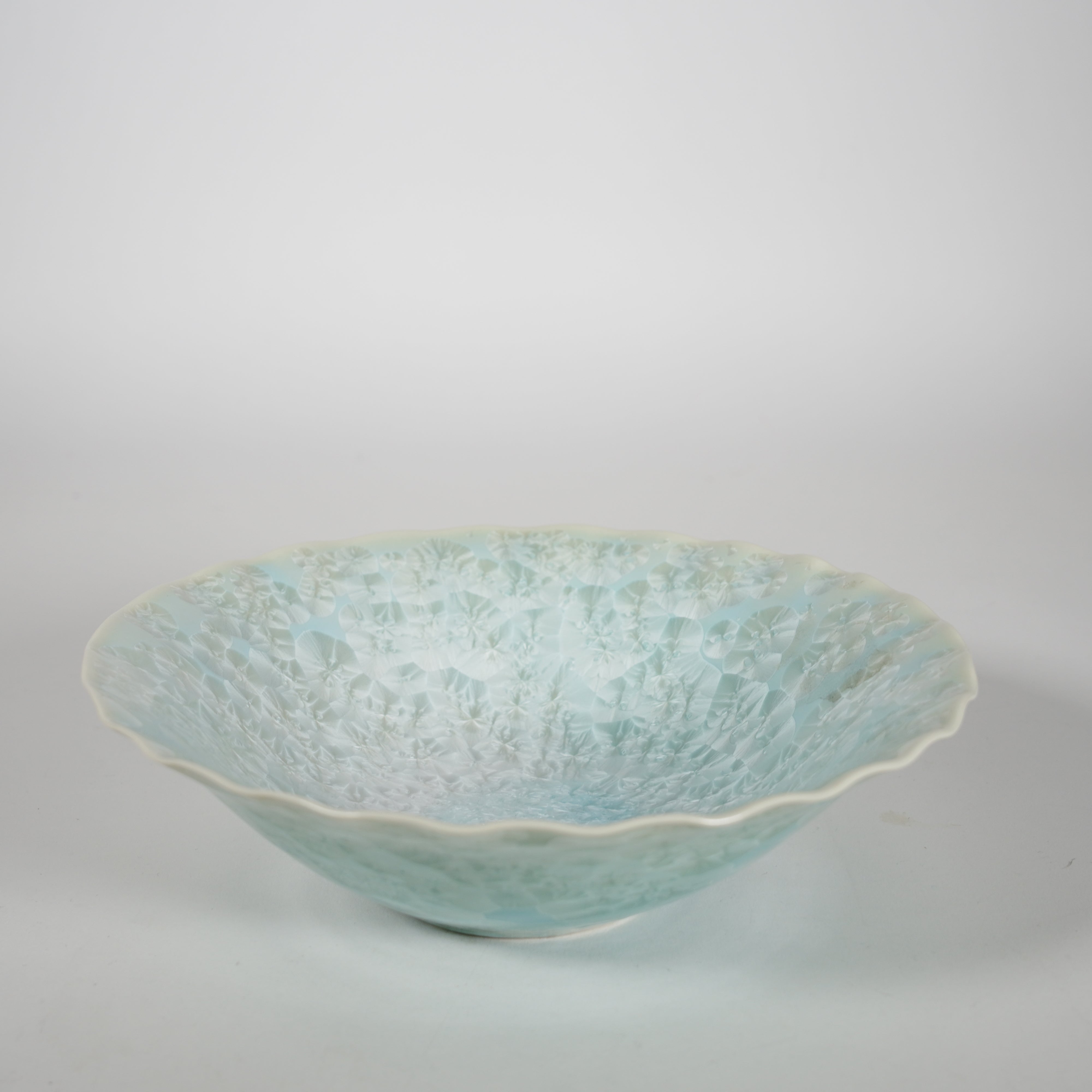
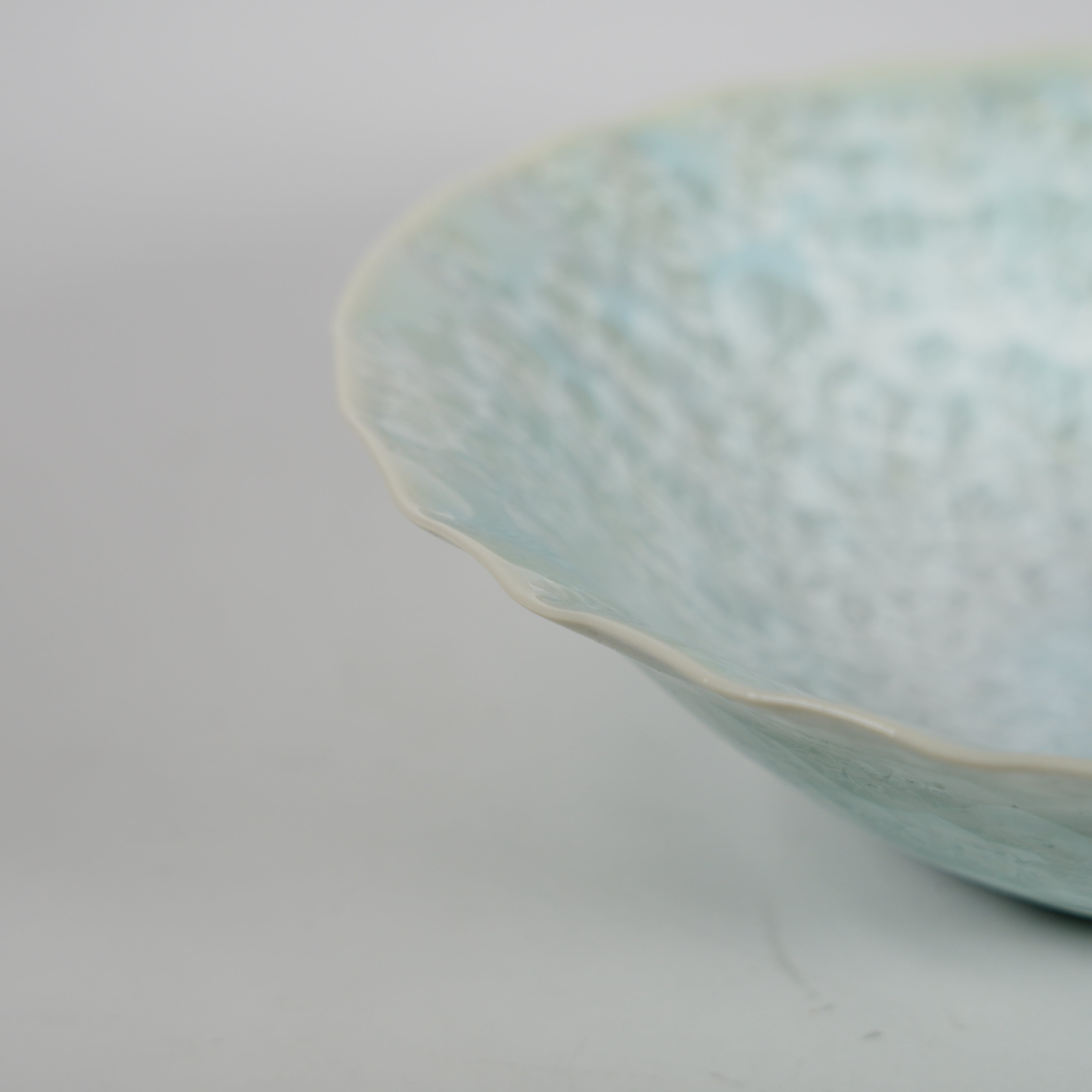
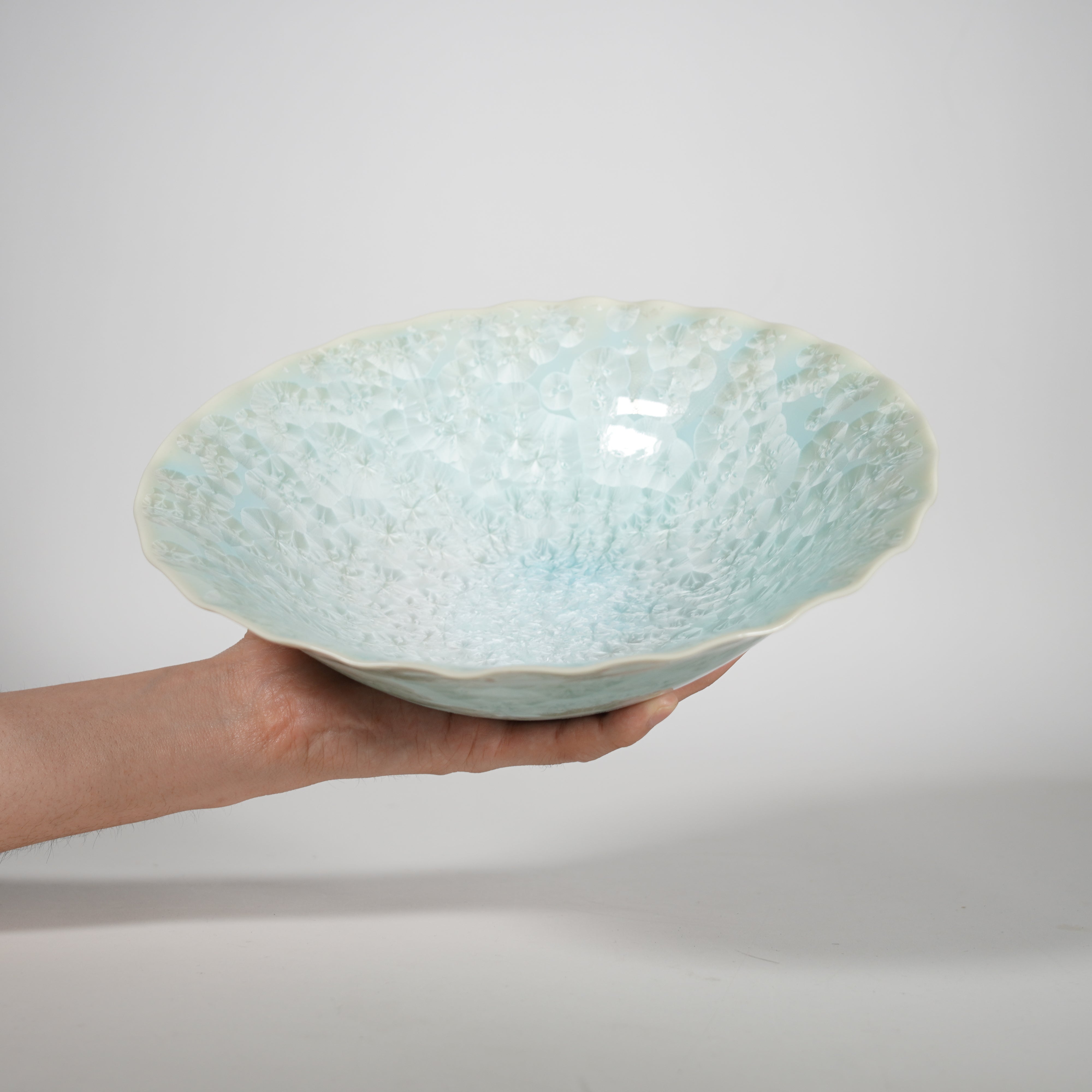
Cette assiette creuse est réalisée par un artisan qualifié.
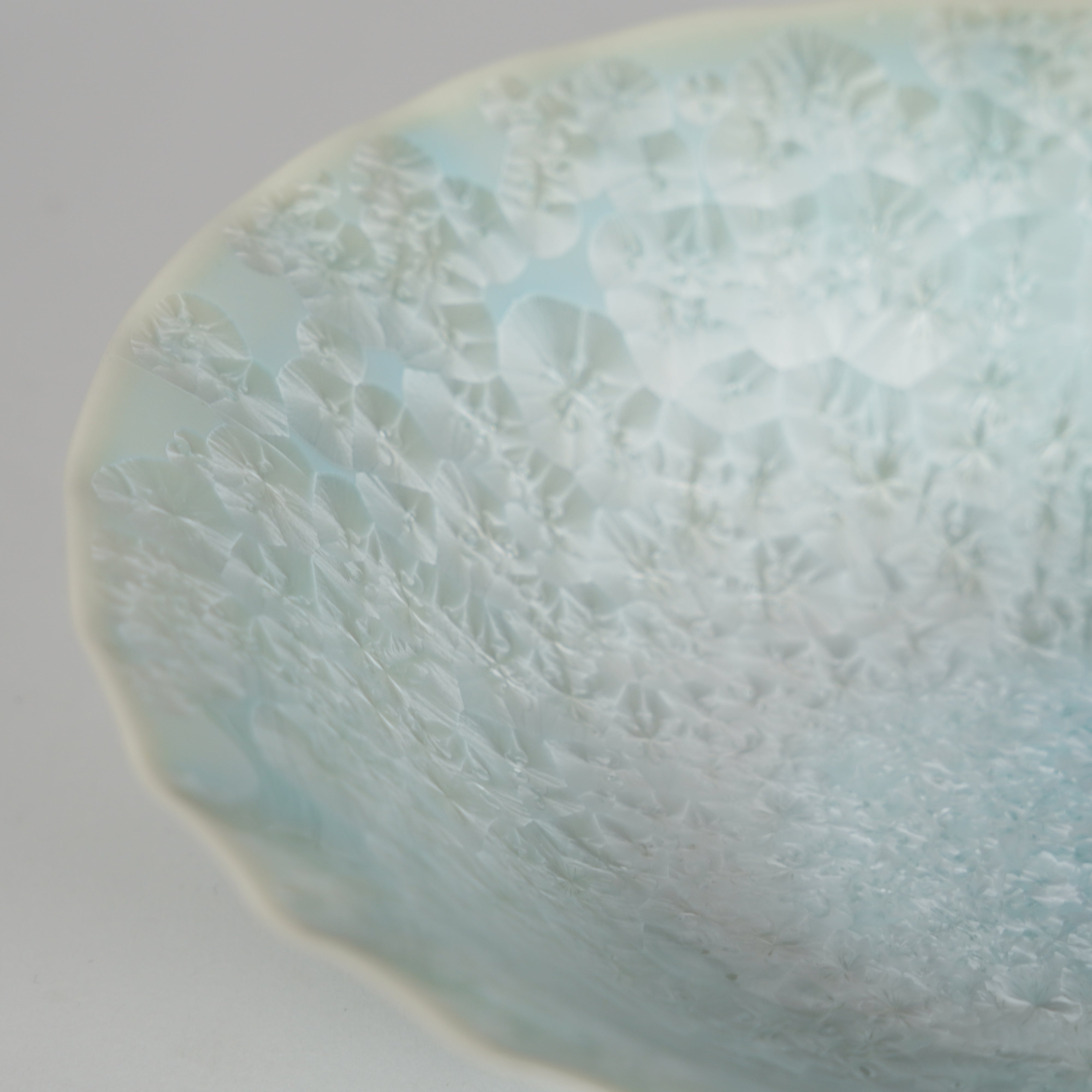
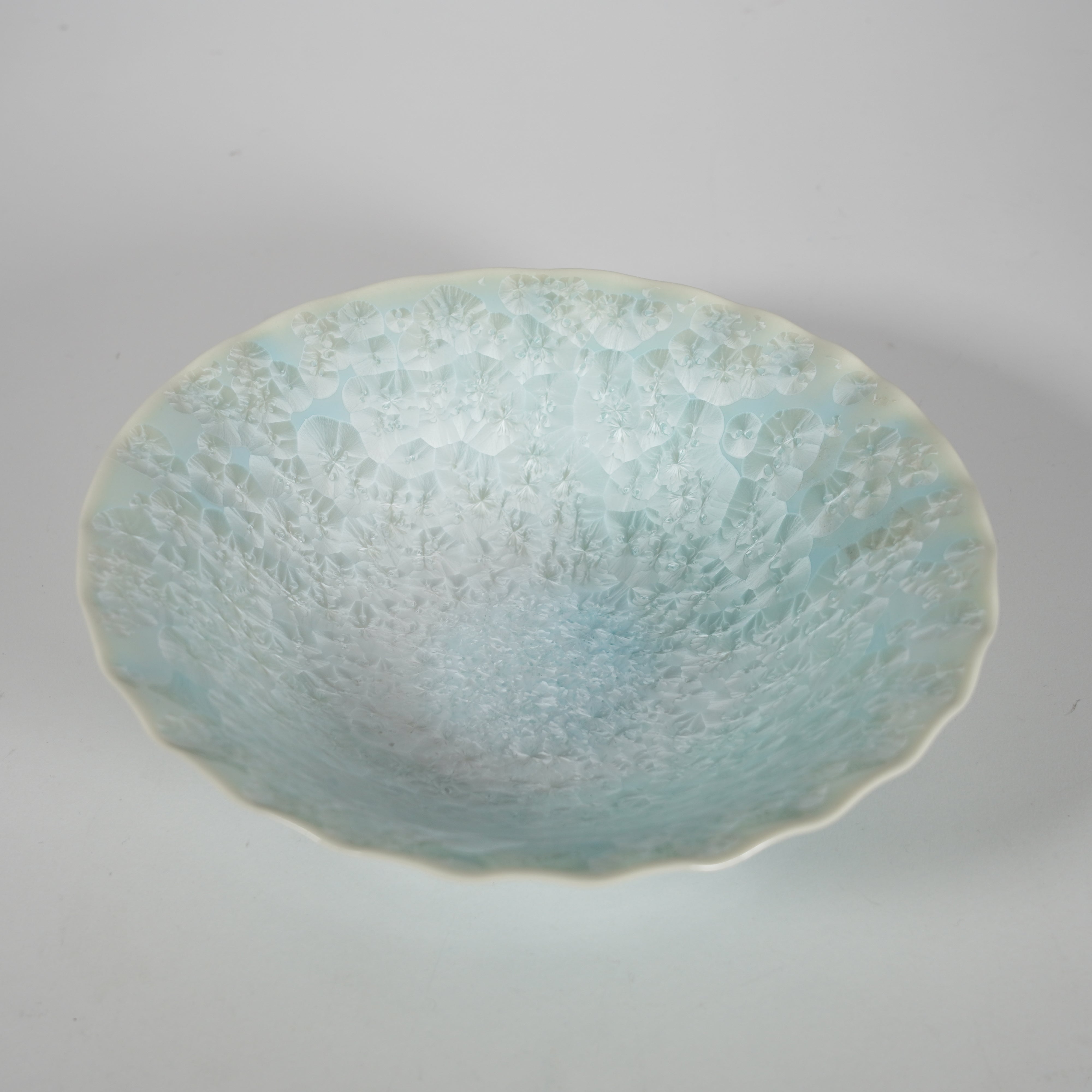
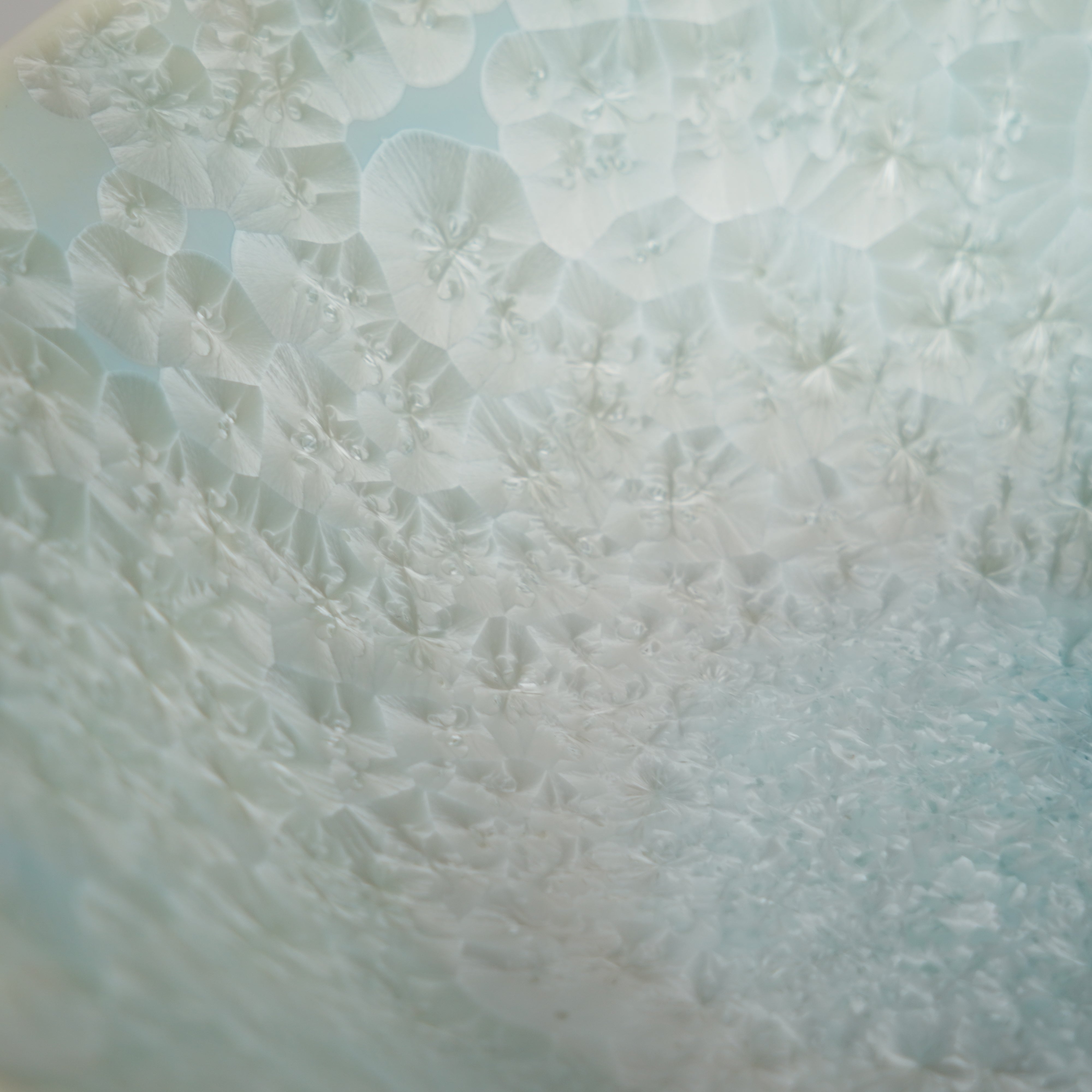
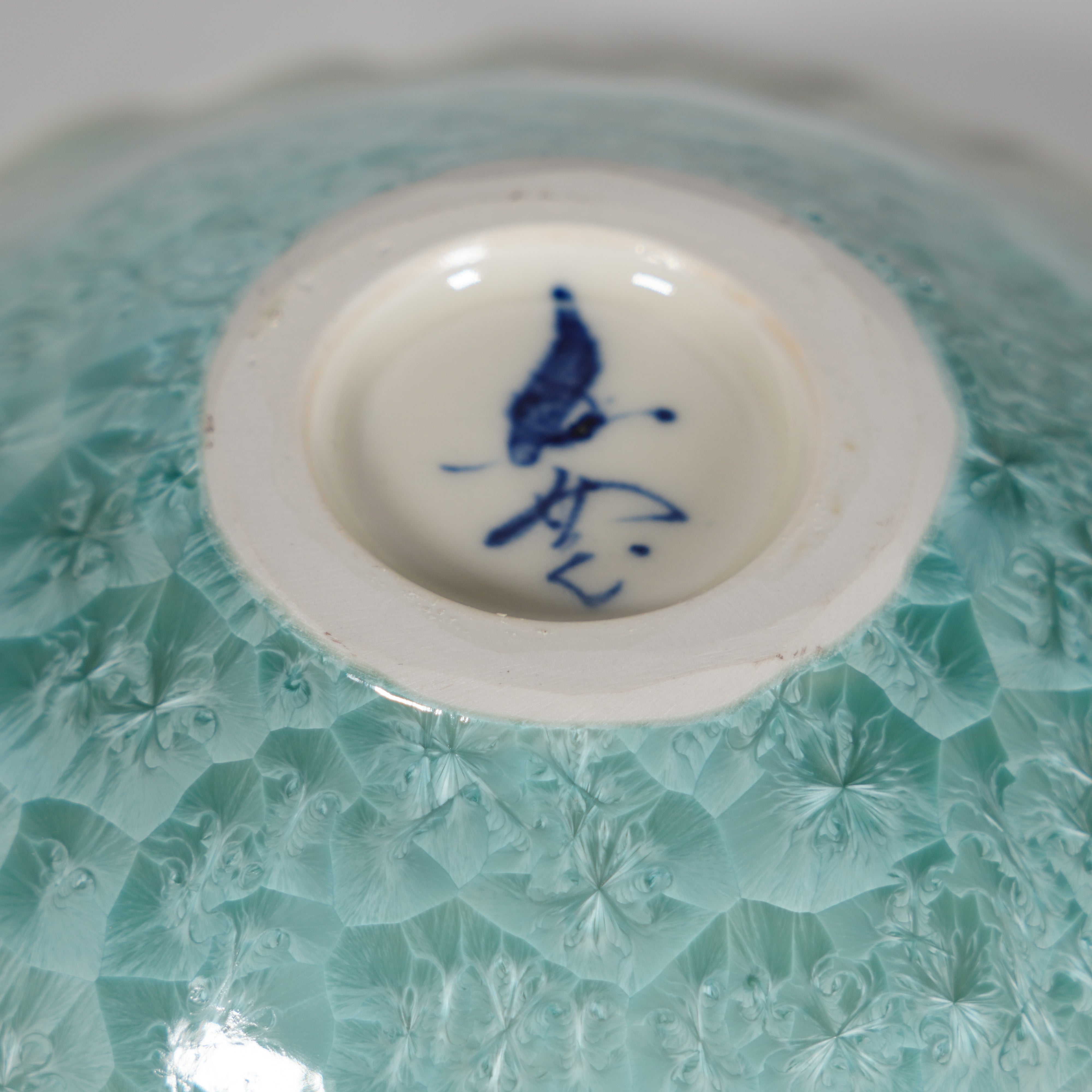
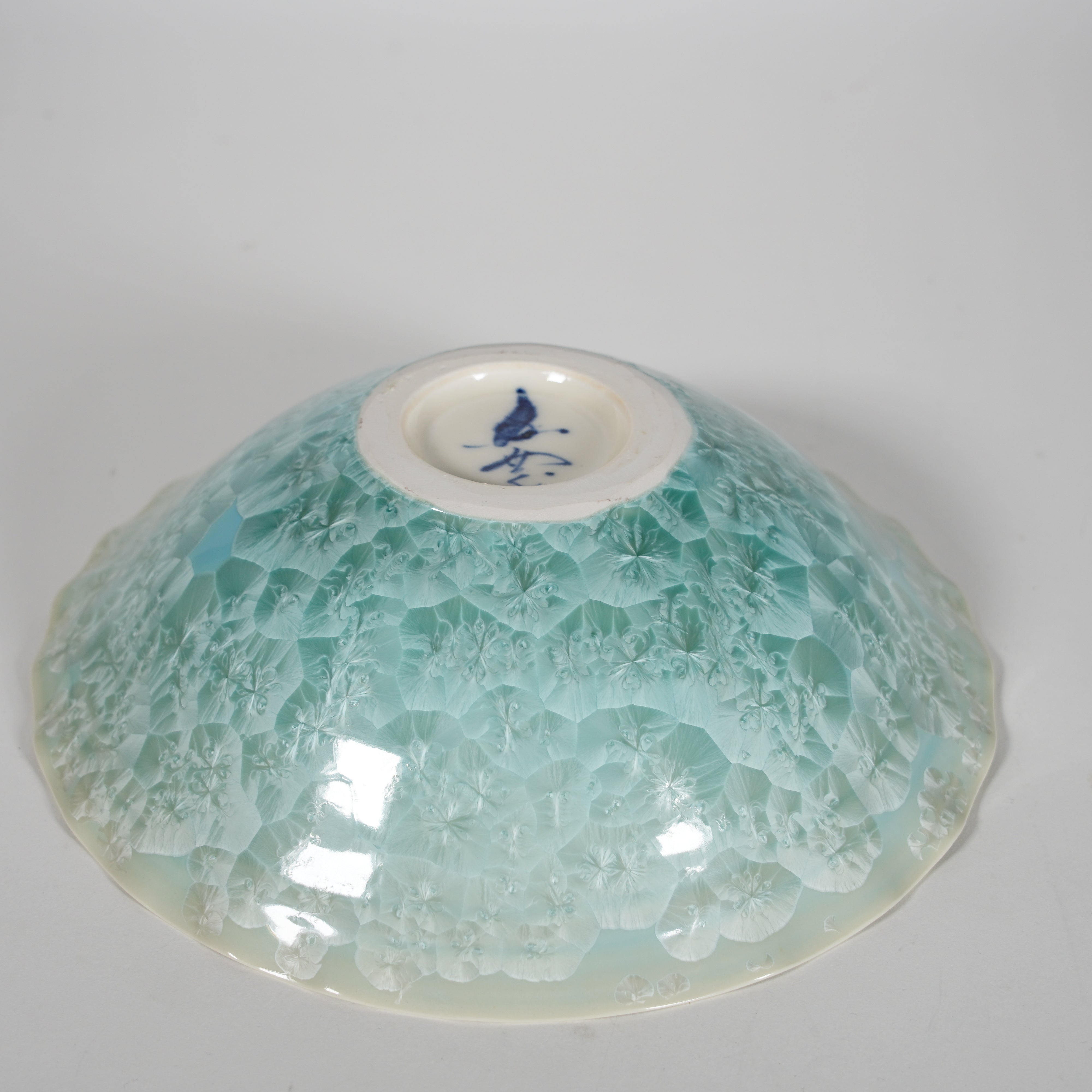
La réaction chimique qui se produit pendant la cuisson crée un motif qui semble être une fleur épanouie. L'une des caractéristiques de cet artisanat est que vous ne savez pas où le motif apparaîtra avant la cuisson. C'est un bijou élégant qui semble simple de loin, mais en vous approchant, vous pouvez voir le motif détaillé. Veuillez apprécier cette assiette qui peut s'accorder avec tout type de nourriture pour votre table.
SIZE
Largeur:25,5cm
Profondeur:25,5cm
Hauteur:10cm
Poids:795g
MATERIAL
Argile
GOUNTOEN
He strives to create works that are beautiful to look at, enjoyable to use, and capable of bringing richness to everyday living spaces, while working with gratitude for the joy of making.
ARTISAN STORY
Kiyonori Maeda / Goun Toen
The third-generation potter of a Kyoto kiln with a history of roughly 100 years, he carries forward the aspirations of the previous generation while continually asking himself what true beauty in ceramics means. His work includes distinctive floral-like patterns created through dynamic reactions in the glaze.
ACHIEVEMENTS
・Selected for the Nitten Exhibition
KYO WARE & KIYOMIZU WARE
About 1,200 years ago / 800s / Heian Period (794–1185)
Kyoto ceramics reach back to kilns operating before and during the Heian period, then expanded with tea culture in the Muromachi and Momoyama eras. In the seventeenth century, Nonomura Ninsei perfected brilliant overglaze decoration, followed by innovators such as Ogata Kenzan, Okuda Eisen and Aoki Mokubei, whose diverse approaches shaped today’s Kyo and Kiyomizu ware.
In Japan, these ceramics are famous precisely because there is no single fixed style. Tea bowls, kaiseki dishes and everyday tableware may use overglaze painting, blue-and-white decoration, gold, sancai-inspired color and many other techniques. The craft sits at the heart of Kyoto’s culture of pairing vessels with cuisine and tea.
The surprising point is that Kyoto was never defined by a single major clay deposit. Potters drew on materials such as Amakusa porcelain stone, techniques arriving from other regions, and the tastes of artists and patrons gathered in the capital. Freedom from one local material helped make Kyoto ceramics unusually hybrid and stylistically diverse.
Différences individuelles
Chaque pièce étant fabriquée à la main individuellement, de légères variations de couleur, de motif, de forme et de texture peuvent survenir. Ces subtiles différences sont une caractéristique naturelle des créations artisanales, rendant chaque pièce véritablement unique. Nous espérons que vous apprécierez ces variations individuelles comme faisant partie de la beauté et du caractère de l'artisanat japonais.
Délai de production
Si un article n'est pas actuellement en stock, il peut être fabriqué sur commande par l'artisan. Comme chaque pièce est soigneusement fabriquée à la main, la production peut prendre plusieurs mois selon l'article et le planning de l'artisan. Nous vous remercions de votre patience et de votre compréhension.
Choisir les options