Brûleur d'encens / oiseau et bête
DESCRIPTION
DÉTAILS
SIZE
MATERIAL
ARTISAN
KOGEI
Attention
Choisir les options


Brûleur d'encens / oiseau et bête
Prix de venteK1,531,000.00
Pays
Langue
Panier
Votre panier est vide


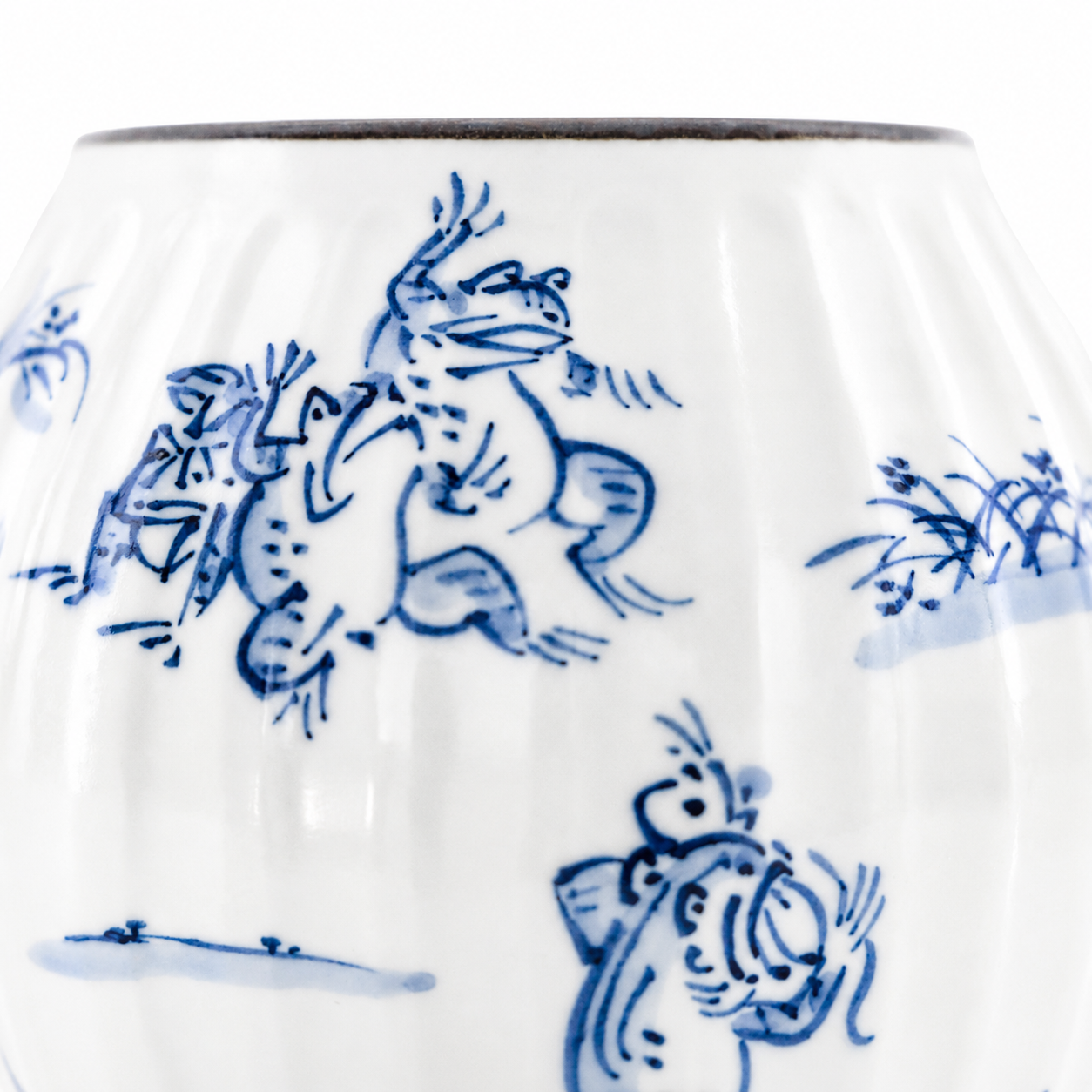
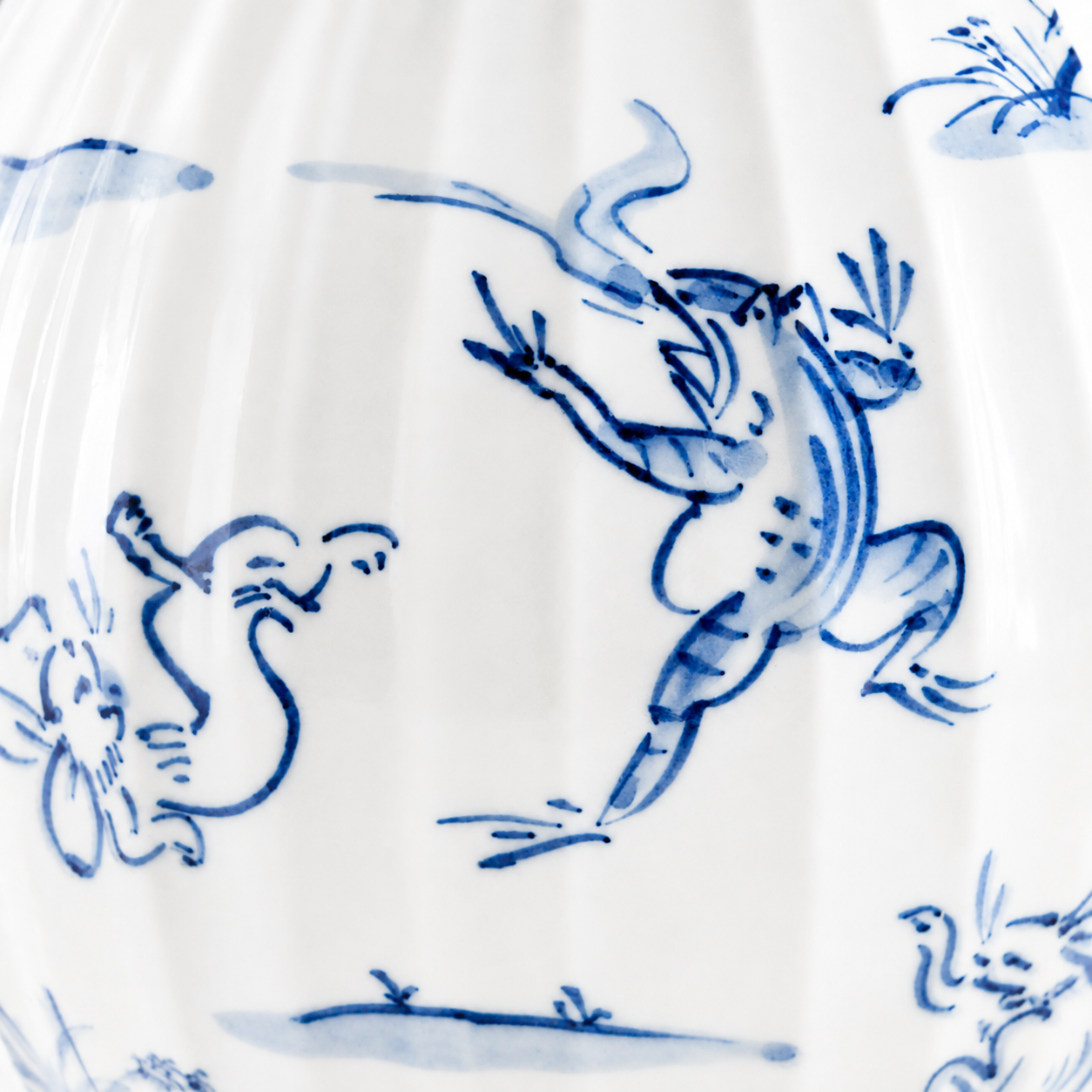
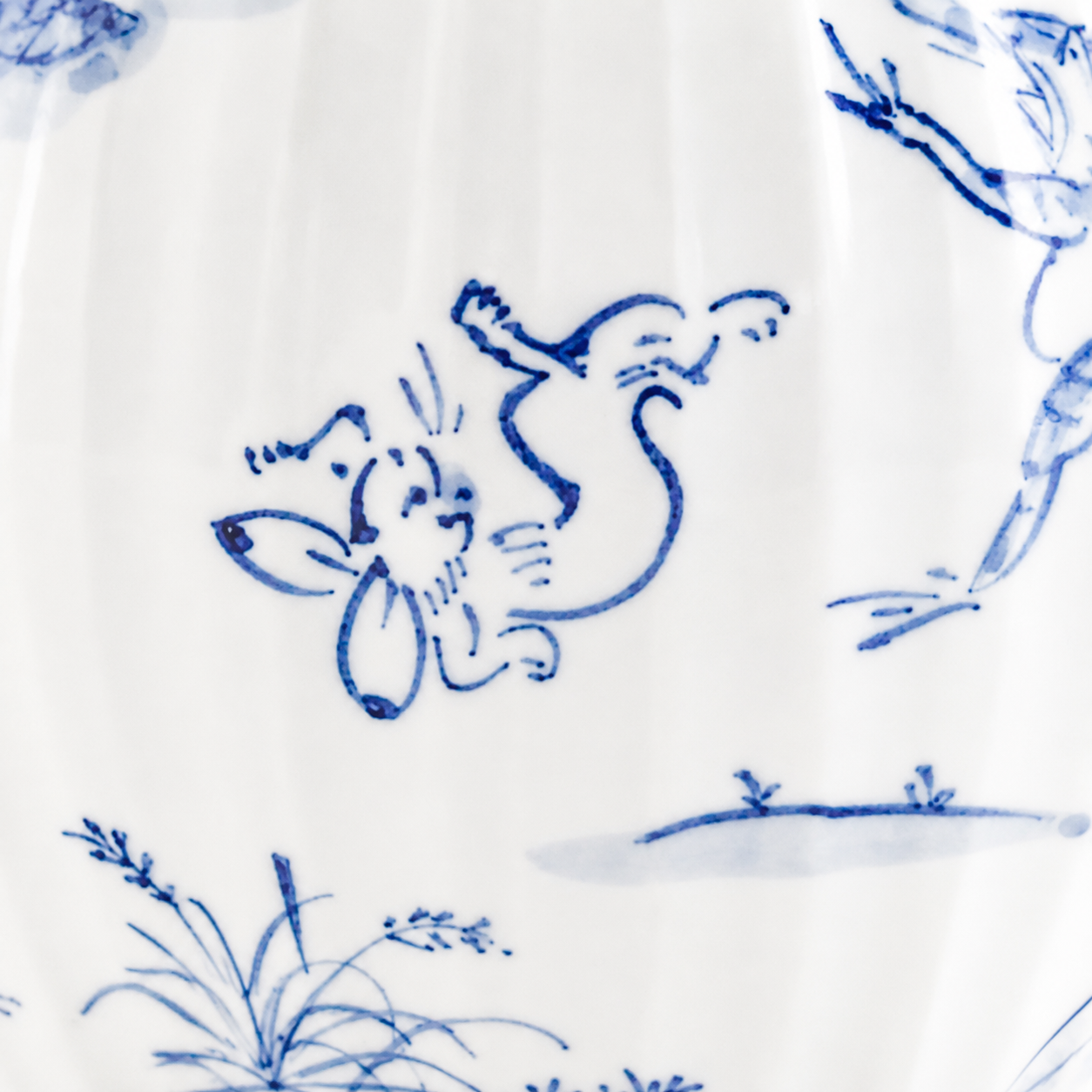
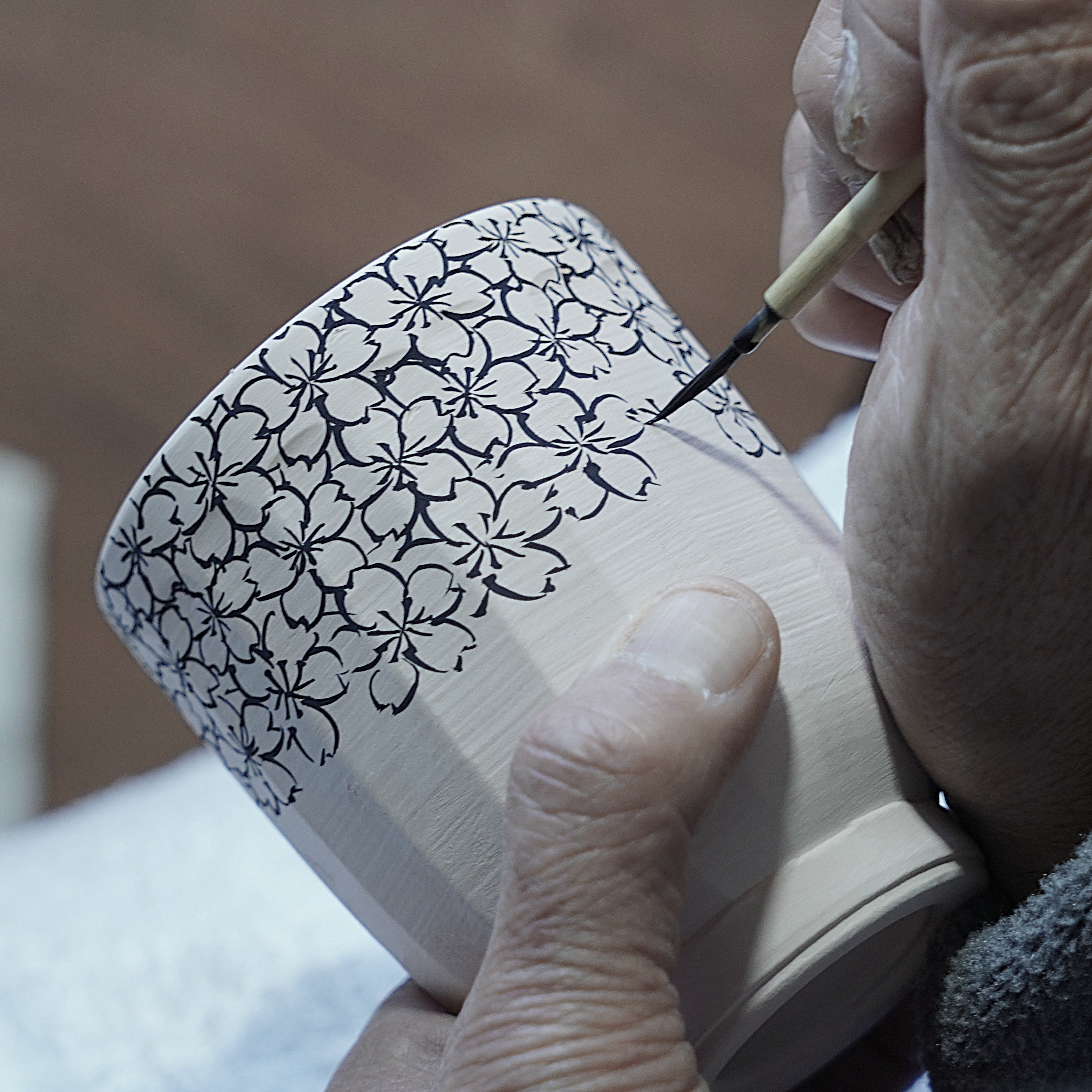
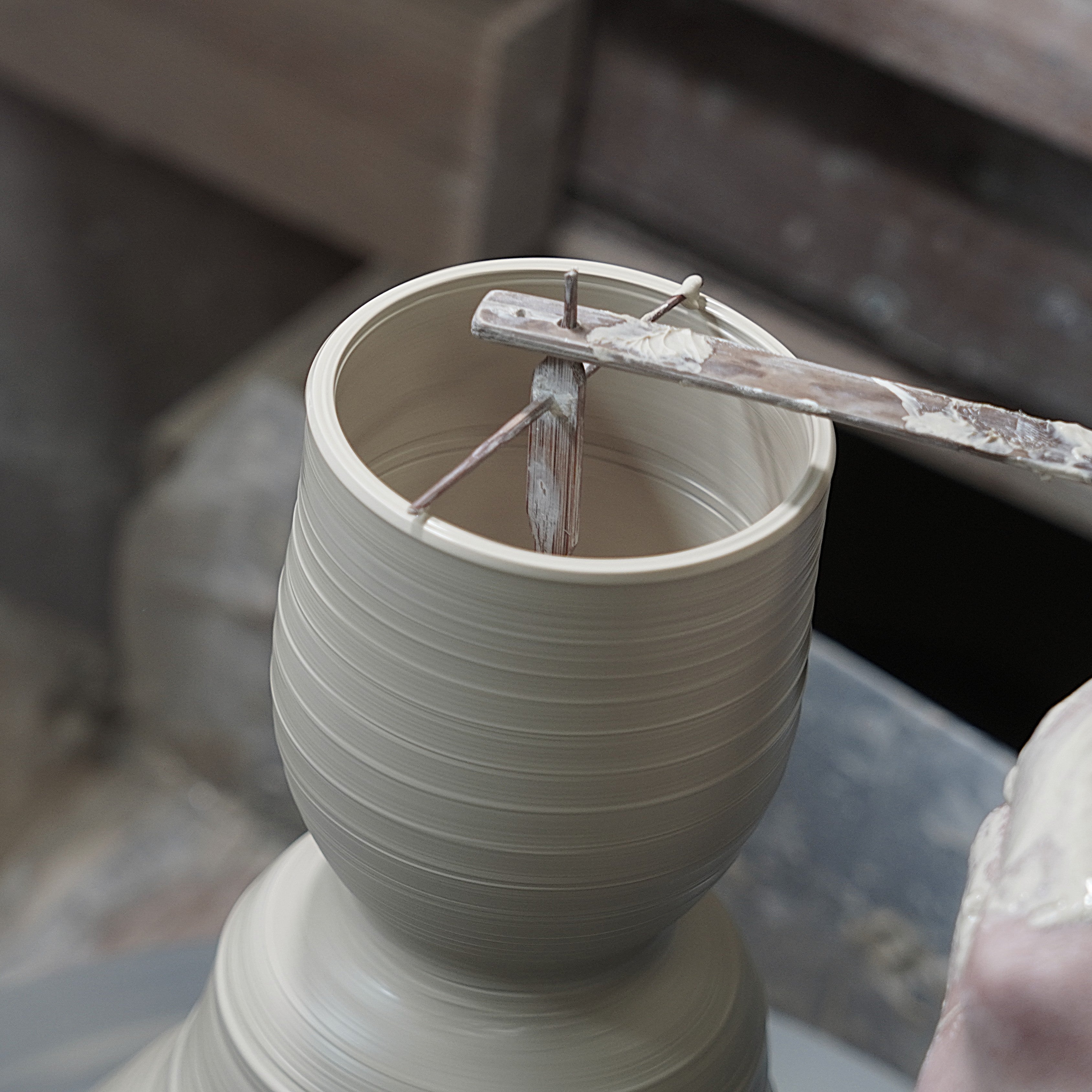
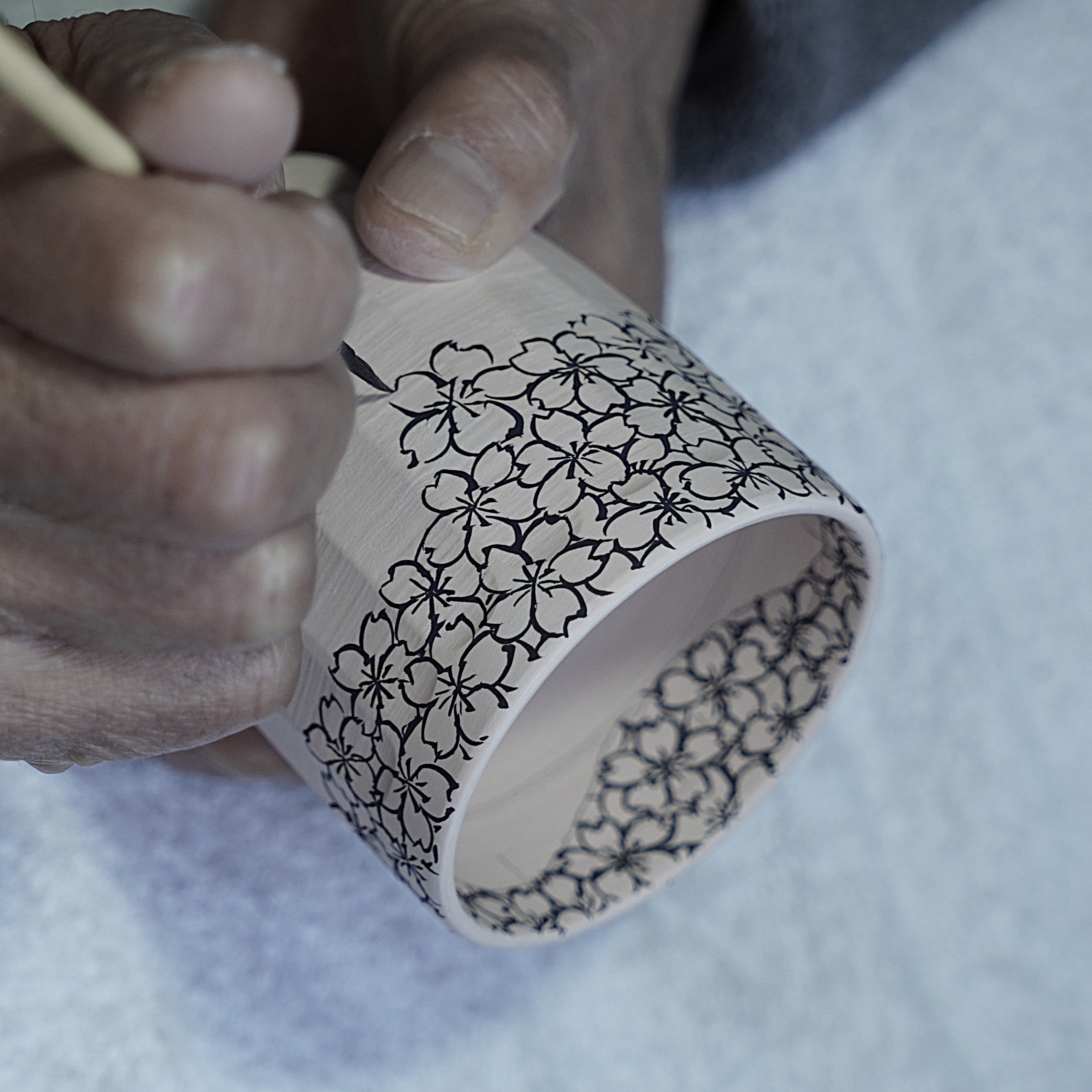
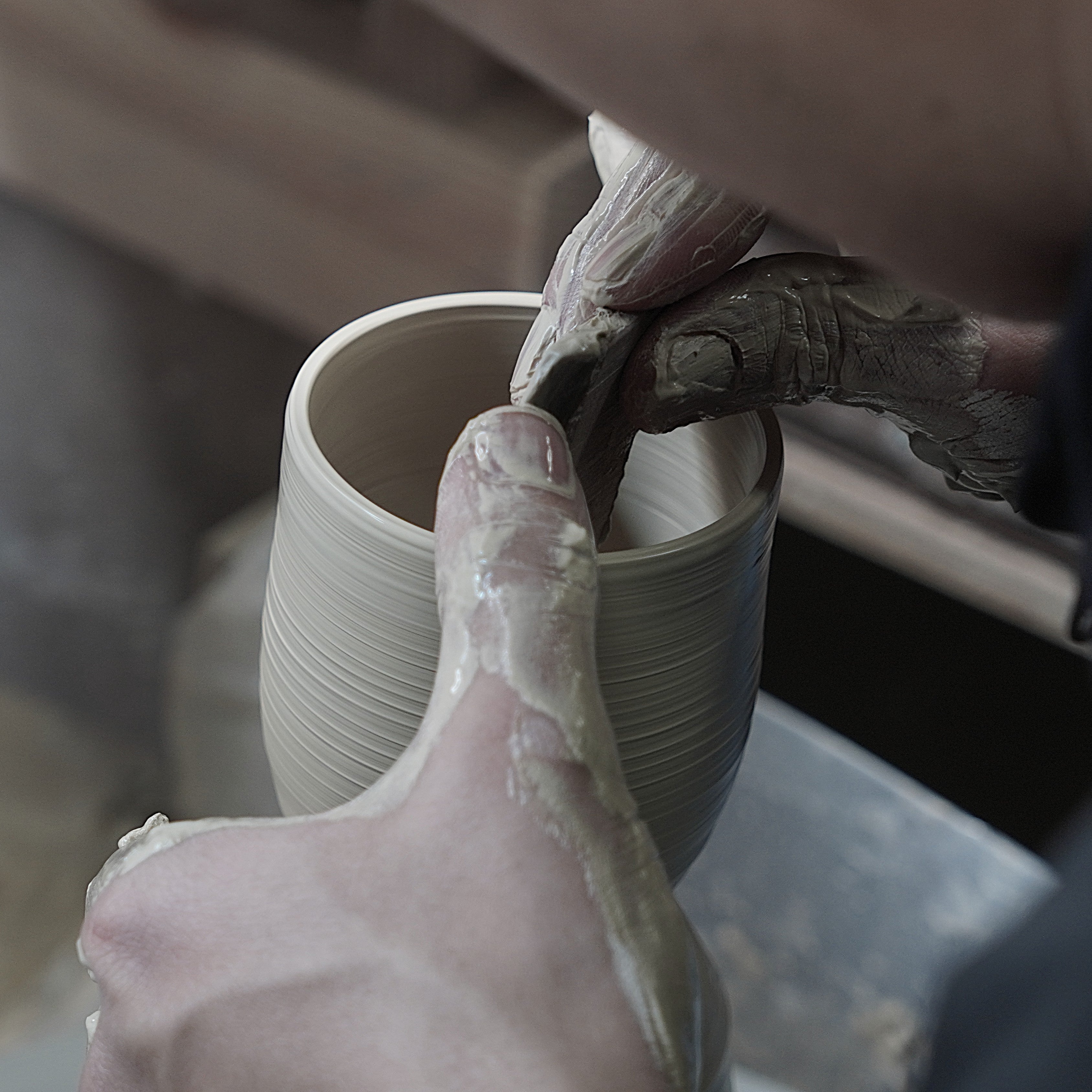
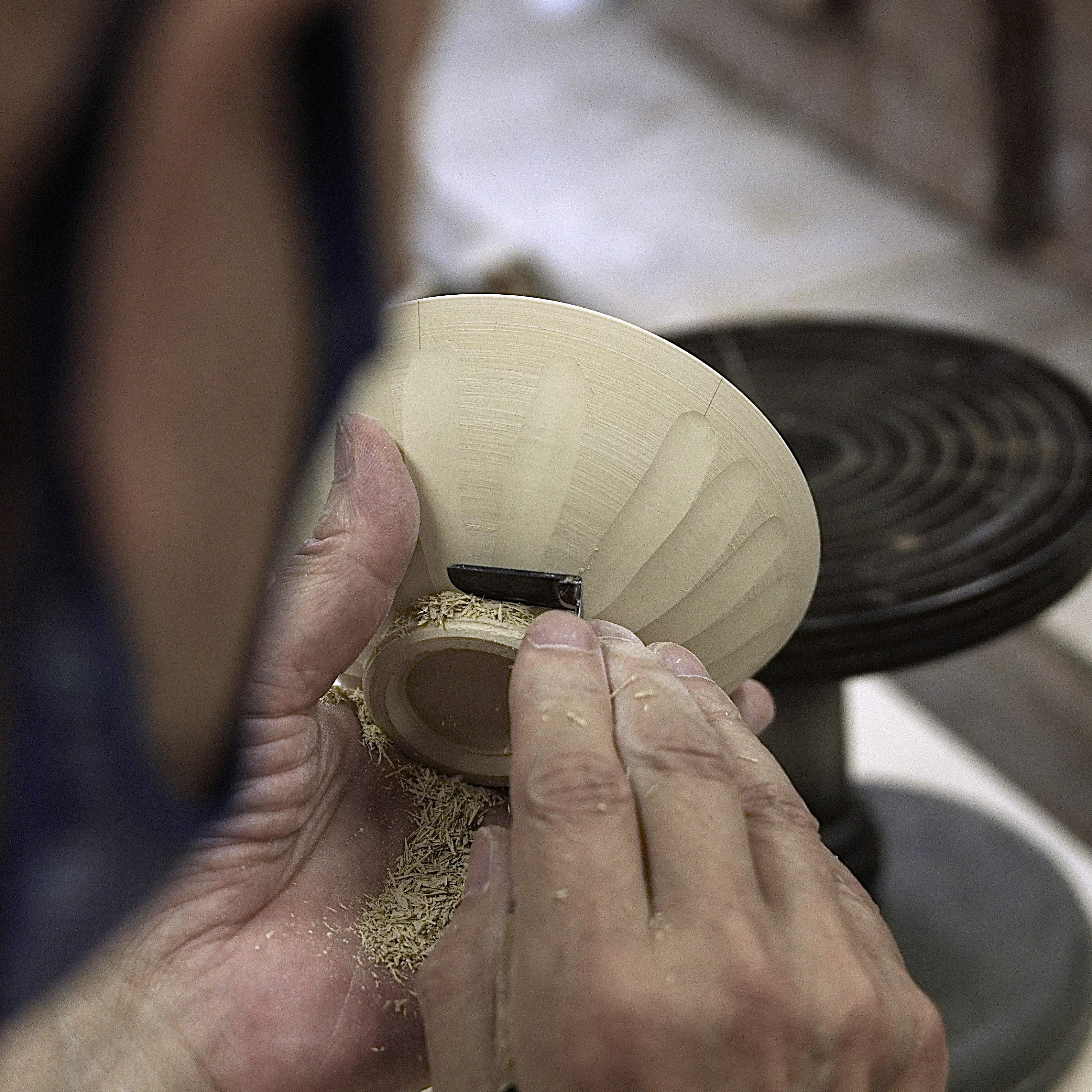
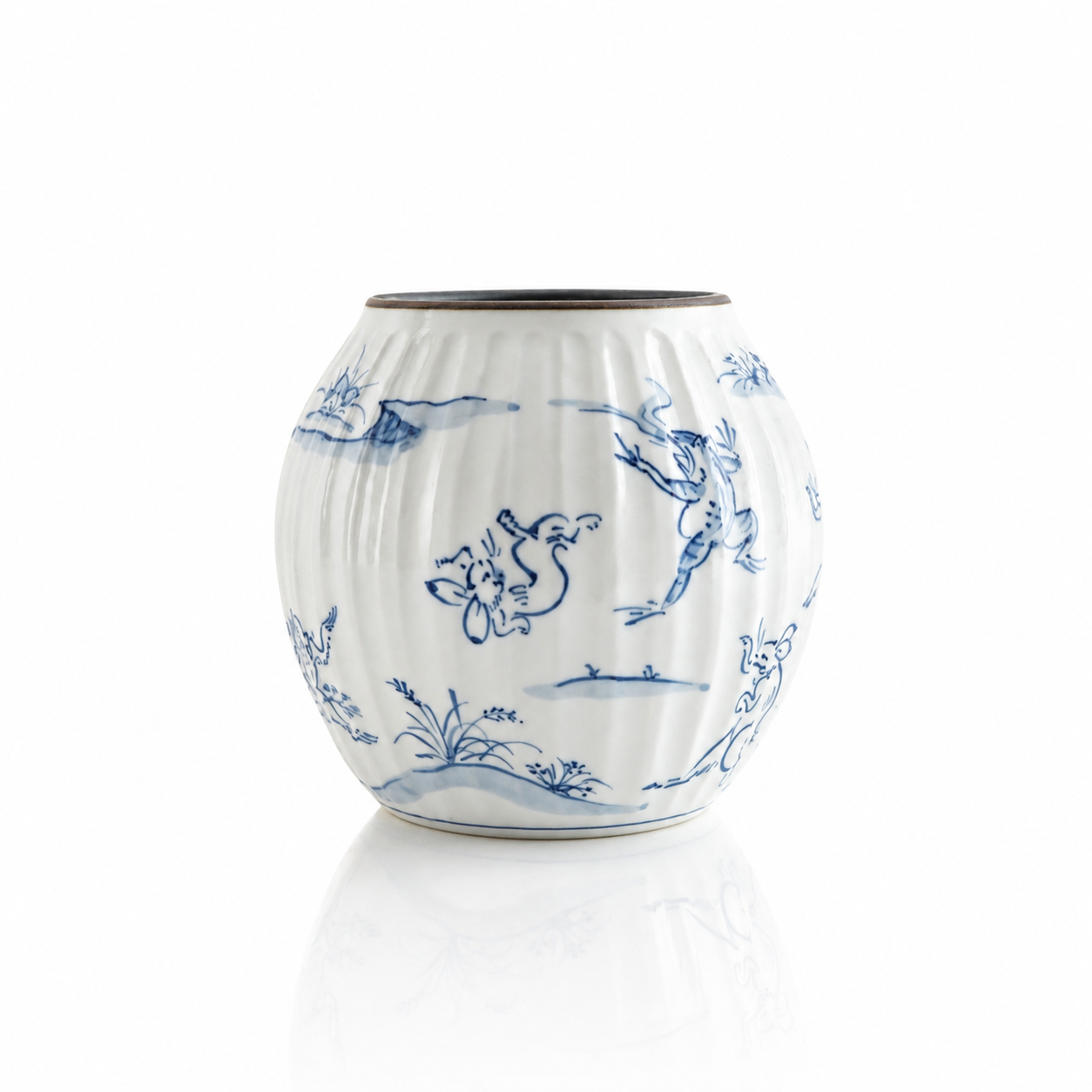
Ce vase à fleurs possède une base blanche ornée d’un motif bleu peint à la main.
Le motif de ce vase s’inspire d’une peinture emblématique des « caricatures d’oiseaux, d’animaux et d’êtres humains », un trésor national du temple Kozanji de Kyoto, entièrement peinte à la main par des artisans. Sa couleur blanche de base lui permet de s’intégrer dans n’importe quelle pièce.
Pourquoi ne pas profiter chez vous d’une œuvre d’art réalisée par un trésor national vivant ?
SIZE
Largeur:19cm
Profondeur:19cm
Hauteur:16,5cm
Poids:1 296g
MATERIAL
Argile
ICHIRAKUGAMA
"Not focusing on making right choice, but make it right after the decision"
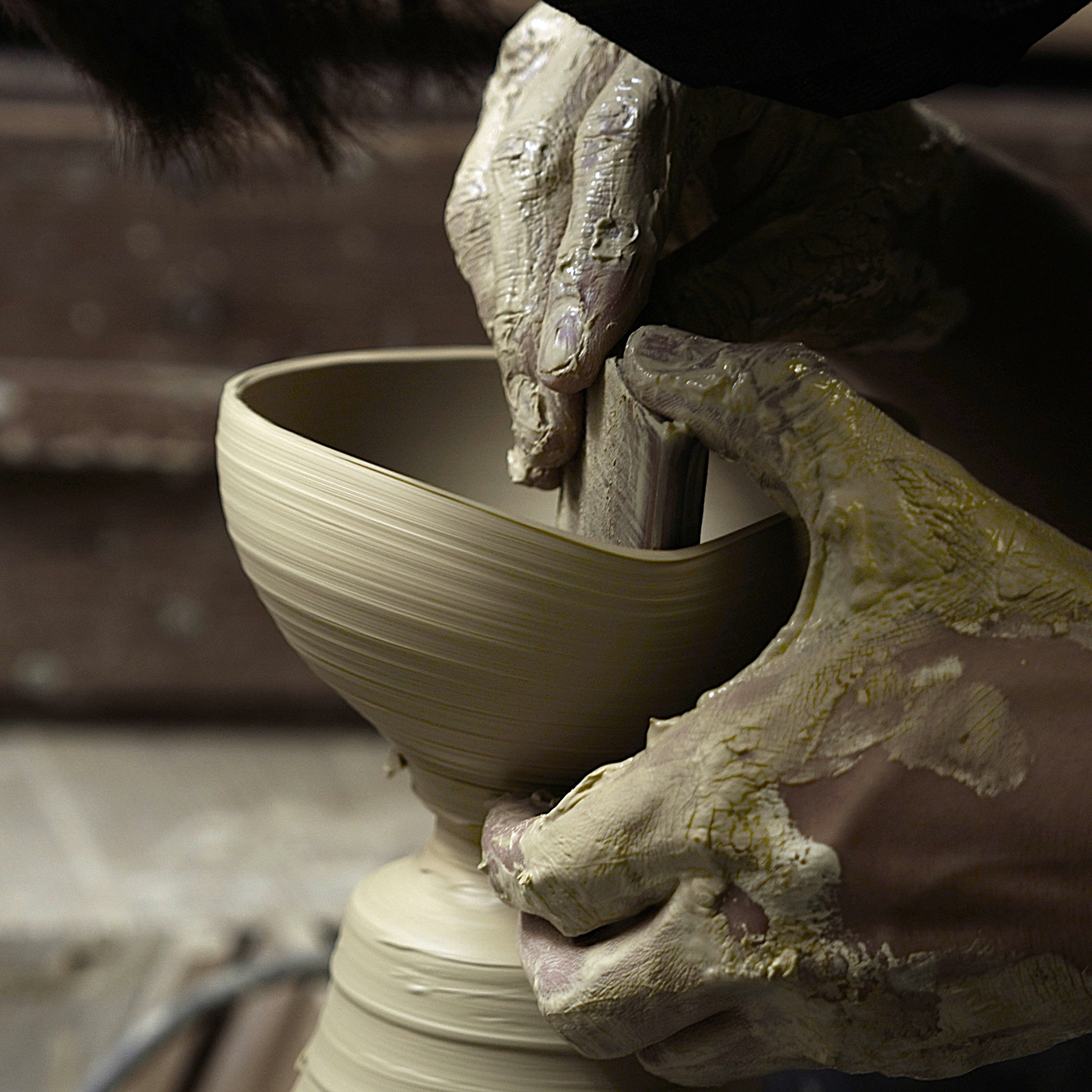
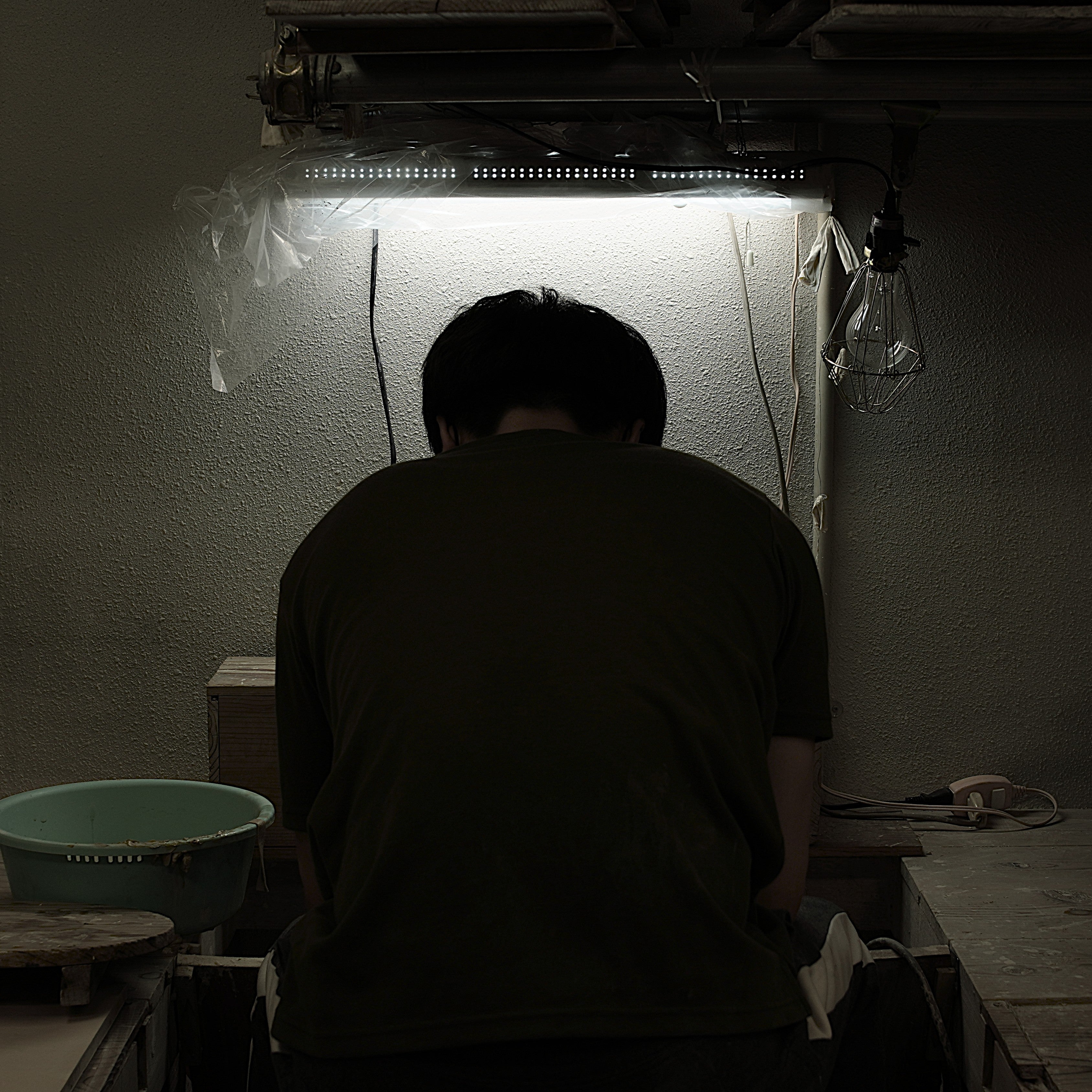
Once I take my first step onto the path of craftsmanship, I intend to put forth the utmost effort I have and get down to work on production. I want to establish my own style while preserving the techniques that have been passed down from my family, and I want to grow so that I can be proud of myself for having become a craftsman.
ARTISAN STORY
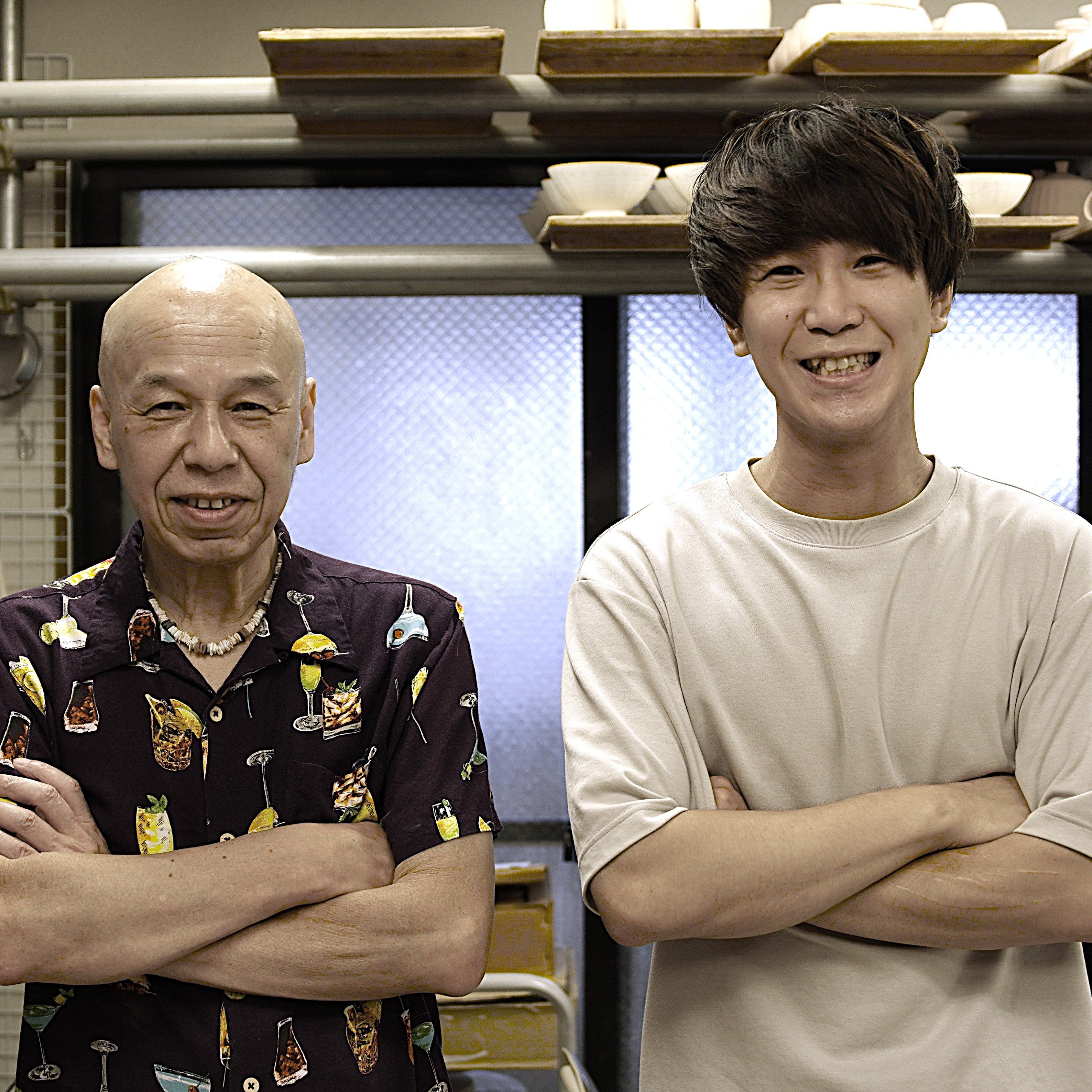
Yuya Yamamoto / Ichirakugama
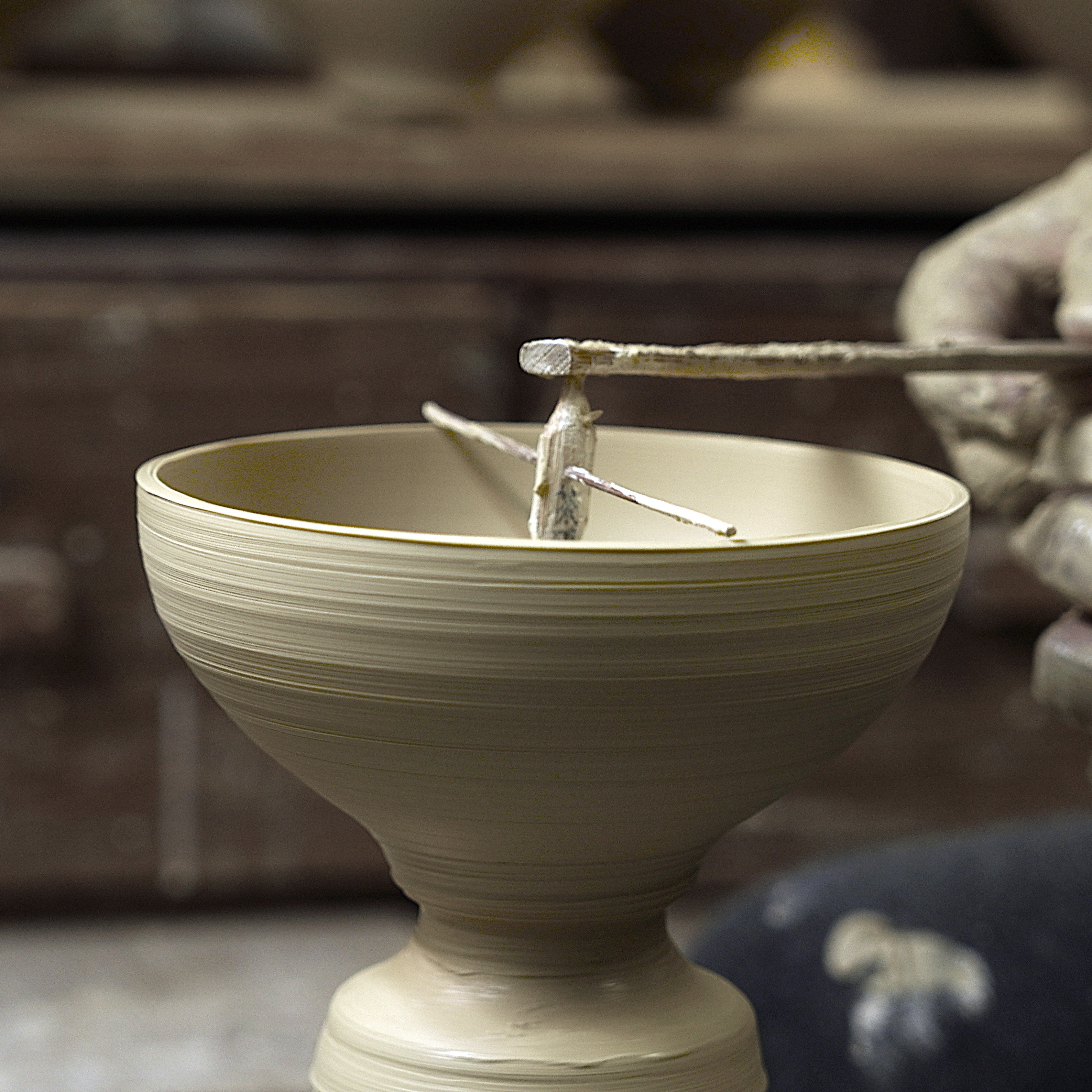
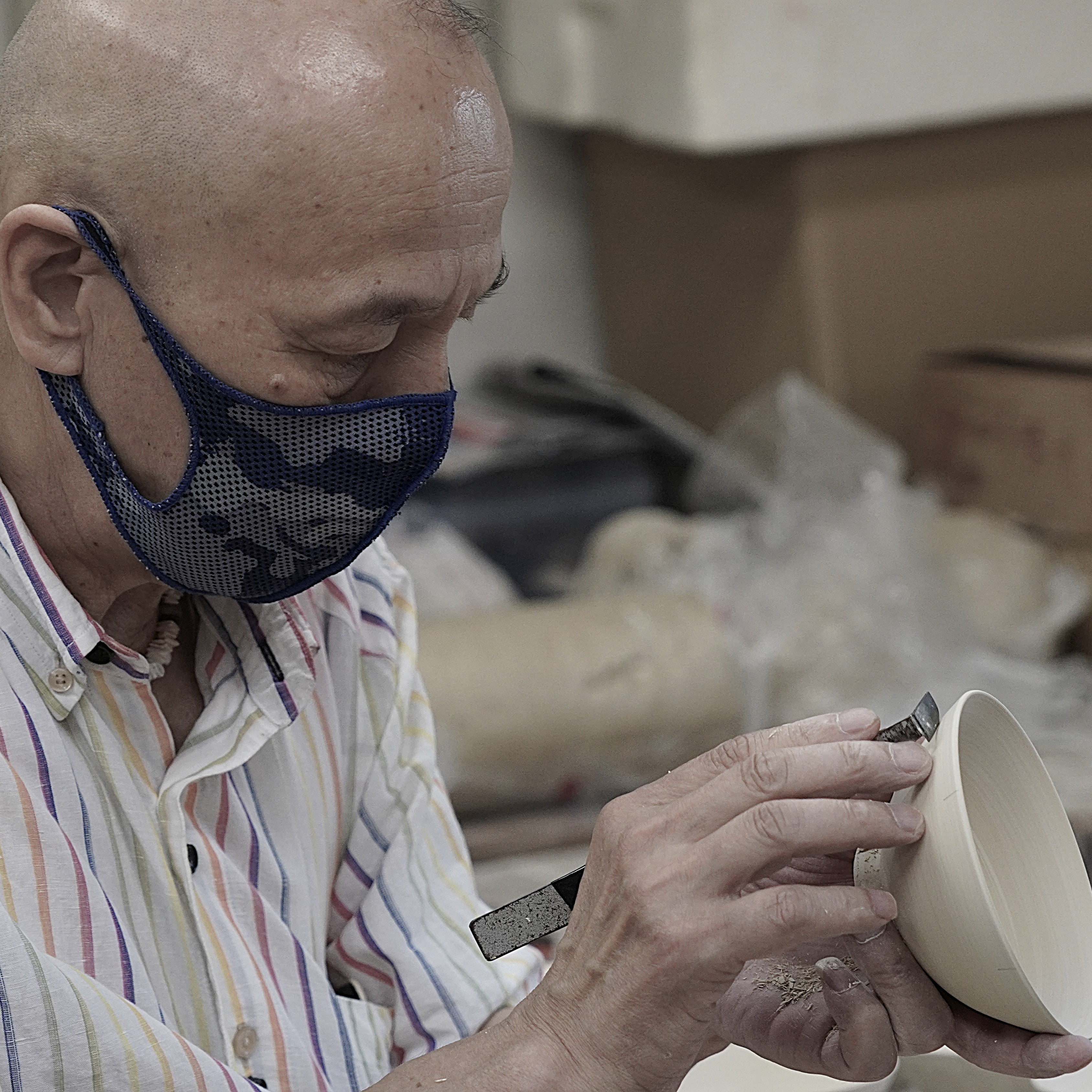
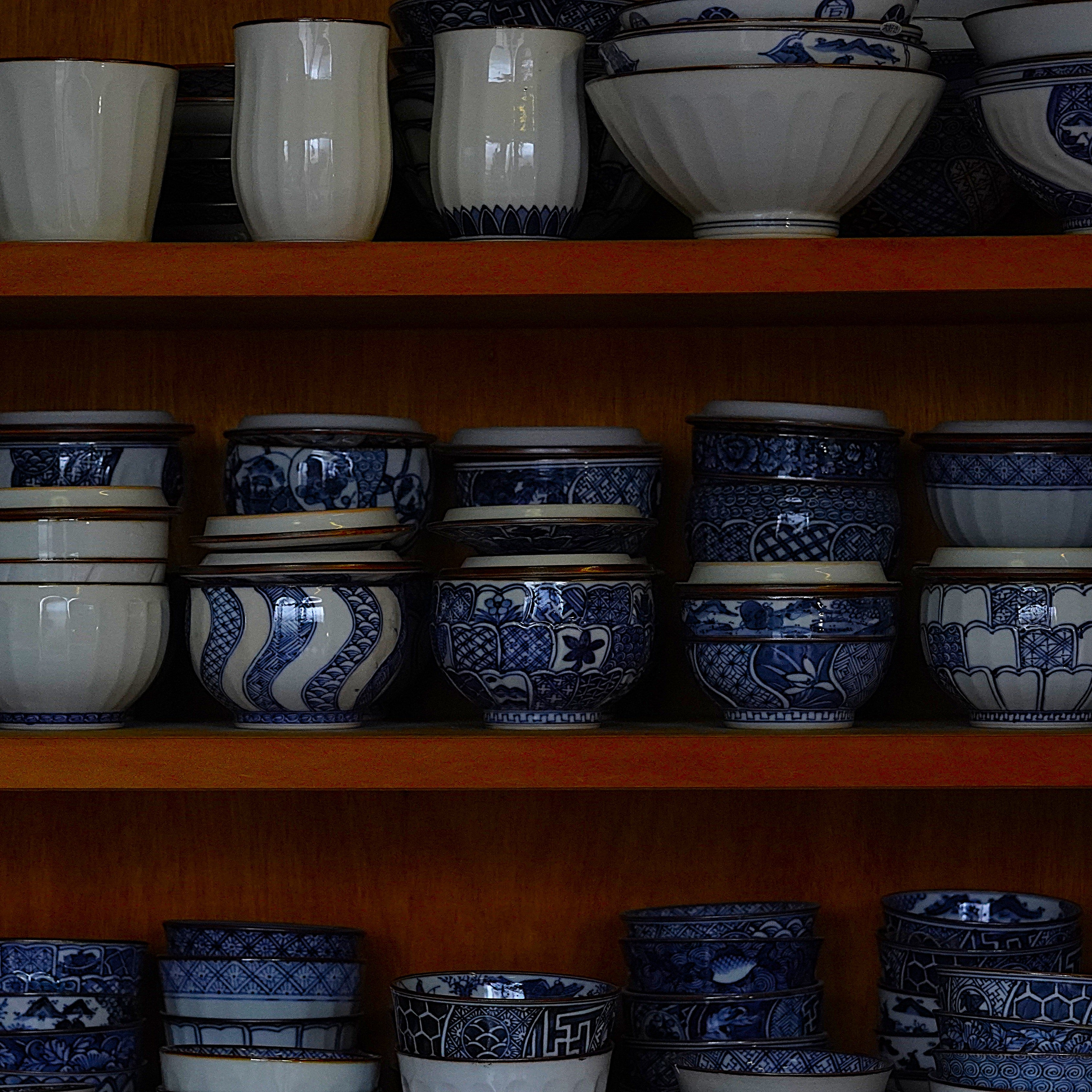
The third generation of Ichirakugama potters has been studying Kyo ware & Kiyomizu ware pottery under the second generation of Ichirakugama potters, who took over the name "Ichirakugama" in Kyoto in 1990. He is a hardworking individual who studies glazes at a research center in addition to his daily work. He mainly produces tableware used in prestigious Japanese restaurants and has an established reputation among many of his clients. His works are characterized by blue and white tones.
KYO WARE & KIYOMIZU WARE
About 1,200 years ago / 800s / Heian Period (794–1185)
Kyoto ceramics reach back to kilns operating before and during the Heian period, then expanded with tea culture in the Muromachi and Momoyama eras. In the seventeenth century, Nonomura Ninsei perfected brilliant overglaze decoration, followed by innovators such as Ogata Kenzan, Okuda Eisen and Aoki Mokubei, whose diverse approaches shaped today’s Kyo and Kiyomizu ware.
In Japan, these ceramics are famous precisely because there is no single fixed style. Tea bowls, kaiseki dishes and everyday tableware may use overglaze painting, blue-and-white decoration, gold, sancai-inspired color and many other techniques. The craft sits at the heart of Kyoto’s culture of pairing vessels with cuisine and tea.
The surprising point is that Kyoto was never defined by a single major clay deposit. Potters drew on materials such as Amakusa porcelain stone, techniques arriving from other regions, and the tastes of artists and patrons gathered in the capital. Freedom from one local material helped make Kyoto ceramics unusually hybrid and stylistically diverse.
Différences individuelles
Chaque pièce étant fabriquée à la main individuellement, de légères variations de couleur, de motif, de forme et de texture peuvent survenir. Ces subtiles différences sont une caractéristique naturelle des créations artisanales, rendant chaque pièce véritablement unique. Nous espérons que vous apprécierez ces variations individuelles comme faisant partie de la beauté et du caractère de l'artisanat japonais.
Délai de production
Si un article n'est pas actuellement en stock, il peut être fabriqué sur commande par l'artisan. Comme chaque pièce est soigneusement fabriquée à la main, la production peut prendre plusieurs mois selon l'article et le planning de l'artisan. Nous vous remercions de votre patience et de votre compréhension.

Choisir les options