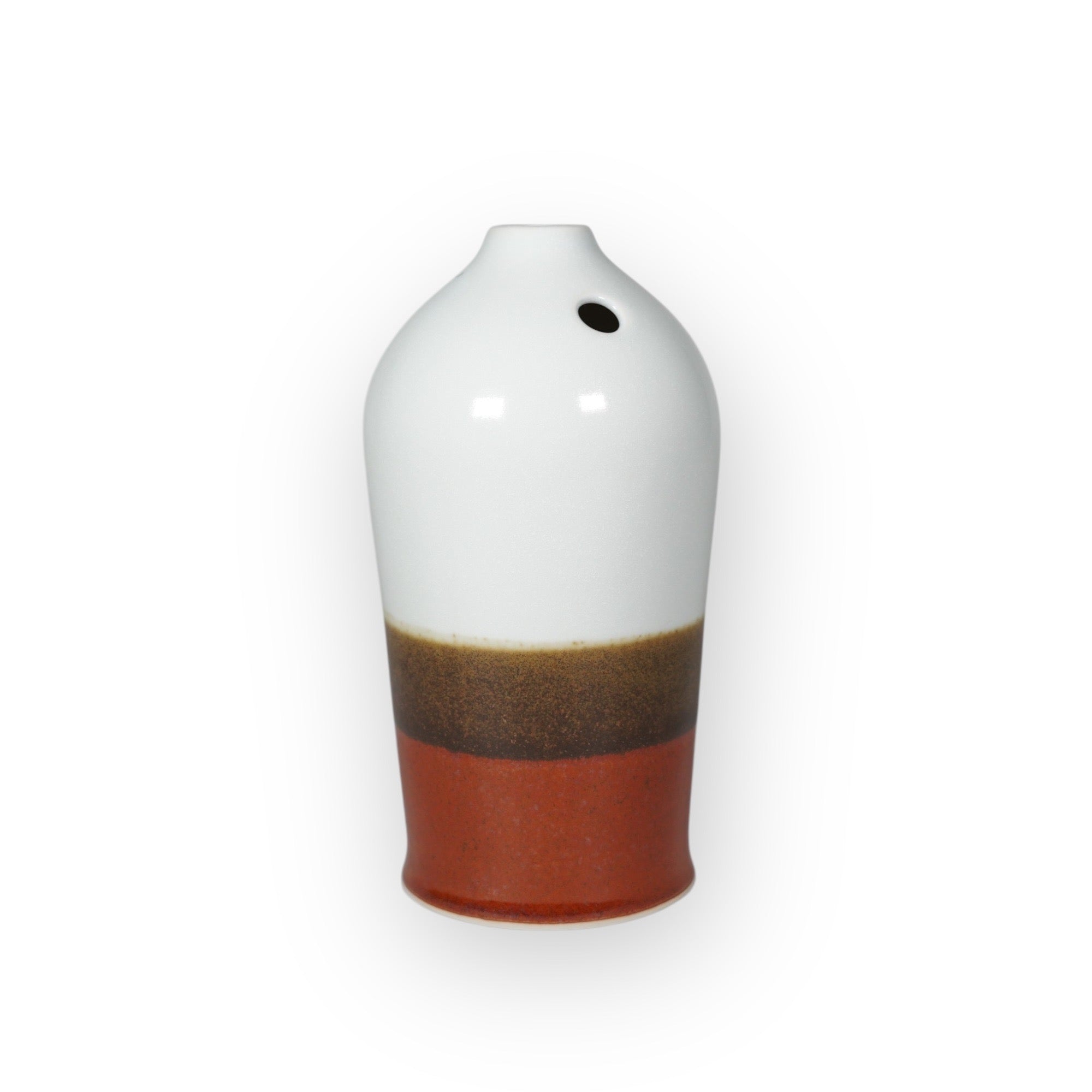
Vase Kyo Ware / Red / Medium
DESCRIPTION
DÉTAILS
SIZE
MATERIAL
ARTISAN
KOGEI
Attention
Choisir les options


Vase Kyo Ware / Red / Medium
Prix de venteRM918.00 MYR
Pays
Langue
Panier
Votre panier est vide


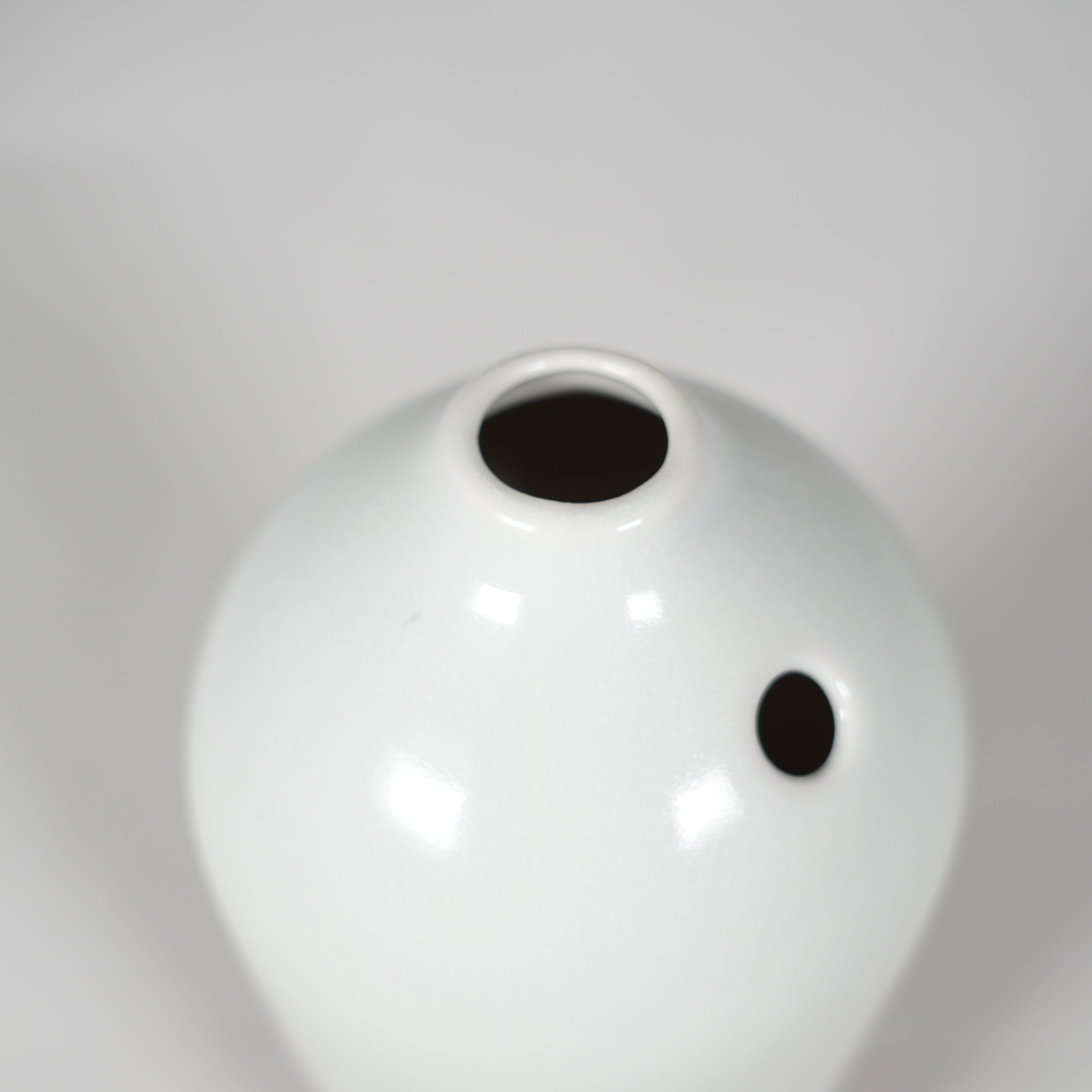
Ce vase est unique car il possède deux inserts.
Le dessus est destiné aux plantes à branches ou aux autres plantes volumineuses, et le côté est destiné aux fleurs plus grandes qui accentuent les fleurs, créant rythme et expression.
Ce vase peut être utilisé avec une petite quantité de fleurs pour faire ressortir leur charme de diverses manières, y compris avec des fleurs qui ne sont généralement pas choisies pour ce type de vase.
La grande variété de compositions vous permet d'apprécier ce vase sous différents angles.
SIZE
Largeur : 9 cm
Hauteur : 16,5 cm
Poids : 310 g
MATERIAL
Céramique
SORYUGAMA
From Kyoto to the World
For four generations, the Wakunami family has preserved traditional techniques and continued creating pottery in the Kiyomizu area of Kyoto. While inheriting time-honored methods, they also produce products that align with modern tastes.
As artisans supporting Kyoto's traditional industries, they aspire to share Japan's unique craftsmanship and artistic expression with people in more countries and regions around the world.
ARTISAN STORY
Wakunami Family / Soryugama
The first generation of the Wakunami family studied under a leading figure in Kyo-yaki celadon during the Meiji and Taisho periods, inheriting their techniques. Since then, the Okenami family has preserved this traditional craft and continued creating pottery in the Kiyomizu area of Kyoto for four generations.
Upon marrying the wife of a kiln master from Koishiwara-yaki in Fukuoka, two distinct ceramic traditions merged. Together, they established the brand "Studio Soryu," where they explore new expressions of celadon. The couple works side by side at the pottery wheel daily, striving to create pieces that are cherished by many.
KIYOMIZU WARE
About 400 years ago / 1600s / Edo Period (1603–1868)
Kiyomizu ware takes its name from ceramics historically produced around Kiyomizu-dera and Kyoto’s eastern hills. It grew during the Edo period with tea culture and temple pilgrimage, absorbing the brilliant decoration associated with Ninsei and Kenzan as well as porcelain, blue-and-white and many other techniques.
In Japan, the name suggests refined Kyoto tableware, ranging from formal tea and kaiseki vessels to everyday dishes. Even after many kilns moved to districts such as Yamashina, the tradition retained an unusual stylistic diversity: each workshop may look completely different from the next.
Despite the name, many contemporary Kiyomizu workshops are no longer located near Kiyomizu-dera. Urban development and environmental concerns led to relocation, while the old place-name remained as a brand remembering the craft’s origin. Geography moved, but the name stayed.
Différences individuelles
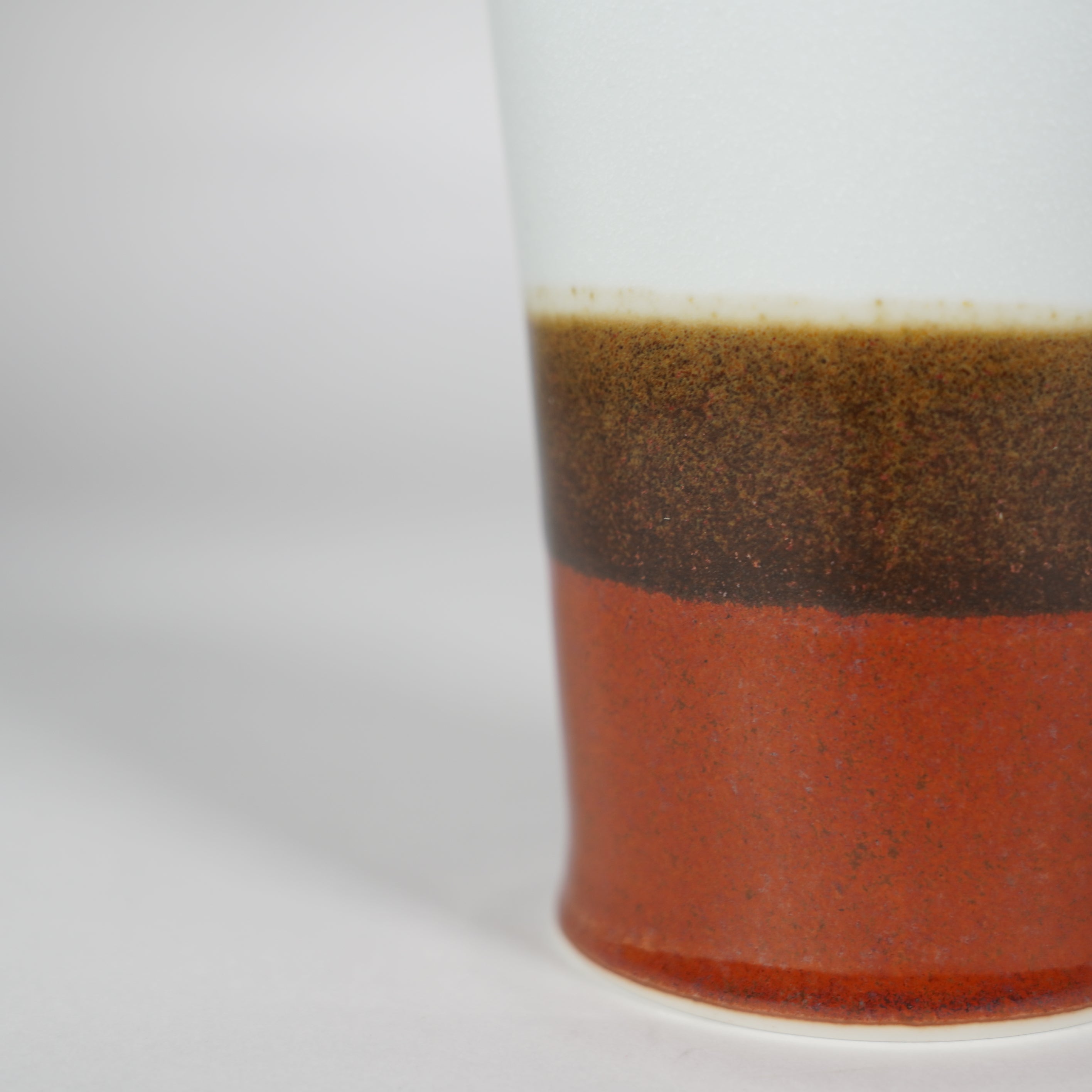
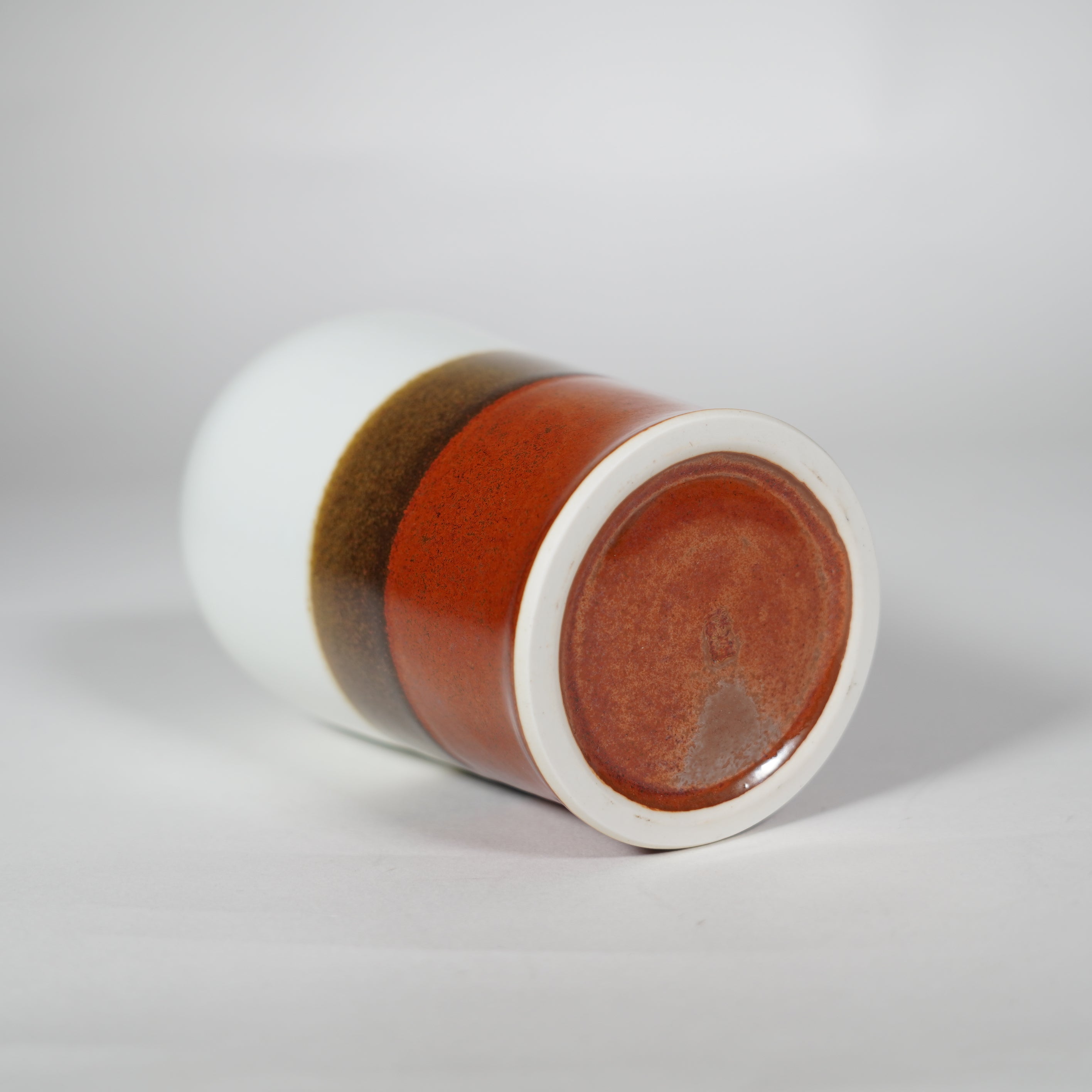
Chaque pièce étant fabriquée à la main individuellement, de légères variations de couleur, de motif, de forme et de texture peuvent survenir. Ces subtiles différences sont une caractéristique naturelle des créations artisanales, rendant chaque pièce véritablement unique. Nous espérons que vous apprécierez ces variations individuelles comme faisant partie de la beauté et du caractère de l'artisanat japonais.
Délai de production
Si un article n'est pas actuellement en stock, il peut être fabriqué sur commande par l'artisan. Comme chaque pièce est soigneusement fabriquée à la main, la production peut prendre plusieurs mois selon l'article et le planning de l'artisan. Nous vous remercions de votre patience et de votre compréhension.

Choisir les options