Ittotaiheisekai
DESCRIPTION
DÉTAILS
SIZE
MATERIAL
ARTISAN
KOGEI
Attention
Ittotaiheisekai
Prix de vente120,867.00TL
Choisir les options
Ittotaiheisekai
Prix de vente120,867.00TL
Pays
Langue
Panier
Votre panier est vide
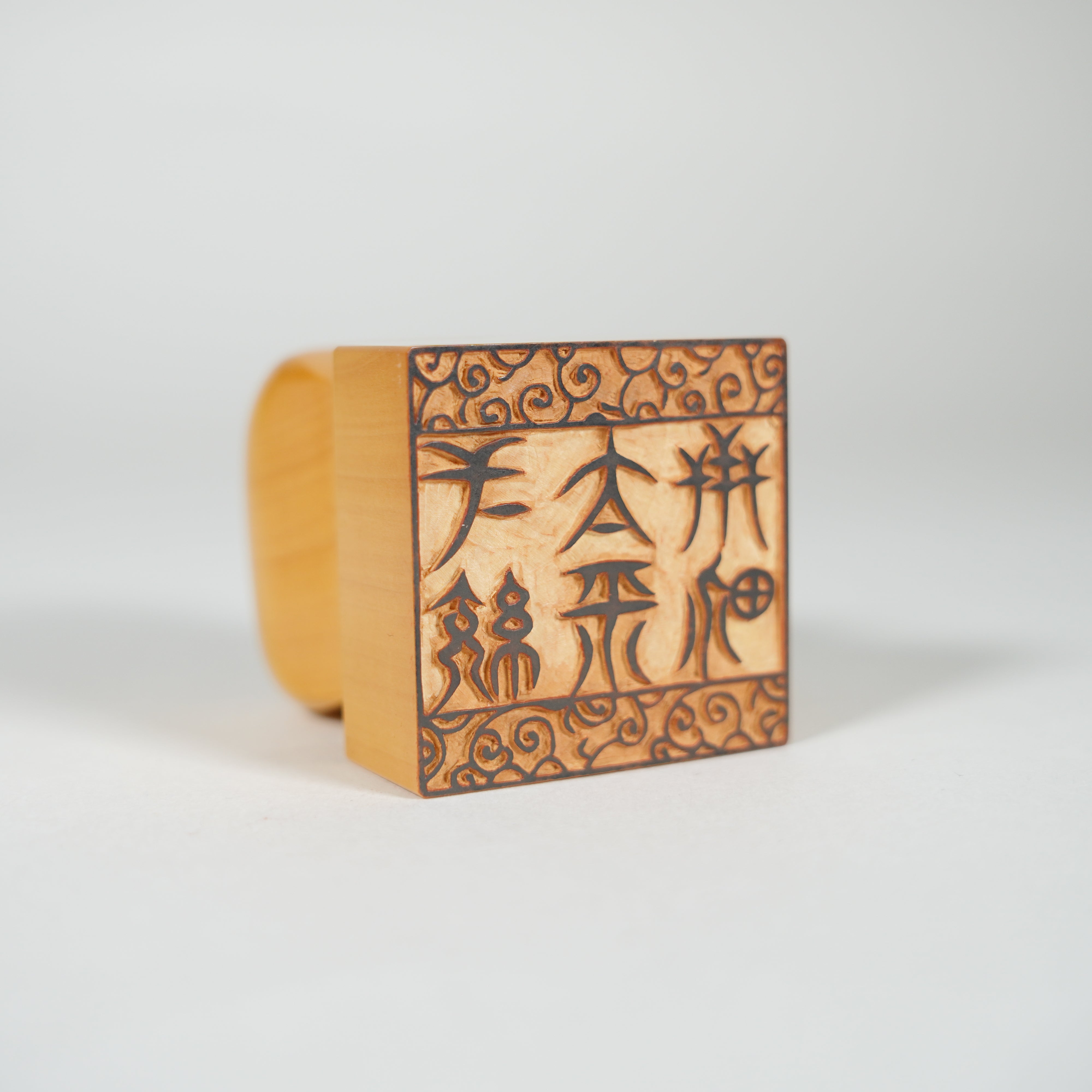
Ce sceau est fabriqué à la main par un artisan qualifié.
Ittotaiheisekai signifie que le monde entier est un endroit paisible.
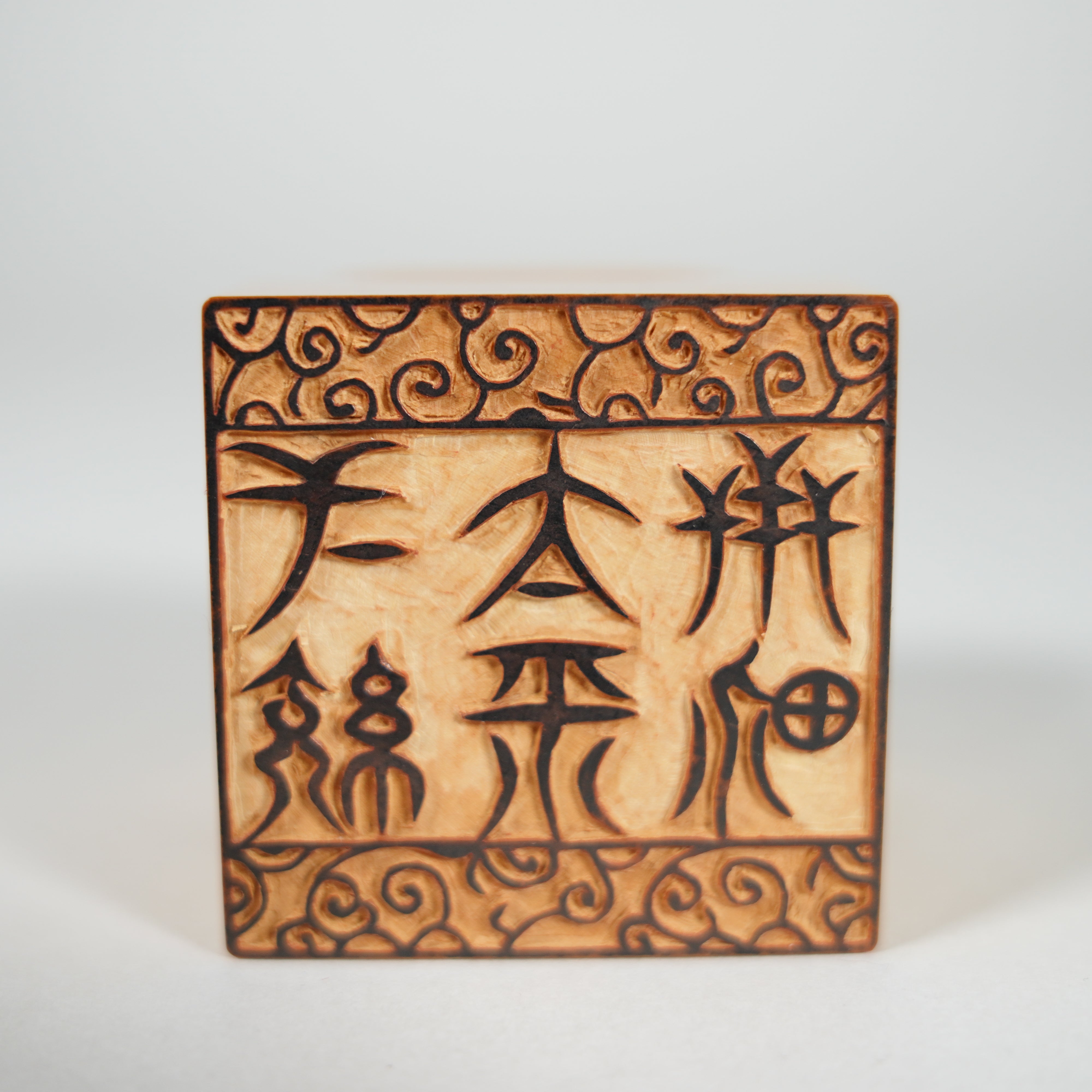
Le sceau de Kyoto se caractérise par sa fabrication élaborée et son haut niveau d'artisanat. Les artisans des sceaux de Kyoto sculptent soigneusement chaque sceau un par un en suivant des techniques traditionnelles. Par conséquent, chaque sceau de Kyoto est une œuvre d'art unique.
Le sceau de Kyoto se caractérise également par sa grande durabilité. Il est fabriqué à partir d'une pierre de haute qualité, il conservera donc sa beauté même après des centaines d'années. Pour cette raison, les sceaux de Kyoto sont souvent chéris comme des héritages familiaux transmis de génération en génération.
【Cliquez ici pour commander un sceau sur mesure qui peut être personnalisé avec vos caractères préférés.】
SIZE
Largeur:4,5 cm
Profondeur:4,5 cm
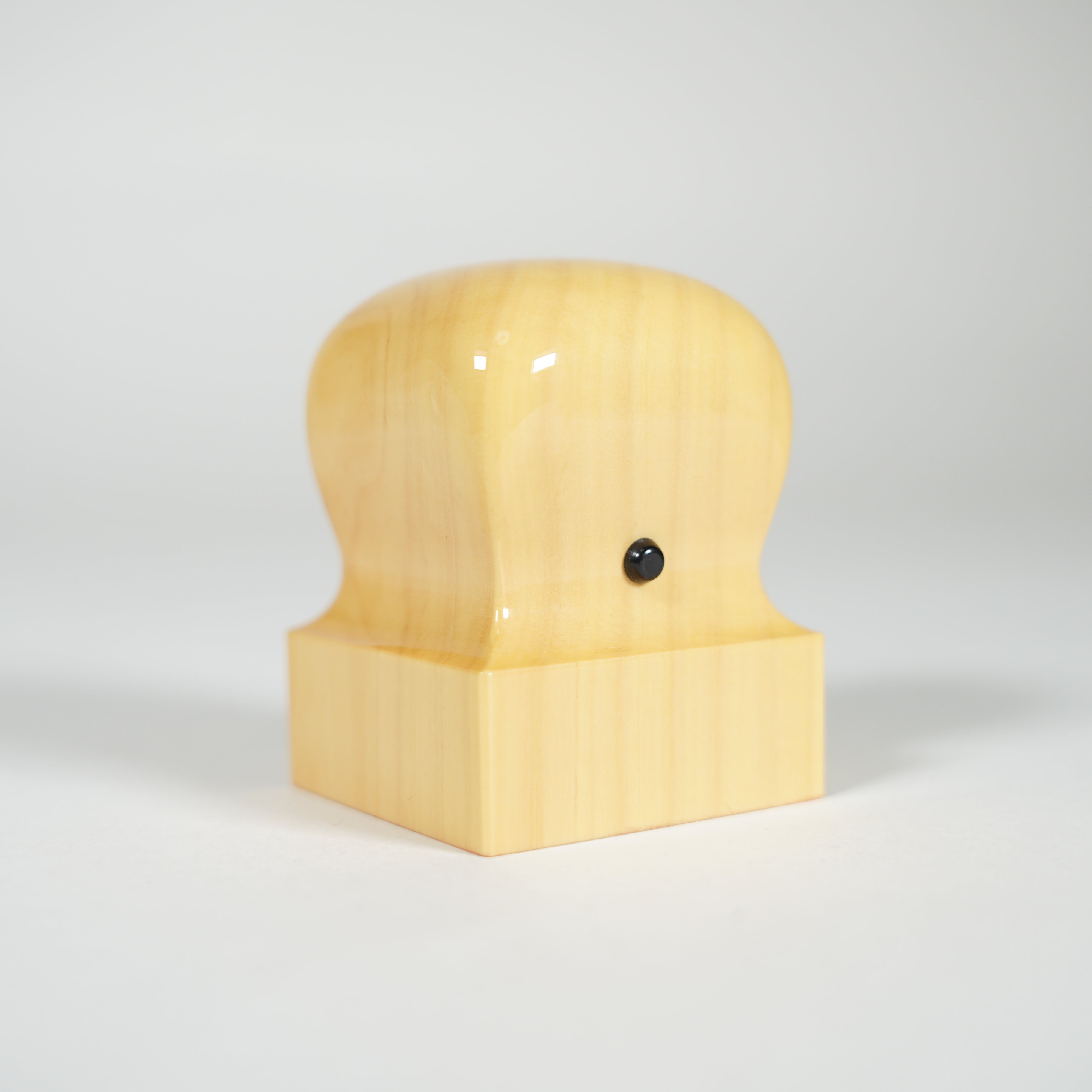
Hauteur:6 cm
Poids:100 g
MATERIAL
Bois
KAWAMASA INBOU
"Creating the Kyoto Seal 1000 years ahead"
Kyoto seals are loved by many people because of their history and tradition, as well as their elaborate craftsmanship and high artistry.
As the pinnacle of seals, we continue to produce Kyoto seal every day so that it continues to shine in people's lives.
ARTISAN STORY
Yoshihiko Kawai / Kawamasa Inbo
Yoshihiko Kawai is the third generation owner of Kawamasa Inbo, a stamp shop in Kyoto with a history of over 70 years.
The couple creates reliable, high-quality seals using a variety of carefully selected materials such as wood and bamboo.
We hope that everyone will be able to find a "one-of-a-kind stamp in the world.
ACHIEVEMENTS
・Manufacturing Meister certified by the Ministry of Health, Labor and Welfare
・Kyoto Prefecture Certified Kyoto Craftsman (Kyoto Seal)
・Kyoto City Certified Future Master Craftsman (Kyo Seal)
KYO INSHO / KYOTO SEALS
About 1,200 years ago / 800s / Heian Period (794–1185)
Seal culture reached Japan from China and was first used for official administration. After the establishment of Heian-kyo, seal making in Kyoto grew alongside the documentary culture of the court, temples and aristocracy, later spreading to merchants and townspeople. Characters are carved in reverse into materials such as wood, horn and other hard substances.
For generations, personal seals played an important role in Japanese contracts, banking and government procedures. Digitalization has reduced some everyday use, but registered seals and artists’ seals remain significant. Kyoto seals are especially valued for the beauty of lettering and the precision of carving.
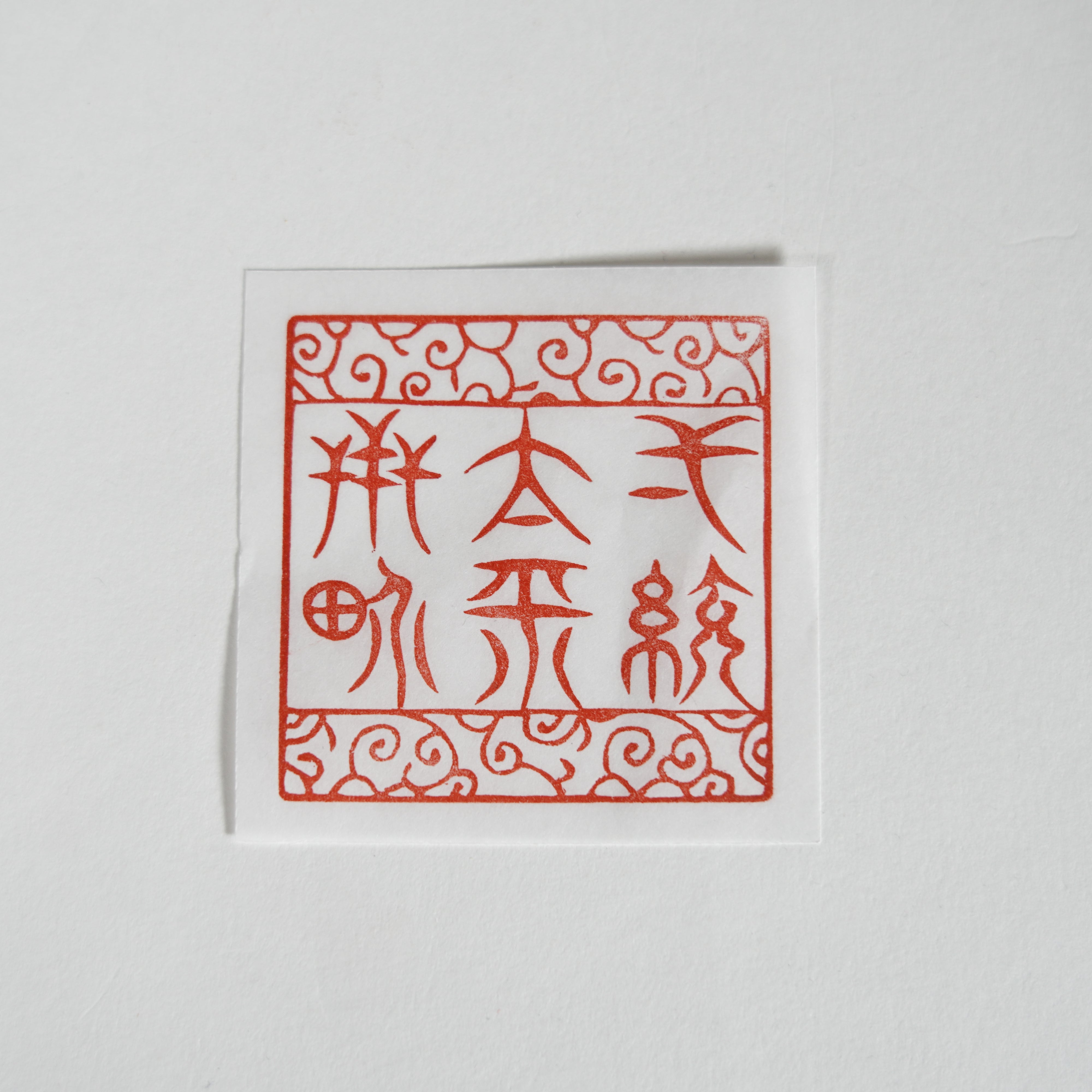
The maker cannot directly see the final image while carving. Every character must be cut as a mirror image and appears correctly only when stamped onto paper. Different calligraphic styles can completely transform the same kanji, turning a tiny seal face into a meeting point of calligraphy, graphic design and sculpture.
Différences individuelles
Chaque pièce étant fabriquée à la main individuellement, de légères variations de couleur, de motif, de forme et de texture peuvent survenir. Ces subtiles différences sont une caractéristique naturelle des créations artisanales, rendant chaque pièce véritablement unique. Nous espérons que vous apprécierez ces variations individuelles comme faisant partie de la beauté et du caractère de l'artisanat japonais.
Délai de production
Si un article n'est pas actuellement en stock, il peut être fabriqué sur commande par l'artisan. Comme chaque pièce est soigneusement fabriquée à la main, la production peut prendre plusieurs mois selon l'article et le planning de l'artisan. Nous vous remercions de votre patience et de votre compréhension.
Choisir les options