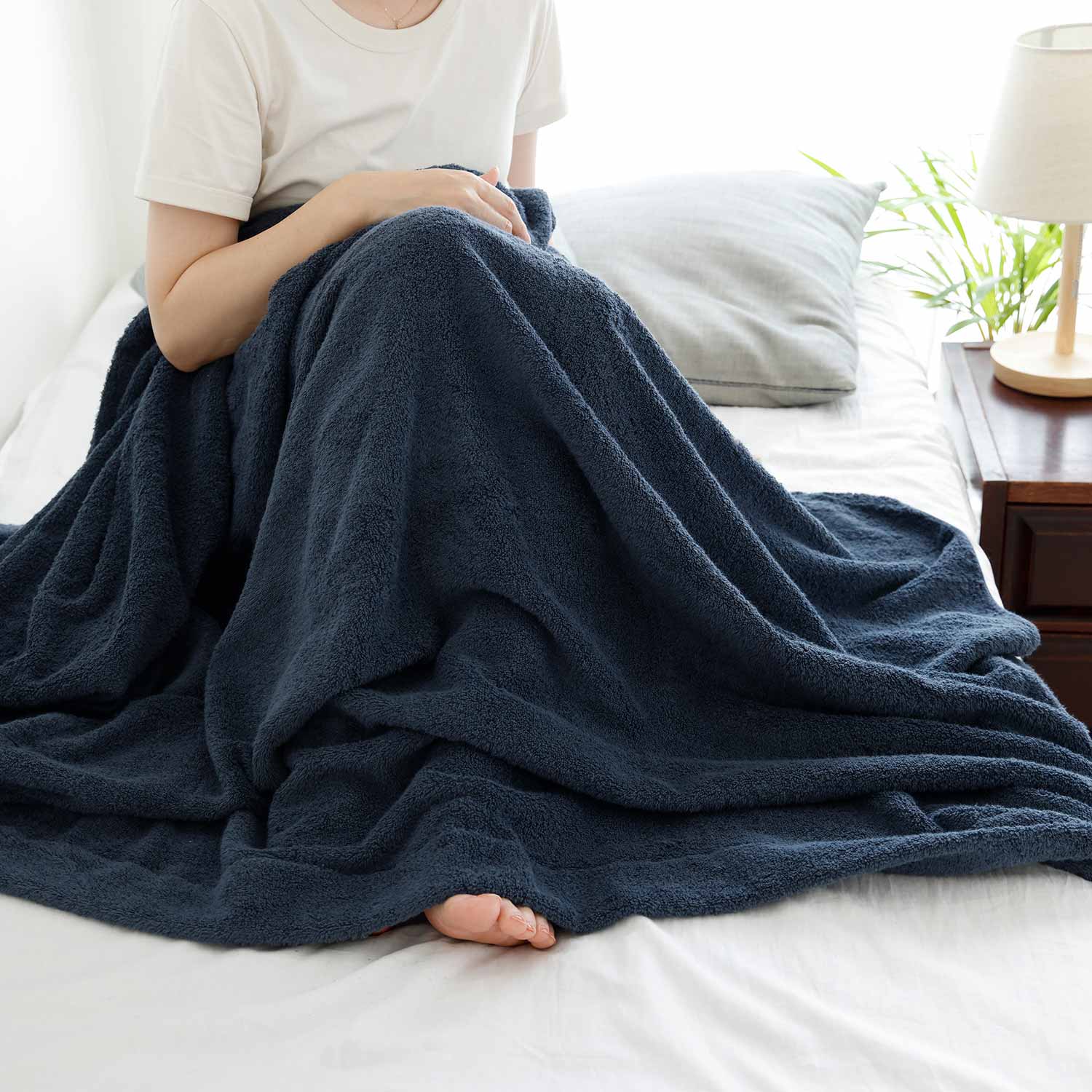
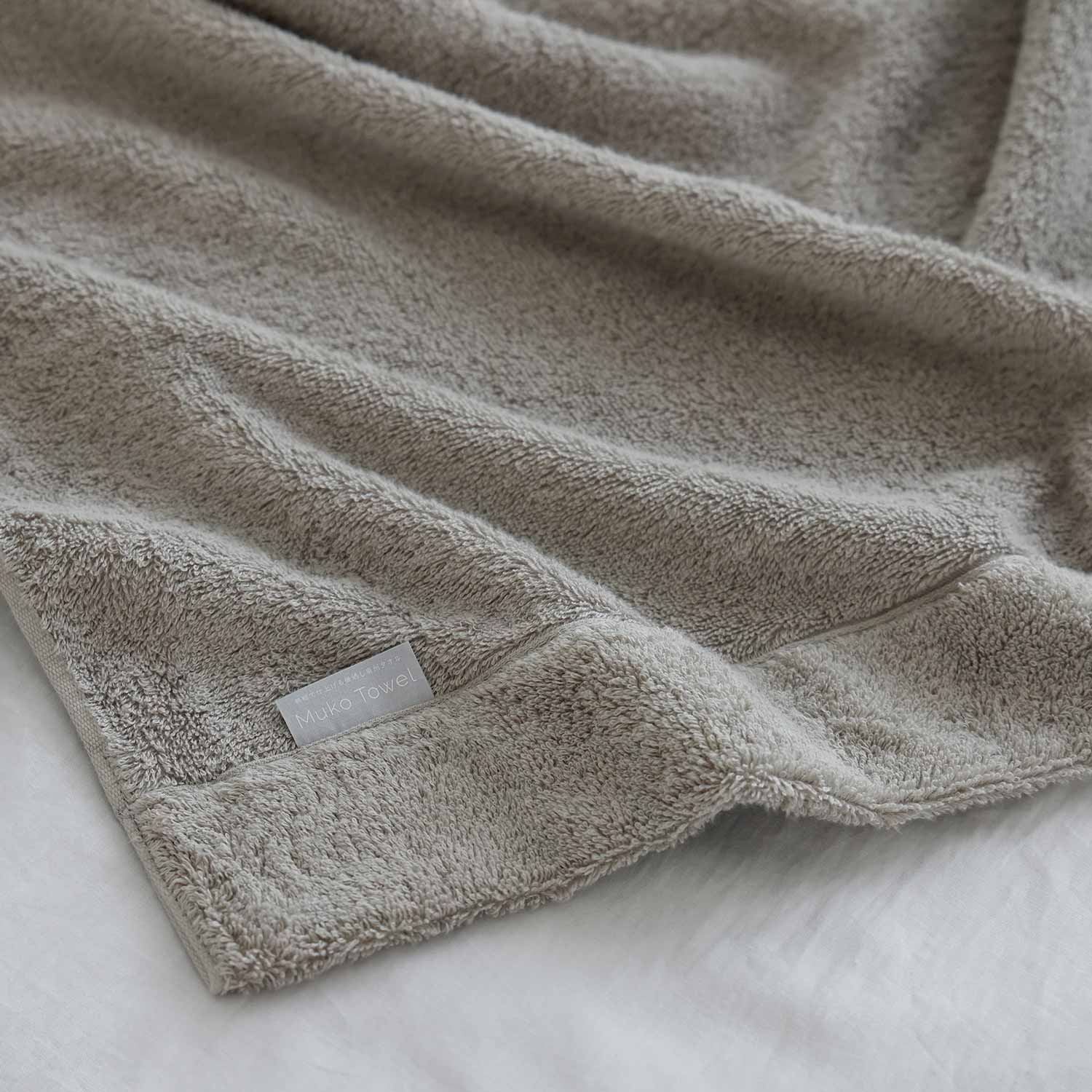
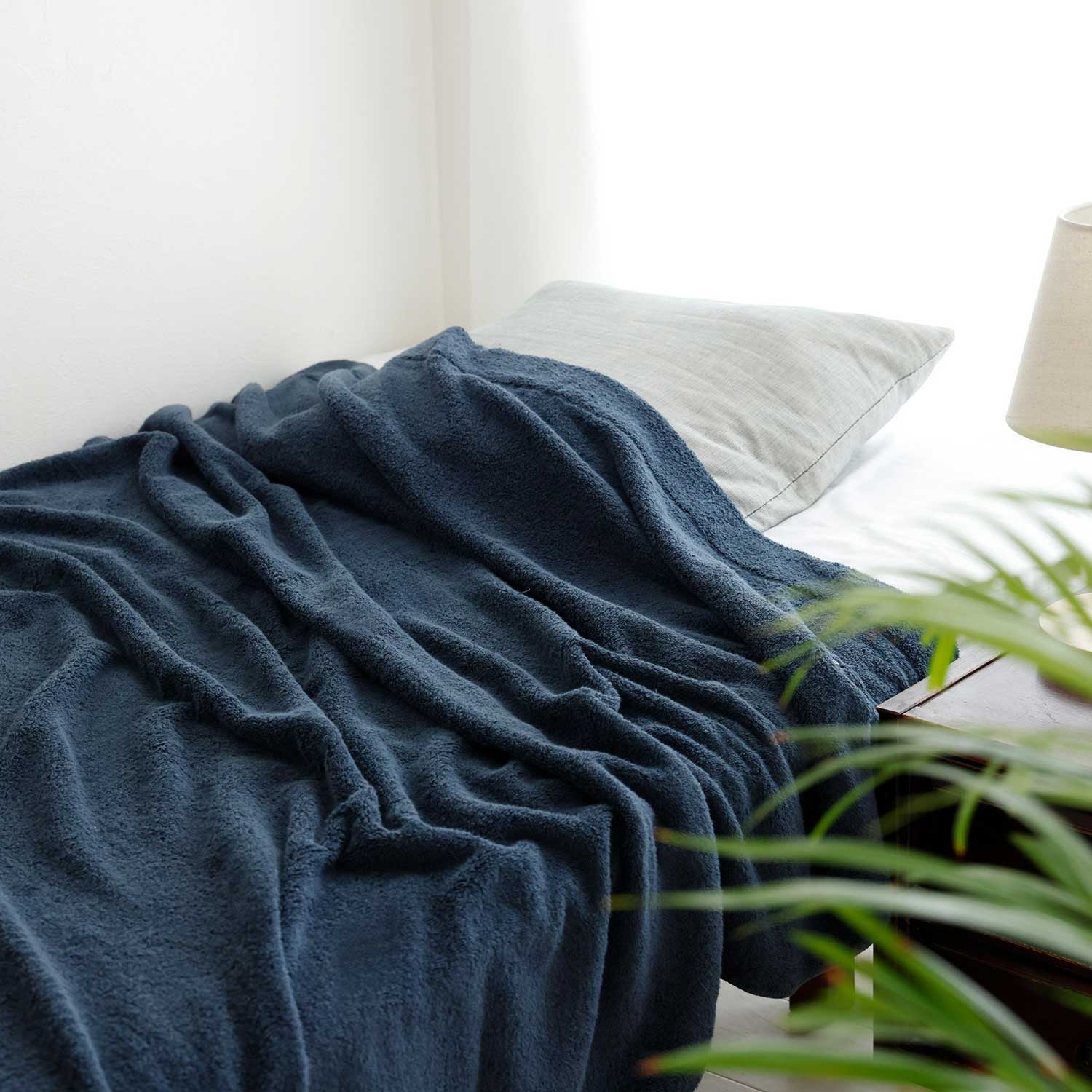
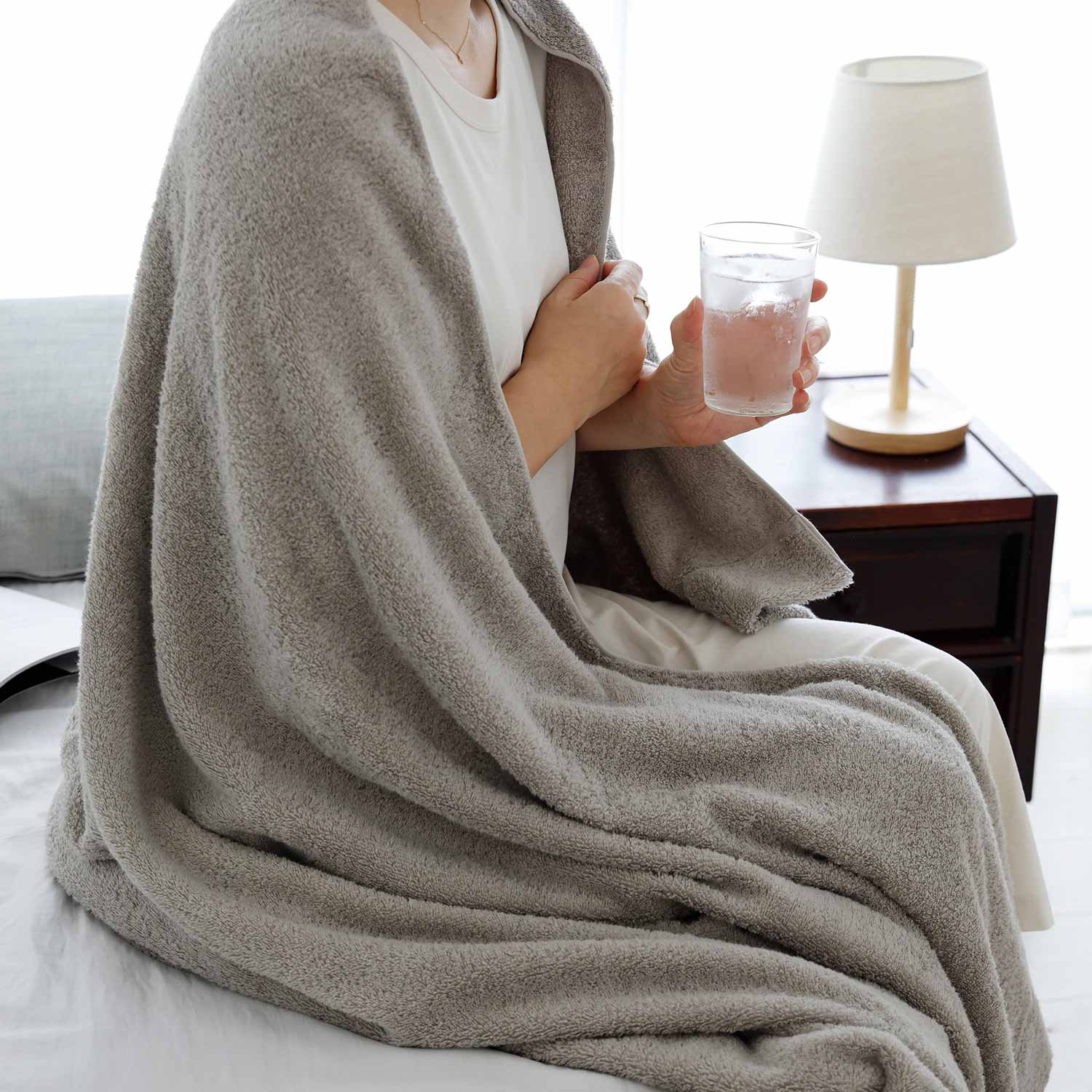
Couverture de serviette senshu
DESCRIPTION
DÉTAILS
SIZE
MATERIAL
ARTISAN
KOGEI
Attention
Choisir les options


Couverture de serviette senshu
Prix de vente$2,646.00
Pays
Langue
Panier
Votre panier est vide


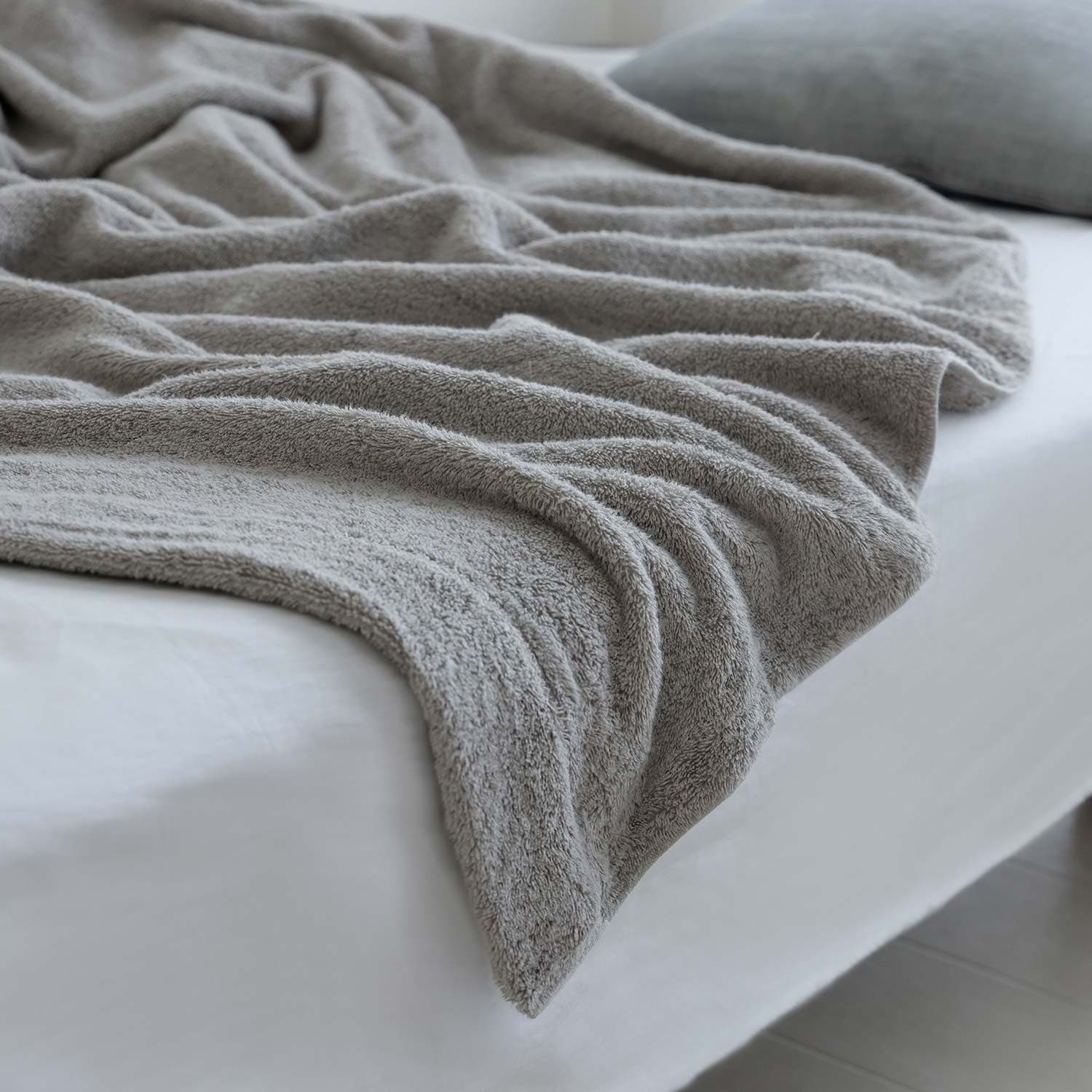
Cette couverture est très volumineuse.
Fabriquée avec de nombreux fils de coton japonais de qualité supérieure.
Le fil de trame de la serviette est serré et la boucle (boucle de serviette) est plus longue, ce qui donne une couverture en tissu éponge volumineuse.
L'utilisation de nombreux fils de coton lui confère un toucher doux et moelleux.
SIZE
Largeur : 136 cm
Hauteur : 190 cm
Poids : 1 000 g
MATERIAL
Coton
NITTA TOWEL
Natural Environmentally Friendly Towels
In the general towel manufacturing process, glue and other materials are used. However, the glue must be washed off at the end of the process. These materials end up in the wastewater.
However, Nitta Towel are made without using glue, and the glue does not get mixed in wastewater. In addition, the process of glue adhesion and permeation is eliminated, which significantly reduces the use of electricity and heat energy, thus contributing to CO2 emissions reduction.
Nitta Towel's towels are more voluminous, softer to the touch, and more environmentally friendly than ordinary towels.
ARTISAN STORY
Nitta Towel Ltd.
Nitta Towel Ltd. was founded over 70 years ago and has been making Senshu towels ever since.
Senshu towels were the first towels made in Japan with a history of over 130 years.
Nitta Towel uses a unique manufacturing process to produce such Senshu towels that are eco-friendly and pleasant to the touch.
SENSHU TOWEL / SENSHU TOWELS
About 140 years ago / 1880s / Meiji Period (1868–1912)
Senshu towels developed after Enjiro Satoi began Japan’s first full-scale towel weaving in the Sano area of Osaka around 1887. The region became known for ato-zarashi, a process in which starch and impurities are washed out after weaving, giving the finished towel immediate absorbency and cleanliness.
In Japan, Senshu towels are valued less for extravagant decoration than for practical performance—especially the fact that they absorb water well from the first use. They are common in homes, hotels and gifts, with modern production also exploring organic cotton, lightweight drying and other lifestyle needs.
Many textiles wash or prepare yarn before weaving, but Senshu’s defining step comes afterward. Starch needed for weaving is removed only once the cloth is complete, so a brand-new towel already feels soft and thirsty. A final washing process determines the core performance of the product.
Différences individuelles
Chaque pièce étant fabriquée à la main individuellement, de légères variations de couleur, de motif, de forme et de texture peuvent survenir. Ces subtiles différences sont une caractéristique naturelle des créations artisanales, rendant chaque pièce véritablement unique. Nous espérons que vous apprécierez ces variations individuelles comme faisant partie de la beauté et du caractère de l'artisanat japonais.
Délai de production
Si un article n'est pas actuellement en stock, il peut être fabriqué sur commande par l'artisan. Comme chaque pièce est soigneusement fabriquée à la main, la production peut prendre plusieurs mois selon l'article et le planning de l'artisan. Nous vous remercions de votre patience et de votre compréhension.

Choisir les options