
Baguettes / zonsei / 1
DESCRIPTION
DÉTAILS
SIZE
MATERIAL
ARTISAN
KOGEI
Attention
Baguettes / zonsei / 1
Prix de vente₴6,986.00
Choisir les options
Baguettes / zonsei / 1
Prix de vente₴6,986.00
Pays
Langue
Panier
Votre panier est vide
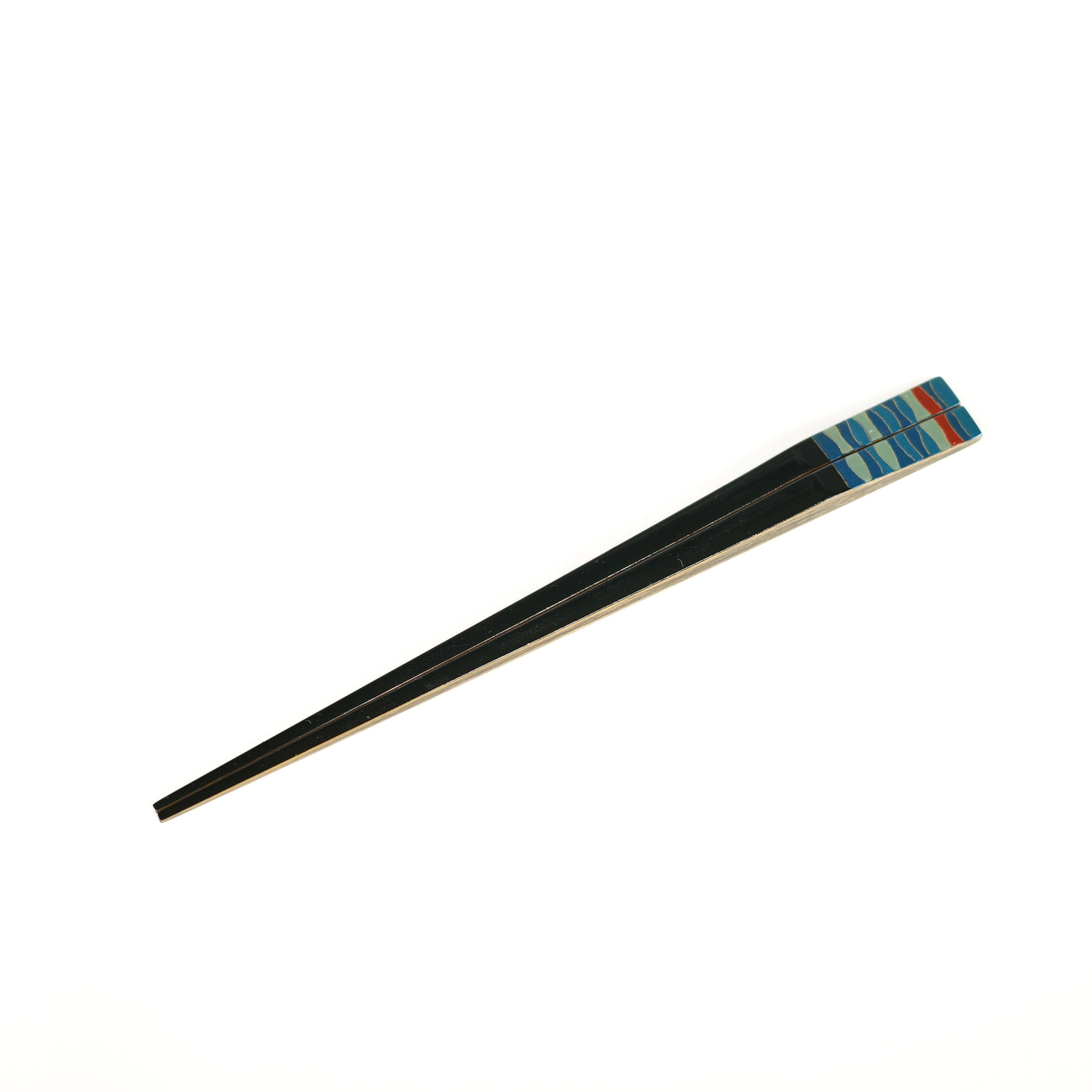
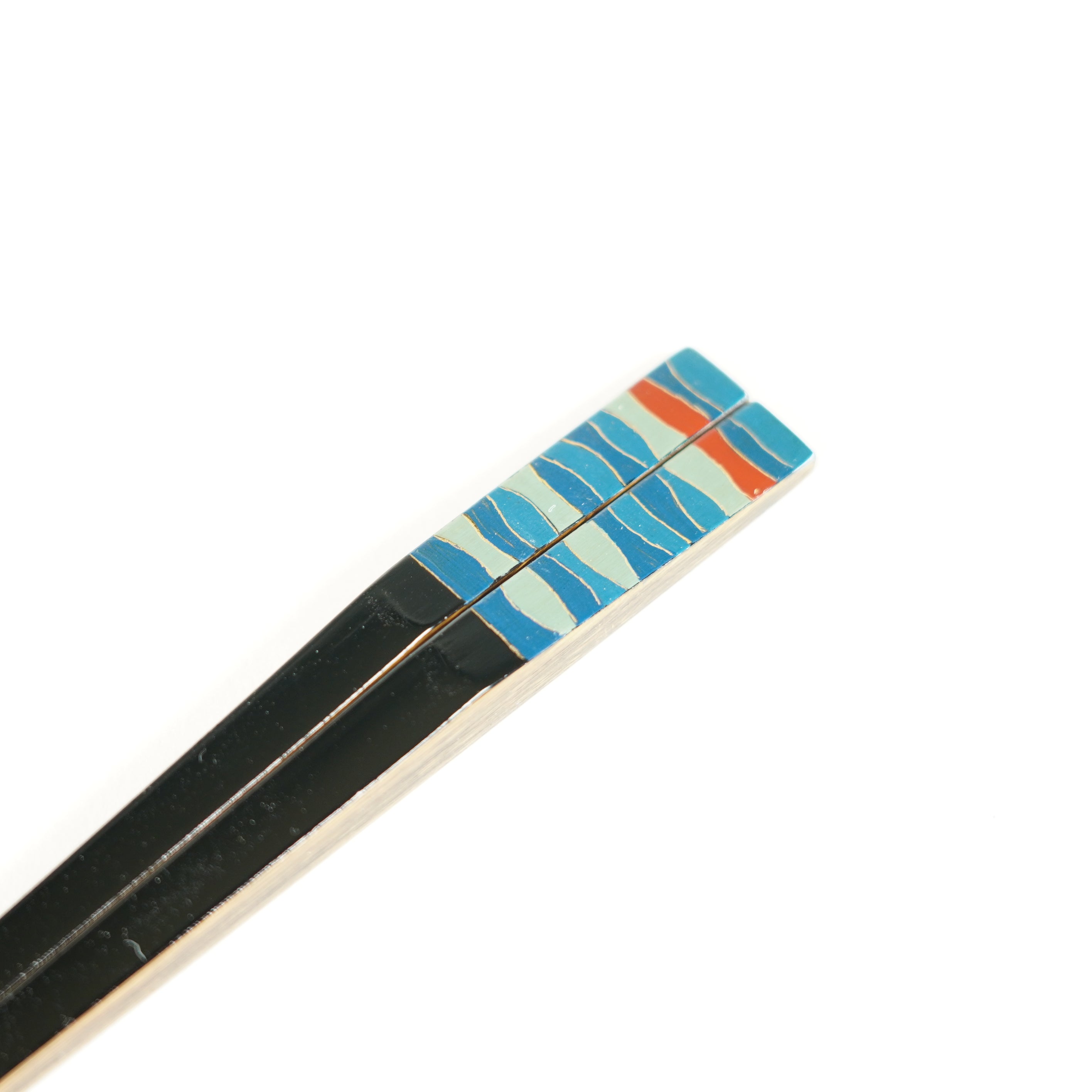
Ces baguettes sont fabriquées selon une technique appelée Zonsei.
La technique Zonsei trouve son origine en Asie du Sud-Est, s’est développée en Chine, puis a été introduite au Japon au milieu de la période Muromachi (1336-1573). Elle consiste à peindre une image avec de la laque colorée sur une surface en laque noire, rouge ou jaune, à graver les contours et les éléments principaux de l’image en lignes, puis à réaliser les détails par des gravures extrêmement fines. Elle est couramment utilisée pour la décoration et les objets domestiques, tels que les boîtes à bonbons, les coffrets à thé et les plateaux ronds.
SIZE
Longueur : 22 cm
MATERIAL
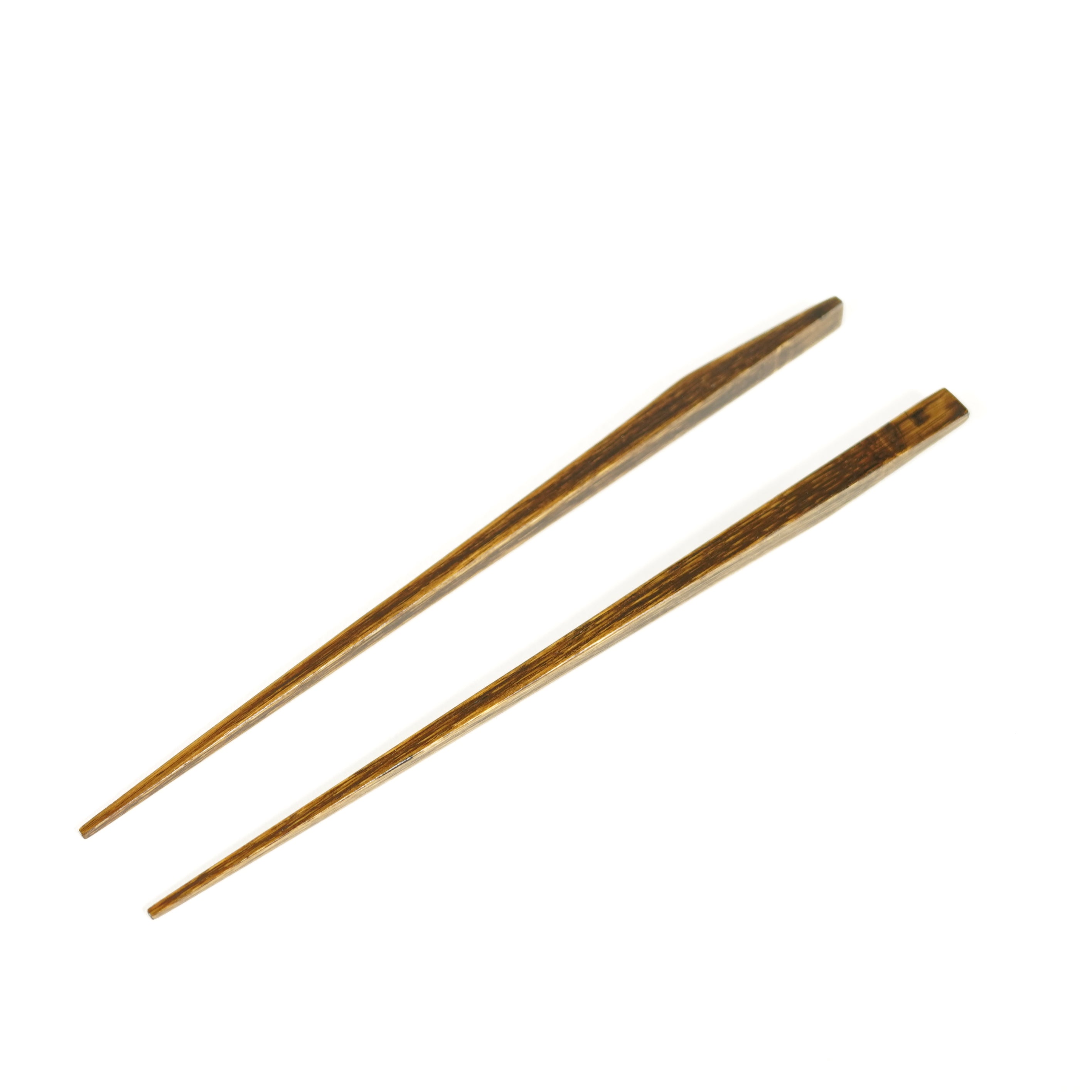
Bambou
Laque
LACQUER STUDIO NAKATA
Bringing Lacquer into Daily Life
Each of our pieces is carefully crafted using natural lacquer, highlighting the unique characteristics of the materials. Lacquerware is something that becomes more enjoyable as it ages, with its appearance evolving the more it is used. By incorporating lacquerware into your daily life, you can nurture and experience the true beauty of these products over time.
ARTISAN STORY
Nakata Lacquerware Studio
We are a workshop located in Takamatsu City, Kagawa Prefecture, and for over 80 years, starting from our grandfather's generation, we have been crafting products from wood and lacquer. From lacquerware such as chopsticks and plates to lacquered furniture like benches and tables, everything is made in-house. At Nakata Lacquerware Studio, we focus on creating practical designs that make the most of the materials we use. The texture of lacquerware changes and evolves the more it is used, gradually blending into your hands and daily lifestyle.
KAGAWA SHIKKI / KAGAWA LACQUERWARE
About 200 years ago / 1800s / Edo Period (1603–1868)
Kagawa lacquerware took shape in the late Edo period under the patronage of the Takamatsu domain, when Tamakaji Zokoku studied lacquer traditions associated with China and Southeast Asia and developed local approaches to techniques such as kinma, zonsei and carved lacquer. Takamatsu became known for richly patterned lacquer using carving and colored layers.
In Japan, Kagawa lacquer stands apart from simple black or vermilion ware because color often appears inside incised lines and carved surfaces. Trays, confectionery boxes and containers remain important, while the same methods now appear in jewelry and small interior objects.
Kinma is especially distinctive: after building a lacquer surface, the artisan cuts a design into it and fills those cuts with contrasting colored lacquer. Instead of adding a painted image to the surface, the maker removes part of a finished surface and then returns color to the void—a reversal that unites engraving and lacquer.
Différences individuelles
Chaque pièce étant fabriquée à la main individuellement, de légères variations de couleur, de motif, de forme et de texture peuvent survenir. Ces subtiles différences sont une caractéristique naturelle des créations artisanales, rendant chaque pièce véritablement unique. Nous espérons que vous apprécierez ces variations individuelles comme faisant partie de la beauté et du caractère de l'artisanat japonais.
Délai de production
Si un article n'est pas actuellement en stock, il peut être fabriqué sur commande par l'artisan. Comme chaque pièce est soigneusement fabriquée à la main, la production peut prendre plusieurs mois selon l'article et le planning de l'artisan. Nous vous remercions de votre patience et de votre compréhension.
Choisir les options