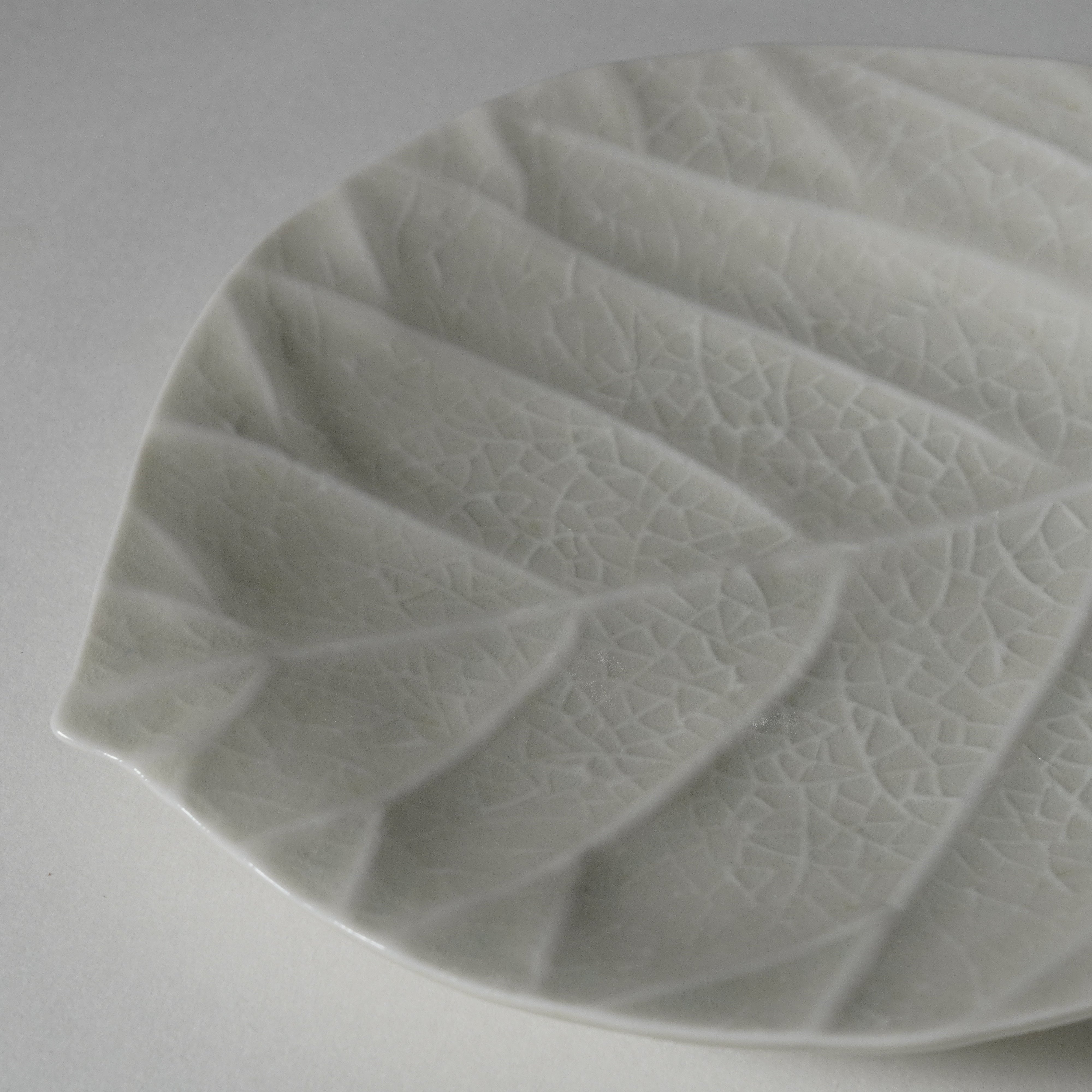
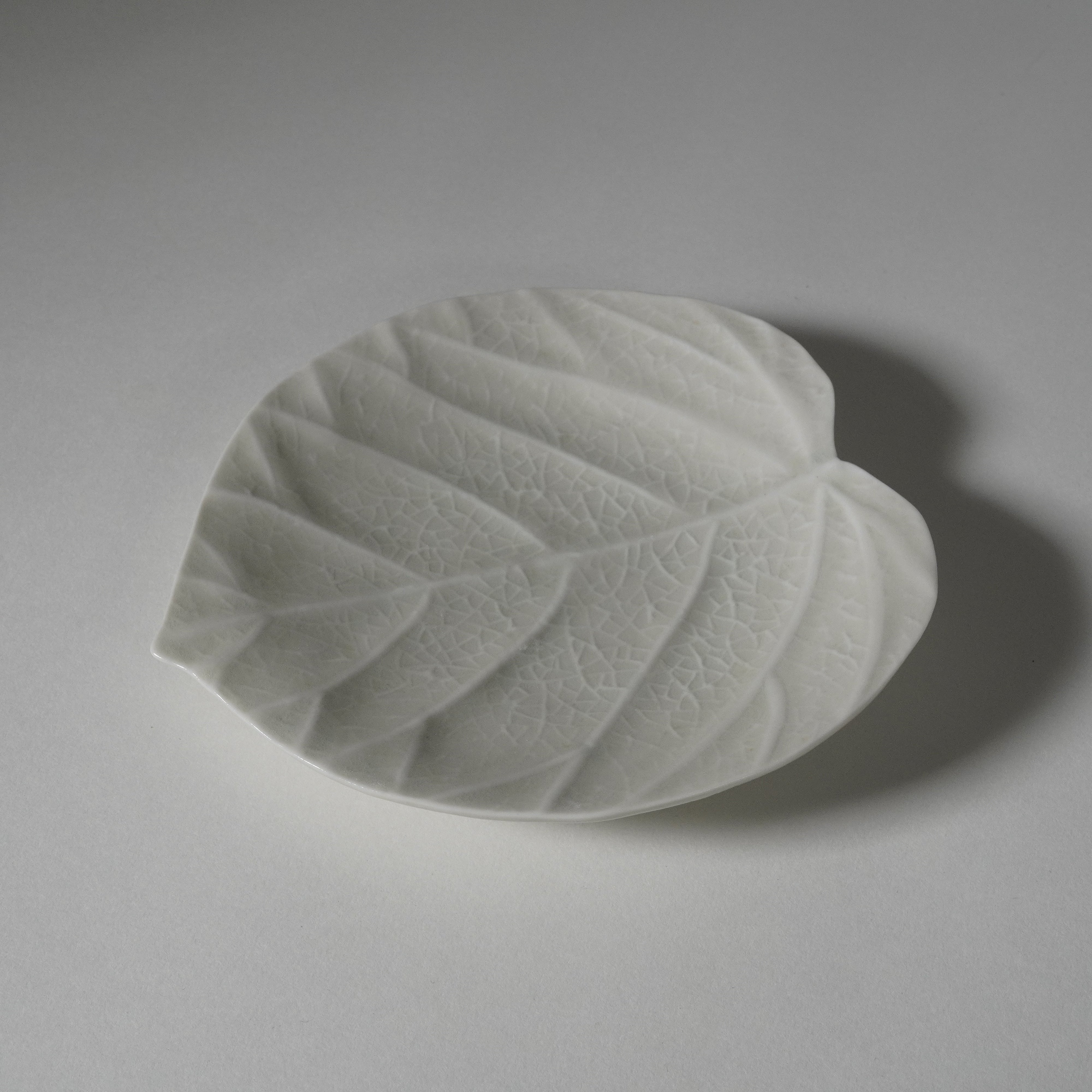
Assiette / Bleu cendré / Feuille d’ombellifère / 15 cm
DESCRIPTION
DÉTAILS
SIZE
MATERIAL
ARTISAN
KOGEI
Attention
Choisir les options


Assiette / Bleu cendré / Feuille d’ombellifère / 15 cm
Prix de vente₴2,795.00
Pays
Langue
Panier
Votre panier est vide


Cette assiette s’inspire des feuilles de la plante Umbellata.
Son motif botanique, inspiré des plantes et de la nature, s’allie à la tradition de la céramique de Kyoto pour conjuguer beauté et fonctionnalité.
La glaçure blanche est composée de cendres naturelles issues de la combustion du bois. Plutôt que d’utiliser les glaçures synthétiques couramment employées dans les objets produits en série, nous choisissons délibérément des glaçures naturelles instables afin de créer des couleurs et des textures uniques.
SIZE
Largeur:15cm
Profondeur:14cm
Hauteur:1,5cm
Poids:165g
MATERIAL
Céramiques
JIUCASCA
Each piece quietly graces the table, bringing gentle comfort to the heart.
Jiucasca’s vessels are not mere tableware.
They are moments of healing that nestle into everyday life—
small works of art born from the palm of the hand,
infusing our tables with beauty and our hearts with warmth.
Like the first delicate rain after a long dry season,
each drop soaking into the earth and reviving life,
these vessels breathe vitality into the dining table and gently nourish the soul.
The name Jiucasca carries this very wish.
ARTISAN STORY
Asami Maeda / Jiucasca
Born in Tokyo in 1988.
After studying a wide range of fields including art and philosophy, she was captivated by the world of ceramics and began creating her own works.
Her pieces often feature nature-inspired motifs, adorned with delicate patterns reminiscent of lace, crafted through techniques such as icchin slip trailing and stamping.
Utilizing the inherent qualities of porcelain—thin yet remarkably durable—her vessels are both refined and delicate, while being perfectly suited for everyday use.
KYO WARE & KIYOMIZU WARE
About 1,200 years ago / 800s / Heian Period (794–1185)
Kyoto ceramics reach back to kilns operating before and during the Heian period, then expanded with tea culture in the Muromachi and Momoyama eras. In the seventeenth century, Nonomura Ninsei perfected brilliant overglaze decoration, followed by innovators such as Ogata Kenzan, Okuda Eisen and Aoki Mokubei, whose diverse approaches shaped today’s Kyo and Kiyomizu ware.
In Japan, these ceramics are famous precisely because there is no single fixed style. Tea bowls, kaiseki dishes and everyday tableware may use overglaze painting, blue-and-white decoration, gold, sancai-inspired color and many other techniques. The craft sits at the heart of Kyoto’s culture of pairing vessels with cuisine and tea.
The surprising point is that Kyoto was never defined by a single major clay deposit. Potters drew on materials such as Amakusa porcelain stone, techniques arriving from other regions, and the tastes of artists and patrons gathered in the capital. Freedom from one local material helped make Kyoto ceramics unusually hybrid and stylistically diverse.
Différences individuelles
Chaque pièce étant fabriquée à la main individuellement, de légères variations de couleur, de motif, de forme et de texture peuvent survenir. Ces subtiles différences sont une caractéristique naturelle des créations artisanales, rendant chaque pièce véritablement unique. Nous espérons que vous apprécierez ces variations individuelles comme faisant partie de la beauté et du caractère de l'artisanat japonais.
Délai de production
Si un article n'est pas actuellement en stock, il peut être fabriqué sur commande par l'artisan. Comme chaque pièce est soigneusement fabriquée à la main, la production peut prendre plusieurs mois selon l'article et le planning de l'artisan. Nous vous remercions de votre patience et de votre compréhension.

Choisir les options