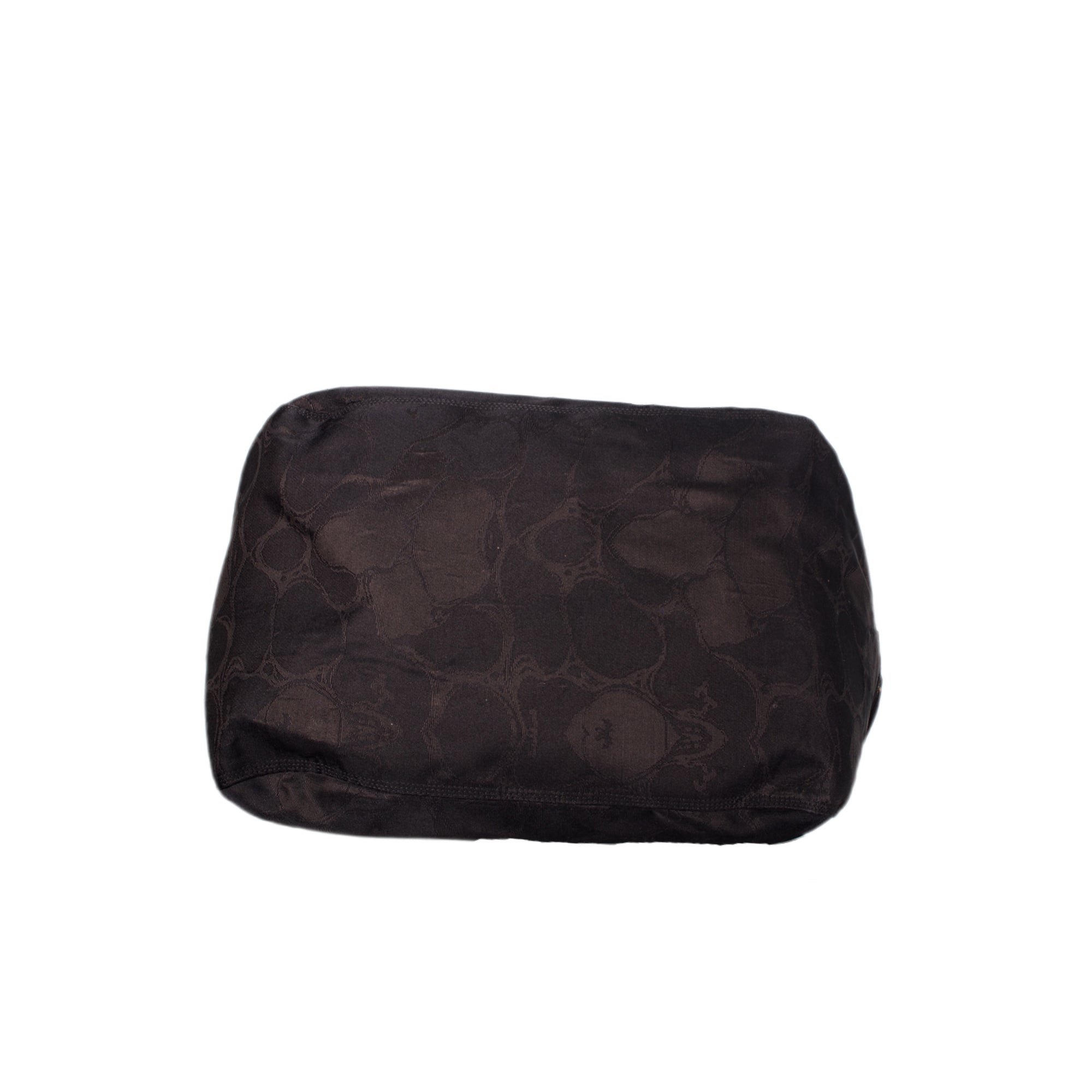
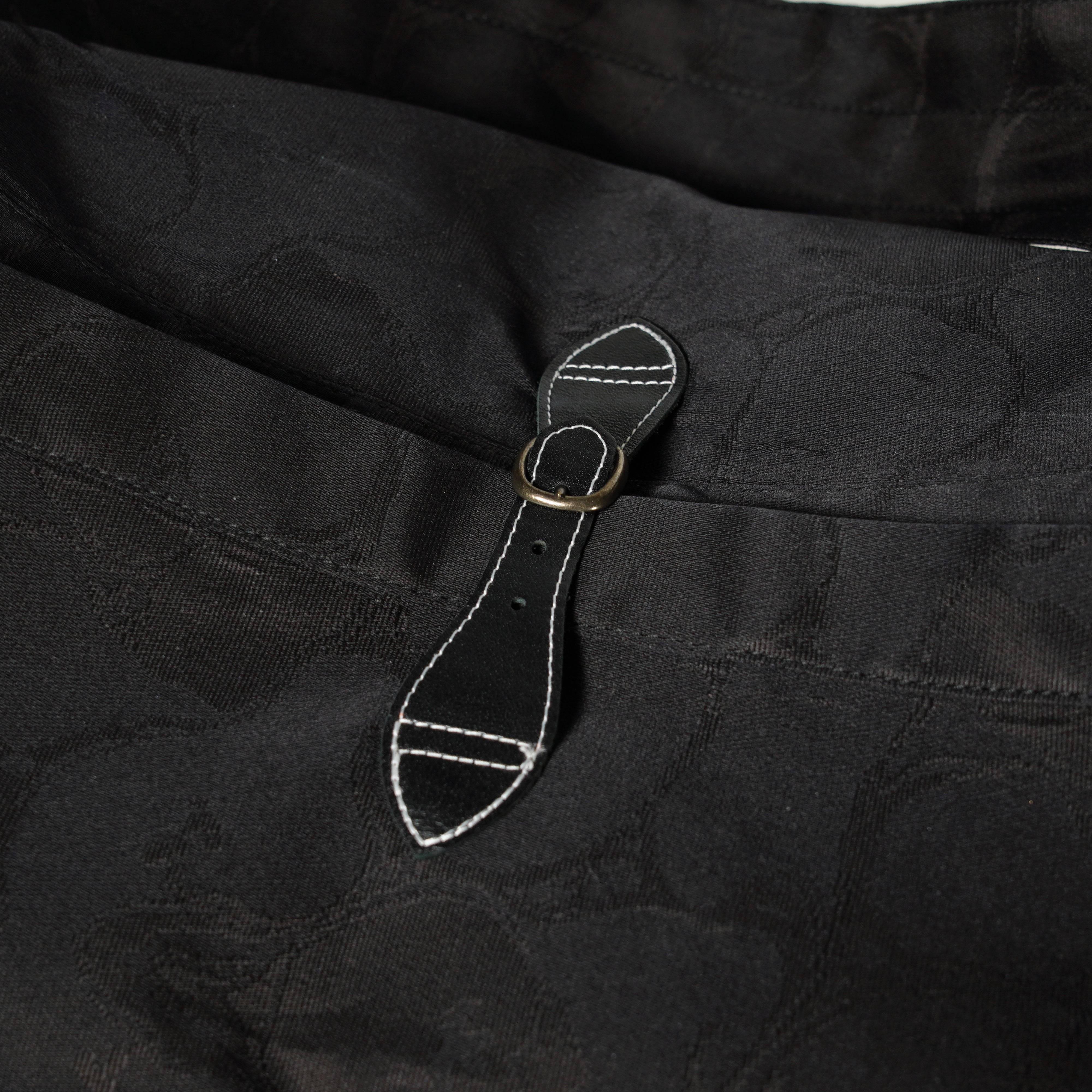
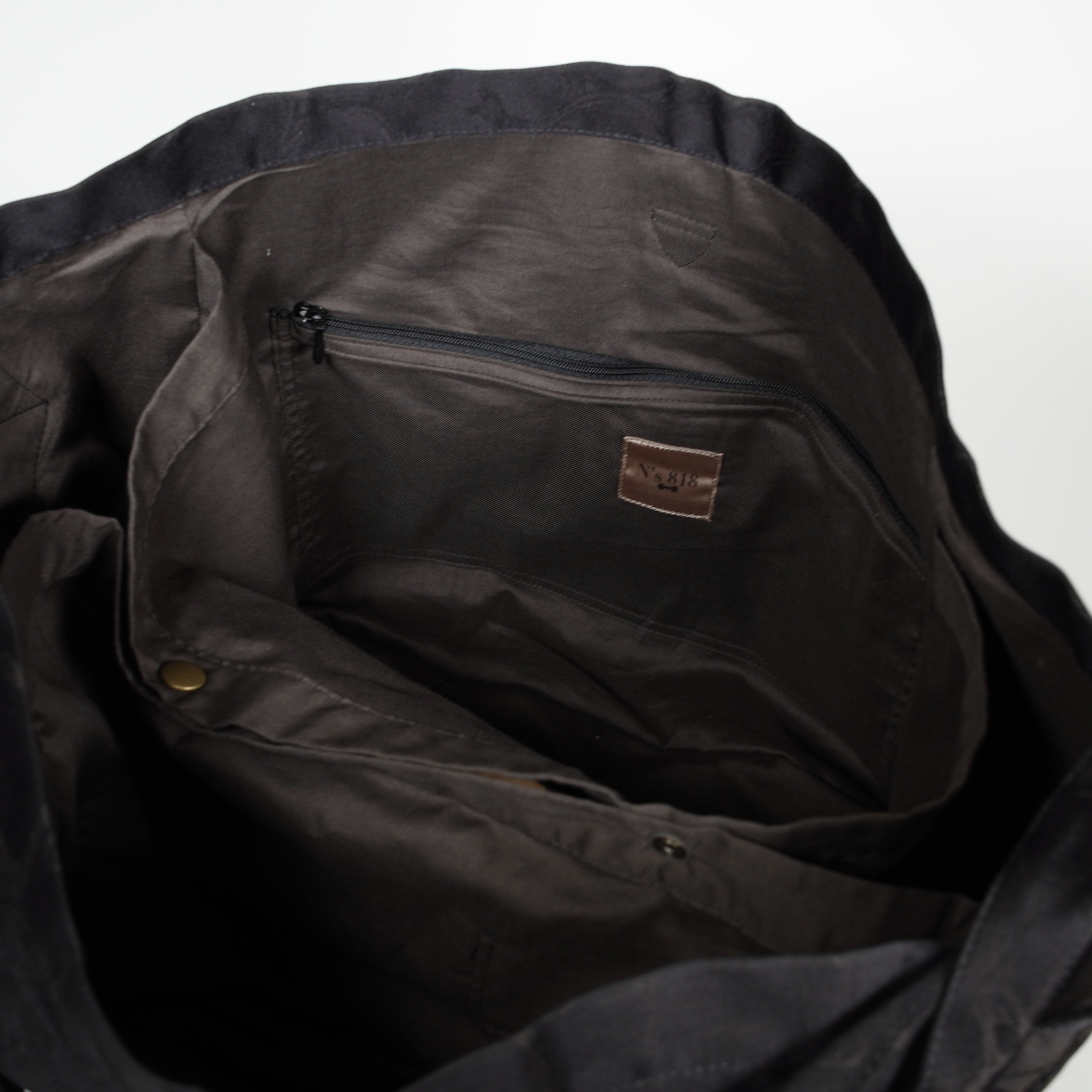
Sac de messagerie / 2
DESCRIPTION
DÉTAILS
SIZE
MATERIAL
ARTISAN
KOGEI
Attention
Sac de messagerie / 2
Prix de vente$650.00
Choisir les options
Sac de messagerie / 2
Prix de vente$650.00
Pays
Langue
Panier
Votre panier est vide
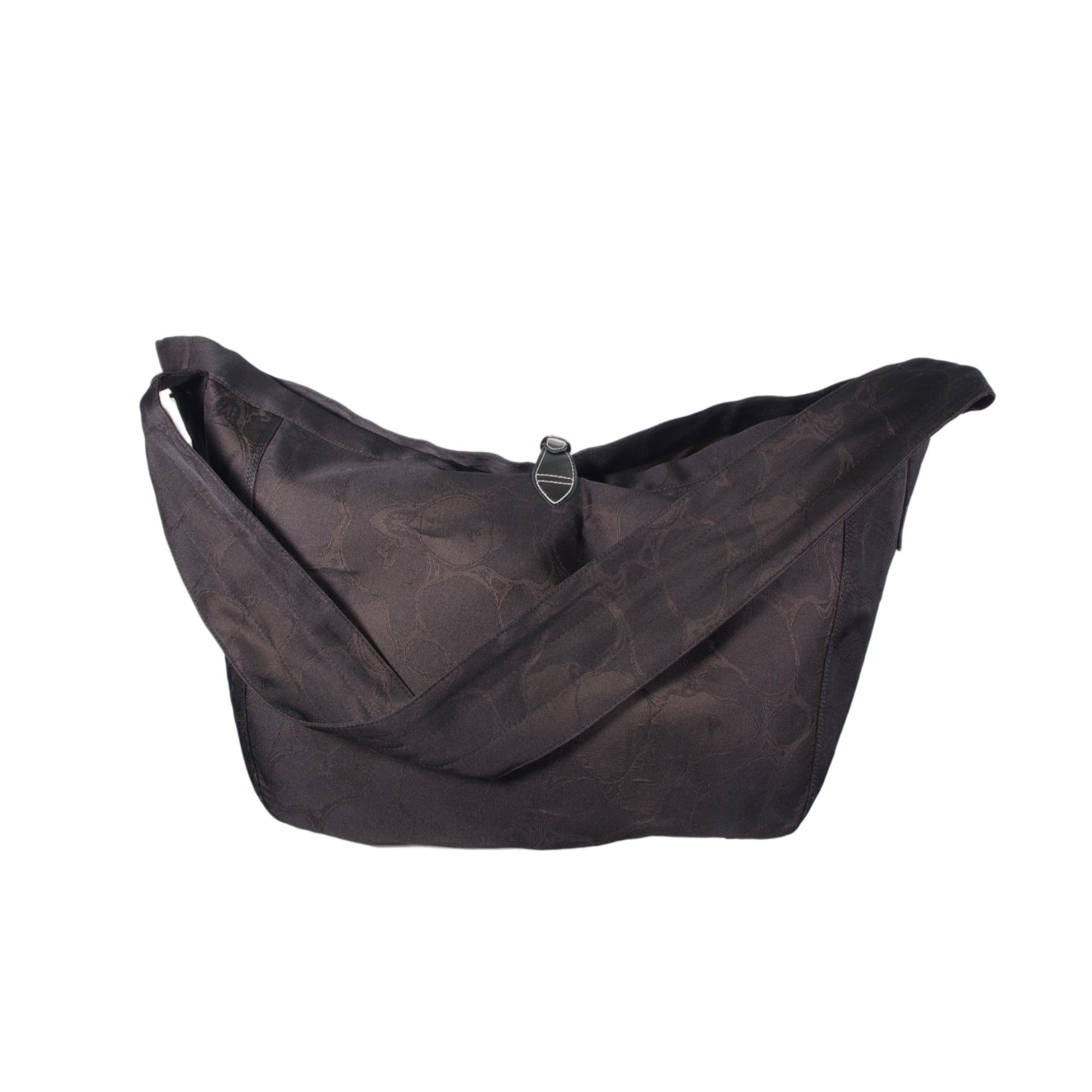
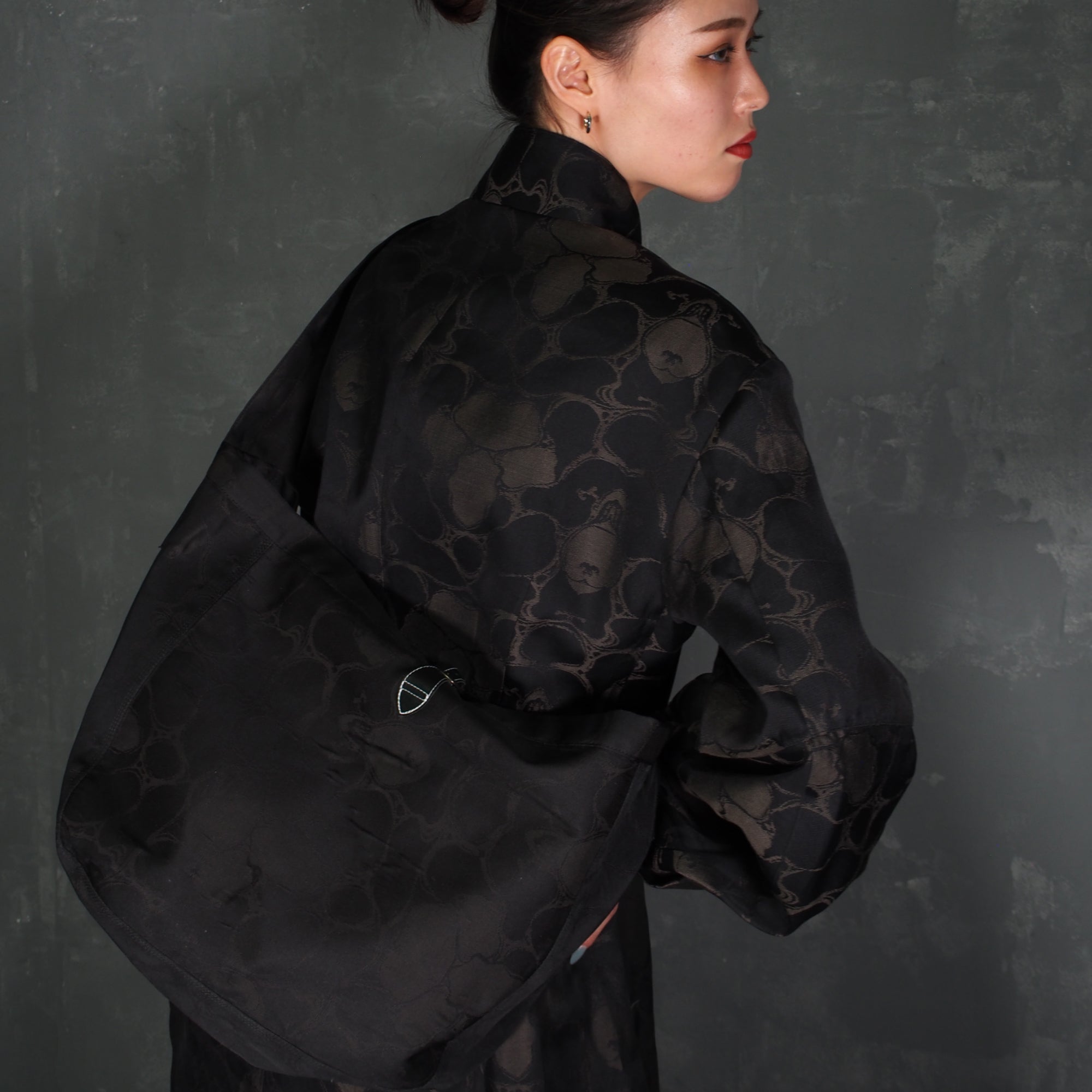
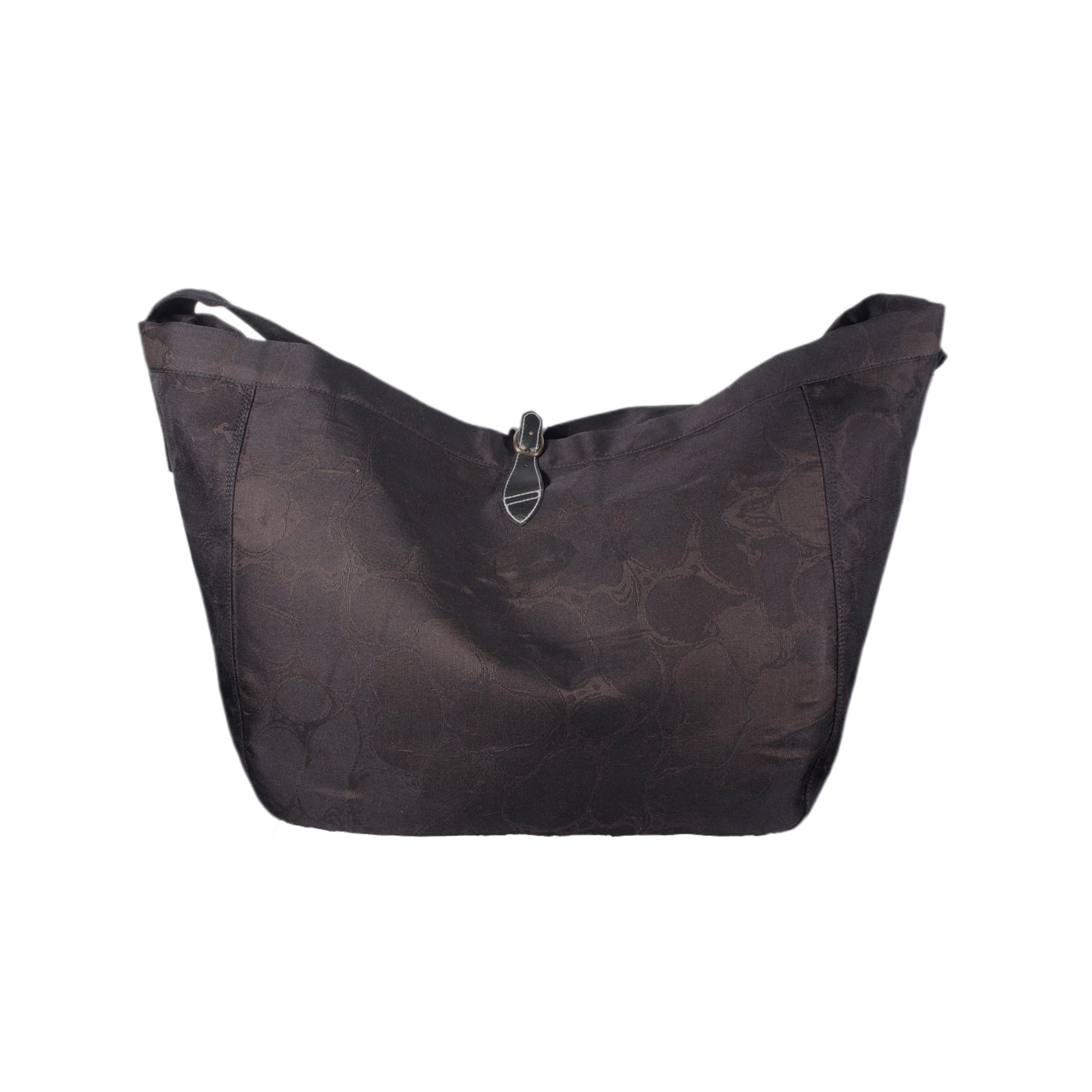
Ce produit est fabriqué à partir de tissus d’obi endommagés ou inutilisés.
Le textile Nishijin possède une longue histoire, c’est pourquoi il est conçu de manière à ce que ses motifs puissent s’intégrer à l’époque moderne.
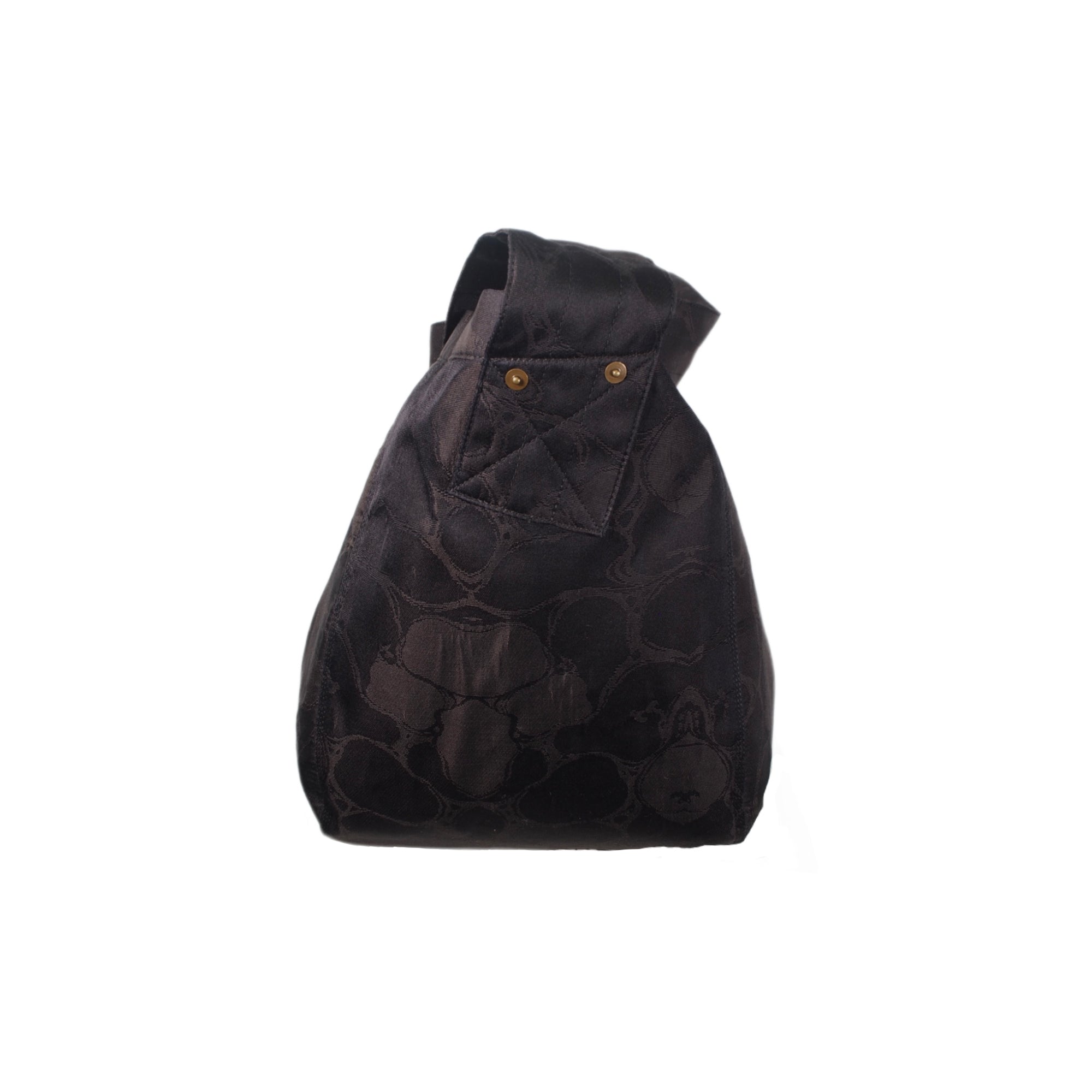
La largeur de la bandoulière du sac messager peut être ajustée afin de réduire la pression exercée sur l’épaule. Il peut donc être porté de différentes manières, notamment sur l’épaule ou en bandoulière croisée.
Les matériaux peuvent varier selon le produit ; veuillez donc vérifier la qualité.
SIZE
Largeur:36cm
Profondeur:23cm
Hauteur:31cm
Largeur de ceinture:7,5cm
Longueur de ceinture:95cm
MATERIAL
Coton
Soie
N'S 818
"Pleasure in revolution of tradition"
In this age of continuous technological development, a wide variety of materials, machines, and AI have been created.
However, in our region, craftsmen are still making things today using traditional techniques, preserving the beauty of their craftsmanship.
In this brand, we believe that the beauty and warmth of analog objects can only be created by human beings, and we will continue to transmit this belief.
We are working to grow a brand that can share new values with everyone.
ARTISAN STORY
N's 818 / Yusuke Maeda
"Bringing beauty and elegance to everyday life"
N's 818 is a collection of one-of-a-kind items made from Nishijin textile obi fabrics that incorporate the Japanese aesthetic of subtraction to find the external and internal beauty of wabi-sabi.
The development of items is based on the philosophy of universal and eclectic craftsmanship that incorporates social issues and SDGs for "craftsmen, the times, the environment, materials, and customers".
NISHIJIN ORI / NISHIJIN SILK TEXTILES
About 1,200 years ago / 800s / Heian Period (794–1185)
Nishijin textiles trace their technical roots to the Oribe-no-tsukasa, a Heian-period government workshop that produced luxury cloth for the court. Weavers scattered during the Onin War but later returned to the area around the former western army camp—nishi-jin—giving the district its enduring name. In the Meiji period, European Jacquard technology was actively introduced.
In Japan, Nishijin represents some of the country’s most prestigious silk weaving, especially obi and Noh costumes. Because designs are woven from pre-dyed yarn rather than printed afterward, colors can have extraordinary depth. Today the skills also appear in ties, bags, interiors and collaborations with fashion brands.
“Nishijin” was not originally an ancient place-name; it literally refers to the “western camp” of the Onin War. Production is also profoundly distributed: design, pattern preparation, twisting, dyeing and weaving may involve more than twenty specialized stages across the neighborhood. The city district itself functions like a single enormous workshop.
Différences individuelles
Chaque pièce étant fabriquée à la main individuellement, de légères variations de couleur, de motif, de forme et de texture peuvent survenir. Ces subtiles différences sont une caractéristique naturelle des créations artisanales, rendant chaque pièce véritablement unique. Nous espérons que vous apprécierez ces variations individuelles comme faisant partie de la beauté et du caractère de l'artisanat japonais.
Délai de production
Si un article n'est pas actuellement en stock, il peut être fabriqué sur commande par l'artisan. Comme chaque pièce est soigneusement fabriquée à la main, la production peut prendre plusieurs mois selon l'article et le planning de l'artisan. Nous vous remercions de votre patience et de votre compréhension.
Choisir les options