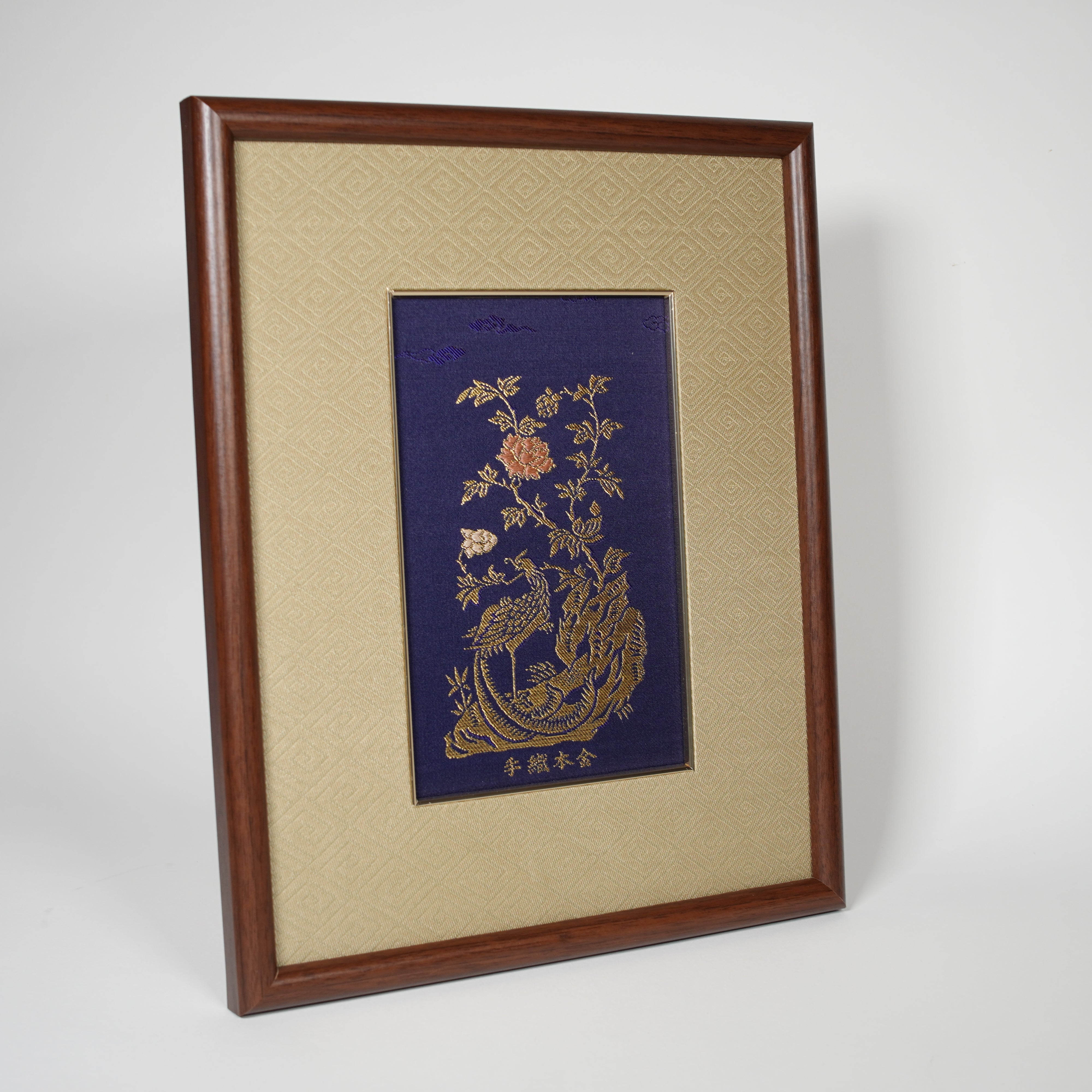
Nishijin Brocade / Panel d'art / paon et Thunderbolt
DESCRIPTION
DÉTAILS
SIZE
MATERIAL
ARTISAN
KOGEI
Attention
Choisir les options


Nishijin Brocade / Panel d'art / paon et Thunderbolt
Prix de vente€320,95
Pays
Langue
Panier
Votre panier est vide


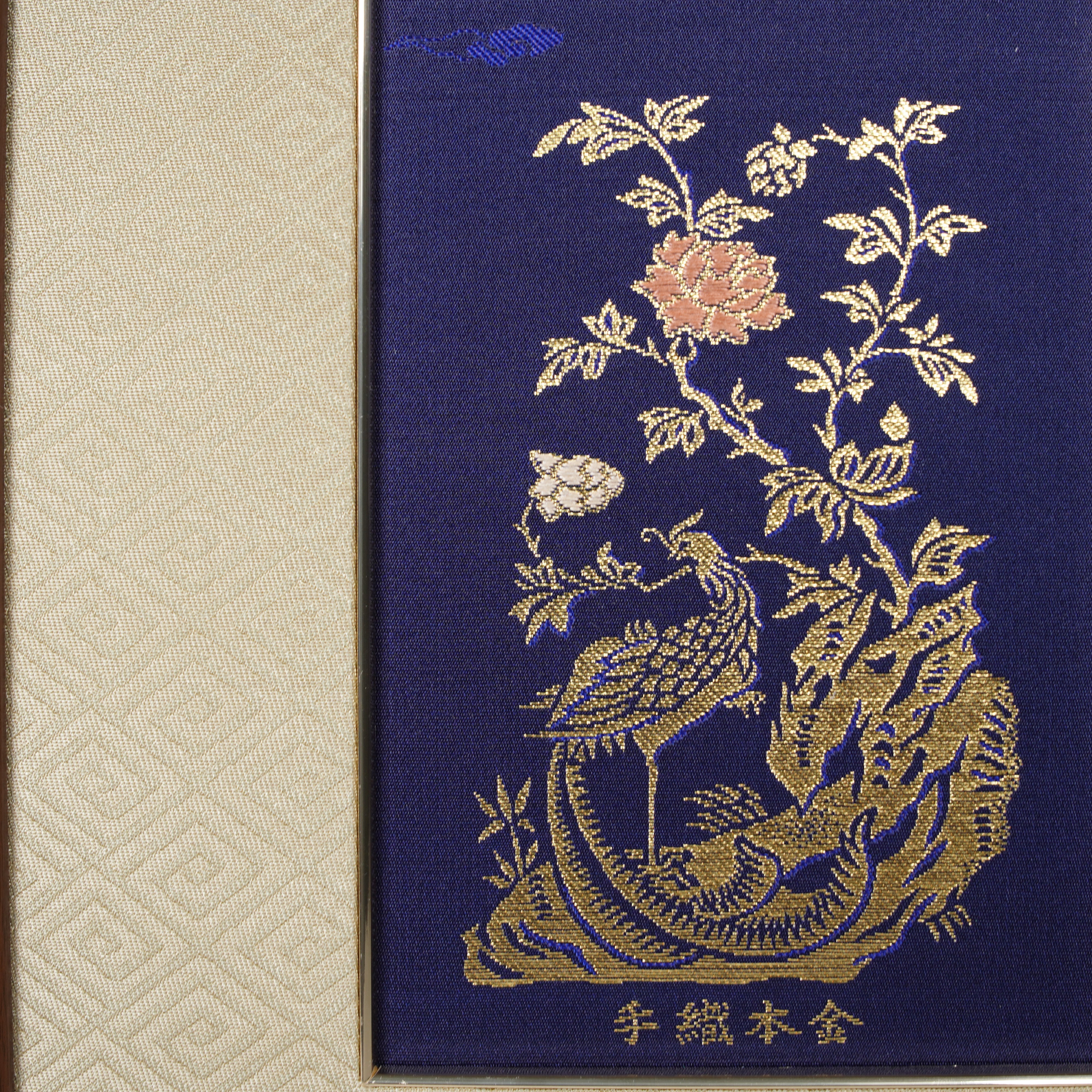
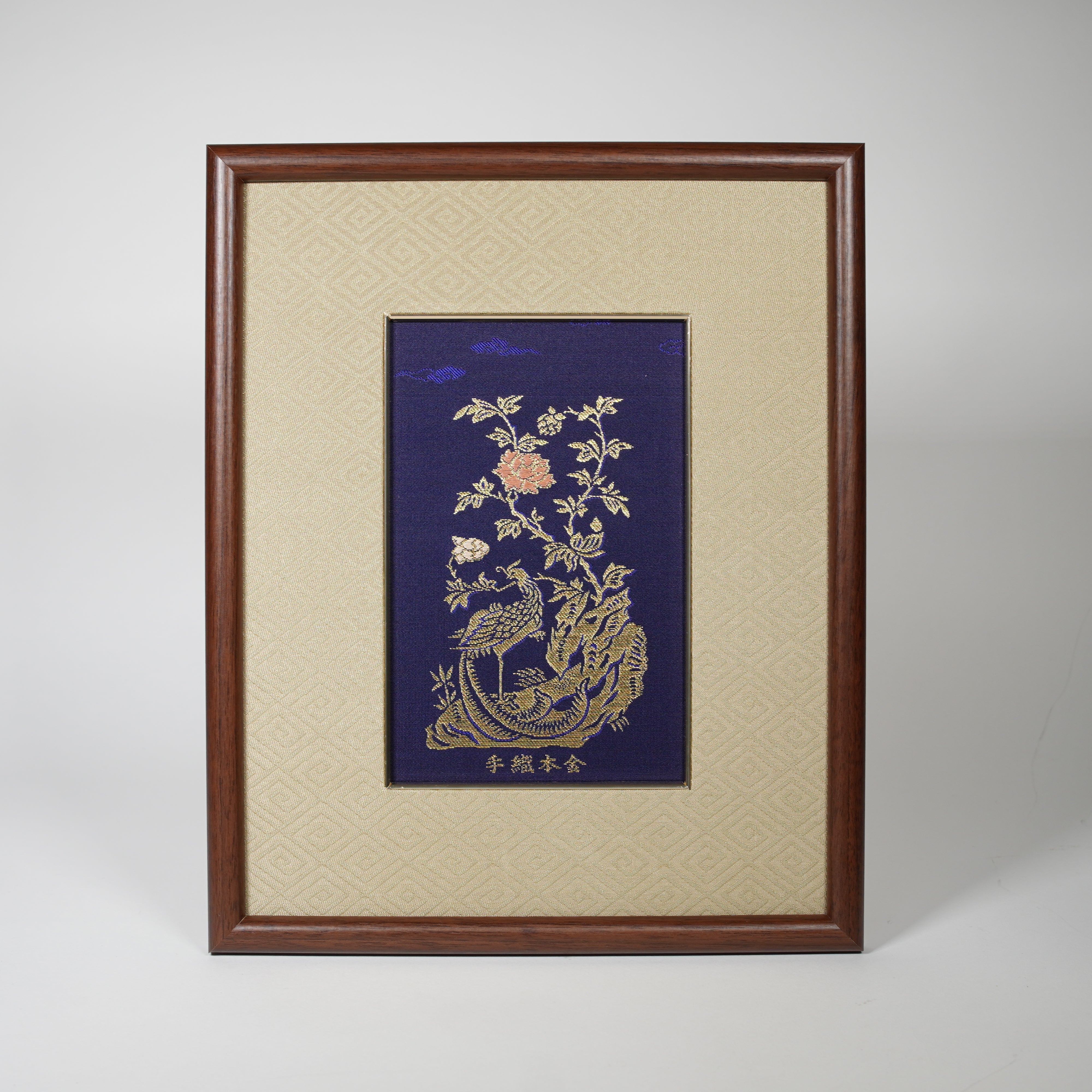
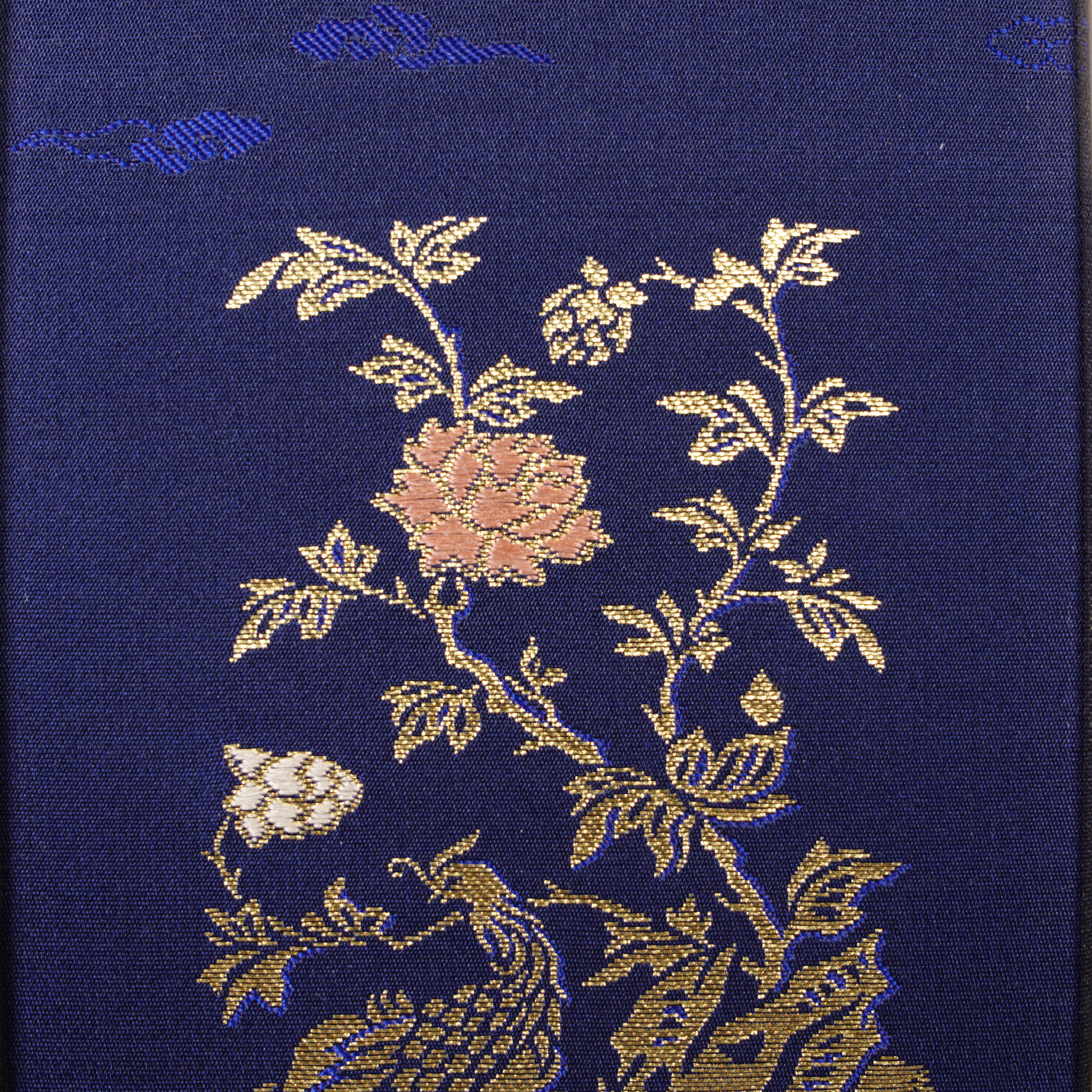
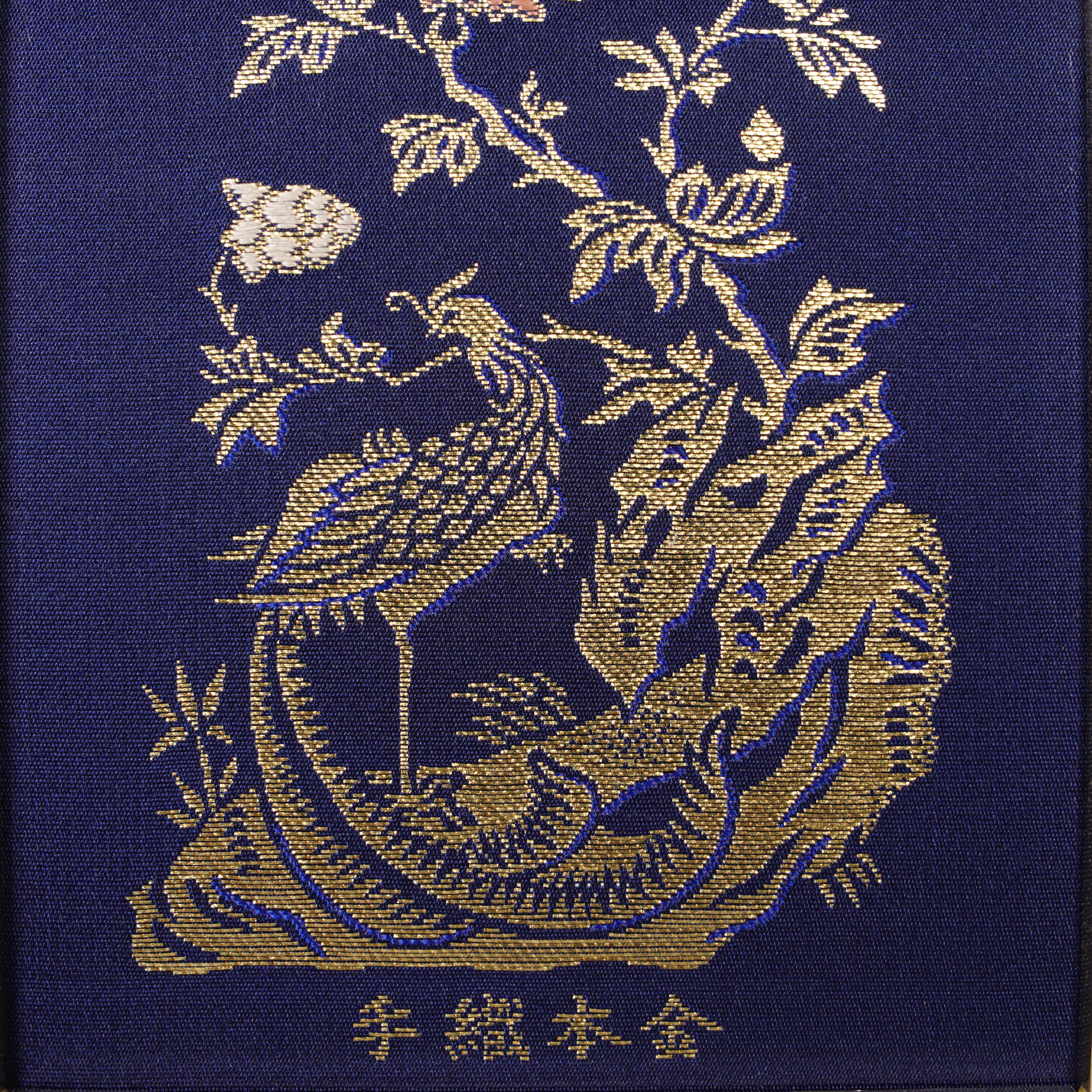
Ce panneau artistique en brocart Nishijin tissé à la main représente un paon réalisé par des artisans qualifiés.
On dit que le paon porte chance pour l'avenir car ses ailes déployées ressemblent à un éventail. On dit également que le motif des ailes déployées est un talisman contre le mal.
C'est un produit qui vous permet de ressentir facilement le charme du véritable brocart Nishijin.
Pourquoi ne pas l'exposer comme un élément décoratif dans votre pièce ?
SIZE
Largeur : 26,5 cm
Profondeur : 2 cm
Hauteur : 32,5 cm
Poids : 630 g
MATERIAL
Soie
Or
Panneau acrylique
ORISHO HIRAI
"Taking care of every single detail with the highest concentration".
We strive to create products that will please our customers.
When the work is going well, we stop our hands to check for any damage. We value this step and make our products every day, because a mistake that goes unnoticed is very important at a critical stage.
ARTISAN STORY
Mikio Hirai
Mikio Hirai is a fifth-generation weaver at Orisho-Hirai, a weaver founded in the early Meiji period (1868-1912). He has maintained the traditions and techniques that have been passed down for over 100 years, and works with a focus on authenticity in his traditional workshop. He also produces Nishijin brocade art panels that make it easy to experience the charm of Nishijin brocade.
We hope you will enjoy our traditional craftsmanship.
ACHIEVEMENTS
・Received Excellent Prize, Comprehensive Technique Contest for Young Craftsmen in Kyoto
・Certified as an authorized craftsman of Kyoto crafts
・Designated by the Minister of Economy, Trade and Industry as a traditional Nishijin textile craftsman
・Designated by Kyoto City, certified as a future master craftsman
NISHIJIN ORI / NISHIJIN SILK TEXTILES
About 1,200 years ago / 800s / Heian Period (794–1185)
Nishijin textiles trace their technical roots to the Oribe-no-tsukasa, a Heian-period government workshop that produced luxury cloth for the court. Weavers scattered during the Onin War but later returned to the area around the former western army camp—nishi-jin—giving the district its enduring name. In the Meiji period, European Jacquard technology was actively introduced.
In Japan, Nishijin represents some of the country’s most prestigious silk weaving, especially obi and Noh costumes. Because designs are woven from pre-dyed yarn rather than printed afterward, colors can have extraordinary depth. Today the skills also appear in ties, bags, interiors and collaborations with fashion brands.
“Nishijin” was not originally an ancient place-name; it literally refers to the “western camp” of the Onin War. Production is also profoundly distributed: design, pattern preparation, twisting, dyeing and weaving may involve more than twenty specialized stages across the neighborhood. The city district itself functions like a single enormous workshop.
Différences individuelles
Chaque pièce étant fabriquée à la main individuellement, de légères variations de couleur, de motif, de forme et de texture peuvent survenir. Ces différences subtiles sont une caractéristique naturelle des créations artisanales, ce qui rend chaque pièce véritablement unique. Nous espérons que vous apprécierez ces variations individuelles comme faisant partie de la beauté et du caractère de l'artisanat japonais.
Délai de production
Si un article n'est pas actuellement en stock, il peut être fabriqué sur commande par l'artisan. Comme chaque pièce est soigneusement fabriquée à la main, la production peut prendre plusieurs mois selon l'article et le planning de l'artisan. Nous vous remercions de votre patience et de votre compréhension.

Choisir les options