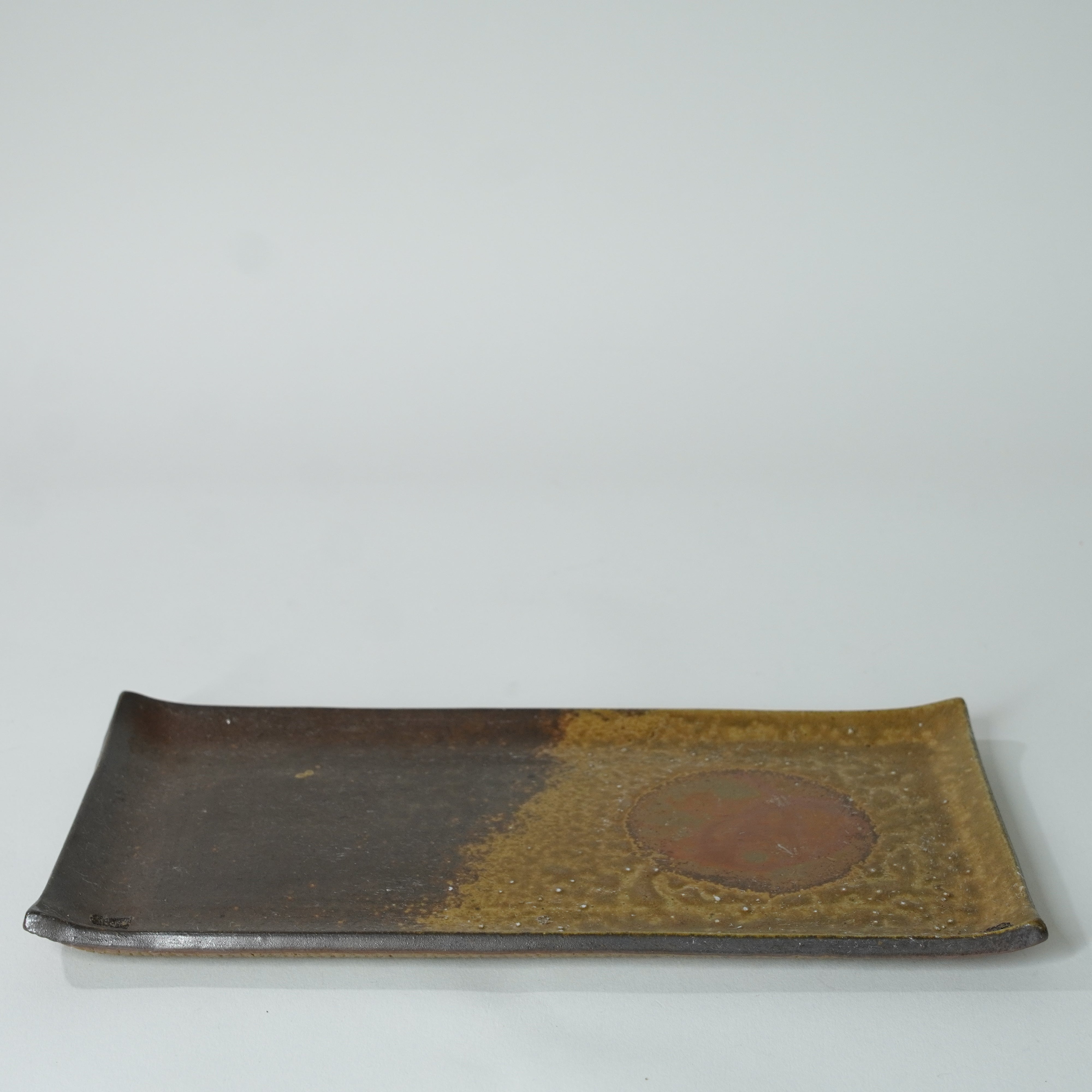
Plaque
Prix de vente€52,95
Choisir les options
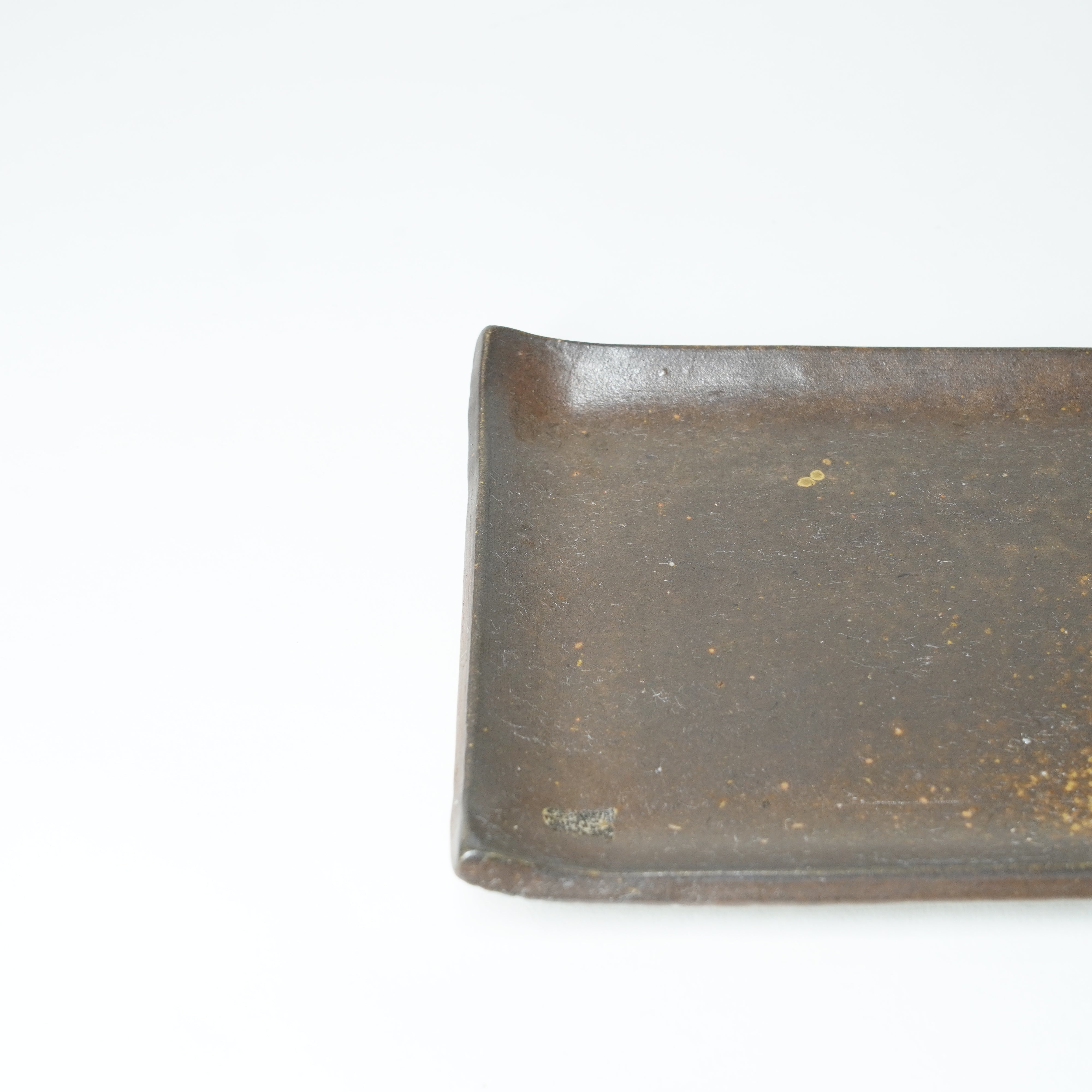
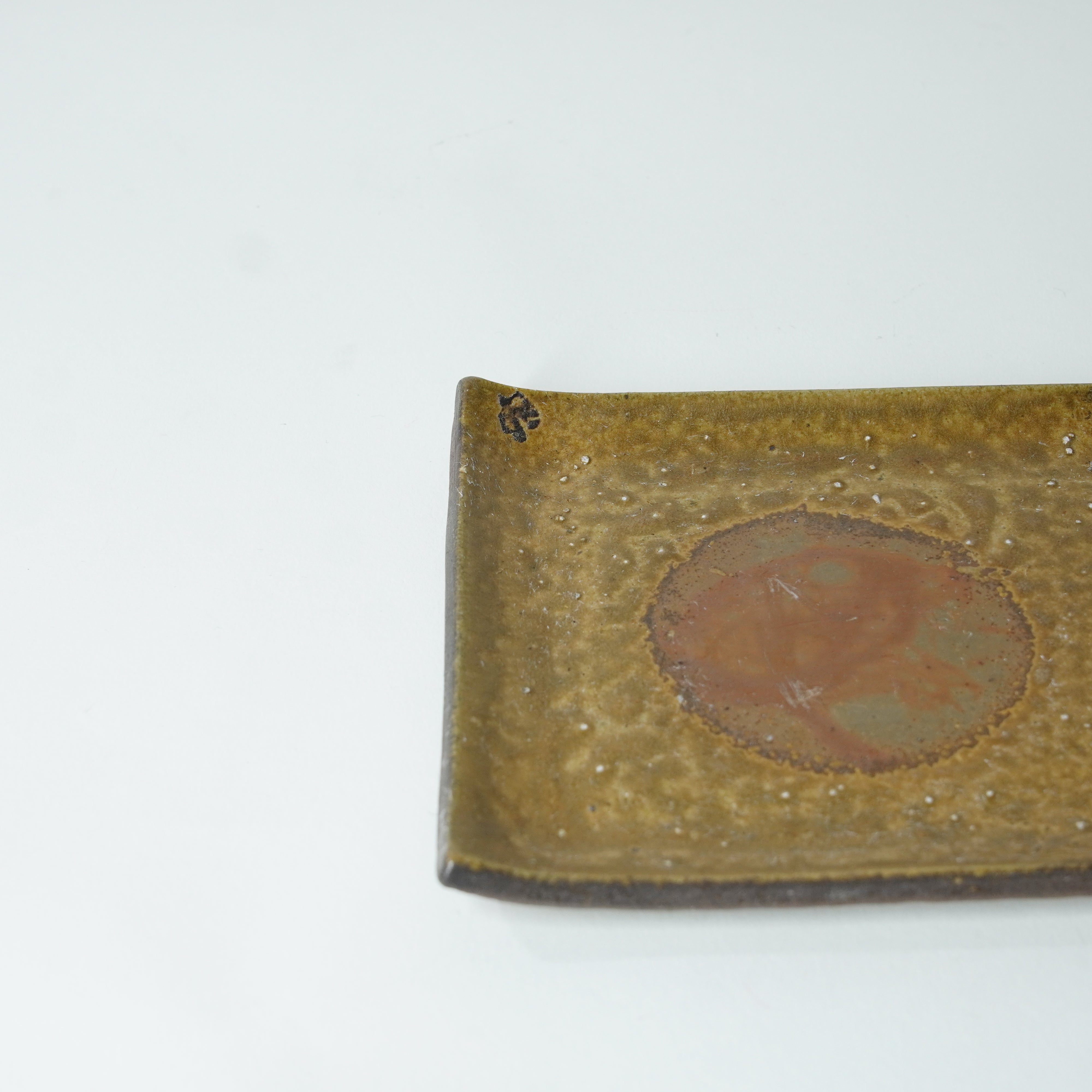
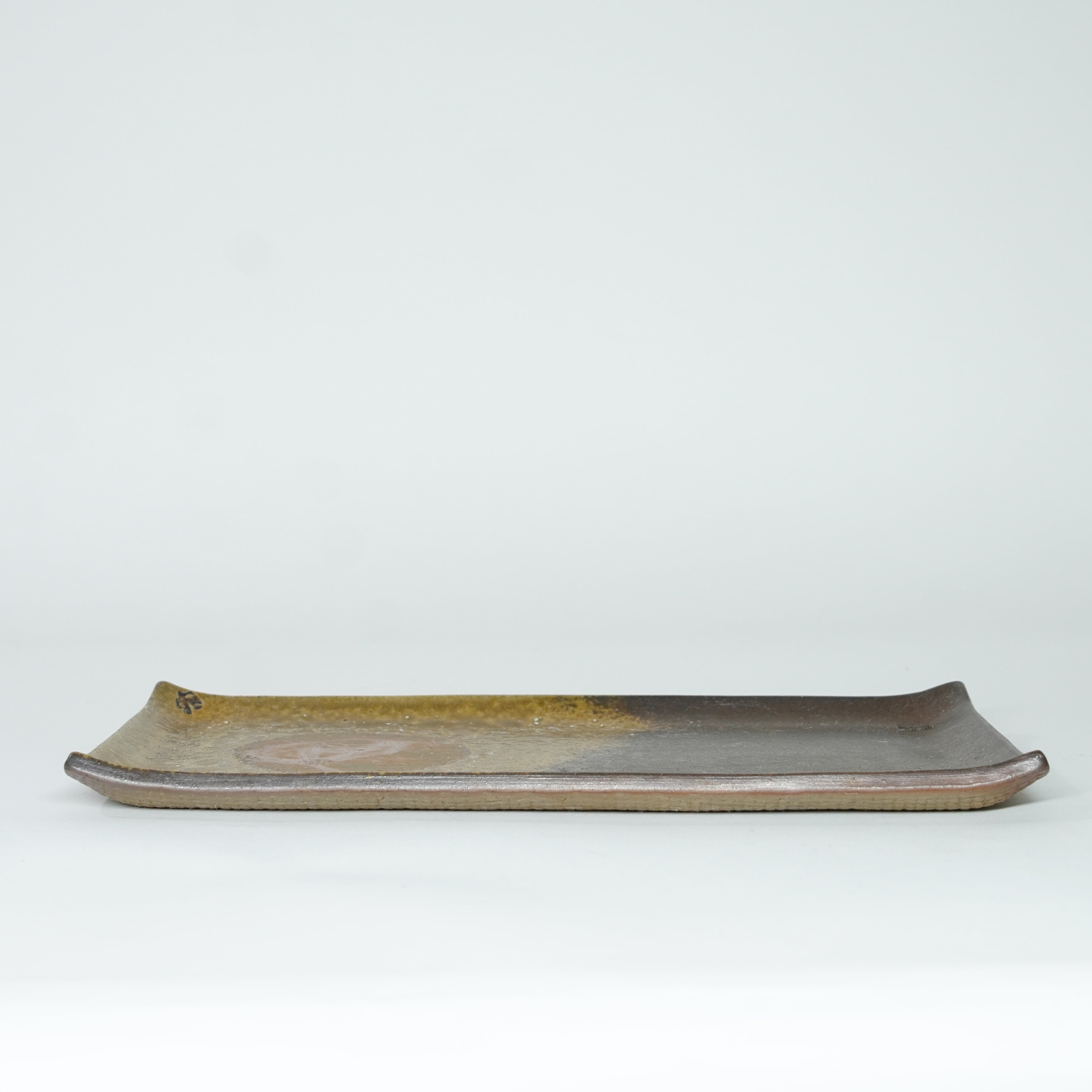
Plaque
Prix de vente€52,95
Pays
Langue
Panier
Votre panier est vide
This piece is filled with traditional techniques that have been passed down from generation to generation for over 1000 years. The color and surface of the ware changes as it is fired, so no two pieces will be the same, making it your one and only piece of art.
Eating food on a good plate will make it taste many times better than usual.
We hope you will enjoy the unique colors of Bizen ware!
SIZE
Width:26cm
Height:1.5cm
Depth:13cm
Weight:442g
MATERIAL
Clay
HOZANGAMA
"Bringing the delicate and simple beauty of Japanese modeling to the other side of the ocean"
In addition to his activities in Japan, he has been actively exhibiting his work outside of Japan and has been active in the United States, England, and other parts of the world. His craftsmanship, which utilizes earth colors, has a quality that convinces everyone who uses it and makes them aficionados.
ARTISAN STORY
Toshiaki Mori / Hozangama
The fan-shaped ceramic seal on the bottom of ceramics used in the kiln today is said to have been in use since the Muromachi period (AD 1500). The kiln has been making high-quality ceramics including tea ware, sake cup and so on since 500 years ago.
ACHIEVEMENTS
・Commemorative items for the 100th Anniversary of the Establishment of Diplomatic Relations between Japan and Ecuador were produced and presented to the governments of both countries.
・Selected multiple times for the Japan Traditional Crafts China Branch Exhibition.
・He has received many other awards for their work.
BIZEN WARE
About 1,000 years ago / 1100s / Heian–Kamakura Period
Bizen ware developed around Imbe in Okayama from the late Heian into the Kamakura period and is one of Japan’s Six Ancient Kilns. Iron-rich clay is fired for long periods at high temperature without applied glaze, producing durable jars and mortars and later highly valued tea ceramics.
In Japan, Bizen is the classic example of yakishime pottery in which clay and fire create the decoration. Sake vessels, flowerware and tableware are appreciated for one-of-a-kind firing effects such as goma ash marks, hidasuki red lines and sangiri.
Hidasuki began as an accident. Straw was originally placed between pieces to stop them sticking together in the kiln; chemical reactions between the straw and iron in the clay left dramatic red lines. A practical firing aid eventually became one of the most deliberately sought-after beauties in Japanese ceramics.
Individual Differences
As each piece is individually handcrafted, slight variations in color, pattern, shape, and texture may occur. These subtle differences are a natural characteristic of handcrafted works, making each piece truly unique. We hope you will enjoy these individual variations as part of the beauty and character of Japanese craftsmanship.
Production Time
If an item is not currently in stock, it may be made to order by the artisan. As each piece is carefully handcrafted, production may take several months depending on the item and the artisan's schedule. We appreciate your patience and understanding.
Choisir les options