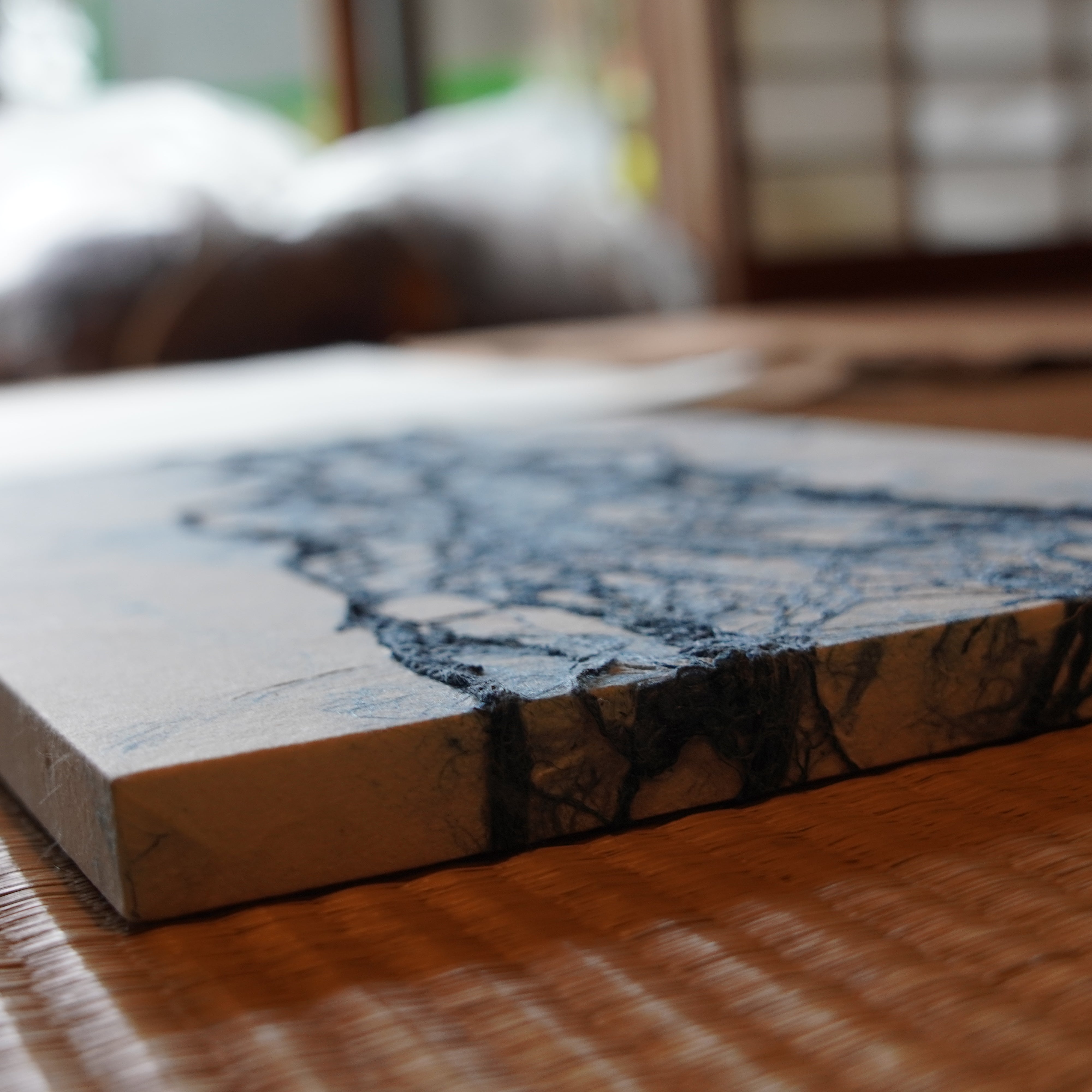
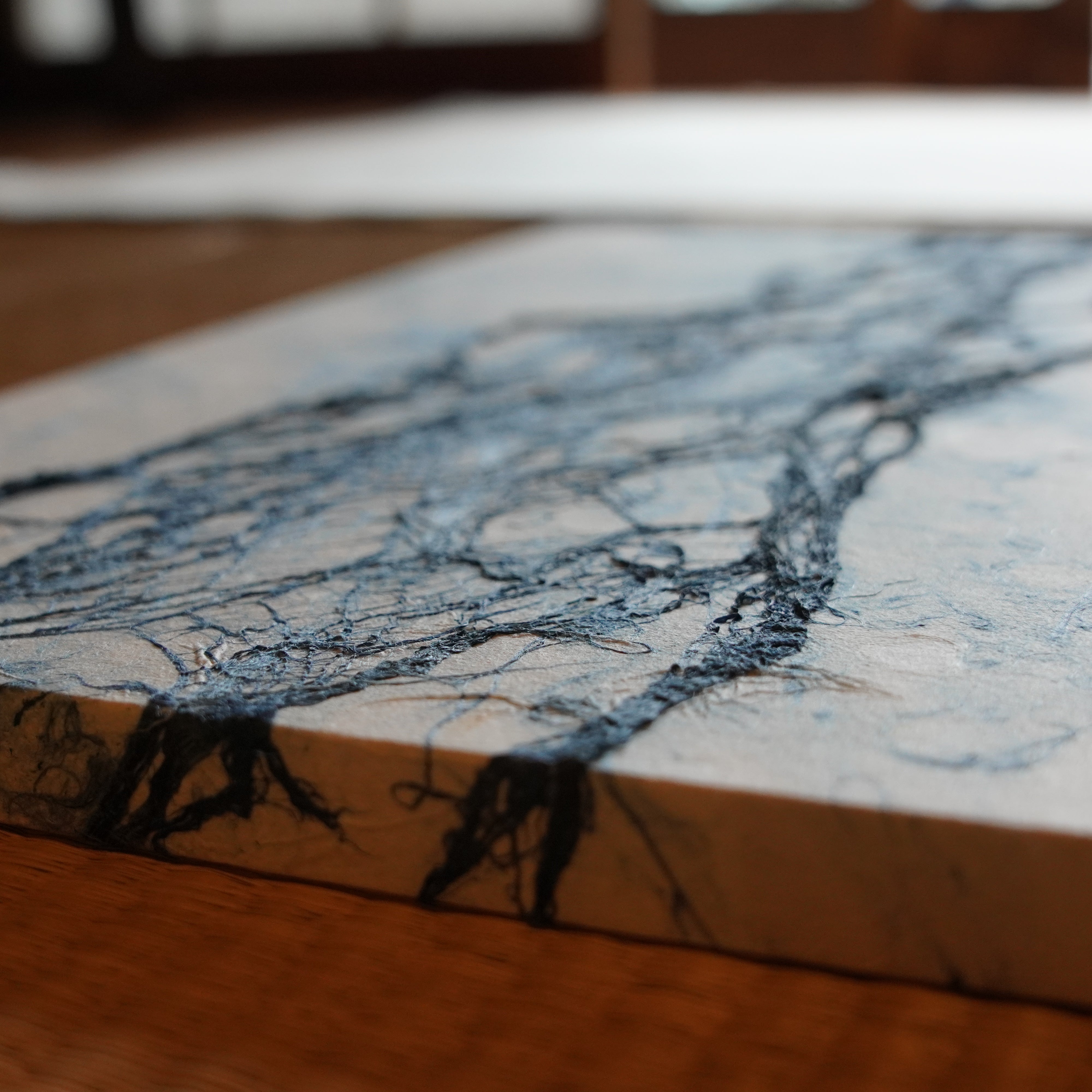
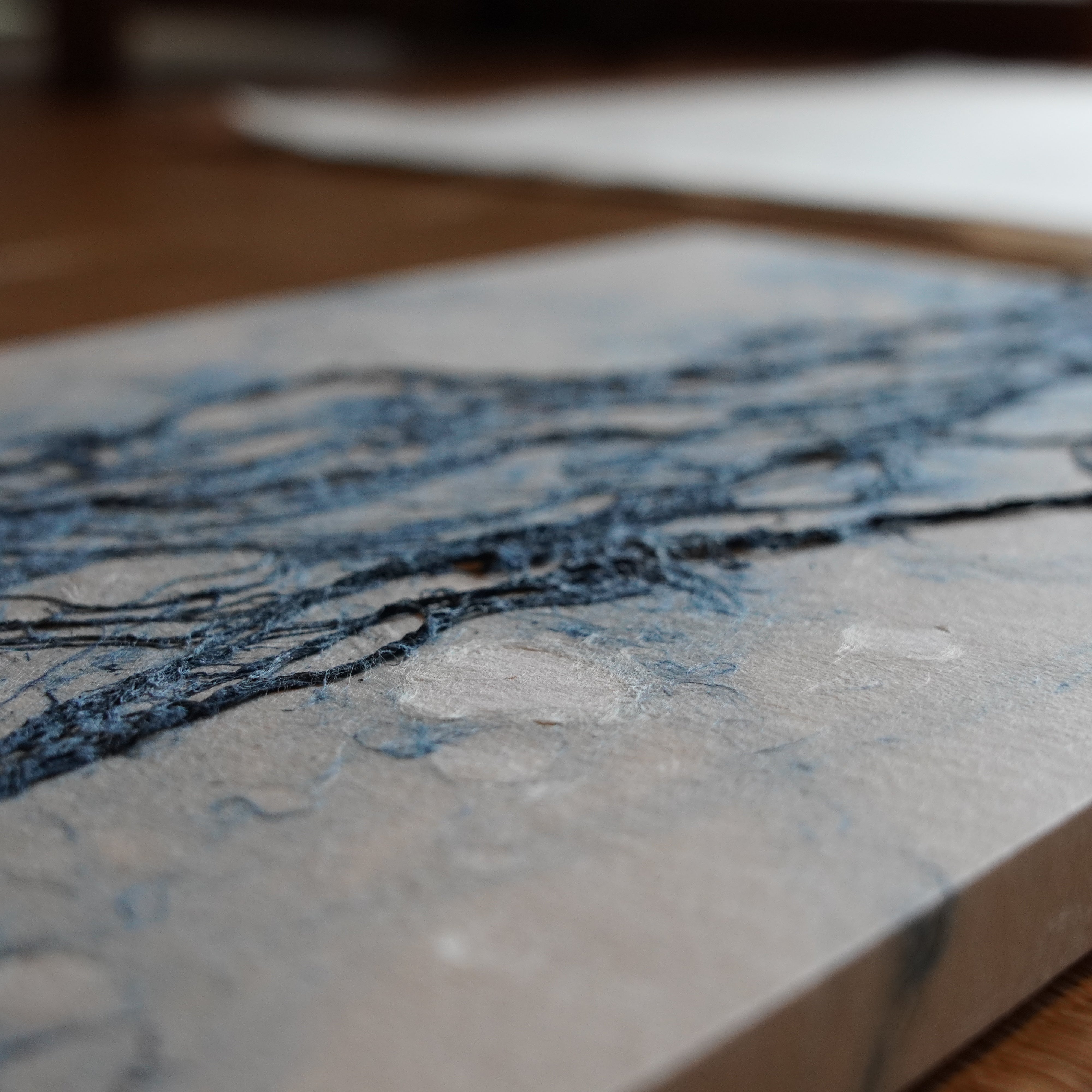
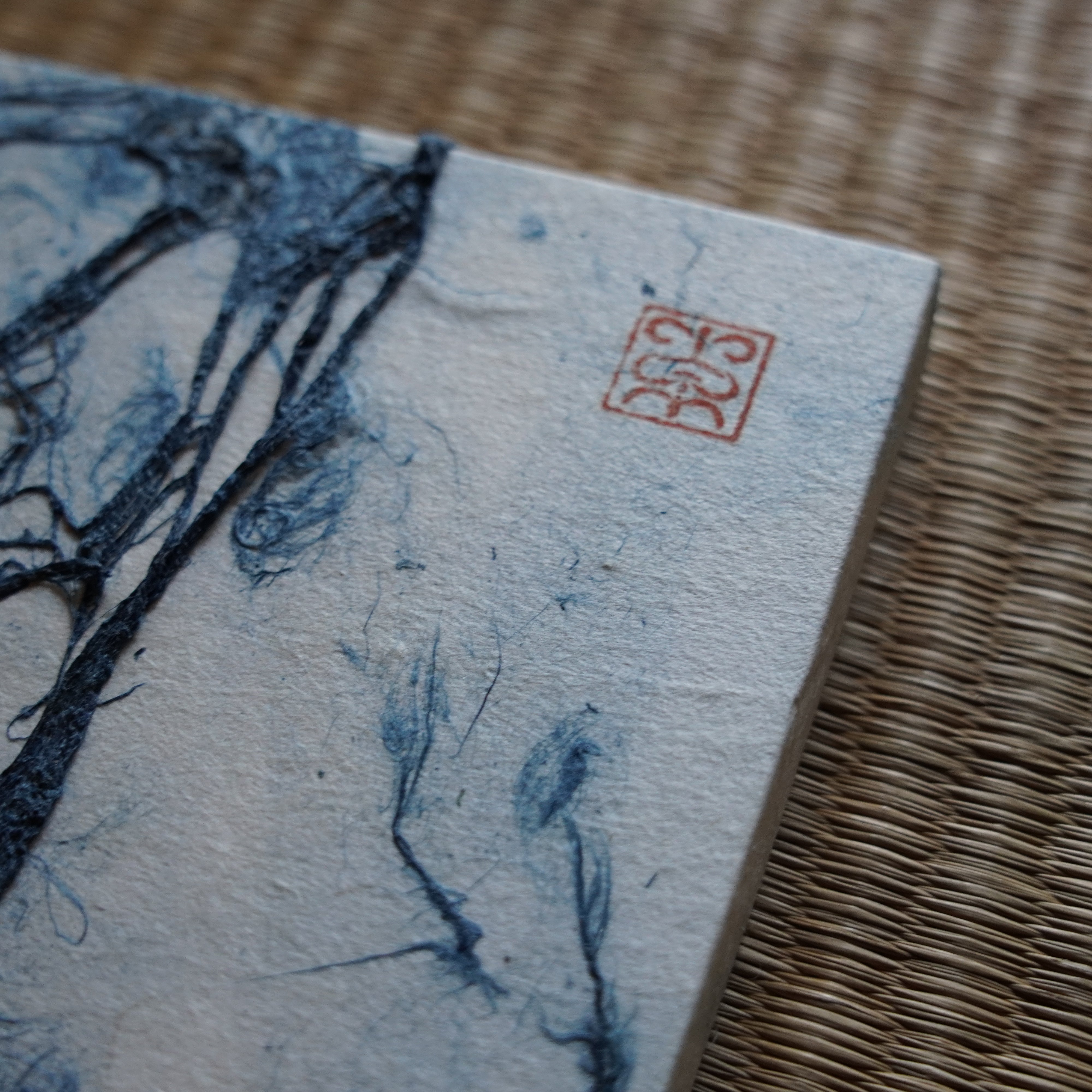
Carta giapponese / pannello d'arte / indaco
الوصف
التفاصيل
SIZE
MATERIAL
حِرَفِيّ
كوجي
تحذير
Scegli le opzioni


Carta giapponese / pannello d'arte / indaco
Prezzo scontatoDhs. 1,874.00
Paese/Area geografica
Lingua
Carrello
Il tuo carrello è vuoto


هذه لوحة فنية مصنوعة من الورق الياباني. هاتان اللوحتان الفنيتان هما الوحيدتان من نوعهما في العالم، وقد صُنعتا يدويًا على حدة من قِبل حرفيين بذلوا فيهما الكثير من الوقت والجهد. لقد أنشأنا هاتين اللوحتين الفنيتين على أمل أن يتمكن الناس الذين يعيشون في المدينة من الشعور بالطبيعة أيضًا. يُرجى محاولة الشعور بالطبيعة من خلال ورق الواشي!
SIZE
الطول:46 سم
العرض:27 سم
السُمك:2 سم
الوزن:365 غ
MATERIAL
ورق ياباني
WARABI PAPER
"We value natural materials and express our gratitude to nature"
By cultivating the raw materials and making Japanese paper from start to finish, we are able to create products that are good for both the body and the soul. In these times of reduced opportunities to come in contact with nature, we want people to feel the warmth and appreciation of nature, even if just a little.
ARTISAN STORY
Takanori Senda / Warabi Paper Company
A craftsman who has been making Mino Japanese paper in Gifu Prefecture since 2014. He traveled to London, Peru, and many other places in the world and resonated with handcrafts. As he was impressed by the way of life of living with nature, and through a combination of coincidence and inevitability, he entered the world of washi. He continues to strive to develop not only traditional handmade washi, but also the world of art.
ACHIEVEMENTS
・Pioneered the world of art washi paper and received high acclaim, exhibiting many works in stores, hotels, and residences.
MINO WASHI / MINO JAPANESE PAPER
About 1,300 years ago / 700s / Nara Period (710–794)
Mino washi has an exceptionally long history: documents in the eighth-century Shosoin already record paper from Mino. Clean water from the Nagara River system and kozo mulberry supported the development of paper that is remarkably thin, even and strong, used for writing, shoji screens and lanterns.
In Japan, Mino washi is especially familiar through the soft light of paper screens. Traditional Hon-minoshi techniques are protected as part of UNESCO-recognized handmade washi culture, while contemporary applications include lighting, architecture, art and hybrid materials.
During sheet formation, the bamboo screen is moved repeatedly both lengthwise and sideways, intertwining long kozo fibers in multiple directions. The result explains why an extremely thin sheet can still be strong: structural performance comes from a complex network hidden inside the light paper.
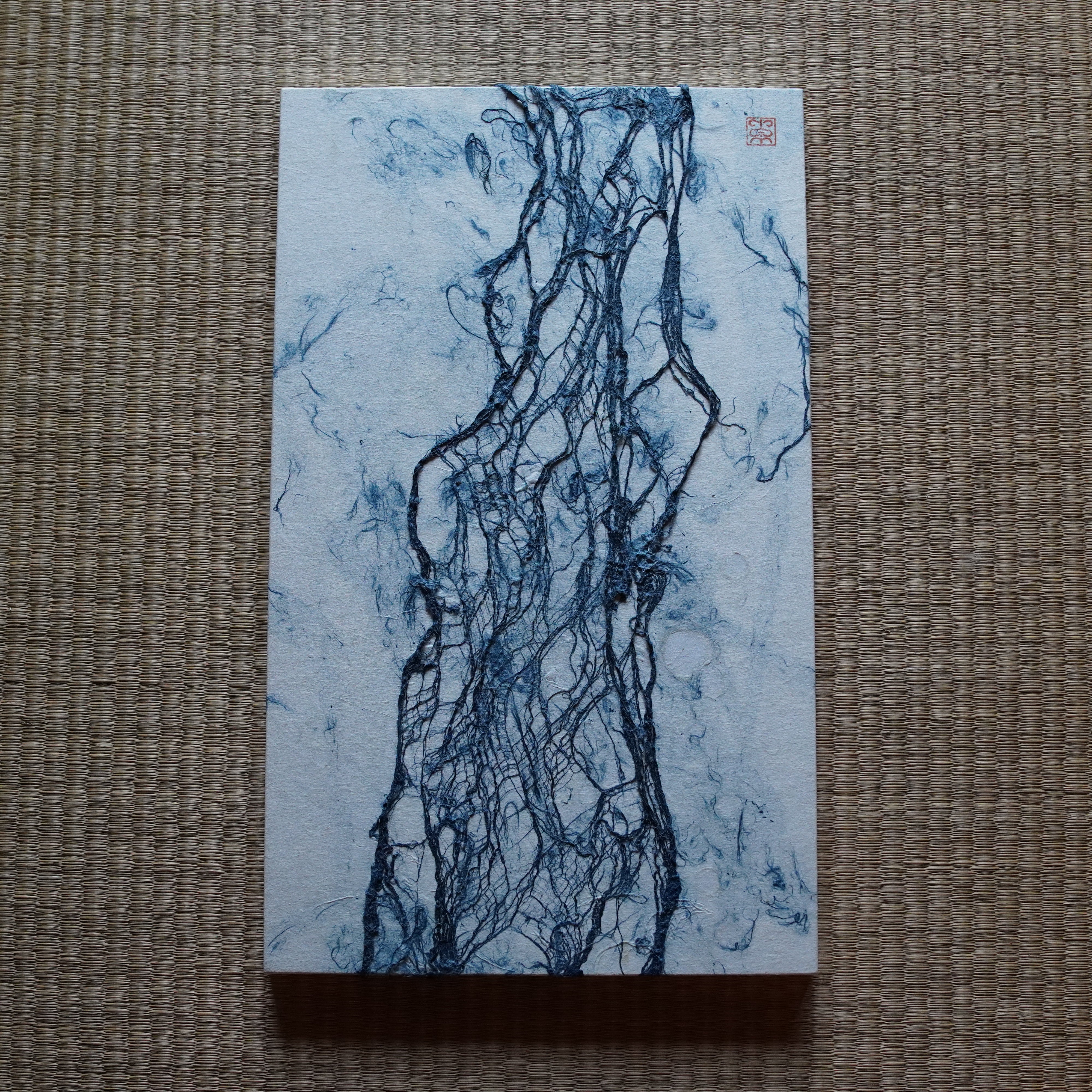
الاختلافات الفردية
نظرًا لأن كل قطعة تُصنع يدويًا بشكل مستقل، فقد تطرأ اختلافات طفيفة في اللون والنمط والشكل والملمس. وتُعد هذه الاختلافات الدقيقة من الخصائص الطبيعية للأعمال اليدوية، ما يجعل كل قطعة فريدة من نوعها حقًا. نأمل أن تستمتعوا بهذه الاختلافات الفردية كجزء من جمال الحرفية اليابانية وطابعها المميز.
مدة الإنتاج
إذا لم يكن المنتج متوفرًا في المخزون حاليًا، فقد يقوم الحرفي بتصنيعه حسب الطلب. ونظرًا إلى أن كل قطعة تُصنع يدويًا بعناية، فقد يستغرق الإنتاج عدة أشهر، وذلك حسب المنتج وجدول الحرفي. نقدر صبركم وتفهمكم.

Scegli le opzioni