Cesto di carta da stoccaggio / grande
الوصف
التفاصيل
SIZE
MATERIAL
حِرَفِيّ
كوجي
تحذير
Scegli le opzioni


Cesto di carta da stoccaggio / grande
Prezzo scontatoDhs. 1,986.00
Paese/Area geografica
Lingua
Carrello
Il tuo carrello è vuoto


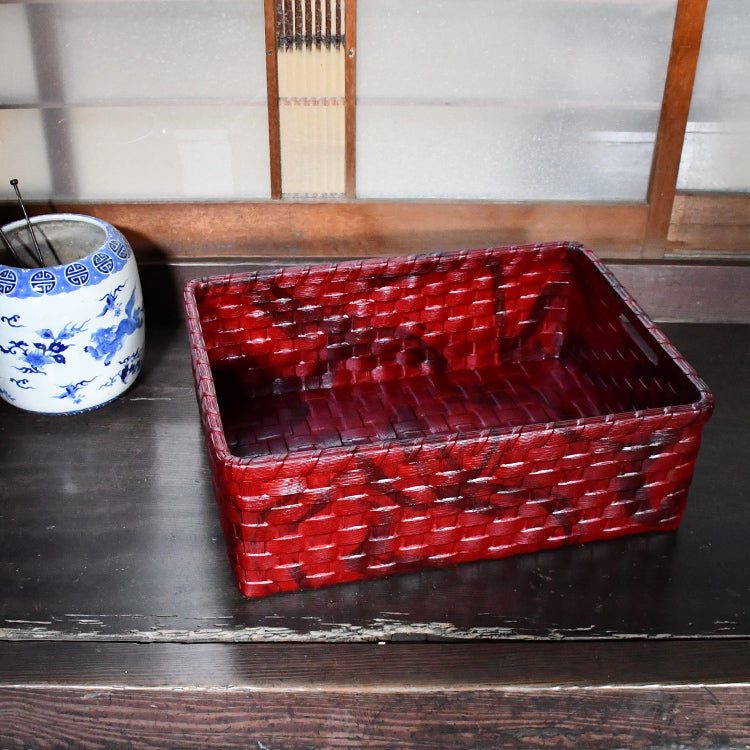
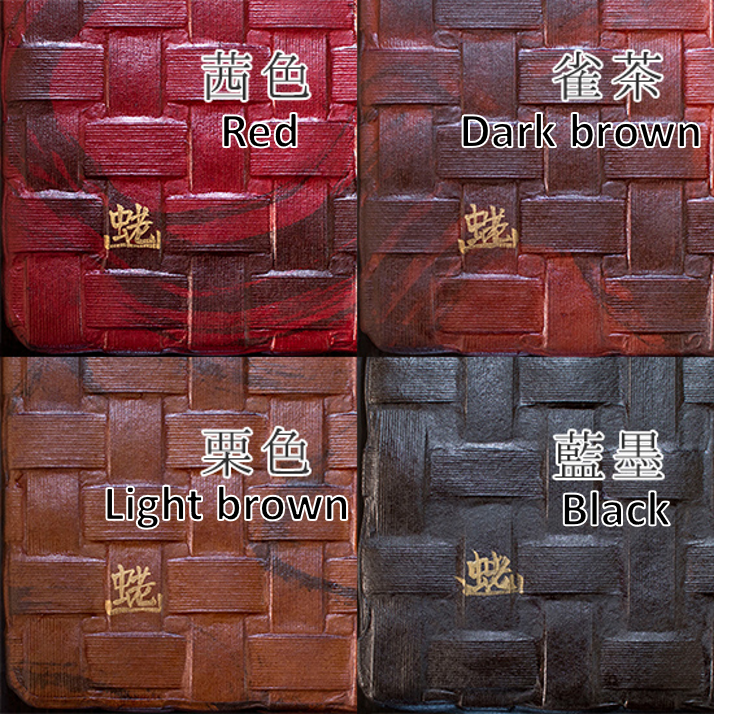
إنه منتج صديق للبيئة مصنوع بالكامل من الورق. وهو قوي وخفيف الوزن ومتين للغاية لدرجة قد تجعلك تتساءل عما إذا كان مصنوعًا حقًا من الورق فقط. وقد طُلي بطبقة نهائية من مادة التانين المستخرجة من فاكهة الكاكا (وهي مادة تتميز بخصائص طاردة للحشرات ومطهرة ومانعة للماء).
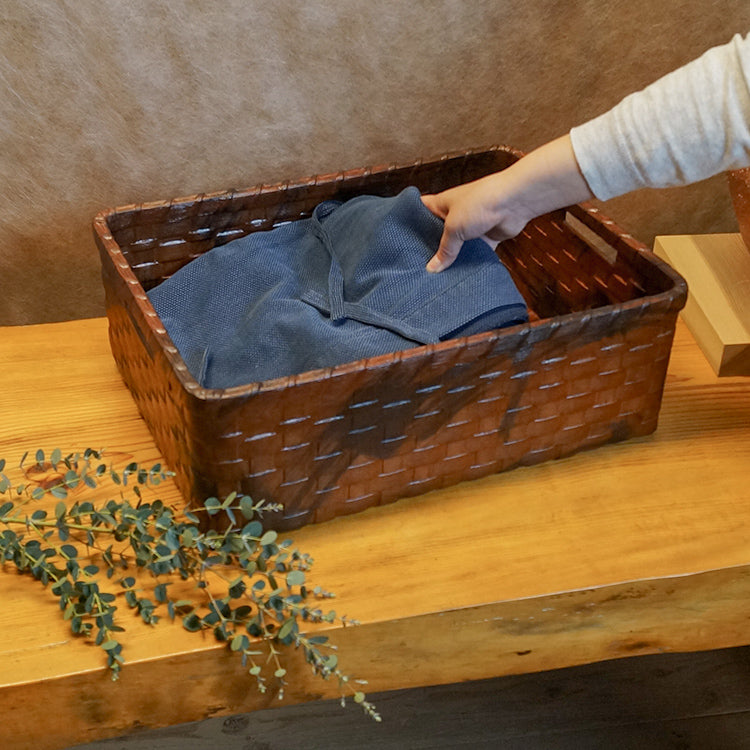
يمكن استخدامه لأغراض متنوعة، مثل تخزين الملابس والكتب والمستندات، كما يُنصح به أيضًا للديكور الداخلي! فلماذا لا تستمتع بقضاء الوقت مع «أومي إيكان-باري» وتلاحظ التغيرات في اللون واللمعان التي لا يمكن أن يضفيها سوى الطلاء بمادة التانين المستخرجة من فاكهة الكاكا؟
SIZE
العرض:48 سم
العمق:35 سم
الارتفاع:17 سم
الوزن:950 جم
MATERIAL
ورق
تانين الكشمش
EBITANI KOGEI
"Live a life with a passion so that you can die laughing at the moment of death. Leave no regrets, live life to the fullest"
Even if my profession has changed, the importance of these words and beliefs that I received when I was a motorcycle racer has not changed. Now, as a craftsman of Omi lacquered paper craft, I want people all over the world to experience our products from the viewpoint of SDGs and eco-friendliness.
ARTISAN STORY
Ryota Ebitani / Ebitani Kogei
He is a third generation of a craftsman family that have been making Omi Ikanbari in Shiga Prefecture since 1969. He has a unique background, having worked as a pastry chef and a motorcycle racer before joining the family business. He is also working on designs that match the modern market, and he hopes to create products that will be used by the younger generation.
ACHIEVEMENTS
・Exhibited at Milan Design Week
OMI IKKANBARI / OMI LACQUERED PAPER CRAFT
About 400 years ago / 1600s / Edo Period (1603–1868)
Ikkanbari is made by layering washi over bamboo baskets or wooden forms and finishing the surface with persimmon tannin or lacquer. One tradition traces the technique to the Chinese-born craftsman Hirai Ikkan in the early Edo period. In Omi it became connected with tea utensils and practical household containers.
In Japan, Ikkanbari bowls and boxes are admired because they are lighter than wood yet far stronger than people expect from paper. The technique appears in tea ware, confectionery containers, baskets and bags, and contemporary makers sometimes incorporate old printed paper or calligraphy to create unique surfaces.
Its greatest surprise is that paper becomes a structural material. A single sheet tears easily, but layers placed in different fiber directions and hardened with tannin or lacquer become remarkably durable. The principle resembles a composite material—turning weakness into strength through lamination centuries before modern engineering.
الاختلافات الفردية
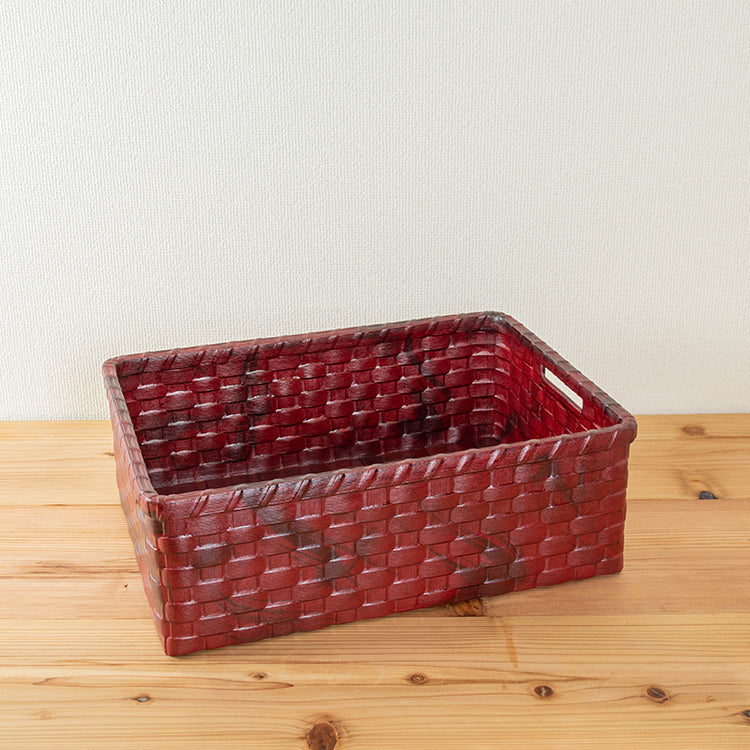
نظرًا لأن كل قطعة تُصنع يدويًا بشكل مستقل، فقد تطرأ اختلافات طفيفة في اللون والنمط والشكل والملمس. وتُعد هذه الاختلافات الدقيقة من الخصائص الطبيعية للأعمال اليدوية، ما يجعل كل قطعة فريدة من نوعها حقًا. نأمل أن تستمتعوا بهذه الاختلافات الفردية كجزء من جمال الحرفية اليابانية وطابعها المميز.
مدة الإنتاج
إذا لم يكن المنتج متوفرًا في المخزون حاليًا، فقد يقوم الحرفي بتصنيعه حسب الطلب. ونظرًا إلى أن كل قطعة تُصنع يدويًا بعناية، فقد يستغرق الإنتاج عدة أشهر، حسب المنتج وجدول الحرفي. نقدر صبركم وتفهمكم.

Scegli le opzioni