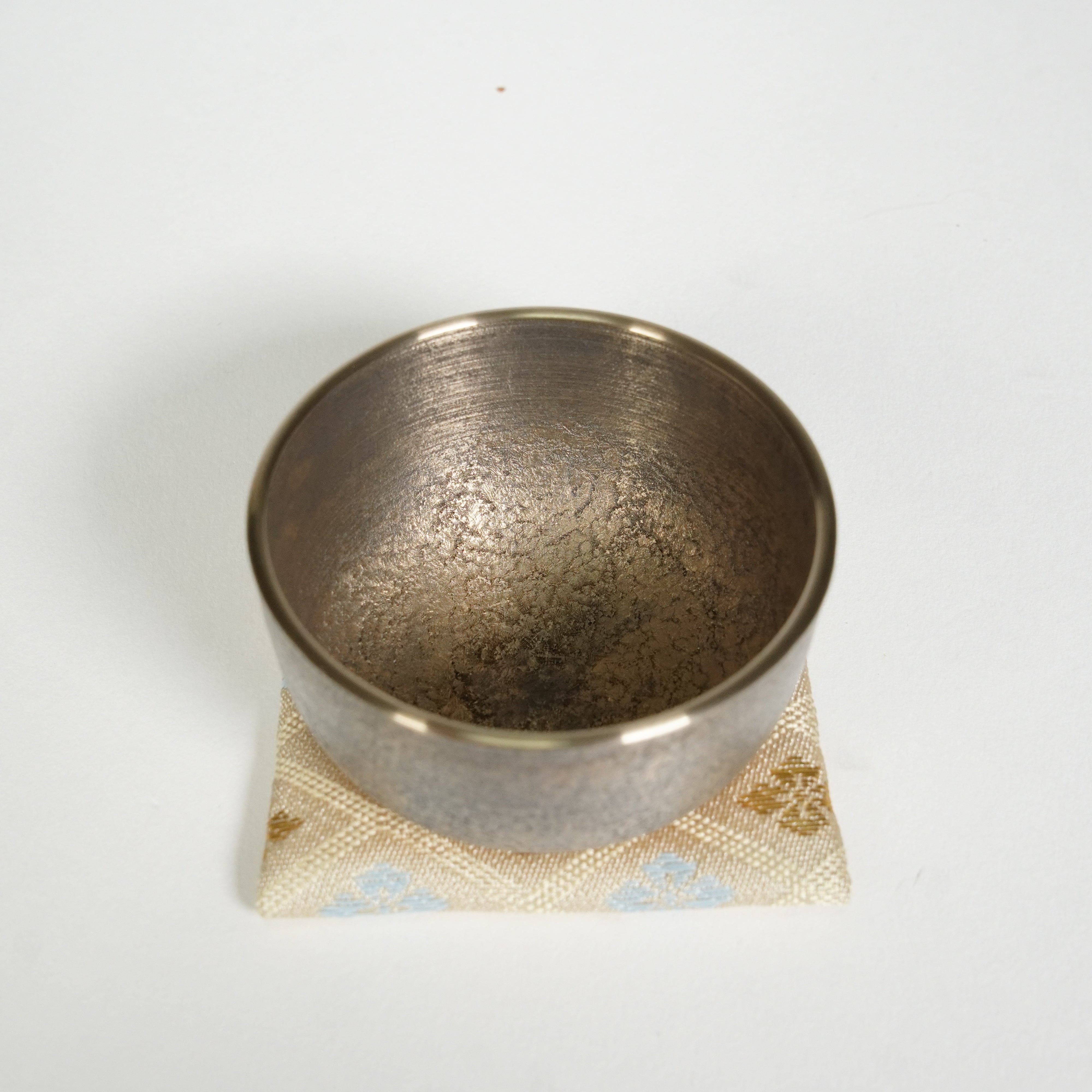
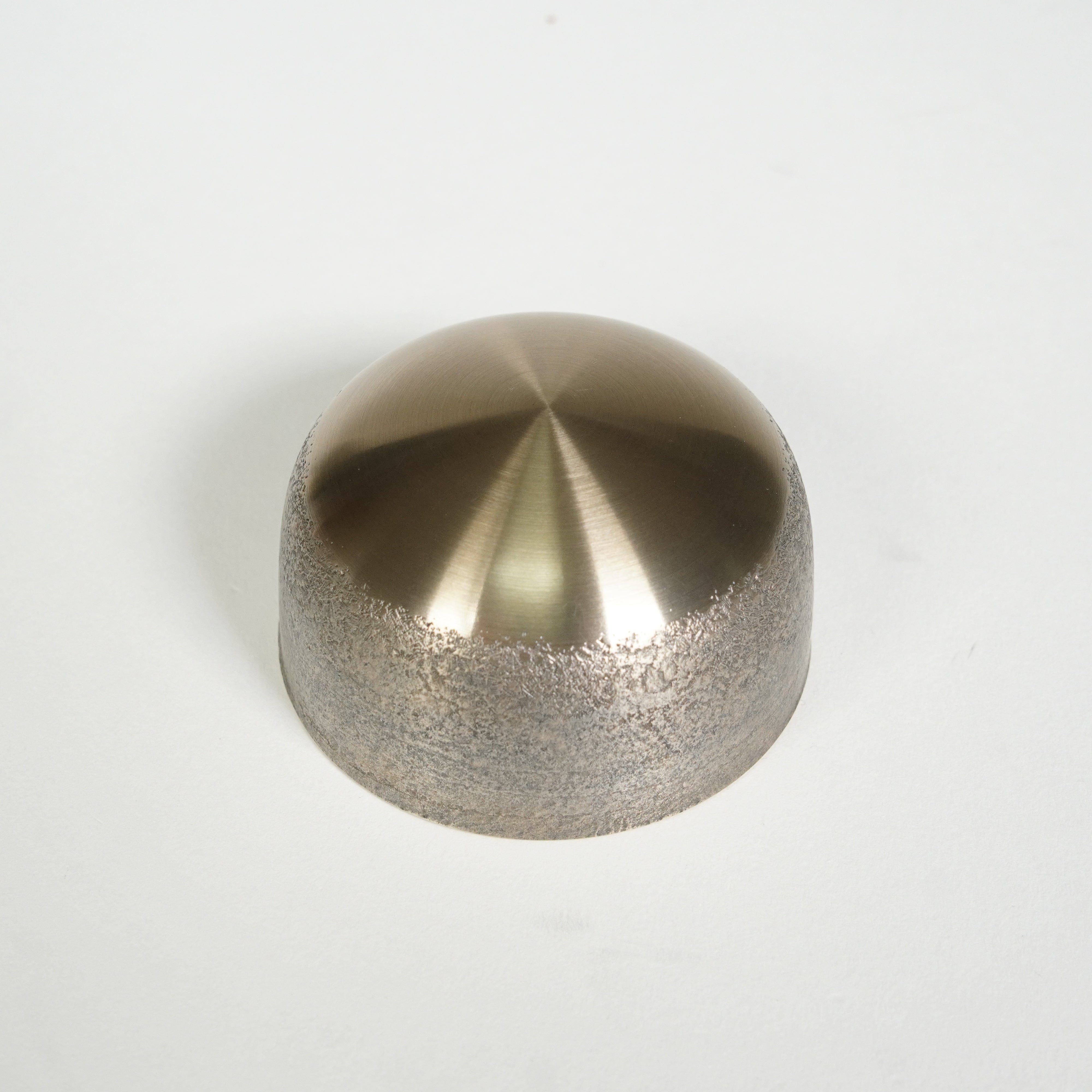
Ciotola di canto / maiko / grande
الوصف
التفاصيل
SIZE
MATERIAL
حِرَفِيّ
كوجي
تحذير
Scegli le opzioni


Ciotola di canto / maiko / grande
Prezzo scontatoDhs. 937.00
Paese/Area geografica
Lingua
Carrello
Il tuo carrello è vuoto


يتميز وعاء الرنين الصوتي هذا بحجمه الصغير والمريح وسهولة حمله. وقد صُمم للاستخدام أثناء التنقل أو السفر، كما أن حجمه مدمج للغاية، إذ يتسع في راحة اليد.
ويصدر نغمات جميلة، مما يتيح لك تخصيص وقت للتأمل والصلاة في أي مكان.
منذ تأسيس الورشة في عام 1843، ظل وعاء الرنين الصوتي مكرّسًا للصوت حتى يومنا هذا، في الجيل الخامس، دون تغيير المواد أو التقنيات. والمادة المستخدمة هي معدن يُدعى «ساهاري»، وهو سبيكة من النحاس والقصدير.
أوعية الرنين الصوتي من «فوتكاتايا» هي أوعية معدنية تصدر الصوت مصنوعة من نفس مادة «ساهاري»، وهو كنز من كنوز «شوسوين» يعود تاريخه إلى 1300 عام.
لا يمكن صنع سوى وعاء رنين صوتي واحد من قالب واحد، وتستغرق العملية بأكملها 180 خطوة مختلفة على مدى فترة طويلة من الزمن.
تتميز أوعية الرنين الصوتي التي تصنعها «فوتكاتايا» بصوت يرتفع وينخفض مع الاستخدام على مدى خمس أو عشر سنوات، ويُقال إن هذا الصوت «يبعد الشر ويطهر المكان ويطرد الأرواح الشريرة.
*الصوت مصنوع من معدن رقيق، لذا إذا سقط أو تعرض لضربة قوية، فإنه سينكسر ويتوقف عن الرنين.
*امسحه وجففه بقطعة قماش ناعمة. (لا تستخدم ملمعًا أو كريمًا، إلخ.).
*نظرًا إلى أنها مصنوعة يدويًا بالكامل، فقد يختلف صوت المنتج نفسه عن غيره. يُرجى العلم بذلك مسبقًا.
SIZE
العرض:5.5 سم
العمق:5.5 سم
الارتفاع:3 سم
الوزن : 78 جم
MATERIAL
نحاس
قصدير
FUTAKATAYA
The miracle of casual everyday life
The lingering sound of Futakataya's Japanese singing bowls, with their variously changing undulations, resonates as if it were calming the mind.
I want to gently accompany you as you rush through every minute of your life. Let the sound of the music give you time to heal your mind and change your mood...
ARTISAN STORY
Futakataya
Singing bowl workshop established in 1843. Futakataya's Japanese singing bowls are metal sounding bowls made from the same material as Sahari, a Shosoin treasure that has existed for 1,300 years.
Only one Japanese singing bowl can be made from a single mould, and the entire process takes 180 different steps over a long period of time.
The process begins with the selection of the clay, the condition of the metal, the mixture, the temperature of the mould out of the pot, the timing of casting, the season, the weather, the humidity and the temperature - if any of these factors are missed, the tone will not sound.
ORIN / JAPANESE SINGING BOWL
About 1,400 years ago / 600s / Asuka Period (592–710)
Japanese singing bowls trace their roots to metal ritual instruments that arrived in Japan with Buddhism. They became established in temples as signals for chanting and worship, later spreading to household Buddhist altars. Through refinements in casting, hammering and alloy composition, Japanese makers developed bowls prized for long, clear resonance.
For many Japanese people, the sound of a singing bowl marks more than a religious ritual: it creates a moment to remember the deceased and settle the mind. Today the bowls remain important Buddhist implements, while also being rediscovered for meditation, relaxation and contemporary interiors.
A fascinating point is that two bowls of almost identical appearance can sound completely different. Alloy composition, wall thickness, finishing, temperature and humidity can all affect resonance, and craftspeople ultimately tune the sound by ear. In that sense, this is not only a craft of shaping metal, but a craft of shaping sound.
الاختلافات الفردية
نظرًا لأن كل قطعة تُصنع يدويًا بشكل مستقل، فقد تطرأ اختلافات طفيفة في اللون والنمط والشكل والملمس. وتُعد هذه الاختلافات الدقيقة من الخصائص الطبيعية للأعمال اليدوية، ما يجعل كل قطعة فريدة من نوعها حقًا. نأمل أن تستمتعوا بهذه الاختلافات الفردية كجزء من جمال الحرفية اليابانية وطابعها المميز.
مدة الإنتاج
إذا لم تكن القطعة متوفرة في المخزون حاليًا، فقد يقوم الحرفي بصنعها حسب الطلب. ونظرًا إلى أن كل قطعة تُصنع يدويًا بعناية، فقد يستغرق الإنتاج عدة أشهر، وذلك حسب القطعة والجدول الزمني للحرفي. نقدر صبركم وتفهمكم.

Scegli le opzioni