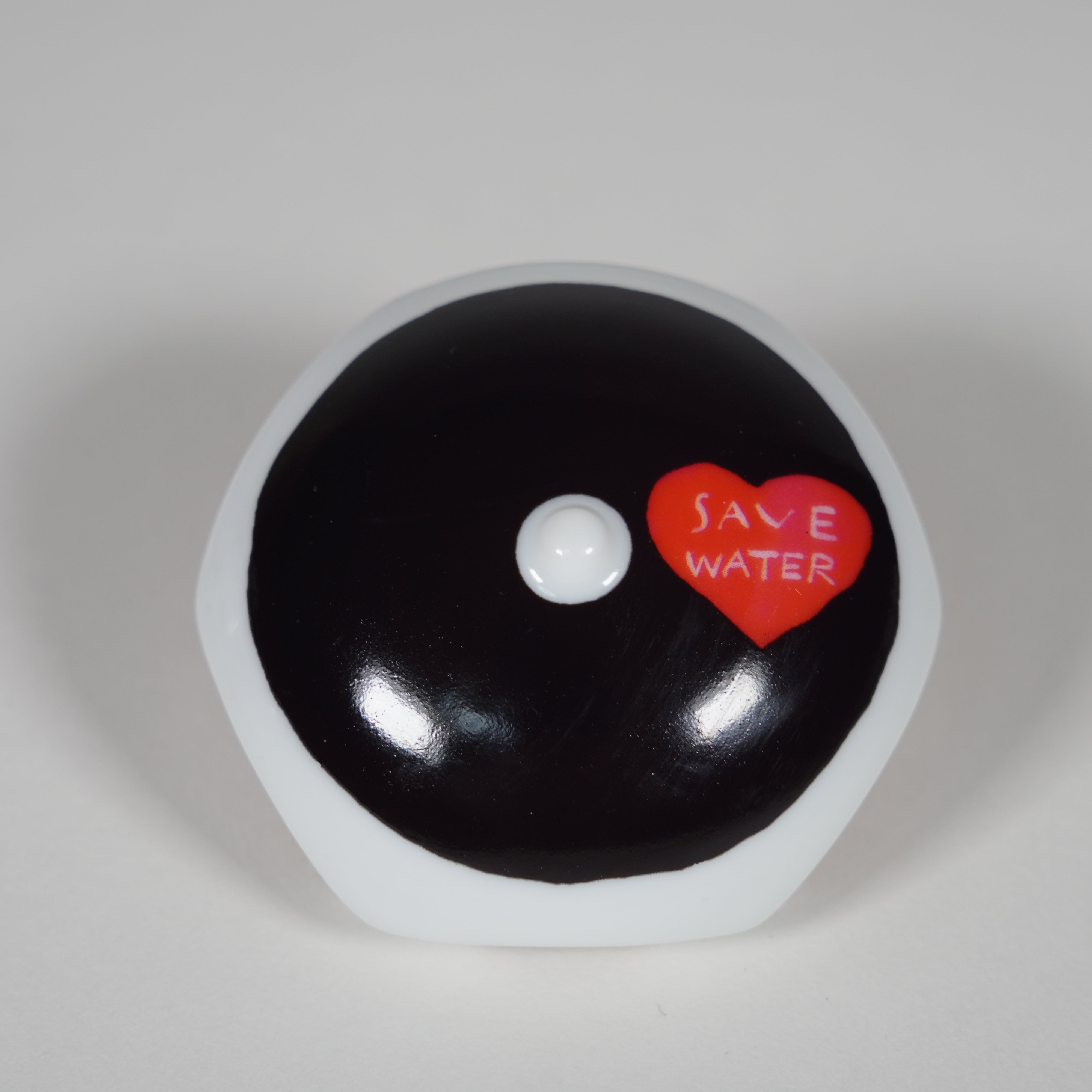
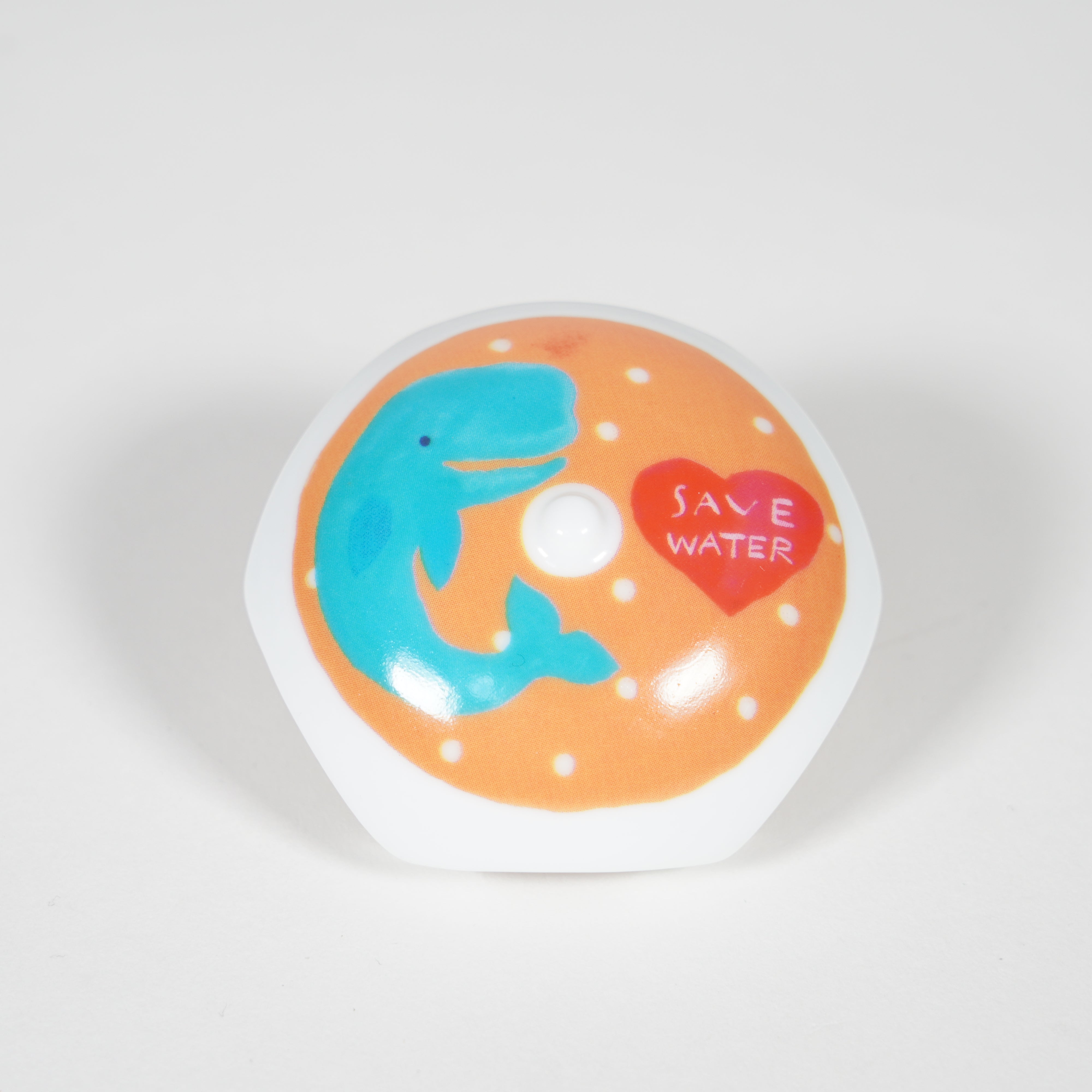
Coperchio di scarico - balena da sperma
الوصف
التفاصيل
SIZE
MATERIAL
حِرَفِيّ
كوجي
تحذير
Scegli le opzioni


Coperchio di scarico - balena da sperma
Prezzo scontatoDhs. 150.00
Paese/Area geografica
Lingua
Carrello
Il tuo carrello è vuoto


هذه غطاء مصرف يتغير تصميمه بتغير درجة الحرارة.
يتغير التصميم عند ملامسته للماء الساخن بدرجة حرارة تبلغ حوالي 30 درجة مئوية. ومن خلال توضيح درجة حرارة الماء بصريًا، فإنه يساعد على منع ترك الماء دون استخدام ورفع الوعي بأهمية الحفاظ على درجة حرارة الماء.
يمكننا جميعًا حماية مواردنا المائية الثمينة من خلال التواصل مع الاستدامة عبر شيء مألوف!
SIZE
العرض:7 سمالعمق:7 سمالارتفاع:3 سمالوزن:65 جم
MATERIAL
البورسلين
POTTERY STUDIO MARUMO
"The source of ideas is to take initiative action"
Whether in Japan or abroad, I visit hotels, inns, restaurants and any other places where plates are used, see the space, and always think about what kind of dishes would go well with it. I believe that "seeing and feeling with your own eyes" leads to all ideas. I will go on to develop products by combining my awareness and past experiences.
ARTISAN STORY
Marumo Pottery
In Gifu Prefecture, where sake cups have been produced for over 1,300 years, Marumo Pottery has been making tableware in pursuit of food culture for over 130 years. Combining tradition with the latest technology, Marumo Pottery produces surprising products such as color-changing glasses and sake cups that allow you to experience Japanese culture in the palm of your hand. Not only ceramics, but also porcelain, glass, lacquerware, and a wide range of other materials are used to create products that can be used by people all over the world.
ACHIEVEMENTS
・2022 Omotenashi Selection Gold Award
・Chinese Embassy Prize, National Commendation for Tourism Souvenirs, 2022
・Special Judging Excellence Award, National Commendation for Tourist Souvenirs, 2022
・So many other awards has been received…
MINO WARE
About 1,300 years ago / 700s / Nara Period (710–794)
Mino ware rests on a long ceramic history in eastern Gifu and expanded dramatically with tea culture in the Momoyama period. Revolutionary styles such as Ki-Seto, Seto-guro, Shino and Oribe emerged, while later production grew into a vast industry for everyday ceramics.
In Japan, Mino is one of the country’s largest ceramic-producing regions and supplies a major share of household and commercial tableware. Historic tea bowls, restaurant dishes and designer ceramics all coexist, so there is deliberately no single visual style called “Mino ware.”
Momoyama-period Oribe can look startlingly modern: bowls are intentionally distorted and decorated with bold geometric or painted designs. More than four centuries ago, Mino potters were already treating asymmetry and apparent imperfection as conscious design choices.
الاختلافات الفردية
نظرًا لأن كل قطعة تُصنع يدويًا بشكل مستقل، فقد تطرأ اختلافات طفيفة في اللون والنمط والشكل والملمس. وتُعد هذه الاختلافات الدقيقة من الخصائص الطبيعية للأعمال اليدوية، ما يجعل كل قطعة فريدة من نوعها حقًا. نأمل أن تستمتعوا بهذه الاختلافات الفردية كجزء من جمال الحرفية اليابانية وطابعها المميز.
مدة الإنتاج
إذا لم يكن المنتج متوفرًا في المخزون حاليًا، فقد يقوم الحرفي بتصنيعه حسب الطلب. ونظرًا إلى أن كل قطعة تُصنع يدويًا بعناية، فقد يستغرق الإنتاج عدة أشهر، وذلك حسب المنتج وجدول الحرفي. نقدر صبركم وتفهمكم.

Scegli le opzioni