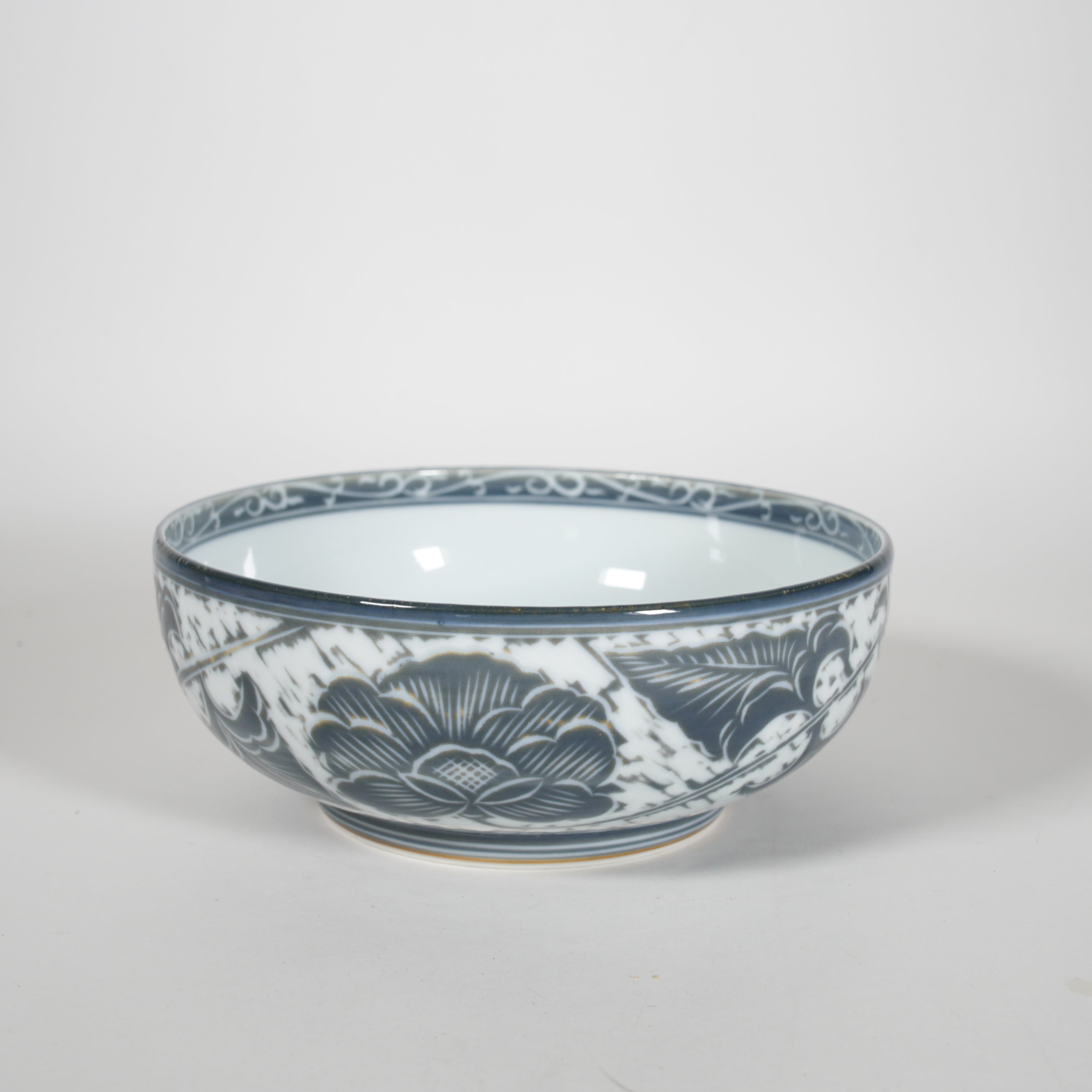
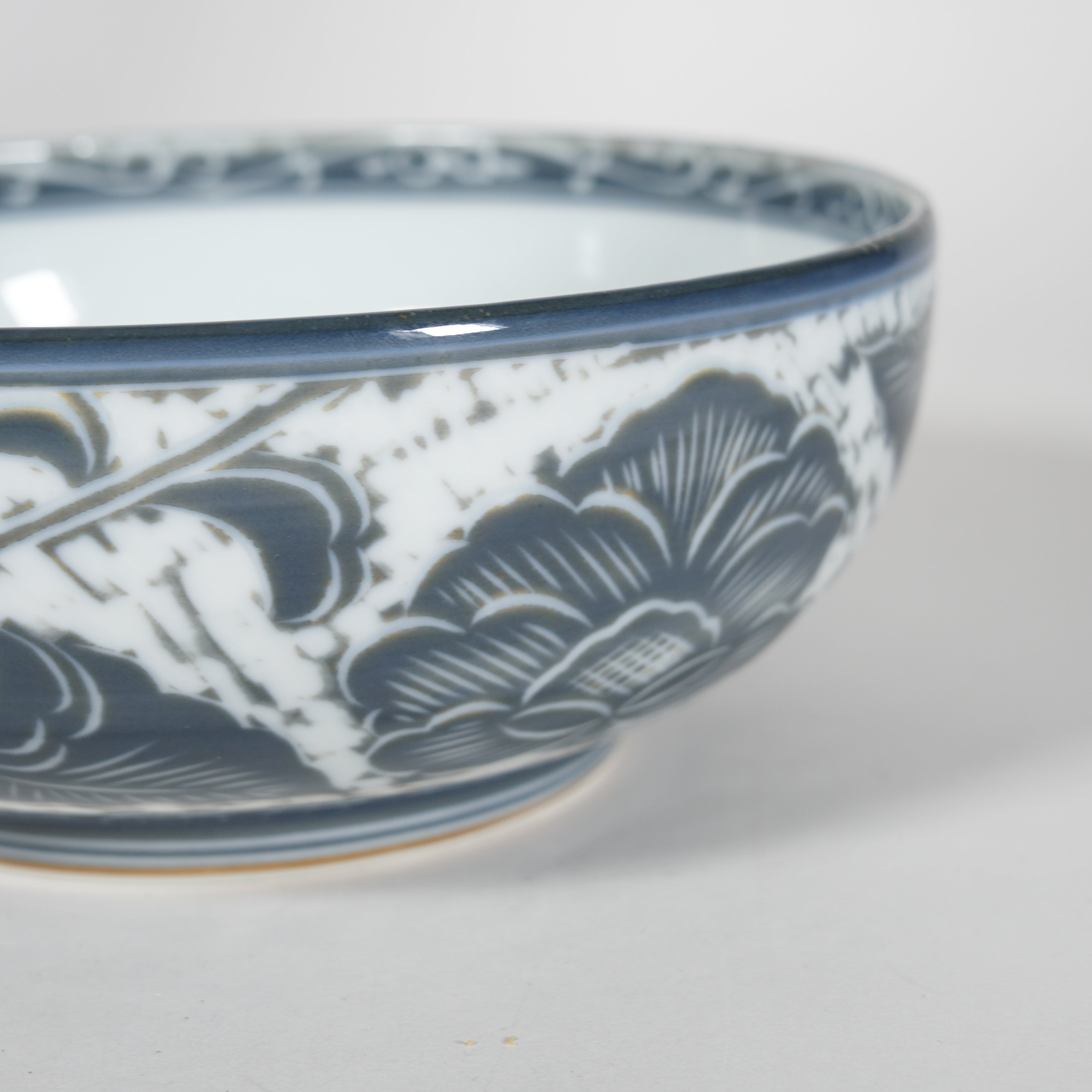
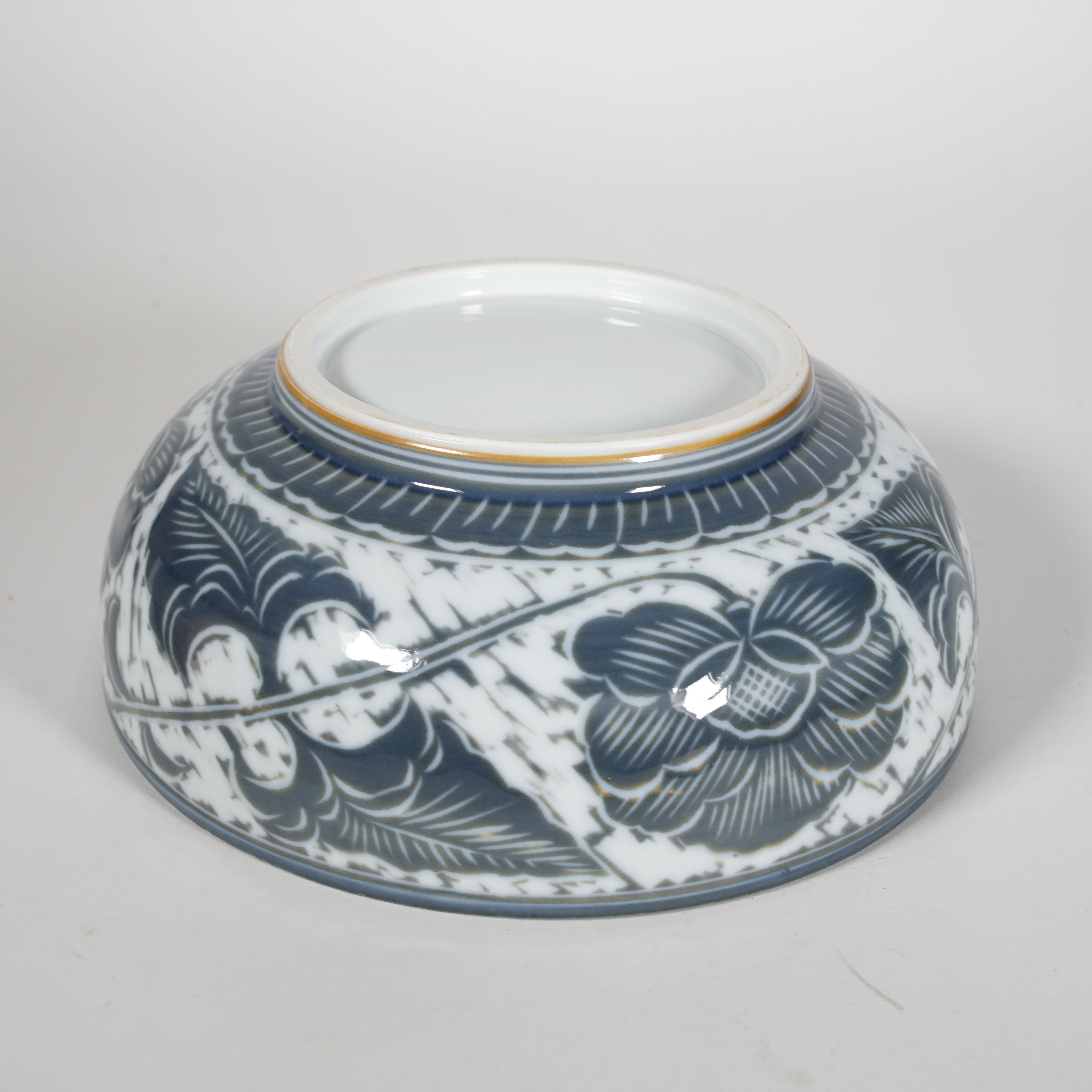
Grande ciotola in bianco e nero
الوصف
التفاصيل
SIZE
MATERIAL
حِرَفِيّ
كوجي
تحذير
Scegli le opzioni


Grande ciotola in bianco e nero
Prezzo scontatoDhs. 1,873.00
Paese/Area geografica
Lingua
Carrello
Il tuo carrello è vuoto


هذا وعاء كبير يناسب أي ديكور داخلي.
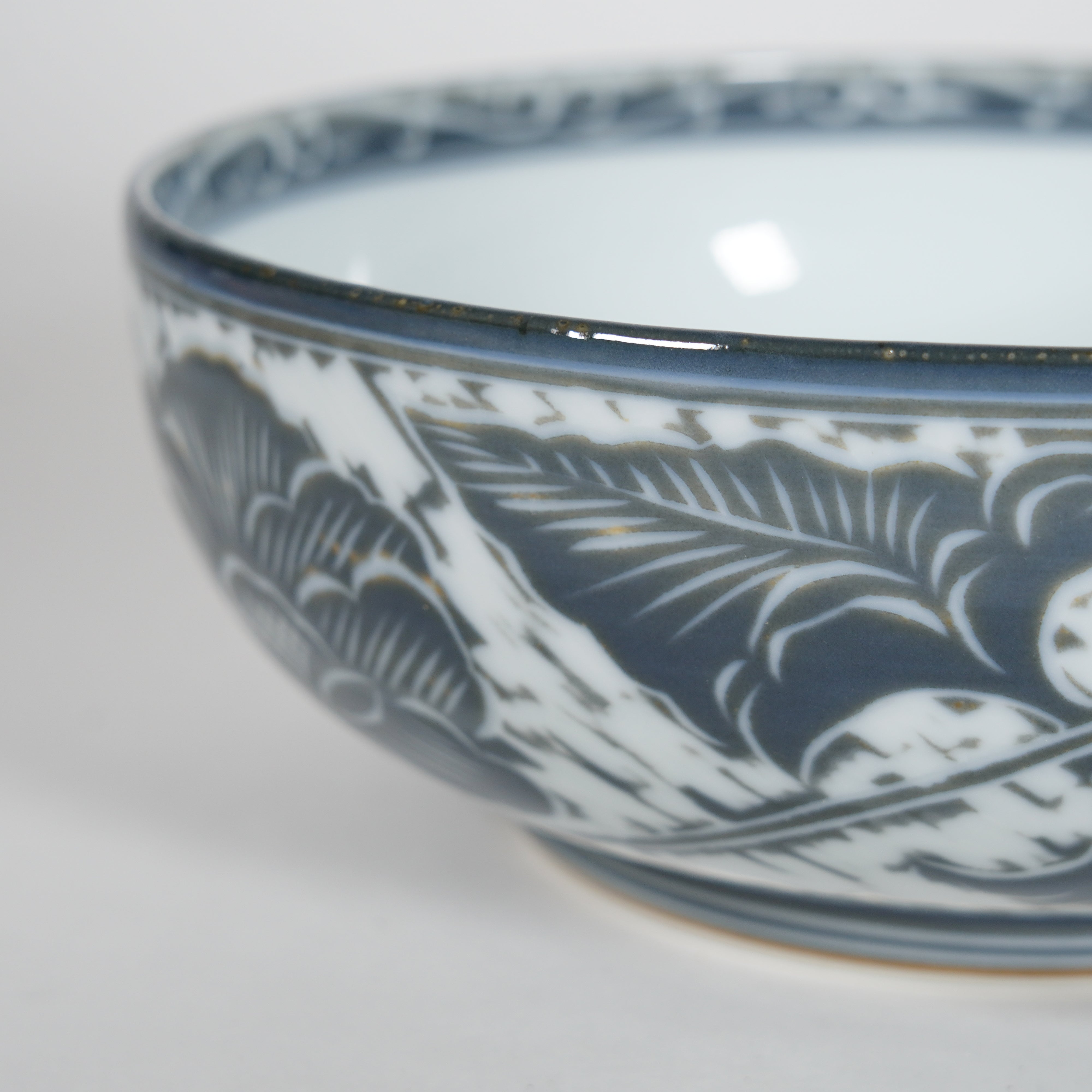
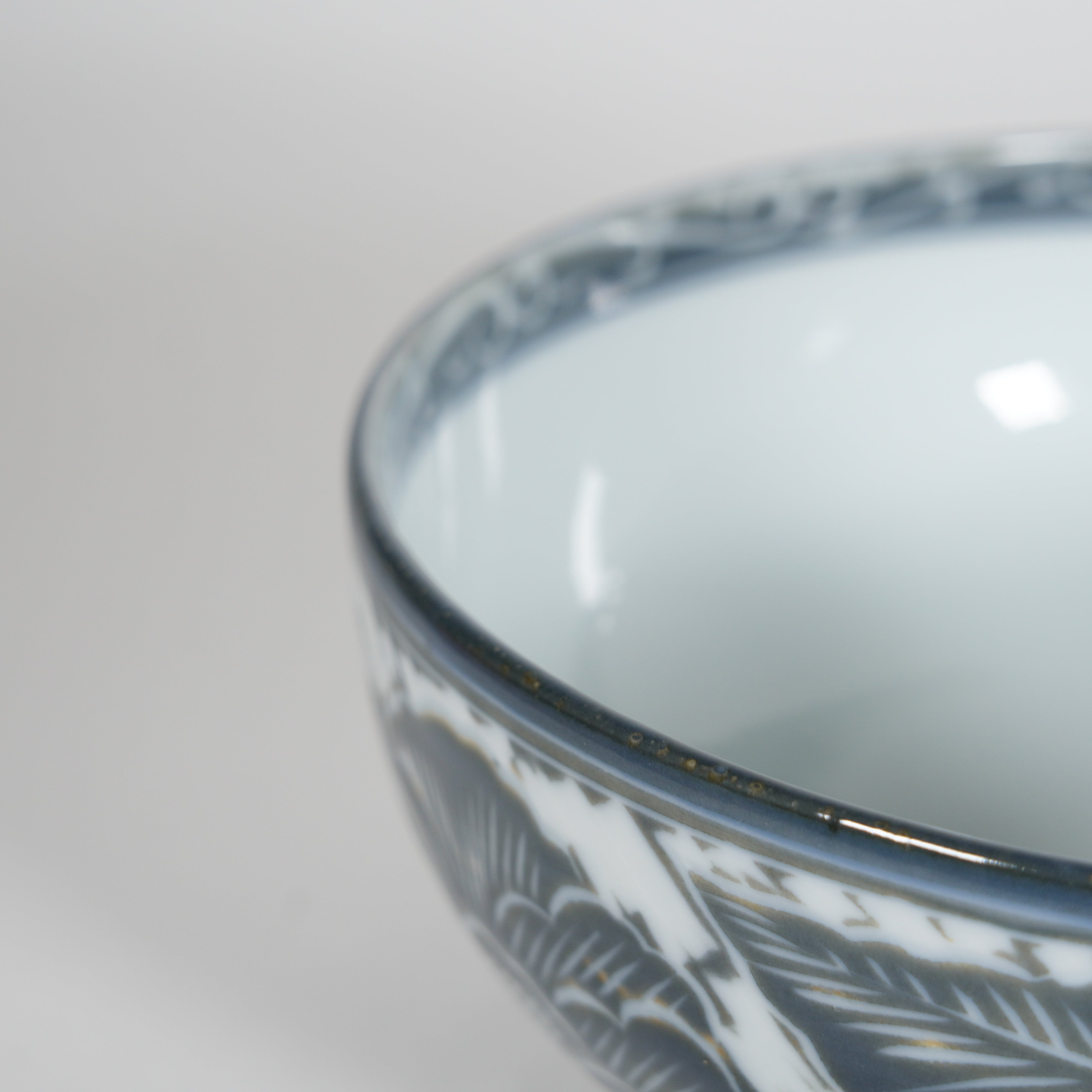
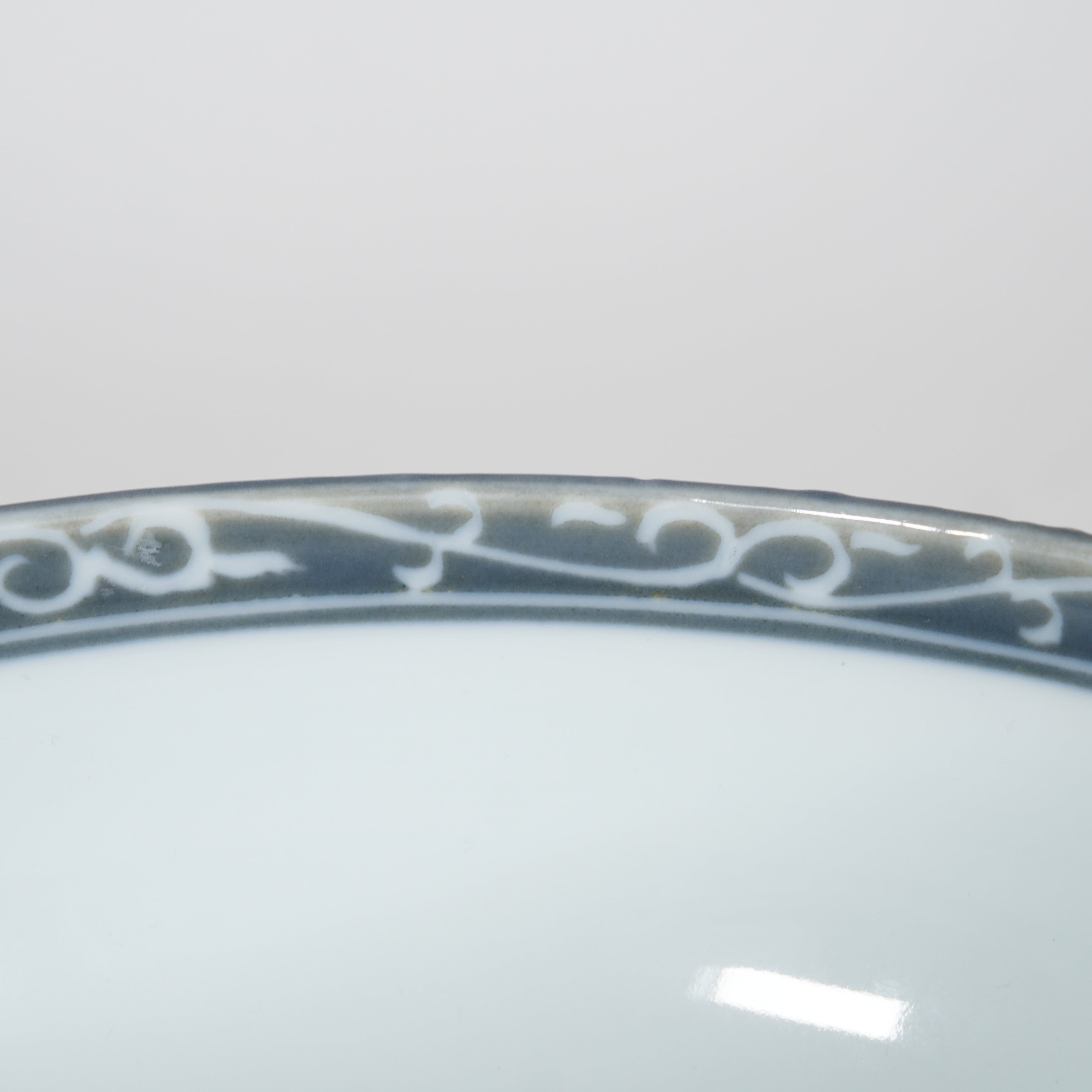
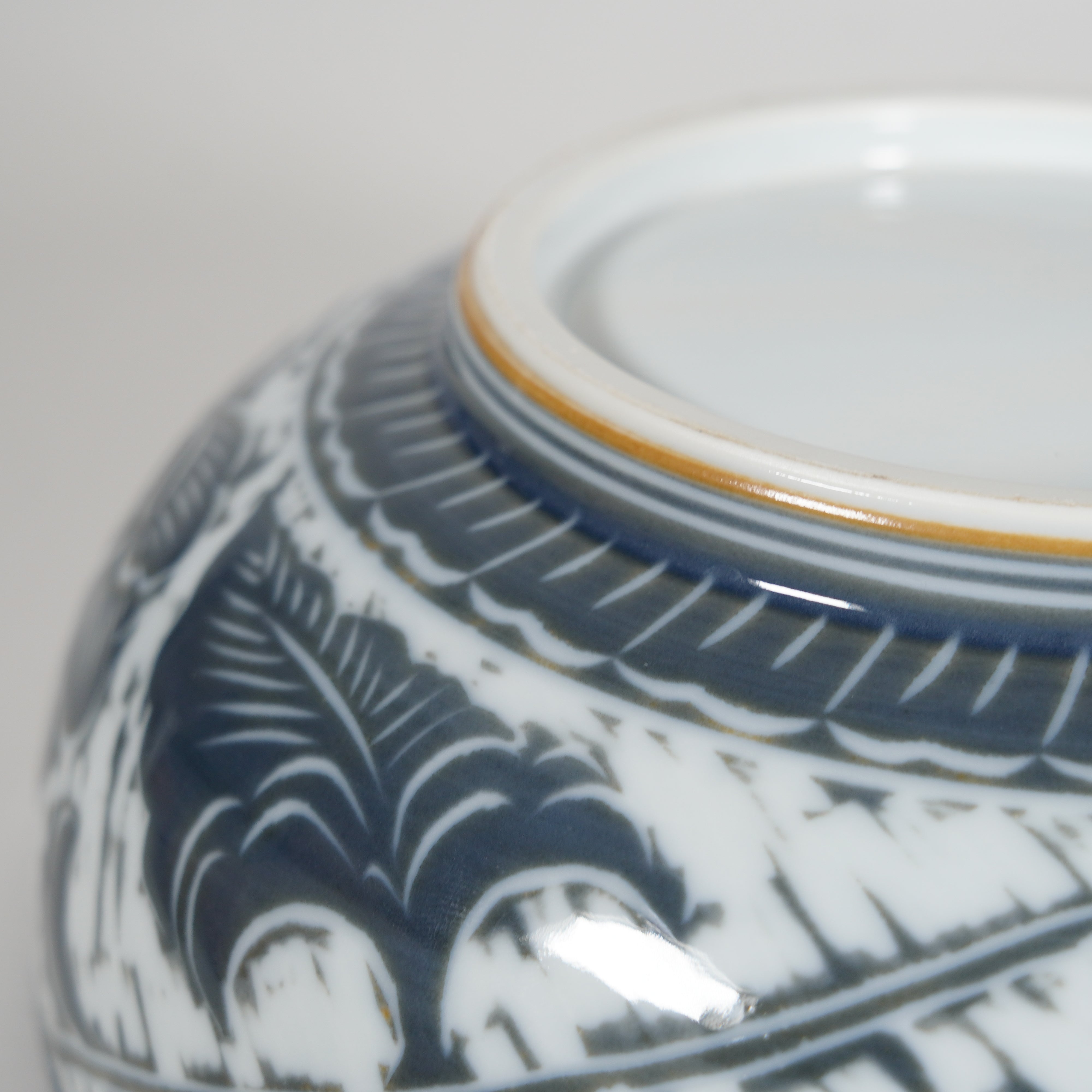
هذا وعاء كبير غير تقليدي مزين بزهور اللوتس. يمكنك استخدامه في الطبخ اليومي أو عرضه كقطعة للزينة. التصميم الأزرق مألوف، لكن التصميم الأسود فريد من نوعه. وليس من قبيل المبالغة القول إن الحرفيين الذين يرسمون هذه التصاميم الدقيقة للغاية هم التجسيد الحقيقي للجمال الياباني التقليدي.
SIZE
العرض:22 سم
العمق:22 سم
الارتفاع:10 سم
الوزن:927 جم
MATERIAL
طين
ZUISYO YOKOYAMA
ARTISAN STORY
Takeshi Yokoyama / Yokoyama Zuisho
A Kyoto ceramic artist with more than 40 years of experience. He mainly creates celadon tableware, tea utensils and vases in distinctive blue-green tones. His celadon glaze is blended in-house according to a formula handed down from his grandfather's generation.
ACHIEVEMENTS
・Received the Kyoto Prefecture Traditional Industry Excellent Technician Award
・Received the Chairman's Award from the Kyoto Chamber of Commerce and Industry
・Certified as a Traditional Craftsman
KYO WARE & KIYOMIZU WARE
About 1,200 years ago / 800s / Heian Period (794–1185)
Kyoto ceramics reach back to kilns operating before and during the Heian period, then expanded with tea culture in the Muromachi and Momoyama eras. In the seventeenth century, Nonomura Ninsei perfected brilliant overglaze decoration, followed by innovators such as Ogata Kenzan, Okuda Eisen and Aoki Mokubei, whose diverse approaches shaped today’s Kyo and Kiyomizu ware.
In Japan, these ceramics are famous precisely because there is no single fixed style. Tea bowls, kaiseki dishes and everyday tableware may use overglaze painting, blue-and-white decoration, gold, sancai-inspired color and many other techniques. The craft sits at the heart of Kyoto’s culture of pairing vessels with cuisine and tea.
The surprising point is that Kyoto was never defined by a single major clay deposit. Potters drew on materials such as Amakusa porcelain stone, techniques arriving from other regions, and the tastes of artists and patrons gathered in the capital. Freedom from one local material helped make Kyoto ceramics unusually hybrid and stylistically diverse.
الاختلافات الفردية
نظرًا لأن كل قطعة تُصنع يدويًا بشكل مستقل، فقد تطرأ اختلافات طفيفة في اللون والنمط والشكل والملمس. وتُعد هذه الاختلافات الدقيقة من الخصائص الطبيعية للأعمال اليدوية، ما يجعل كل قطعة فريدة من نوعها حقًا. نأمل أن تستمتعوا بهذه الاختلافات الفردية كجزء من جمال الحرفية اليابانية وطابعها المميز.
مدة الإنتاج
إذا لم تكن القطعة متوفرة في المخزون حاليًا، فقد يقوم الحرفي بصنعها حسب الطلب. ونظرًا إلى أن كل قطعة تُصنع يدويًا بعناية، فقد يستغرق الإنتاج عدة أشهر، وذلك حسب القطعة والجدول الزمني للحرفي. نقدر صبركم وتفهمكم.

Scegli le opzioni