Vaso Kyo Ware / Red / Small
DESCRIPTION
DETAILS
SIZE
MATERIAL
ARTISAN
KOGEI
Caution
Scegli le opzioni


Vaso Kyo Ware / Red / Small
Prezzo scontatoDhs. 450.00
Paese/Area geografica
Lingua
Carrello
Il tuo carrello è vuoto


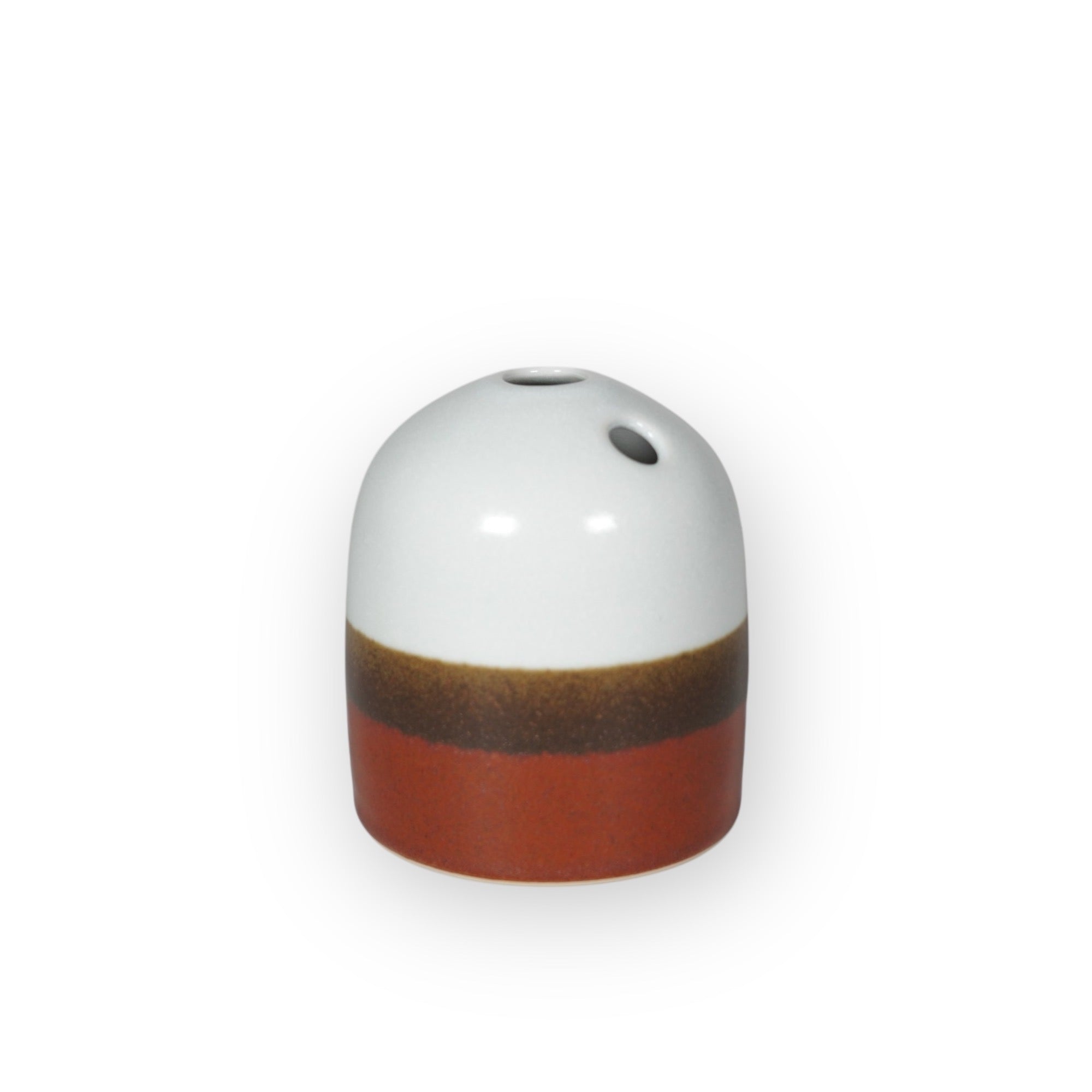
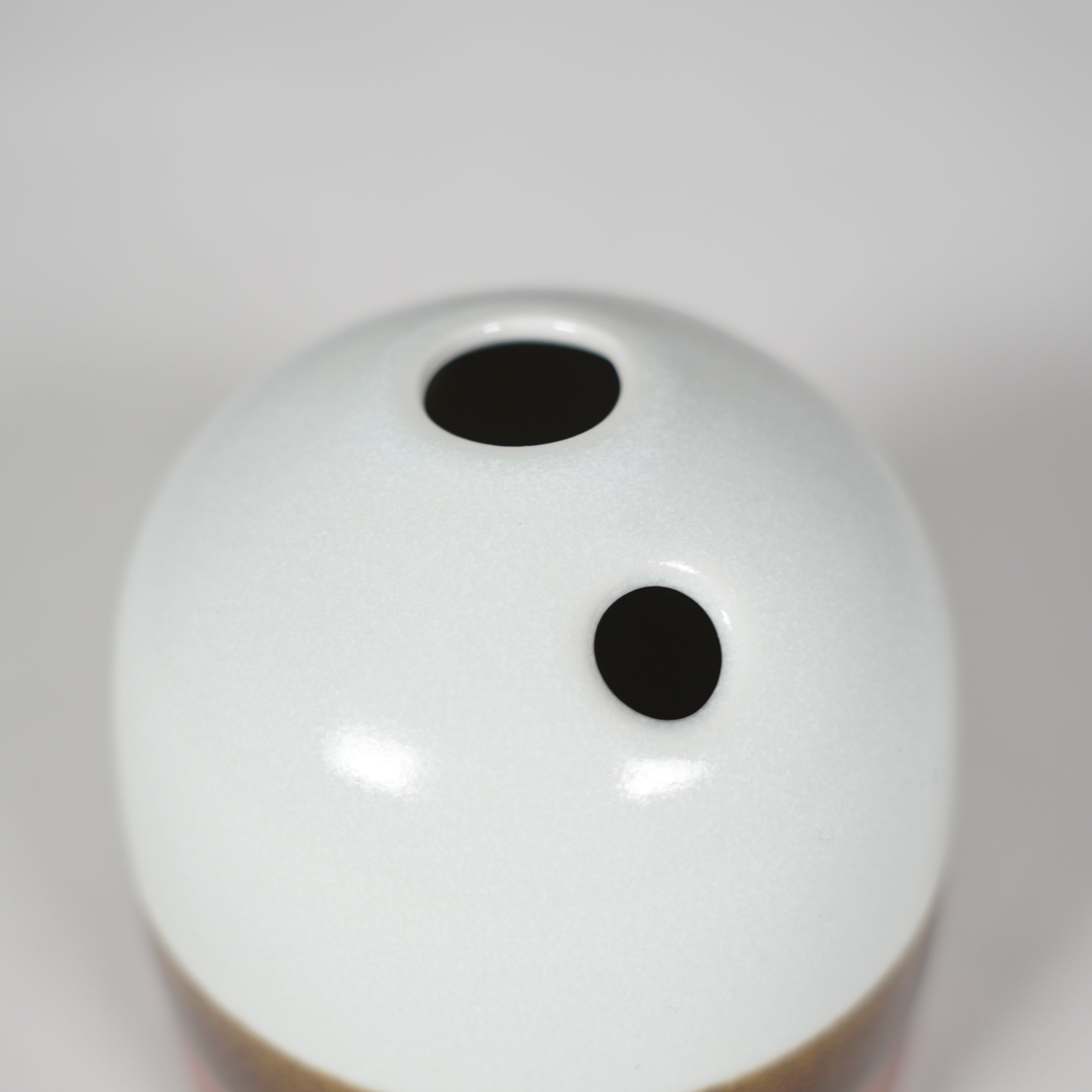
This vase is unique in that it has two inserts.
The top is for plants with branches or other voluminous plants, and the side is for larger flowers that accentuate the flowers, creating rhythm and expression.
This vase can be used with a small amount of flowers to bring out the charm of the flowers in a variety of ways, including flowers that are not usually chosen for this type of vase.
The great variety of compositions allows you to enjoy this vase from various angles.
SIZE
Width : 8.5cm
Height : 9.5cm
Weight : 200g
MATERIAL
Ceramic
SORYUGAMA
From Kyoto to the World
For four generations, the Okenami family has preserved traditional techniques and continued creating pottery in the Kiyomizu area of Kyoto. While inheriting time-honored methods, they also produce products that align with modern tastes.
As artisans supporting Kyoto's traditional industries, they aspire to share Japan's unique craftsmanship and artistic expression with people in more countries and regions around the world.
ARTISAN STORY
Soryu Okenami / Studio Soryu
The first generation of the Okenami family studied under a leading figure in Kyo-yaki celadon during the Meiji and Taisho periods, inheriting their techniques. Since then, the Okenami family has preserved this traditional craft and continued creating pottery in the Kiyomizu area of Kyoto for four generations.
Upon marrying the wife of a kiln master from Koishiwara-yaki in Fukuoka, two distinct ceramic traditions merged. Together, they established the brand "Studio Soryu," where they explore new expressions of celadon. The couple works side by side at the pottery wheel daily, striving to create pieces that are cherished by many.
KIYOMIZU WARE
About 400 years ago / 1600s / Edo Period (1603–1868)
Kiyomizu ware takes its name from ceramics historically produced around Kiyomizu-dera and Kyoto’s eastern hills. It grew during the Edo period with tea culture and temple pilgrimage, absorbing the brilliant decoration associated with Ninsei and Kenzan as well as porcelain, blue-and-white and many other techniques.
In Japan, the name suggests refined Kyoto tableware, ranging from formal tea and kaiseki vessels to everyday dishes. Even after many kilns moved to districts such as Yamashina, the tradition retained an unusual stylistic diversity: each workshop may look completely different from the next.
Despite the name, many contemporary Kiyomizu workshops are no longer located near Kiyomizu-dera. Urban development and environmental concerns led to relocation, while the old place-name remained as a brand remembering the craft’s origin. Geography moved, but the name stayed.
Individual Differences
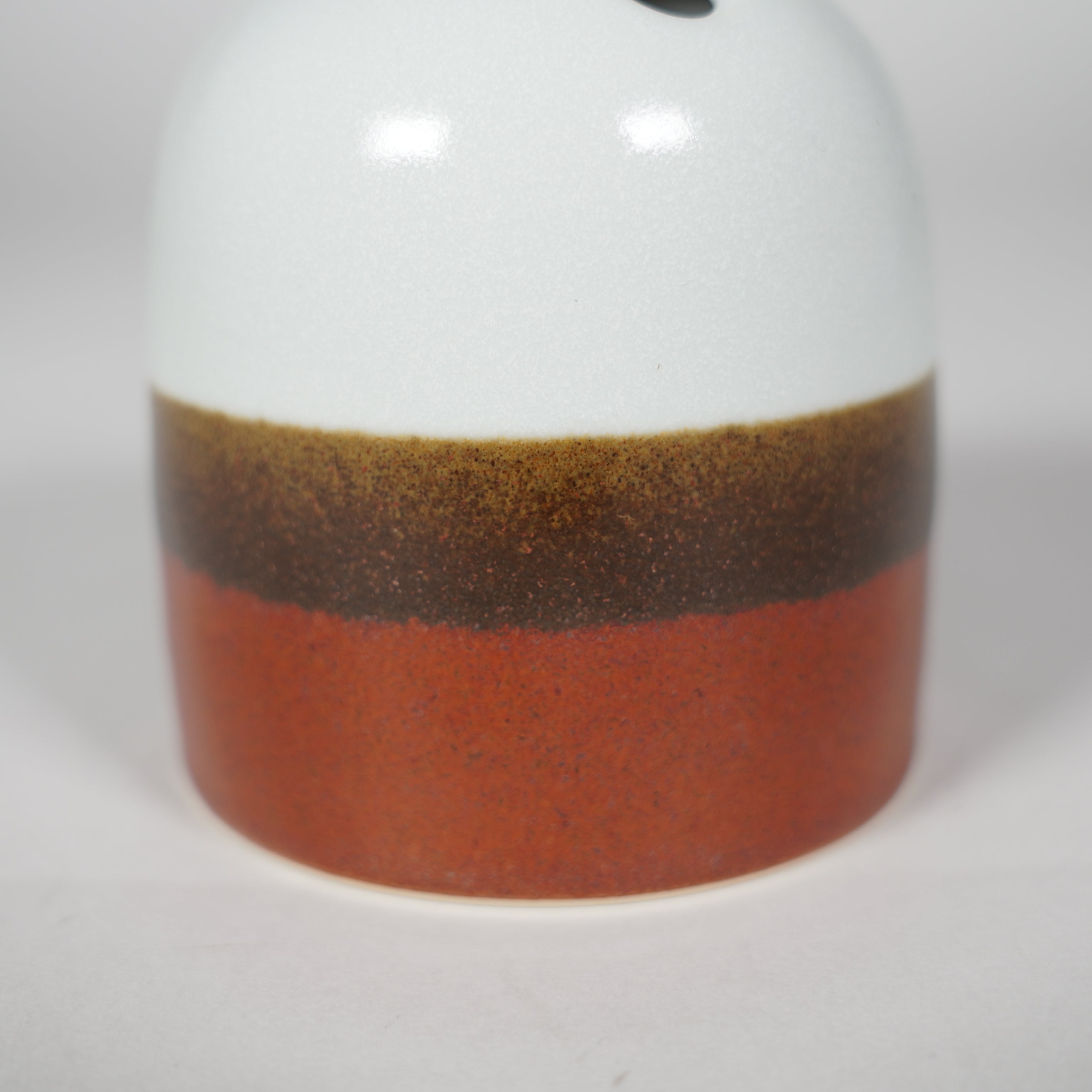
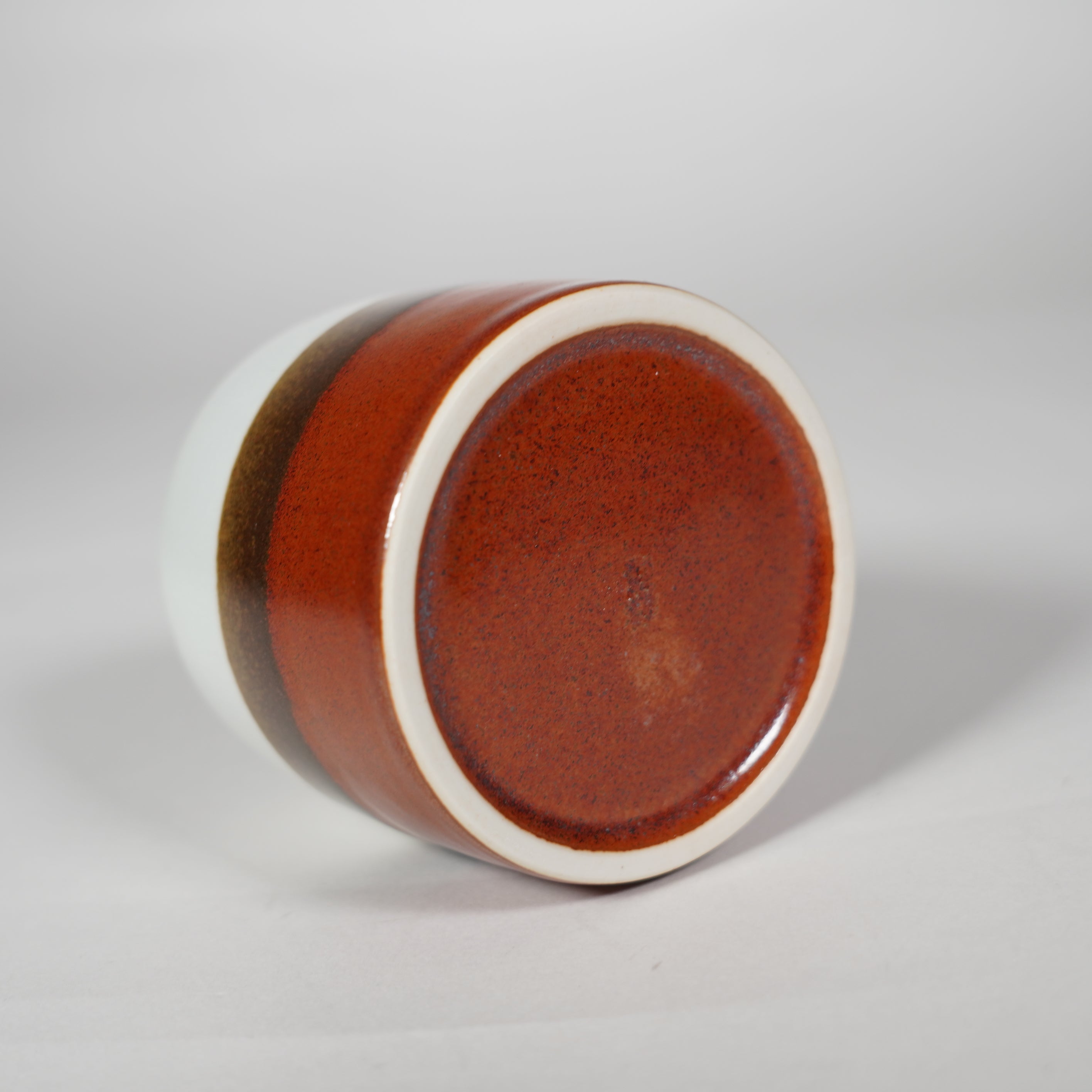
As each piece is individually handcrafted, slight variations in color, pattern, shape, and texture may occur. These subtle differences are a natural characteristic of handcrafted works, making each piece truly unique. We hope you will enjoy these individual variations as part of the beauty and character of Japanese craftsmanship.
Production Time
If an item is not currently in stock, it may be made to order by the artisan. As each piece is carefully handcrafted, production may take several months depending on the item and the artisan's schedule. We appreciate your patience and understanding.

Scegli le opzioni