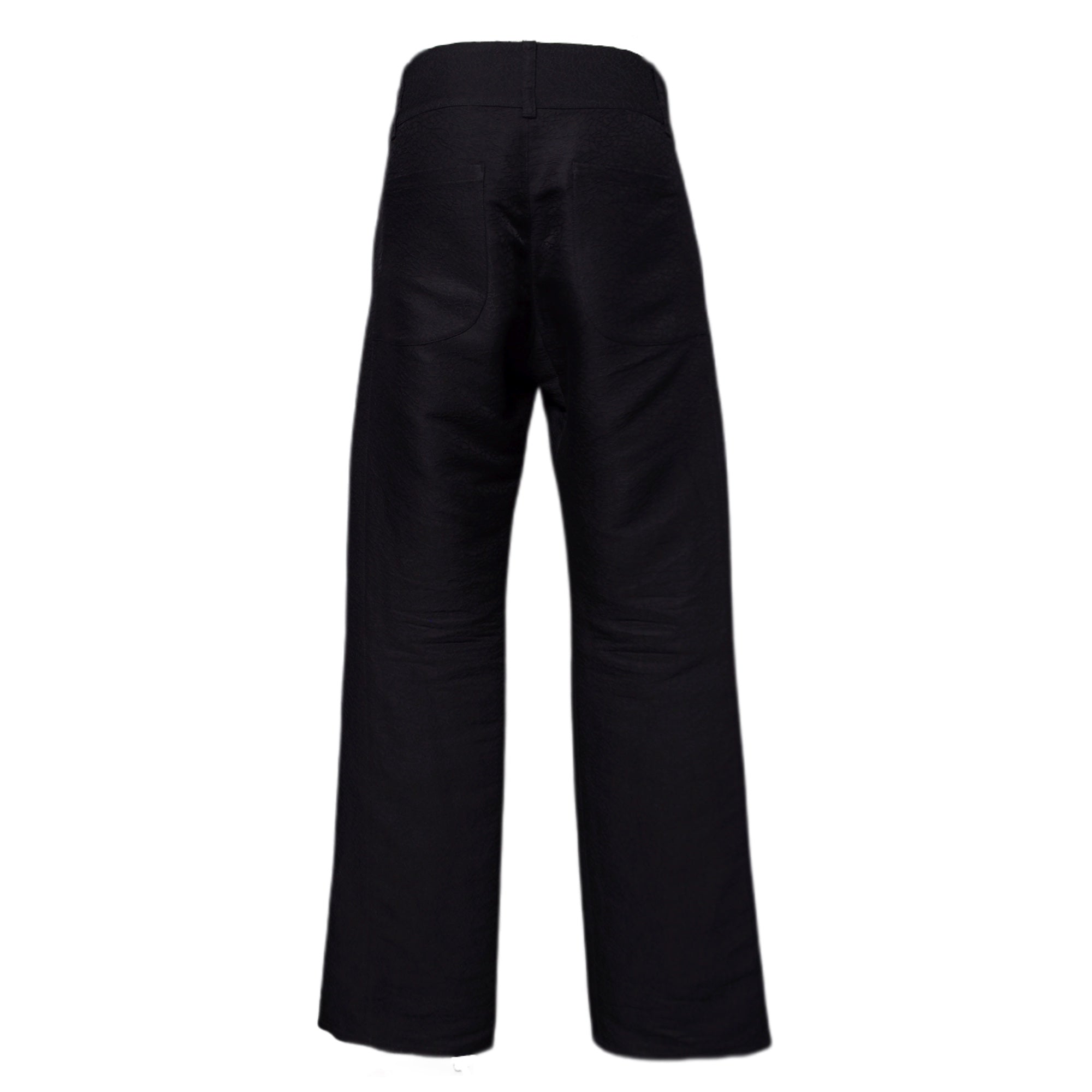
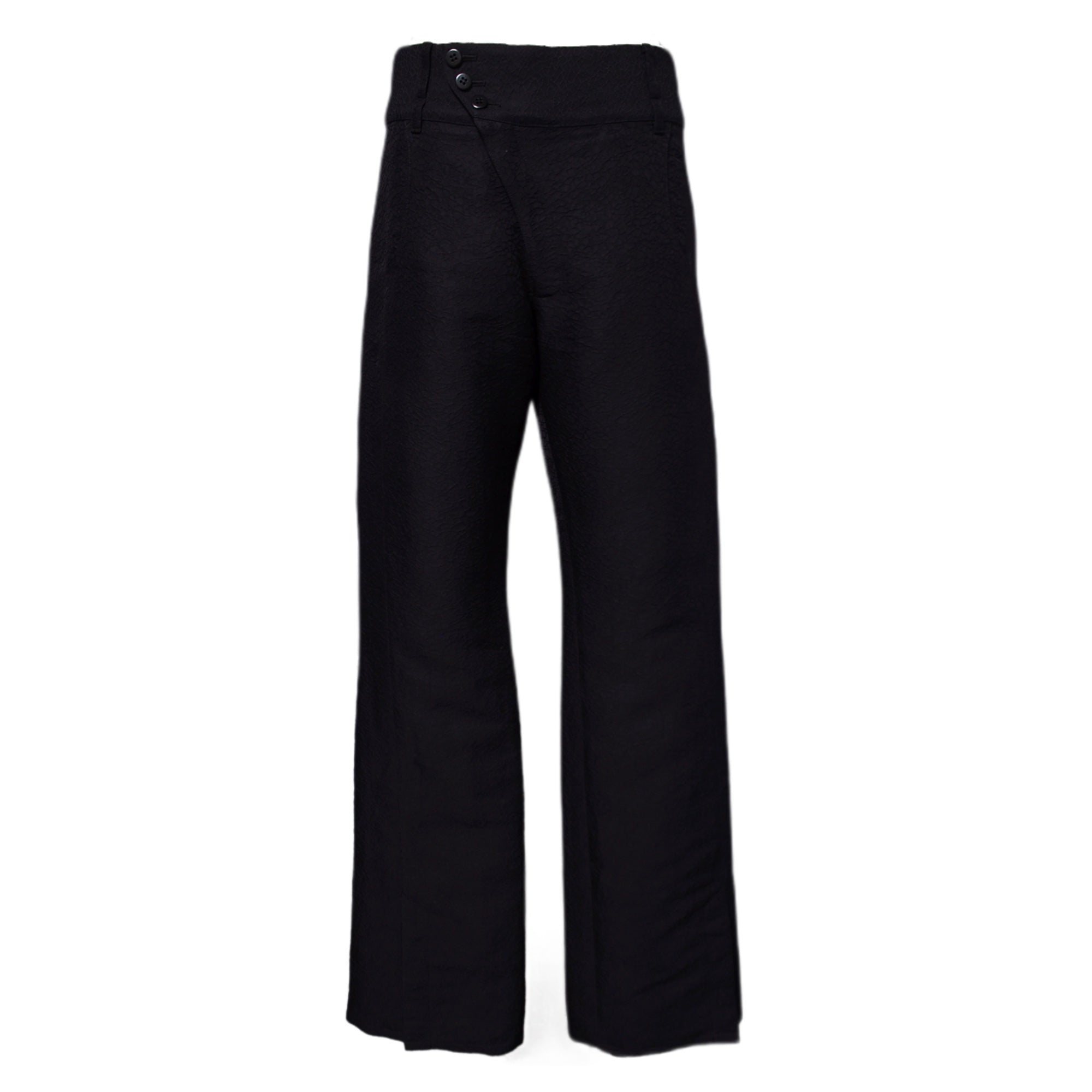
Pantaloni con taglio di avvio hiware
الوصف
التفاصيل
SIZE
MATERIAL
حِرَفِيّ
كوجي
تحذير
Scegli le opzioni


Pantaloni con taglio di avvio hiware
Prezzo scontatoDhs. 3,484.00
Paese/Area geografica
Lingua
Carrello
Il tuo carrello è vuoto


يتميز بنطال N 1182 بوجود سحّاب، ذي تصميم ياباني فريد مستوحى من الثقافة التاريخية المتعلقة بـ "حمل السيف الياباني". وقد صُمم بحيث يتركز ثقله على الجانب الأيمن، إذ يُوضع السيف الياباني عادةً على الجانب الأيسر من الوركين.
هيware
يُستخدم عدم انتظام ارتفاع خيوط السداة واللحمة لإضفاء تفاوت في نمط القماش الأساسي. ويمنح هذا التفاوت القماش لمعانًا يتغير حسب زاوية سقوط الضوء الطبيعي عليه.
SIZE
【S】
الخصر:74 / الورك:94 / ارتفاع الخصر:27 / طول الساق الداخلي:82 / محيط الفخذ:29 / عرض الركبة:19.5 / عرض الحافة:22.5
【M】
الخصر:77 / الورك:97 / ارتفاع الخصر:27.5 / طول الساق الداخلي:83 / محيط الفخذ:30 / عرض الركبة:20.5 / عرض الحافة:23.5
【L】
الخصر:80 / الورك:100 / ارتفاع الخصر:28 / طول الساق الداخلي:84 / محيط الفخذ:31 / عرض الركبة:21.5 / عرض الحافة:24.5
MATERIAL
الحرير
N'S 1182
"Pleasure in revolution of tradition"
In this age of continuous technological development, a wide variety of materials, machines, and AI have been created.
However, in our region, craftsmen are still making things today using traditional techniques, preserving the beauty of their craftsmanship.
In this brand, we believe that the beauty and warmth of analog objects can only be created by human beings, and we will continue to transmit this belief.
We are working to grow a brand that can share new values with everyone.
ARTISAN STORY
N's 1182 / Yusuke Maeda
Coexistence of opposing factors; elegant and aggressive.
The design concept, which breaks with traditional compositions and molds, is created through a fusion of all modern cultures and traditional craftsmanship. By creating textures that resemble sculptures, we create textiles based on the philosophy of "going beyond the category of materials".
NISHIJIN ORI / NISHIJIN SILK TEXTILES
About 1,200 years ago / 800s / Heian Period (794–1185)
Nishijin textiles trace their technical roots to the Oribe-no-tsukasa, a Heian-period government workshop that produced luxury cloth for the court. Weavers scattered during the Onin War but later returned to the area around the former western army camp—nishi-jin—giving the district its enduring name. In the Meiji period, European Jacquard technology was actively introduced.
In Japan, Nishijin represents some of the country’s most prestigious silk weaving, especially obi and Noh costumes. Because designs are woven from pre-dyed yarn rather than printed afterward, colors can have extraordinary depth. Today the skills also appear in ties, bags, interiors and collaborations with fashion brands.
“Nishijin” was not originally an ancient place-name; it literally refers to the “western camp” of the Onin War. Production is also profoundly distributed: design, pattern preparation, twisting, dyeing and weaving may involve more than twenty specialized stages across the neighborhood. The city district itself functions like a single enormous workshop.
الاختلافات الفردية
نظرًا لأن كل قطعة تُصنع يدويًا بشكل مستقل، فقد تطرأ اختلافات طفيفة في اللون والنمط والشكل والملمس. وتُعد هذه الاختلافات الدقيقة من الخصائص الطبيعية للأعمال اليدوية، ما يجعل كل قطعة فريدة من نوعها حقًا. نأمل أن تستمتعوا بهذه الاختلافات الفردية كجزء من جمال الحرفية اليابانية وطابعها المميز.
مدة الإنتاج
إذا لم تكن القطعة متوفرة في المخزون حاليًا، فقد يقوم الحرفي بصنعها حسب الطلب. ونظرًا إلى أن كل قطعة تُصنع يدويًا بعناية، فقد يستغرق الإنتاج عدة أشهر، وذلك حسب القطعة والجدول الزمني للحرفي. نقدر صبركم وتفهمكم.

Scegli le opzioni