Set di vetro di sake
الوصف
التفاصيل
SIZE
MATERIAL
حِرَفِيّ
كوجي
تحذير
Set di vetro di sake
Prezzo scontatoDhs. 1,536.00
Scegli le opzioni
Set di vetro di sake
Prezzo scontatoDhs. 1,536.00
Paese/Area geografica
Lingua
Carrello
Il tuo carrello è vuoto
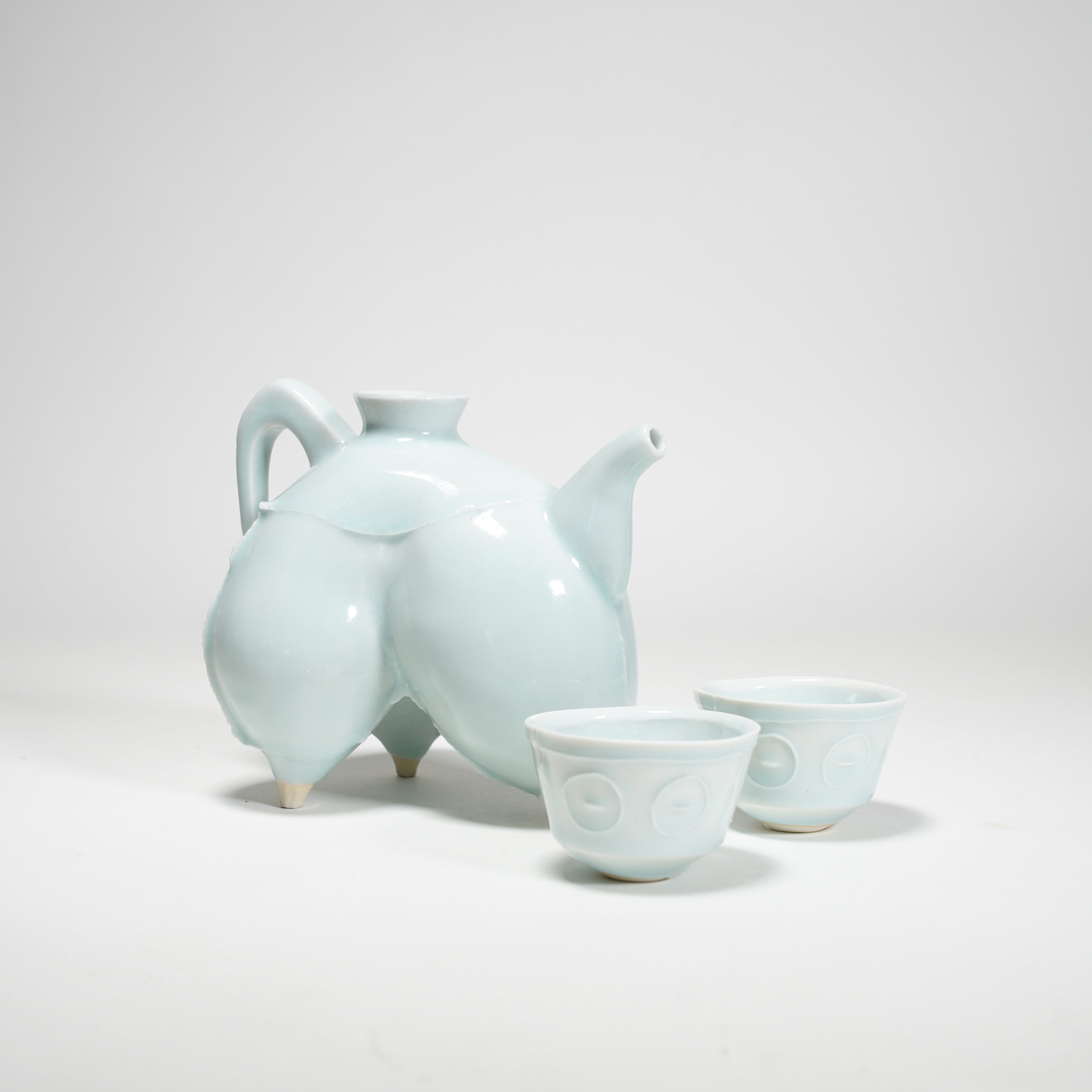
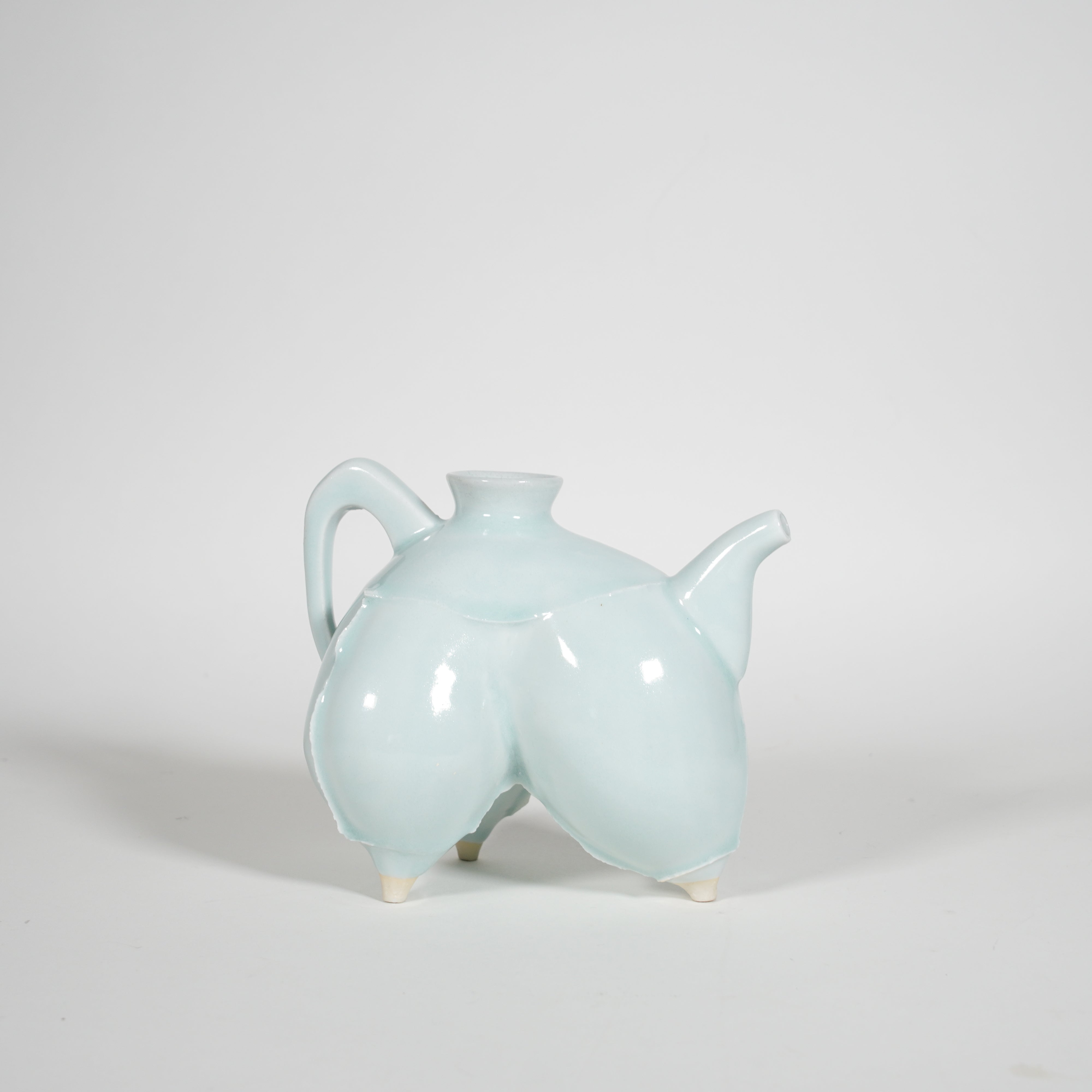
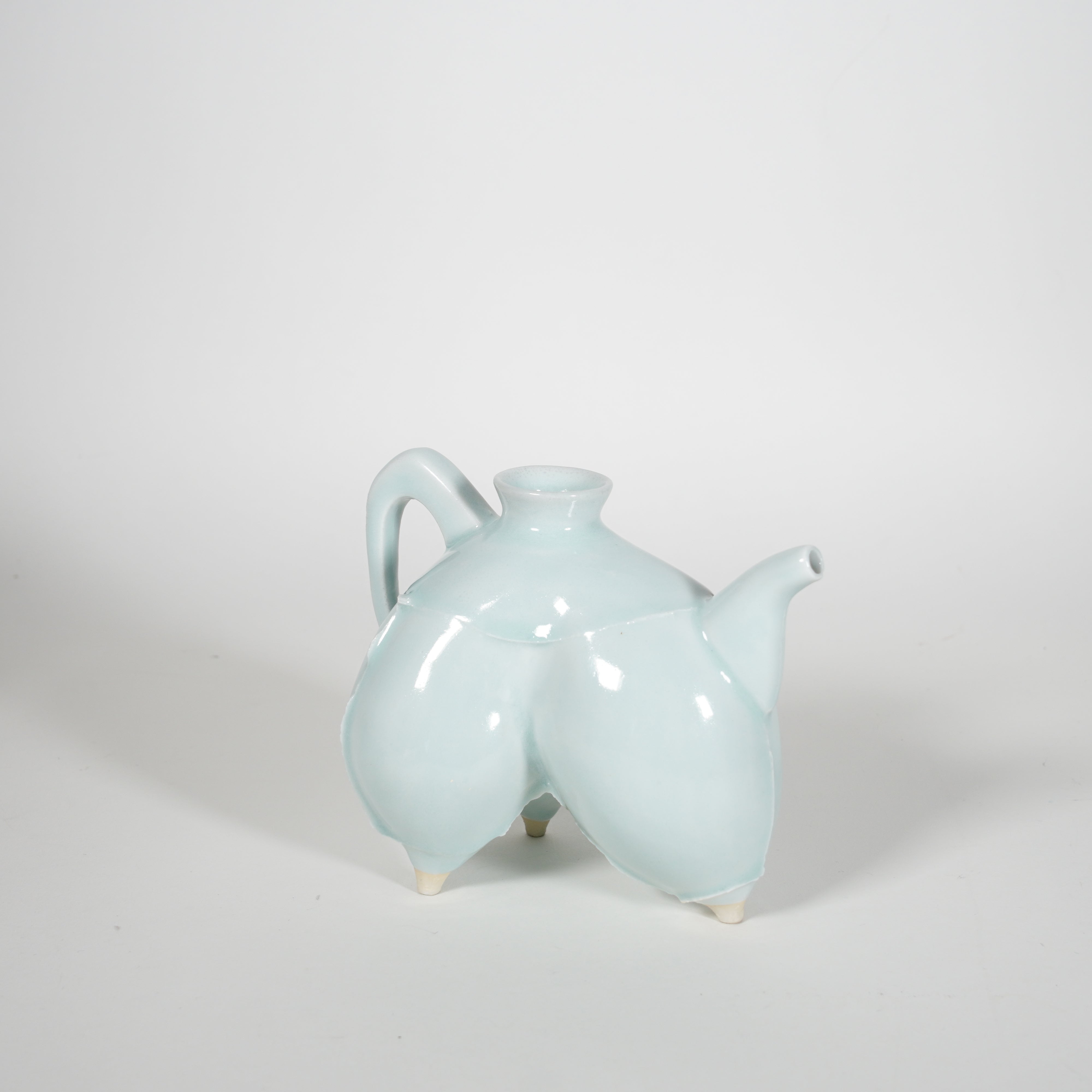
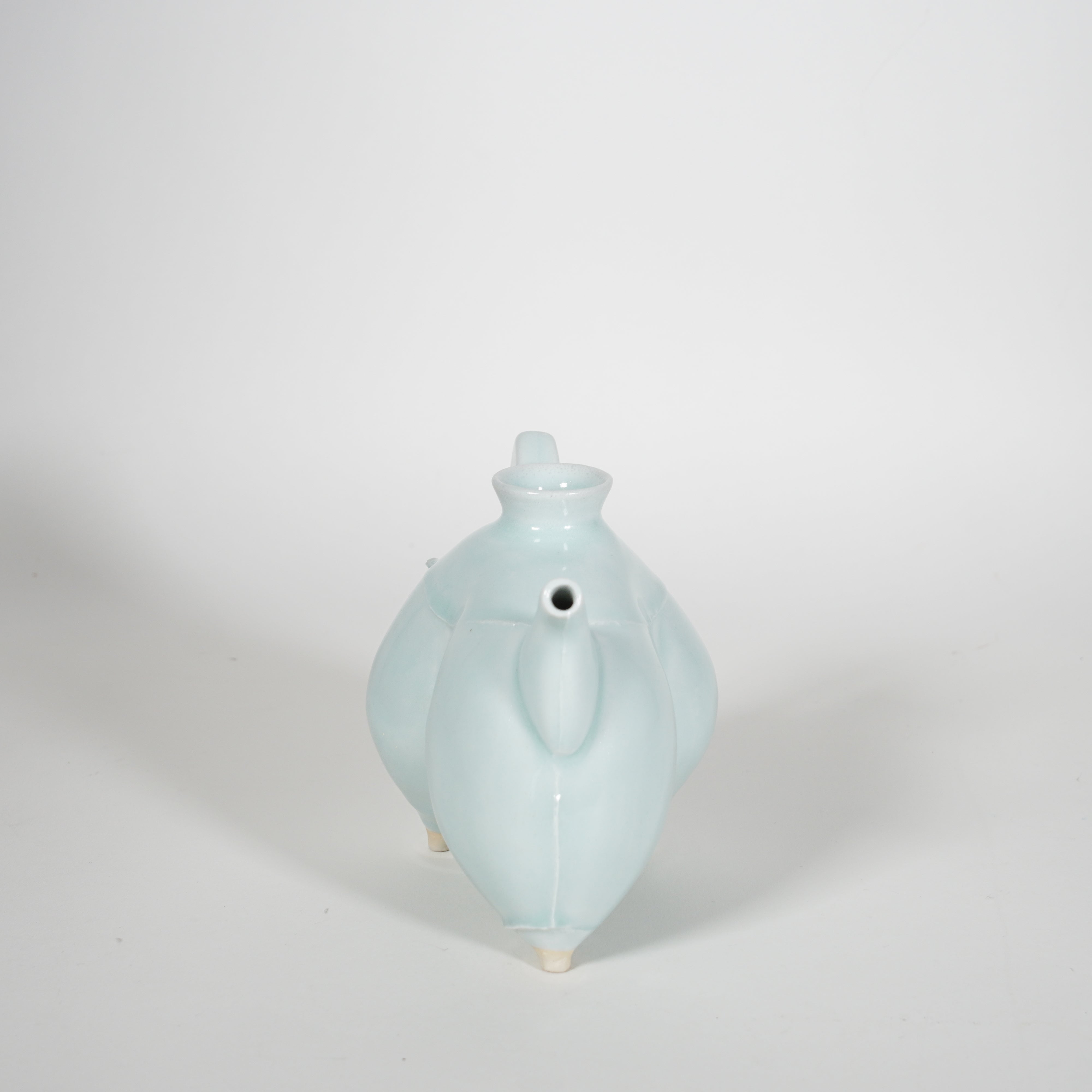
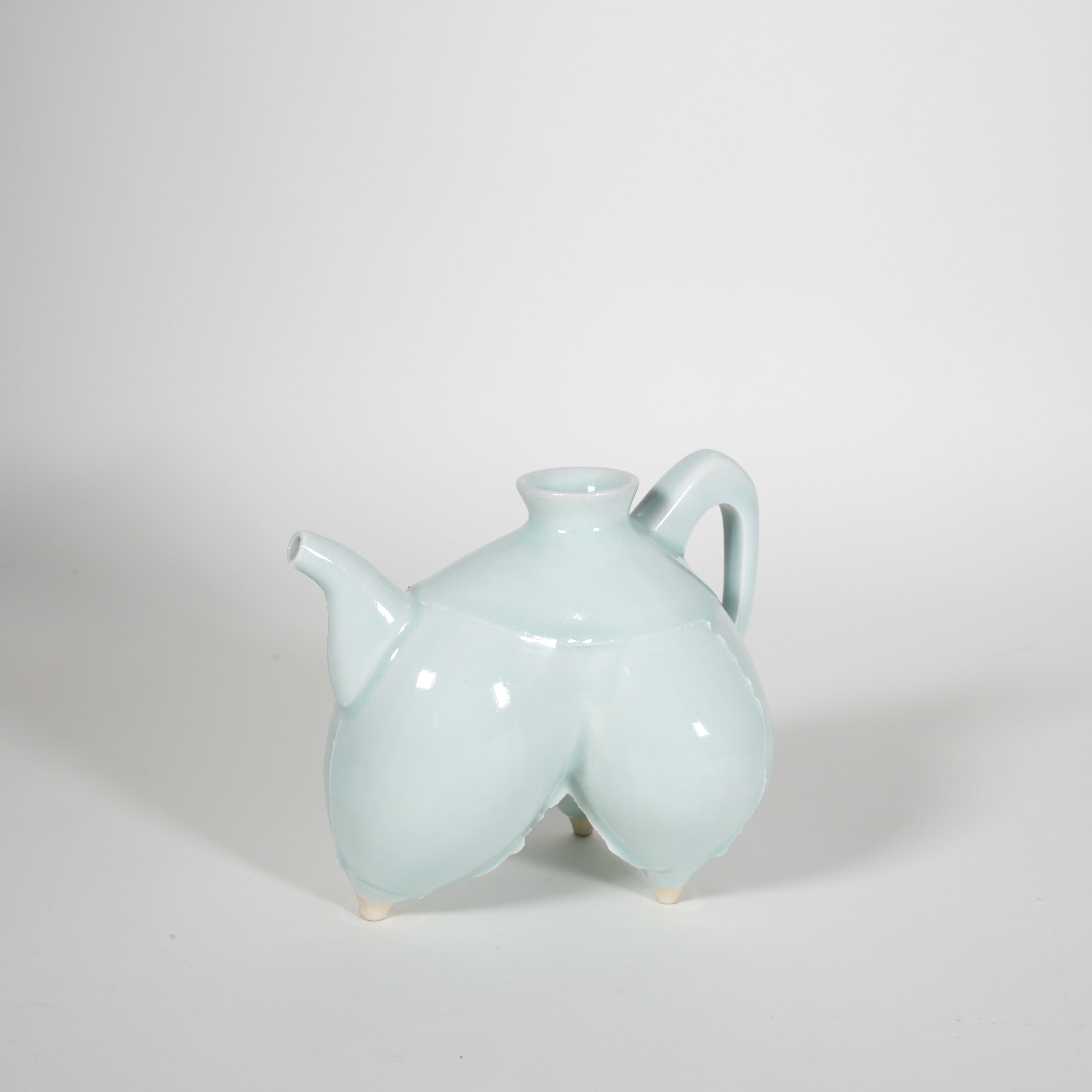
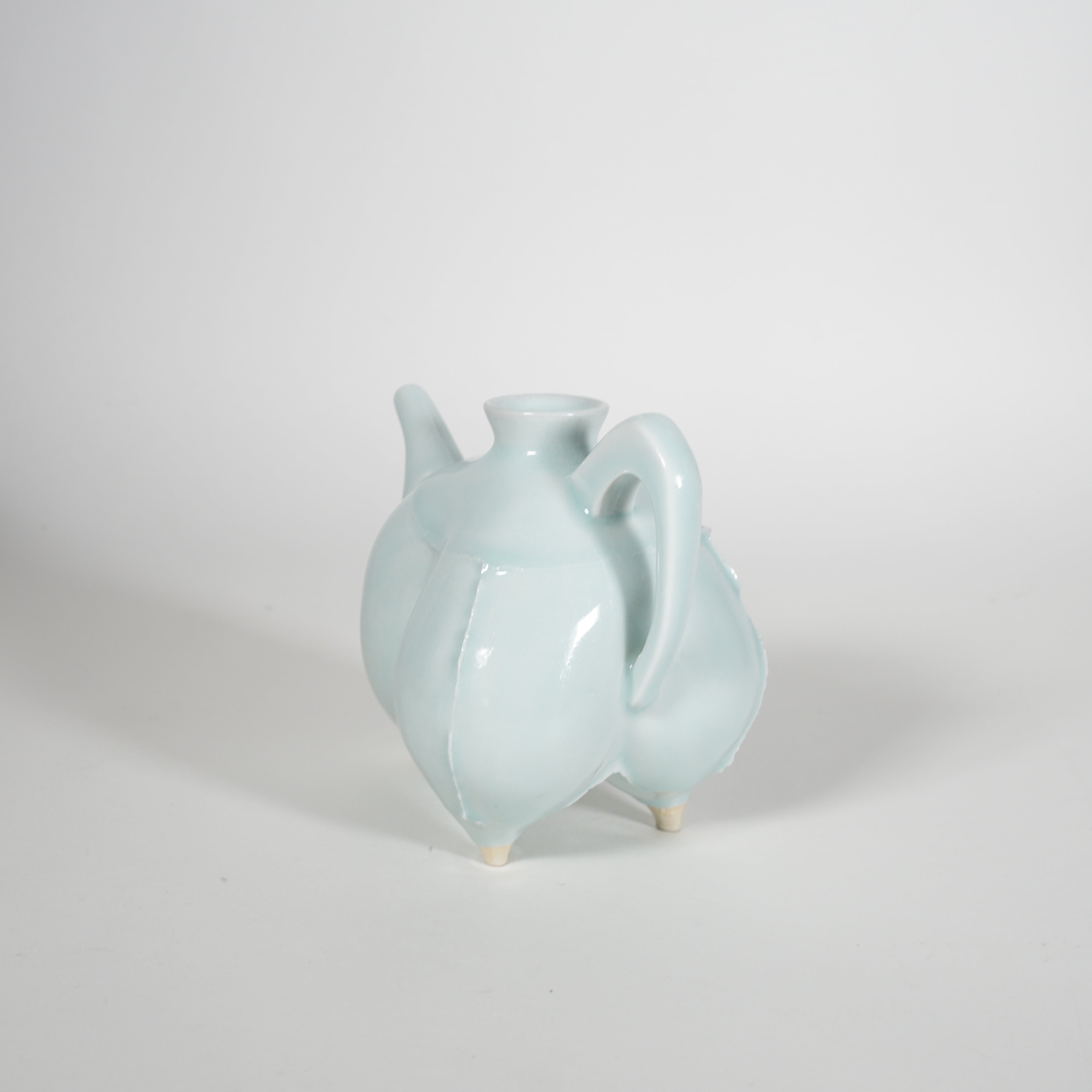
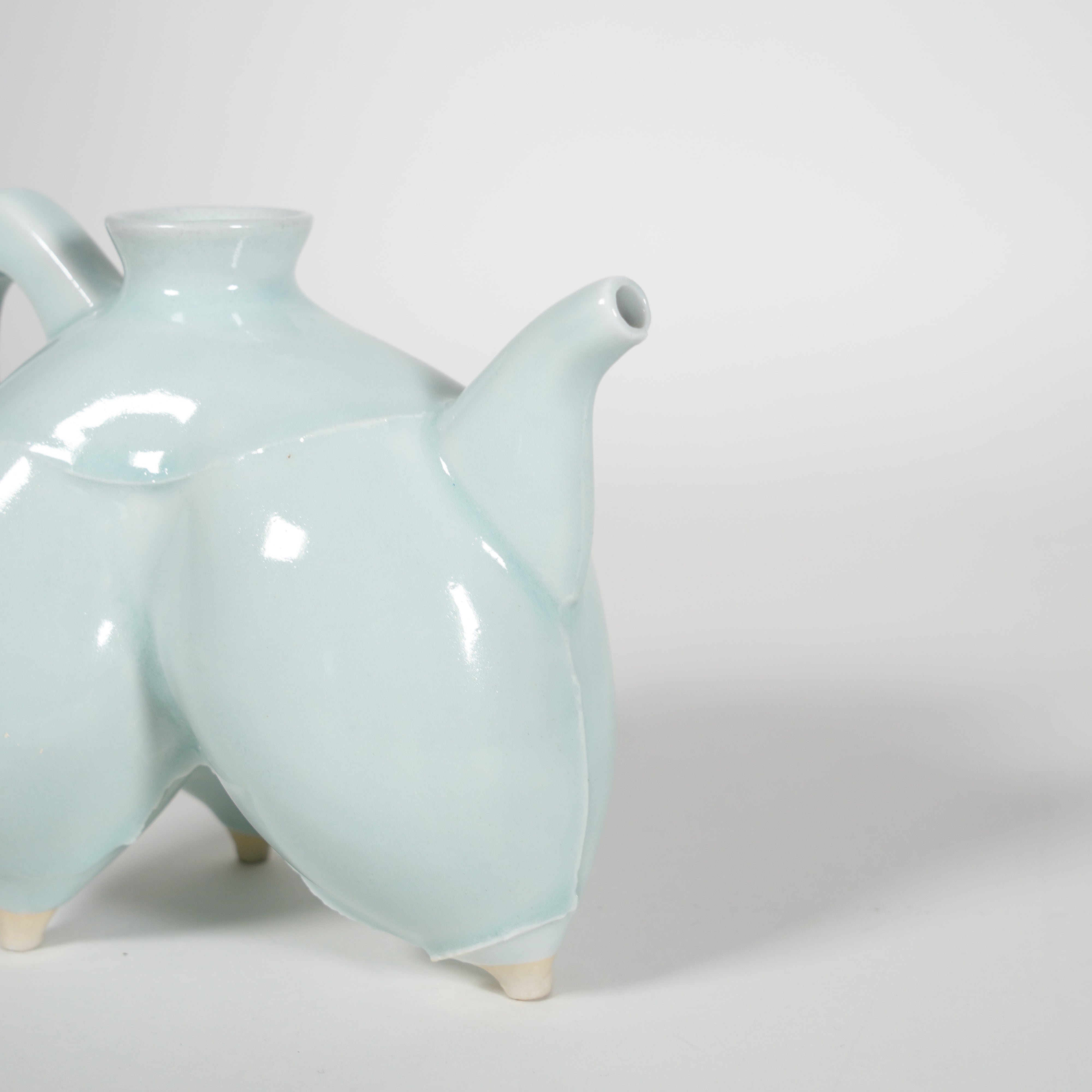
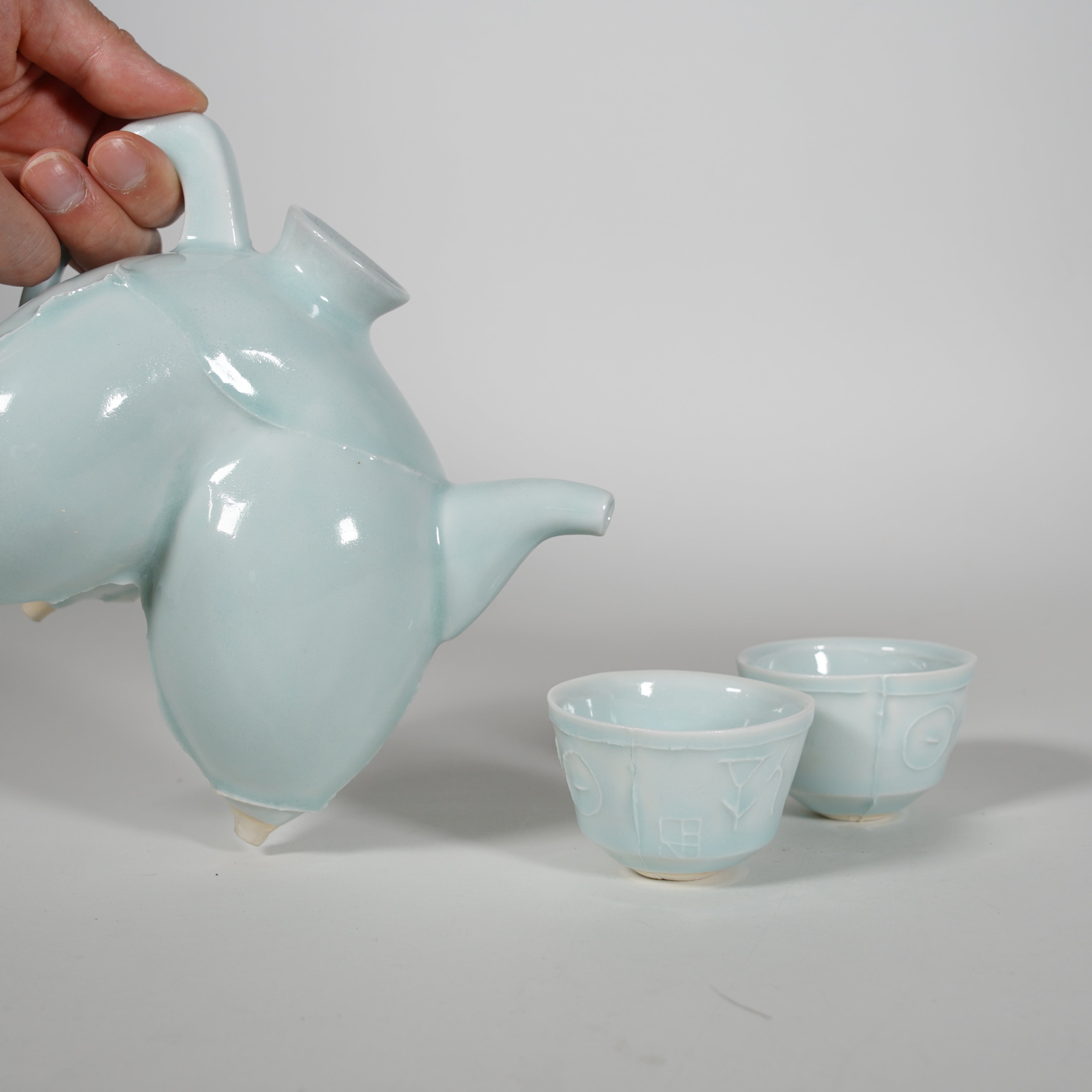
إنه إناء للشرب مصنوع على غرار الفخار الذي كان موجودًا منذ نحو 3000 عام.
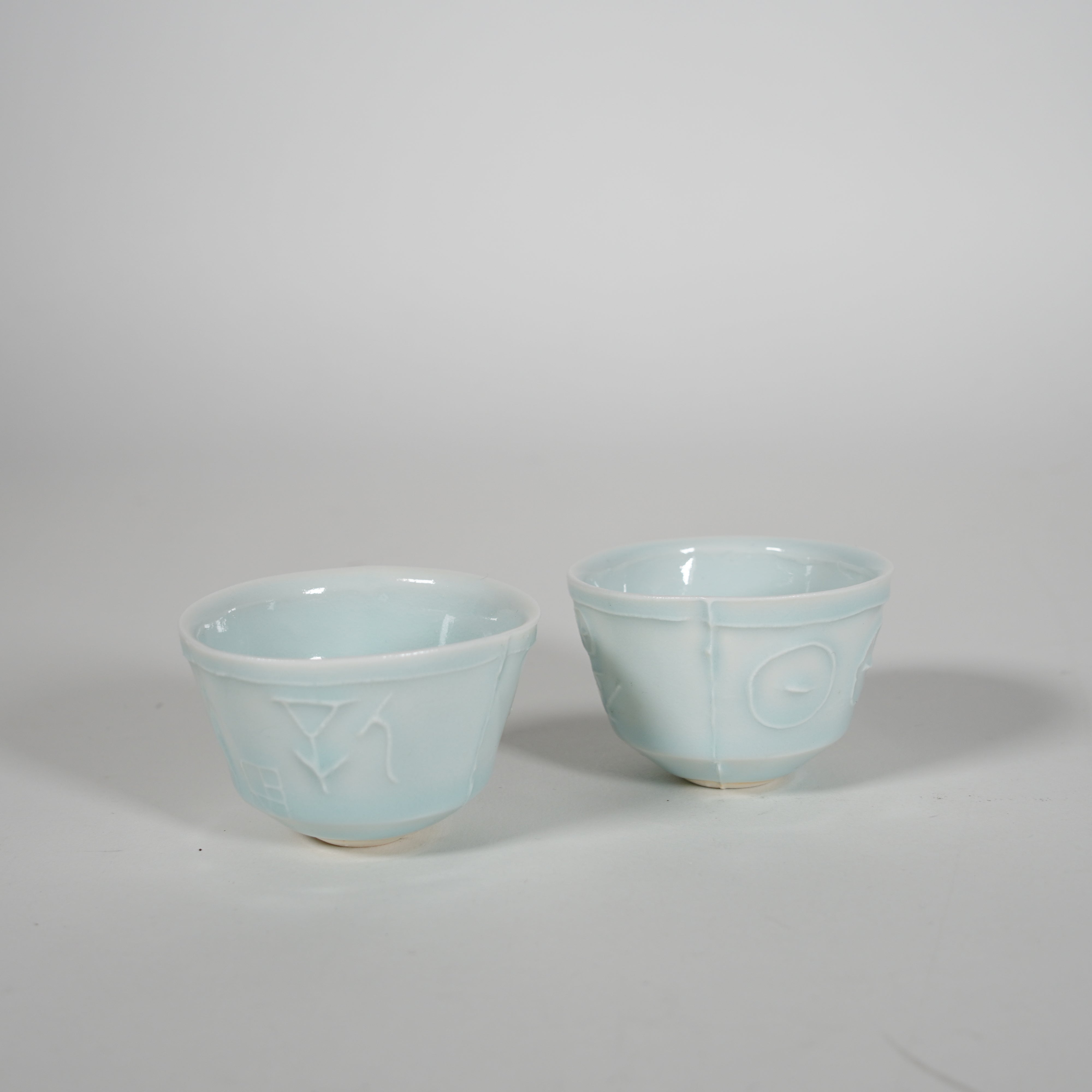
يُطلق عليه اسم «كا»، وأبرز ما يميزه أنه مزوّد بثلاثة أرجل متصلة بجزء يشبه النصف السفلي من جسم الإنسان. ويُستخدم لتدفئة الساكي الموجود بداخله. ويُباع كمجموعة مع كوبي ساكي. ونظرًا لندرة كوب الساكي هذا، فسيكون من الصعب جدًا العثور عليه بسهولة حتى لو بحثت في جميع أنحاء العالم. ويُعد هذا أحد المنتجات التي ابتكرها بنفسه من خلال استكشاف تاريخ بلدان مختلفة حول العالم. استمتع بوقت شربك مع أكواب الساكي الرائعة هذه.
SIZE
العرض:16.5 سم
العمق:12 سم
الارتفاع:15 سم
الوزن:565 غ
MATERIAL
طين
MITSURU YOSHIKAWA
ARTISAN STORY
Mitsuru Yoshikawa
A Kyoto ceramic artist with more than 40 years of experience. Fascinated by ancient Chinese bronzes, he has continued to create generous, sculptural forms across both earthenware and stoneware. He is especially particular about the 'feet' of his vessels, having created more than 100 original molds, a collection that continues to grow.
ACHIEVEMENTS
・Received the Kyoto Prefecture Traditional Industry Excellent Technician Award
KYO WARE & KIYOMIZU WARE
About 1,200 years ago / 800s / Heian Period (794–1185)
Kyoto ceramics reach back to kilns operating before and during the Heian period, then expanded with tea culture in the Muromachi and Momoyama eras. In the seventeenth century, Nonomura Ninsei perfected brilliant overglaze decoration, followed by innovators such as Ogata Kenzan, Okuda Eisen and Aoki Mokubei, whose diverse approaches shaped today’s Kyo and Kiyomizu ware.
In Japan, these ceramics are famous precisely because there is no single fixed style. Tea bowls, kaiseki dishes and everyday tableware may use overglaze painting, blue-and-white decoration, gold, sancai-inspired color and many other techniques. The craft sits at the heart of Kyoto’s culture of pairing vessels with cuisine and tea.
The surprising point is that Kyoto was never defined by a single major clay deposit. Potters drew on materials such as Amakusa porcelain stone, techniques arriving from other regions, and the tastes of artists and patrons gathered in the capital. Freedom from one local material helped make Kyoto ceramics unusually hybrid and stylistically diverse.
الاختلافات الفردية
نظرًا لأن كل قطعة تُصنع يدويًا بشكل مستقل، فقد تطرأ اختلافات طفيفة في اللون والنمط والشكل والملمس. وتُعد هذه الاختلافات الدقيقة من الخصائص الطبيعية للأعمال اليدوية، ما يجعل كل قطعة فريدة من نوعها حقًا. نأمل أن تستمتعوا بهذه الاختلافات الفردية كجزء من جمال الحرفية اليابانية وطابعها المميز.
مدة الإنتاج
إذا لم يكن المنتج متوفرًا في المخزون حاليًا، فقد يقوم الحرفي بتصنيعه حسب الطلب. ونظرًا إلى أن كل قطعة تُصنع يدويًا بعناية، فقد يستغرق الإنتاج عدة أشهر، وذلك حسب المنتج وجدول الحرفي. نقدر صبركم وتفهمكم.
Scegli le opzioni