Senshu asciugamano coperta
DESCRIPTION
DETAILS
SIZE
MATERIAL
ARTISAN
KOGEI
Caution
Scegli le opzioni


Senshu asciugamano coperta
Prezzo scontato$115.00
Paese/Area geografica
Lingua
Carrello
Il tuo carrello è vuoto


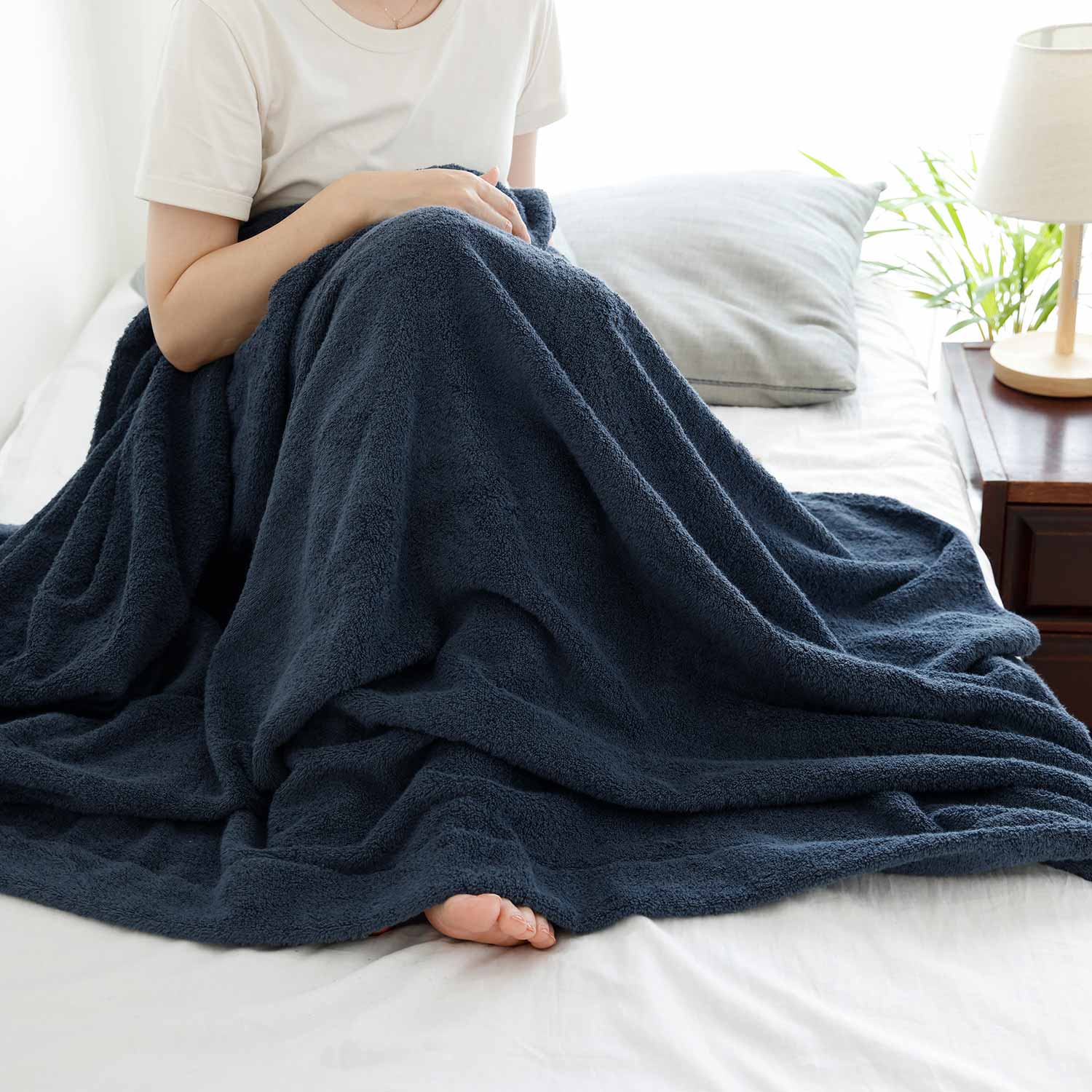
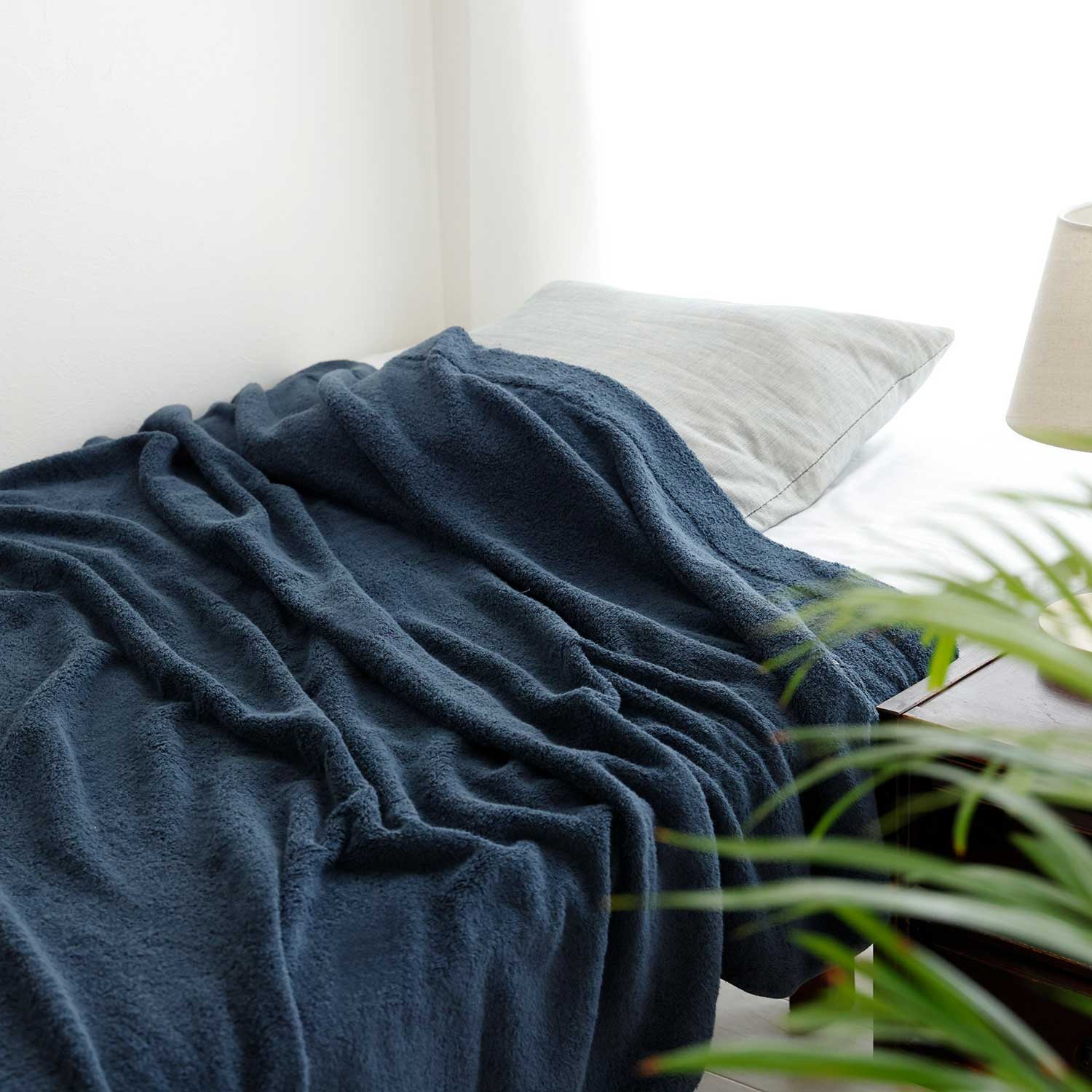
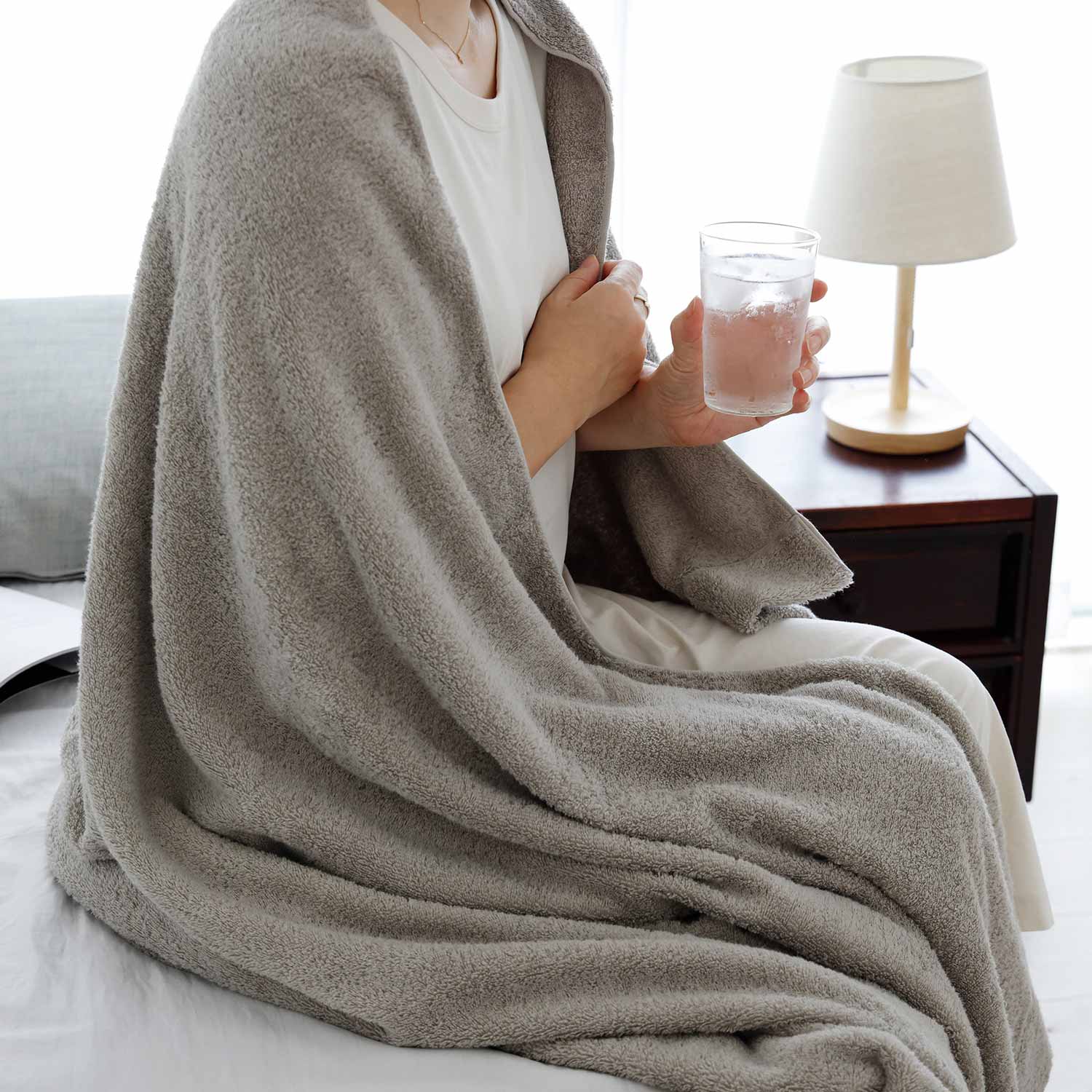
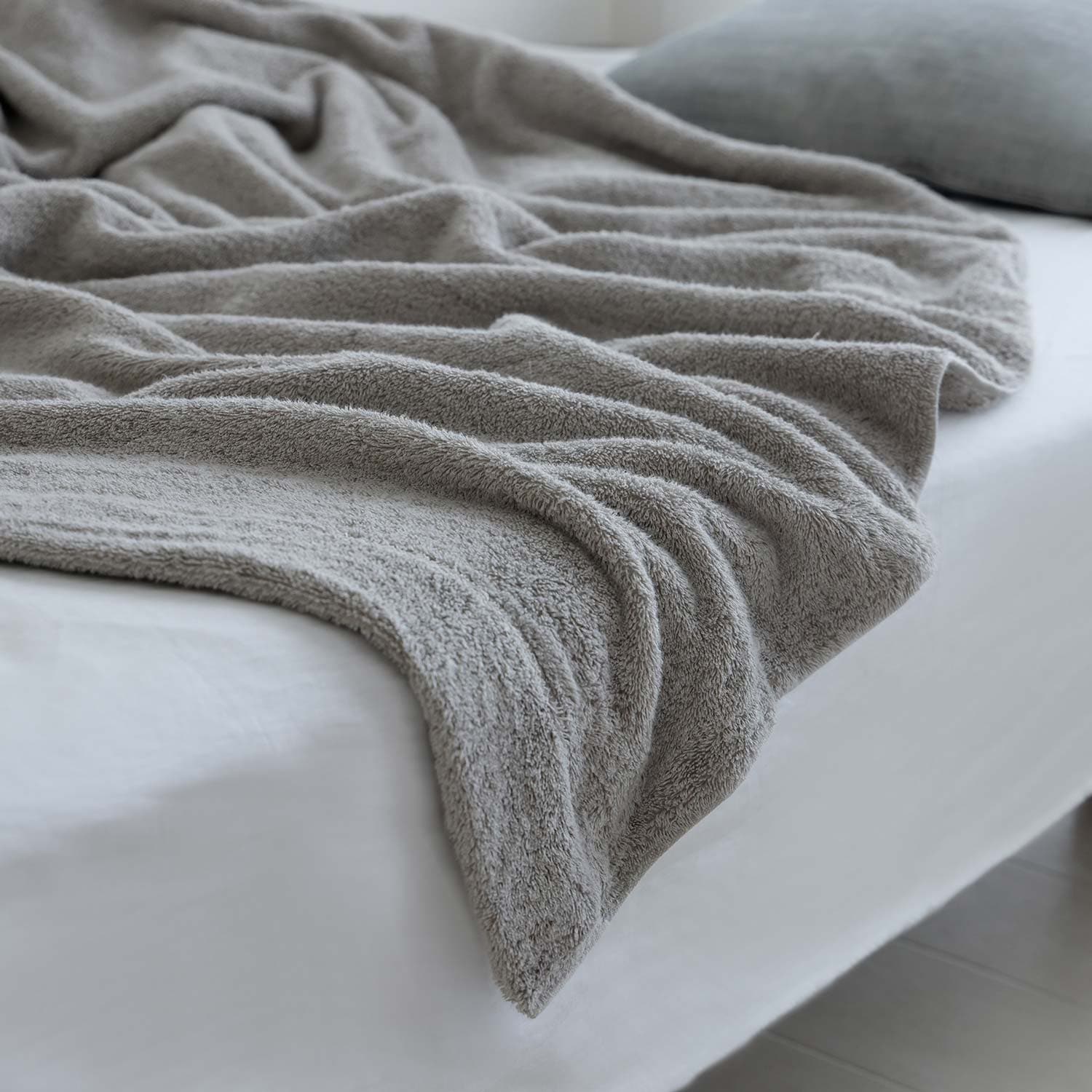
This blanket is full of volume.
Made with plenty of rich Japanese cotton yarns.
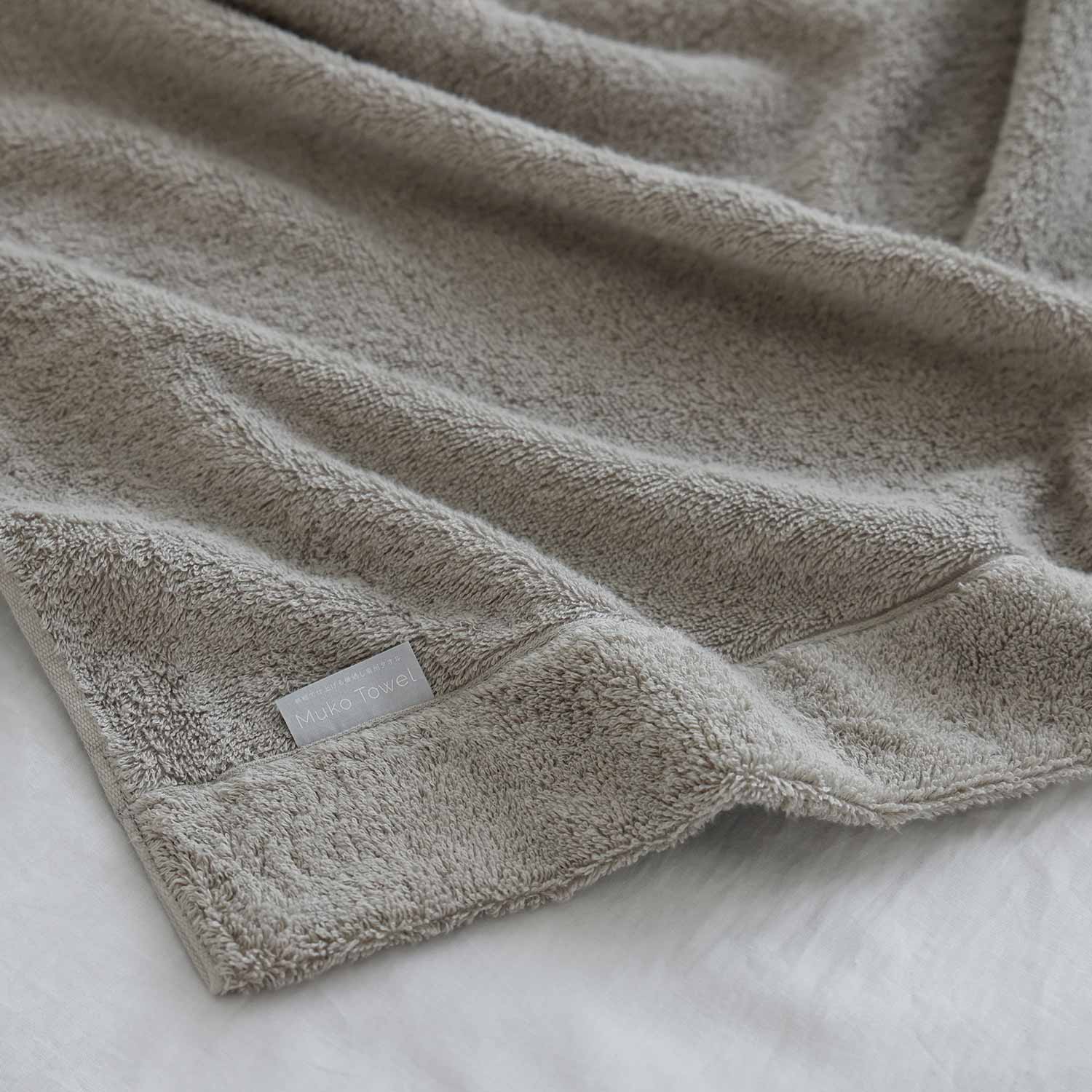
The weft yarn of the towel is tightly beaten and the pile (towel loop) is set longer, resulting in a voluminous toweling blanket.
The use of plenty of cotton yarn gives it a fluffy and smooth touch.
SIZE
Width : 136cm
Height : 190cm
Weight : 1000g
MATERIAL
Cotton
NITTA TOWEL
Natural Environmentally Friendly Towels
In the general towel manufacturing process, glue and other materials are used. However, the glue must be washed off at the end of the process. These materials end up in the wastewater.
However, Nitta Towel are made without using glue, and the glue does not get mixed in wastewater. In addition, the process of glue adhesion and permeation is eliminated, which significantly reduces the use of electricity and heat energy, thus contributing to CO2 emissions reduction.
Nitta Towel's towels are more voluminous, softer to the touch, and more environmentally friendly than ordinary towels.
ARTISAN STORY
Nitta Towel Ltd.
Nitta Towel Ltd. was founded over 70 years ago and has been making Senshu towels ever since.
Senshu towels were the first towels made in Japan with a history of over 130 years.
Nitta Towel uses a unique manufacturing process to produce such Senshu towels that are eco-friendly and pleasant to the touch.
SENSHU TOWEL / SENSHU TOWELS
About 140 years ago / 1880s / Meiji Period (1868–1912)
Senshu towels developed after Enjiro Satoi began Japan’s first full-scale towel weaving in the Sano area of Osaka around 1887. The region became known for ato-zarashi, a process in which starch and impurities are washed out after weaving, giving the finished towel immediate absorbency and cleanliness.
In Japan, Senshu towels are valued less for extravagant decoration than for practical performance—especially the fact that they absorb water well from the first use. They are common in homes, hotels and gifts, with modern production also exploring organic cotton, lightweight drying and other lifestyle needs.
Many textiles wash or prepare yarn before weaving, but Senshu’s defining step comes afterward. Starch needed for weaving is removed only once the cloth is complete, so a brand-new towel already feels soft and thirsty. A final washing process determines the core performance of the product.
Individual Differences
As each piece is individually handcrafted, slight variations in color, pattern, shape, and texture may occur. These subtle differences are a natural characteristic of handcrafted works, making each piece truly unique. We hope you will enjoy these individual variations as part of the beauty and character of Japanese craftsmanship.
Production Time
If an item is not currently in stock, it may be made to order by the artisan. As each piece is carefully handcrafted, production may take several months depending on the item and the artisan's schedule. We appreciate your patience and understanding.

Scegli le opzioni