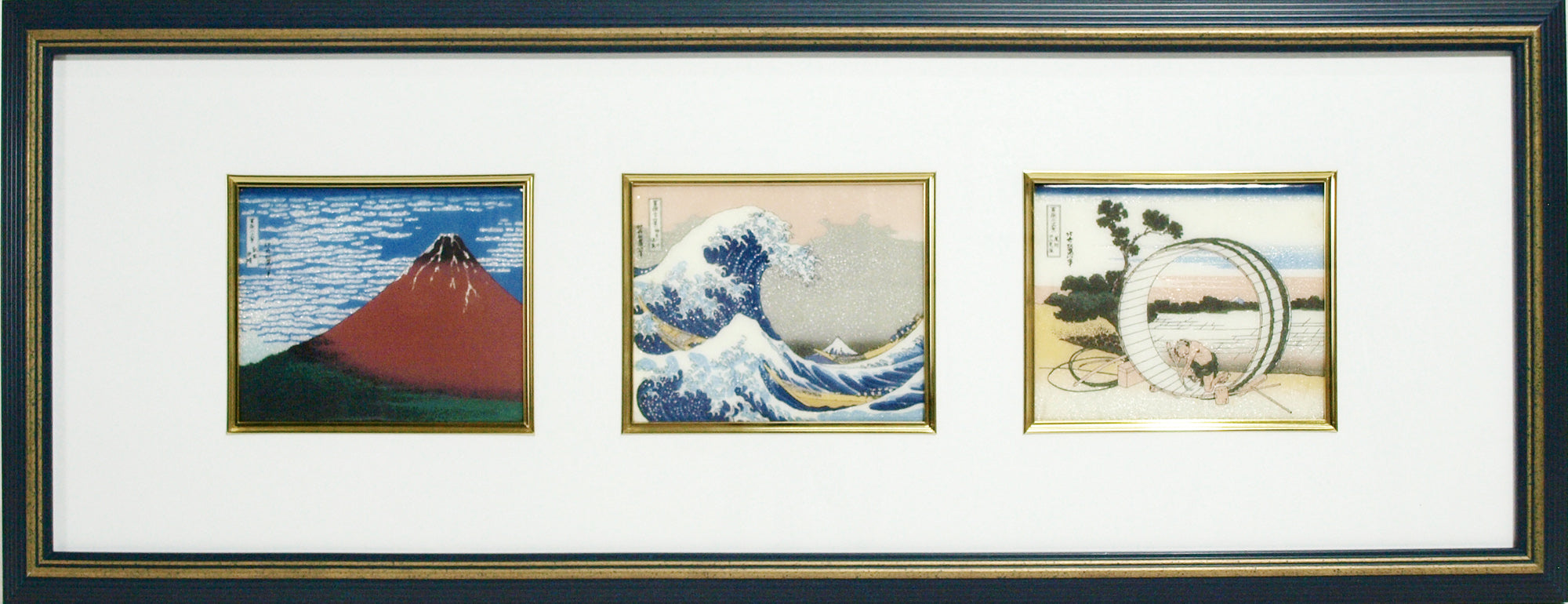
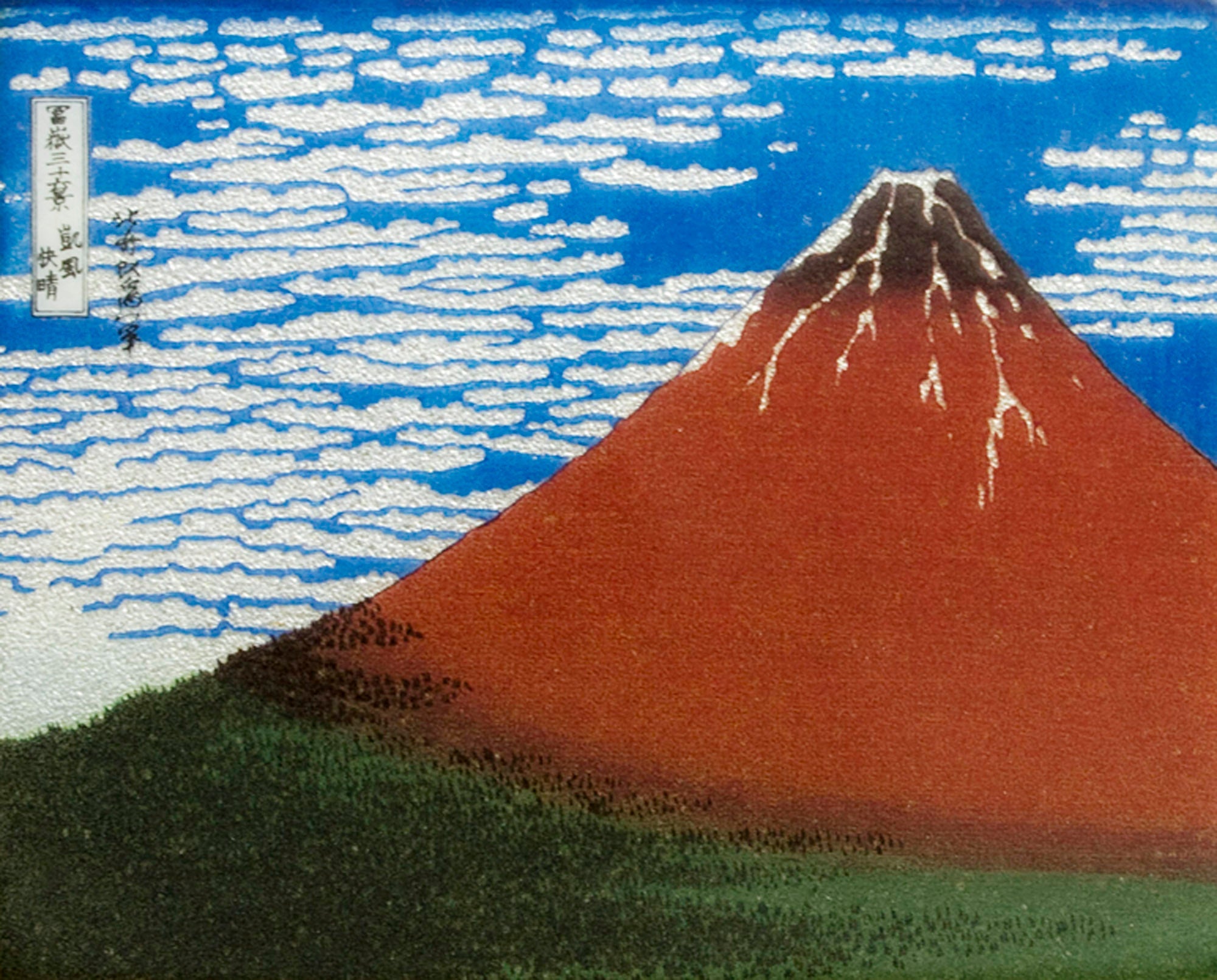
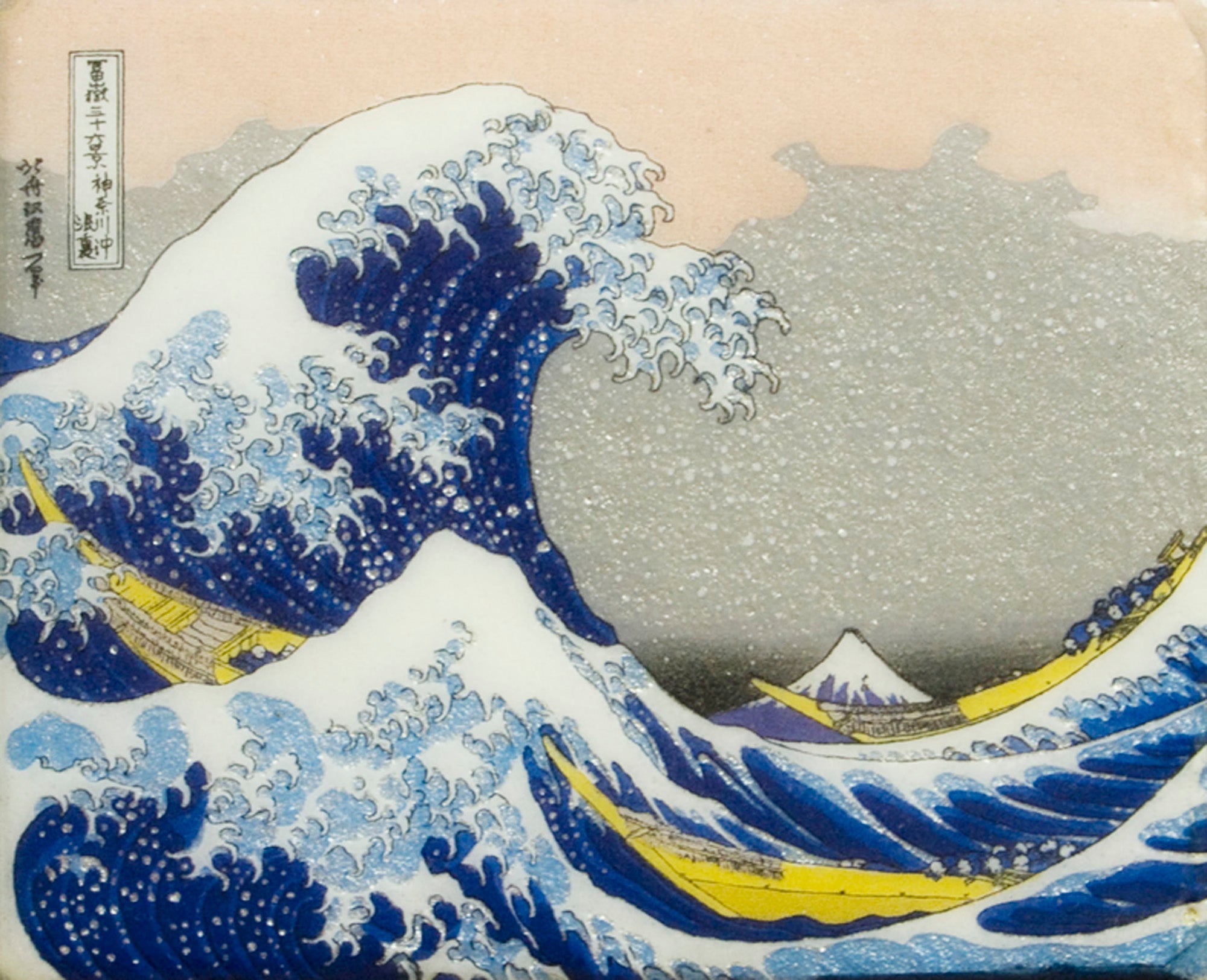
OWARI SHIPPO / OWARI CLOISONNE
About 190 years ago / 1830s / Late Edo Period
Owari cloisonne developed in the early nineteenth century after Kaji Tsunekichi studied imported enamel objects and succeeded in reproducing the process of firing glassy enamel onto metal. During the Meiji era, the Nagoya area became a major center, and highly precise wired cloisonne gained acclaim at international exhibitions.
In Japan, Owari enamel is strongly associated with the brilliant vases, plates and boxes of Meiji decorative art. Contemporary makers continue birds and flowers while applying the same skills to jewelry, watch faces and modern artworks.
Its origin is surprisingly close to reverse engineering. Tradition says Kaji Tsunekichi dismantled an existing foreign enamel object to understand how it had been made. From experimentation with a once-lost technique grew one of Japan’s most celebrated export crafts.