HIDA SHUNKEI NURI / HIDA LACQUERWARE
About 420 years ago / 1600s / Edo Period (1603–1868)
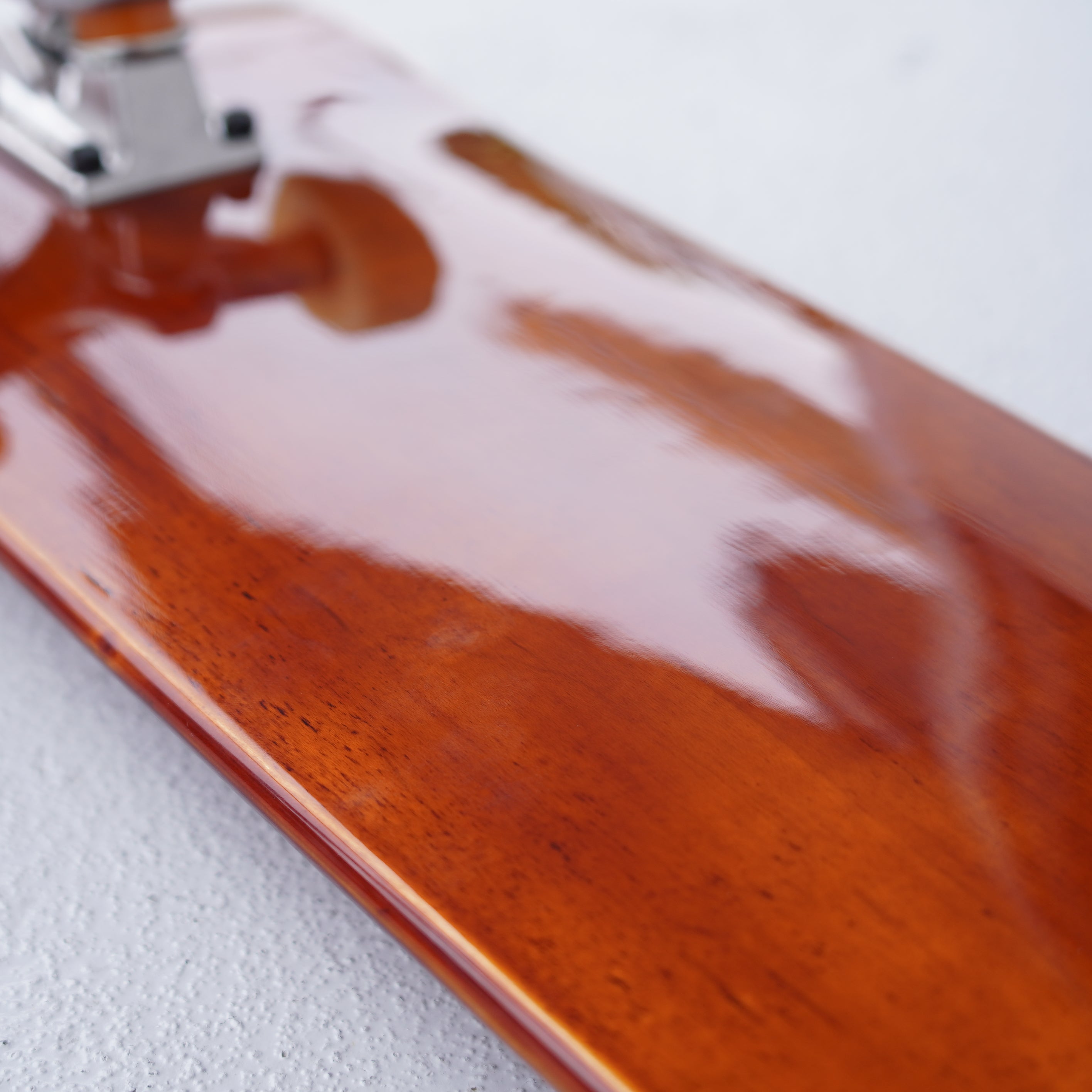
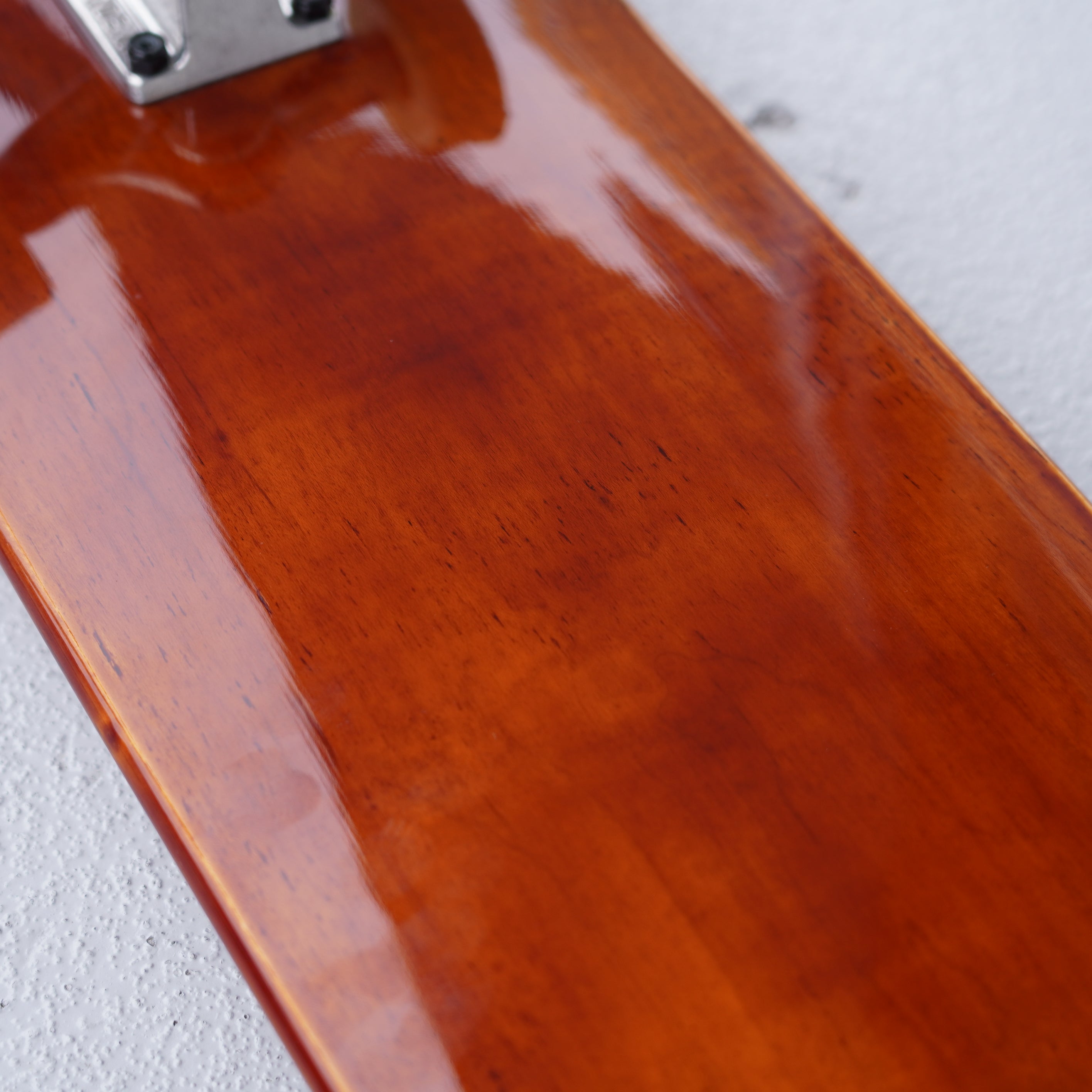
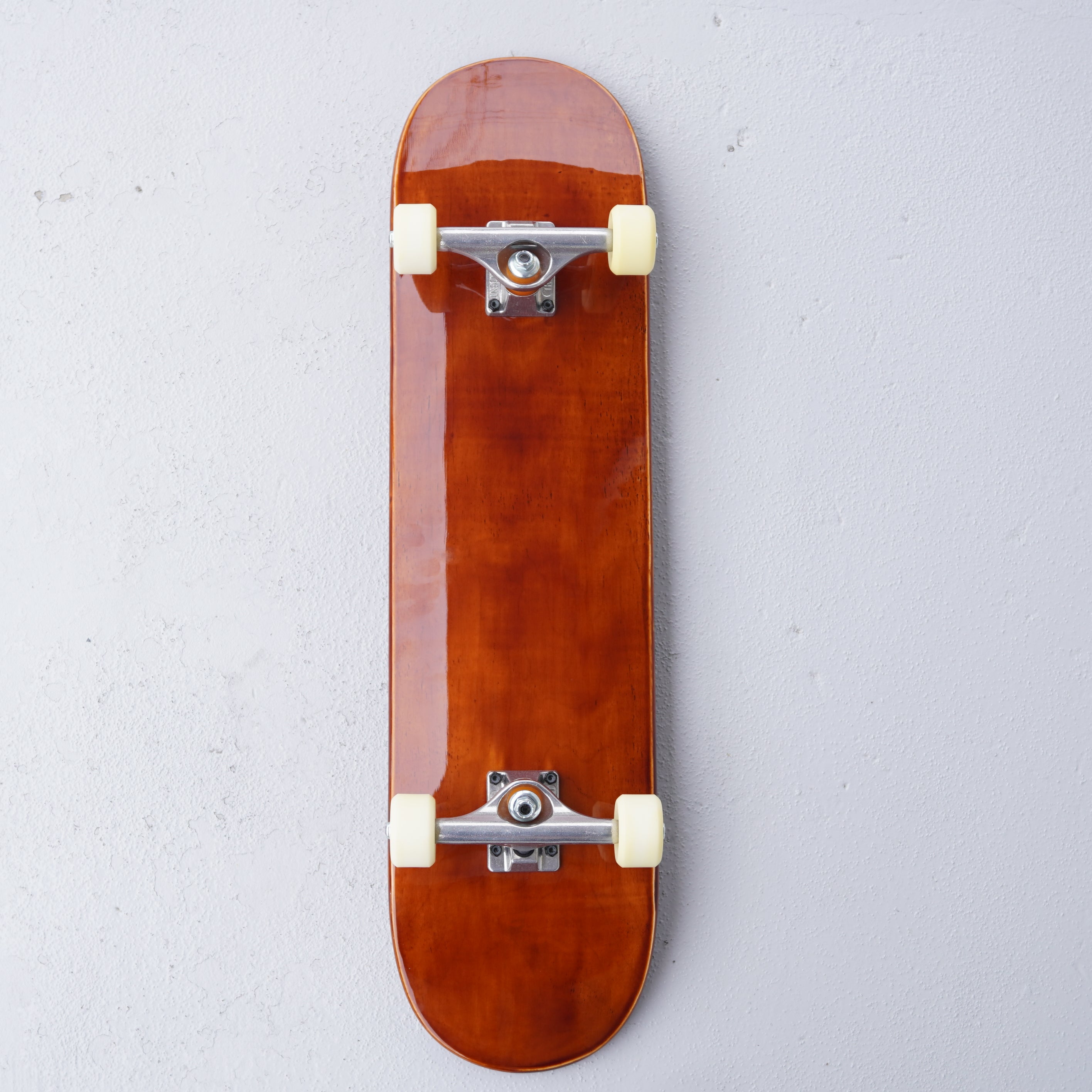
Hida Shunkei lacquerware is traditionally traced to early seventeenth-century Takayama, where makers developed a transparent lacquer finish that celebrated rather than concealed attractive wood grain. The wooden base is colored yellow or red and coated with translucent lacquer, creating the characteristic warm clarity.
In Japan, Hida Shunkei is familiar through trays, tiered boxes and sweet containers used in both daily life and tea culture. As the transparent lacquer ages it can become clearer and brighter, revealing the grain more strongly, so owners often enjoy the object changing over many years.
Most people imagine lacquer hiding wood beneath black or vermilion. Shunkei does the opposite: the grain is the main design. The maker selects and orients boards before finishing so the best natural pattern appears in the most visible place, while the clear lacquer acts almost like a lens over the timber.