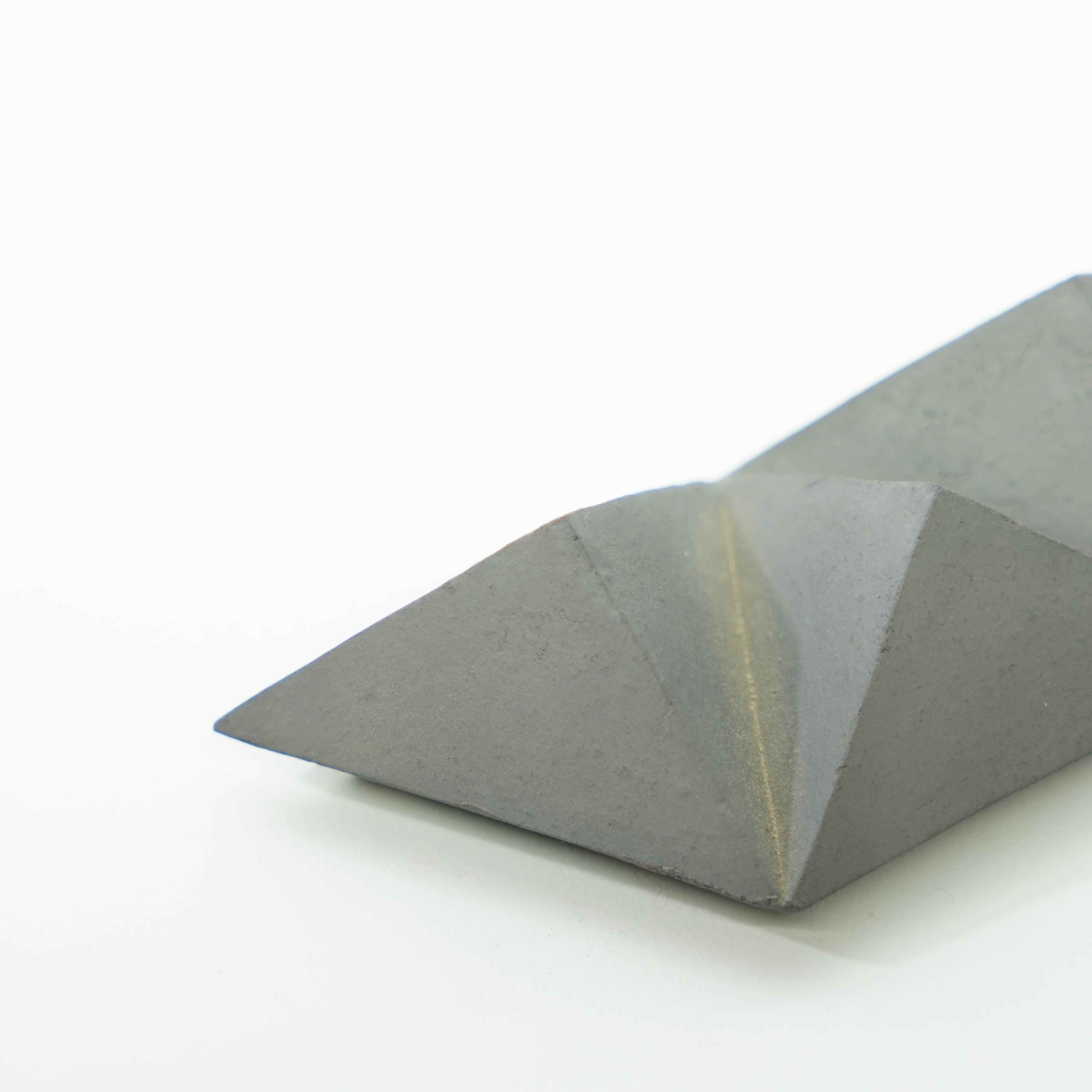
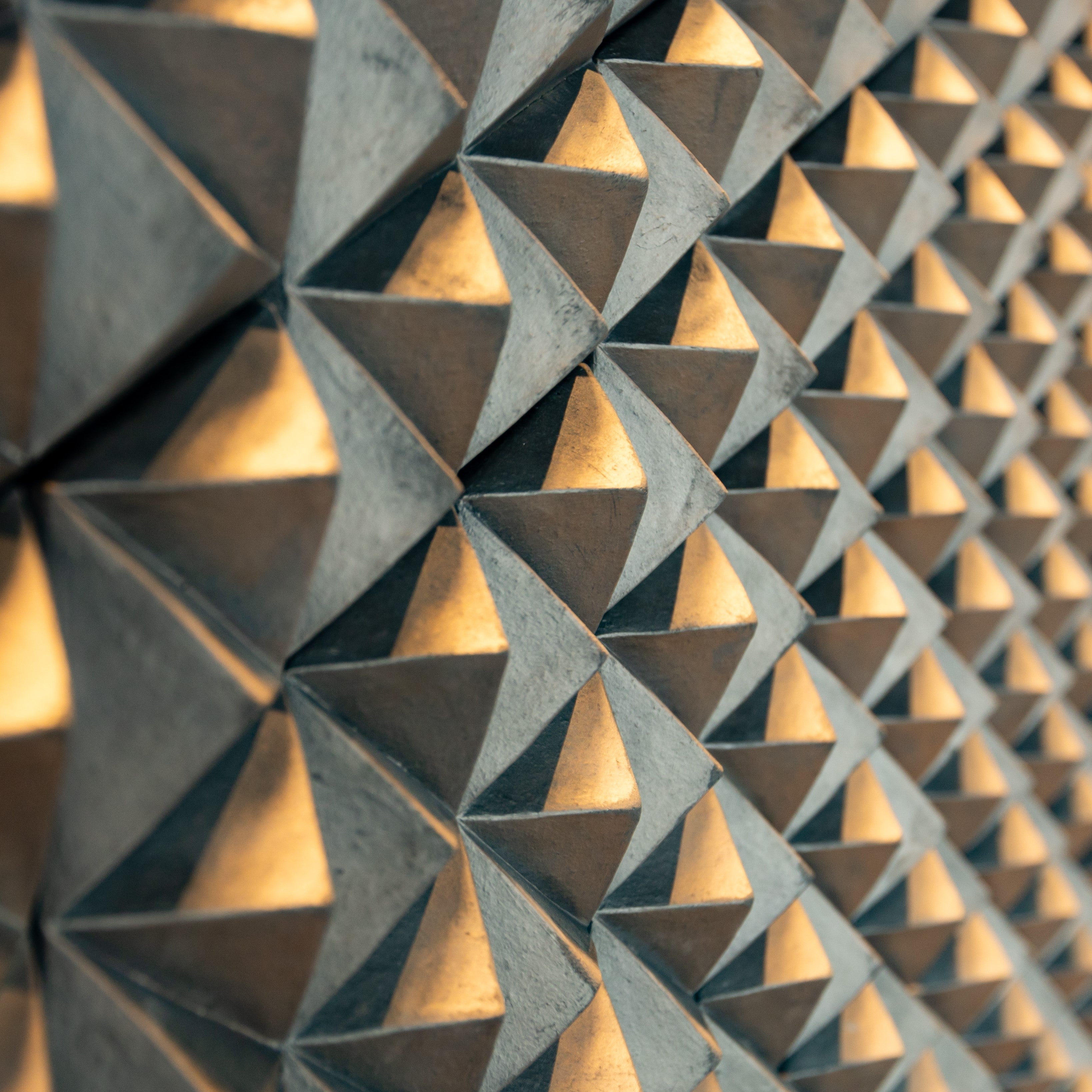
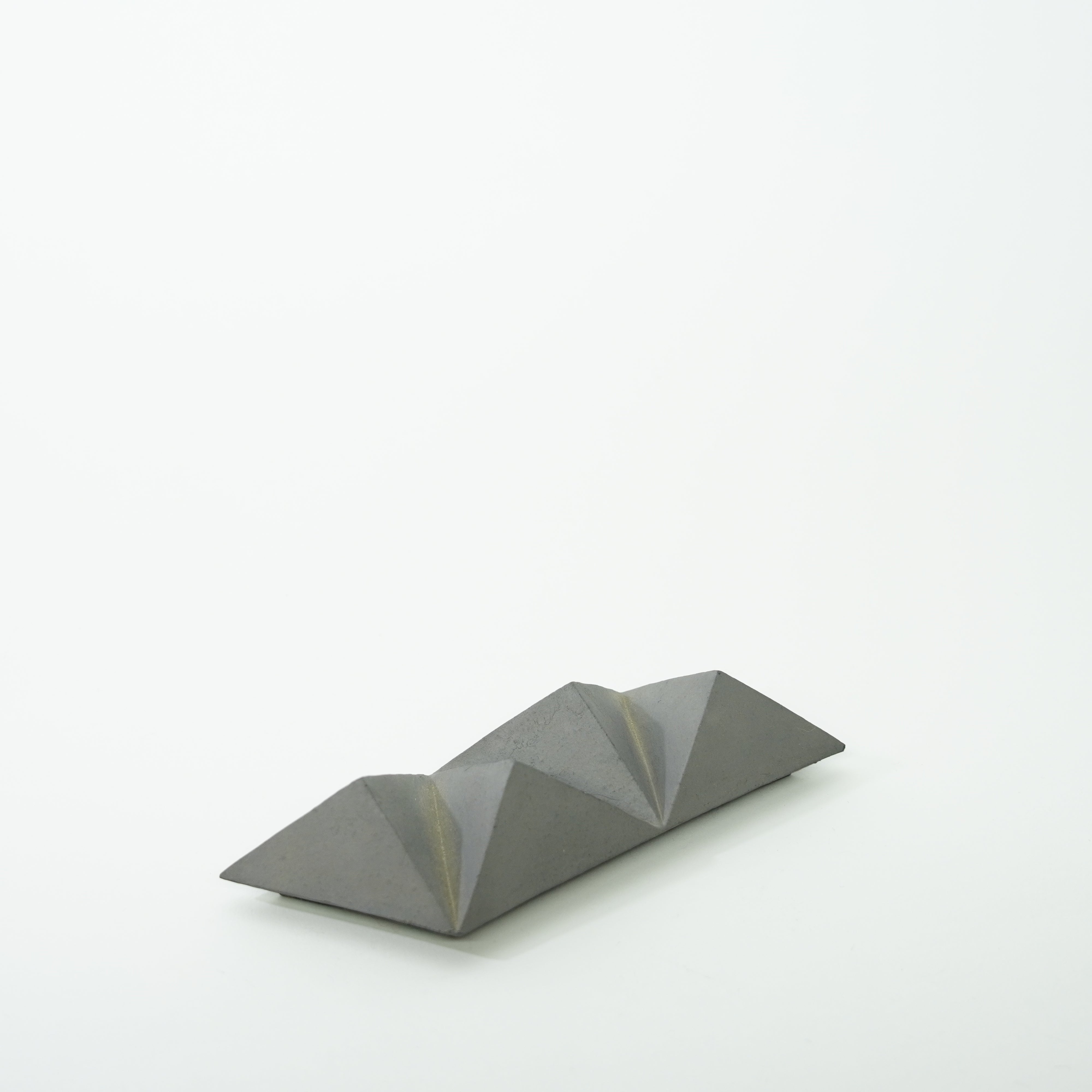
3d Kawara Tile / Triangular Piramide - 4 piastrelle set
DESCRIPTION
DETAILS
SIZE
MATERIAL
ARTISAN
KOGEI
Caution
Scegli le opzioni


3d Kawara Tile / Triangular Piramide - 4 piastrelle set
Prezzo scontatoMOP$1,566.00
Paese/Area geografica
Lingua
Carrello
Il tuo carrello è vuoto


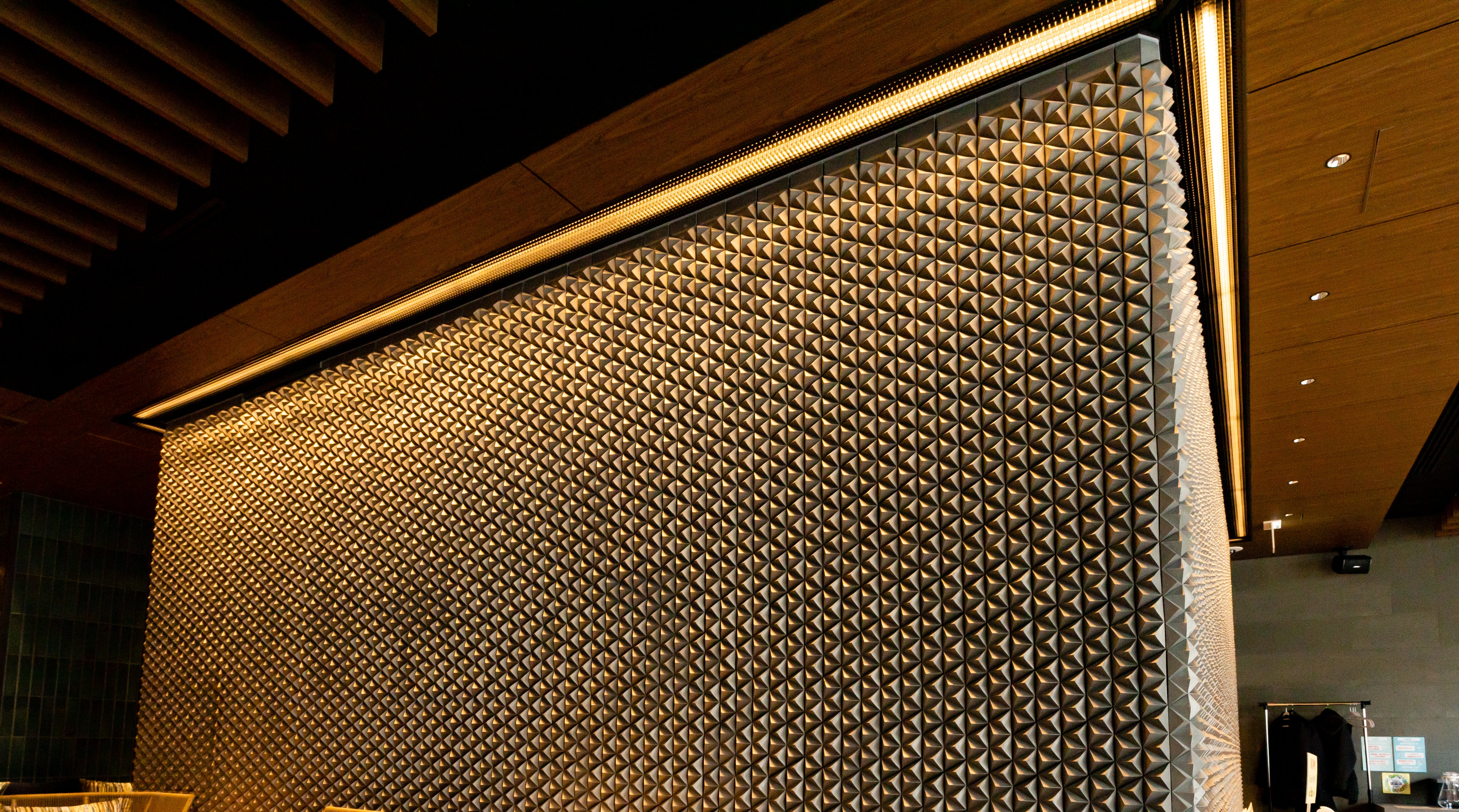
The tile-derived interior material gently reflects sunlight on exterior walls and room light indoors, creating an elegant impression.
This product comes in a set of 4 pieces. Please use them as wall materials or display them as they are for interior decoration. Please enjoy the sense of dignity that only tiles can provide!
SIZE
Length:17cm
Width:6cm
Thickness:4cm
Weight:325g
MATERIAL
Clay
KYOGAWARA
"We believe in the tile technology that has been handed down for over 1300 years and we will leave it to the next generation"
First of all, I believe it is important to have the perseverance to believe in this technique. If you give up, that's the end, and I think young people will see that. Instead of the old way of teaching the next generation with our backs, we will take videos and leave it to the next generation in a way that is easy to understand both visually and sensitively.
ARTISAN STORY
Masahisa Asada / Kyogawara
He is a craftsman who has been making Kyoto roof tiles in Kyoto since 1911. As the eldest son in the family, Mr. Asada is the third generation to develop and expand all kinds of products in addition to tiles for houses. He is taking on the challenge of fusing tiles with new objects, such as coasters and planters, to show the potential of roof tiles to all oer the world. Starting with the development of new products, Mr. Asada hopes for a future in which tiles in Japanese architecture will once again be appreciated.
ACHIEVEMENTS
・Selected as one of Kyoto's long-established 100-year enterprises
・Received Minister of International Trade and Industry Prize
・They have received more awards for their work.
KYO GAWARA / KYOTO ROOF TILES
About 1,400 years ago / 600s / Asuka–Nara Period
Roof tiles reached Japan with temple architecture in the sixth and seventh centuries. In Kyoto, demand expanded after the capital moved to Heian-kyo, driven by palaces and vast religious complexes. When craftsmen gathered from across Japan for major construction in the late sixteenth century, Kyoto’s characteristic polishing and smoked-firing techniques became increasingly refined.
Tiles are not merely a background element in Kyoto; they shape the city’s visual identity. From temple roofs to machiya townhouses, they protect buildings from rain and fire, while demon tiles and Shoki figures can carry protective meaning. Today craftspeople also make tableware and interior objects from tile clay.
The deep silvery color of Kyo tiles is not a glaze. The surface is polished before firing and then exposed to carefully controlled oxygen conditions that create a thin carbon layer during smoked firing. The metallic-looking sheen is produced entirely from clay and fire.
Individual Differences
As each piece is individually handcrafted, slight variations in color, pattern, shape, and texture may occur. These subtle differences are a natural characteristic of handcrafted works, making each piece truly unique. We hope you will enjoy these individual variations as part of the beauty and character of Japanese craftsmanship.
Production Time
If an item is not currently in stock, it may be made to order by the artisan. As each piece is carefully handcrafted, production may take several months depending on the item and the artisan's schedule. We appreciate your patience and understanding.

Scegli le opzioni