Burner / uccello e bestia incenso
Descrizione del prodotto: perché è così costoso?
Storia del prodotto
Informazioni generali sul prodotto
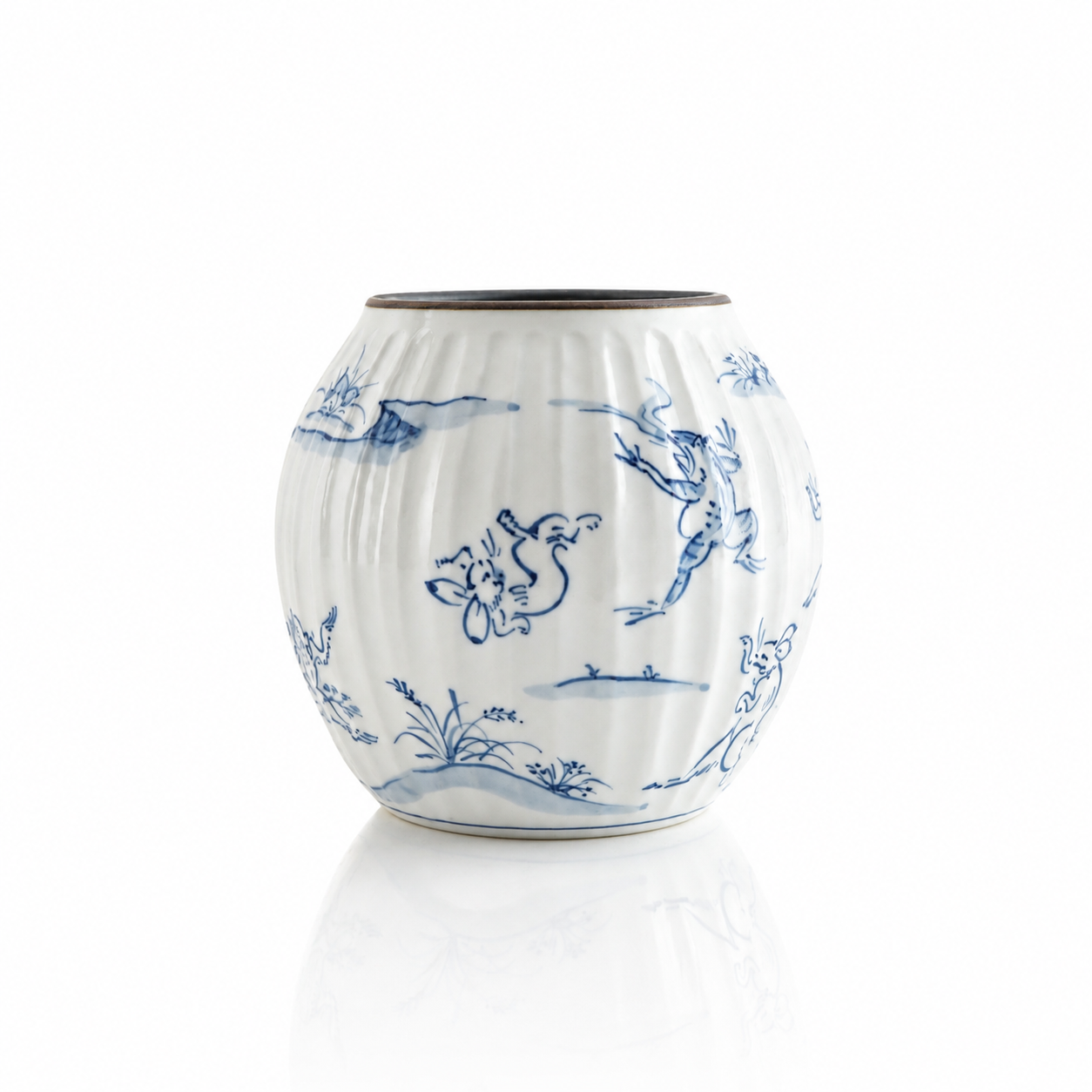
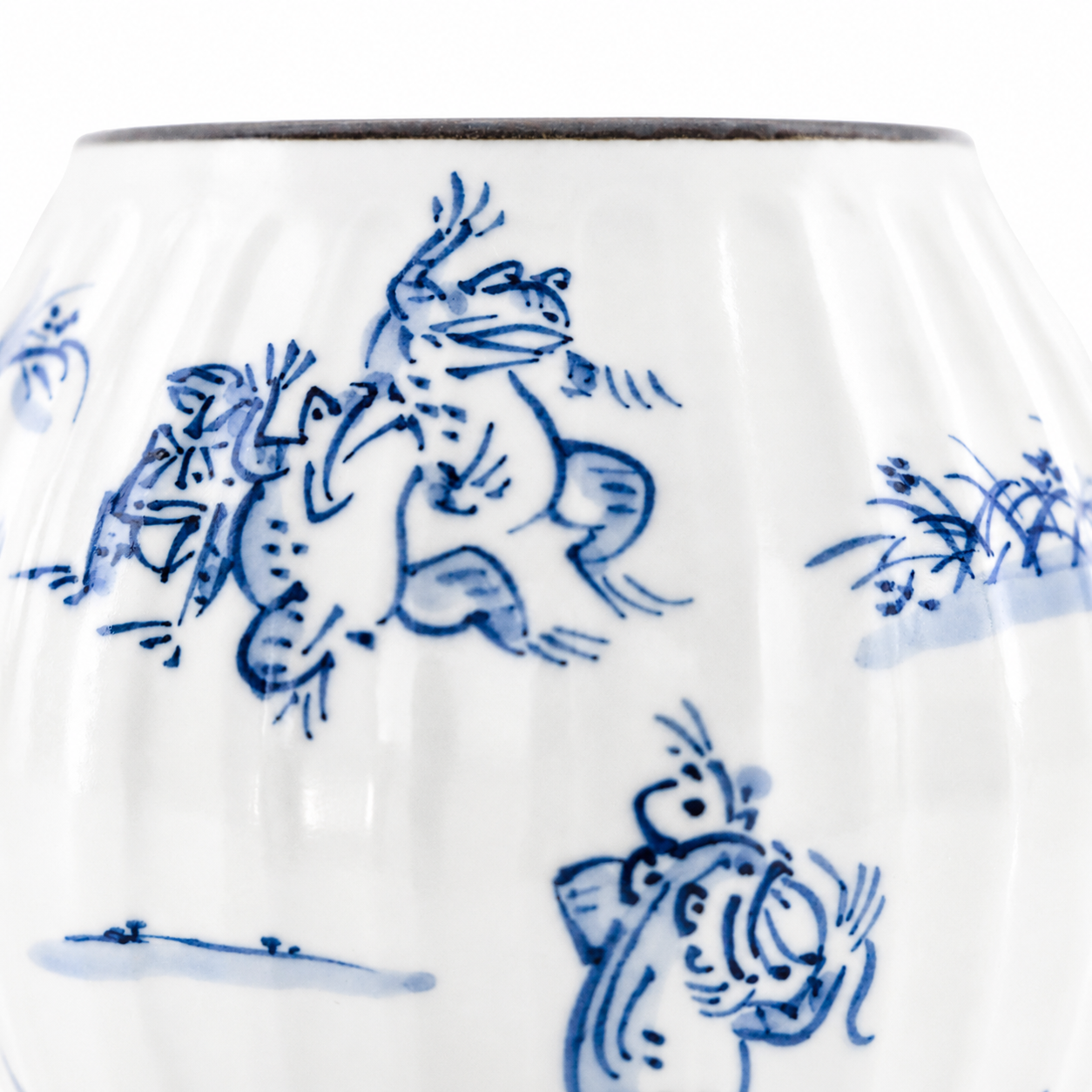
Questo vaso di fiori ha una base bianca con un design blu dipinto su di esso.
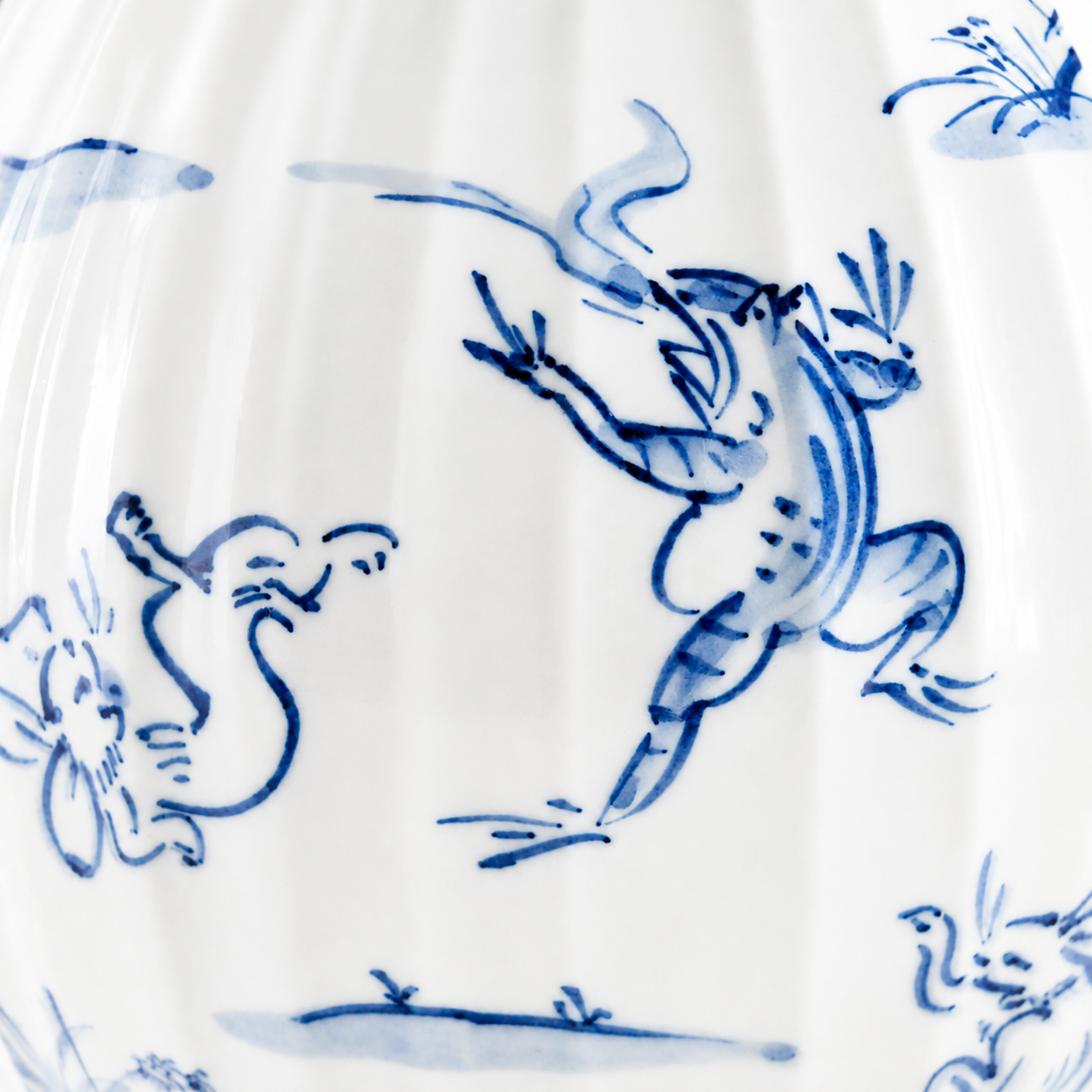
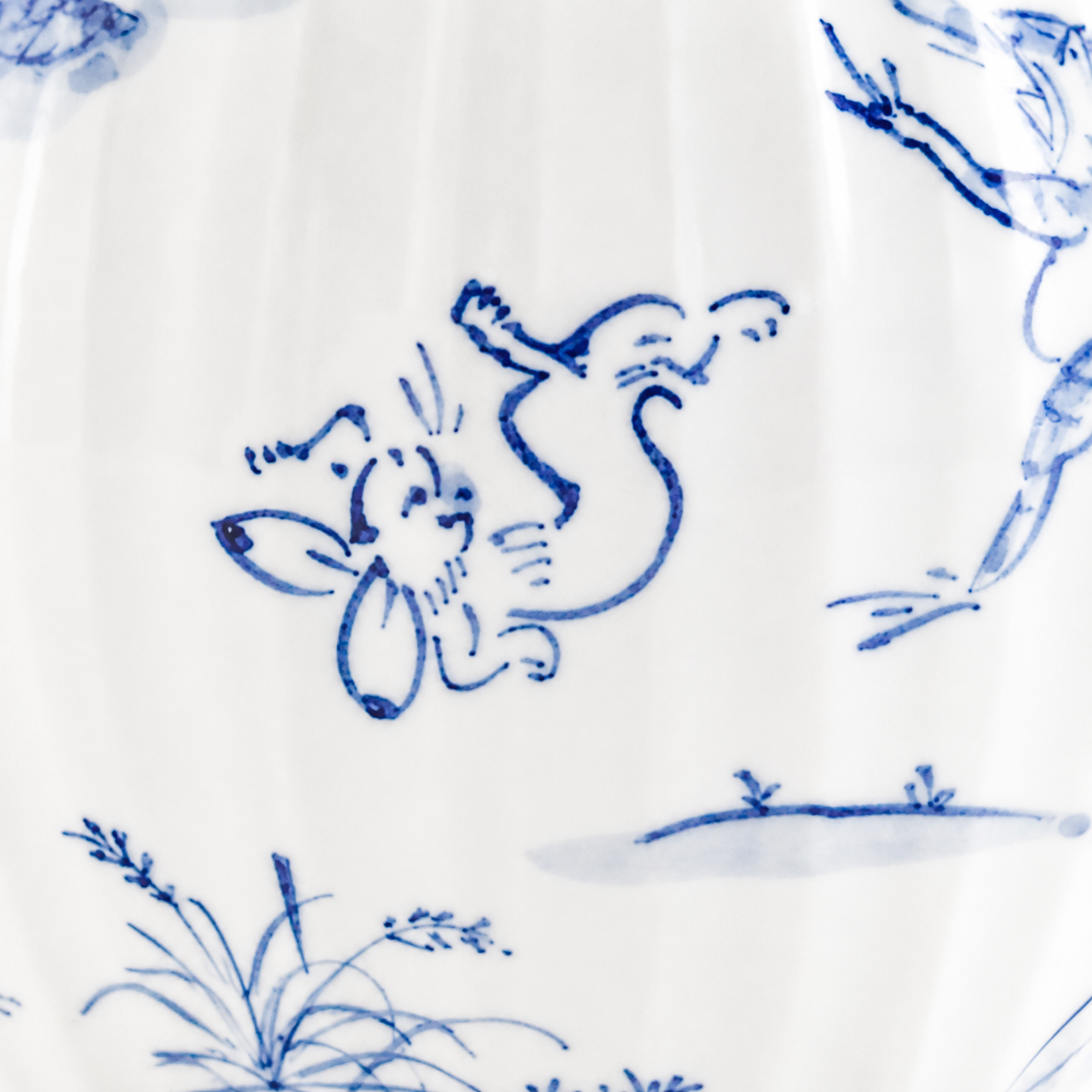
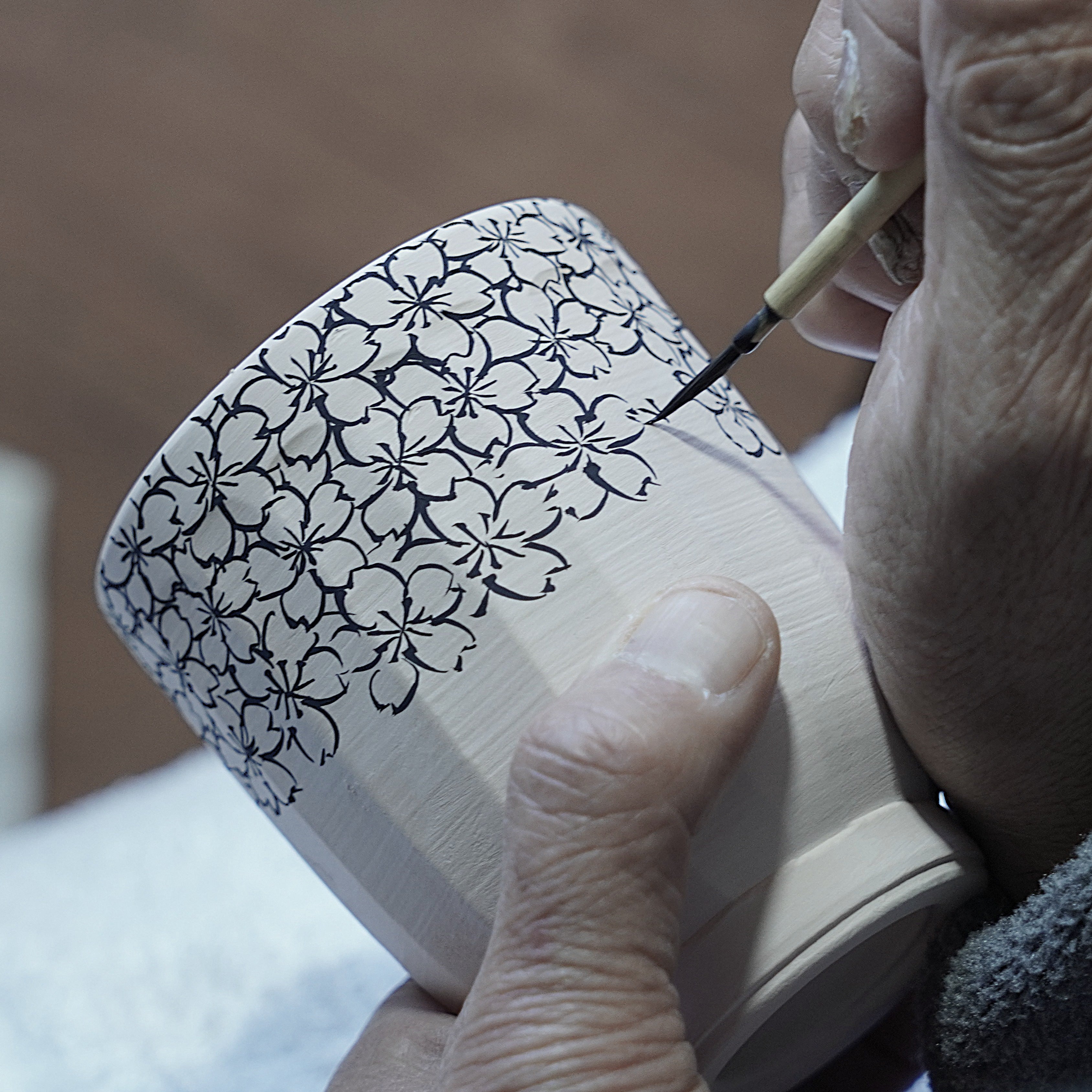
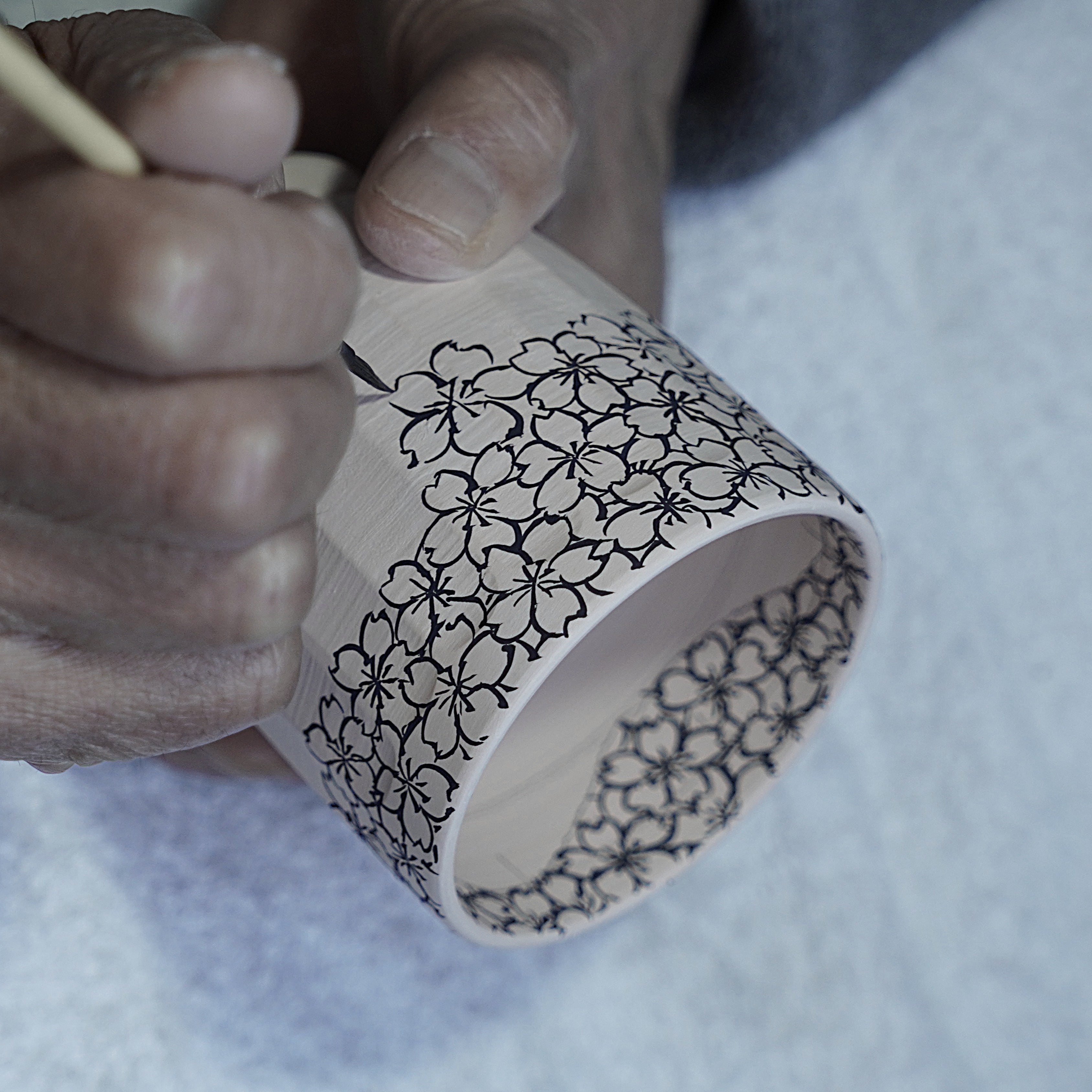
Il design di questo vaso si basa su una pittura rappresentativa delle "caricature di uccelli, animali e umani" un tesoro nazionale del tempio di Kozanji a Kyoto, tutti dipinta a mano dagli artigiani. Il colore della base bianca lo rende adatto a qualsiasi stanza.
Perché non ti piace un'opera d'arte da un tesoro nazionale vivente nella tua casa?
Storia del prodotto
Quando sono iniziati a creare questi mestieri? : 400 anni fa / 1600 DAD / EDO in Giappone
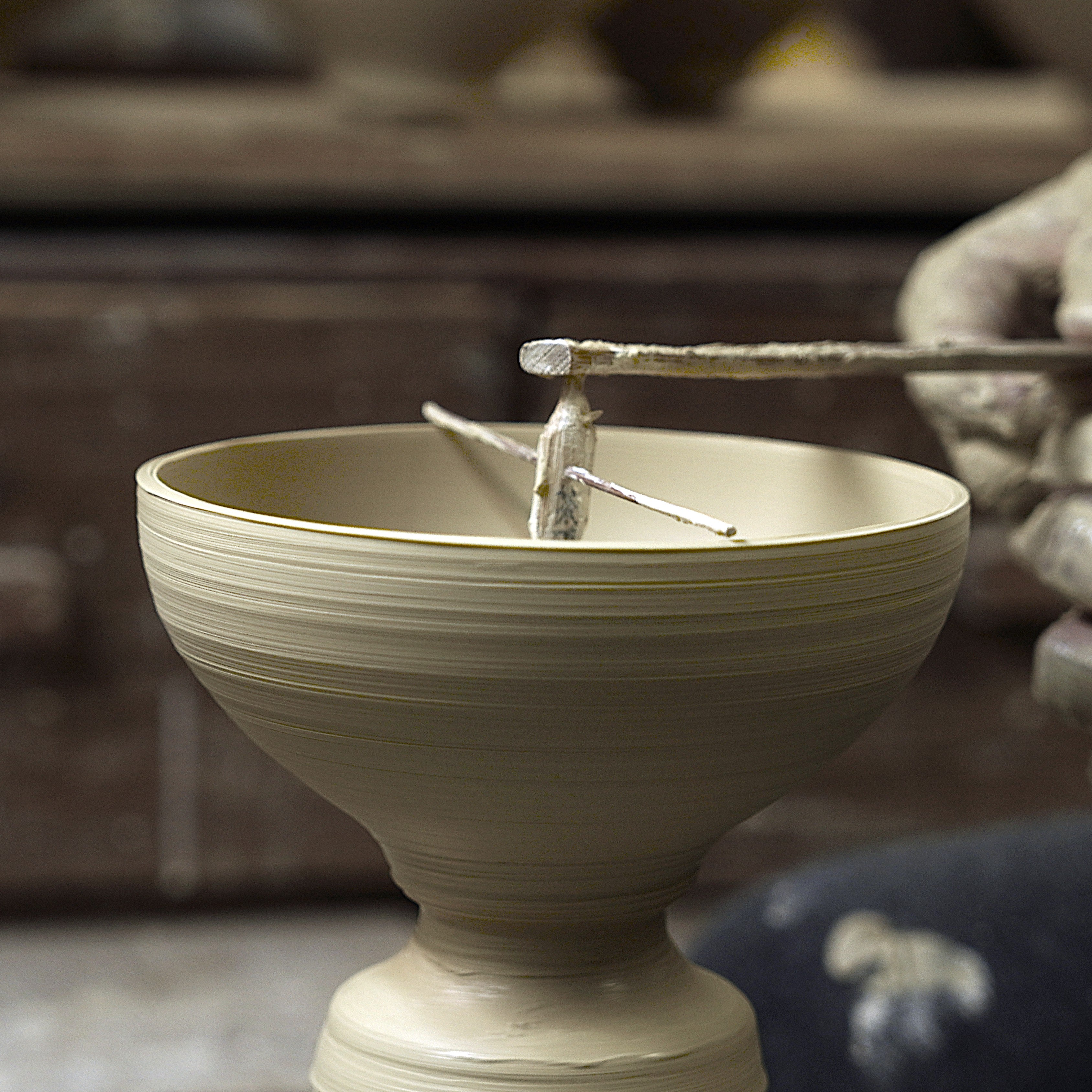
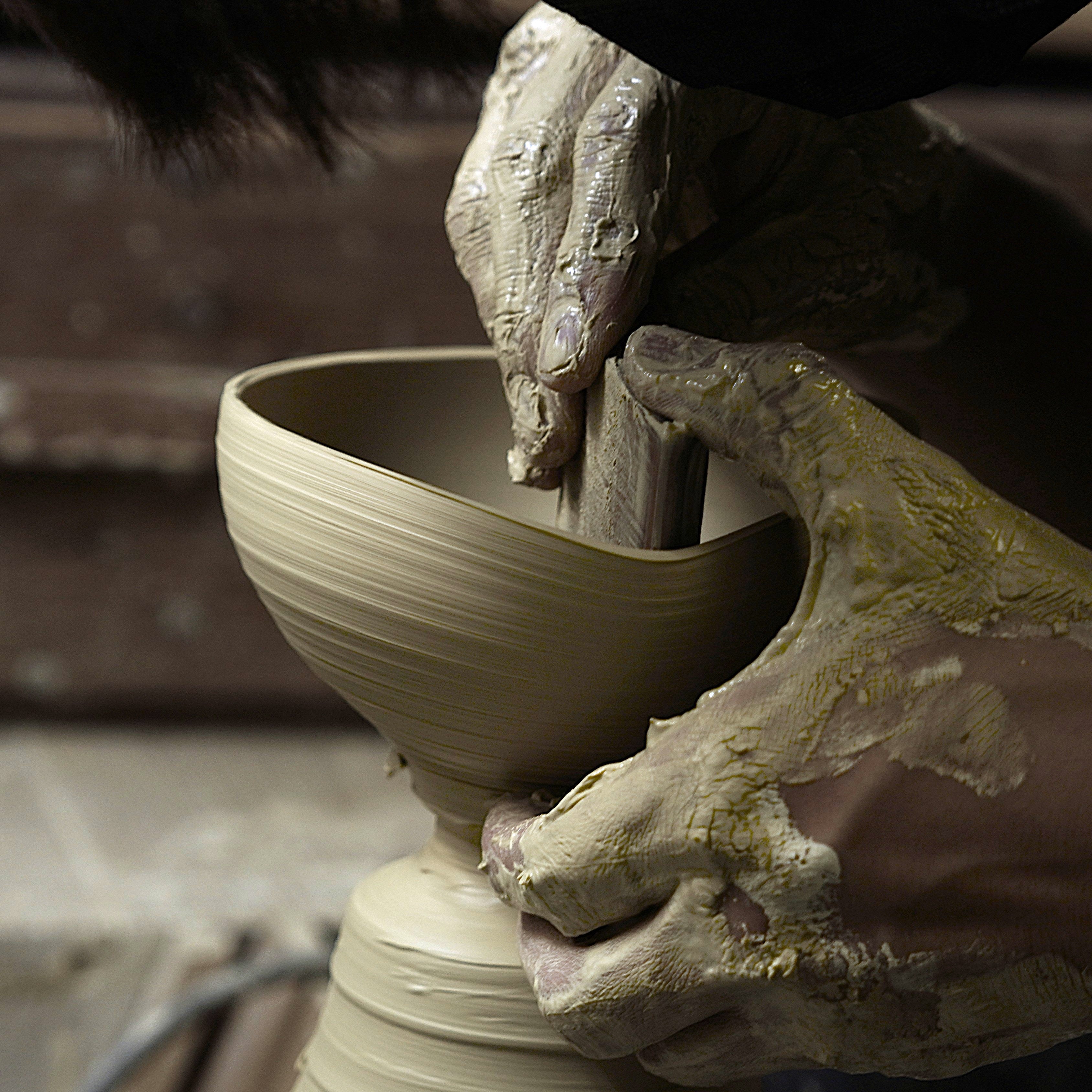
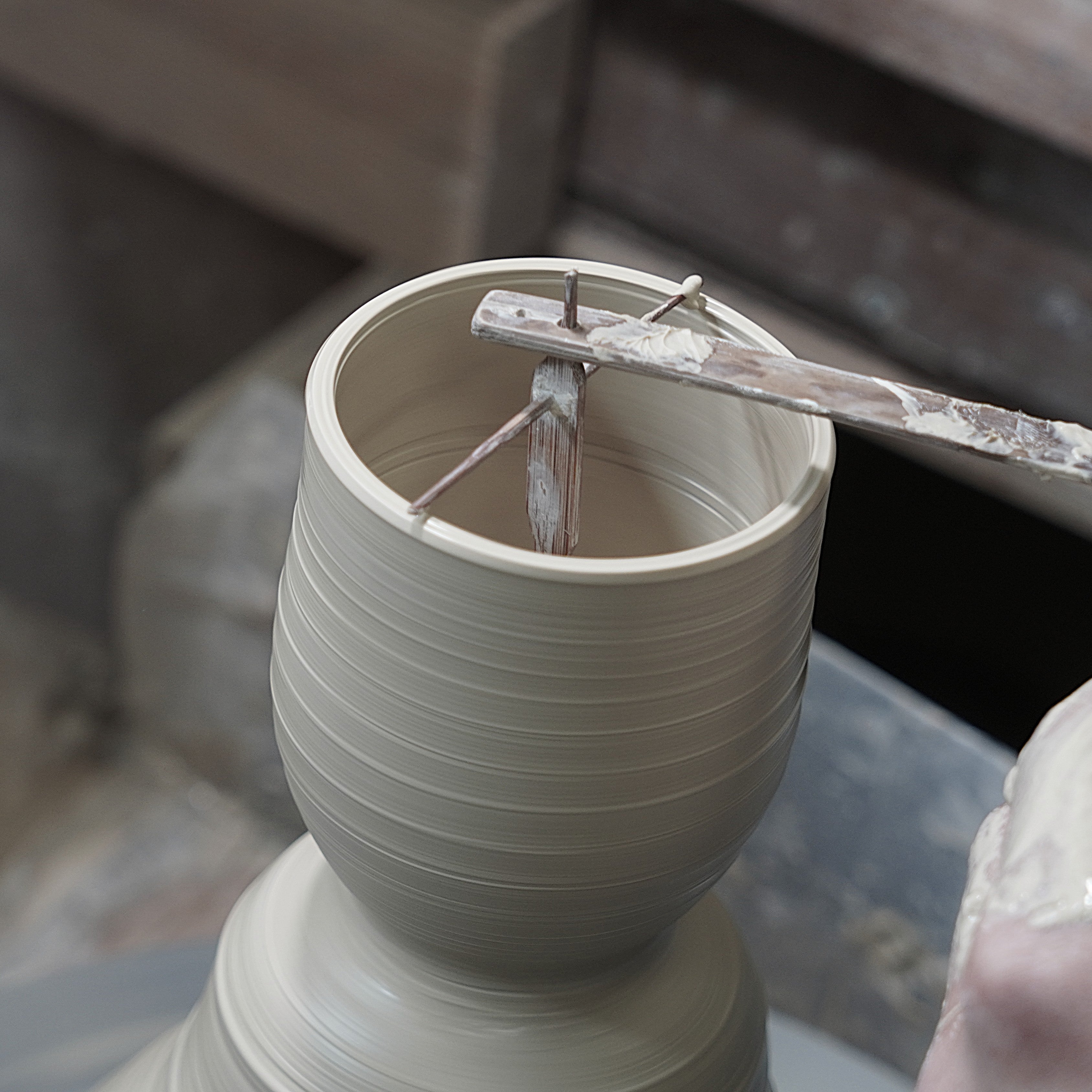
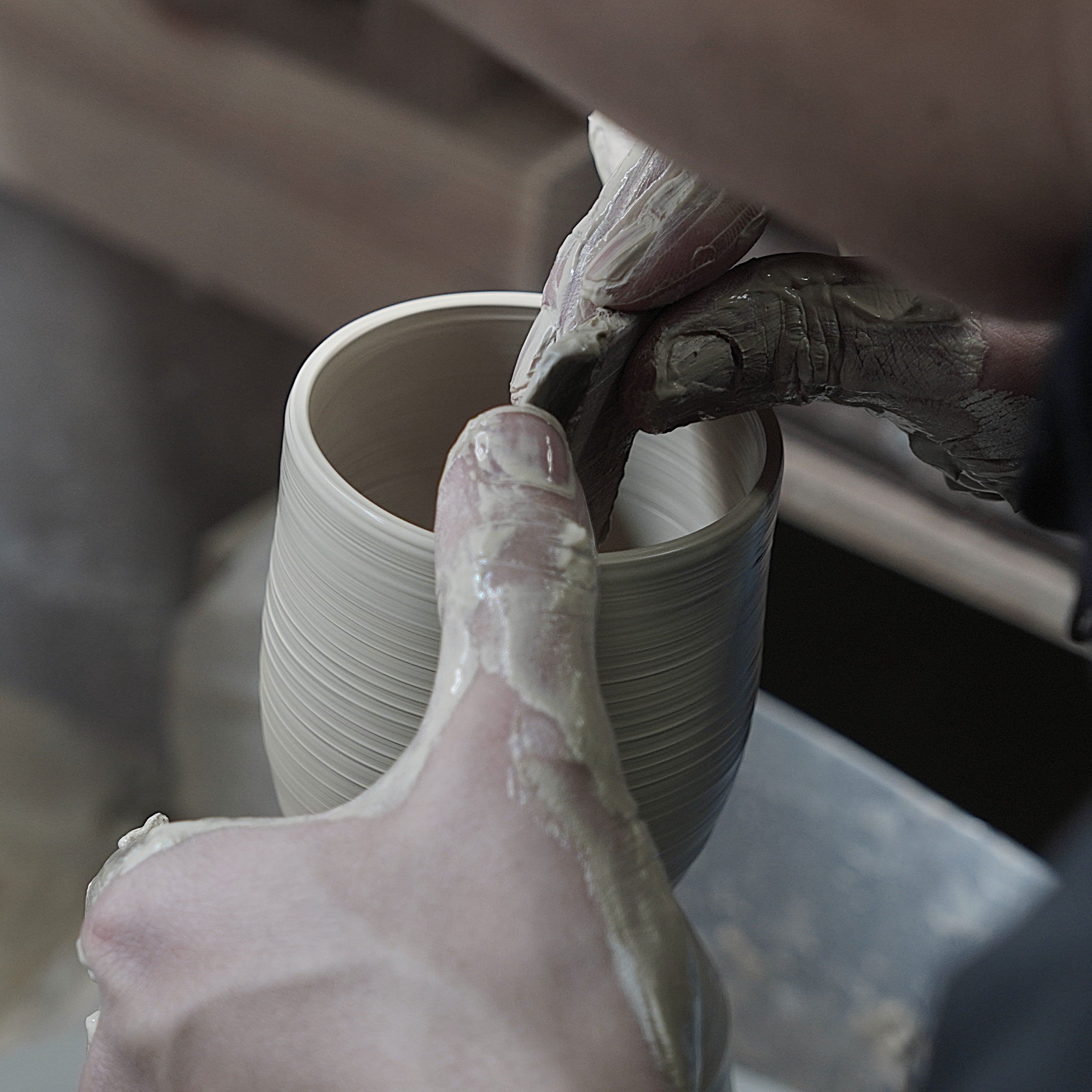
Kyo-ware e kiyomizu-ware sono ceramiche prodotte a Kyoto. La differenza tra questi due è che il kyo-ware si riferisce all'intera ceramica prodotta a Kyoto, mentre il kiyomizu-ware si riferisce alla ceramica nell'area di Kiyomizu. Nel primo periodo Edo (1600), la produzione principale era gli utensili per cerimonie del tè. Mentre la meccanizzazione si è diffusa in altri centri di produzione con il passare del tempo, Kyo-Ware e Kiyomizu-Ware è che sono ancora realizzati a mano. Una delle caratteristiche di Kyoy-Ware e Kiyomizu-Ware è che sono emersi molti artisti d'avanguardia, creando una varietà di opere che non possono essere raggruppate insieme. Non esiste uno stile set e lo stile gratuito ha aumentato la popolarità tra le masse.
Storia dell'artigiano
Profilo artigiano
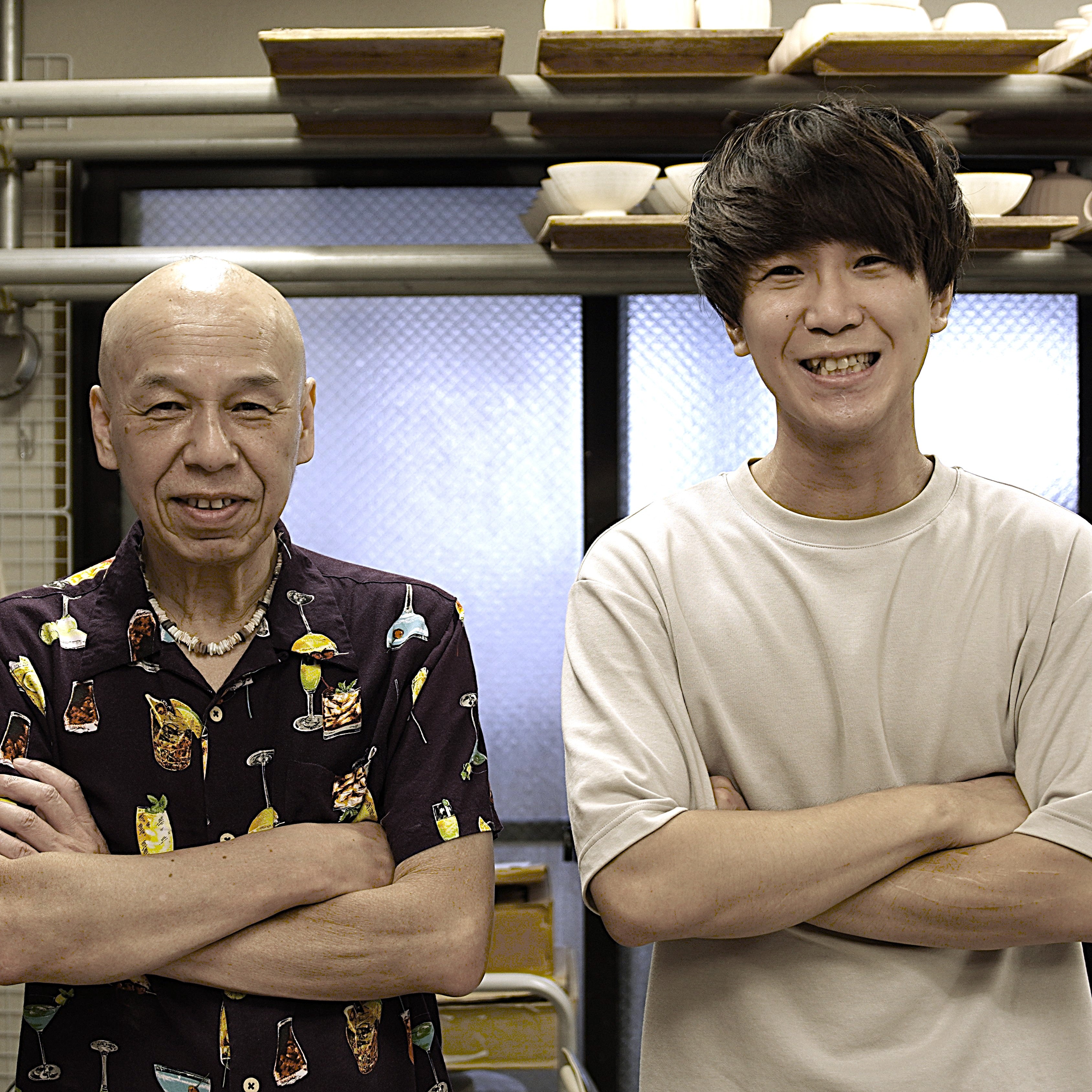
Yuya Yamamoto / Ichirakugama
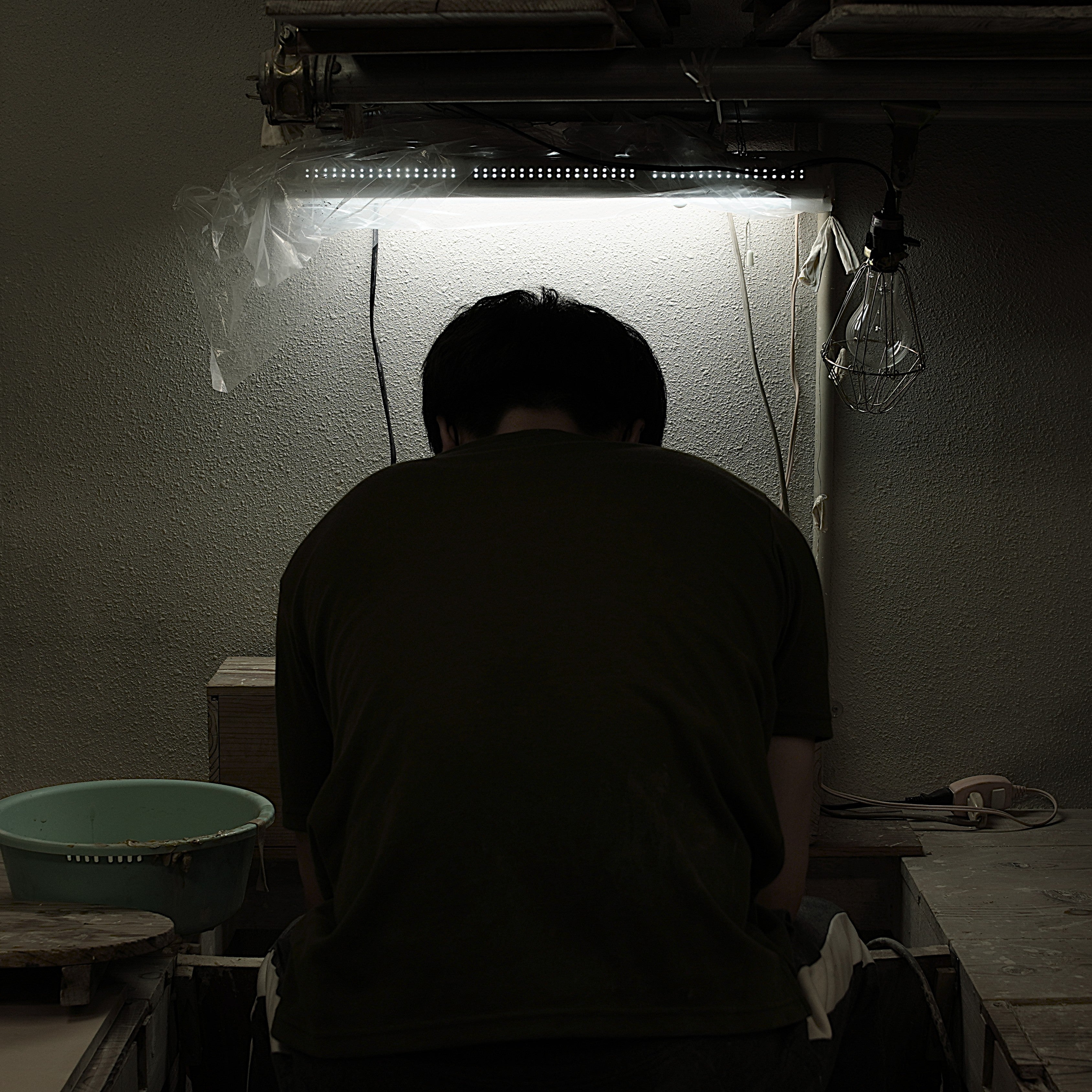
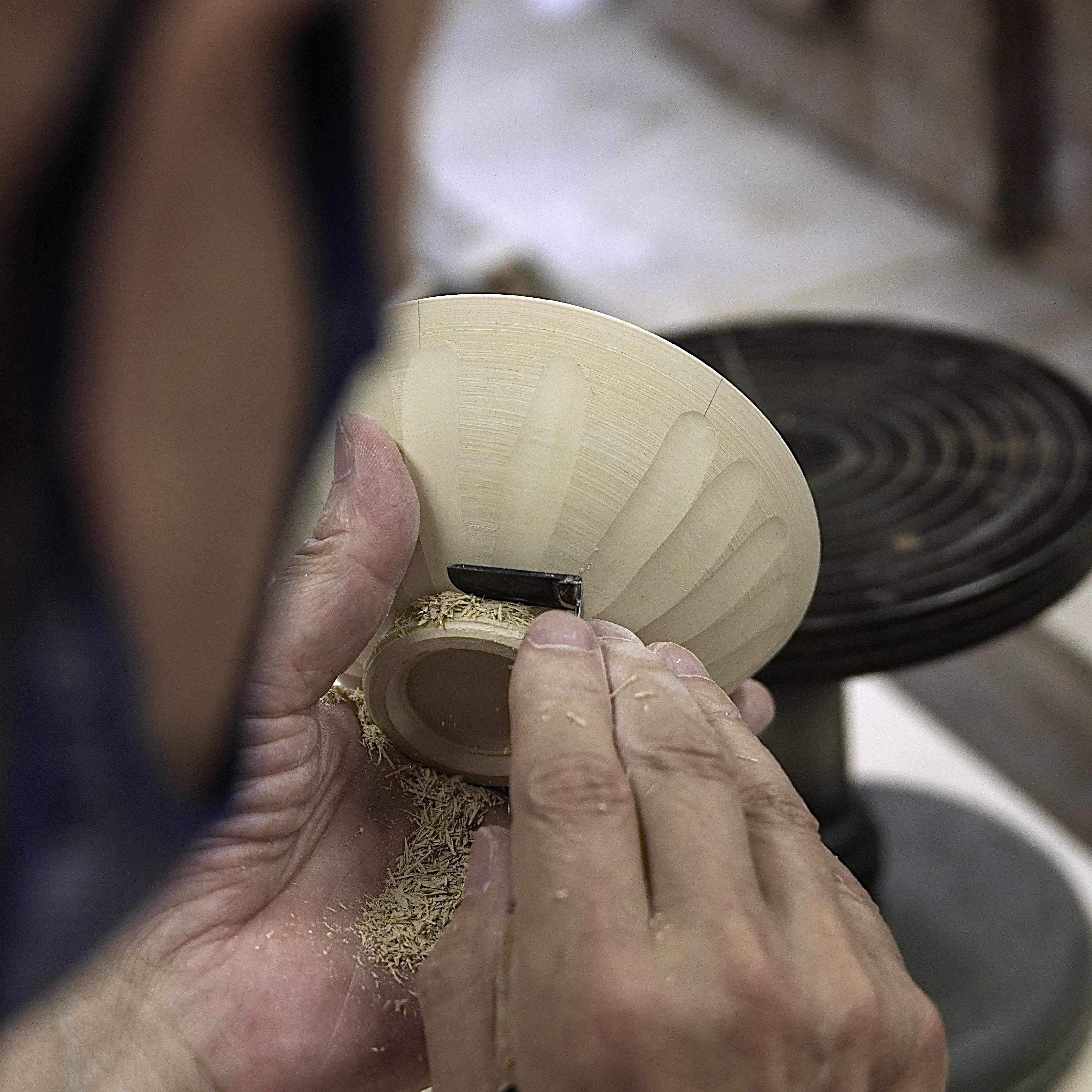
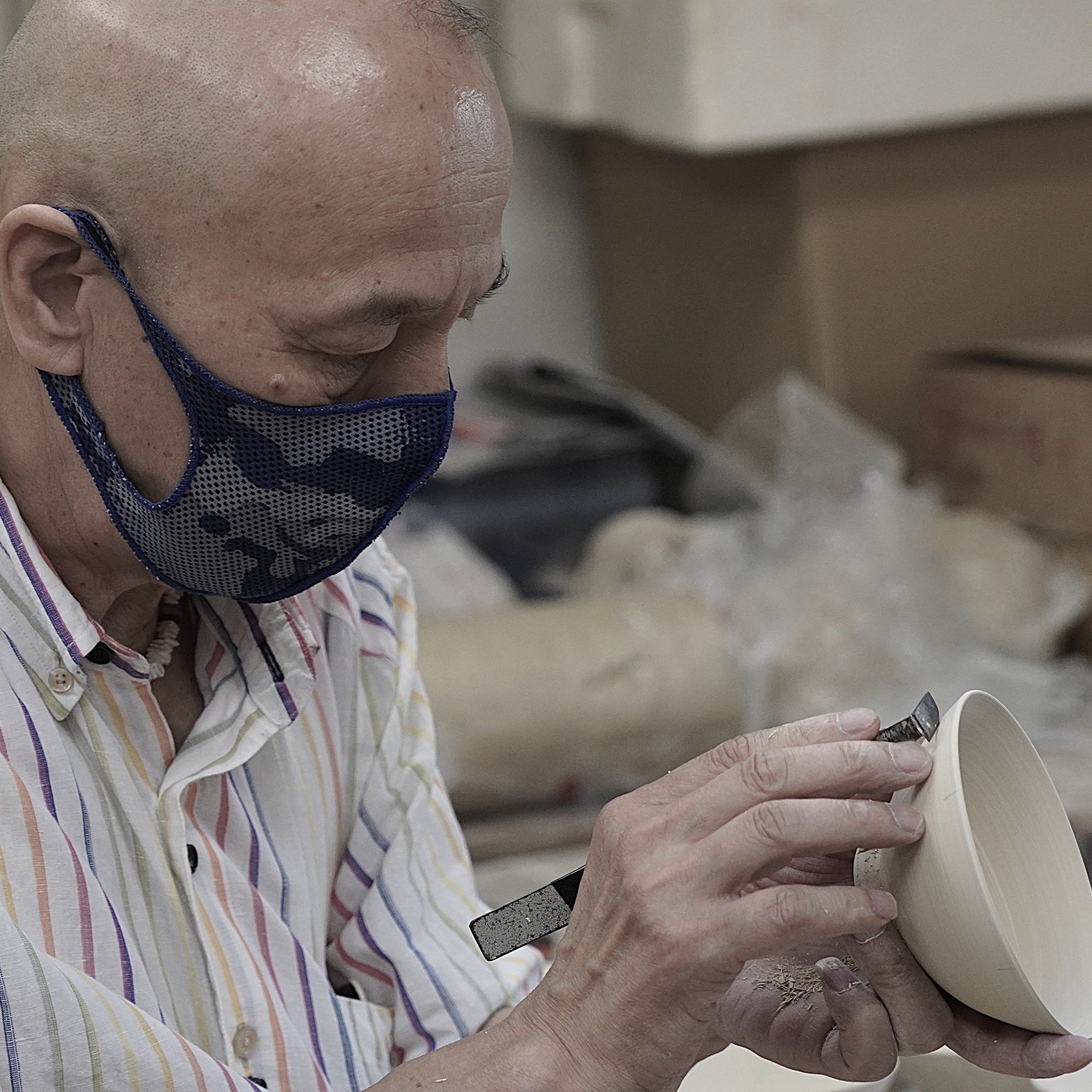
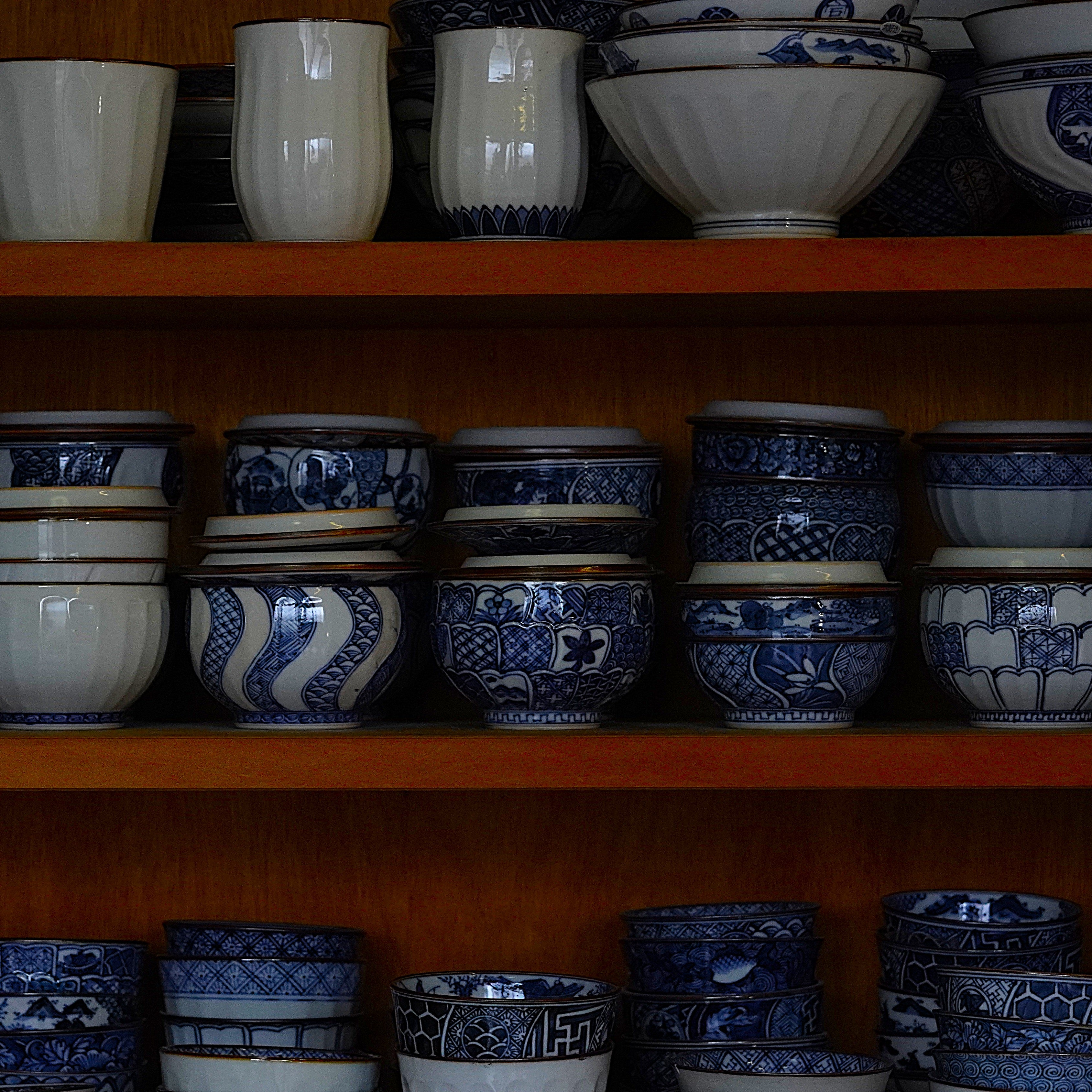
La terza generazione di ceramiche di Ichirakugama ha studiato la ceramica di Kyo-yaki e Kiyomizu-yaki sotto la seconda generazione di ceramiche di Ichirakugama, che hanno assunto il nome "Ichirakugama" a Kyoto nel 1990. È un individuo che fa il lavoro duro che studia glaz in un centro di ricerca Oltre al suo lavoro quotidiano. Produce principalmente stoviglie utilizzate nei prestigiosi ristoranti giapponesi e ha una reputazione consolidata tra molti dei suoi clienti. Le sue opere sono caratterizzate da toni blu e bianchi.

Passione per l'artigiano
"Non concentrarti sulla scelta giusta, ma prendilo subito dopo la decisione"
Una volta fatto il mio primo passo sul percorso dell'artigianato, ho intenzione di fare il massimo sforzo che ho e di mettermi al lavoro sulla produzione. Voglio stabilire il mio stile mentre preserva le tecniche che sono state tramandate dalla mia famiglia e voglio crescere in modo da poter essere orgoglioso di me stesso per essere diventato un artigiano.
Il tuo contributo all'artigiano
Voce del cliente
A causa della struttura del mercato (collegamento per articoli completi sono allegati in basso), gli artigiani non hanno saputo chi sia il cliente e come il cliente reagisce al proprio lavoro. Abbiamo realizzato una casella "Messaggio all'artigiano" nella pagina di acquisto. Daremo tutti i messaggi a ogni artigiano. La nostra recensione sarà anche condivisa per l'artigiano, quindi lascia il tuo commento e la valutazione nella sezione Recensione!
Le entrate per l'artigiano: l'artigiano riceve solo meno del 10% del prezzo di vendita?
Come scritto sopra, gli artigiani non hanno controllato l'ultima fase del canale di vendita che risultante nel prezzo di vendita è fissato da terze parti senza il riconoscimento di Craftsman. Ci sono alcuni casi che solo meno del 10% del prezzo di vendita viene dato all'artigiano. Promettiamo con il nostro cliente / artigiano che offriamo il commercio equo con gli artigiani nel nostro contratto!
Abbiamo fatto un articolo sul problema di cui sopra e la nostra sfida. Si prega di leggere dal link sotto.
Attuale stato del mercato / benefici dell'artigianato portato da Suigenkyo
Servizio assicurativo Kintsugi : Eternal Product Life
Cos'è Kintsugi: Spiegazione e immagine
Kintsugi è una delle competenze tradizionali in Giappone che ripara ceramiche o vetri rotti. La parte rotta verrà riparata con lacca e il prodotto otterrà un aspetto più bello con la copertura oro/argento nell'area della rottura.

Costo per l'assicurazione Kintsugi
Il nostro prezzo di vendita include l'assicurazione Kintsugi (solo nel caso dei prodotti disponibili Kintsugi come la ceramica). Una volta che i nostri prodotti sono rotti, facci sapere e inviarlo in Giappone. Il tuo prodotto tornerà a casa tua con l'aggiornamento di bellissime prospettive!
Tassa di consegna
Sebbene Kintsugi stesso sia gratuito come servizio assicurativo, la commissione di consegna sarà di proprietà dei clienti ogni volta. Tuttavia, vale la pena utilizzare questo servizio Kintsugi poiché la storia tra te e i prodotti continuerà!
Misurazione
Larghezza : 19 cm
Profondità : 19 cm
Altezza : 16,5 cm
Peso : 1.296 g
Materiale e cautela
Materiali
Argilla
Attenzione
Differenza individuale
Poiché ogni pezzo è fatto a mano, ci sono differenze individuali anche nella stessa serie. Speriamo che capirai il cambiamento in base a mano.
Data di consegna
Si prega di notare che ci vorranno circa 2 mesi per la consegna se non abbiamo l'articolo in stock.
Scegli le opzioni