

Pelican Time - Medium
DESCRIPTION
DETAILS
SIZE
MATERIAL
ARTISAN
KOGEI
Caution
Pelican Time - Medium
Prezzo scontato₱8,400.00
Scegli le opzioni
Pelican Time - Medium
Prezzo scontato₱8,400.00
Paese/Area geografica
Lingua
Carrello
Il tuo carrello è vuoto
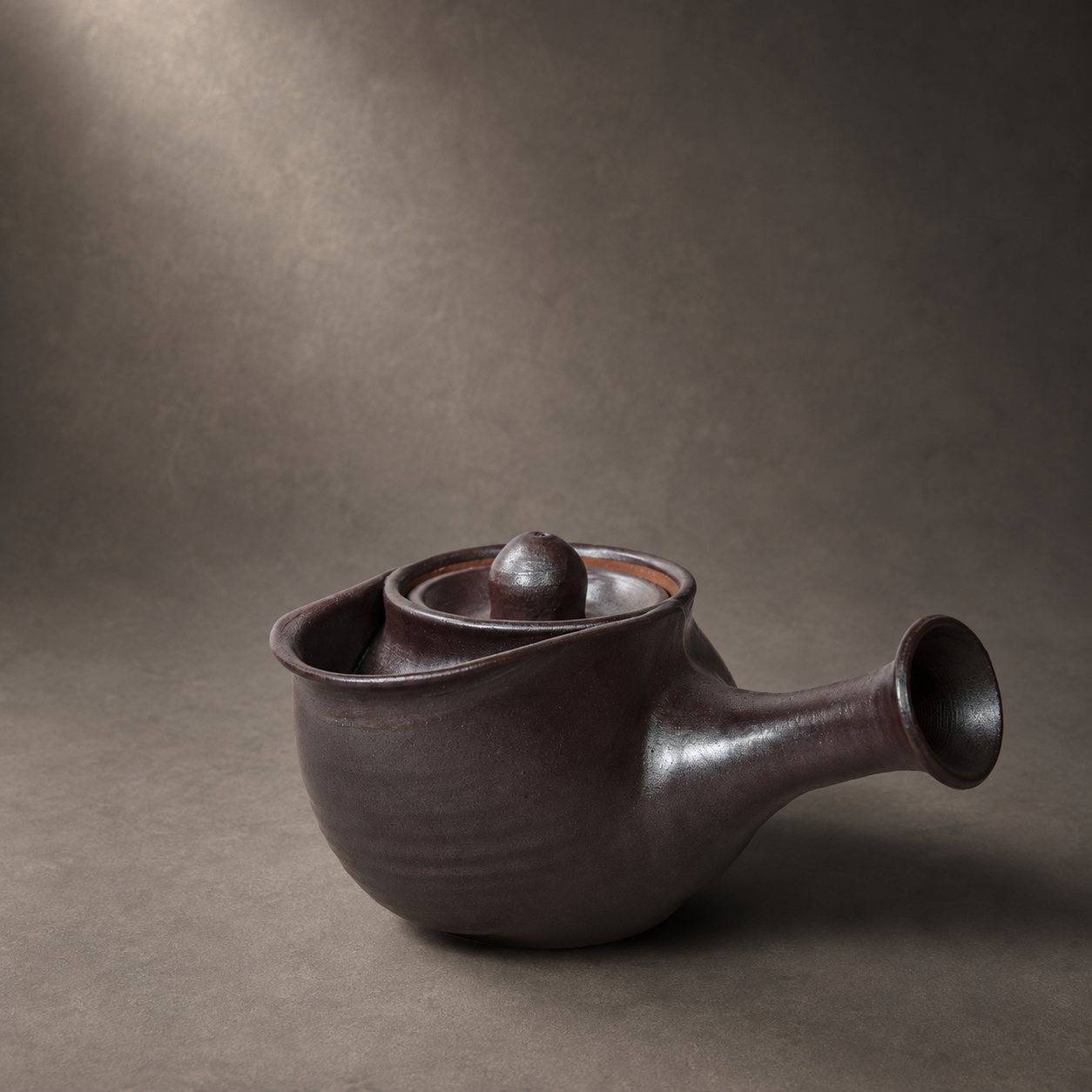
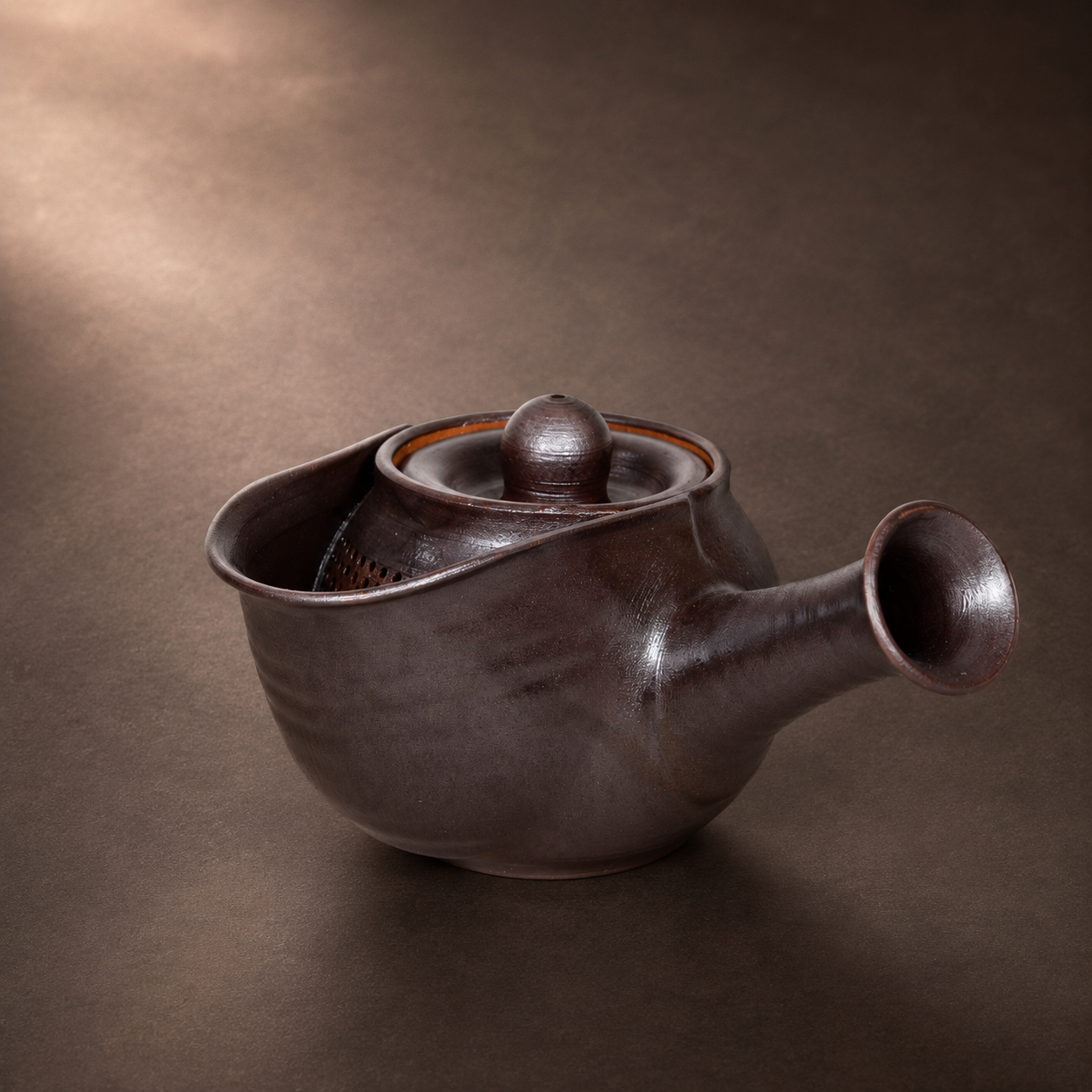
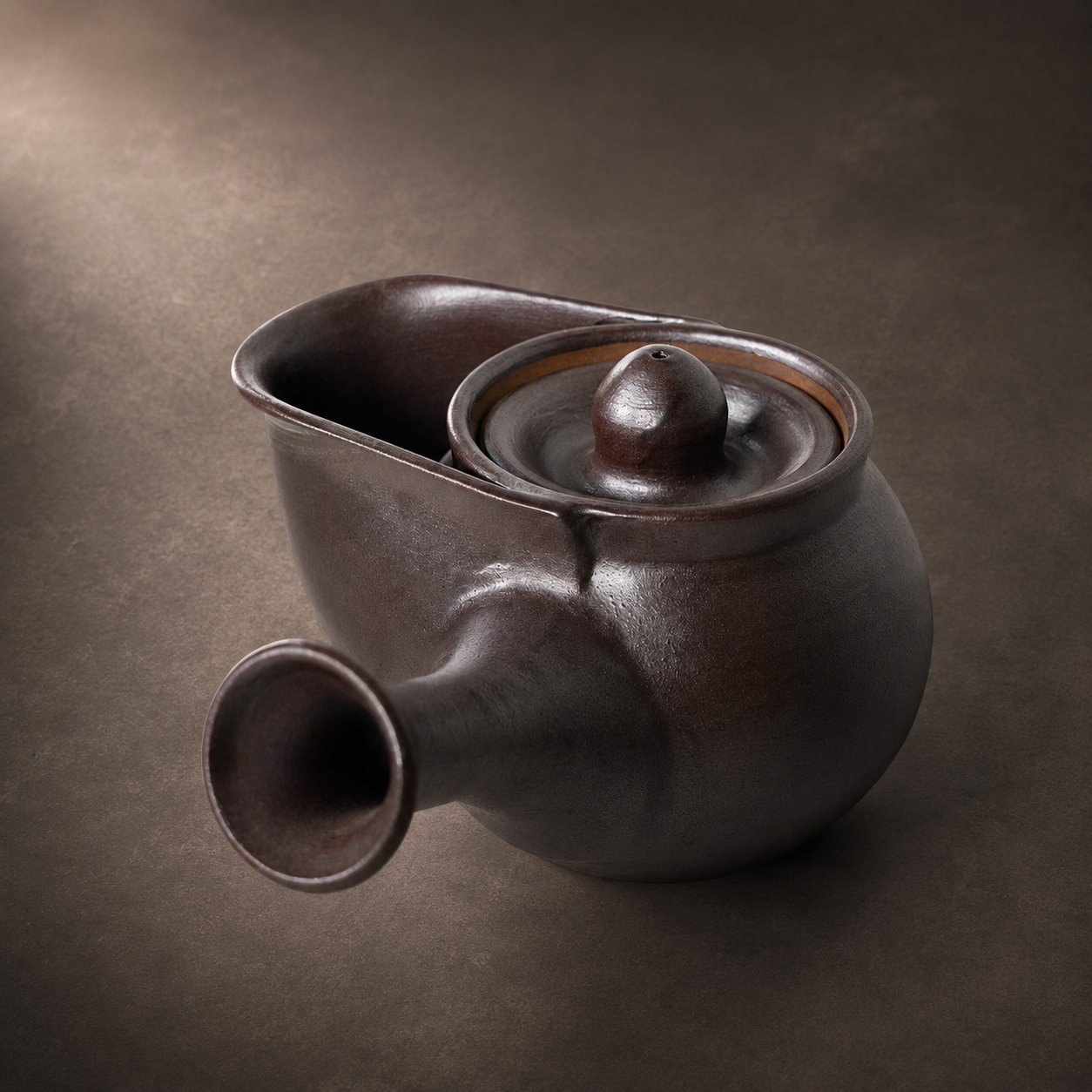
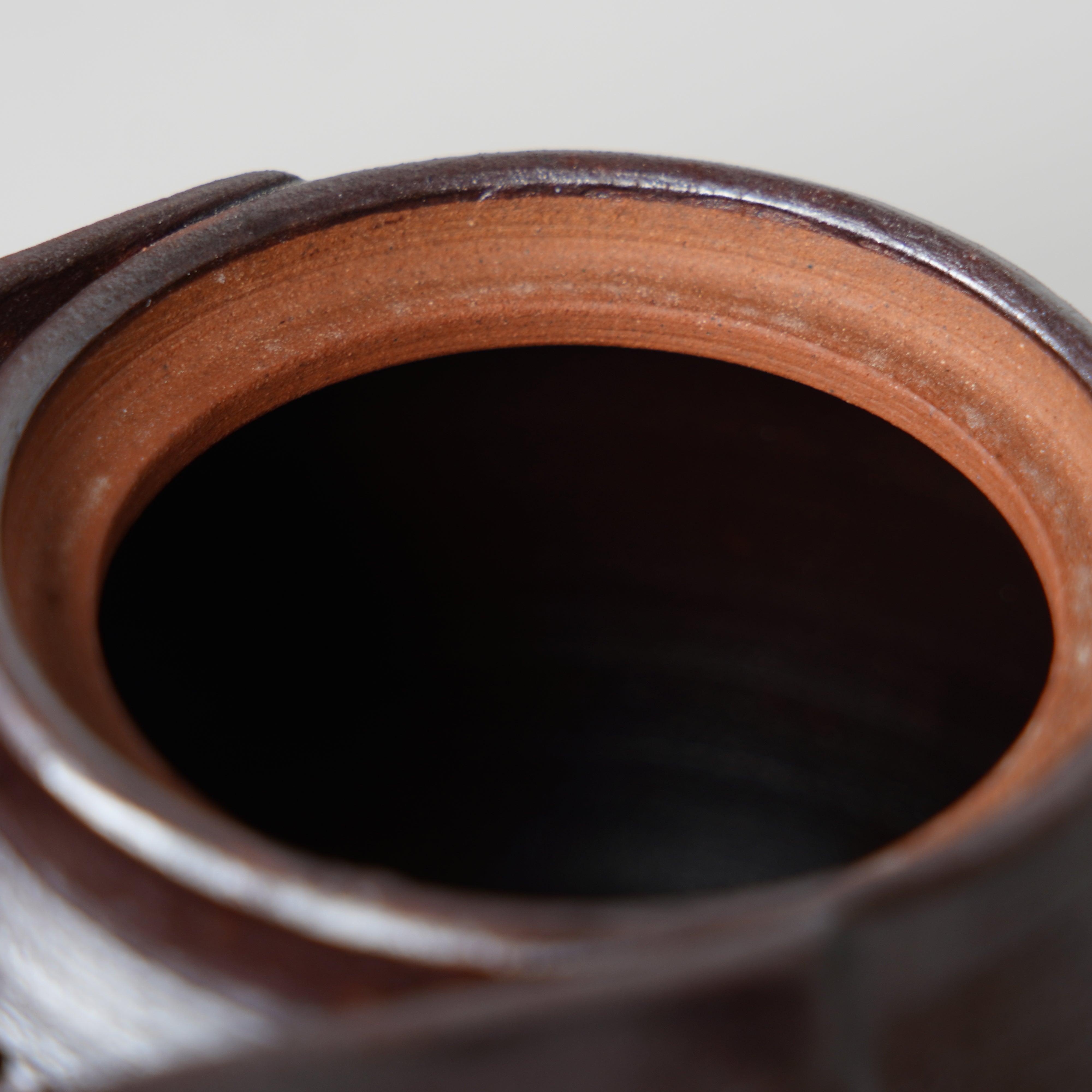
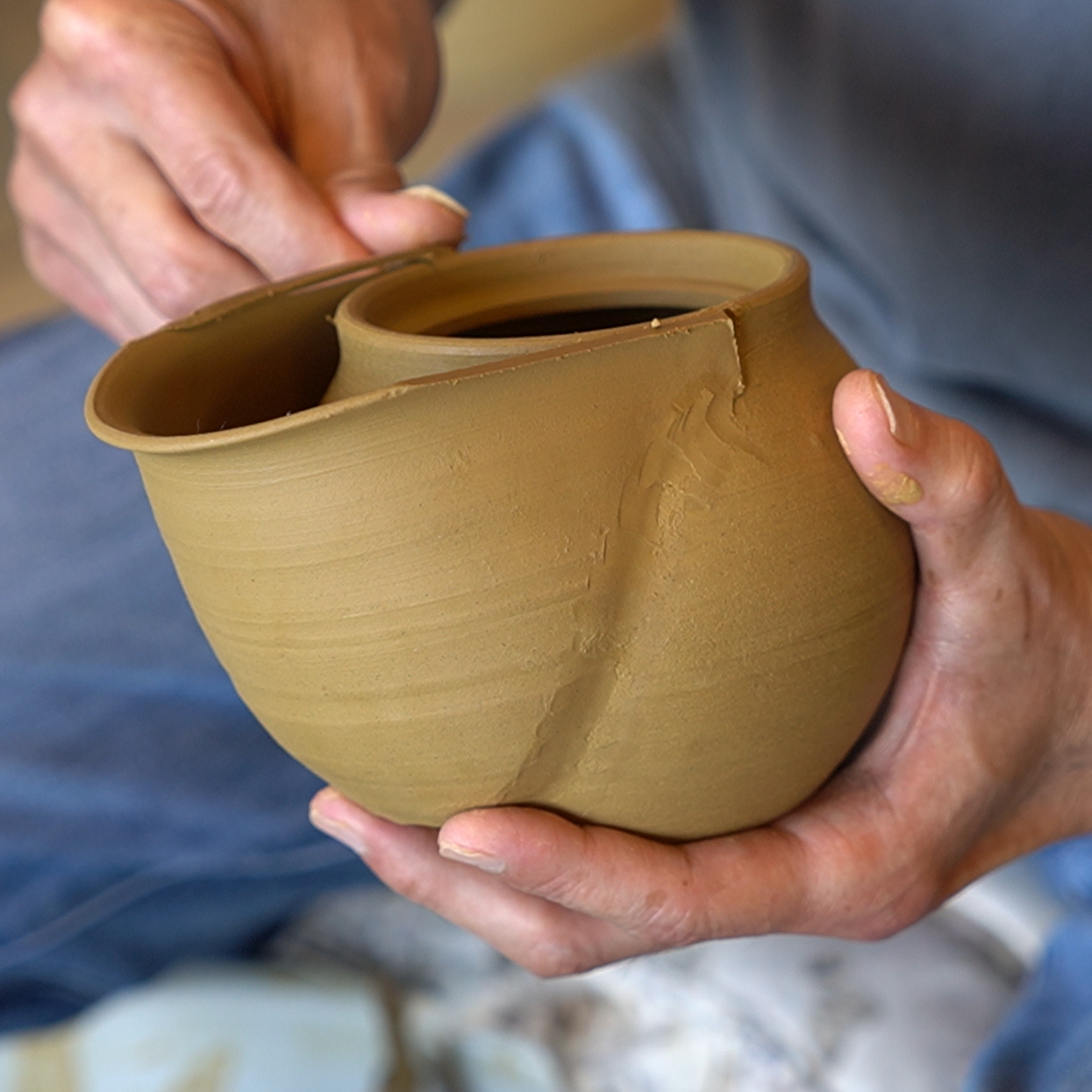
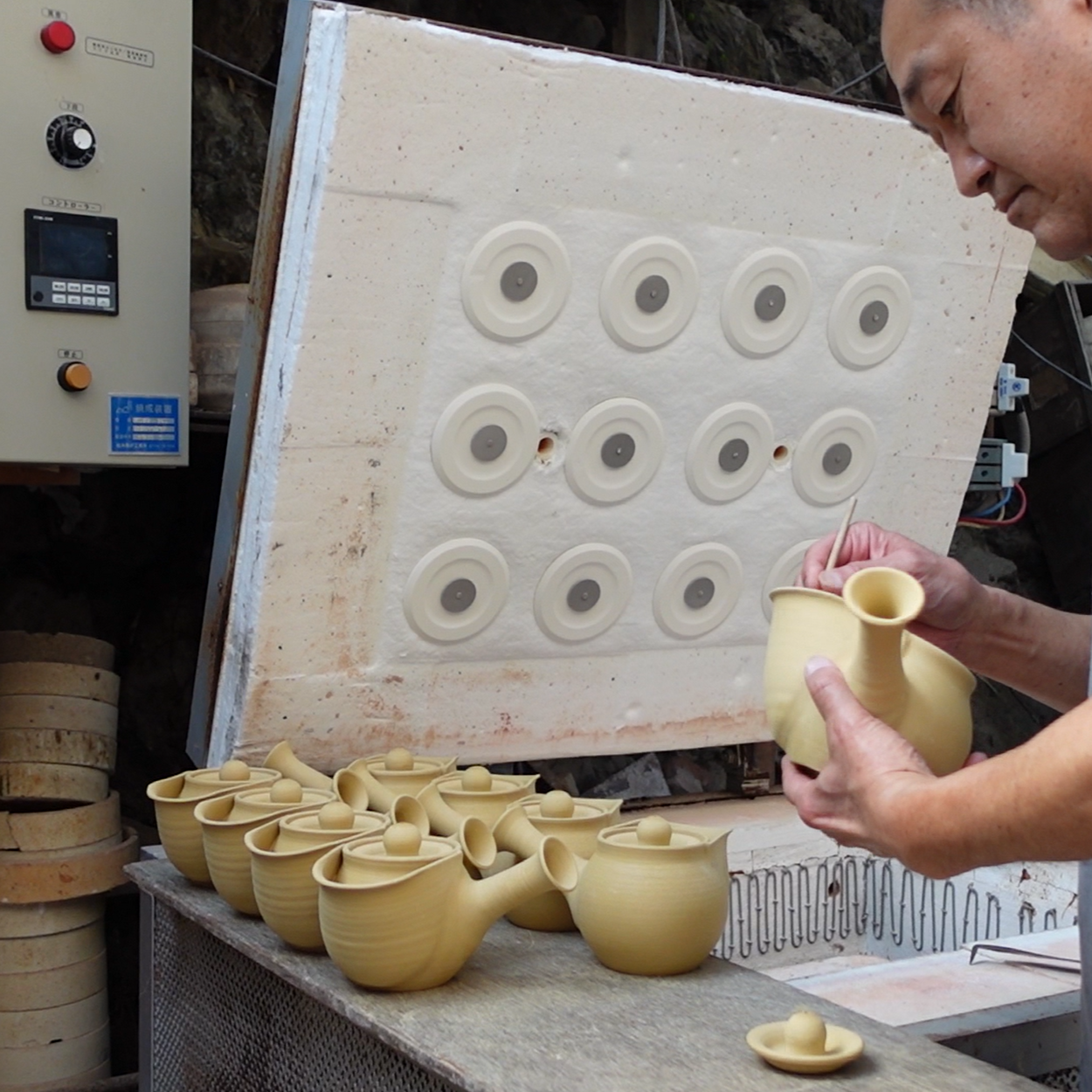
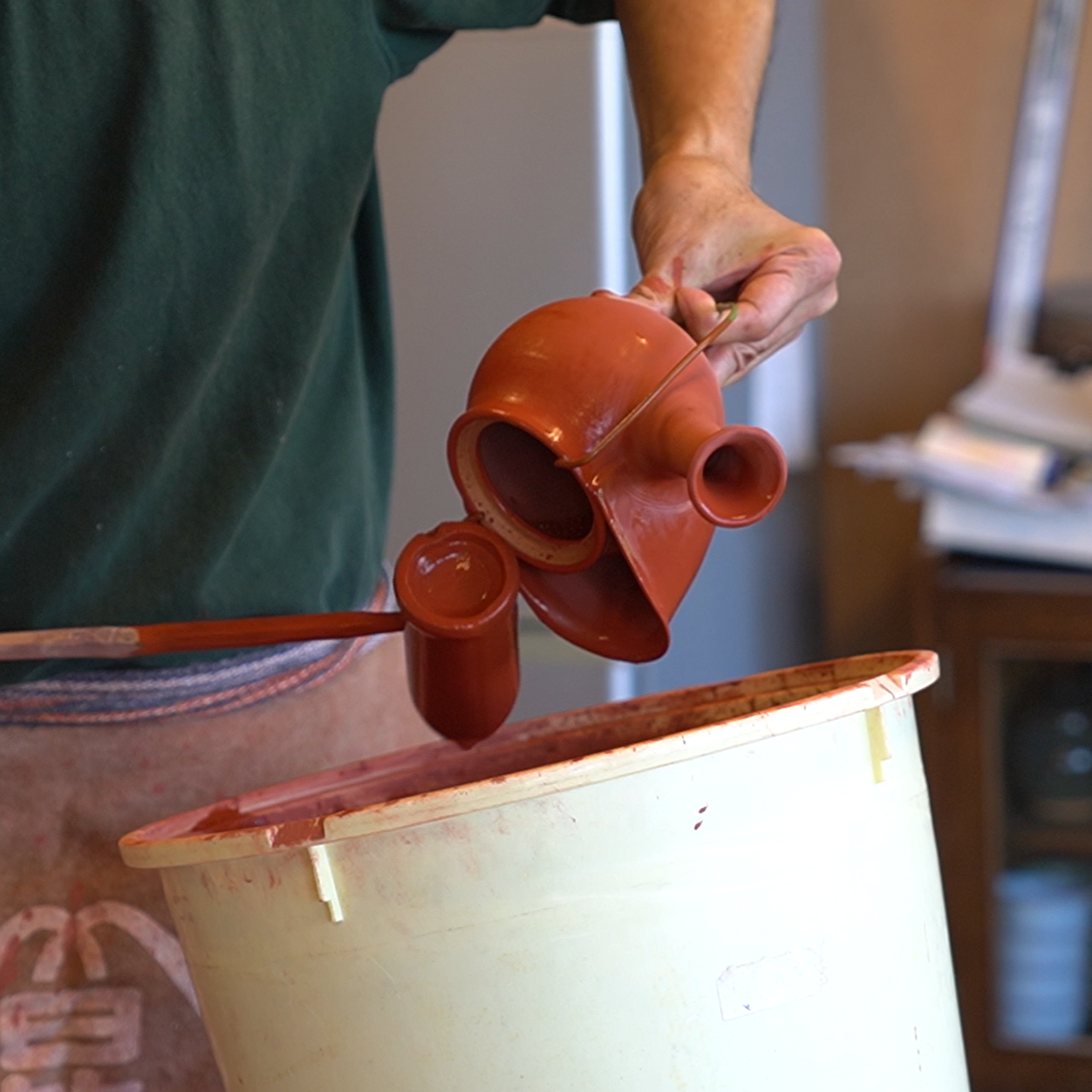
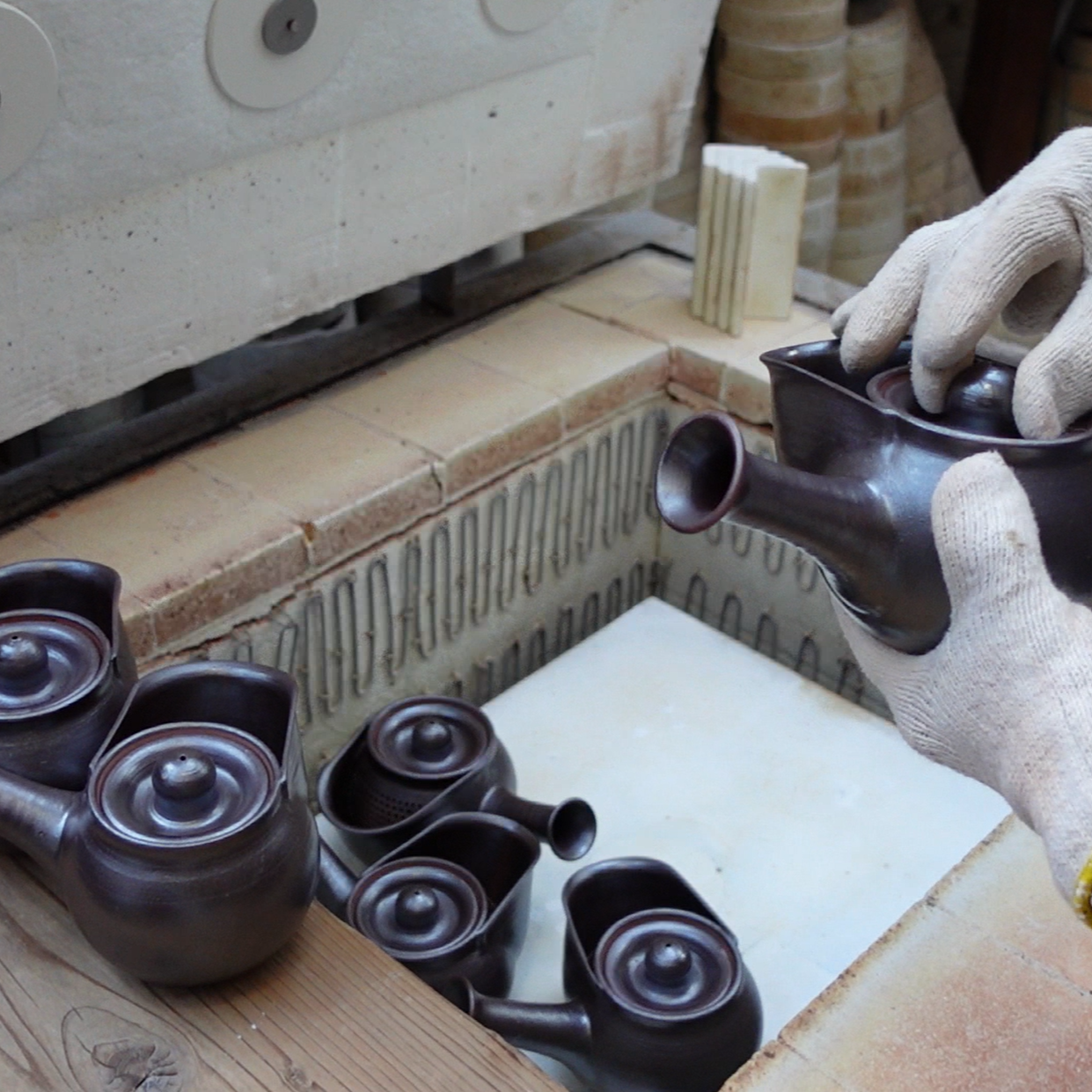
It was named "Pelican kyusu" because the shape of the spout was resemble a pelican.
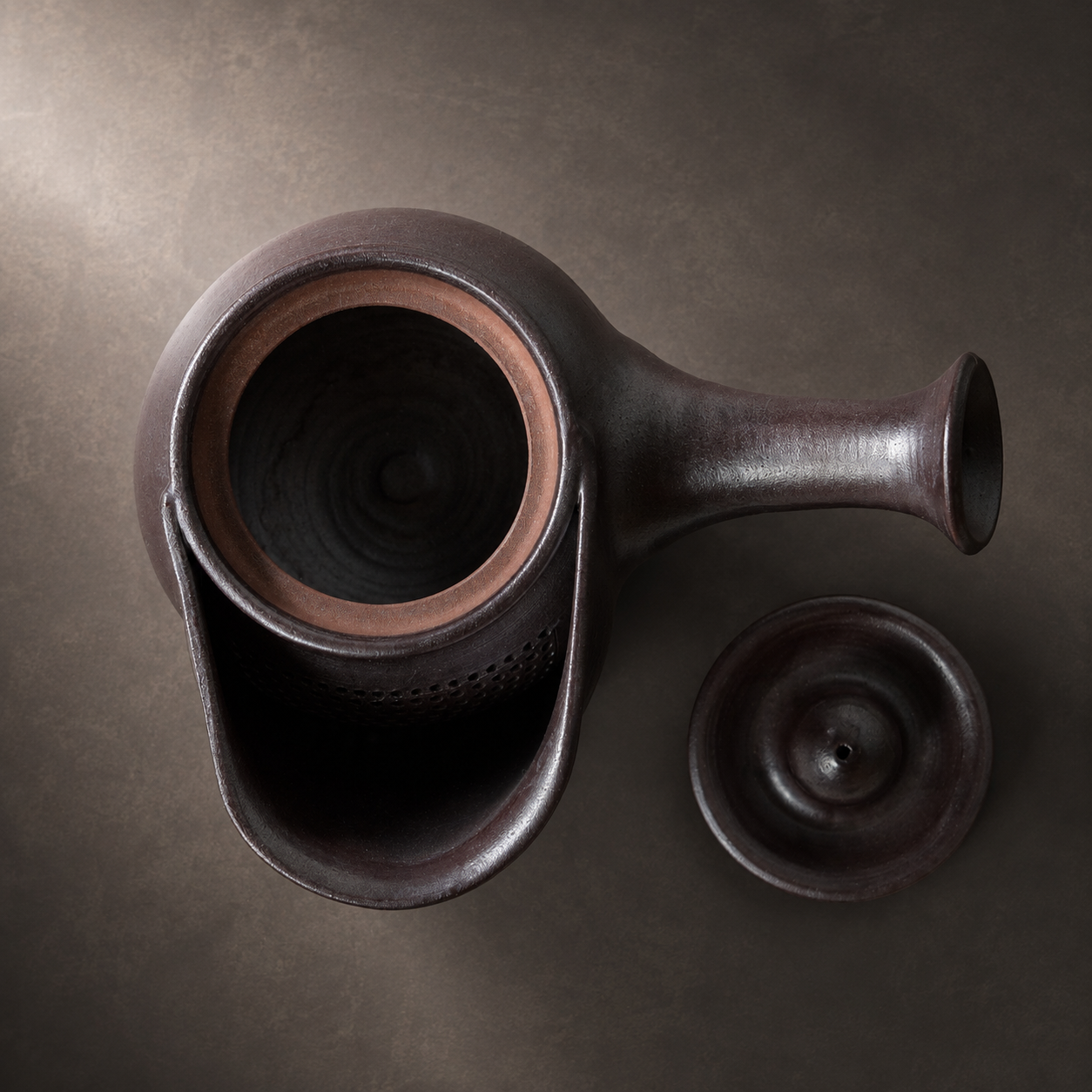
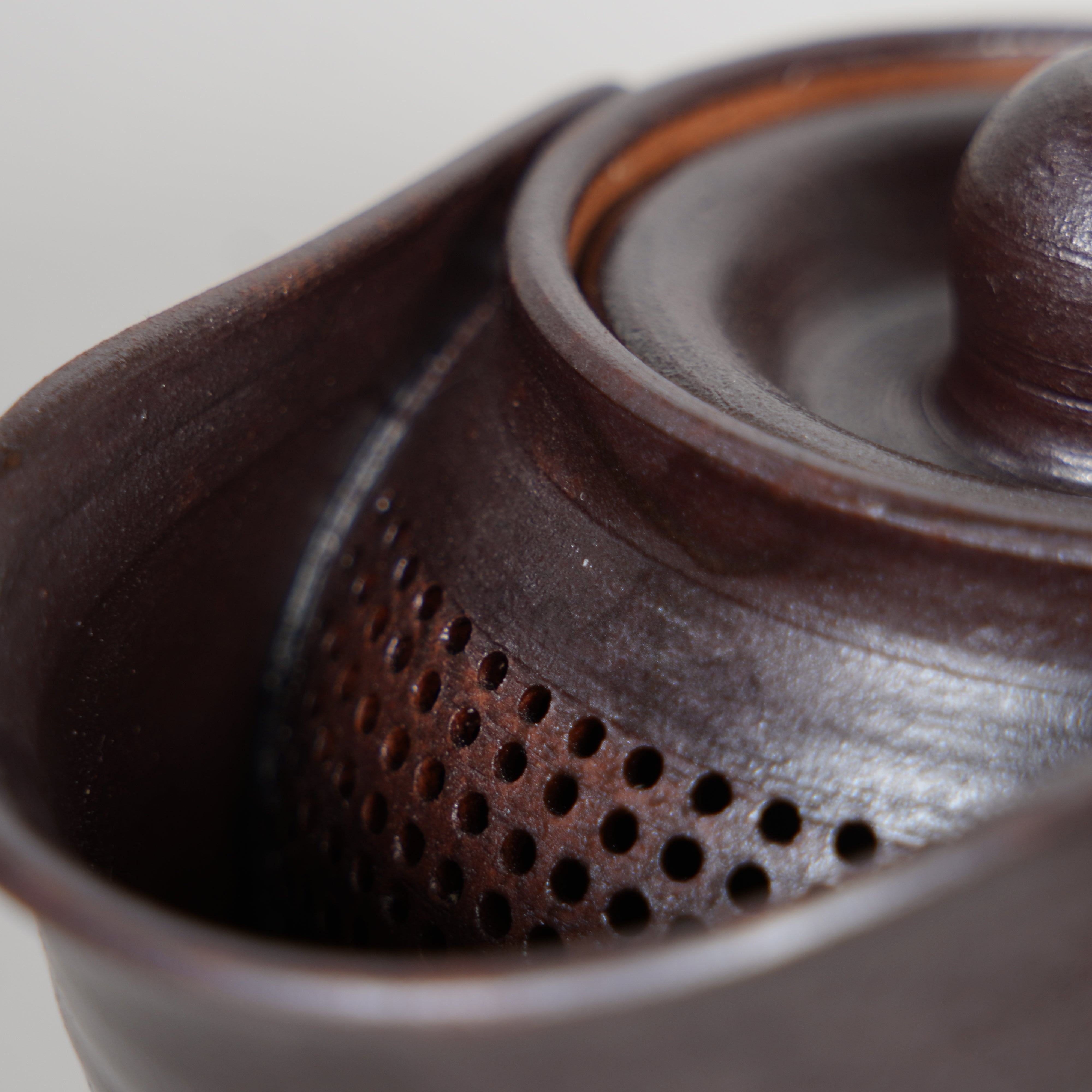
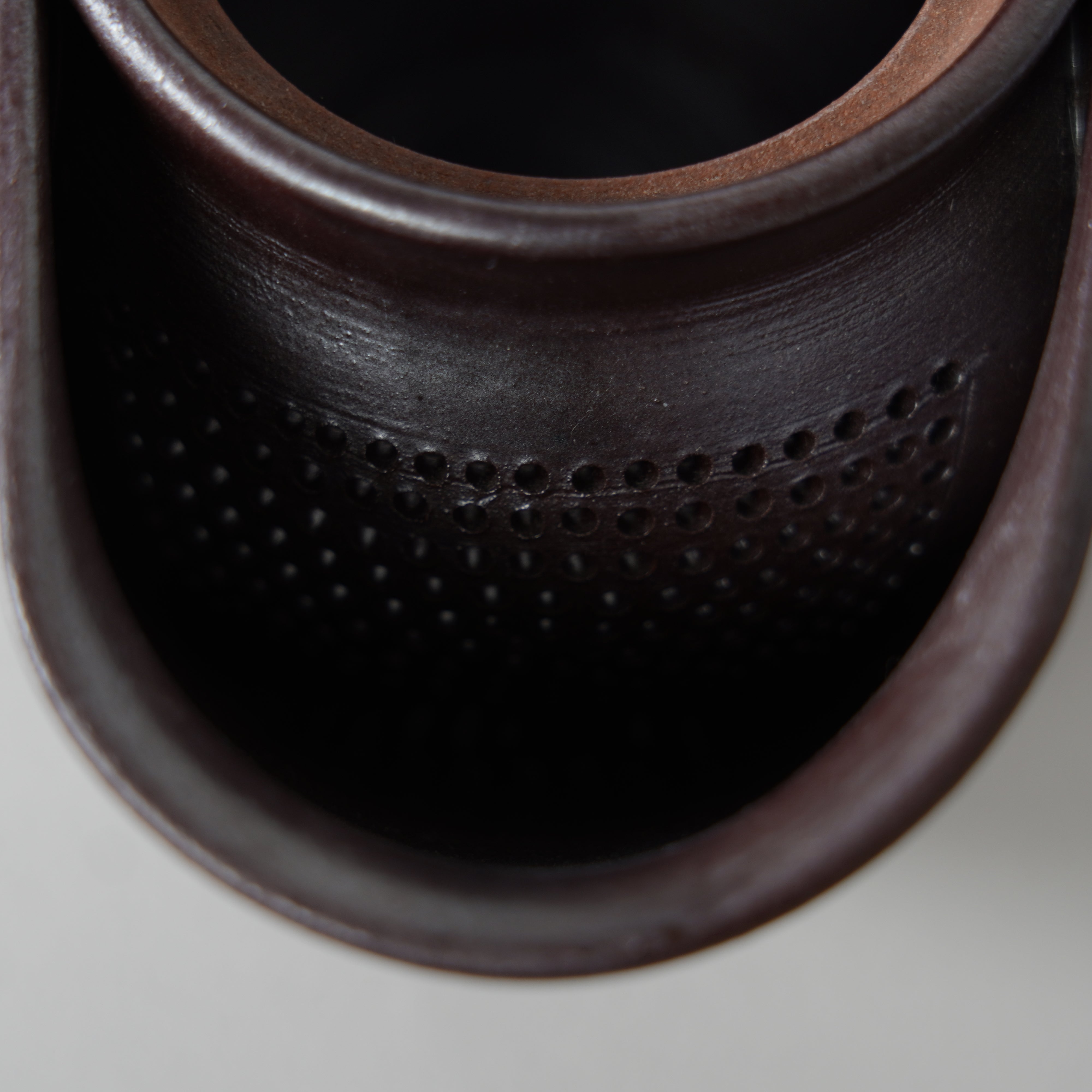
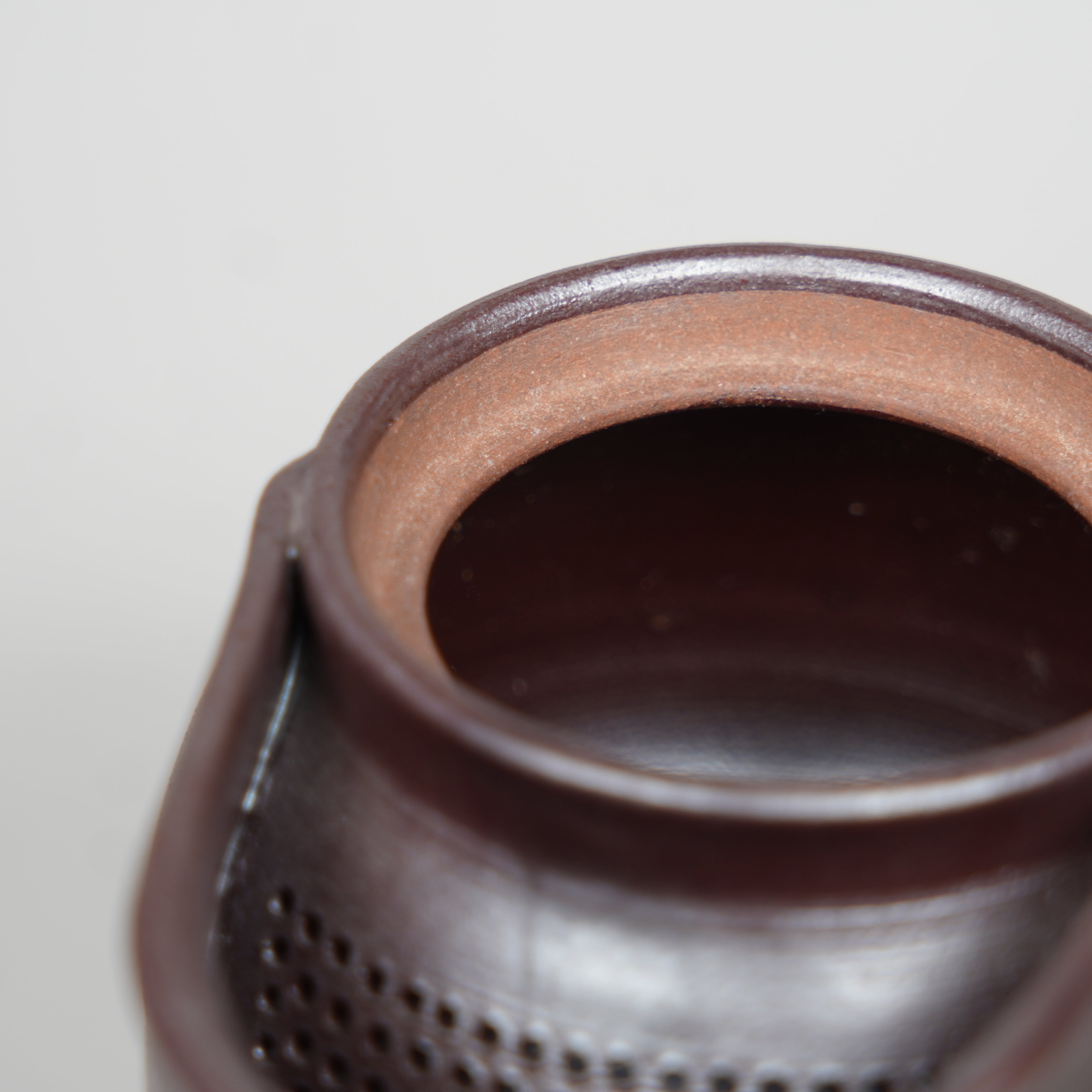
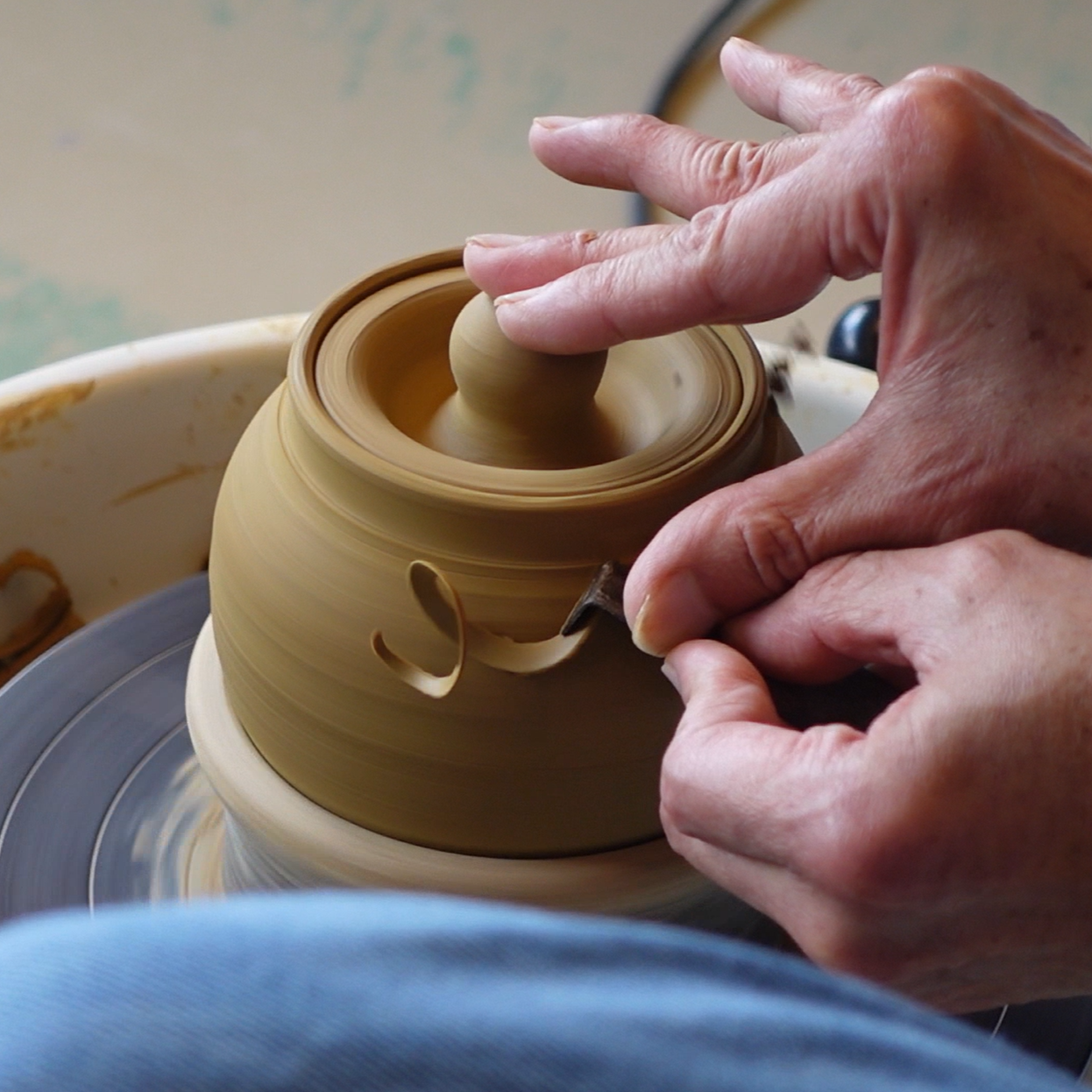
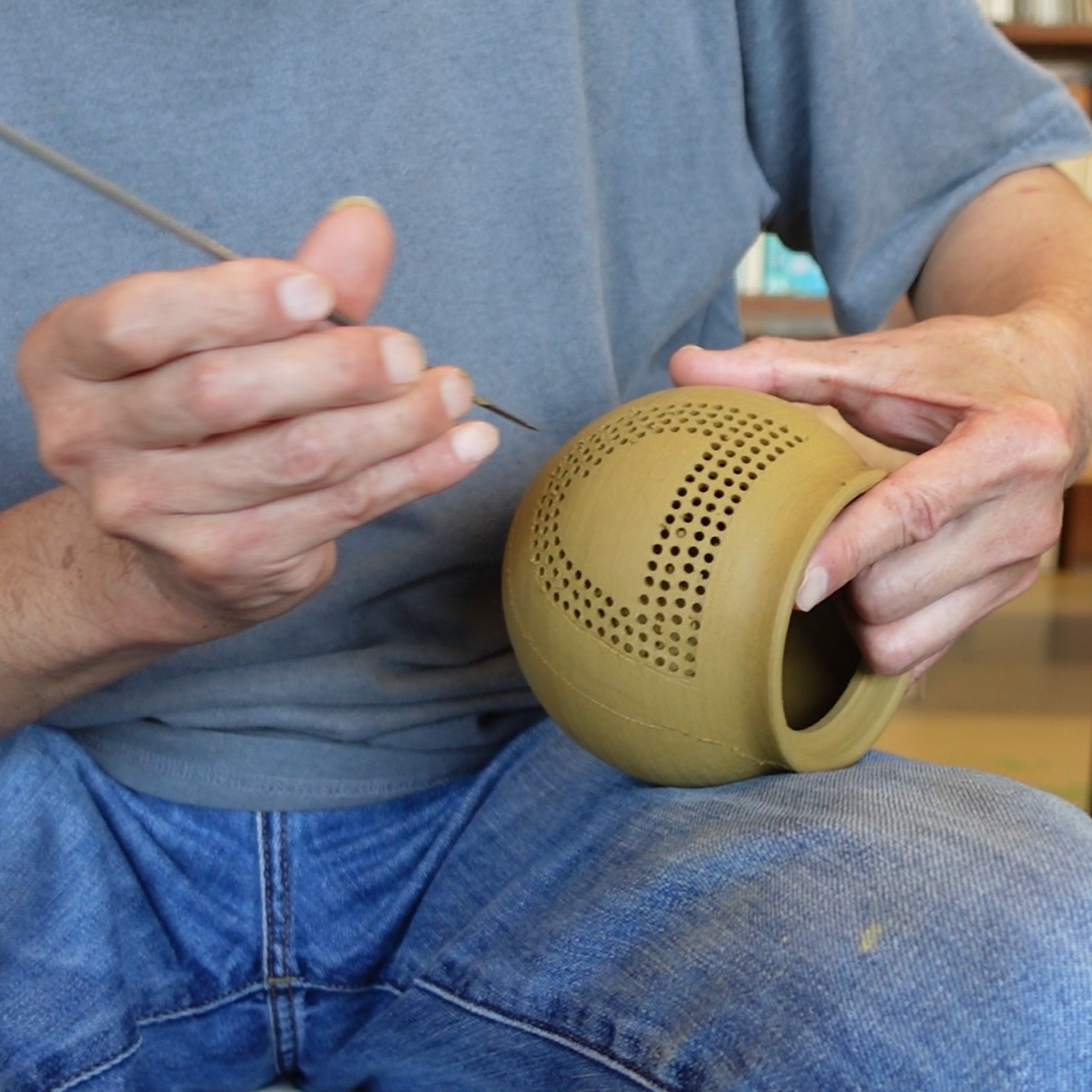
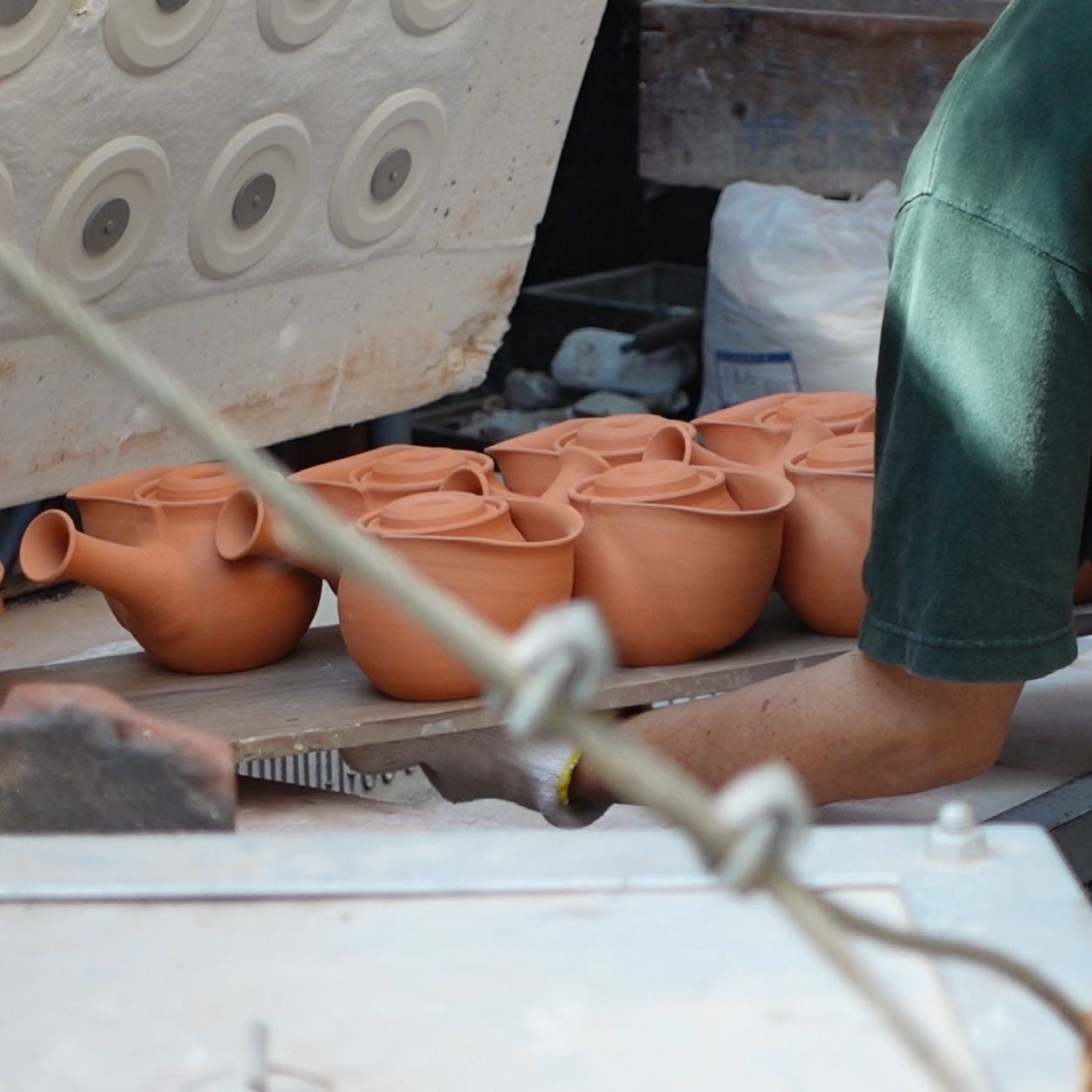
This tea pot (kyusu) has been improved and designed so that tea leaves can be poured out to the last drop without clogging. As you continue to use it, the texture changes and the flavor deepens. It is a special gem that you will want to use for a long time.
Why don't you spend your tea time with Pelican?
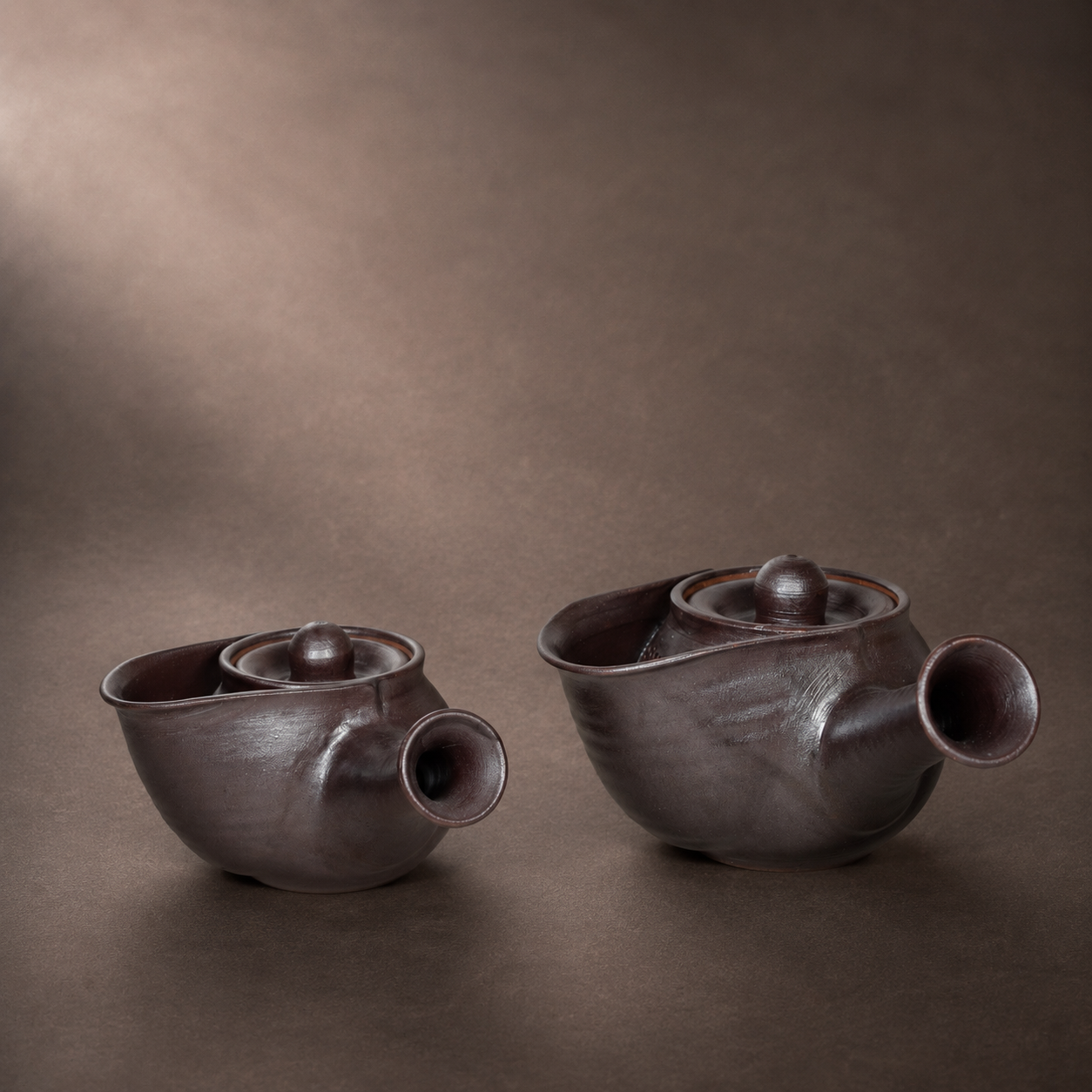
SIZE
Small
Width:12cm
Depth:11cm
Height:9cm
Weight:250~350g
Volume:300~350ml
Medium
Width:14cm
Depth:13cm
Height:10cm
Weight:350~450g
Volume:400~450ml
MATERIAL
Clay
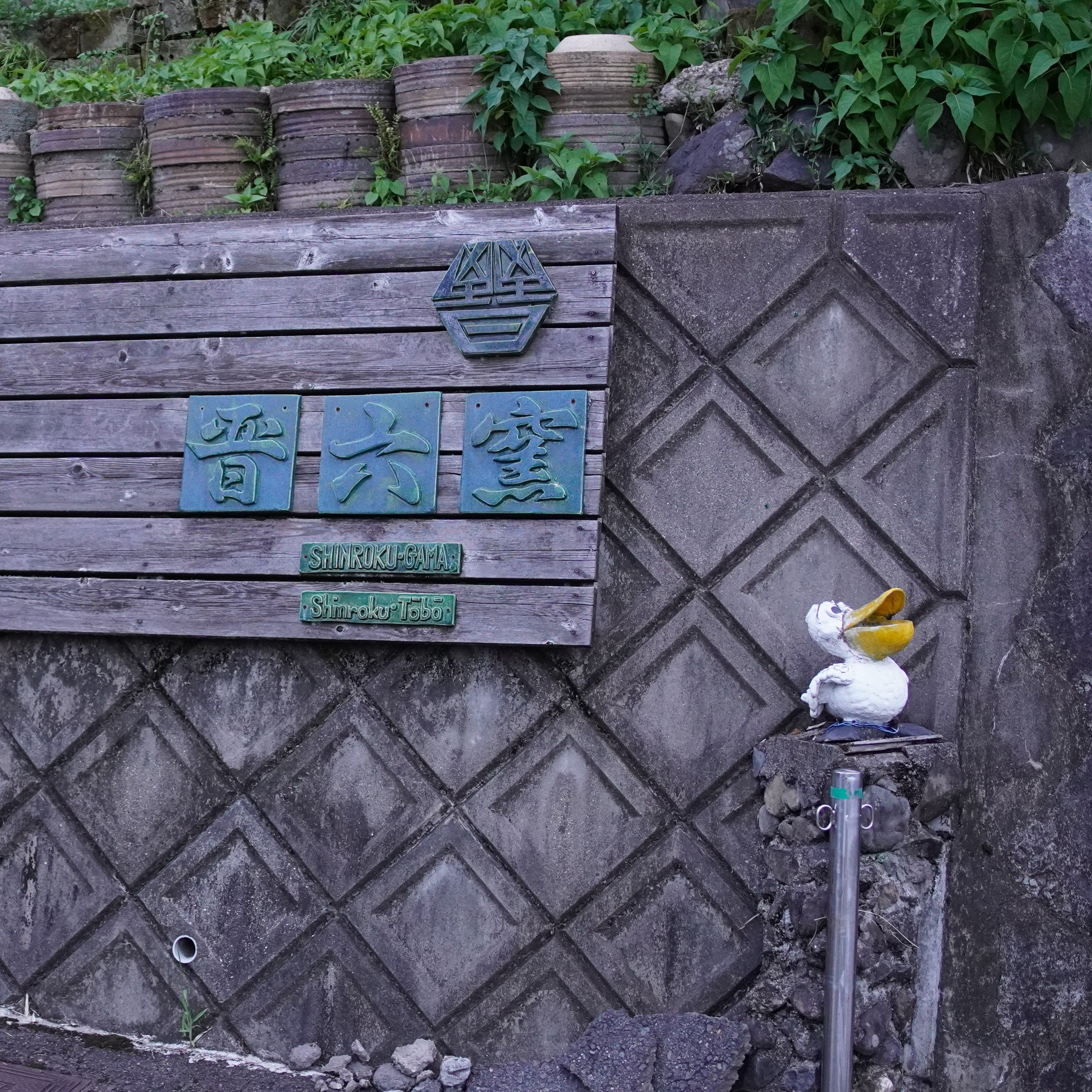
SHINROKUGAMA
"The plate is the clothing of the dish"
I believe that a dish is not finished when it is baked, but only when all of the food preparation and accompanying decorations are in place. We hope that the creator and the user will work together to nurture the "plate".
ARTISAN STORY
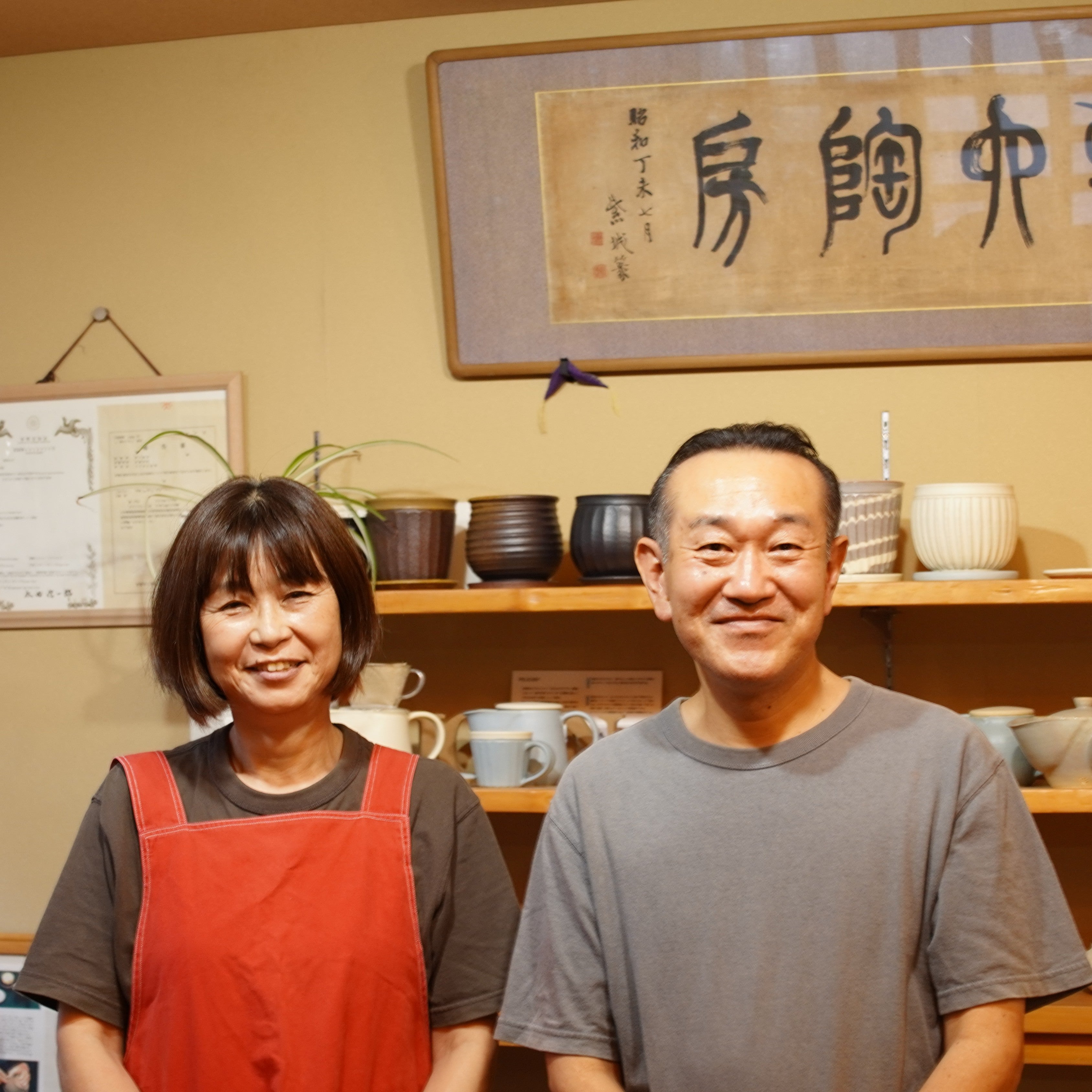
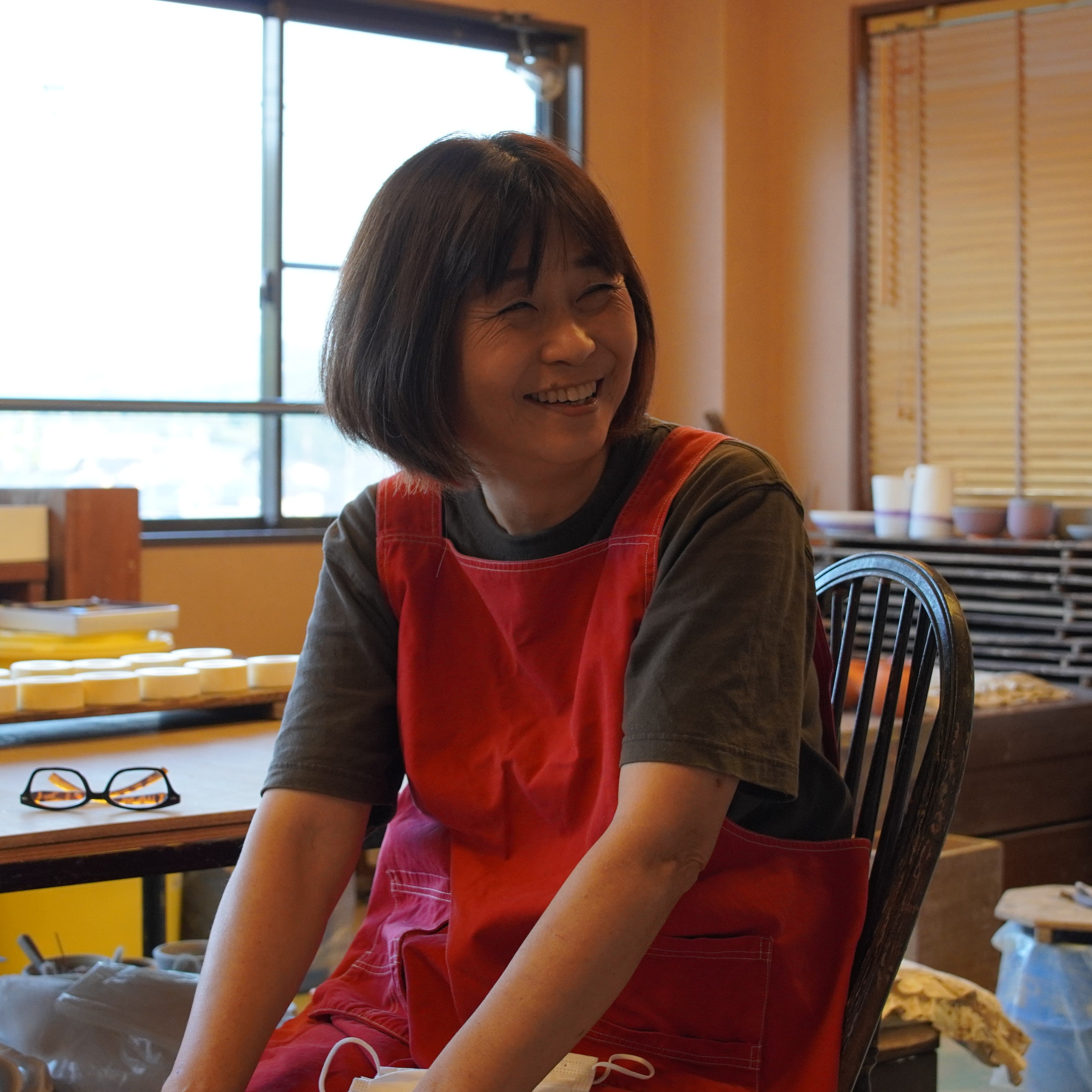
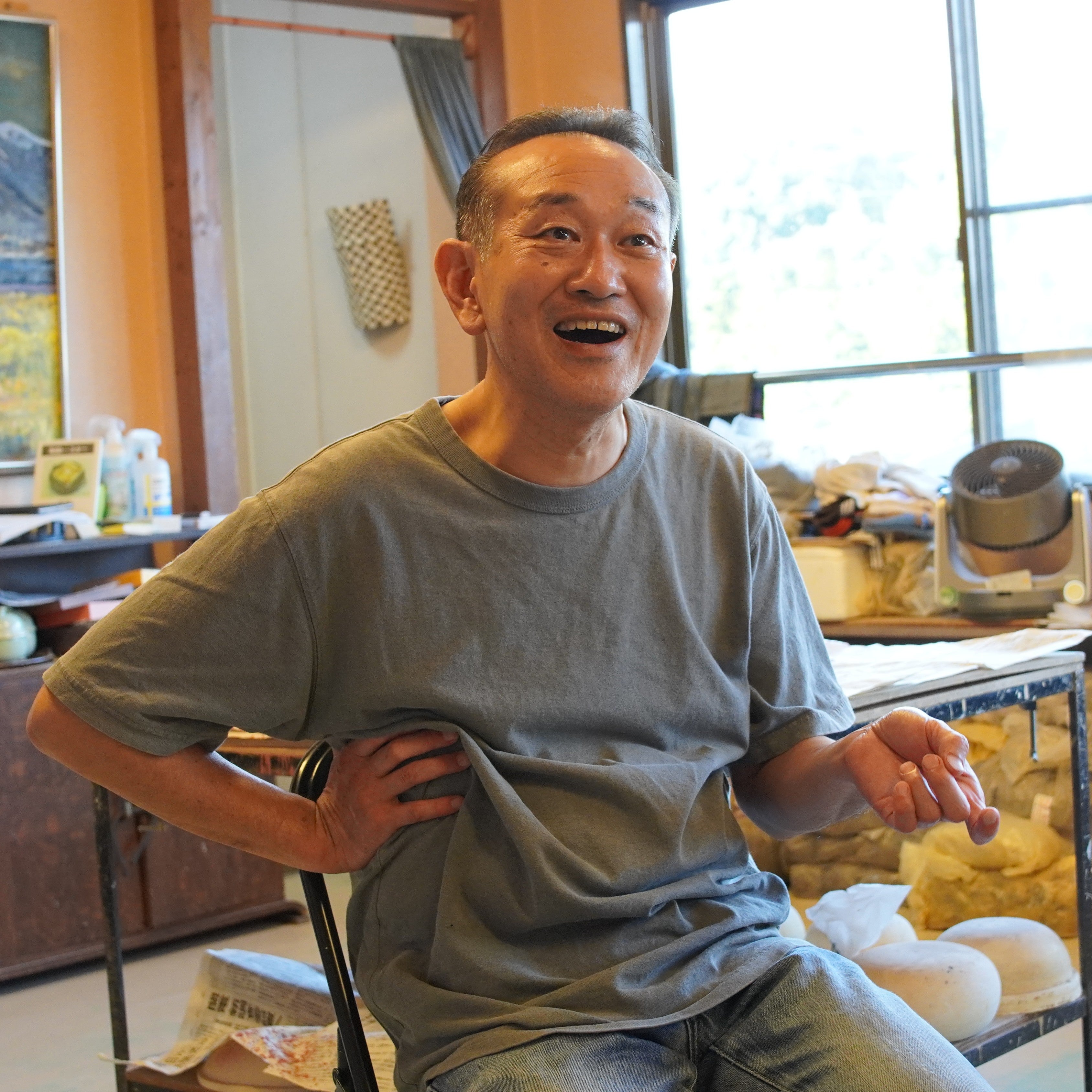
Hirotomo Kyotani & Mika Kyotani / Shinrokugama
He has been making Kyo pottery in Kyoto since 1955 and is now the third generation of craftsmen. "Shinroku" is the name of his grandfather, and he will continue to embody in the products the simplicity of folk art that I inherited from my grandfather. They would like to make pastel-colored tea utensils that fit in with modern life, as well as products that fit the lifestyles of our overseas customers.
ACHIEVEMENTS
・Selected for the 50th Anniversary Himeji City Art Exhibition
・Designated as a traditional craftsman in 2014
・They have received many other awards for their work.
KYO WARE & KIYOMIZU WARE
About 1,200 years ago / 800s / Heian Period (794–1185)
Kyoto ceramics reach back to kilns operating before and during the Heian period, then expanded with tea culture in the Muromachi and Momoyama eras. In the seventeenth century, Nonomura Ninsei perfected brilliant overglaze decoration, followed by innovators such as Ogata Kenzan, Okuda Eisen and Aoki Mokubei, whose diverse approaches shaped today’s Kyo and Kiyomizu ware.
In Japan, these ceramics are famous precisely because there is no single fixed style. Tea bowls, kaiseki dishes and everyday tableware may use overglaze painting, blue-and-white decoration, gold, sancai-inspired color and many other techniques. The craft sits at the heart of Kyoto’s culture of pairing vessels with cuisine and tea.
The surprising point is that Kyoto was never defined by a single major clay deposit. Potters drew on materials such as Amakusa porcelain stone, techniques arriving from other regions, and the tastes of artists and patrons gathered in the capital. Freedom from one local material helped make Kyoto ceramics unusually hybrid and stylistically diverse.
Individual Differences
As each piece is individually handcrafted, slight variations in color, pattern, shape, and texture may occur. These subtle differences are a natural characteristic of handcrafted works, making each piece truly unique. We hope you will enjoy these individual variations as part of the beauty and character of Japanese craftsmanship.
Production Time
If an item is not currently in stock, it may be made to order by the artisan. As each piece is carefully handcrafted, production may take several months depending on the item and the artisan's schedule. We appreciate your patience and understanding.
Scegli le opzioni