Gold-Mahākāla
DESCRIPTION
DETAILS
SIZE
MATERIAL
ARTISAN
KOGEI
Caution
Gold-Mahākāla
Prezzo scontato$3,790.00
Scegli le opzioni
Gold-Mahākāla
Prezzo scontato$3,790.00
Paese/Area geografica
Lingua
Carrello
Il tuo carrello è vuoto
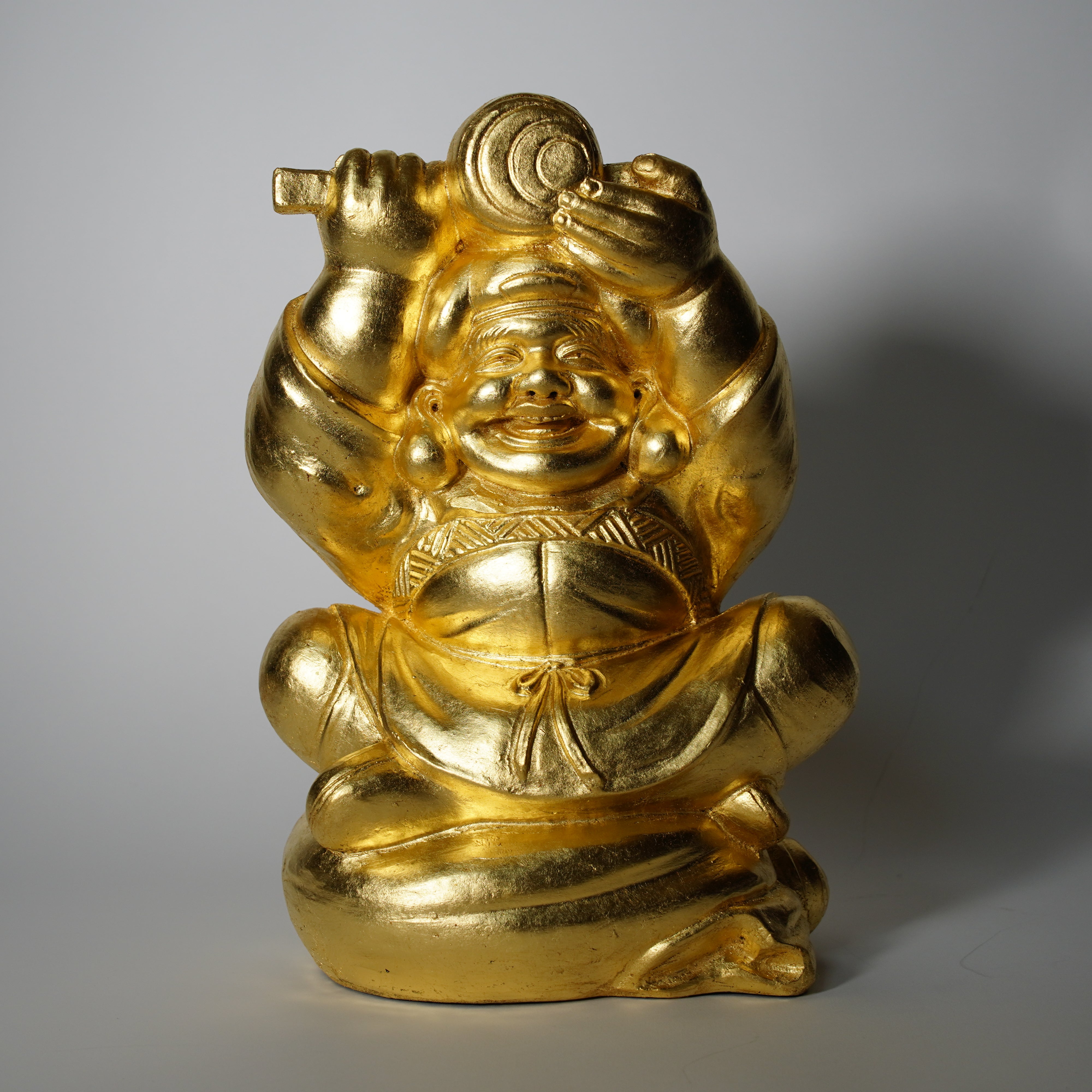
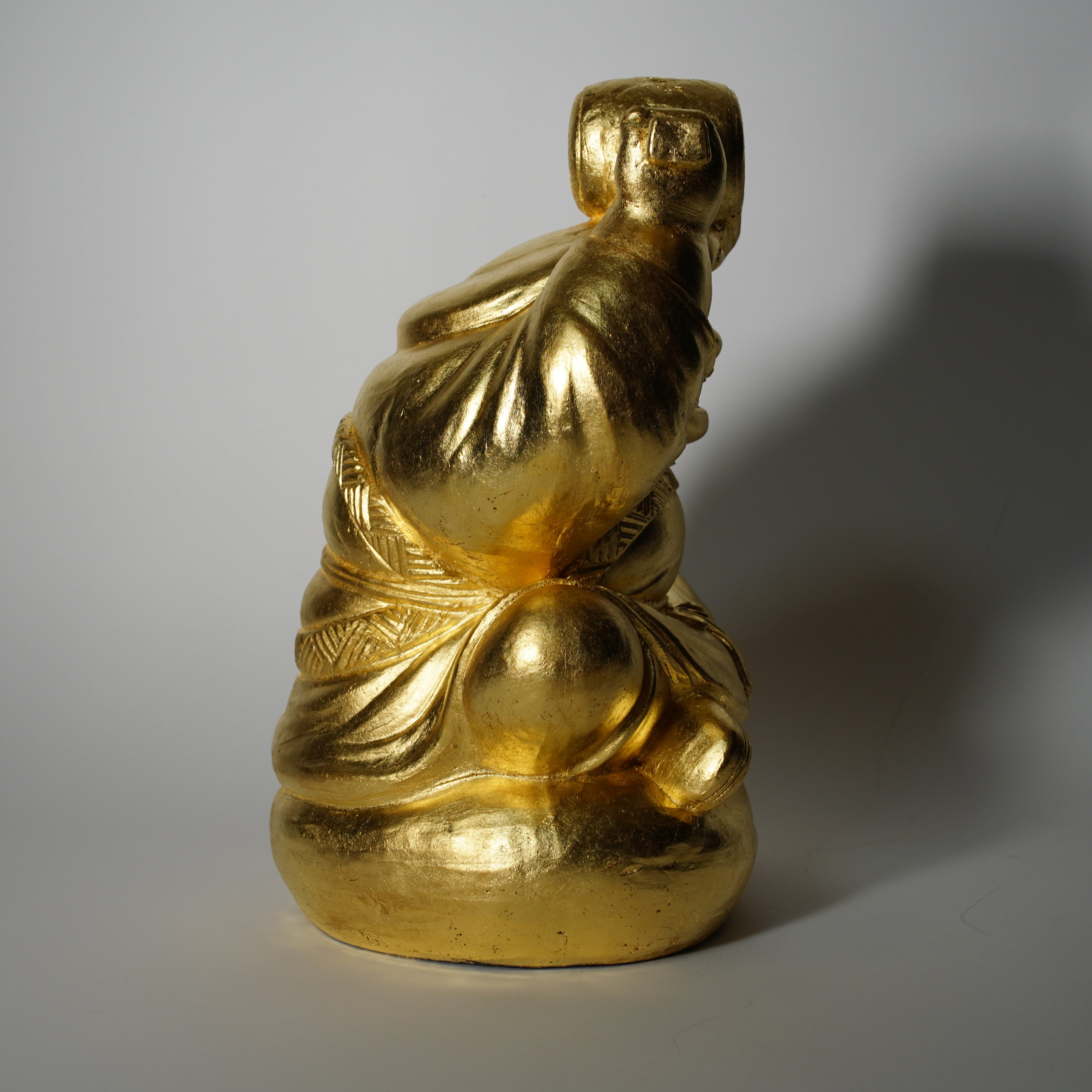
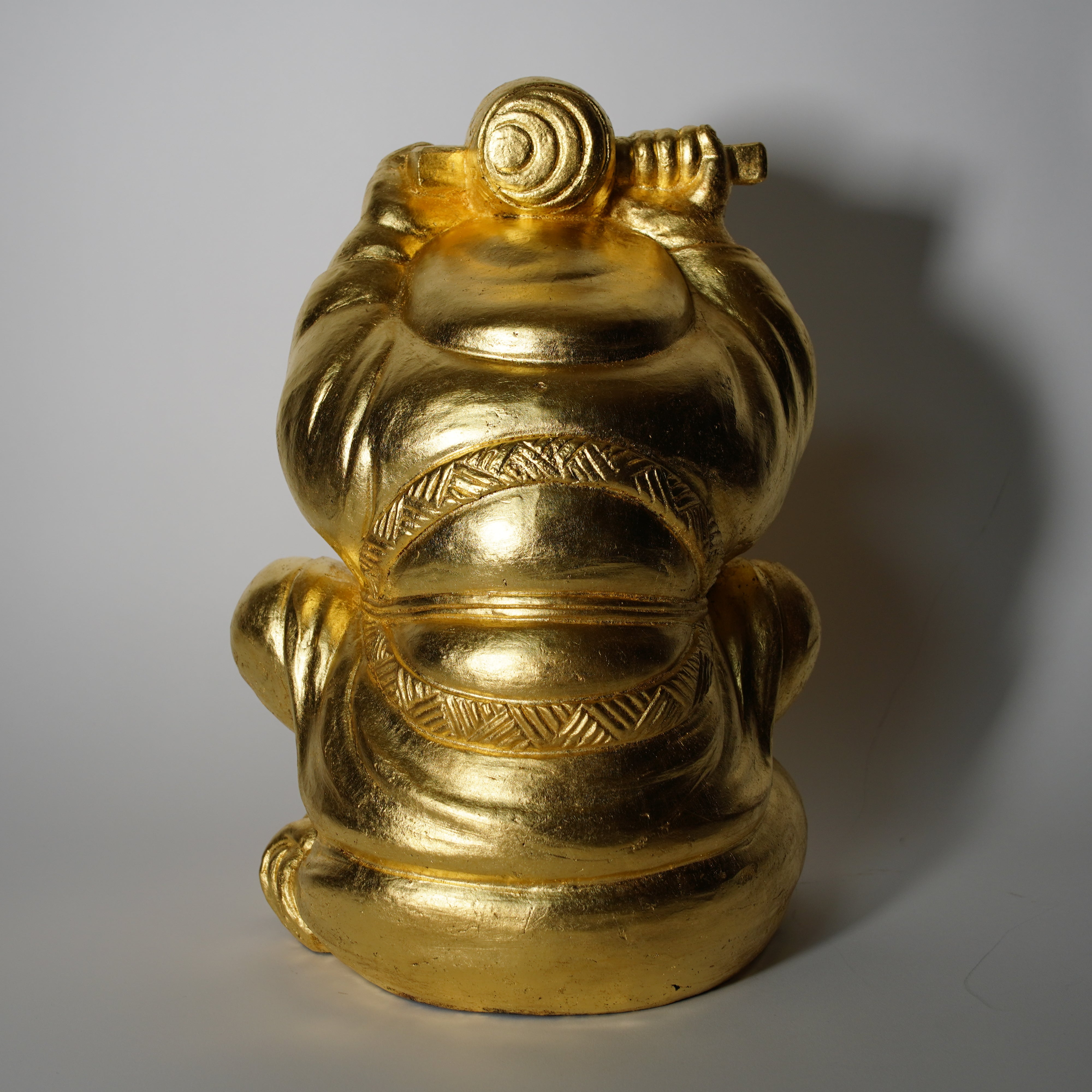
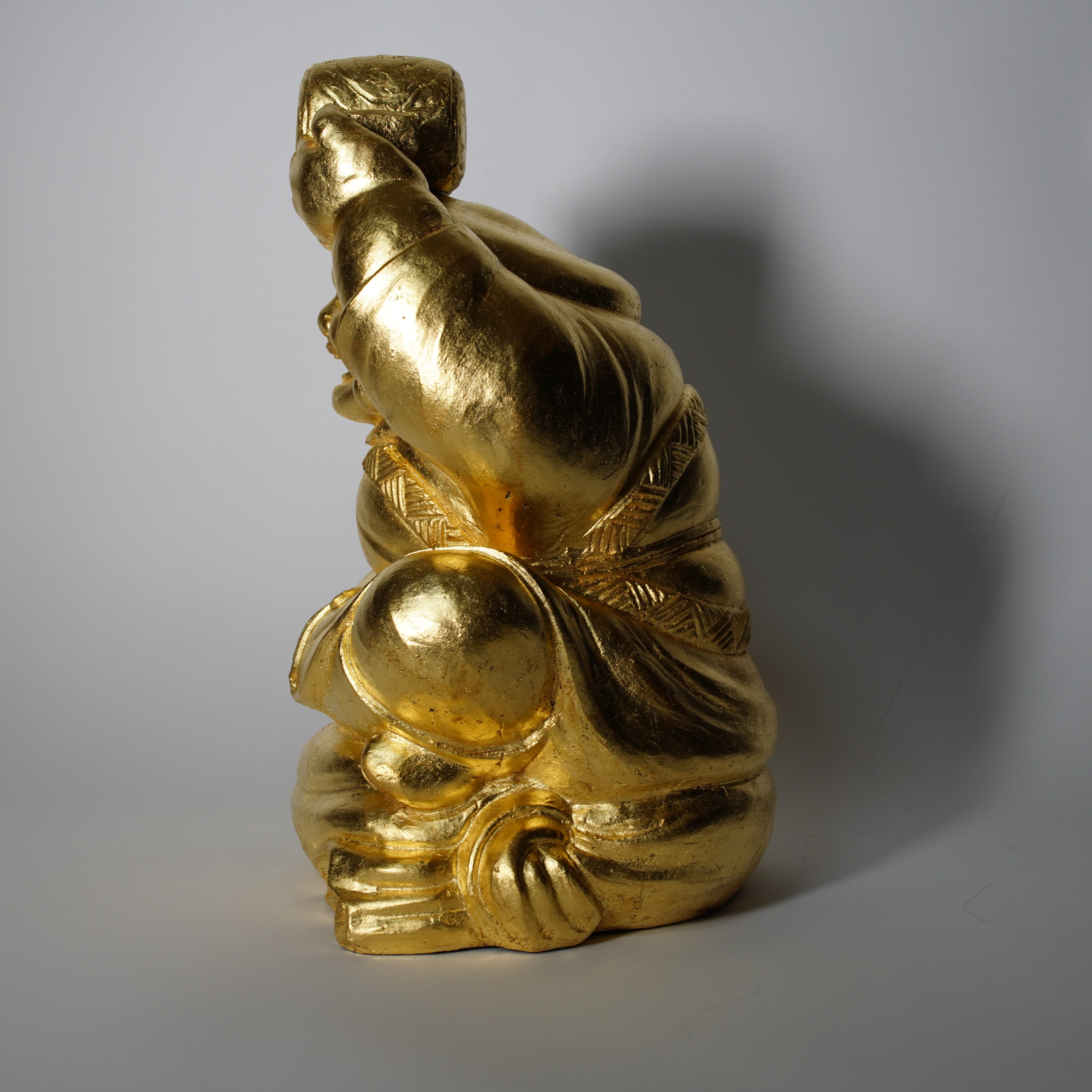
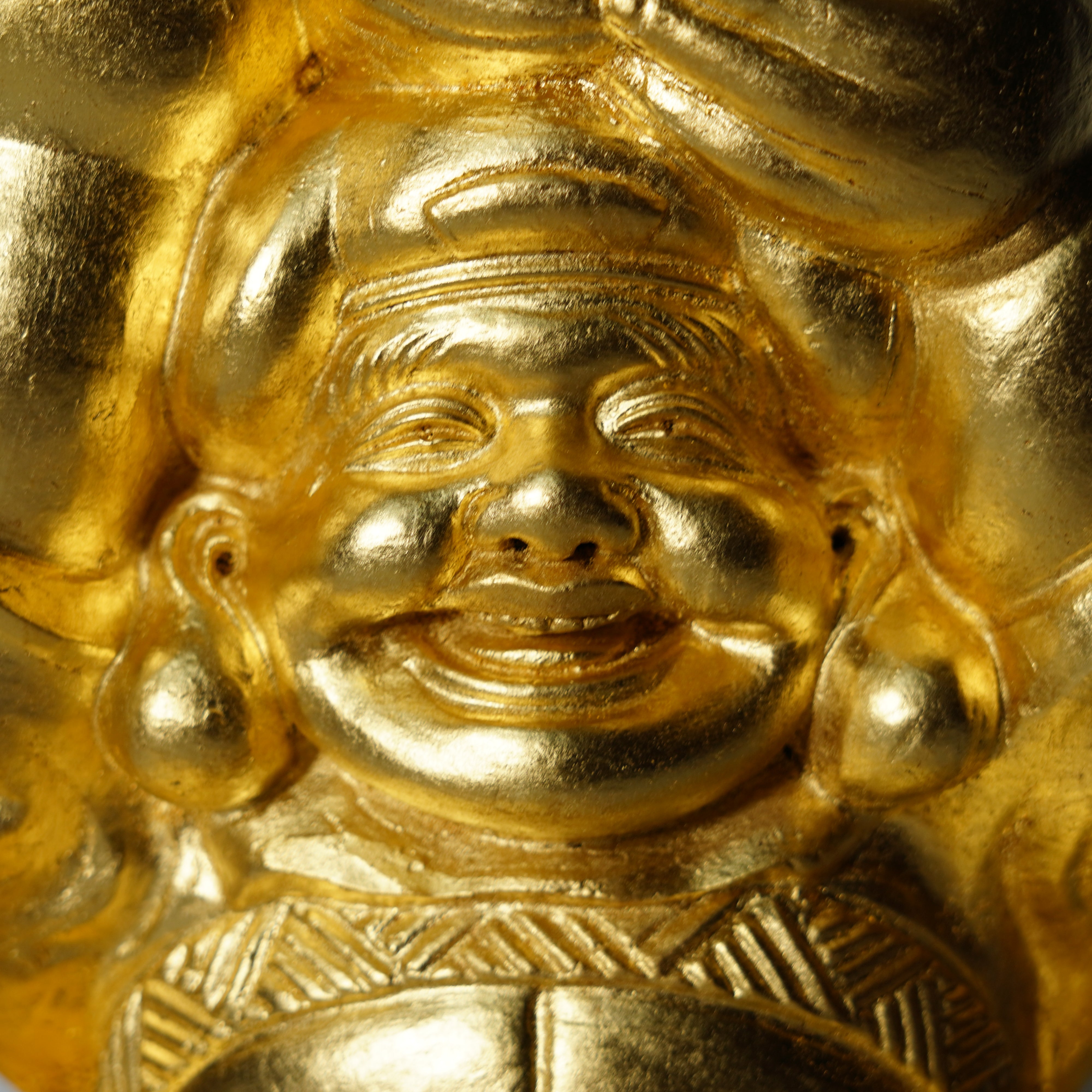
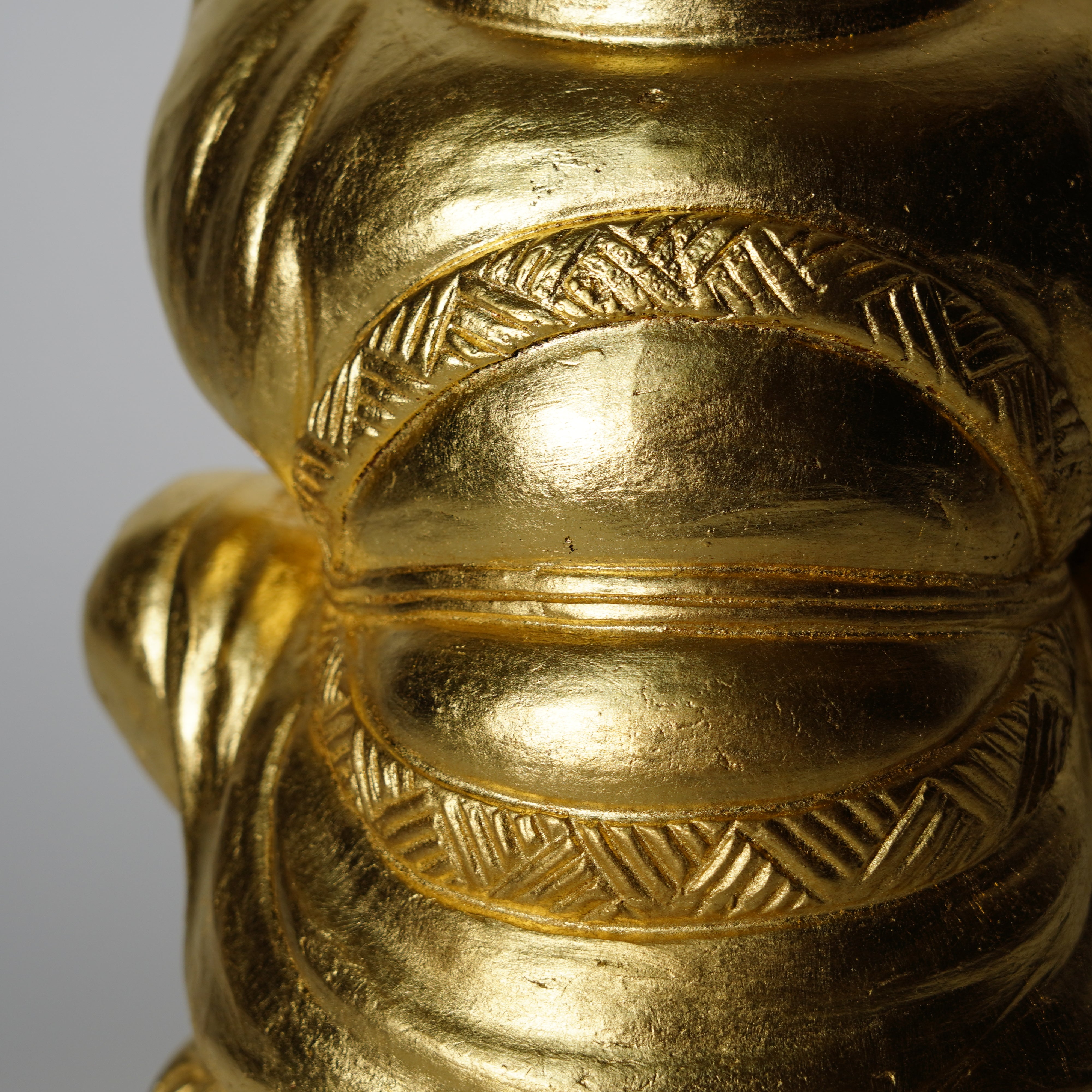
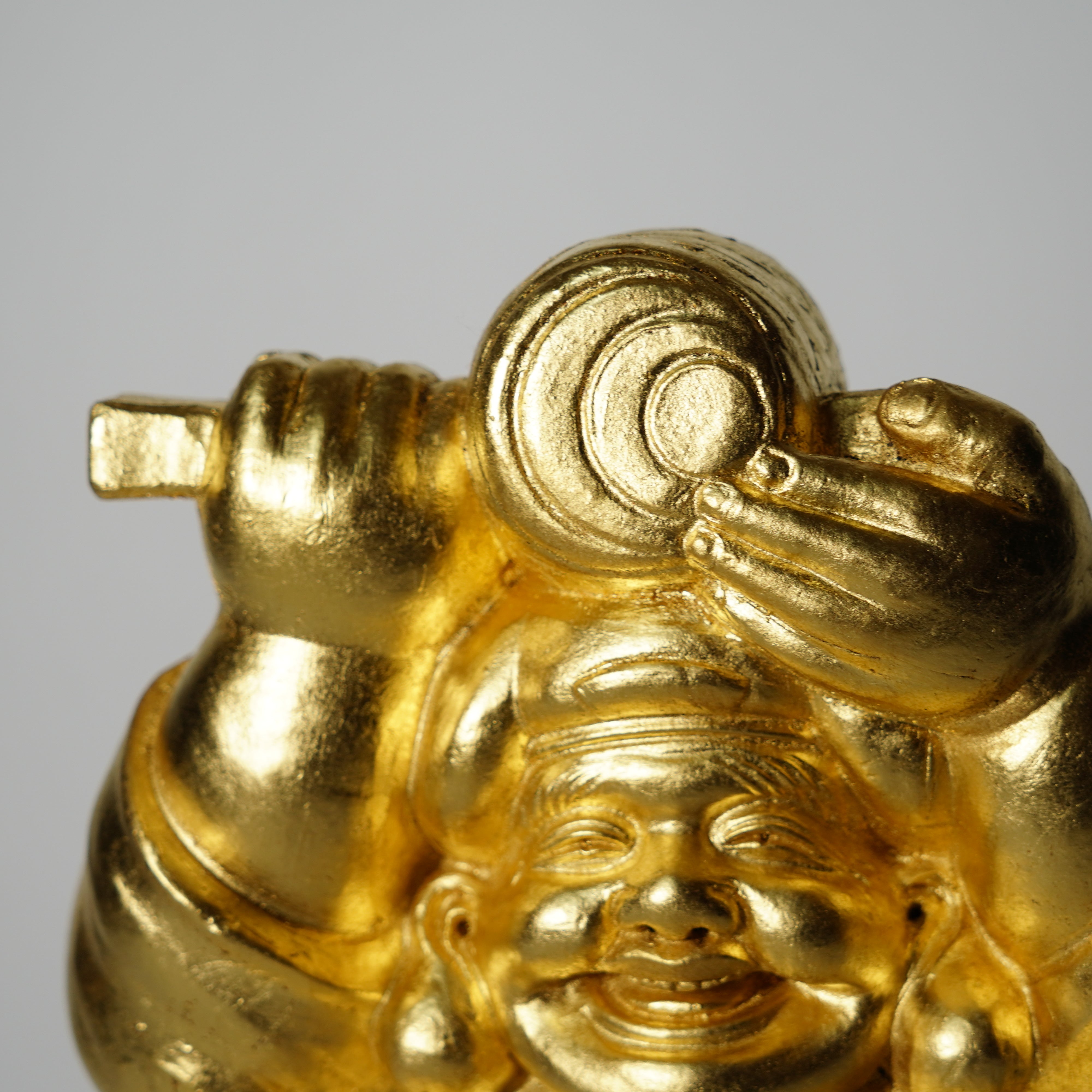
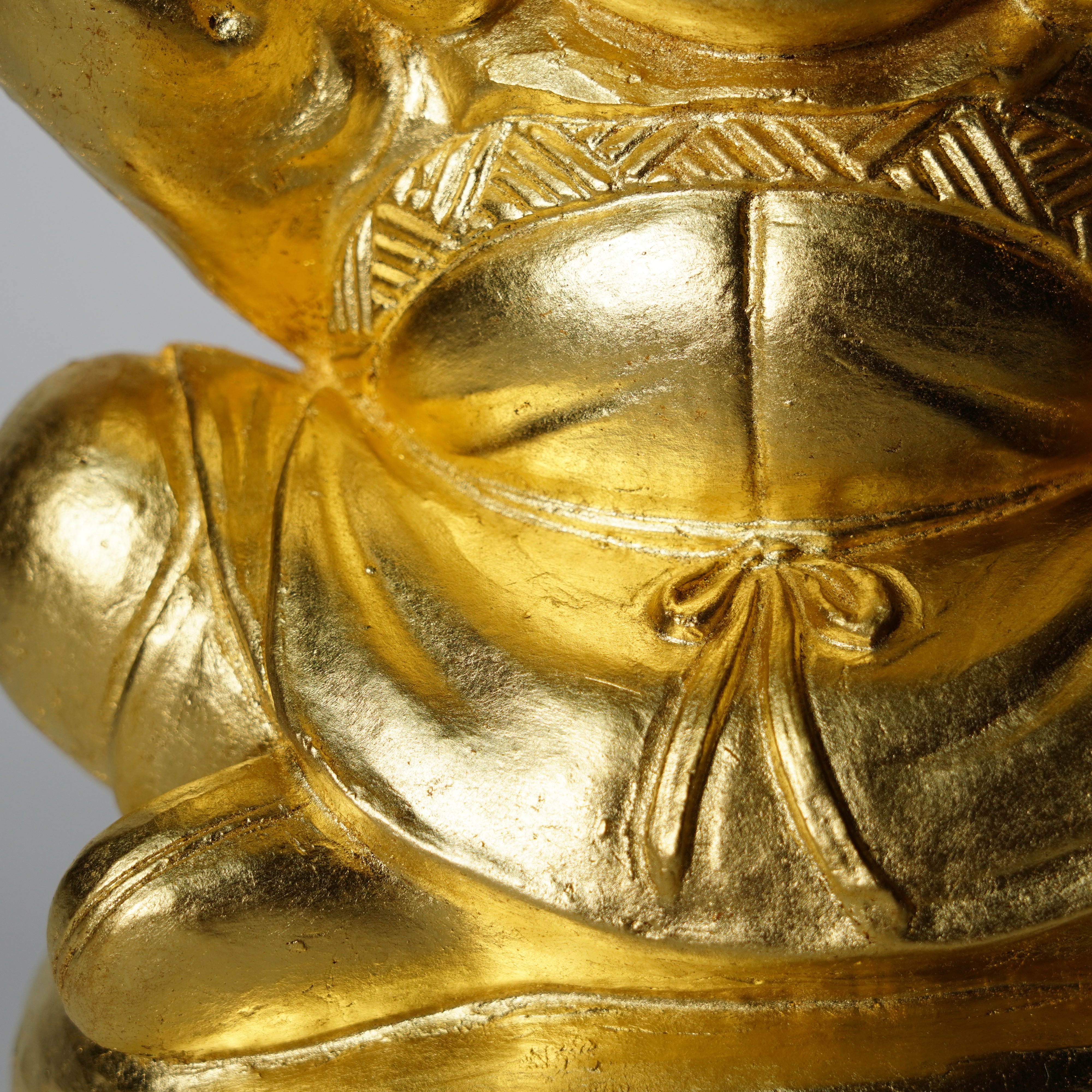
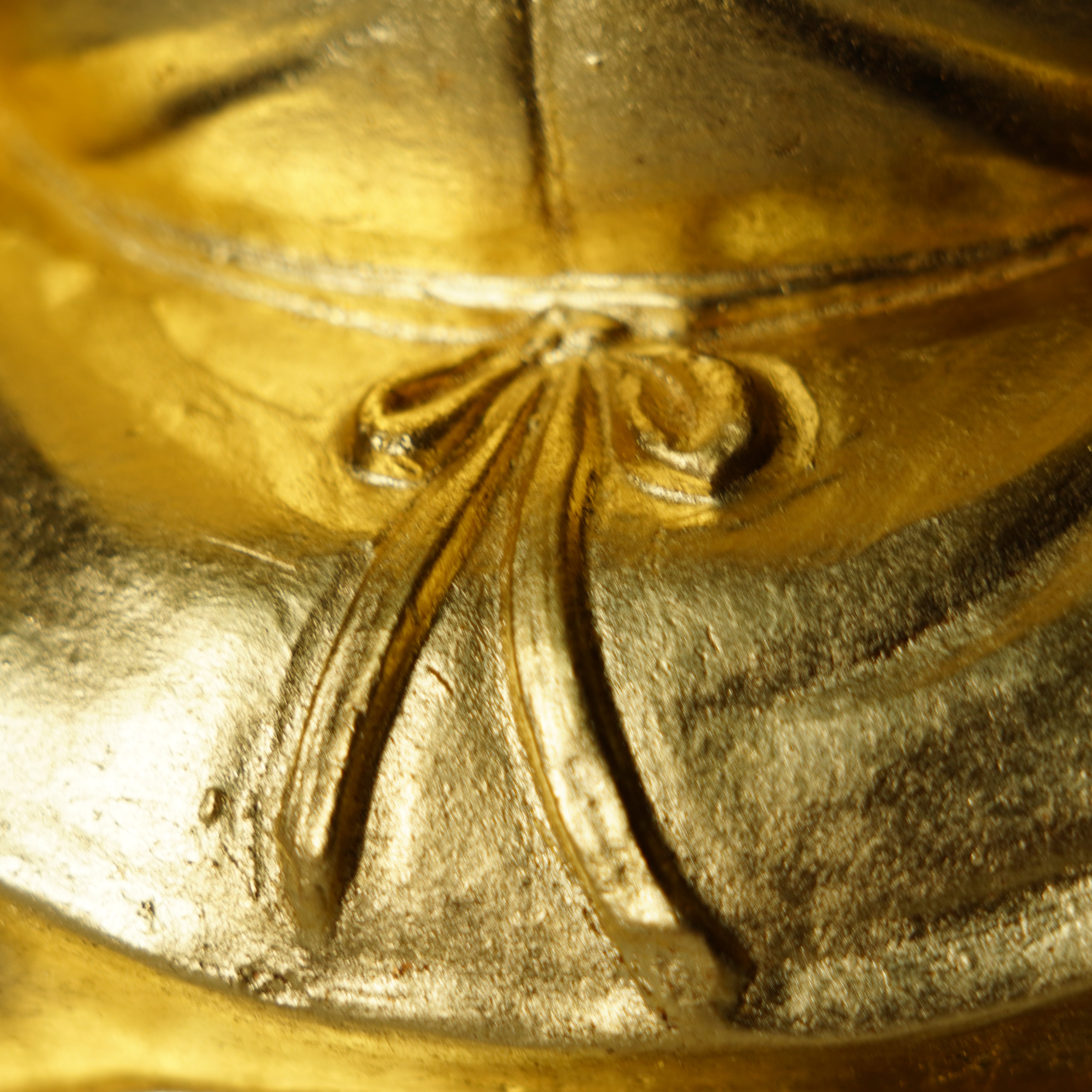
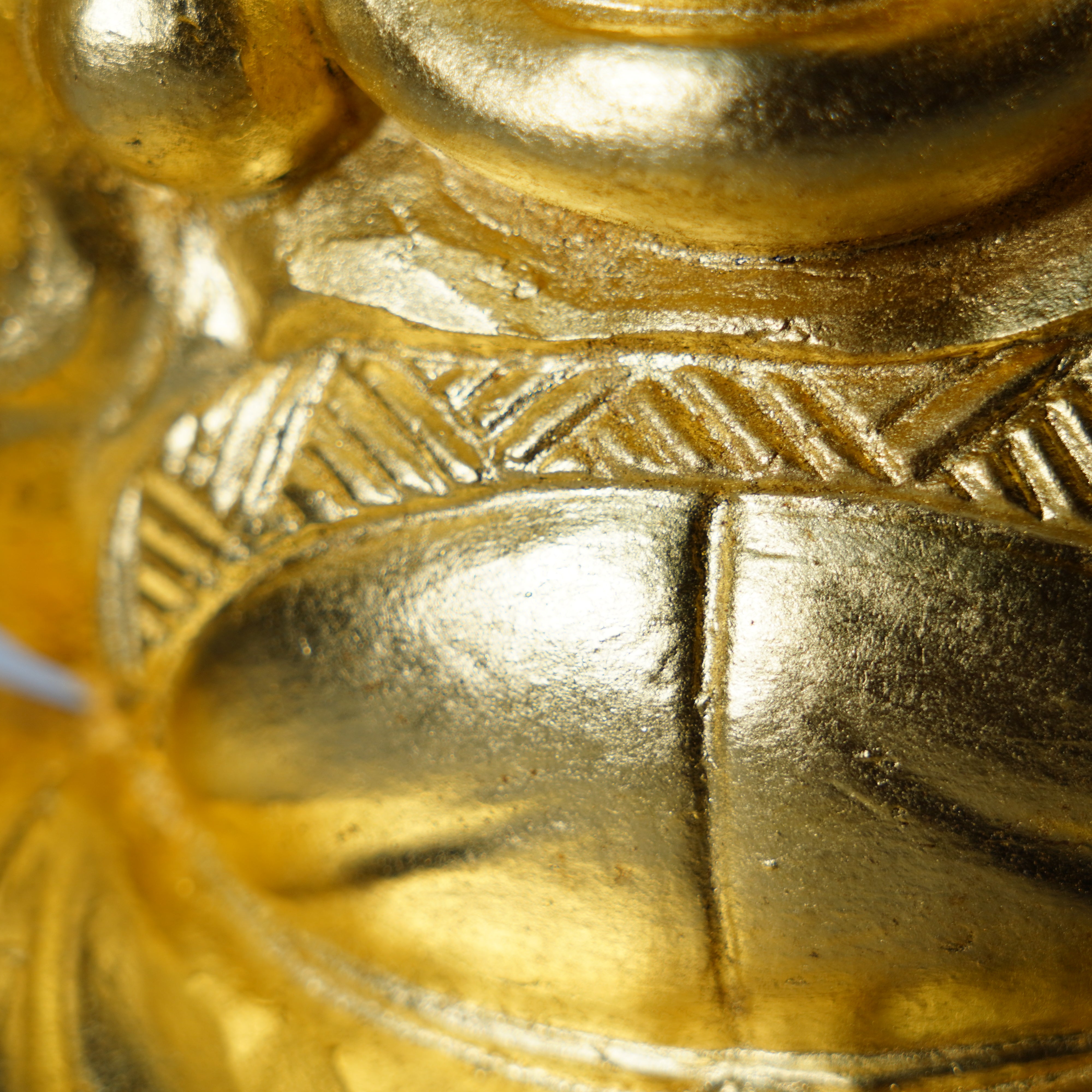
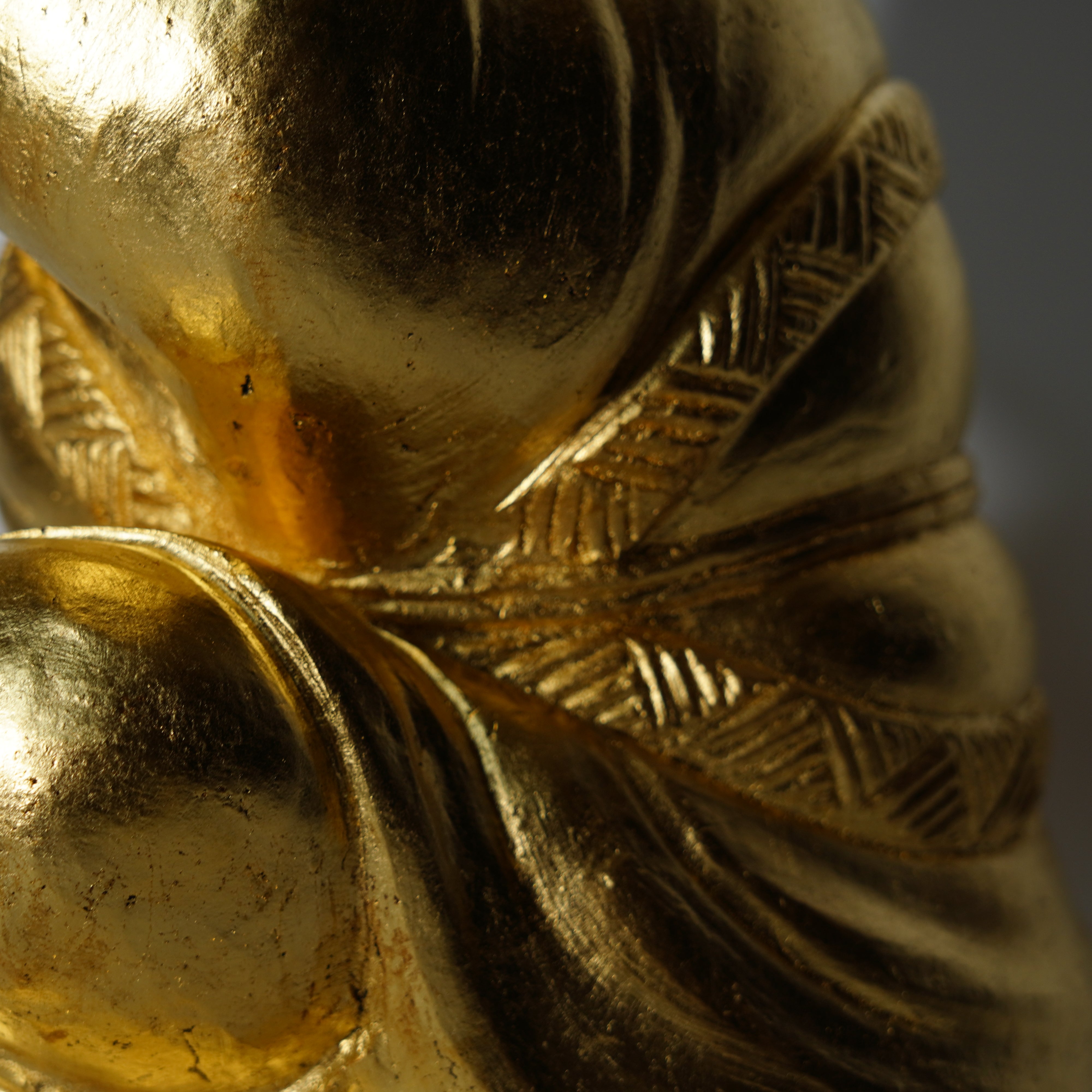
Mahakala, (known as Daikokuten in Japan), who presides over destruction and rebirth in Indian mythology, is coated in gold leaf.
In Japan, he is known as the god of wealth and is extremely auspicious. It has a very large impact as an ornament, and its presence will stand out when placed in a room. It is a one-of-a-kind piece, so it is a special piece that will never be found in the world!
SIZE
Tea caddy
Width:23cmDepth:20cmHeight:37cmWeight:5,800g
MATERIAL
Brass
Gold leaf
NORIFUMI FUJISAWA
"Gold has the power to attract people."
When you are walking on the street and see a gold-colored object glittering, your eyes may suddenly turn to look at it. And you may stare at it. I would like to produce a work that attracts you like the Golden Pavilion
ARTISAN STORY
Norifumi Fujisawa.
A gold leaf press craftsman who has been working in the world of Buddhist altars since 1998, now in his 28th year. He continues to take on the unprecedented challenge of applying gold leaf to figurines, shoes, and other memorable items not related to Buddhist I93altars. We hope you will enjoy the world of Mr. Fujisawa's work, which embodies the images that come to mind in his mind.
ACHIEVEMENTS
・Certified Craftsman of Kyoto
・Three-person exhibition in Paris
・Held workshop in Taipei
KYO BUTSUDAN / KYOTO BUDDHIST ALTARS
About 1,000 years ago / 1000s / Heian Period (794–1185)
Kyoto Buddhist altars developed after the Heian period as temple building concentrated sculptors, woodworkers, lacquerers, gilders and decorative metal specialists in the capital. During the Edo period, the growth of major Buddhist sects and household worship increased demand, turning Kyoto into a center for highly sophisticated altars and ritual fittings.
In Japan, a household altar is a place to address ancestors and remember the dead. Large traditional altars have become less common in compact urban homes, but smaller prayer spaces and furniture-like designs continue to adapt the practice to modern life.
A Kyoto altar is rarely the work of one craftsperson. Wood construction, carving, lacquer, gold leaf, maki-e, metal fittings and final assembly can be divided among numerous specialists. In a single cabinet, many of Kyoto’s most important craft traditions are brought together—almost like a miniature temple.
Individual Differences
As each piece is individually handcrafted, slight variations in color, pattern, shape, and texture may occur. These subtle differences are a natural characteristic of handcrafted works, making each piece truly unique. We hope you will enjoy these individual variations as part of the beauty and character of Japanese craftsmanship.
Production Time
If an item is not currently in stock, it may be made to order by the artisan. As each piece is carefully handcrafted, production may take several months depending on the item and the artisan's schedule. We appreciate your patience and understanding.
Scegli le opzioni