Pannello d'arte / Yohen Tenmoku
DESCRIPTION
DETAILS
SIZE
MATERIAL
ARTISAN
KOGEI
Caution
Scegli le opzioni


Pannello d'arte / Yohen Tenmoku
Prezzo scontato€1.435,95
Paese/Area geografica
Lingua
Carrello
Il tuo carrello è vuoto


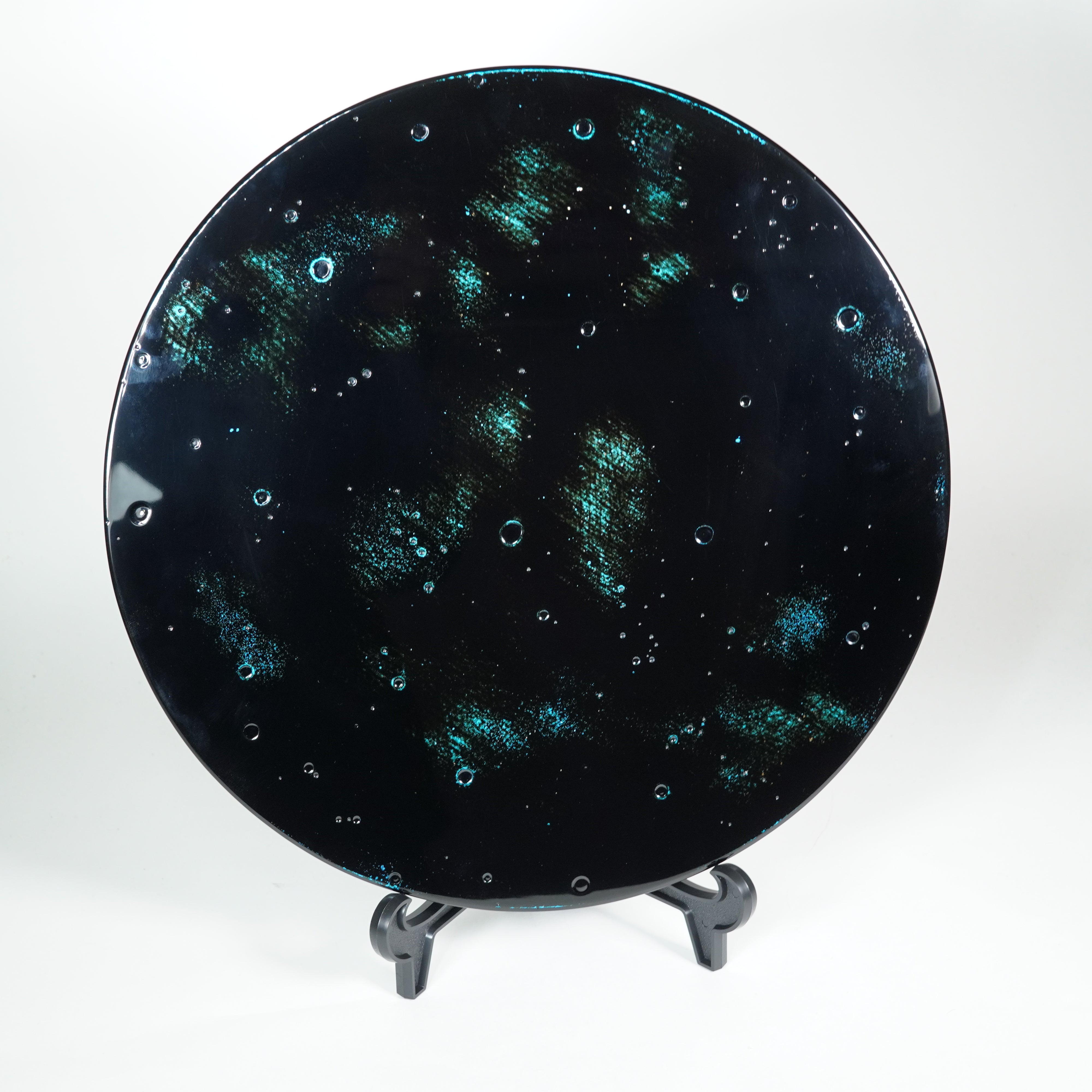
A beautifully designed art panel featuring the Japanese national treasure, the Yohen Tenmoku Bowl.
This piece is a masterpiece meticulously crafted by skilled lacquer artisans in Kyoto. It begins with carefully selected wood, shaped into a round form, upon which multiple layers of high-quality lacquer are applied. Each layer of lacquer is polished by hand, achieving a mirror-like, smooth finish that reflects light beautifully.
More than just a piece of interior decor, the glossy finish of this item allows it to serve as a practical mirror. Its unique beauty brings sophistication and serenity to any space, captivating those who see it. Symbolizing Kyoto craftsmanship, this item merges traditional Japanese aesthetic with contemporary lifestyles, making it a timeless favorite.
SIZE
Width:40cm
Height:40cm
Weight:1,507g
MATERIAL
Wood
Lacquer
MAKINO URUSHI DESIGN
Combining traditional lacquering techniques with a new aesthetic sensibility
Lacquer has been incorporated into the daily life of the Japanese people since ancient times as one of the finest natural paints.
Its use has become more sophisticated with the development of Japanese culture, producing not only everyday utilitarian items but also outstanding crafts that are unique in the world.
Inheriting this cultural lineage of Japanese lacquer, the company is involved in the production of a wide range of objects in which lacquer is used, from shrines and temples to contemporary art.
ARTISAN STORY
Kohta Makino / Makino Urushi Design
Kohta Makino is the fourth generation of Makino Urushi Kogei, which has been in business for over 40 years.
He has been creating unprecedented lacquering techniques, saying, "I want to create a new look for lacquer by applying traditional techniques.
He is adapting to the changing needs of the times and opening up a new era of Urushi.
BUTSUDAN BUTSUGU / JAPANESE BUDDHIST ALTARS AND FITTINGS
About 1,200 years ago / 800s / Heian Period (794–1185)
Japanese Buddhist altars and fittings developed as shrine-like cabinets, incense burners, candlesticks, bells and other temple implements entered household worship. During the Edo period, the temple-registration system strengthened ties between families and Buddhist temples, encouraging household altars to spread nationwide in many regional styles.
In Japan, a butsudan is a compressed sacred space within the home, while its fittings support offerings of incense, light, flowers and sound. Large altars have become less common, but compact modern designs and simple ritual objects continue to adapt the tradition.
The interior is not merely shelving—it often reproduces temple architecture in miniature. Roofs, pillars, transoms, metal fittings, lacquer and gold leaf can all appear within one cabinet. Woodwork, carving, metalwork and lacquer converge inside a piece of household furniture.
Individual Differences
As each piece is individually handcrafted, slight variations in color, pattern, shape, and texture may occur. These subtle differences are a natural characteristic of handcrafted works, making each piece truly unique. We hope you will enjoy these individual variations as part of the beauty and character of Japanese craftsmanship.
Production Time
If an item is not currently in stock, it may be made to order by the artisan. As each piece is carefully handcrafted, production may take several months depending on the item and the artisan's schedule. We appreciate your patience and understanding.

Scegli le opzioni