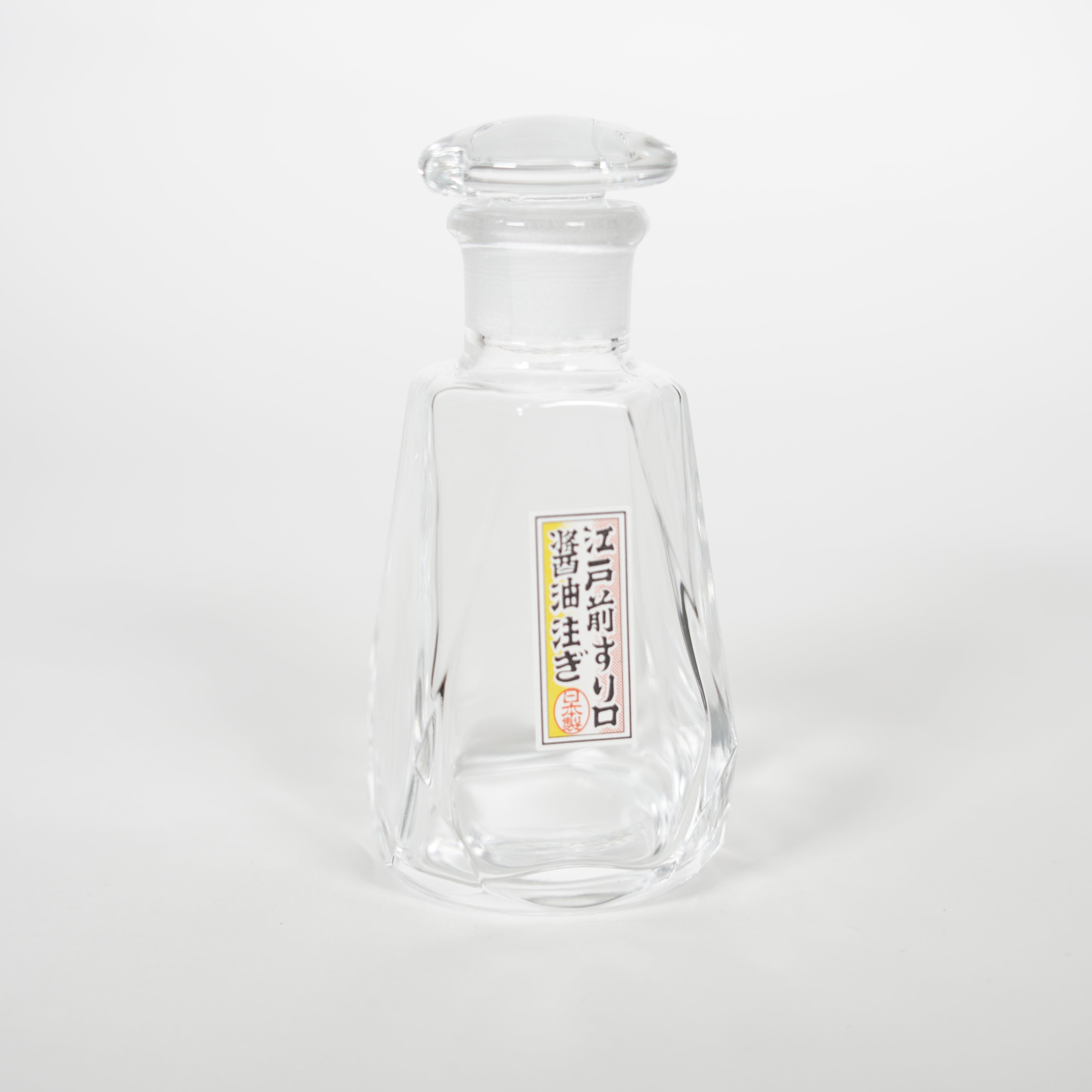
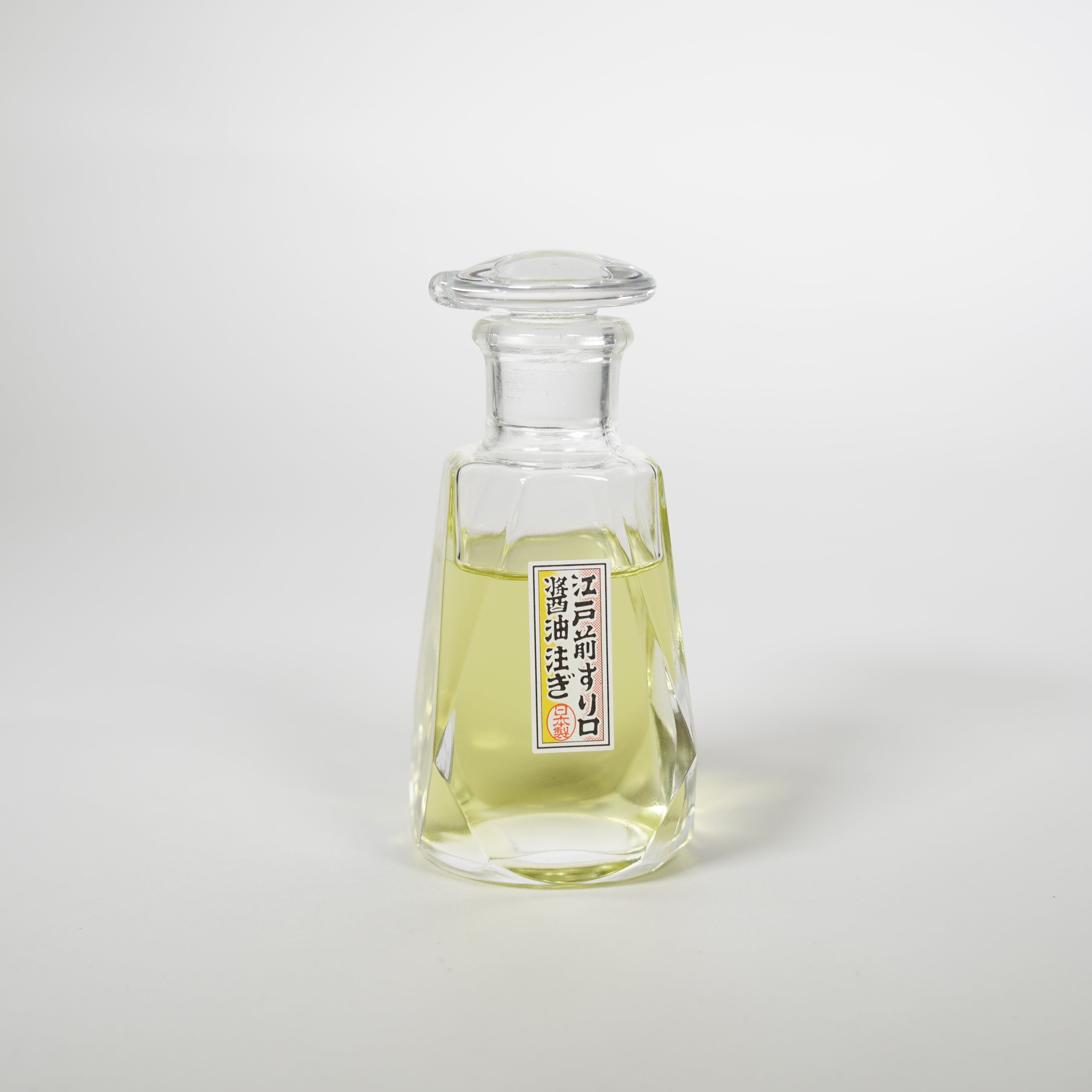
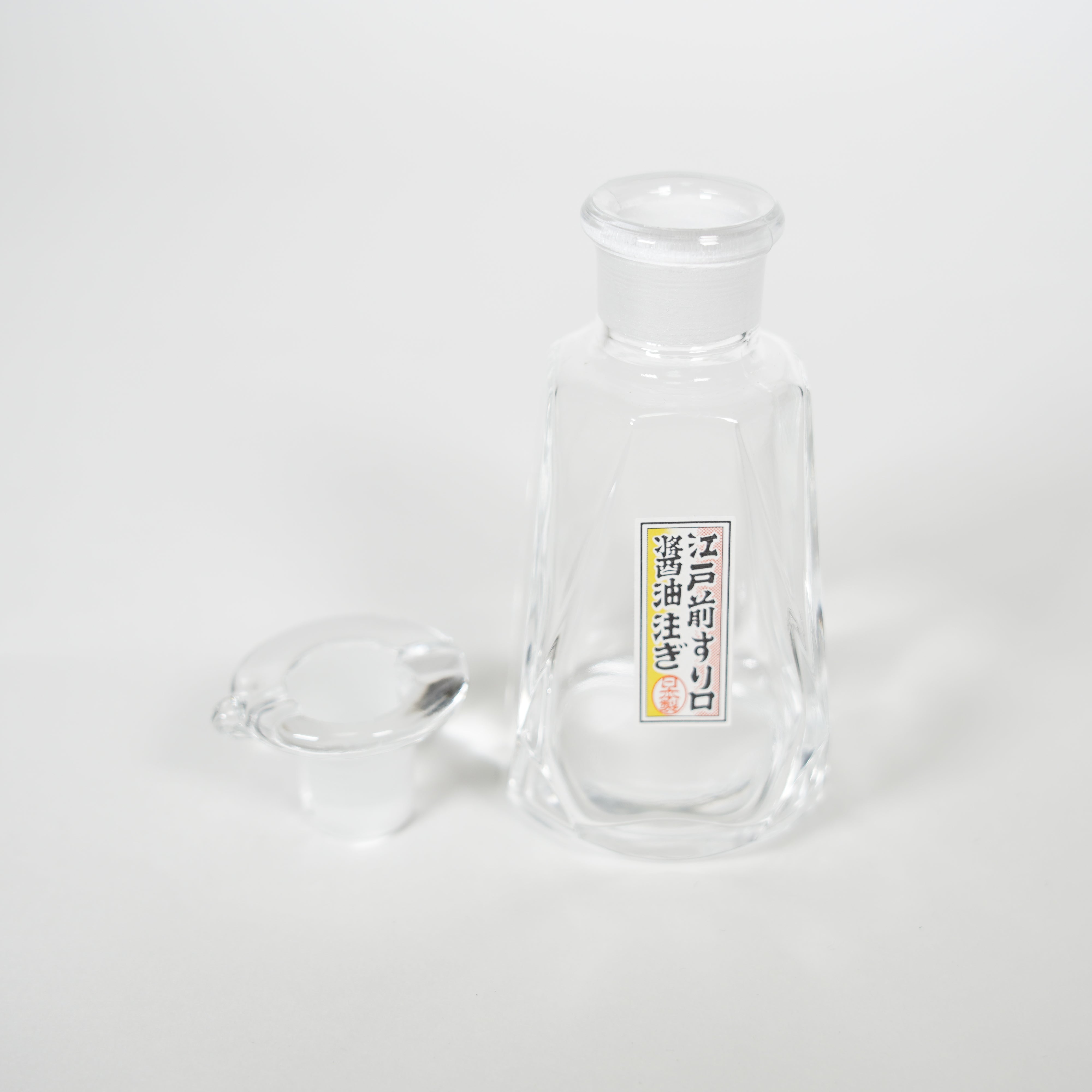
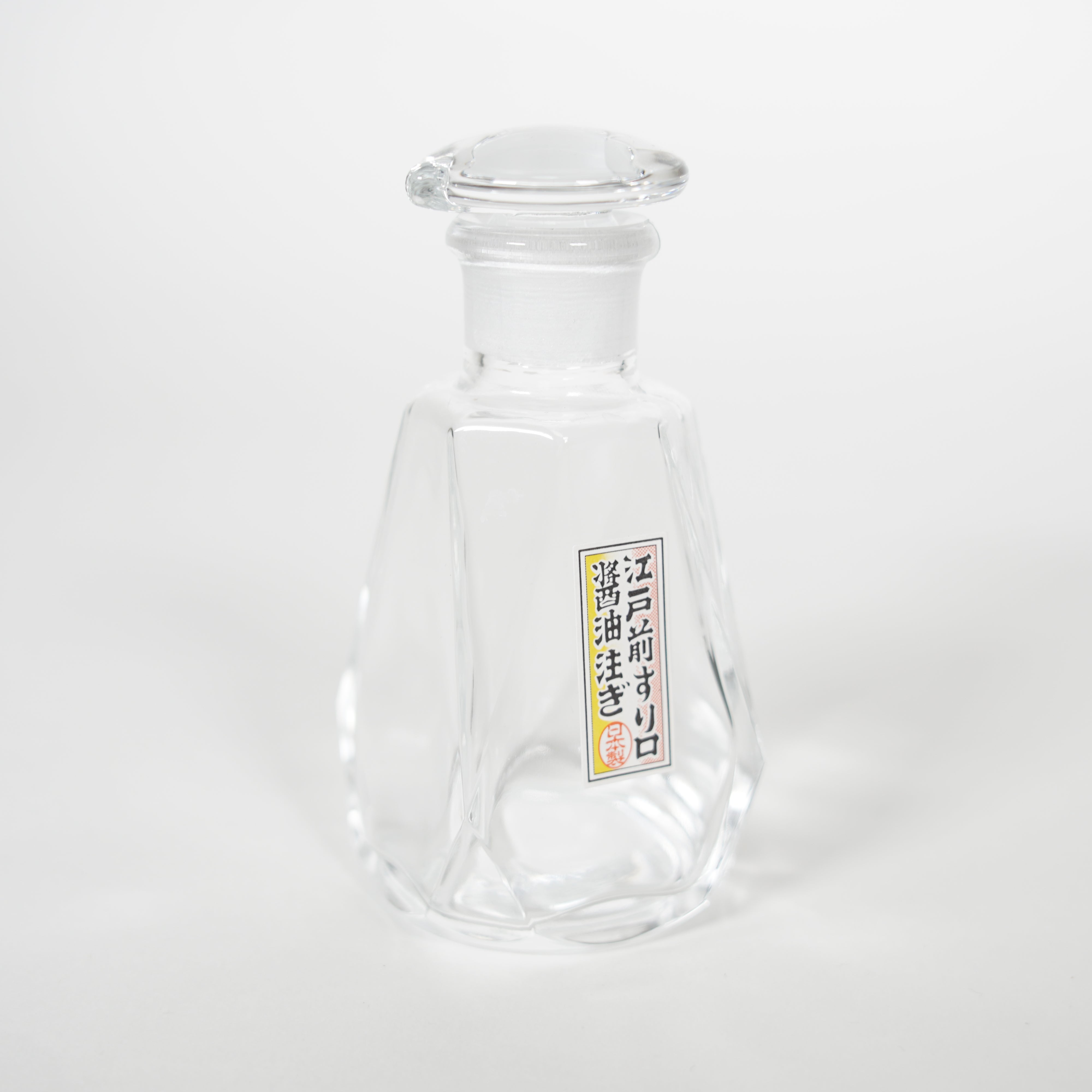
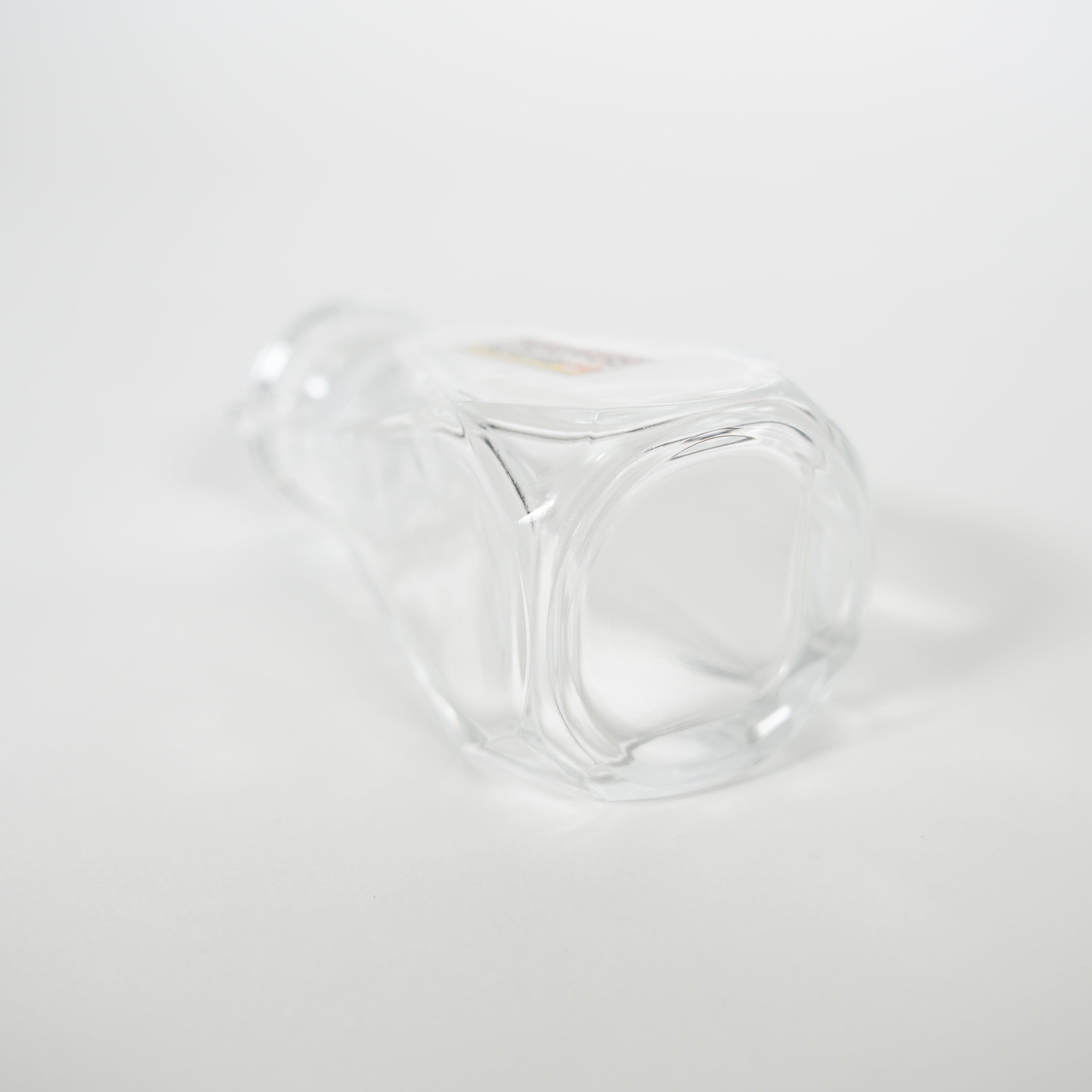
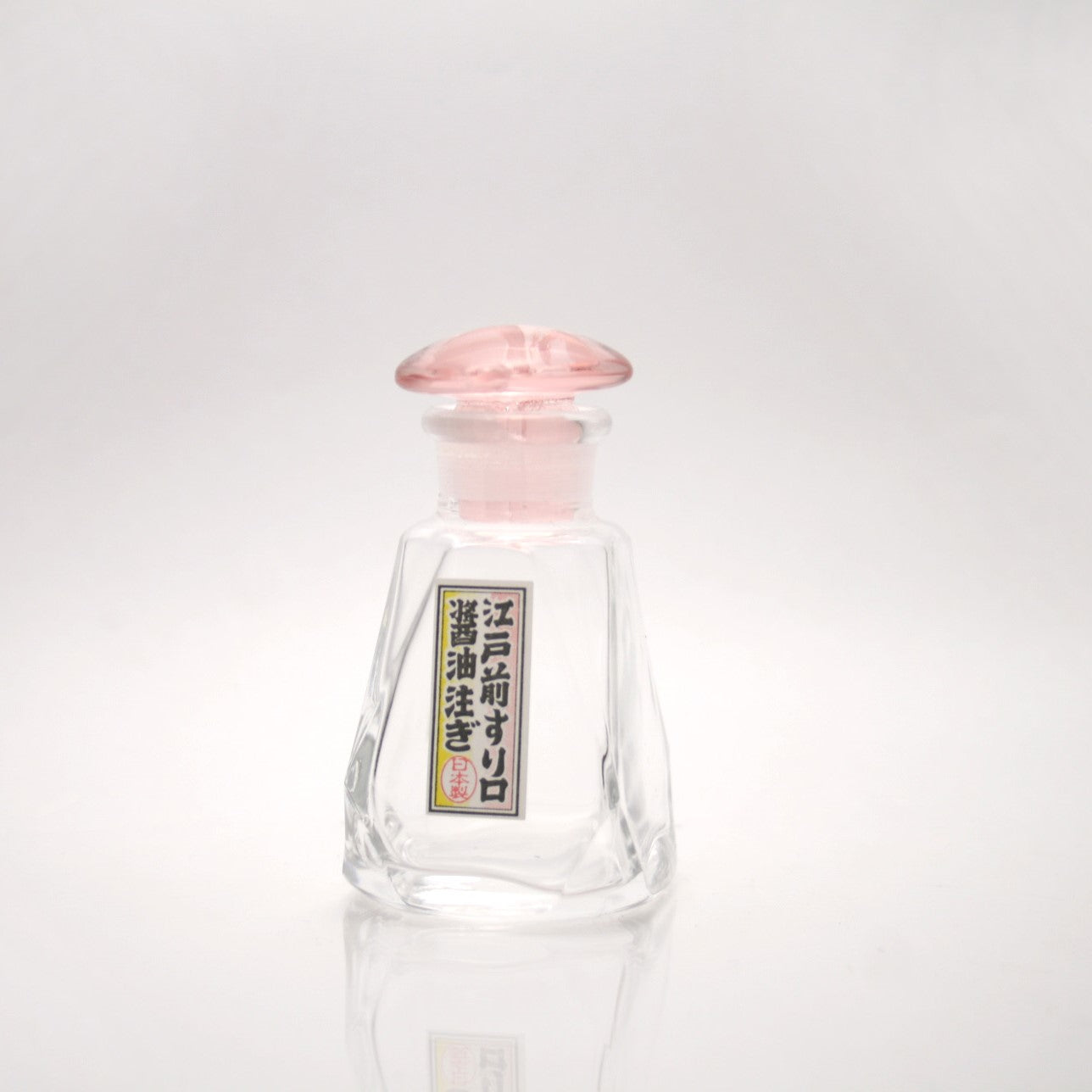
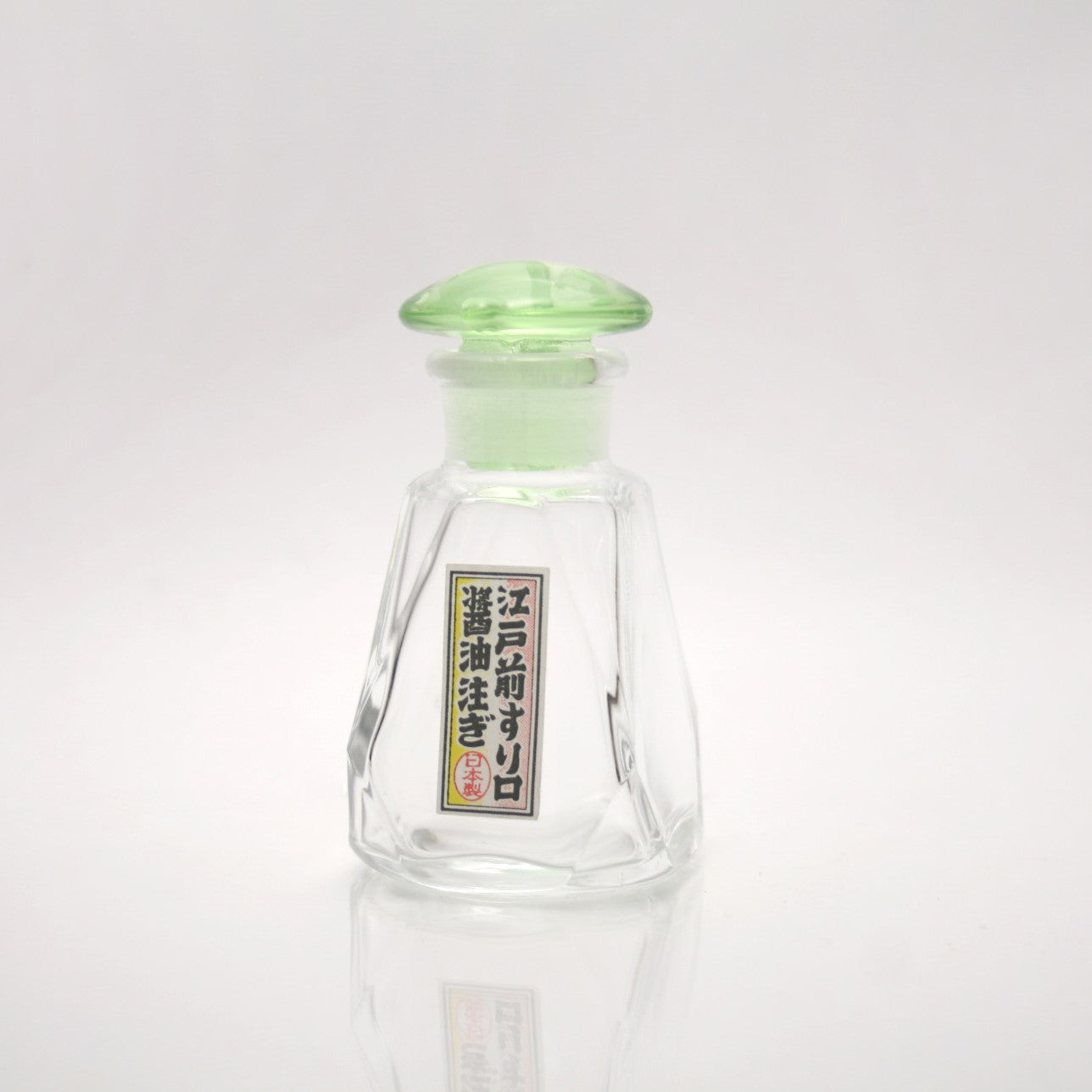
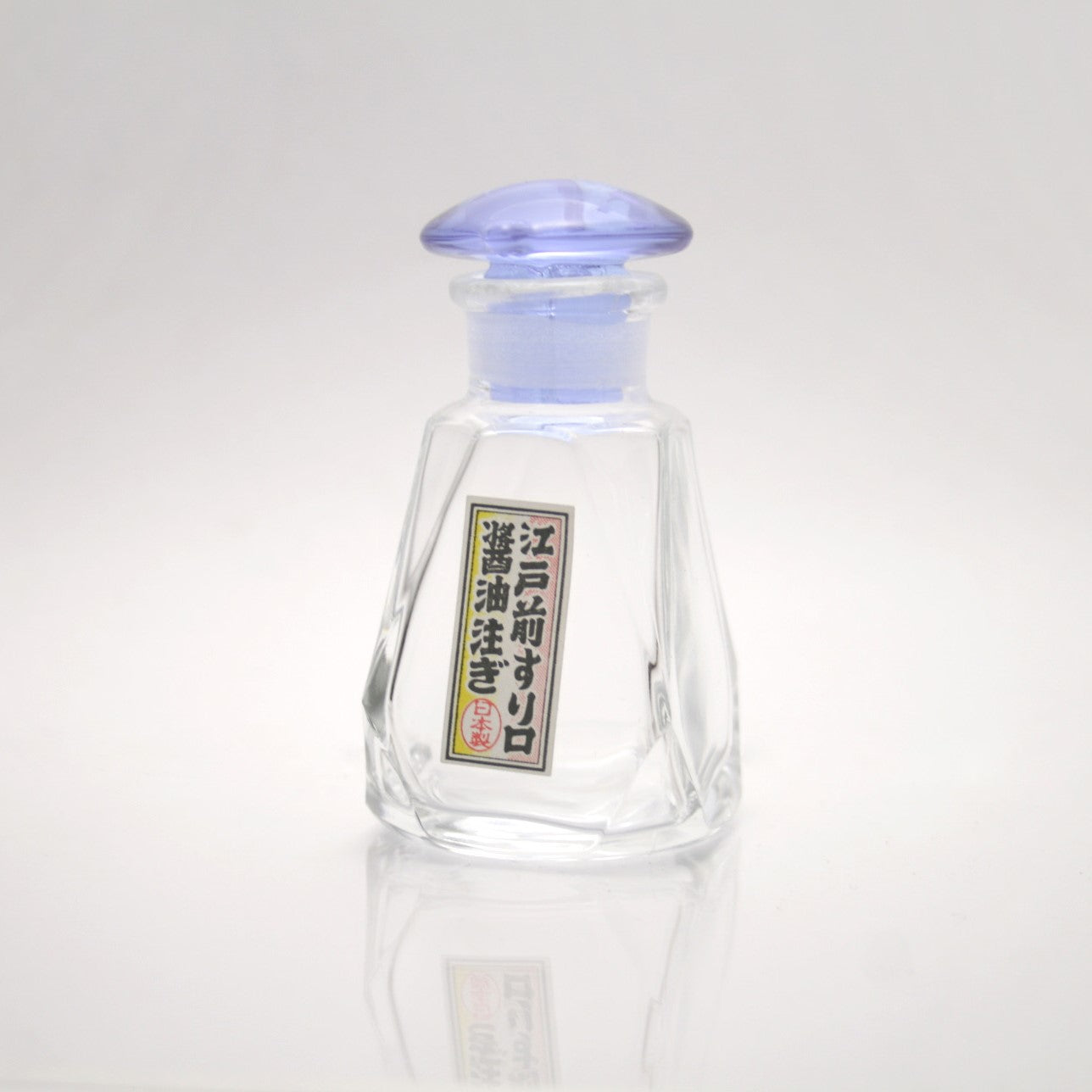
EDO GLASS / EDO GLASSWARE
About 300 years ago / 1700s / Edo Period (1603–1868)
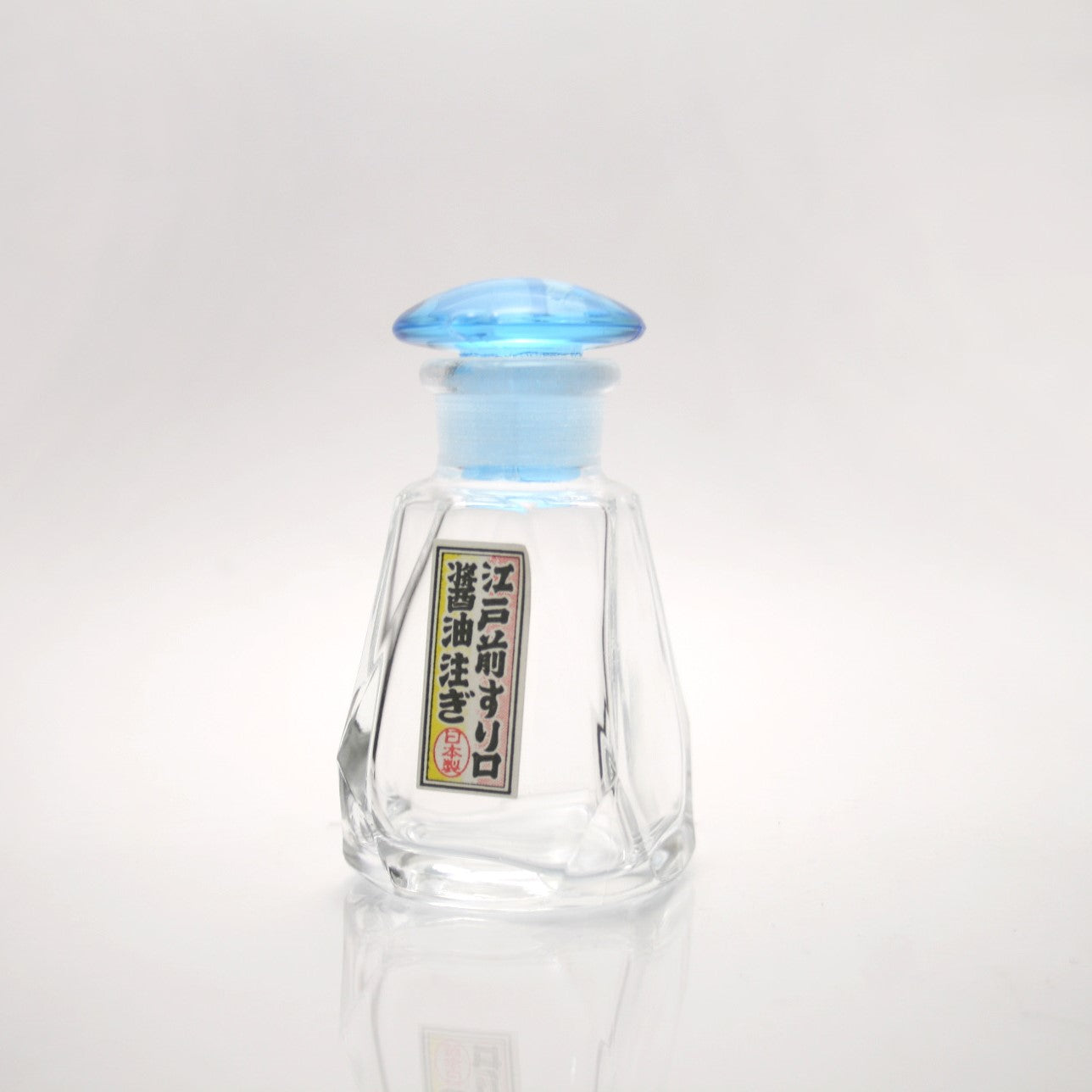
Glassmaking in Edo developed as blowing techniques that had entered Japan through Nagasaki spread to the shogun’s capital in the eighteenth century. Objects called bidoro or giyaman—vessels, wind chimes and hair ornaments—became part of urban culture, and Western equipment introduced in the modern era helped build Tokyo’s glass industry.
In Japan, Edo glass is appreciated for the subtle irregularities created by mold-blowing and free-blowing: tiny bubbles, gentle waviness and variations in thickness. Today it remains everyday tableware and flowerware, valued precisely because it feels softer and less uniform than machine production.
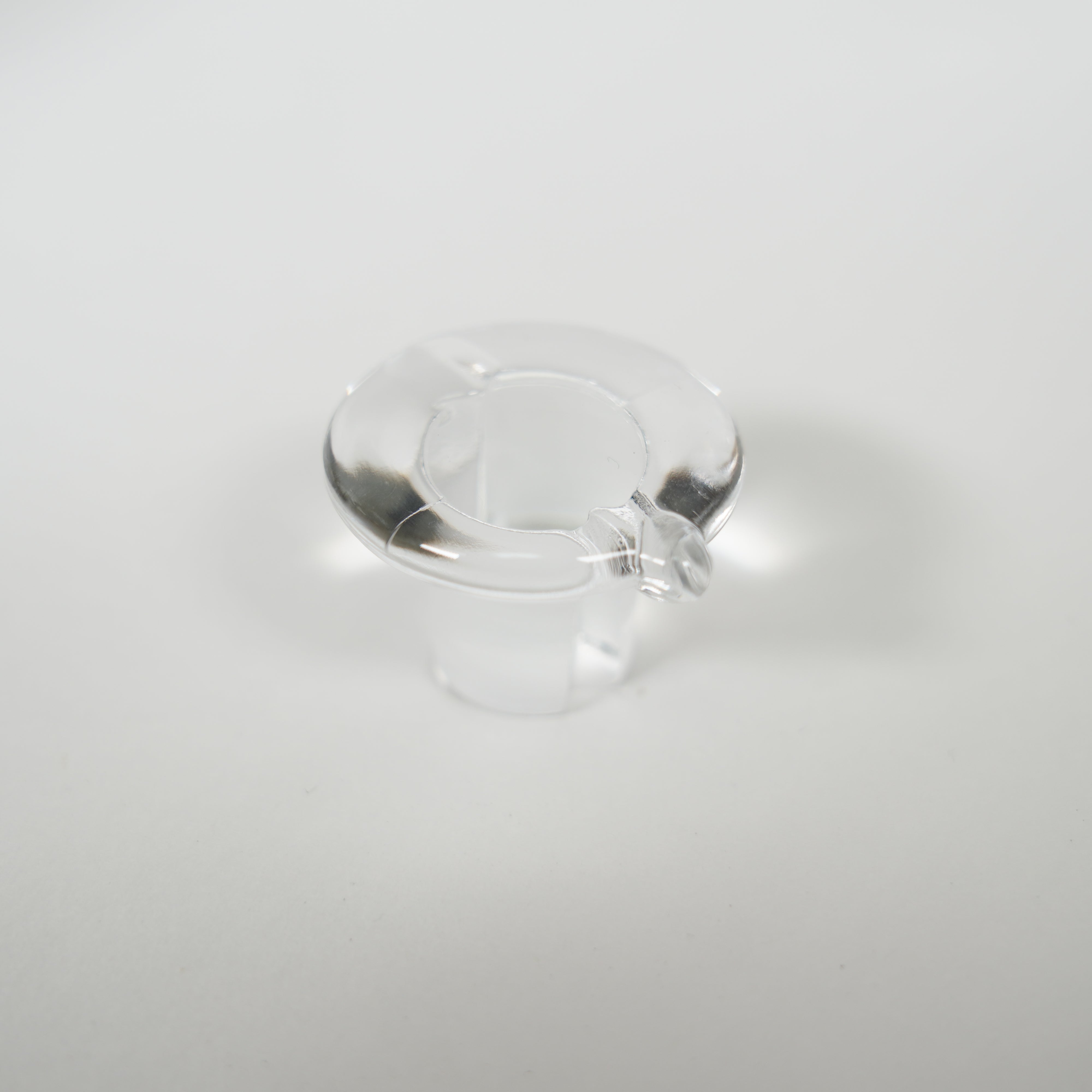
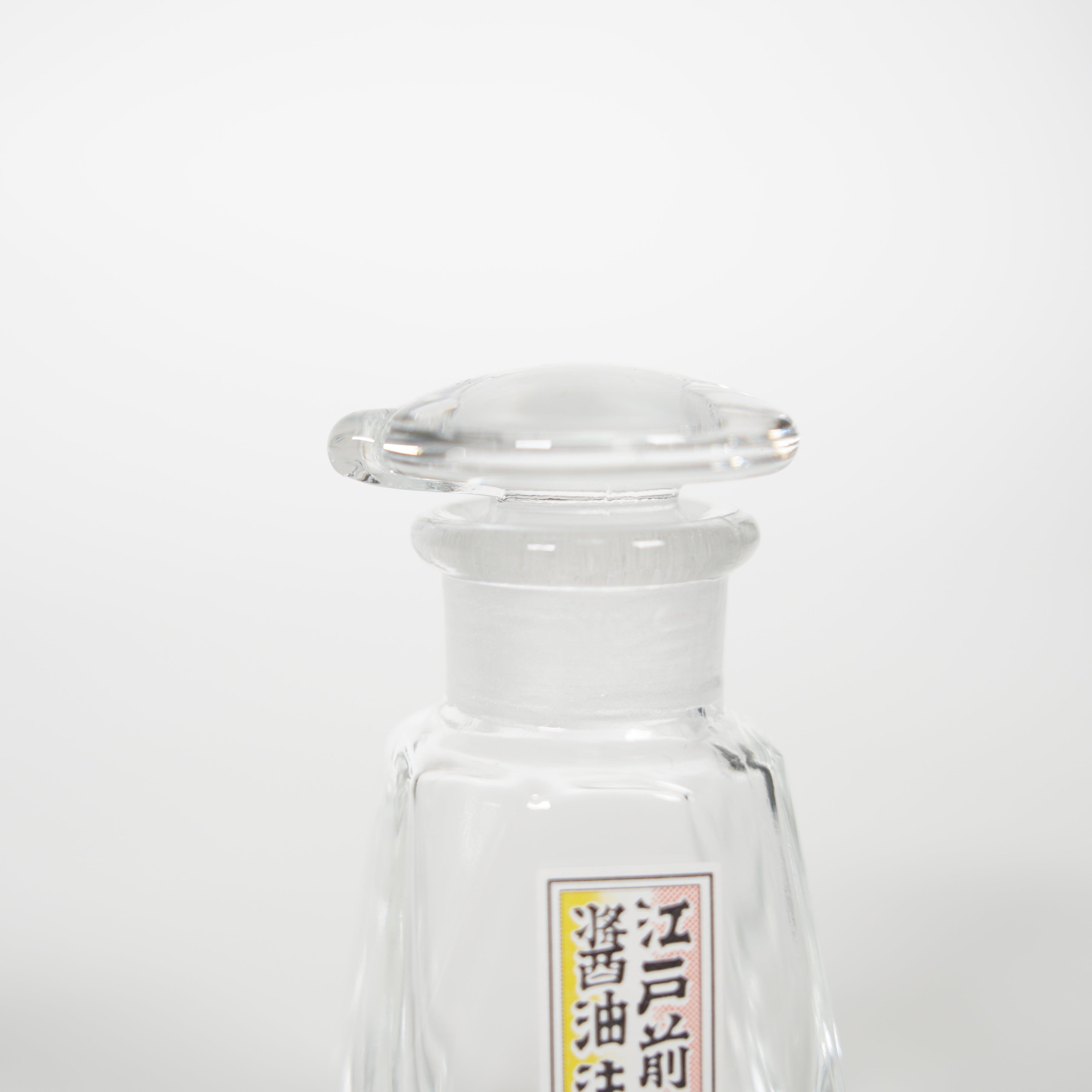
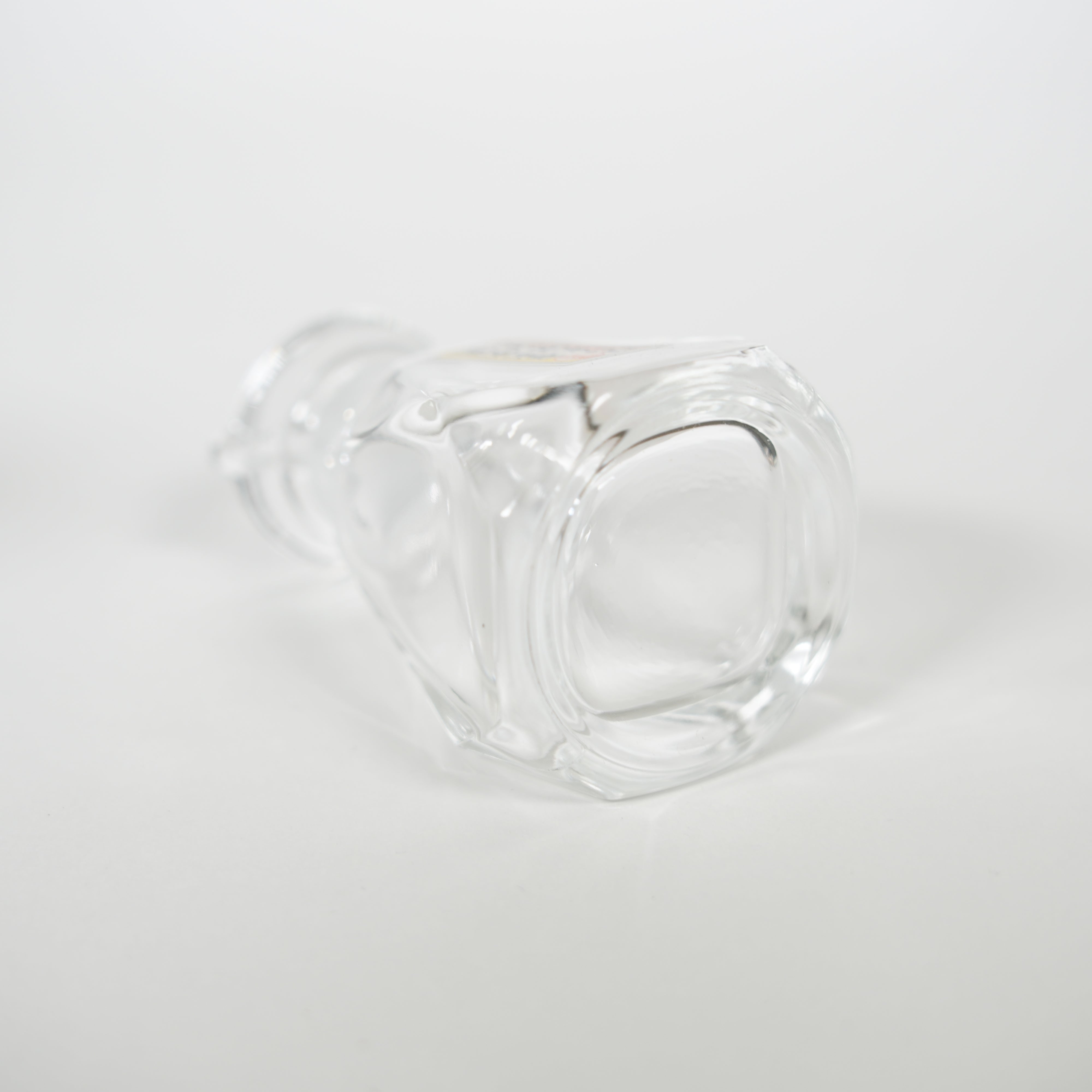
A hand-blown glass may not be perfectly circular or equally thick, yet these differences are part of its appeal. When light passes through, small changes in thickness bend the view like a lens. In a transparent material, the breath and hand movement of the maker remain visible.