
차 세트
할인 가격Dhs. 3,110.00
옵션 선택
국가
언어
장바구니
장바구니가 비어있습니다

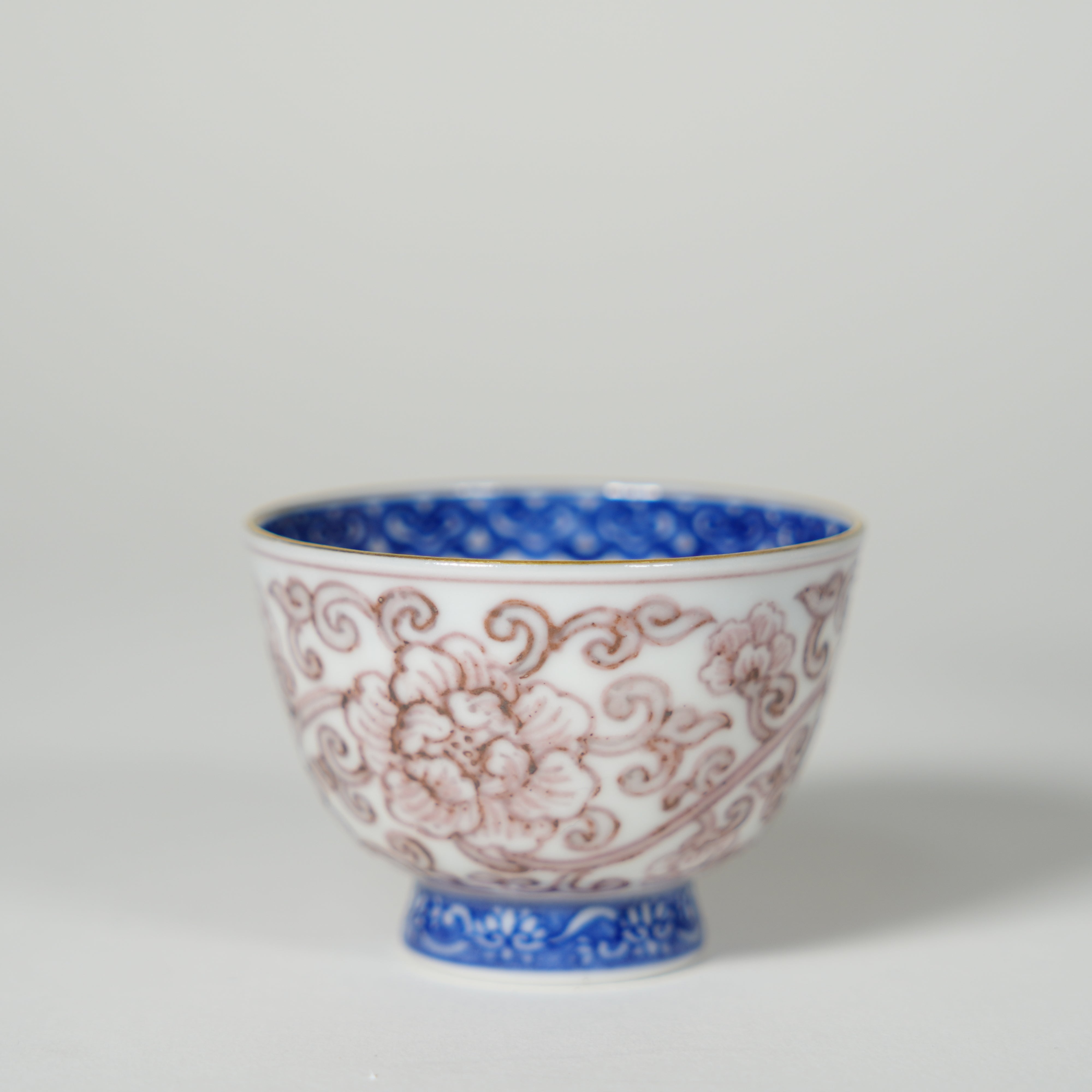
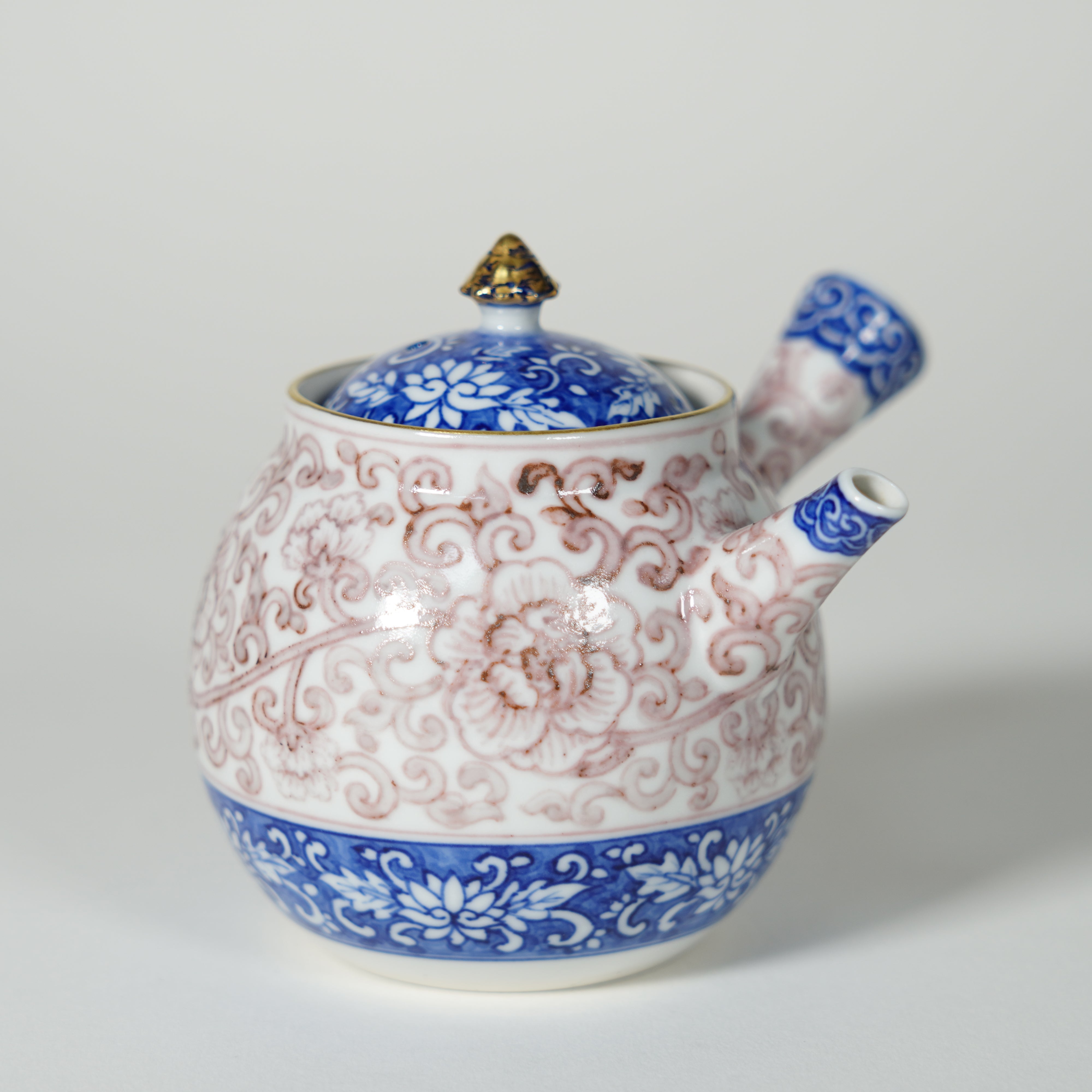
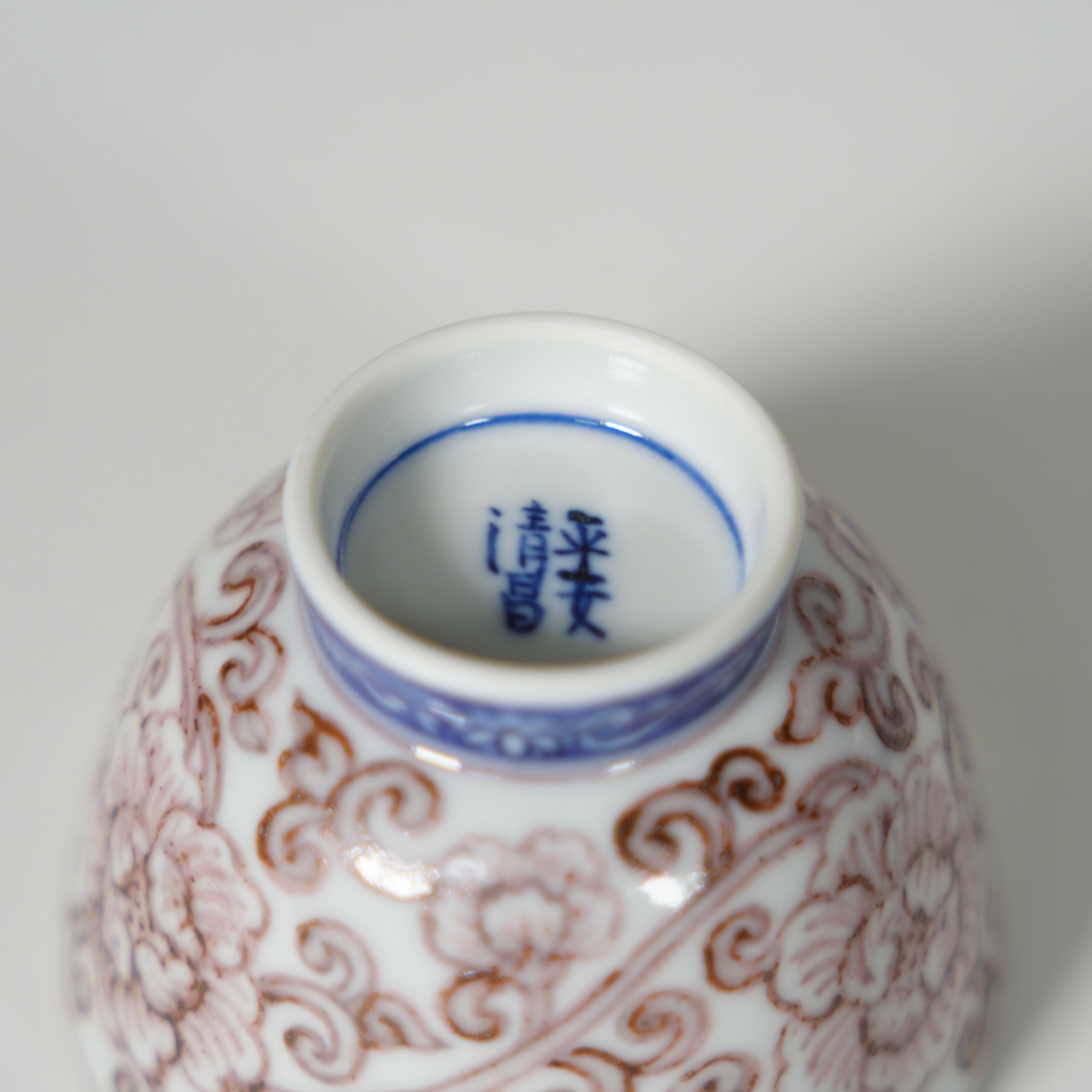
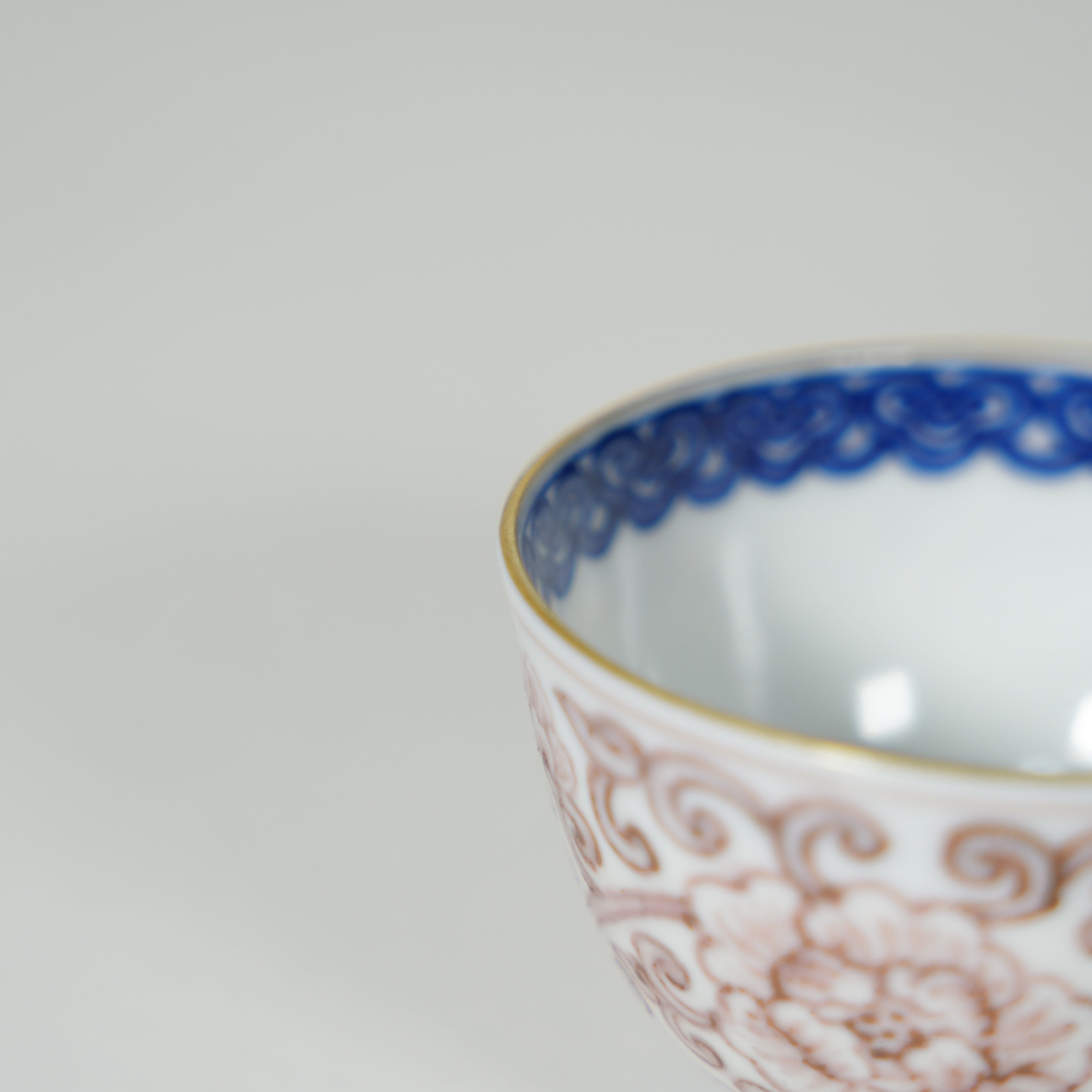
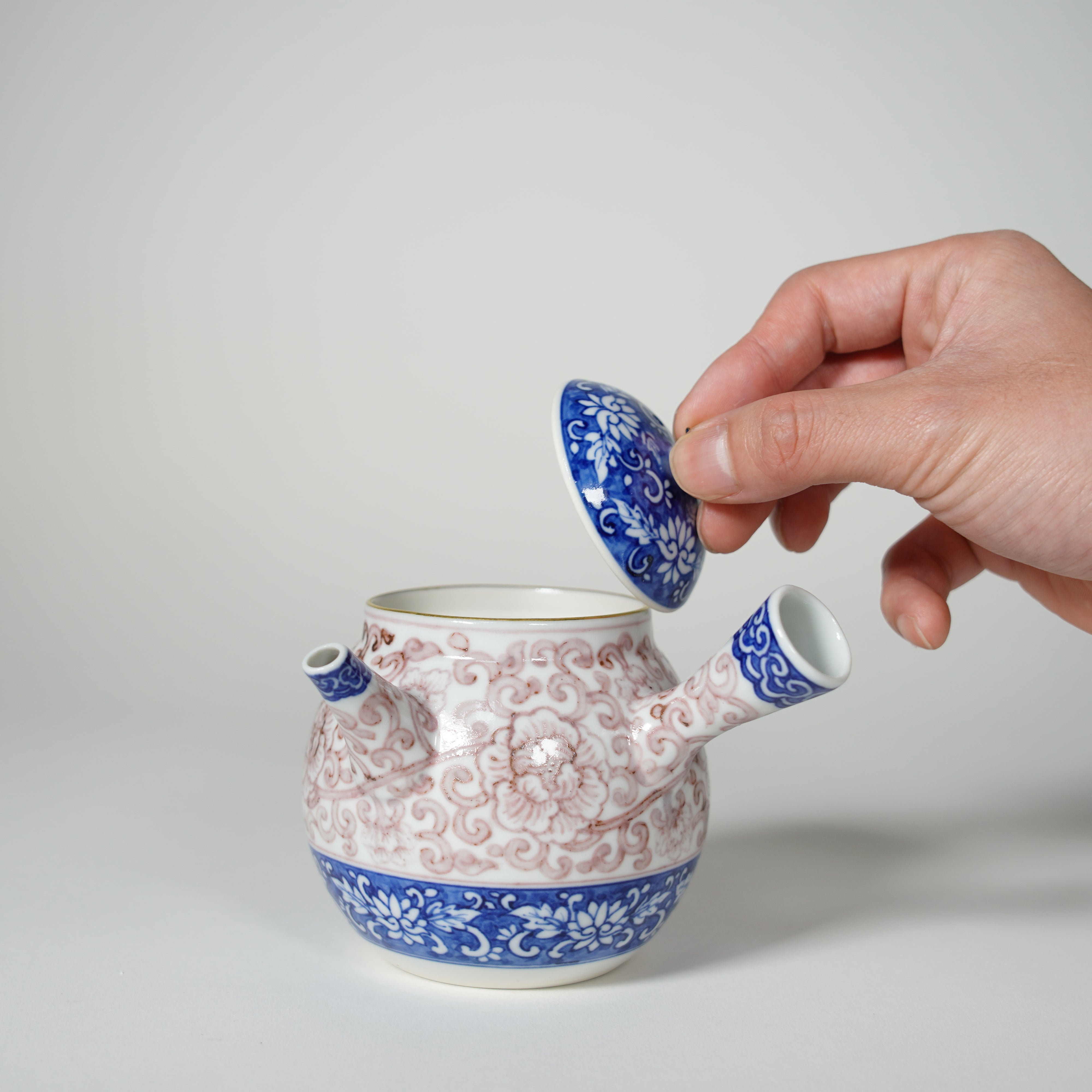
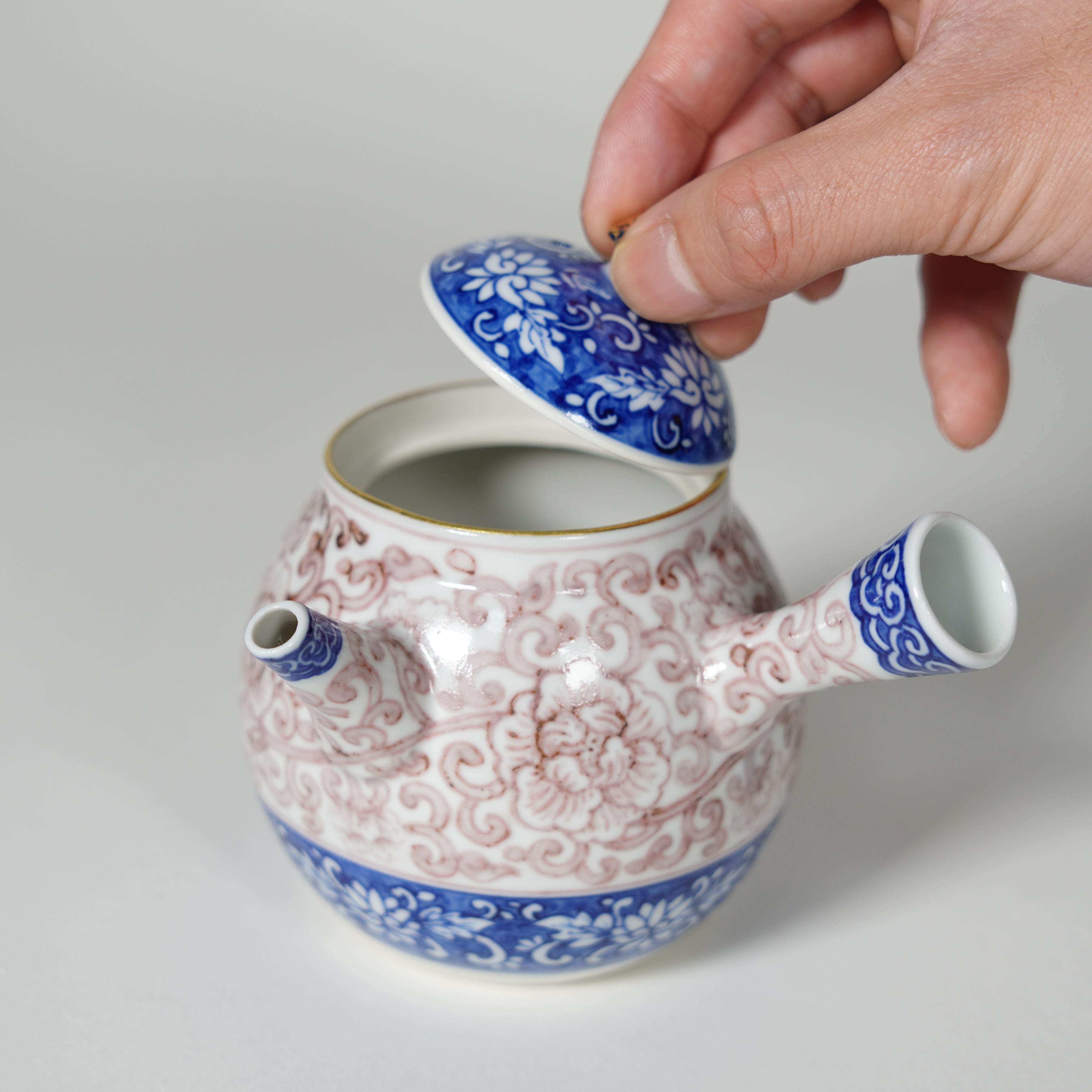
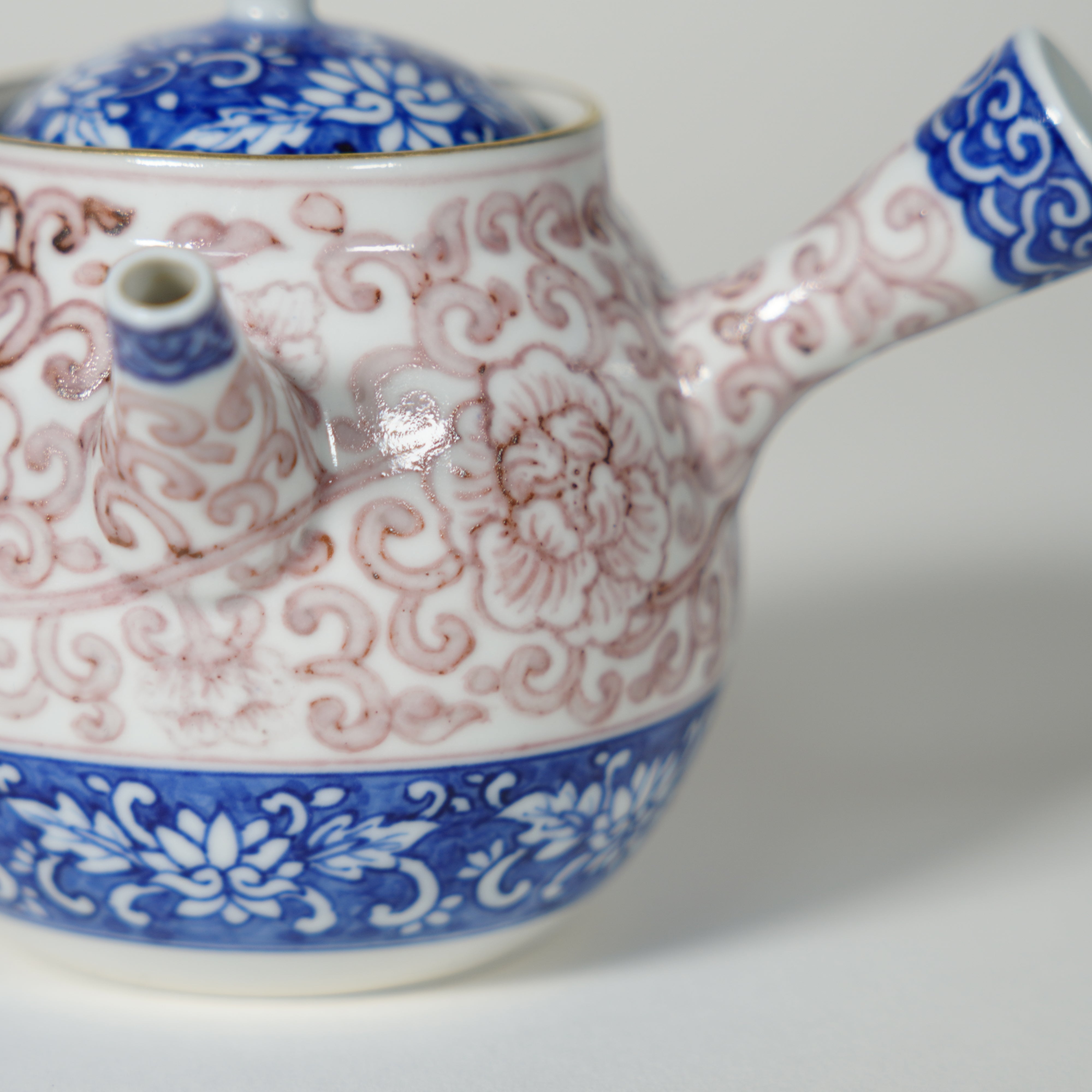
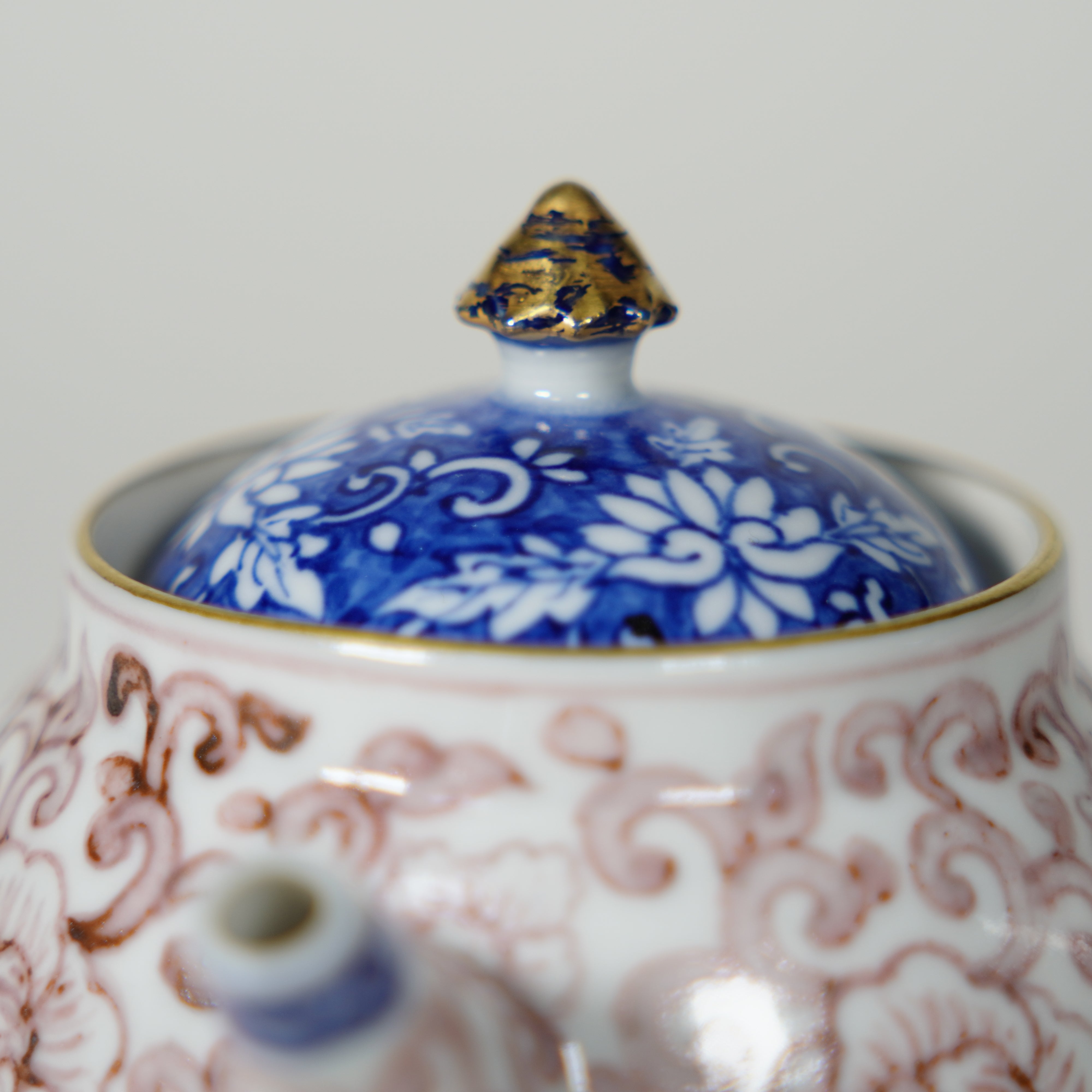
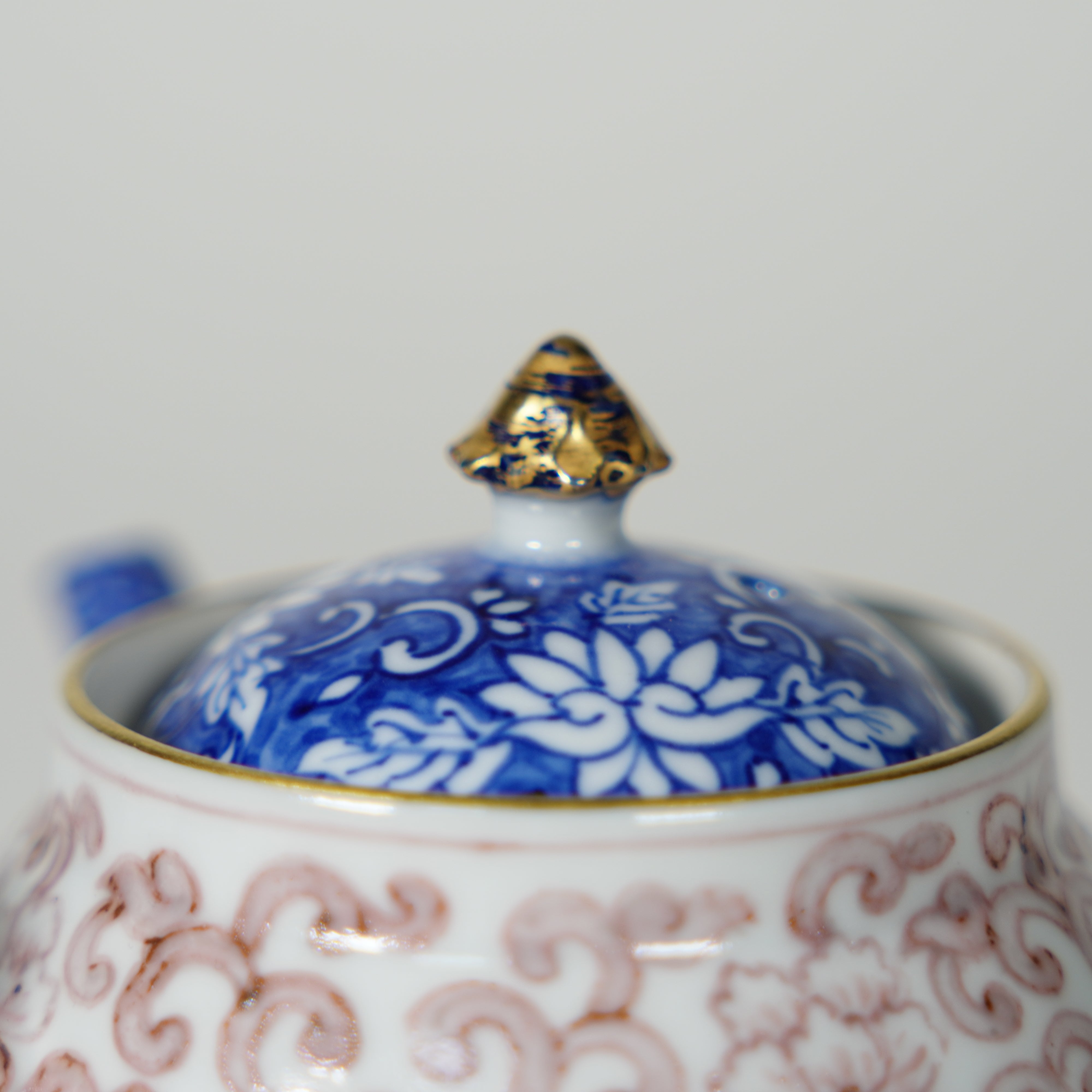
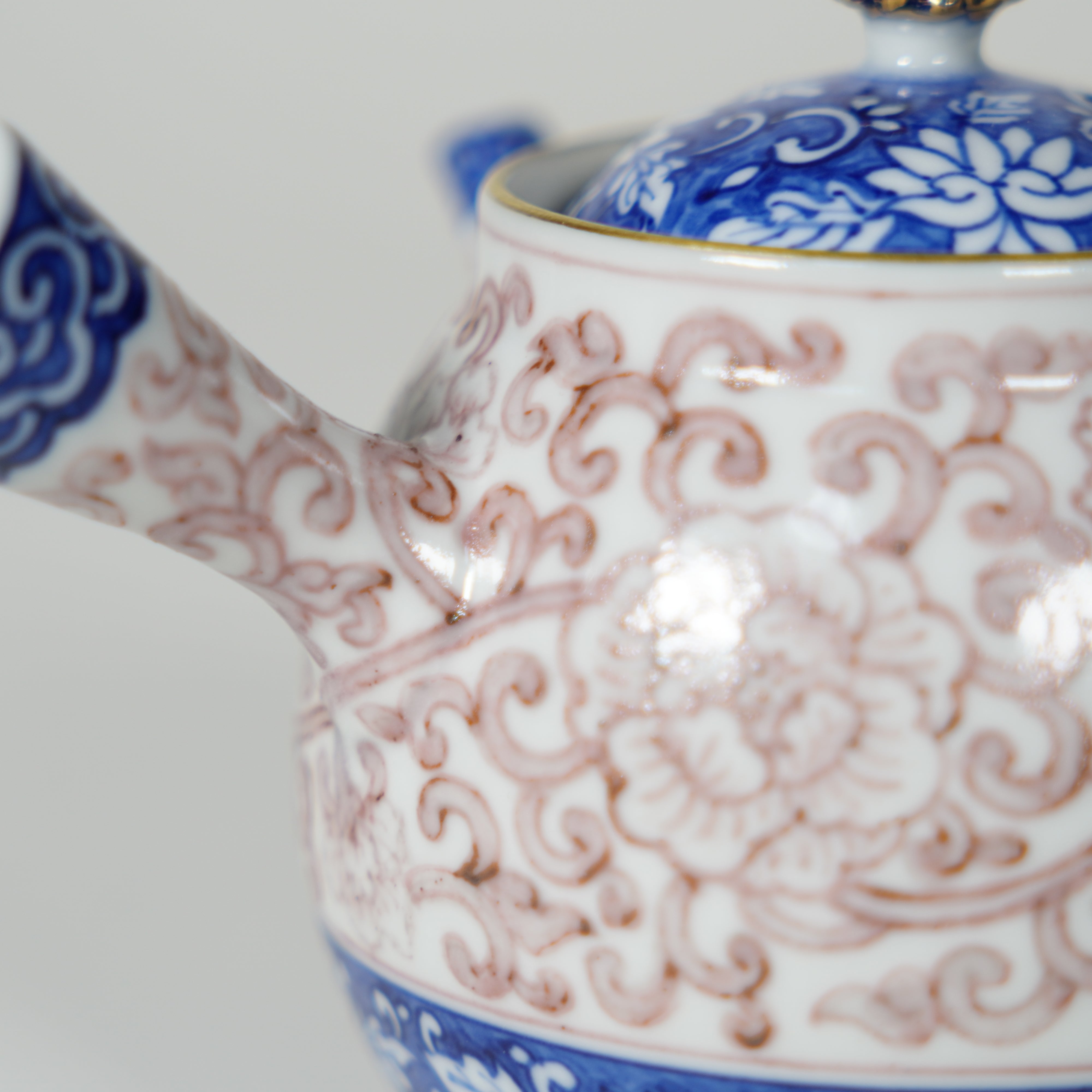
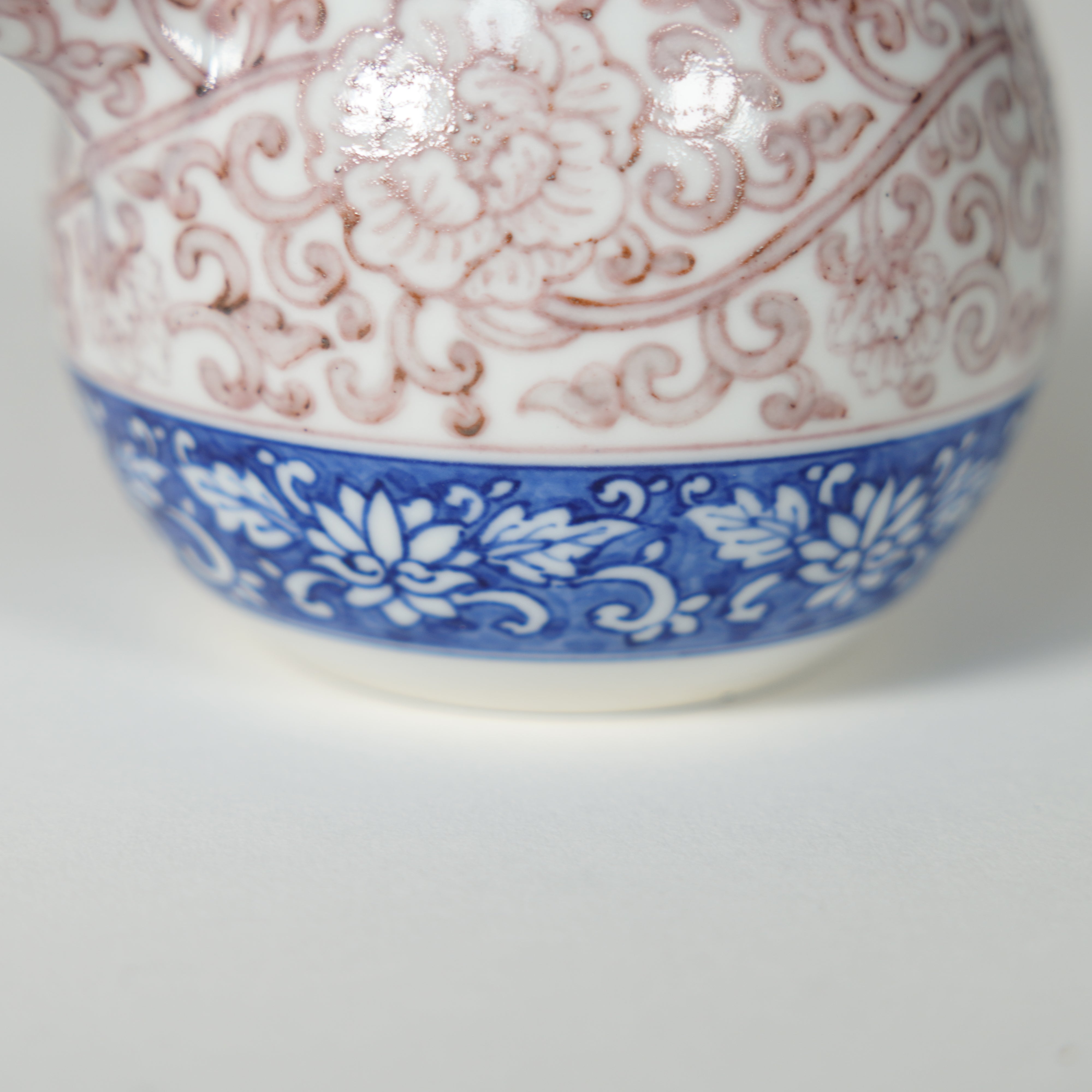
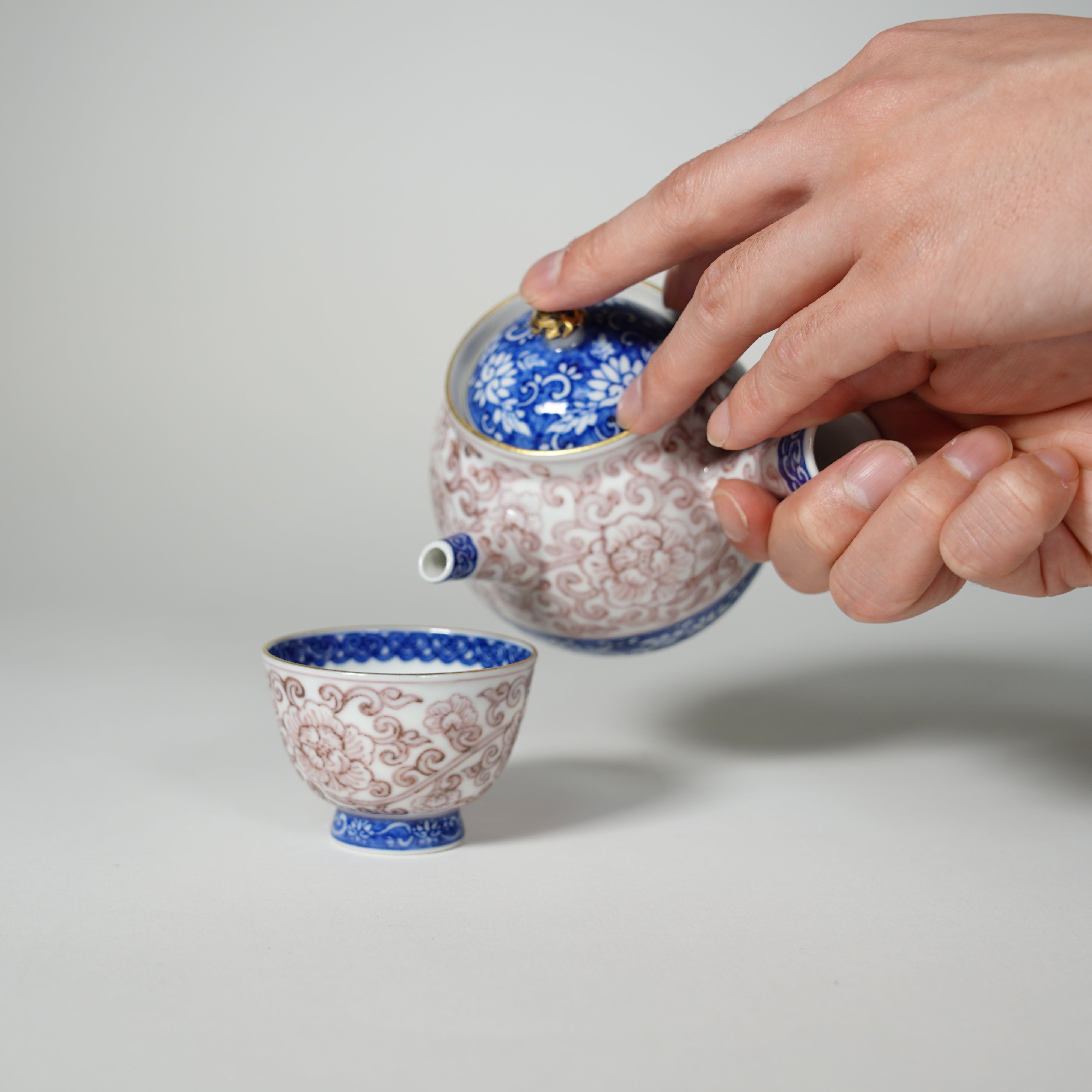
صُنع طقم الشاي هذا بالكامل يدويًا على يد حرفيه.
وهو أخف وزنًا وأكثر متانة مما قد تتخيل. ويُعد التصميم الرقيق والشكل الودود من أبرز مميزات هذا المنتج. سيضفي طقم الشاي الفريد من نوعه، الذي ابتكره حرفي حائز على جوائز في عالم الشاي، بريقًا وتألقًا على أوقات احتسائك له. وبما أن الطقم يضم الإبريق الستة أكواب، فاستمتع به مع أصدقائك.
SIZE
إبريق شاي
العرض:13 سم
العمق:10.5 سم
الارتفاع:10 سم
الوزن:149 غرام
فنجان شاي
العرض:6 سمالعمق:6 سمالارتفاع:4.5 سمالوزن:40 غرام
MATERIAL
طين
SEISHO KATO
ARTISAN STORY
Suguru Kato / Kiyomasa Kato
ACHIEVEMENTS
・Received the Craft Association Award at the Japan Sencha Craft Exhibition
・Received the Chairman's Award from the Kyoto Sake Brewers Association
・Received the Craft Association Award at the Japan Sencha Craft Exhibition
KYO WARE & KIYOMIZU WARE
About 1,200 years ago / 800s / Heian Period (794–1185)
Kyoto ceramics reach back to kilns operating before and during the Heian period, then expanded with tea culture in the Muromachi and Momoyama eras. In the seventeenth century, Nonomura Ninsei perfected brilliant overglaze decoration, followed by innovators such as Ogata Kenzan, Okuda Eisen and Aoki Mokubei, whose diverse approaches shaped today’s Kyo and Kiyomizu ware.
In Japan, these ceramics are famous precisely because there is no single fixed style. Tea bowls, kaiseki dishes and everyday tableware may use overglaze painting, blue-and-white decoration, gold, sancai-inspired color and many other techniques. The craft sits at the heart of Kyoto’s culture of pairing vessels with cuisine and tea.
The surprising point is that Kyoto was never defined by a single major clay deposit. Potters drew on materials such as Amakusa porcelain stone, techniques arriving from other regions, and the tastes of artists and patrons gathered in the capital. Freedom from one local material helped make Kyoto ceramics unusually hybrid and stylistically diverse.
الاختلافات الفردية
نظرًا لأن كل قطعة تُصنع يدويًا بشكل مستقل، فقد تطرأ اختلافات طفيفة في اللون والنمط والشكل والملمس. وتُعد هذه الاختلافات الدقيقة من الخصائص الطبيعية للأعمال اليدوية، ما يجعل كل قطعة فريدة من نوعها حقًا. نأمل أن تستمتعوا بهذه الاختلافات الفردية كجزء من جمال الحرفية اليابانية وطابعها المميز.
مدة الإنتاج
إذا لم يكن المنتج متوفرًا في المخزون حاليًا، فقد يقوم الحرفي بتصنيعه حسب الطلب. ونظرًا إلى أن كل قطعة تُصنع يدويًا بعناية، فقد يستغرق الإنتاج عدة أشهر، وذلك حسب المنتج وجدول الحرفي. نقدر صبركم وتفهمكم.
옵션 선택