
텀블러 / 3oz / arare
할인 가격Dhs. 600.00
옵션 선택

텀블러 / 3oz / arare
할인 가격Dhs. 600.00
국가
언어
장바구니
장바구니가 비어있습니다
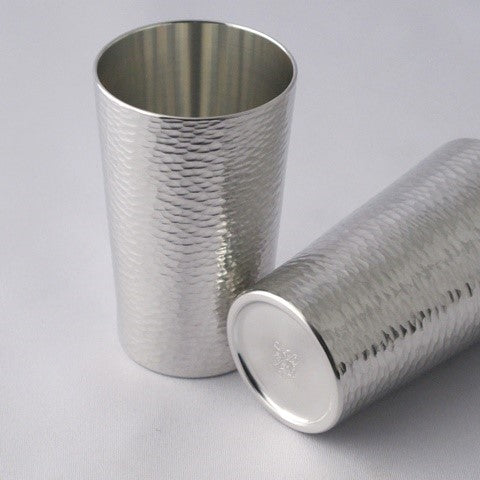
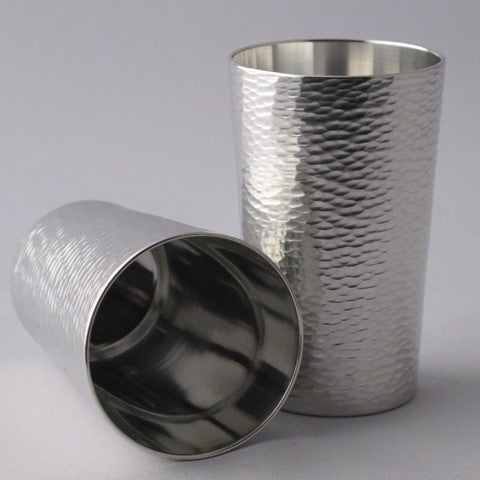
هذا وعاء للشرب يجعل طعم البيرة رائعًا. إن صب البيرة بعد استهلاكها، بدلًا من صبها قبل ذلك، يضمن أن تكون البيرة طازجة ولذيذة دائمًا.
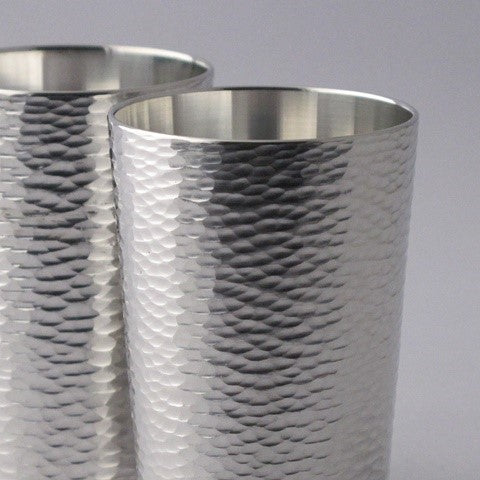
إن "أراري" أكبر بثلاث مرات من "ميزوري"، والتي تخضع إلى عدد أكبر قليلًا من عمليات الطرق مقارنة بـ "تسوكتشيمي". ويترك النمط انطباعًا رائعًا.
خصائص القصدير
يُقال إن القصدير يجعل طعم المشروب أكثر اعتدالًا، ويُستخدم بشكل أساسي في أوعية الشرب بفضل خصائصه الممتازة في الاحتفاظ بالحرارة والبرودة. كما يُستخدم في حاويات الشاي بفضل مقاومته الممتازة للتآكل وقدرته على إبعاد الرطوبة. ولهذا السبب تُوضع رقائق القصدير داخل علب الشاي الكبيرة الموجودة في متاجر الشاي.
SIZE
العرض:4.9 سمالعمق:4.9 سمالارتفاع:7.8 سمالوزن:100 غ
MATERIAL
قصدير
SUZUKOU
"Dedicate to your one task, bright up a corner."
Tin has been found in the imperial court, shrines, and temples since ancient times, and it was also used by the common people during the Edo period. Tin has remained intact over the years until the present day. There is no doubt that tin was a suitable material for sake and tea utensils. We are proud to "light a corner" as one of the few workshops that specialize in tin with its special characteristics and make tinware by hand, making full use of the potter's wheel.
ARTISAN STORY
My predecessor founded Suzukoin 1987. I entered the world of tin working under the tutelage of my predecessor.
Every day I watched and learned my predecessor's techniques up close, and at the same time, I learned about his passion for tin, his work, and the importance of tradition.
We have inherited from our predecessors not only the traditional handcrafted manufacturing methods, but also to pass them on to the next generation, and to strive to make tin more attractive to as many people as possible.
ACHIEVEMENTS
・Received "Grand Prize" in Saitama Prefecture New Product AWARD 2021.
SUZU KOGEI / JAPANESE TINWARE
About 1,300 years ago / 700s / Nara Period (710–794)
Tin has been used in Japan since ancient times, and tin objects survive in the eighth-century Shosoin collection. In the early modern period it became common for sake ware, tea utensils and Buddhist implements, with casting and hammering techniques taking advantage of the metal’s softness.
In Japan, tin is especially popular for sake cups, tea caddies and vases. Its subdued silver color and satisfying weight feel luxurious, while contemporary designers have also explored bendable vessels and minimalist tableware.
Tin is surprisingly soft for a metal. High-purity pieces can sometimes be bent slightly by hand, and crystalline structures may produce a faint crackling sound—known as “tin cry”—when flexed. It is a material that quietly contradicts the expectation that metal must be rigid.
الاختلافات الفردية
نظرًا لأن كل قطعة تُصنع يدويًا بشكل مستقل، فقد تطرأ اختلافات طفيفة في اللون والنمط والشكل والملمس. وتُعد هذه الاختلافات الدقيقة من الخصائص الطبيعية للأعمال اليدوية، ما يجعل كل قطعة فريدة من نوعها حقًا. نأمل أن تستمتعوا بهذه الاختلافات الفردية كجزء من جمال الحرفية اليابانية وطابعها المميز.
مدة الإنتاج
إذا لم يكن المنتج متوفرًا في المخزون حاليًا، فقد يقوم الحرفي بتصنيعه حسب الطلب. ونظرًا إلى أن كل قطعة تُصنع يدويًا بعناية، فقد يستغرق الإنتاج عدة أشهر، وذلك حسب المنتج وجدول الحرفي. نقدر صبركم وتفهمكم.
옵션 선택