EDO KUMIKO / EDO WOOD LATTICEWORK
About 400 years ago / 1600s / Edo Period (1603–1868)
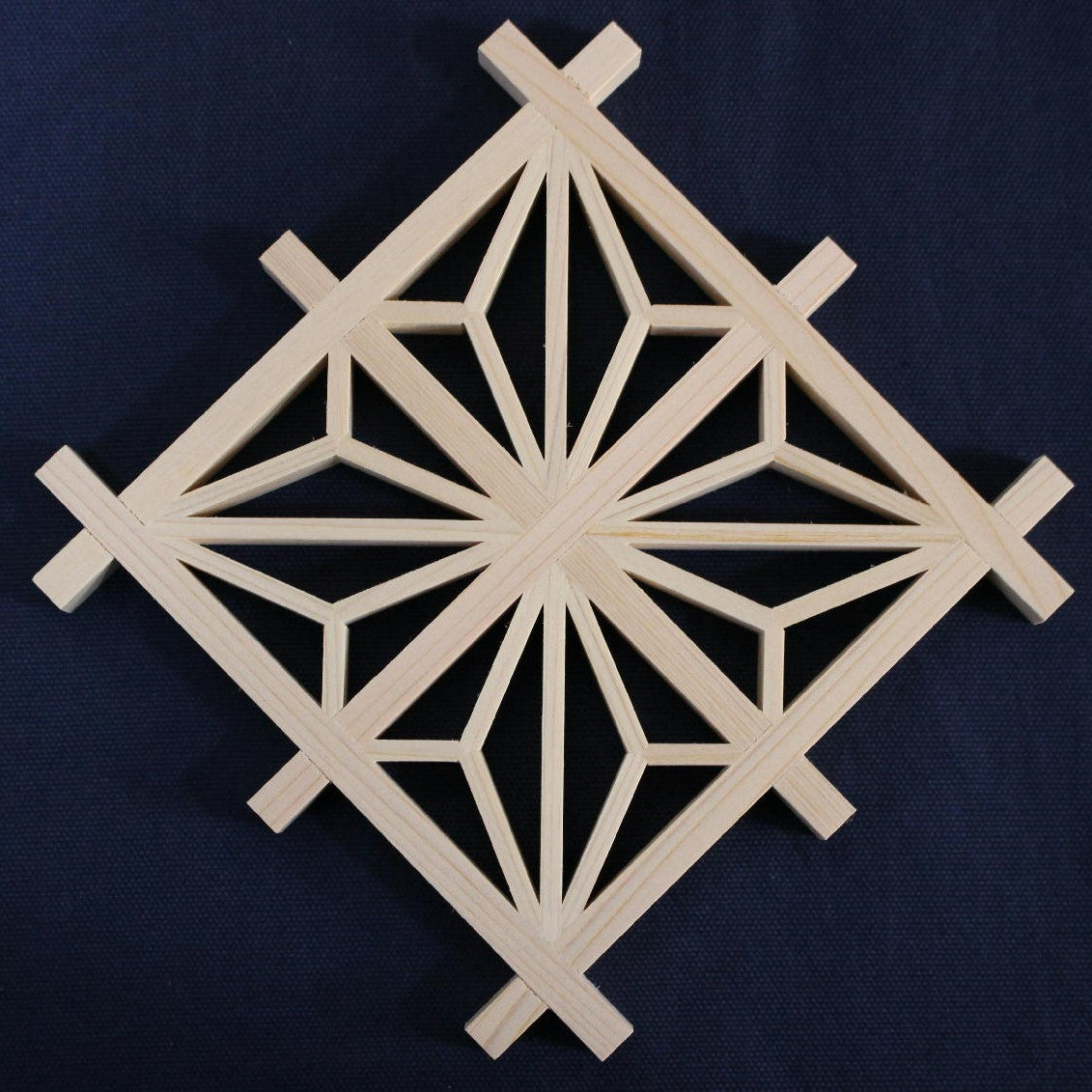
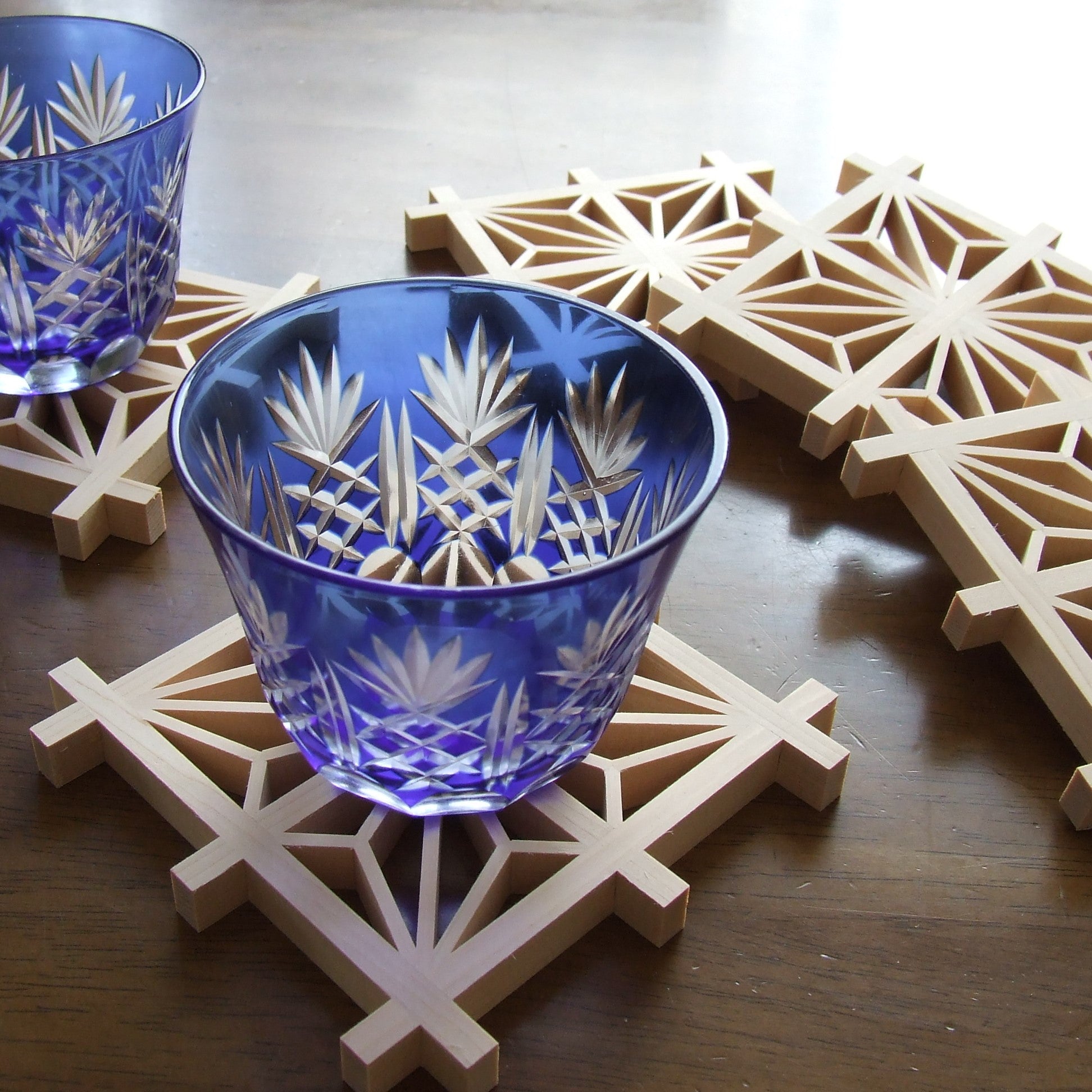
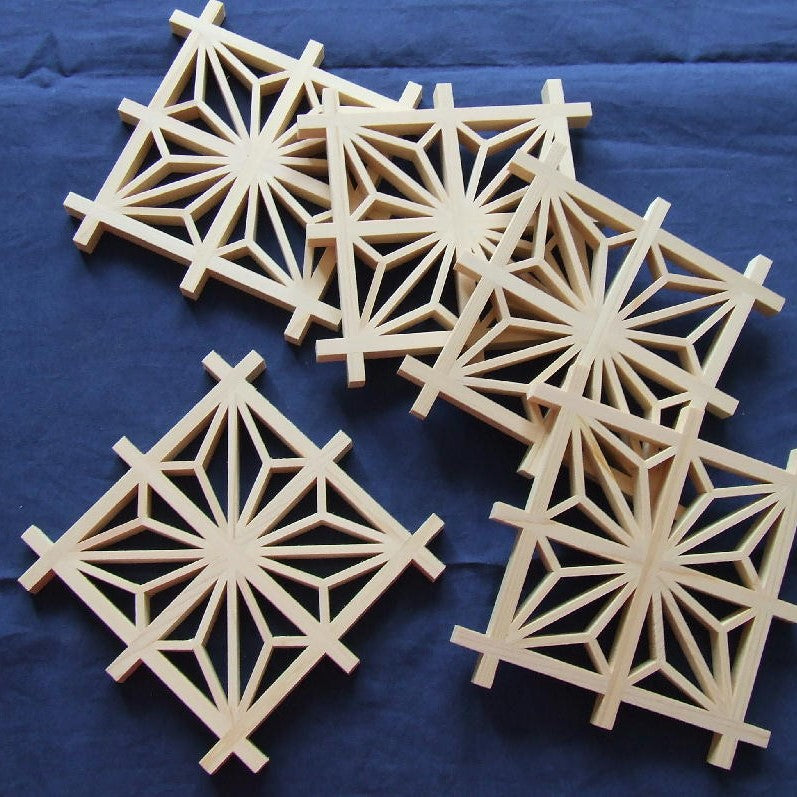
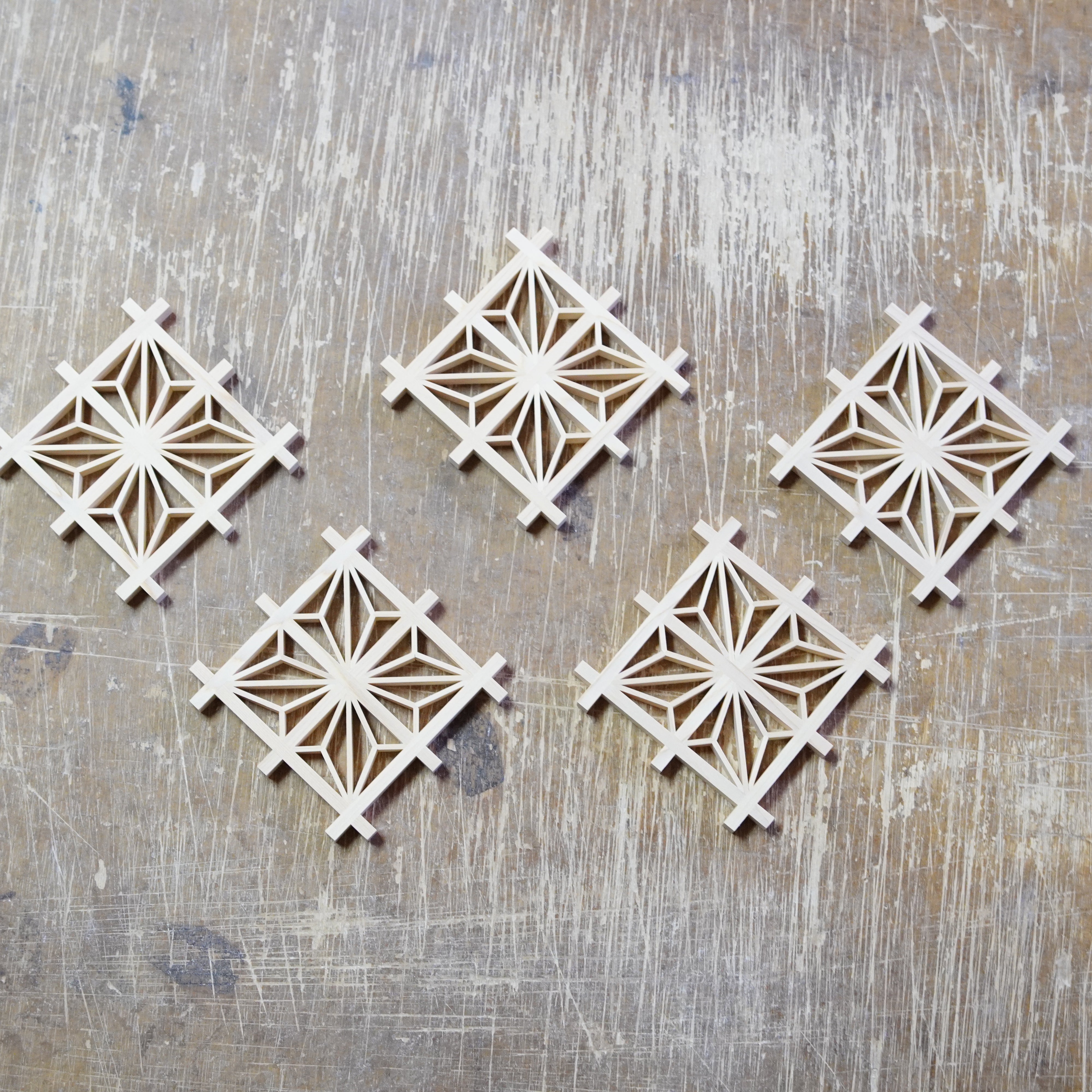
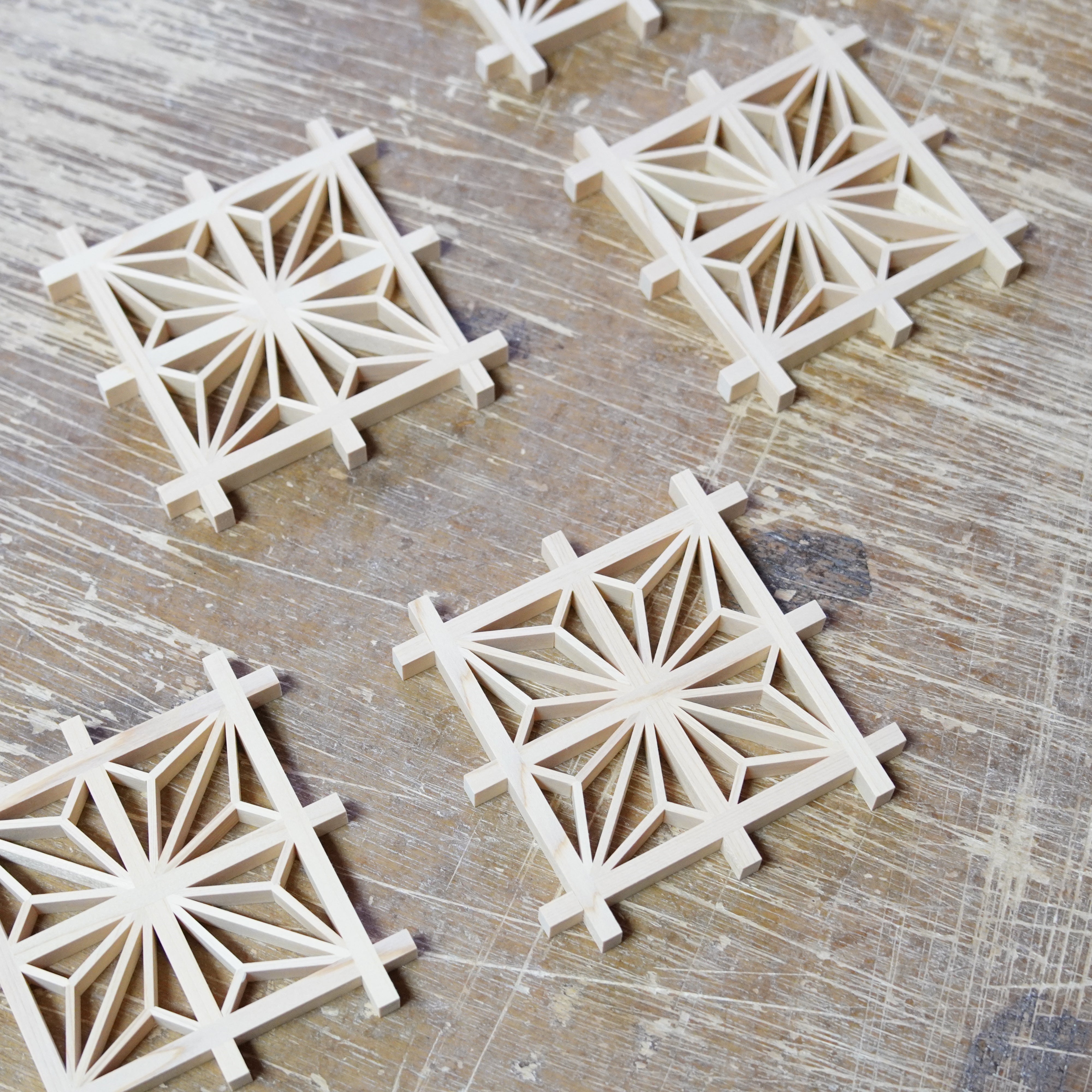
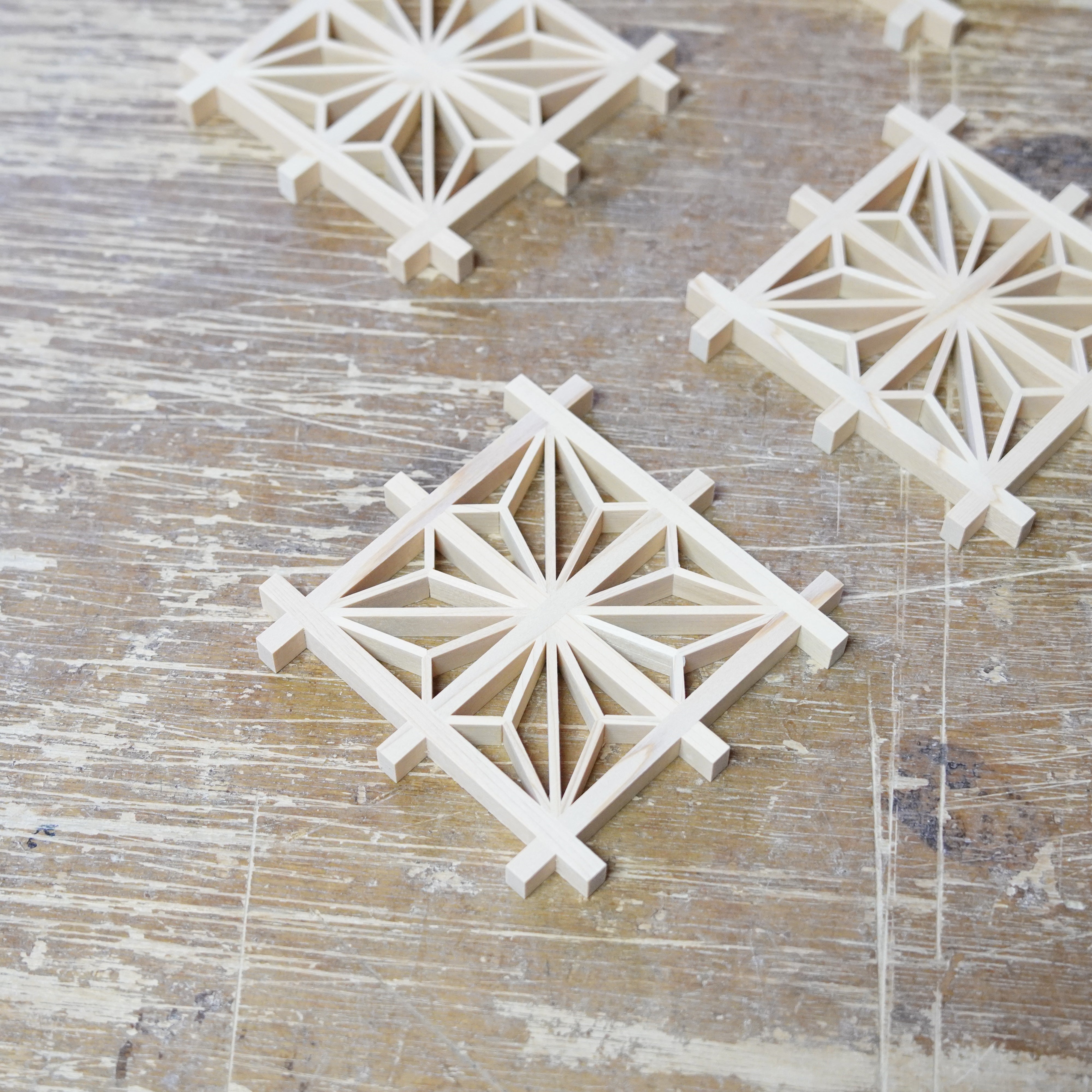
Kumiko is the art of assembling thin wooden pieces into lattices and geometric patterns without nails. It became highly refined in Edo-period shoin architecture, transoms and sliding screens, where joiners developed motifs such as asa-no-ha hemp leaves and other intricate geometric forms.
In Japan, kumiko is known for creating delicate shadow and light within traditional interiors. Today it has moved beyond shoji screens into lighting, partitions, furniture and hotel walls, attracting new attention as pure geometric design made entirely from wood.
The astonishing part is that many patterns need almost no nails or adhesive. Grooves and angles cut to fractions of a millimeter lock tiny pieces together by pressure. In a single hemp-leaf motif, numerous components support one another, so decoration and structure become the same thing.