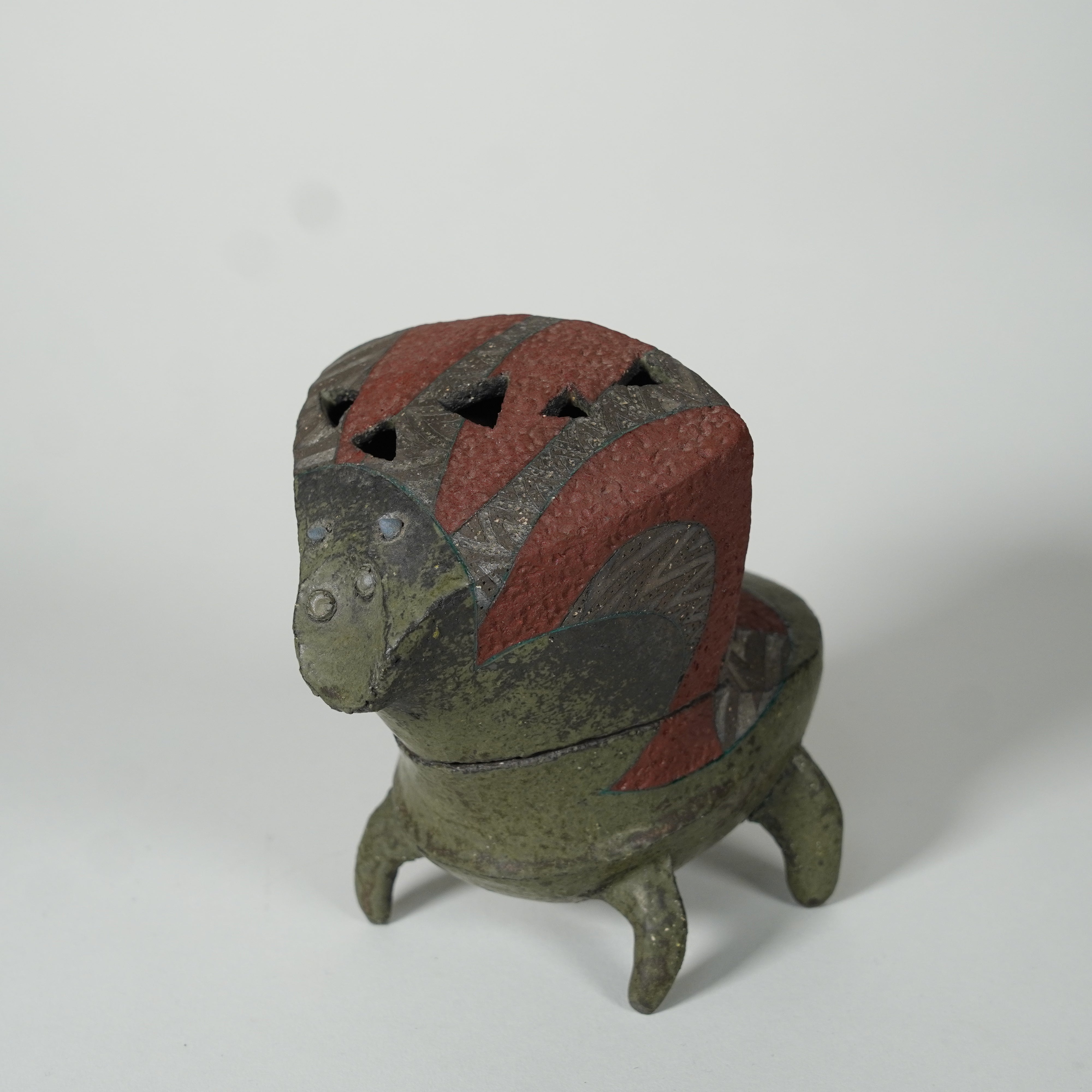
香炉
促销价格Dhs. 1,874.00
选择选项
国家/地区
语言
购物车
您的购物车为空

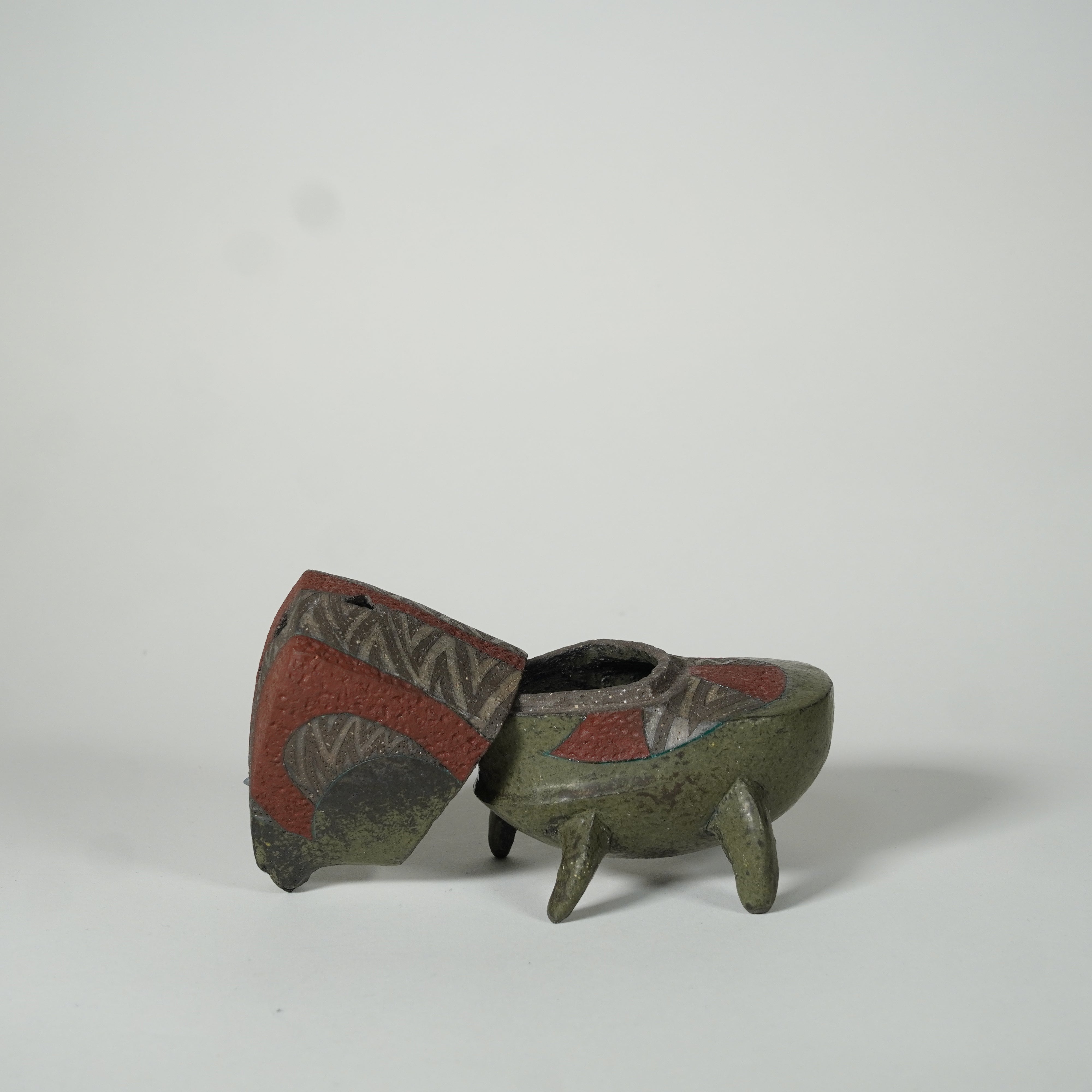
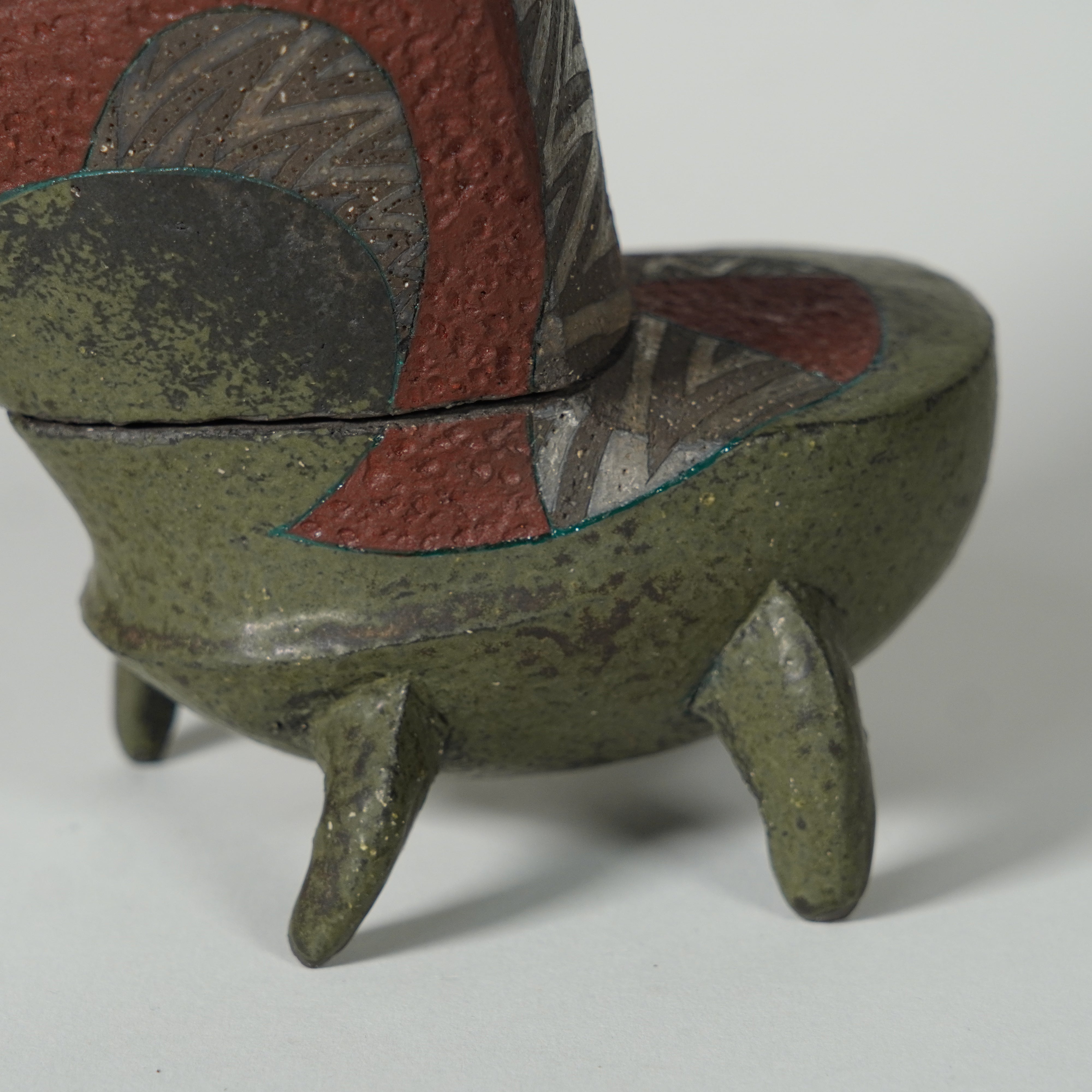
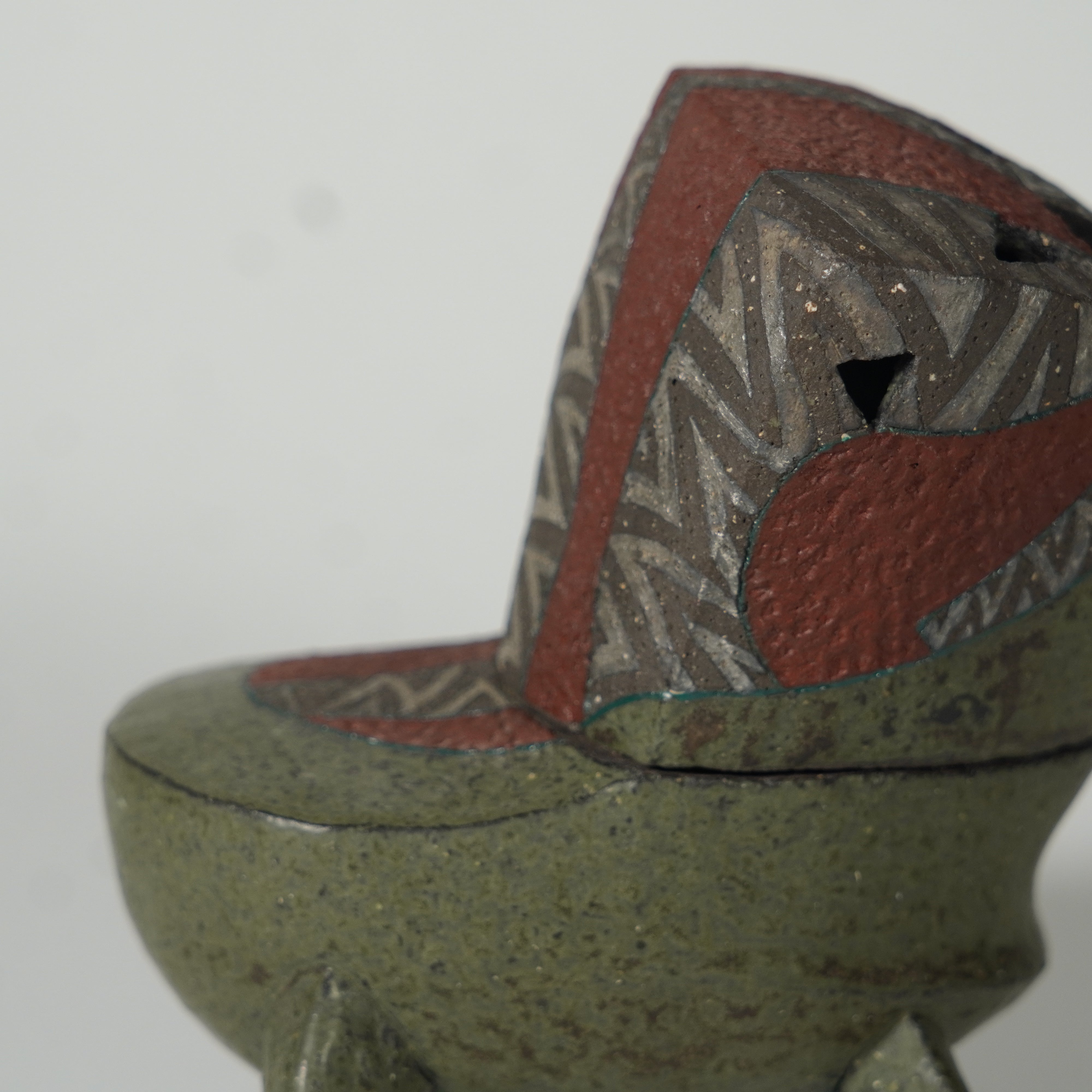
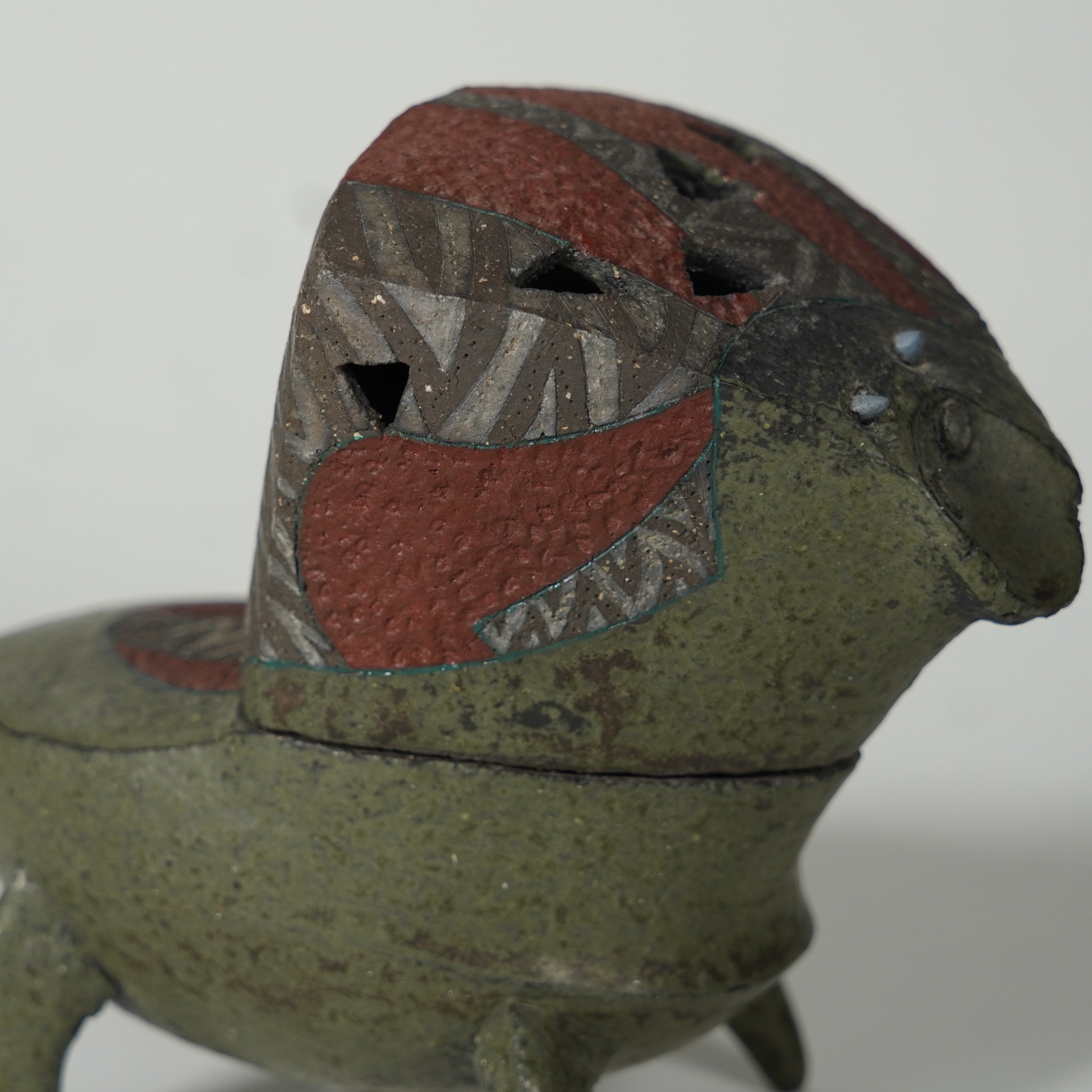
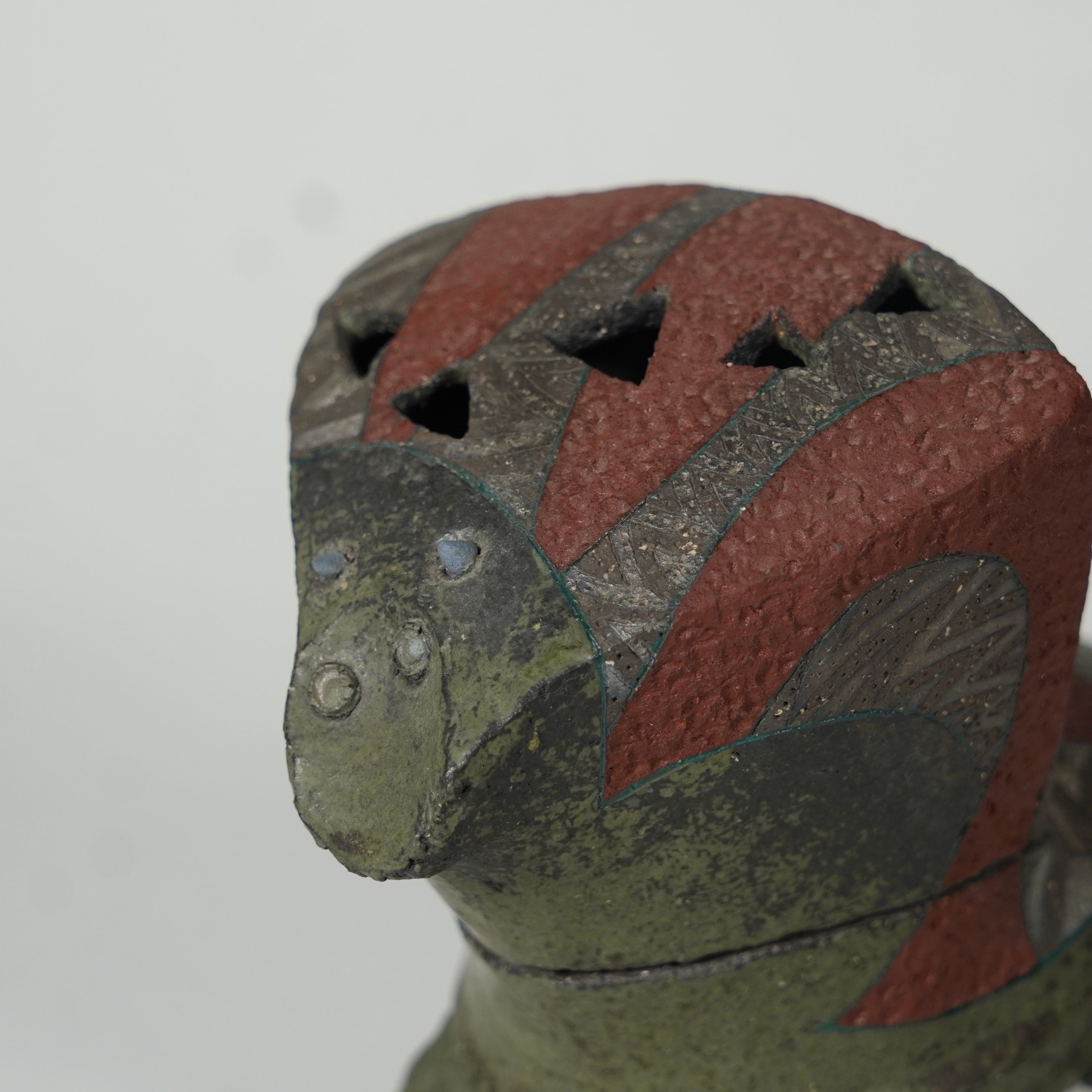
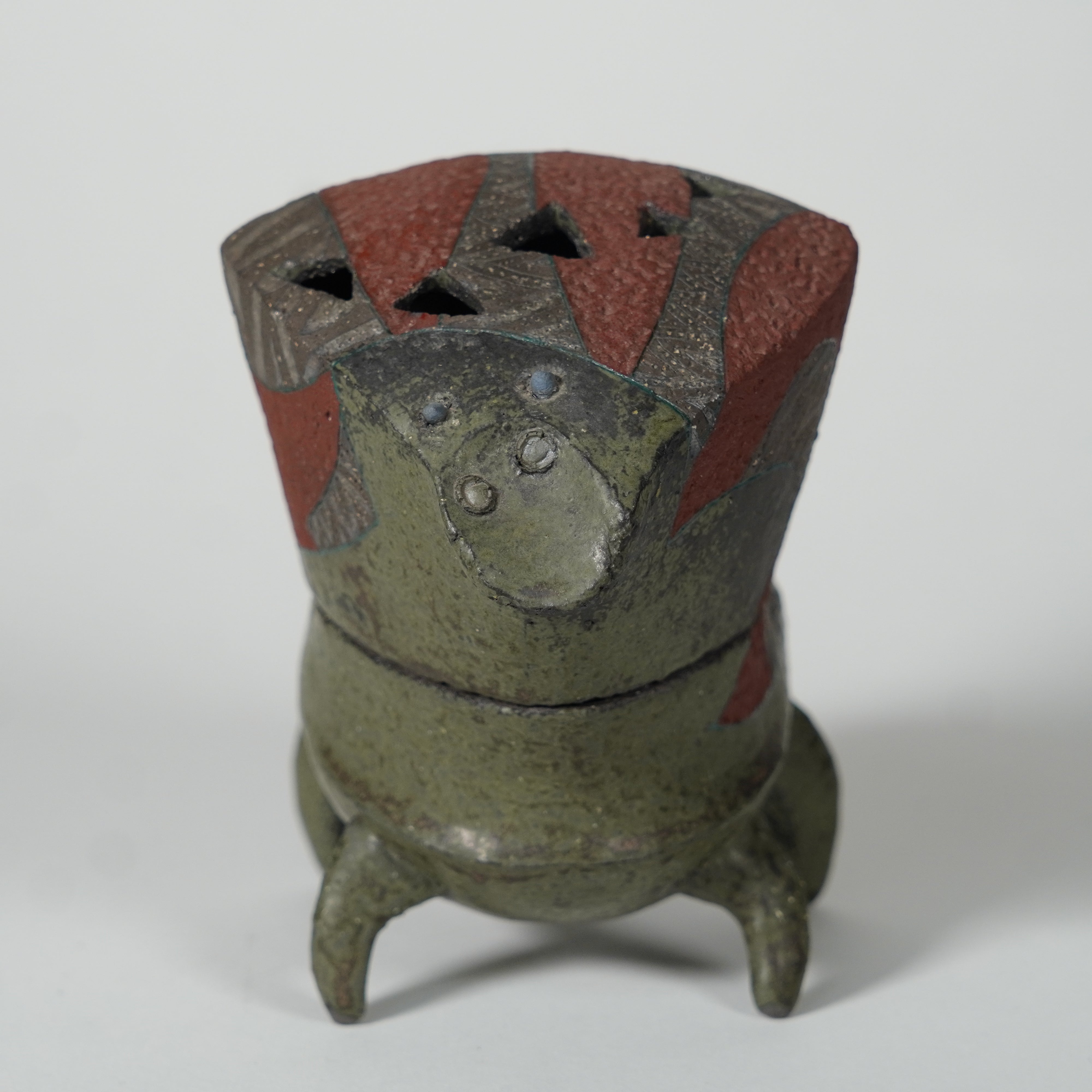
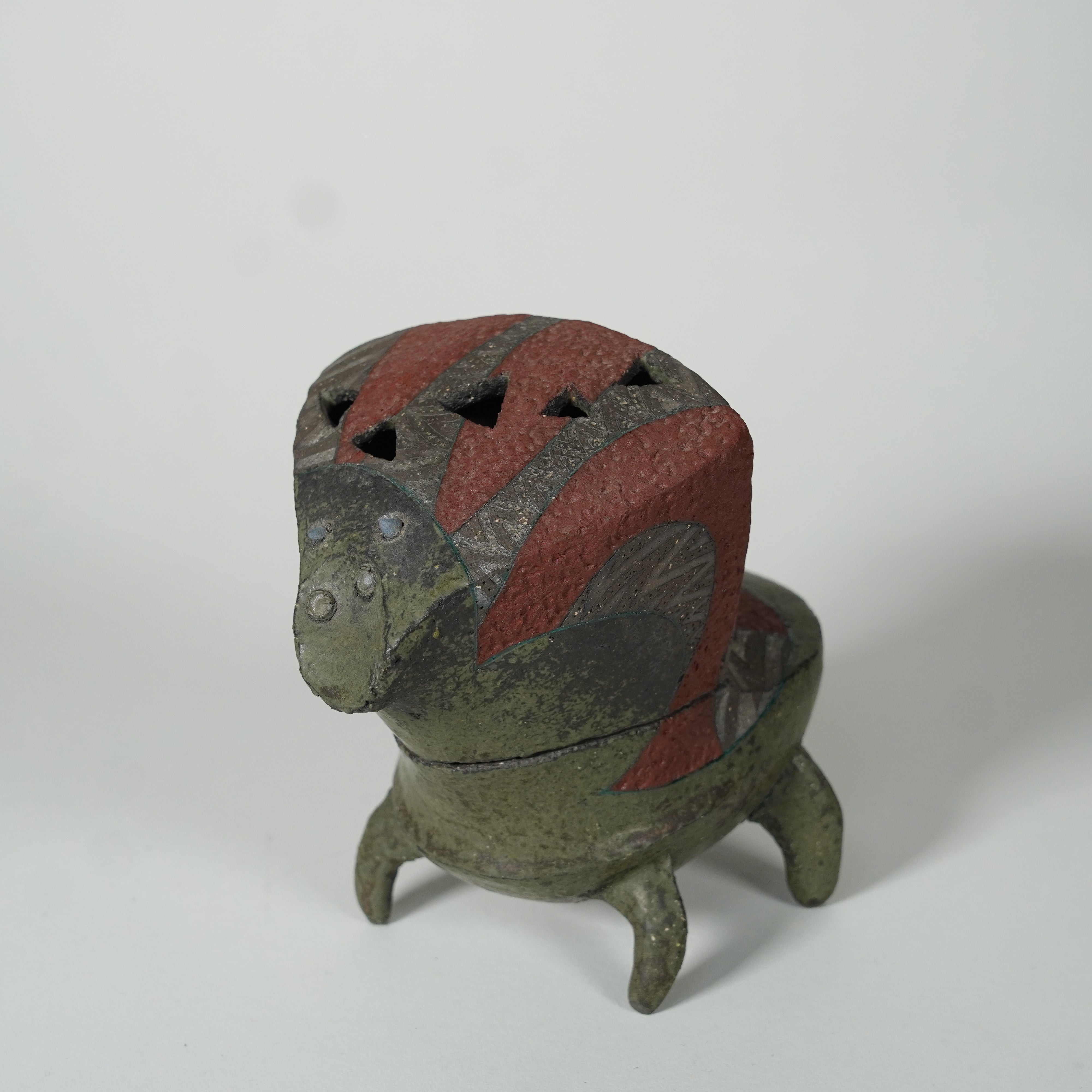
هذا مبخرة فريدة من نوعها تجسّد رؤية إبداعية للعالم.
استُوحيت هذه المبخرة من الفن الأفريقي البدائي وفخار جومون الياباني القديم. وهي تعبّر عن قوة الحيوانات التي تسكن الأرض. إنها قطعة جميلة، ليس كمبخرة فحسب، بل كقطعة للزينة أيضاً. وعند استخدامها كمبخرة، يمكنك استخدامها دون الغطاء لمنع التصاق البقايا المحترقة بالسطح السفلي للغطاء.
SIZE
العرض:12 سم
العمق:16 سم
الارتفاع:15 سم
الوزن:475 غ
MATERIAL
طين
STUDIO HOKI
"Transforming the powerful energy of humanity into works of art"
Looking at Jomon pottery created more than 10,000 years ago or primitive art from Africa, he feels an unmistakable strength that could only have come from human hands. He hopes to embody that energy in his own work and share it with those who encounter his pieces.
ARTISAN STORY
Masakazu Hoki / Pottery Studio HOKI
Working from a studio on a 430-meter-high mountaintop at the western edge of Kyoto, he is inspired by primitive art from Africa, Central and South America, and Central Asia. In recent years, alongside functional vessels, he has explored works expressing the powerful vitality of Japan's Jomon culture. His pieces have also attracted admirers from Israel and other parts of the Middle East.
ACHIEVEMENTS
・Received the Special Selection Award at the 35th Nitten Exhibition
・Selected at the Faenza International Ceramic Art Competition in Italy
・Received the Minister of Education, Culture, Sports, Science and Technology Award at the 17th NIKKOKAI Exhibition
KYO WARE & KIYOMIZU WARE
About 1,200 years ago / 800s / Heian Period (794–1185)
Kyoto ceramics reach back to kilns operating before and during the Heian period, then expanded with tea culture in the Muromachi and Momoyama eras. In the seventeenth century, Nonomura Ninsei perfected brilliant overglaze decoration, followed by innovators such as Ogata Kenzan, Okuda Eisen and Aoki Mokubei, whose diverse approaches shaped today’s Kyo and Kiyomizu ware.
In Japan, these ceramics are famous precisely because there is no single fixed style. Tea bowls, kaiseki dishes and everyday tableware may use overglaze painting, blue-and-white decoration, gold, sancai-inspired color and many other techniques. The craft sits at the heart of Kyoto’s culture of pairing vessels with cuisine and tea.
The surprising point is that Kyoto was never defined by a single major clay deposit. Potters drew on materials such as Amakusa porcelain stone, techniques arriving from other regions, and the tastes of artists and patrons gathered in the capital. Freedom from one local material helped make Kyoto ceramics unusually hybrid and stylistically diverse.
الاختلافات الفردية
نظرًا لأن كل قطعة تُصنع يدويًا بشكل مستقل، فقد تطرأ اختلافات طفيفة في اللون والنمط والشكل والملمس. وتُعد هذه الاختلافات الدقيقة من الخصائص الطبيعية للأعمال اليدوية، ما يجعل كل قطعة فريدة من نوعها حقًا. نأمل أن تستمتعوا بهذه الاختلافات الفردية كجزء من جمال الحرفية اليابانية وطابعها المميز.
مدة الإنتاج
إذا لم يكن المنتج متوفرًا في المخزون حاليًا، فقد يقوم الحرفي بتصنيعه حسب الطلب. ونظرًا إلى أن كل قطعة تُصنع يدويًا بعناية، فقد يستغرق الإنتاج عدة أشهر، وذلك حسب المنتج وجدول الحرفي. نقدر صبركم وتفهمكم.
选择选项