

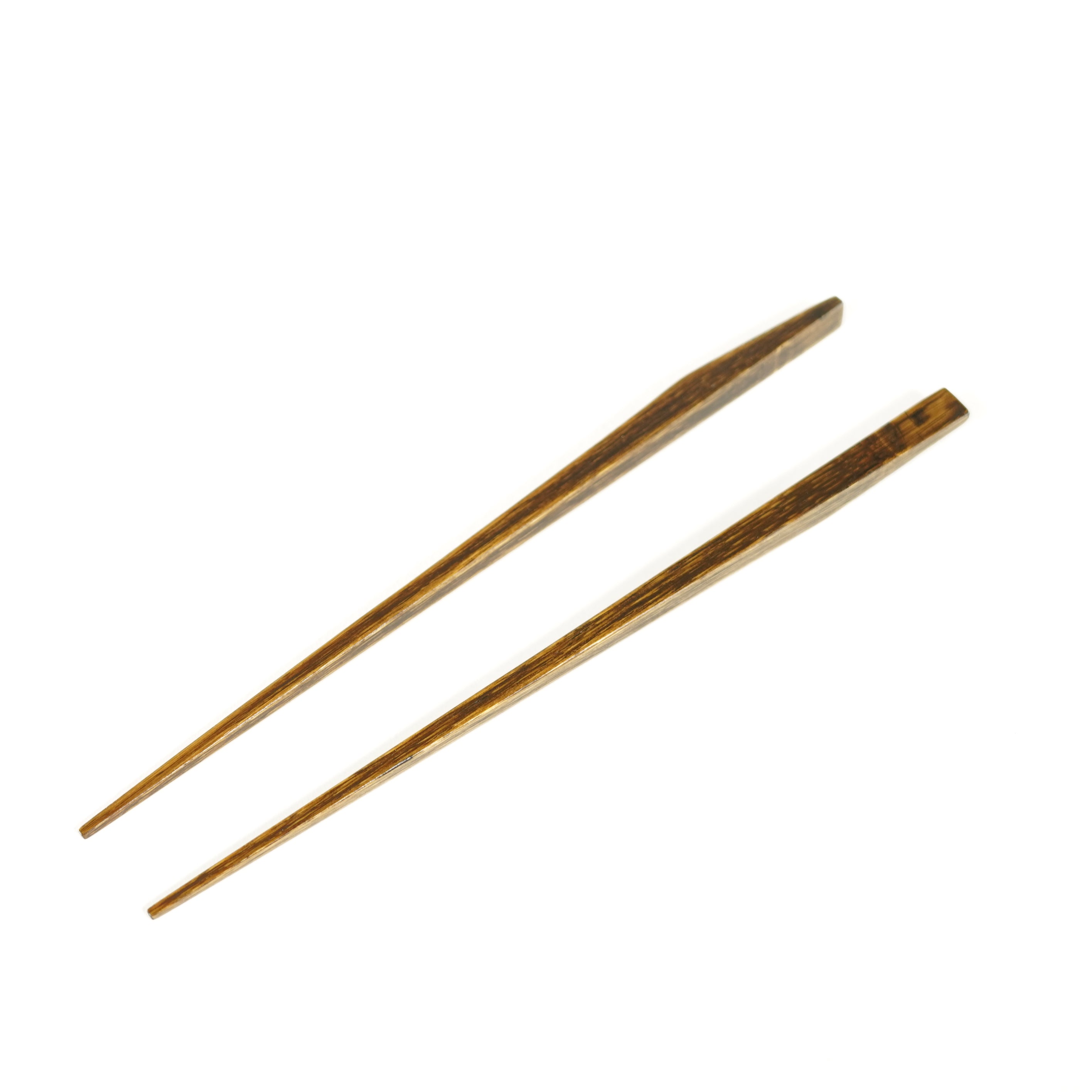
筷子 / goto nuri / 2
الوصف
التفاصيل
SIZE
MATERIAL
حِرَفِيّ
كوجي
تحذير
筷子 / goto nuri / 2
促销价格Dhs. 338.00
选择选项
筷子 / goto nuri / 2
促销价格Dhs. 338.00
国家/地区
语言
购物车
您的购物车为空
صُنعت هذه أعواد الأكل باستخدام تقنية تُعرف باسم «غوتو نوري».
وتُعرف هذه التقنية على نطاق واسع باسم «غوتو نوري» نسبةً إلى مؤسسها تاهاي غوتو. وكلما زاد استخدامها، ازداد الطابع التقشفي الفريد والعمق في نكهة الورنيش، كما تُستخدم على نطاق واسع في كل شيء، بدءًا من المستلزمات اليومية وصولًا إلى الأثاث، بفضل متانتها وأناقتها.
SIZE
الطول : 22 سم
MATERIAL
الخيزران
اللك
LACQUER STUDIO NAKATA
Bringing Lacquer into Daily Life
Each of our pieces is carefully crafted using natural lacquer, highlighting the unique characteristics of the materials. Lacquerware is something that becomes more enjoyable as it ages, with its appearance evolving the more it is used. By incorporating lacquerware into your daily life, you can nurture and experience the true beauty of these products over time.
ARTISAN STORY
Nakata Lacquerware Studio
We are a workshop located in Takamatsu City, Kagawa Prefecture, and for over 80 years, starting from our grandfather's generation, we have been crafting products from wood and lacquer. From lacquerware such as chopsticks and plates to lacquered furniture like benches and tables, everything is made in-house. At Nakata Lacquerware Studio, we focus on creating practical designs that make the most of the materials we use. The texture of lacquerware changes and evolves the more it is used, gradually blending into your hands and daily lifestyle.
KAGAWA SHIKKI / KAGAWA LACQUERWARE
About 200 years ago / 1800s / Edo Period (1603–1868)
Kagawa lacquerware took shape in the late Edo period under the patronage of the Takamatsu domain, when Tamakaji Zokoku studied lacquer traditions associated with China and Southeast Asia and developed local approaches to techniques such as kinma, zonsei and carved lacquer. Takamatsu became known for richly patterned lacquer using carving and colored layers.
In Japan, Kagawa lacquer stands apart from simple black or vermilion ware because color often appears inside incised lines and carved surfaces. Trays, confectionery boxes and containers remain important, while the same methods now appear in jewelry and small interior objects.
Kinma is especially distinctive: after building a lacquer surface, the artisan cuts a design into it and fills those cuts with contrasting colored lacquer. Instead of adding a painted image to the surface, the maker removes part of a finished surface and then returns color to the void—a reversal that unites engraving and lacquer.
الاختلافات الفردية
نظرًا لأن كل قطعة تُصنع يدويًا بشكل مستقل، فقد تطرأ اختلافات طفيفة في اللون والنمط والشكل والملمس. وتُعد هذه الاختلافات الدقيقة من الخصائص الطبيعية للأعمال اليدوية، ما يجعل كل قطعة فريدة من نوعها حقًا. نأمل أن تستمتعوا بهذه الاختلافات الفردية كجزء من جمال الحرفية اليابانية وطابعها المميز.
مدة الإنتاج
إذا لم تكن القطعة متوفرة في المخزون حاليًا، فقد يقوم الحرفي بصنعها حسب الطلب. ونظرًا إلى أن كل قطعة تُصنع يدويًا بعناية، فقد يستغرق الإنتاج عدة أشهر، وذلك حسب القطعة والجدول الزمني للحرفي. نقدر صبركم وتفهمكم.
选择选项