KYO SHIPPO / KYOTO CLOISONNE
About 180 years ago / 1840s / Late Edo Period
Kyoto cloisonne advanced rapidly from the late Edo into the Meiji period as artisans mastered firing glassy enamel onto metal. Masters such as Namikawa Yasuyuki pushed wired cloisonne to extraordinary levels of precision and translucent color, and Kyoto pieces became highly celebrated at international expositions.
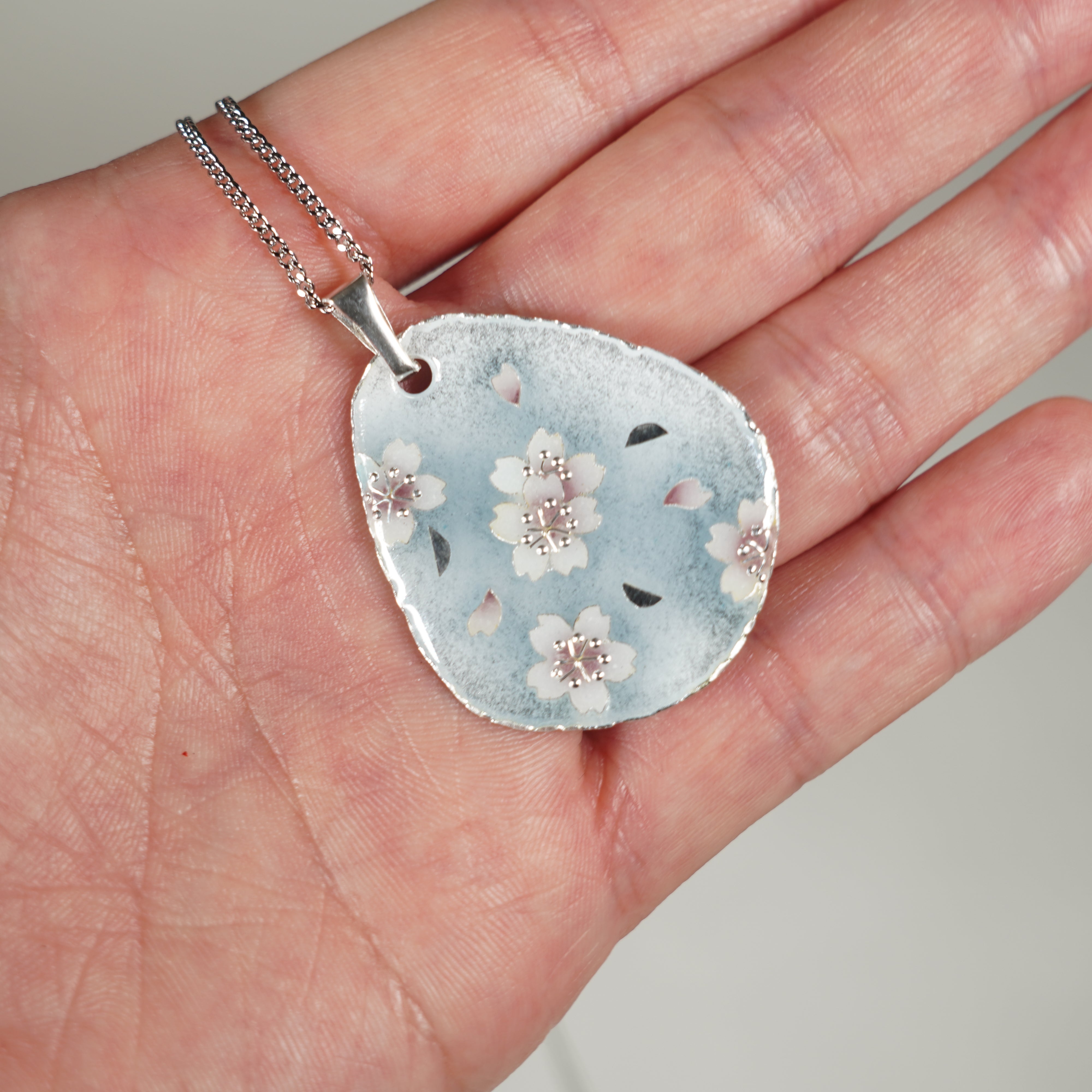
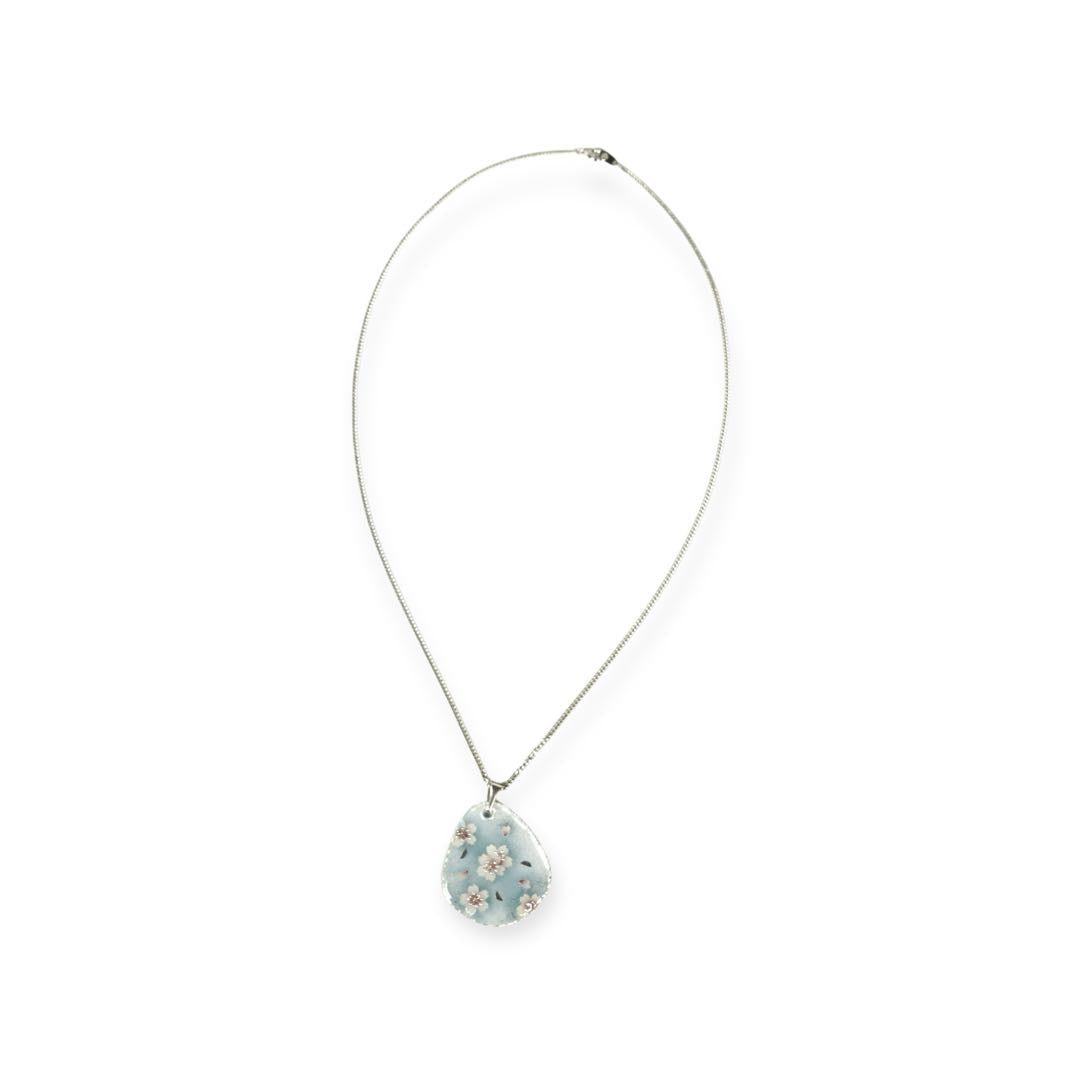
In Japan, cloisonne appears in jewelry, vases, obi ornaments and decorative objects, valued for a material quality somewhere between metal and glass. Contemporary makers continue traditional birds and flowers while also exploring jewelry and modern art.
Meiji-period Kyoto cloisonne was one of Japan’s great export arts. Hair-thin silver wires outline the design before enamel is repeatedly filled and fired. Under magnification, the wires resemble the lead lines of stained glass—evidence of astonishing precision created specifically for an emerging global art market.