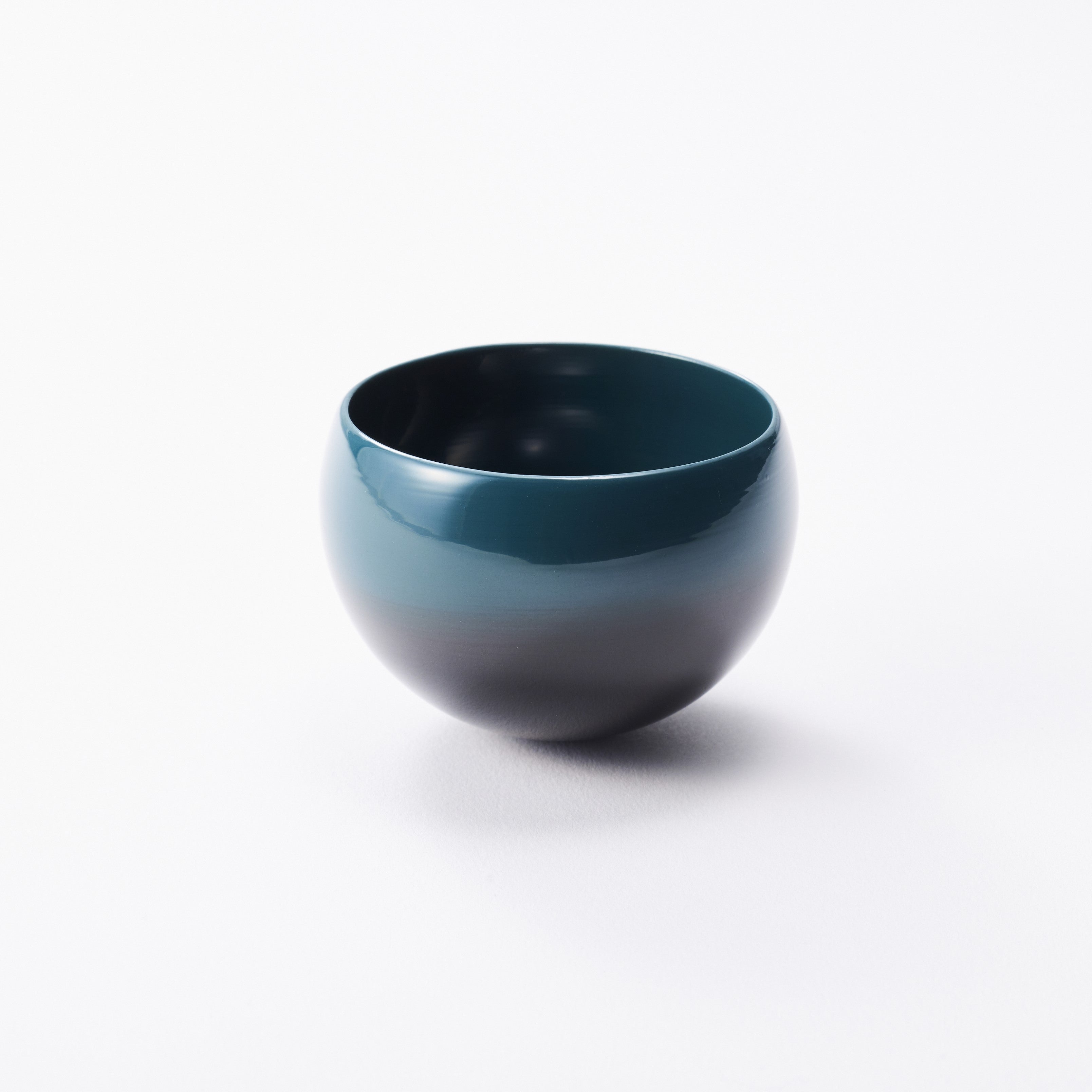
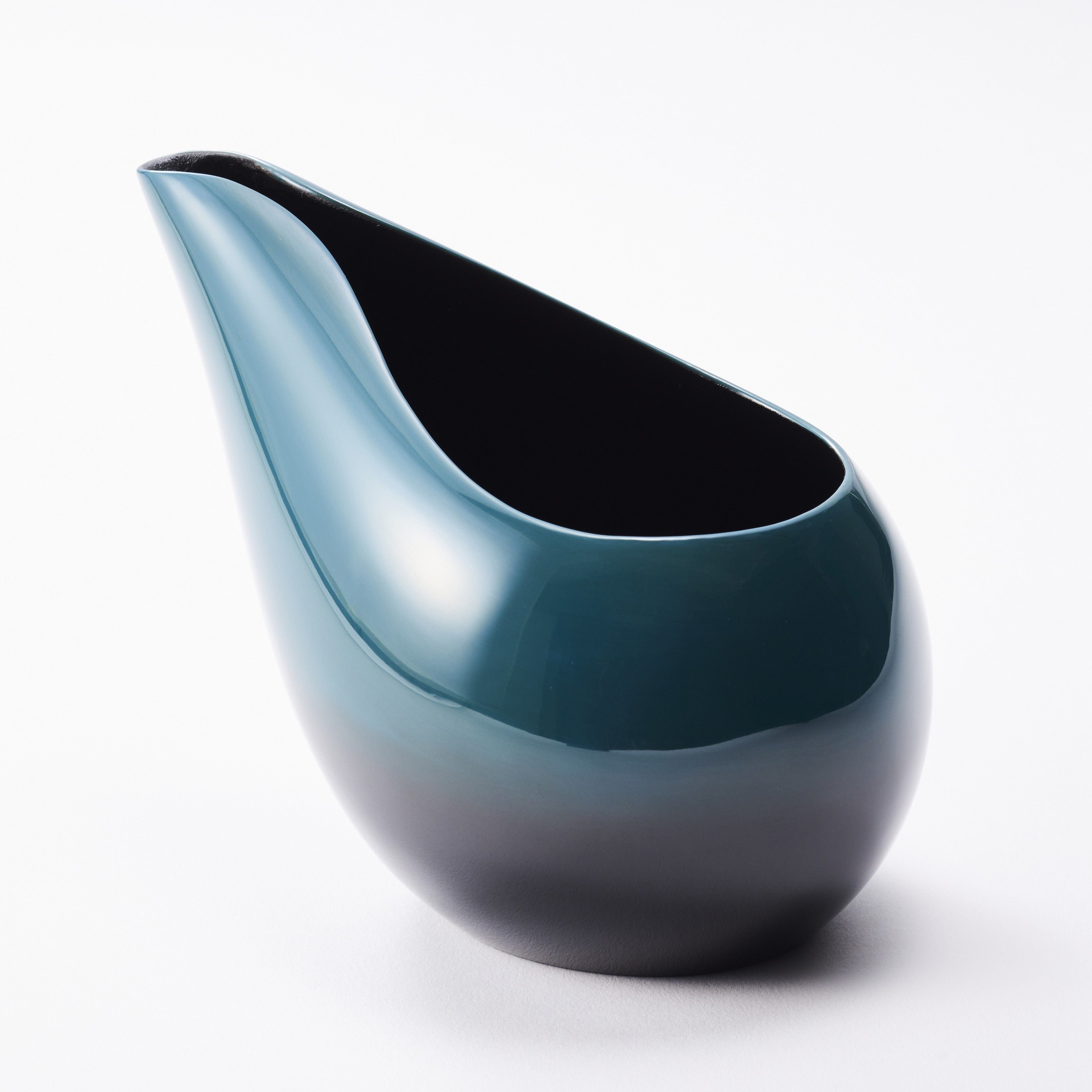
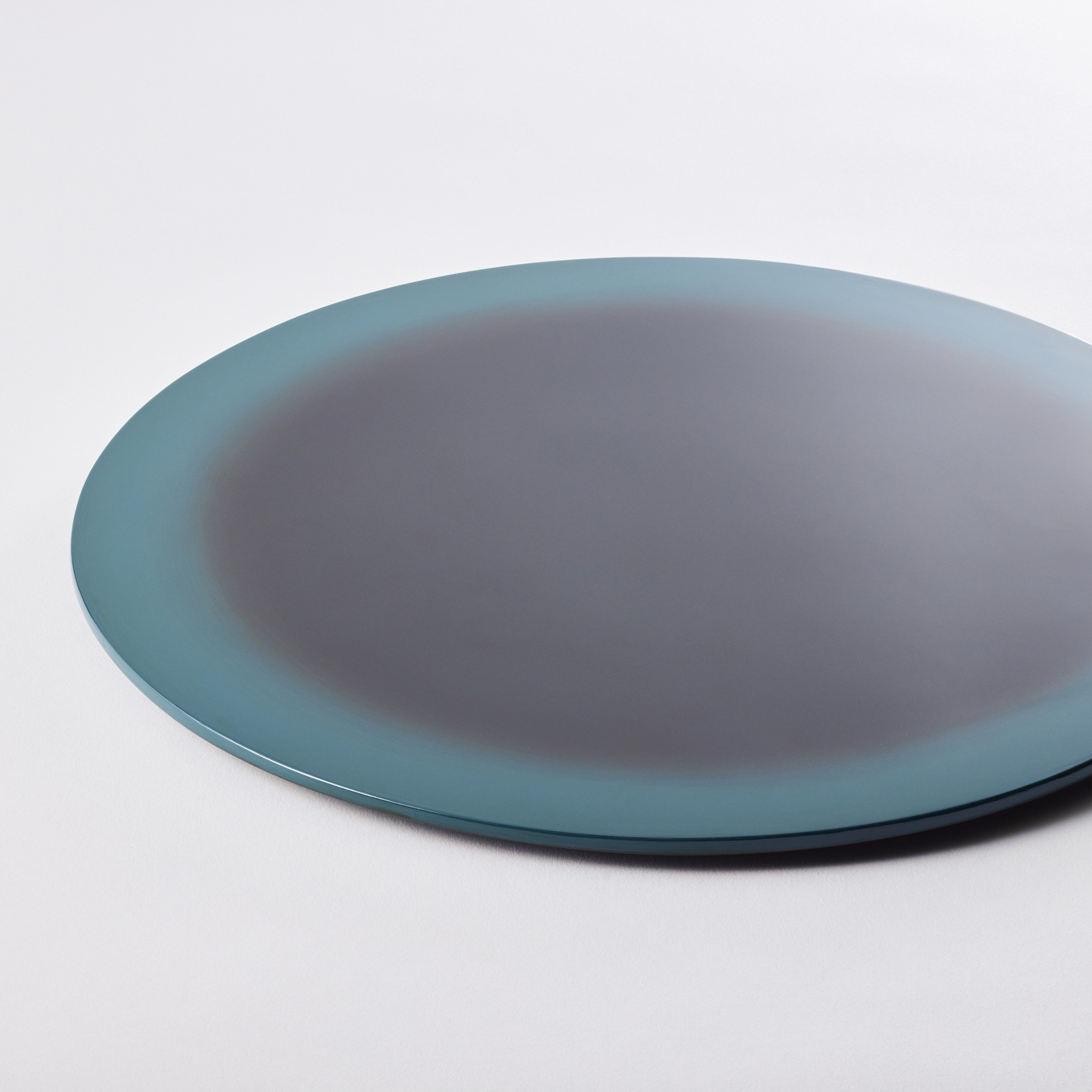
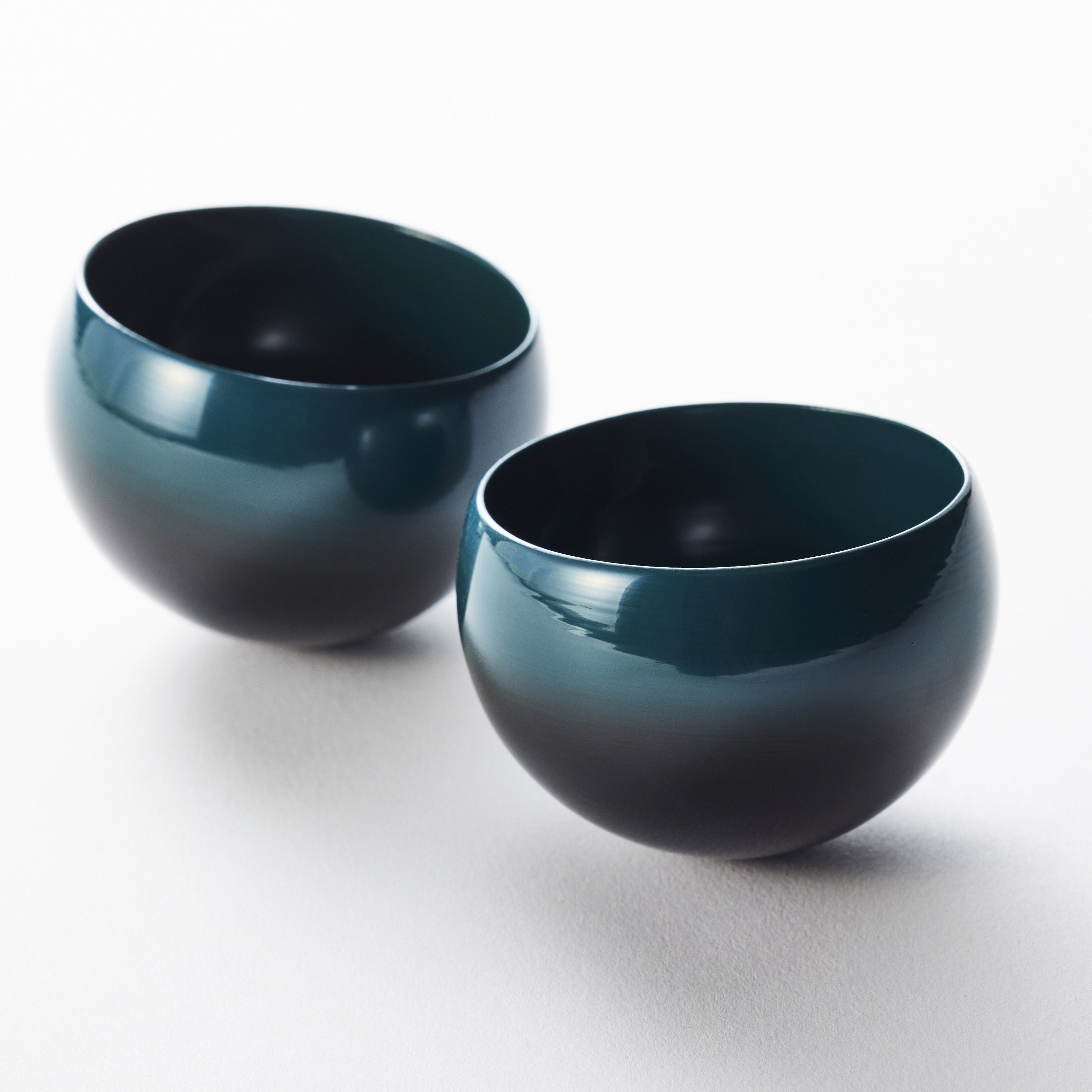
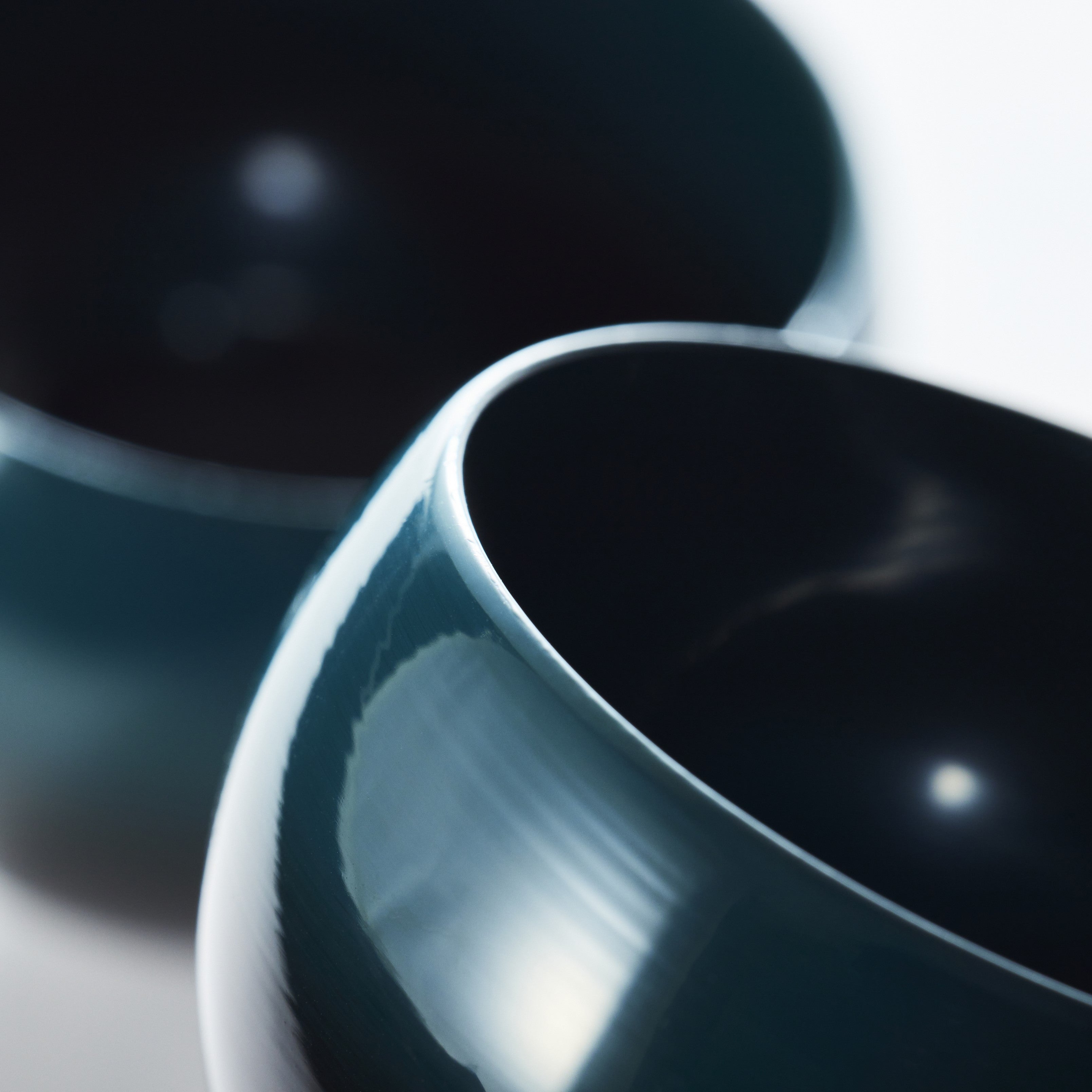
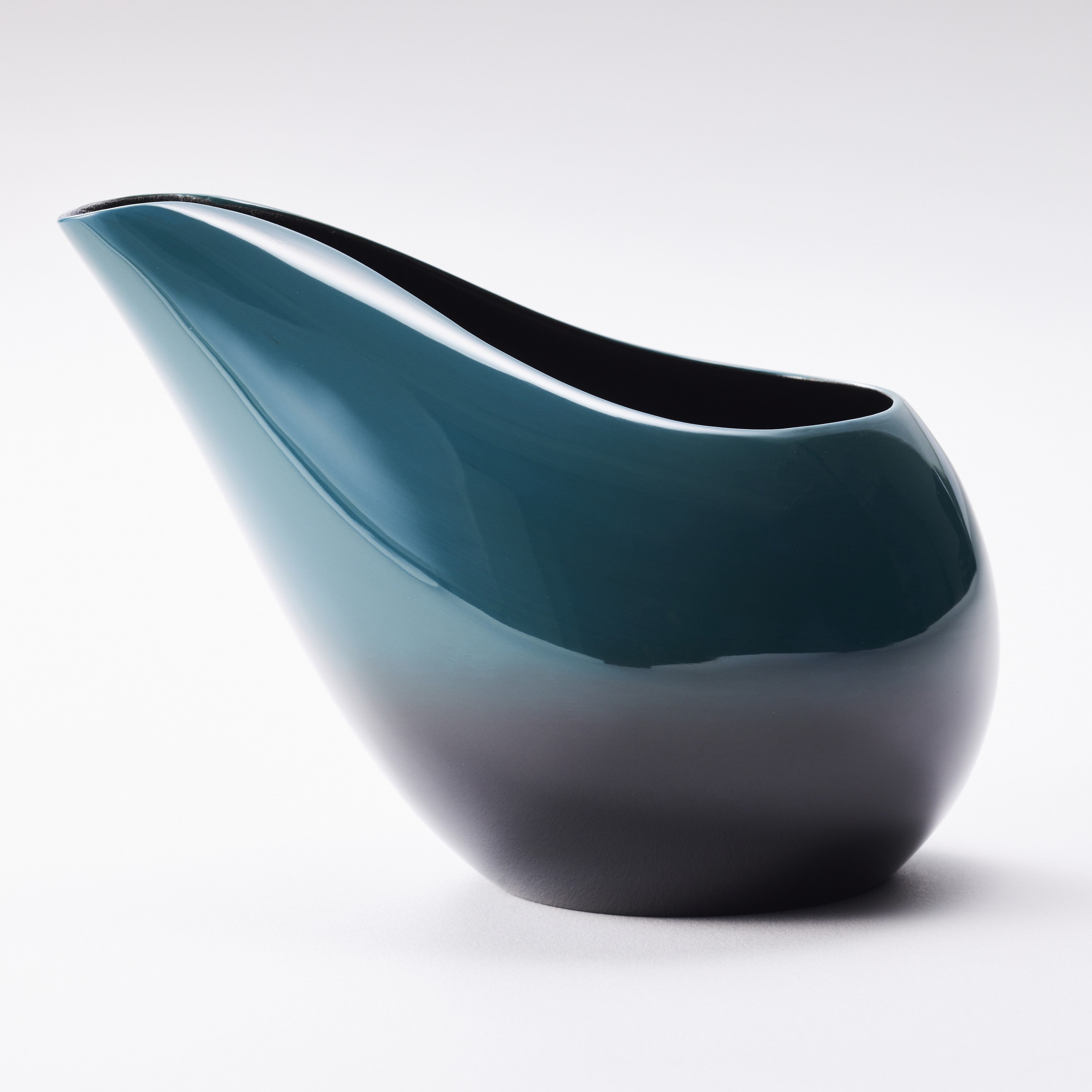
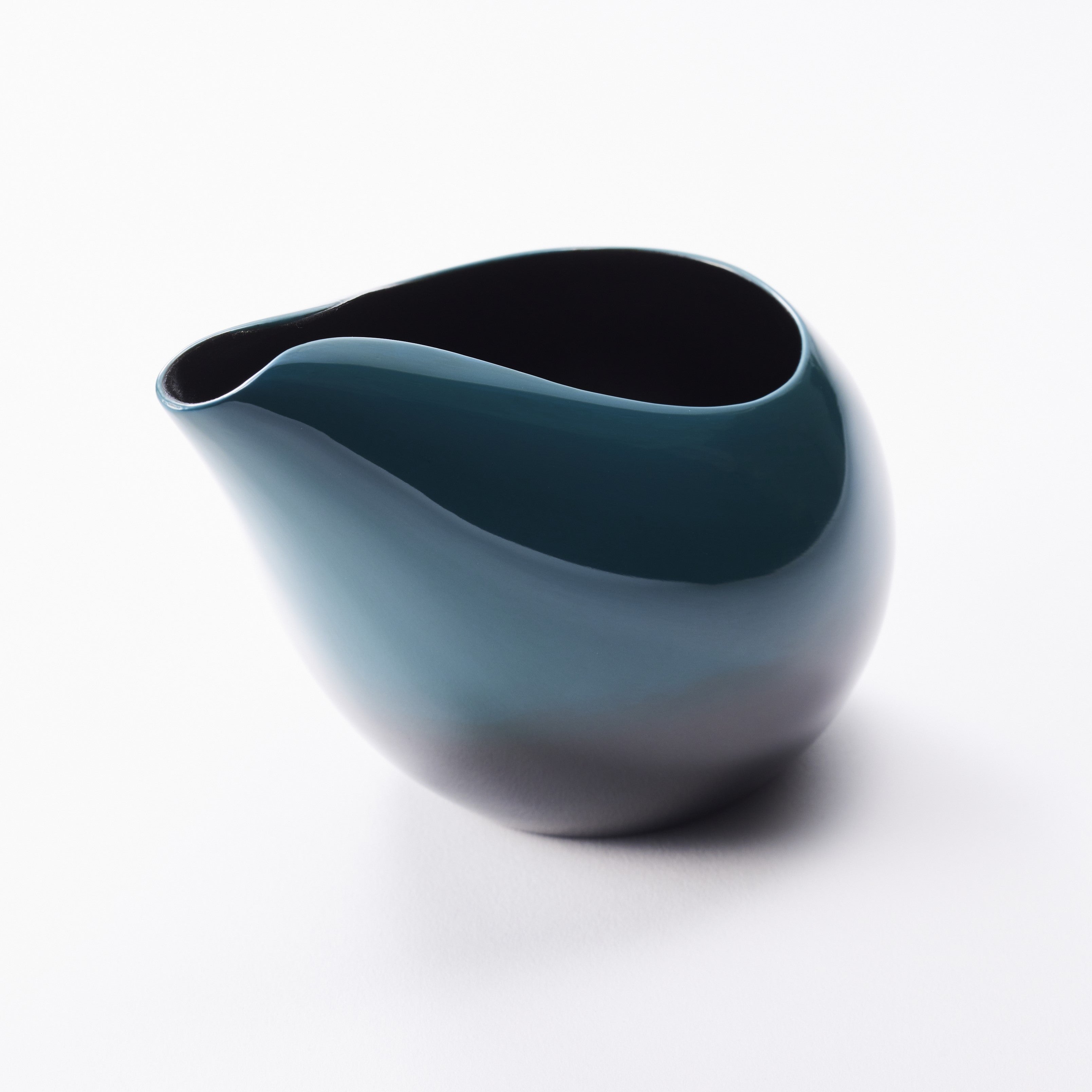
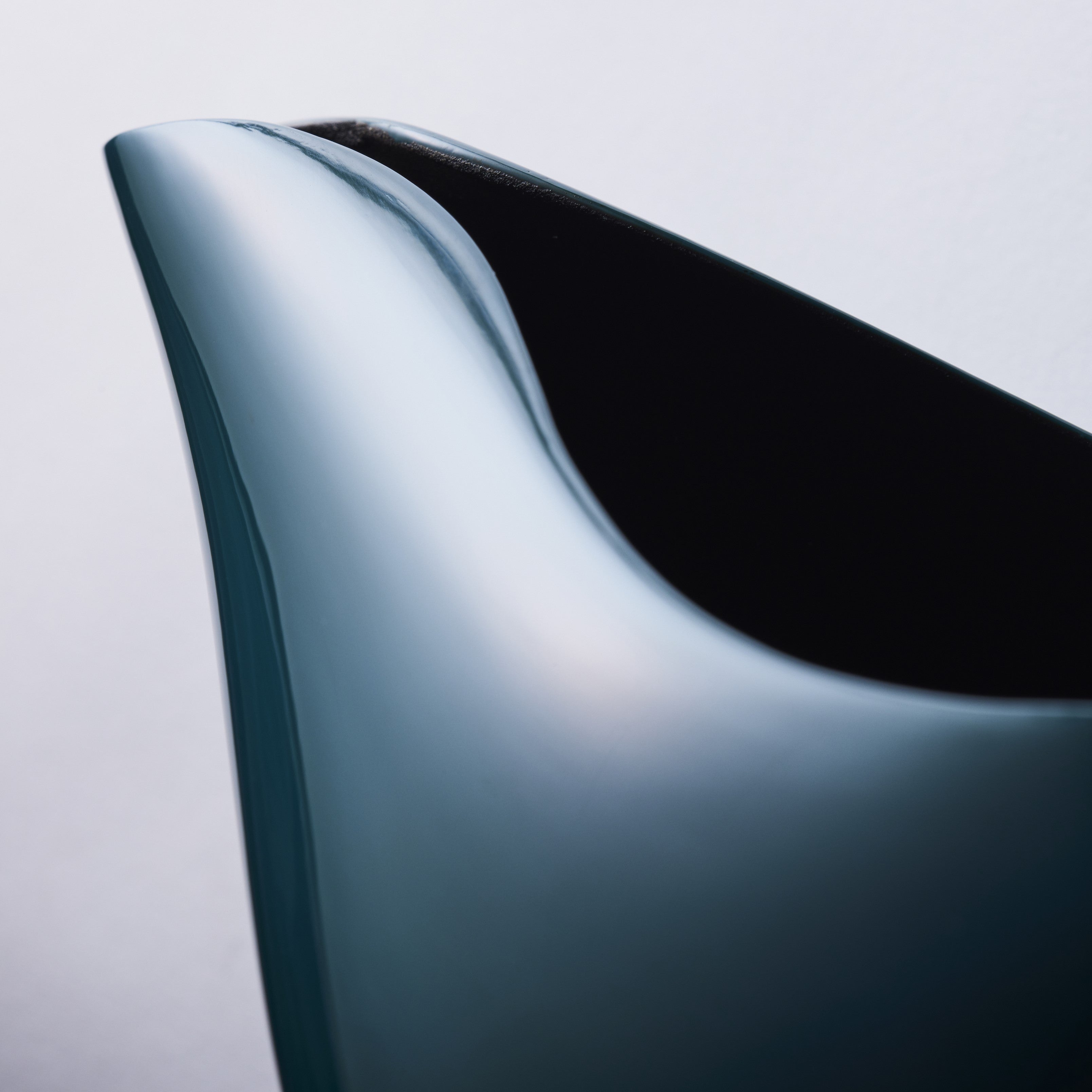
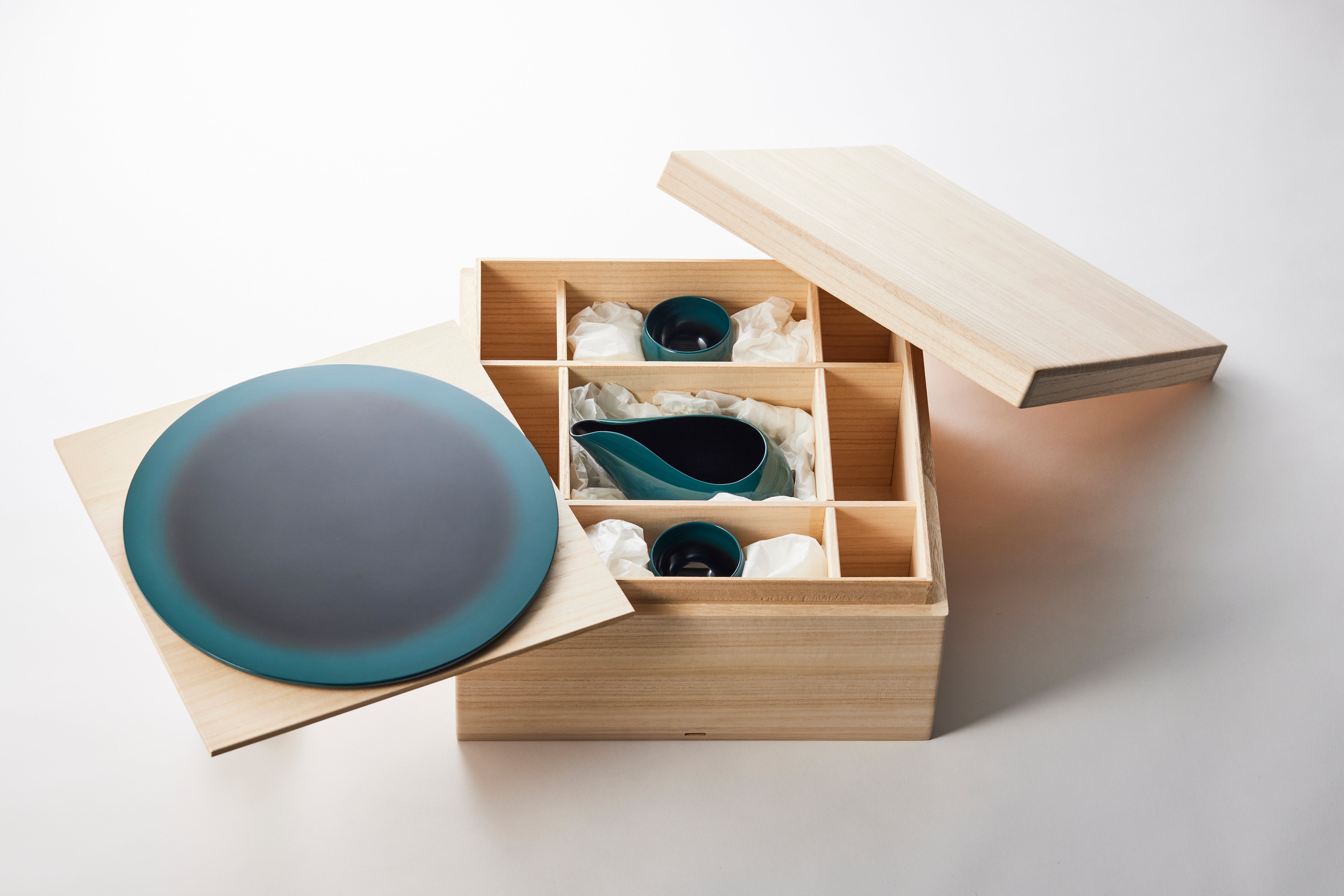
【مجموعة محدودة من 5 قطع】طقم ساكي من خزف هيروشيما المطلي باللك
الوصف
التفاصيل
SIZE
MATERIAL
حِرَفِيّ
كوجي
تحذير
حدِّد الخيارات


【مجموعة محدودة من 5 قطع】طقم ساكي من خزف هيروشيما المطلي باللك
السعر بعد الخصم7.059,00 lei
البلد
اللغة
سلة المشتريات
سلة مشترياتك فارغة


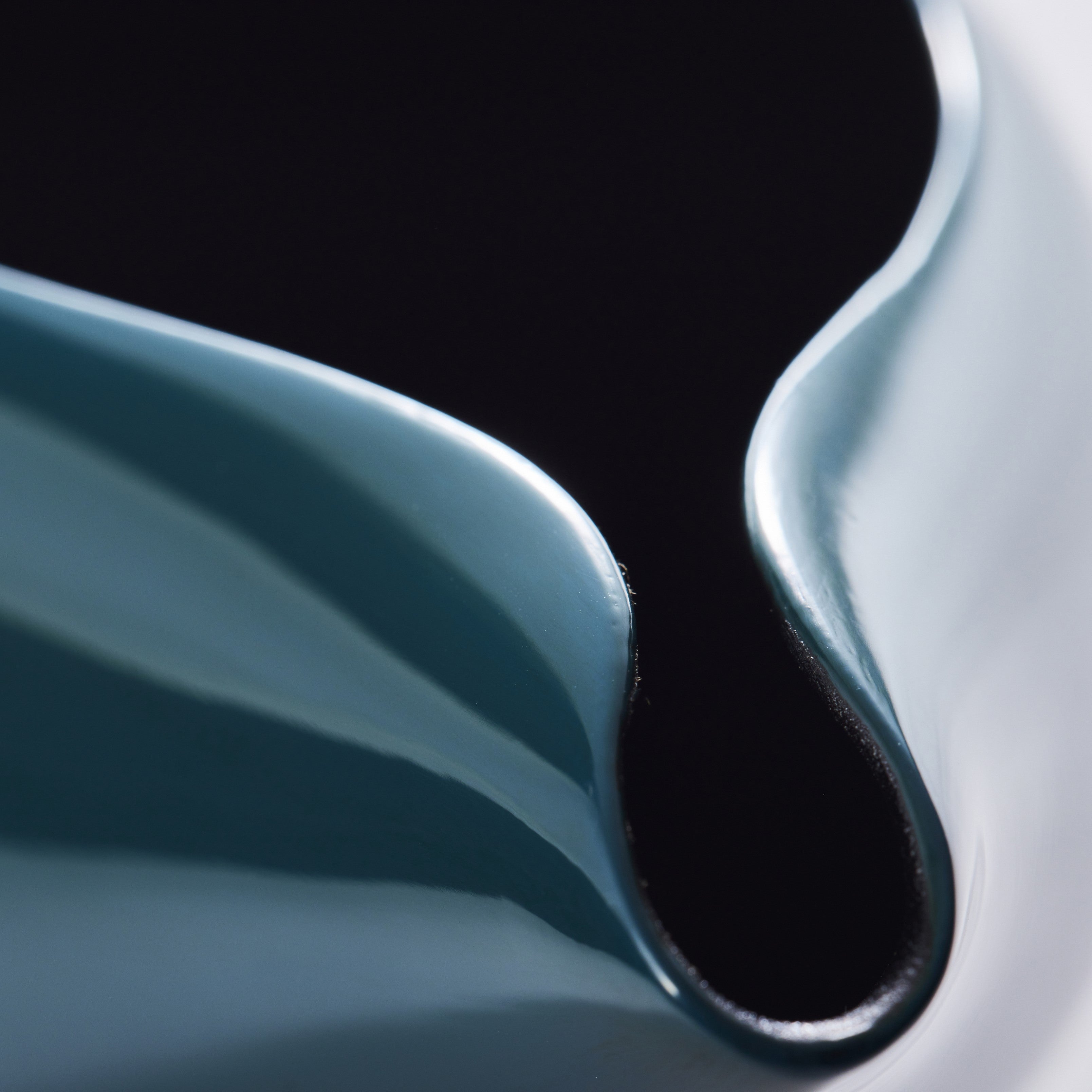
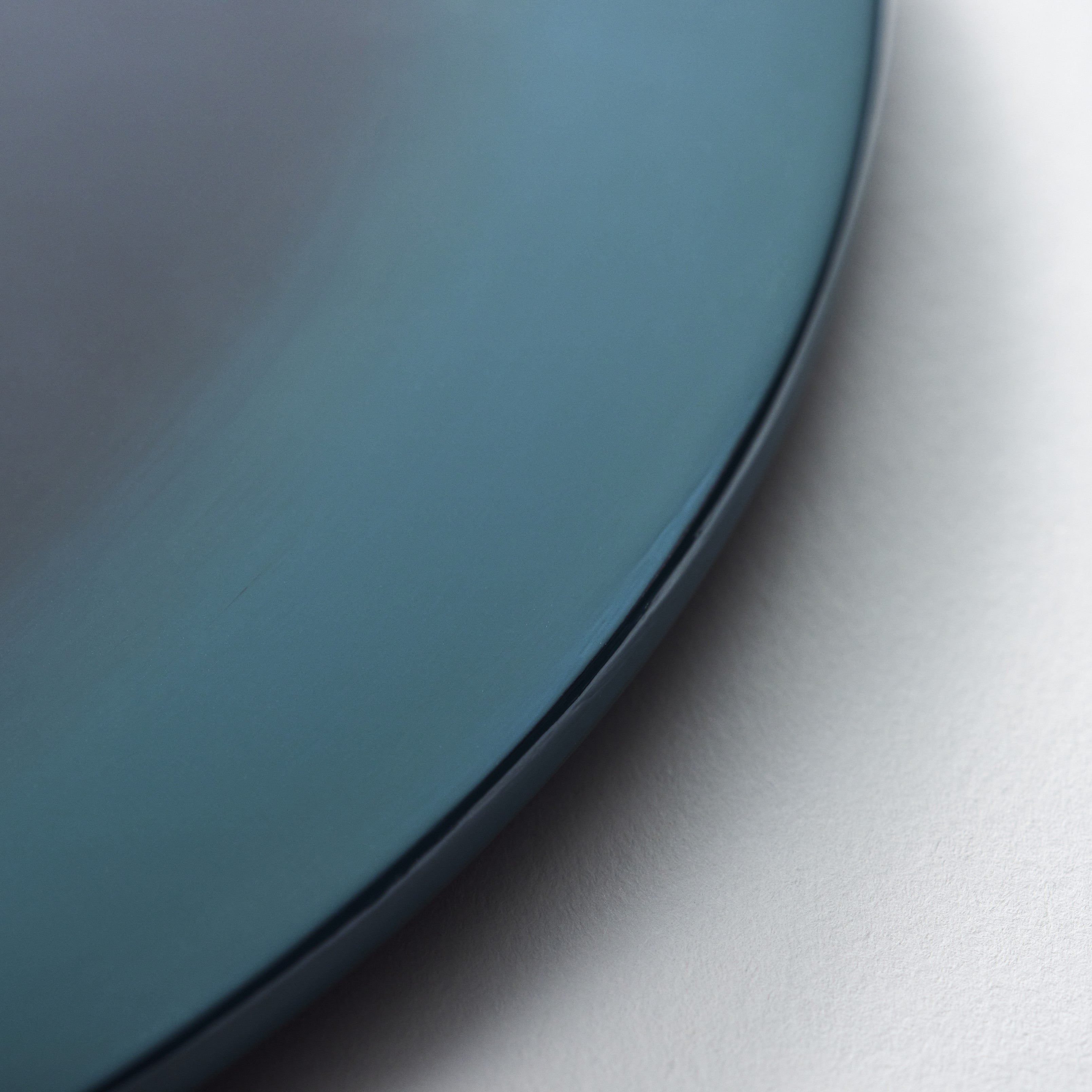
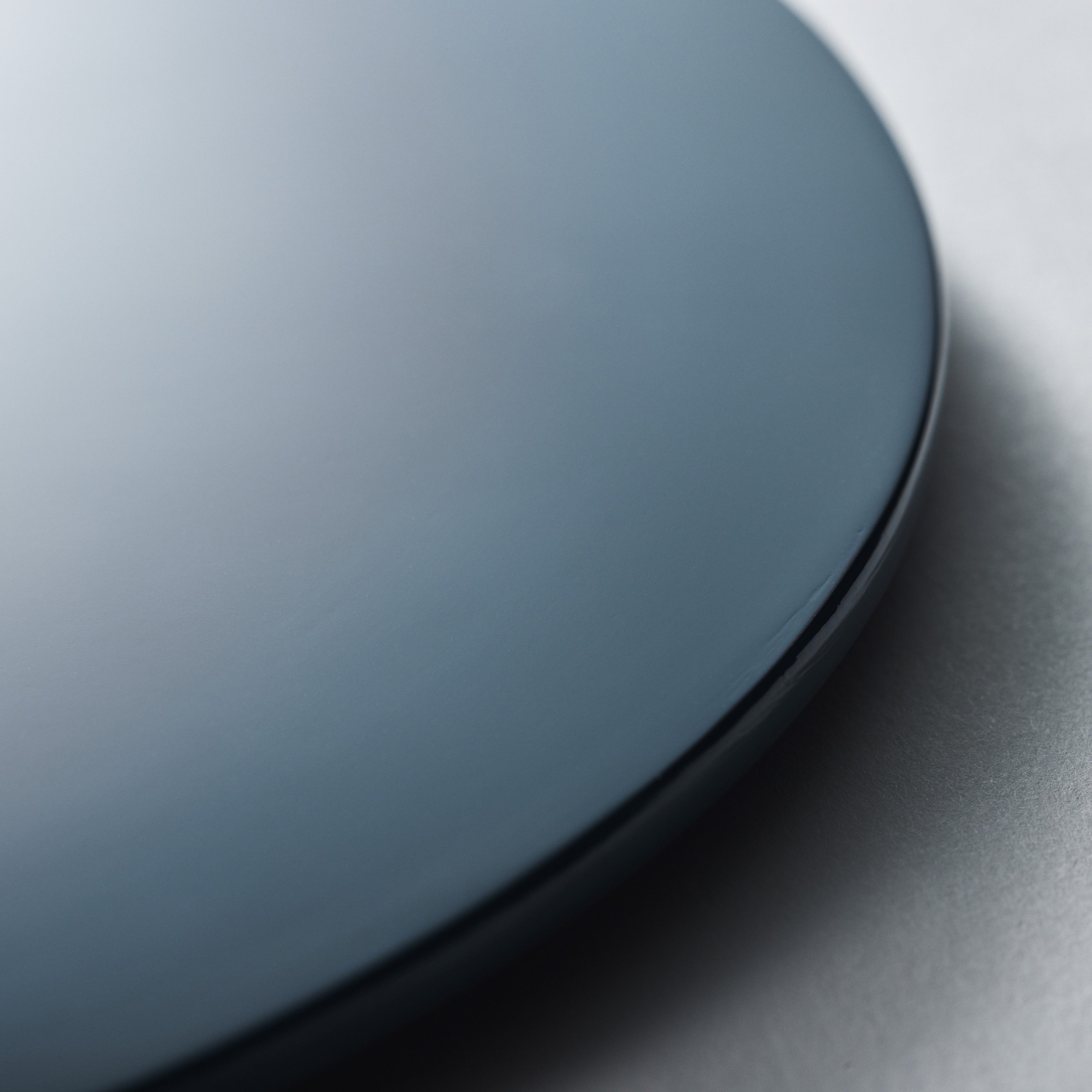
على خلاف معظم المصنوعات اللاكية، التي تُصنع بوضع طبقات من اللاك على قاعدة خشبية (تُسمى كيجِي) مصنوعة من أشجار مثل خشب حصان الجبل أو الميزومي أو الزيلكوفا، صُنع طقم الساكي هذا باستخدام تقنية اللاك الجاف (كانشيتسو) الفريدة.
في هذه الطريقة، يُستخدم قالب مصنوع من الجبس أو الفوم بدلاً من الخشب. تُوضع طبقات من القماش أو الورق الياباني بعناية باستخدام غراء اللاك فوق طبقة أساس صلبة من اللاك، ثم يُزال القالب لتشكيل القاعدة. ويمكن بناء الشكل يدوياً مثل صناعة الفخار، مما يتيح الحصول على أشكال طبيعية وانسيابية، أو صقله باستخدام أدوات مثل عجلة الفخار للحصول على لمسة نهائية دقيقة.
بفضل هذه التقنية، توفر المصنوعات اللاكية المصنوعة بتقنية اللاك الجاف حرية أكبر في التعبير مقارنة بالطرق التقليدية القائمة على الخشب. ورغم أنها تتطلب وقتاً أطول بكثير لإنجازها، إلا أن النتيجة تكون عملاً فريداً من نوعه يفيض بطابع الحرفية اليدوية—قطعة فريدة بحق.
SIZE
الصينية: العرض: 30 سم الارتفاع: 0.8 سم
الكوب: العرض: 7.8 سم الارتفاع: 4.3 سم
إبريق الساكي: العرض: 10 سم العمق: 15 سم الارتفاع: 10.5 سم
MATERIAL
طلاء جاف
طلاء
NAOYA TAKAYAMA
The Vanishing Lacquerware: Rediscovering Its True Value
With the spread of plastic products, chemical paints, and changing lifestyles, lacquerware has lost many of its once-frequent roles. Yet the natural functionality it offers possesses qualities that man-made materials can never replicate. Born from living in harmony with nature, lacquerware has a long history and a proven record of being cherished by countless people. With proper repair, a single piece can be used for a lifetime and even passed down to the next generation.
ARTISAN STORY
Naoya Takayama
Having studied the traditional art of Kyoto lacquerware, Naoya Takayama has refined his skills as a lacquer master while incorporating the roiro (polished black finish) technique to create highly distinctive works. He carries on the craftsmanship and spirit of the founder, Kiyoshi Takayama, and has received numerous awards for his artistry. His lacquerware, designed for everyday use, is crafted entirely from natural materials and expresses the refined texture unique to lacquer.
HIROSHIMA BUTSUDAN / HIROSHIMA BUDDHIST ALTARS
About 400 years ago / 1600s / Edo Period (1603–1868)
Hiroshima Buddhist altars developed in the early Edo period as the castle town expanded and Jodo Shinshu Buddhism became deeply rooted in the region. Techniques used for temple furnishings—gold leaf, lacquer, carving, decorative metal and maki-e—were brought together in elaborate household altars.
For Hiroshima families, the altar historically served not only religious practice but the memory of ancestors within the home. Large traditional examples are less common in modern interiors, yet the same skills are being adapted to compact altars and contemporary ritual objects.
Inside many altars is a miniature architectural structure called a kuguden, assembled almost like a real temple. Roofs, pillars, carvings and metal fittings overlap in multiple layers. From outside it appears to be furniture; inside it contains an entire small building.
الاختلافات الفردية
نظرًا لأن كل قطعة تُصنع يدويًا بشكل مستقل، فقد تطرأ اختلافات طفيفة في اللون والنمط والشكل والملمس. وتُعد هذه الاختلافات الدقيقة من الخصائص الطبيعية للأعمال اليدوية، ما يجعل كل قطعة فريدة من نوعها حقًا. نأمل أن تستمتعوا بهذه الاختلافات الفردية كجزء من جمال الحرفية اليابانية وطابعها المميز.
مدة الإنتاج
إذا لم تكن القطعة متوفرة في المخزون حاليًا، فقد يقوم الحرفي بصنعها حسب الطلب. ونظرًا إلى أن كل قطعة تُصنع يدويًا بعناية، فقد يستغرق الإنتاج عدة أشهر، وذلك حسب القطعة والجدول الزمني للحرفي. نقدر صبركم وتفهمكم.

حدِّد الخيارات