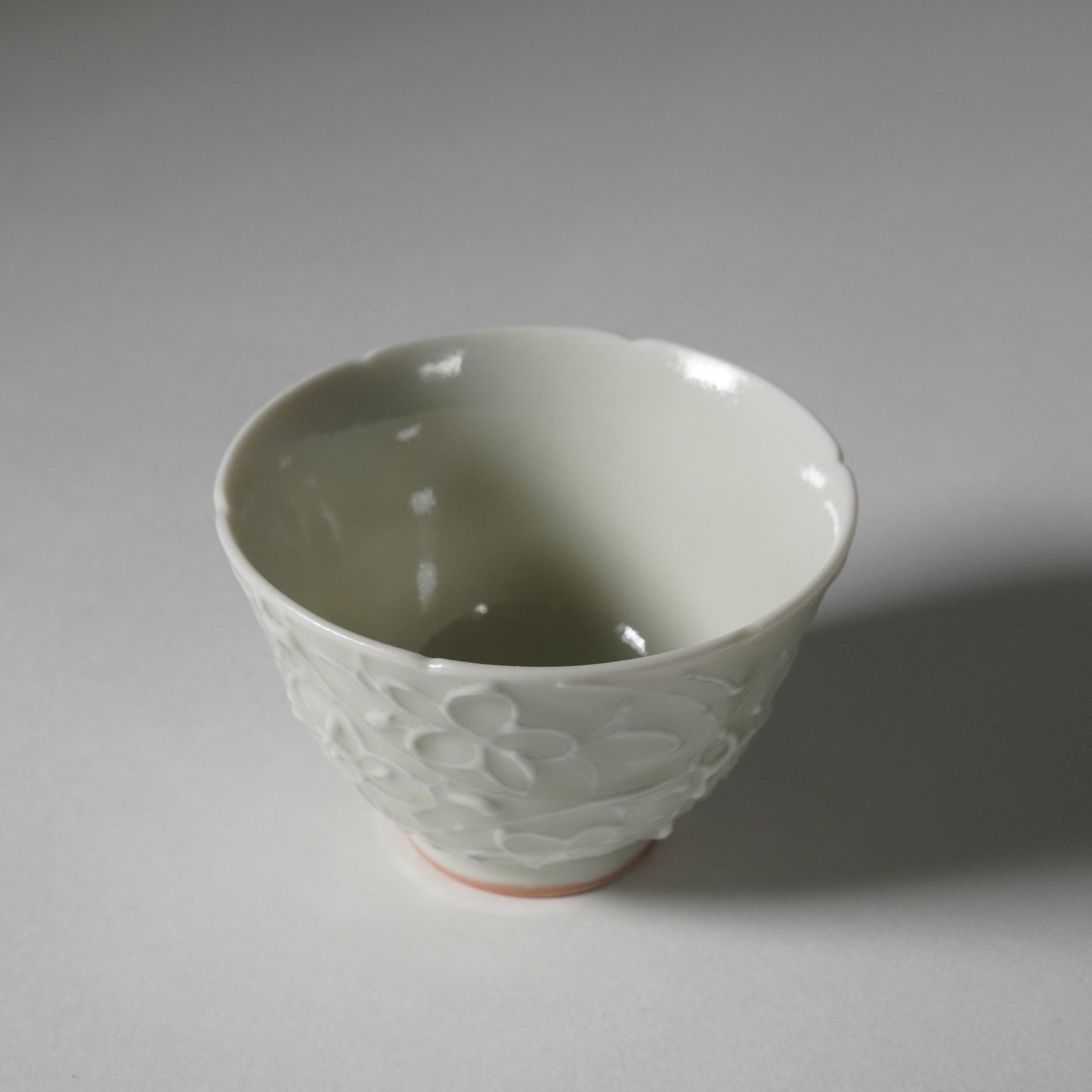
كوب ساكي / أزرق رمادي / شيبو نباتي
الوصف
التفاصيل
SIZE
MATERIAL
حِرَفِيّ
كوجي
تحذير
حدِّد الخيارات


كوب ساكي / أزرق رمادي / شيبو نباتي
السعر بعد الخصم246,00 lei
البلد
اللغة
سلة المشتريات
سلة مشترياتك فارغة


يُعد نمط الكنوز السبعة أحد الأنماط التقليدية اليابانية، ويرمز إلى طول العمر والازدهار والانسجام. يتميز هذا النمط بتصميم من الدوائر المتداخلة ويُستخدم على نطاق واسع في الكيمونو والحرف اليدوية.
يُصنع الطلاء الأبيض من الرماد الطبيعي الناتج عن حرق الخشب. وبدلاً من استخدام الطلاءات العلمية الشائعة في المنتجات المصنعة بكميات كبيرة، نستخدم عمداً طلاءات غير مستقرة ومستخلصة من الطبيعة لابتكار ألوان وقوام فريدة.
SIZE
العرض:7.8 سم
العمق:7.8 سم
الارتفاع:5.2 سم
الوزن:82 جم
MATERIAL
السيراميك
JIUCASCA
Each piece quietly graces the table, bringing gentle comfort to the heart.
Jiucasca’s vessels are not mere tableware.
They are moments of healing that nestle into everyday life—
small works of art born from the palm of the hand,
infusing our tables with beauty and our hearts with warmth.
Like the first delicate rain after a long dry season,
each drop soaking into the earth and reviving life,
these vessels breathe vitality into the dining table and gently nourish the soul.
The name Jiucasca carries this very wish.
ARTISAN STORY
Asami Maeda / Jiucasca
Born in Tokyo in 1988.
After studying a wide range of fields including art and philosophy, she was captivated by the world of ceramics and began creating her own works.
Her pieces often feature nature-inspired motifs, adorned with delicate patterns reminiscent of lace, crafted through techniques such as icchin slip trailing and stamping.
Utilizing the inherent qualities of porcelain—thin yet remarkably durable—her vessels are both refined and delicate, while being perfectly suited for everyday use.
KYO WARE & KIYOMIZU WARE
About 1,200 years ago / 800s / Heian Period (794–1185)
Kyoto ceramics reach back to kilns operating before and during the Heian period, then expanded with tea culture in the Muromachi and Momoyama eras. In the seventeenth century, Nonomura Ninsei perfected brilliant overglaze decoration, followed by innovators such as Ogata Kenzan, Okuda Eisen and Aoki Mokubei, whose diverse approaches shaped today’s Kyo and Kiyomizu ware.
In Japan, these ceramics are famous precisely because there is no single fixed style. Tea bowls, kaiseki dishes and everyday tableware may use overglaze painting, blue-and-white decoration, gold, sancai-inspired color and many other techniques. The craft sits at the heart of Kyoto’s culture of pairing vessels with cuisine and tea.
The surprising point is that Kyoto was never defined by a single major clay deposit. Potters drew on materials such as Amakusa porcelain stone, techniques arriving from other regions, and the tastes of artists and patrons gathered in the capital. Freedom from one local material helped make Kyoto ceramics unusually hybrid and stylistically diverse.
الاختلافات الفردية
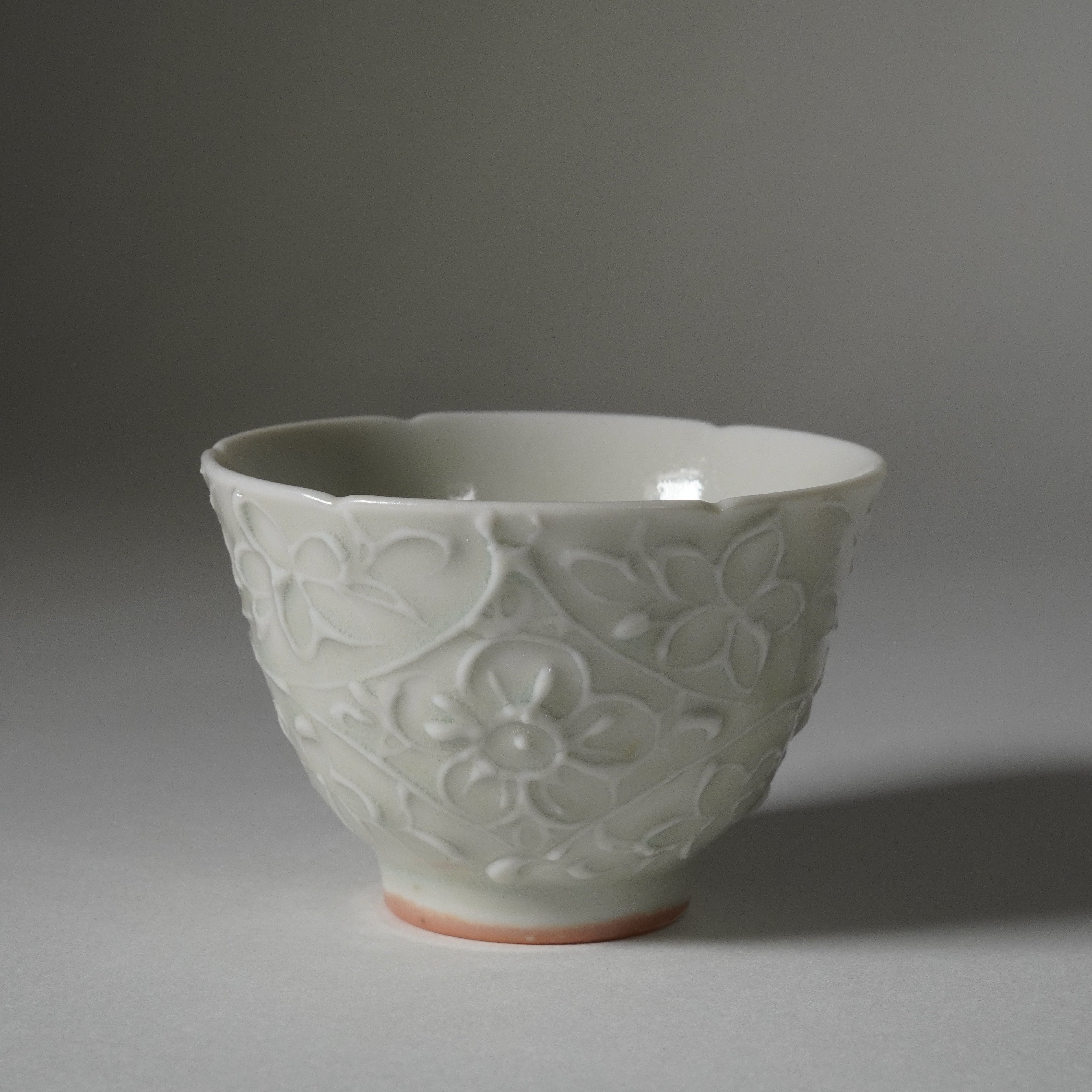
نظرًا لأن كل قطعة تُصنع يدويًا بشكل مستقل، فقد تطرأ اختلافات طفيفة في اللون والنمط والشكل والملمس. وتُعد هذه الاختلافات الدقيقة من الخصائص الطبيعية للأعمال اليدوية، ما يجعل كل قطعة فريدة من نوعها حقًا. نأمل أن تستمتعوا بهذه الاختلافات الفردية كجزء من جمال الحرفية اليابانية وطابعها المميز.
مدة الإنتاج
إذا لم يكن المنتج متوفرًا في المخزون حاليًا، فقد يقوم الحرفي بتصنيعه حسب الطلب. ونظرًا إلى أن كل قطعة تُصنع يدويًا بعناية، فقد يستغرق الإنتاج عدة أشهر، حسب المنتج وجدول الحرفي. نقدر صبركم وتفهمكم.

حدِّد الخيارات