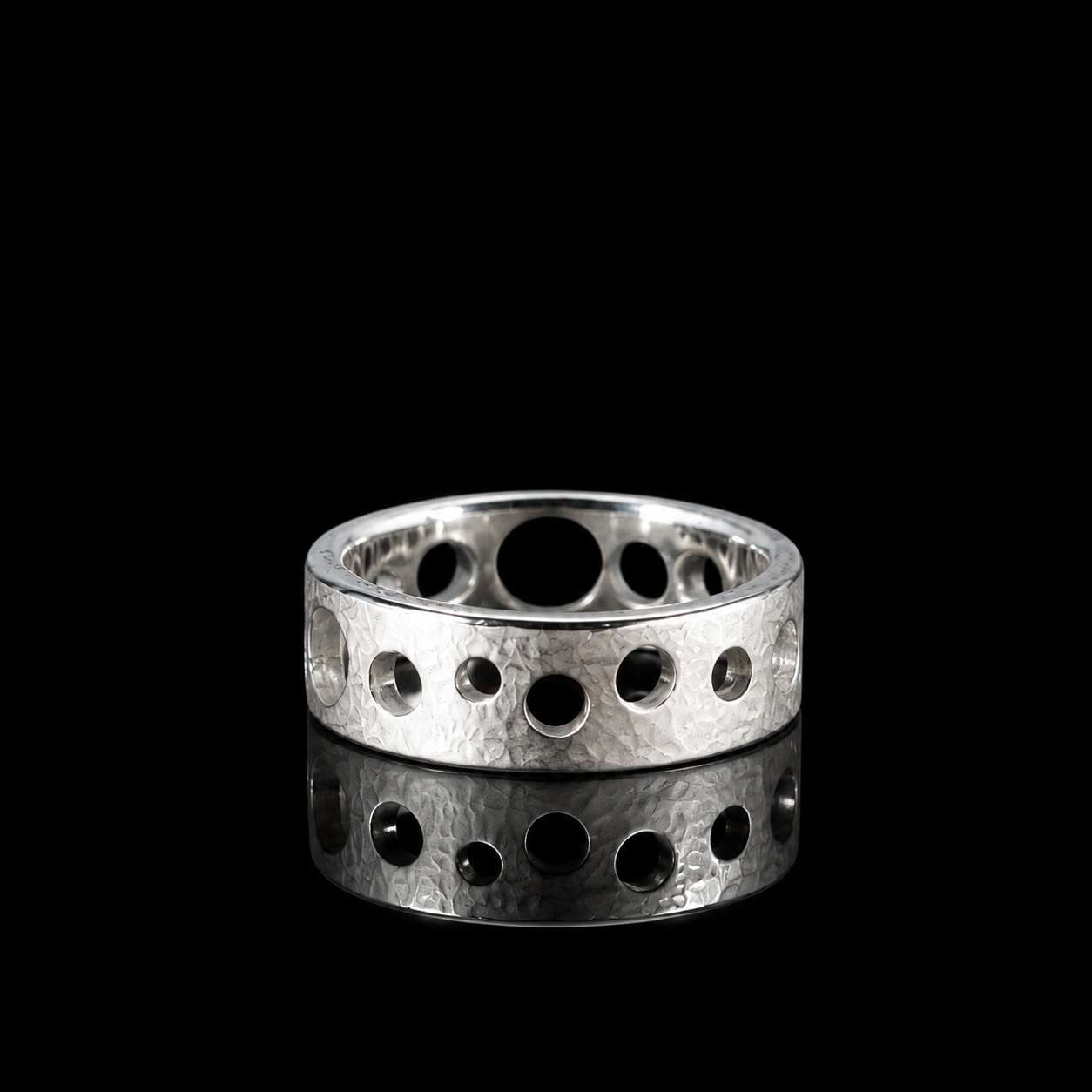
Silberring / Loch
Angebot875,00 lei
Optionen auswählen
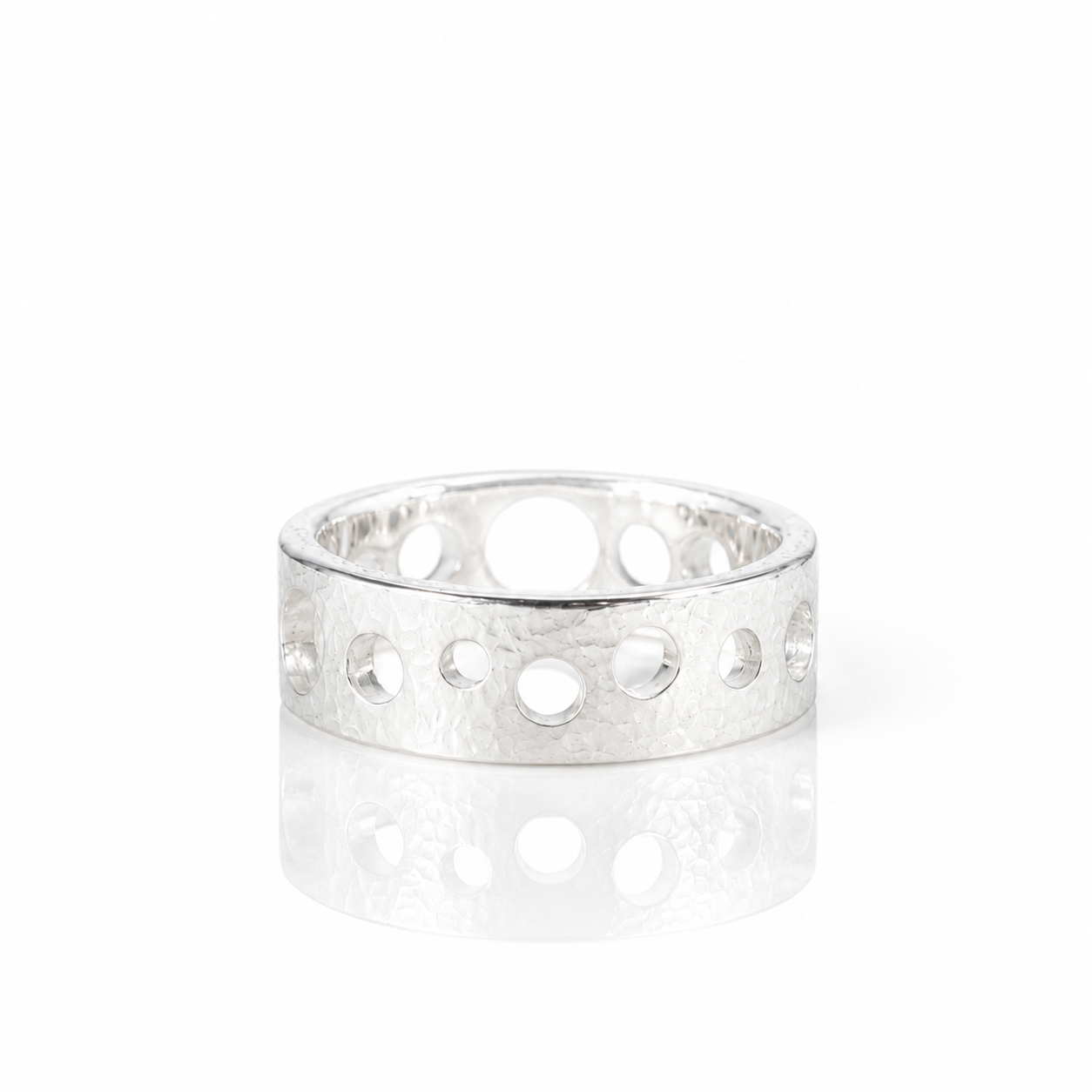
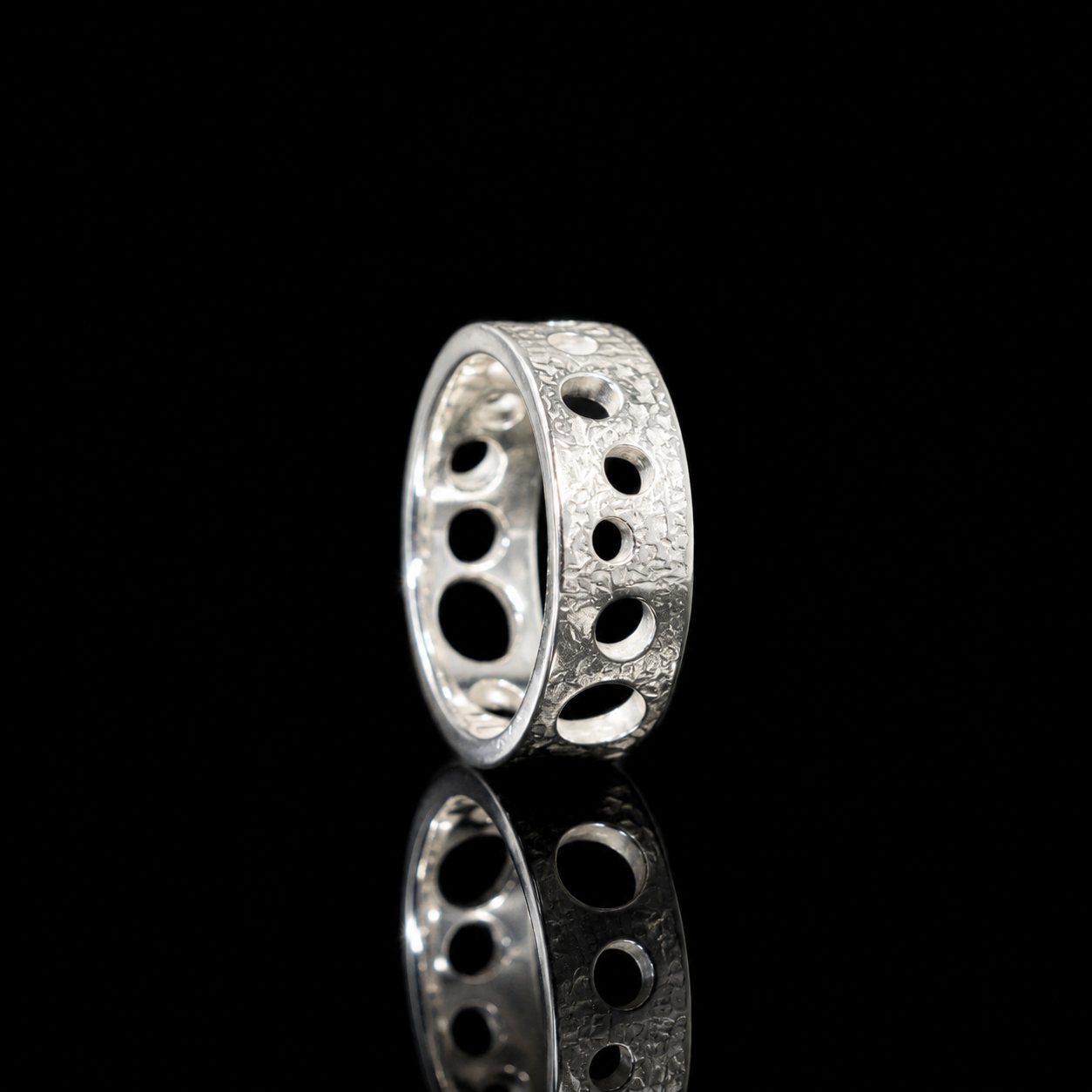
Silberring / Loch
Angebot875,00 lei
Land
Sprache
Warenkorb
Dein Warenkorb ist leer
This ring is a traditional craft known as Tokyo silverware, and is one of the historical crafts of Japan.
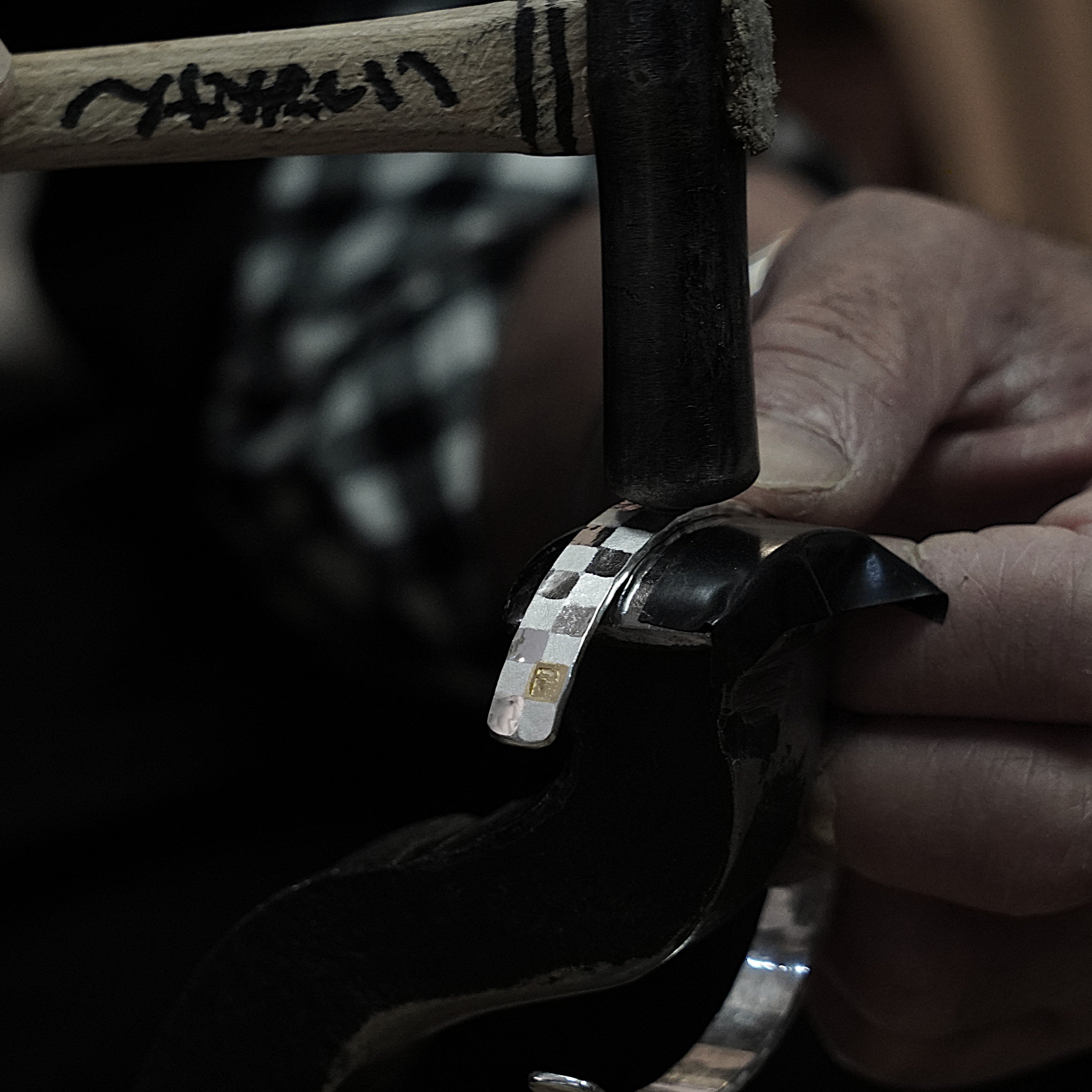
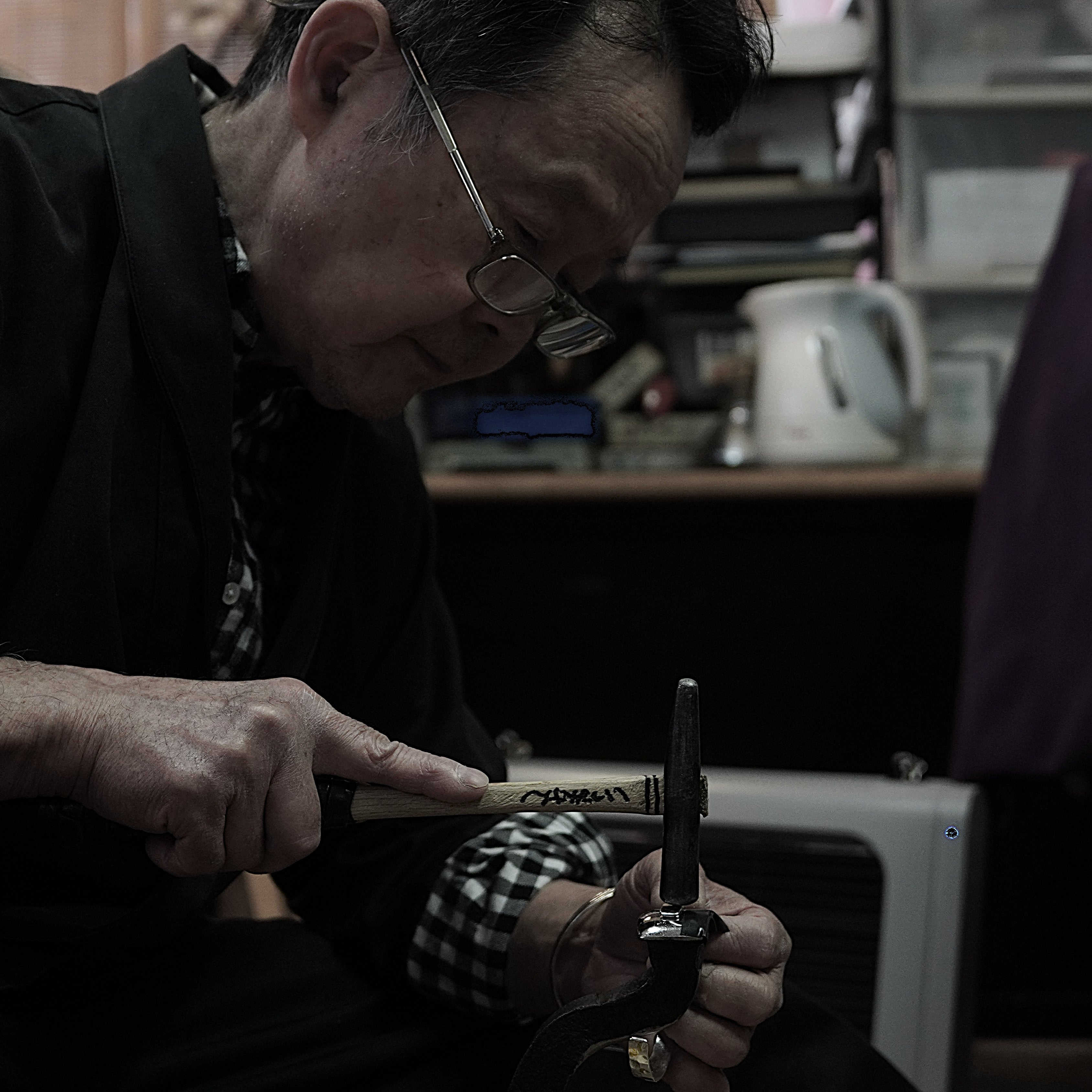
It is made by skilled craftsmen who hammer silver into shape.
The unique luster of silver is very beautiful, and you can enjoy how it changes over time.
It is also perfect as a gift!
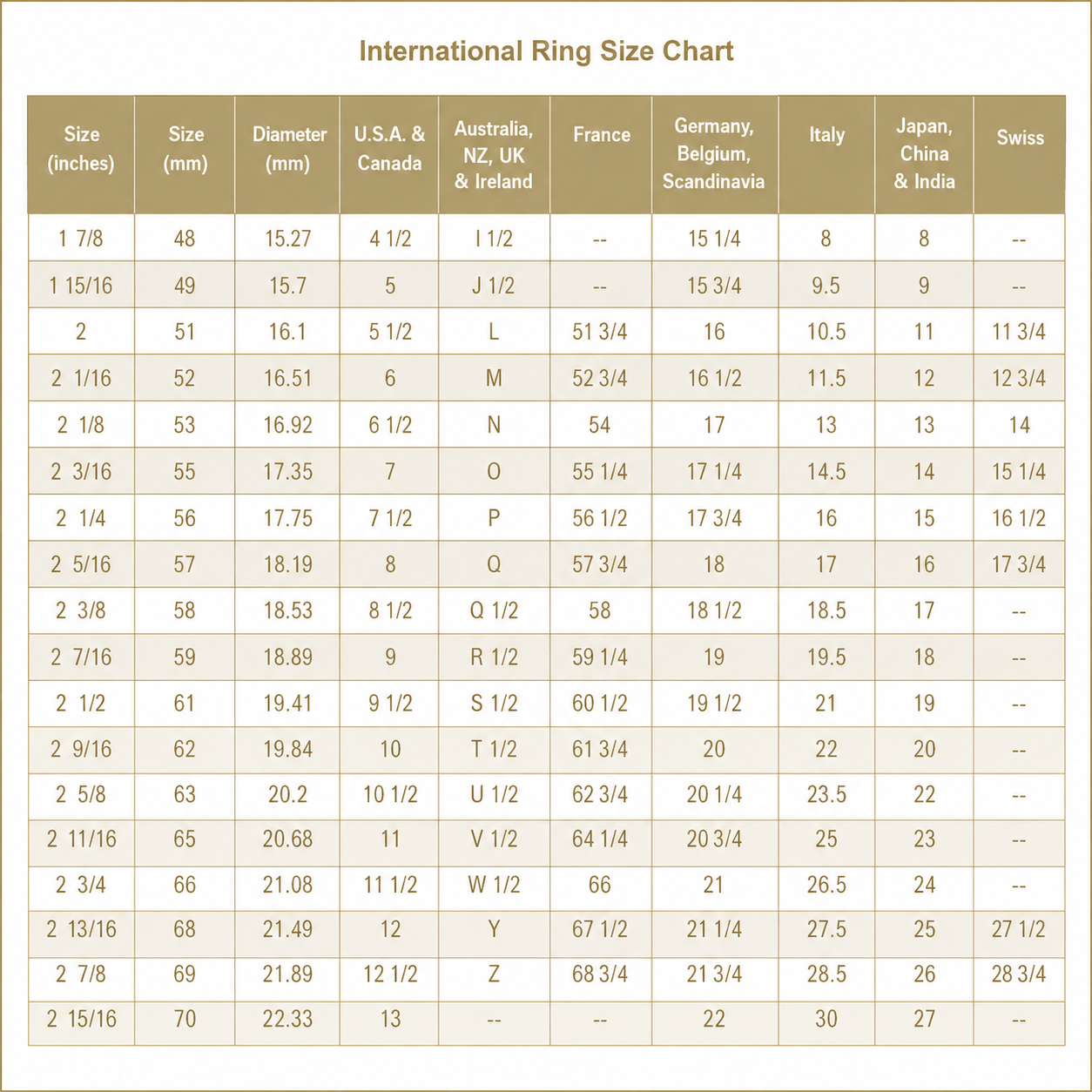
SIZE
Ring Size
1 1/2~12 1/2 (US)
MATERIAL
Sterling Silver
IZUMIKEN
"Throughout a conversation with silver, guide it to the shape it wants to be"
Silver can take on any form, and we place the utmost importance on how natural it can be. We are committed to creating products that are pleasant to use for both the silver and the customer.
ARTISAN STORY
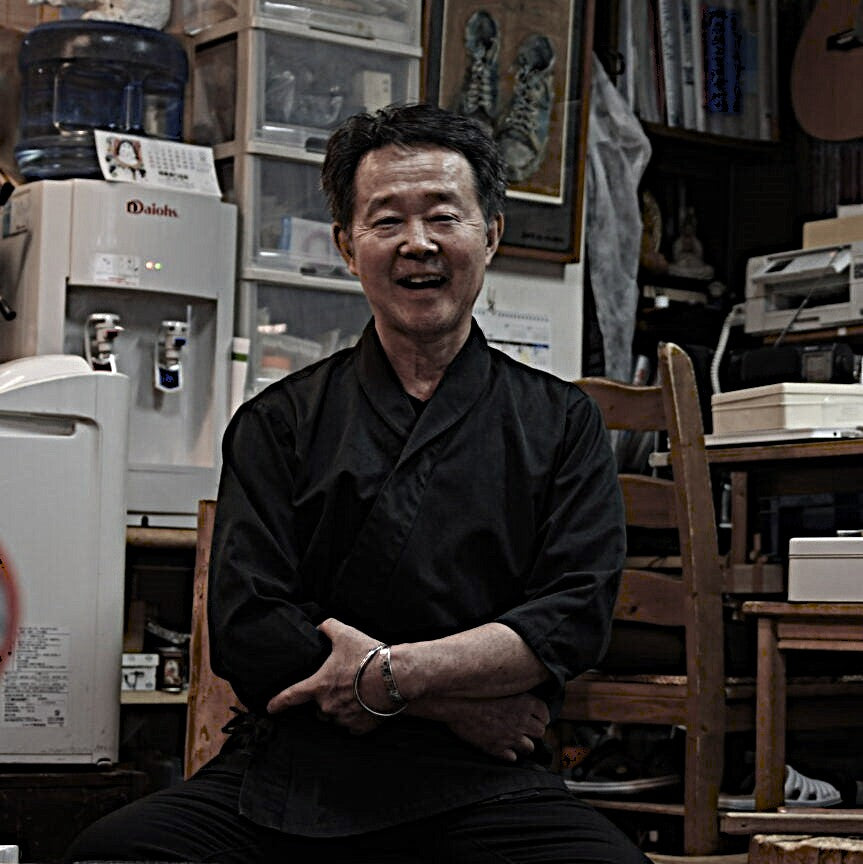
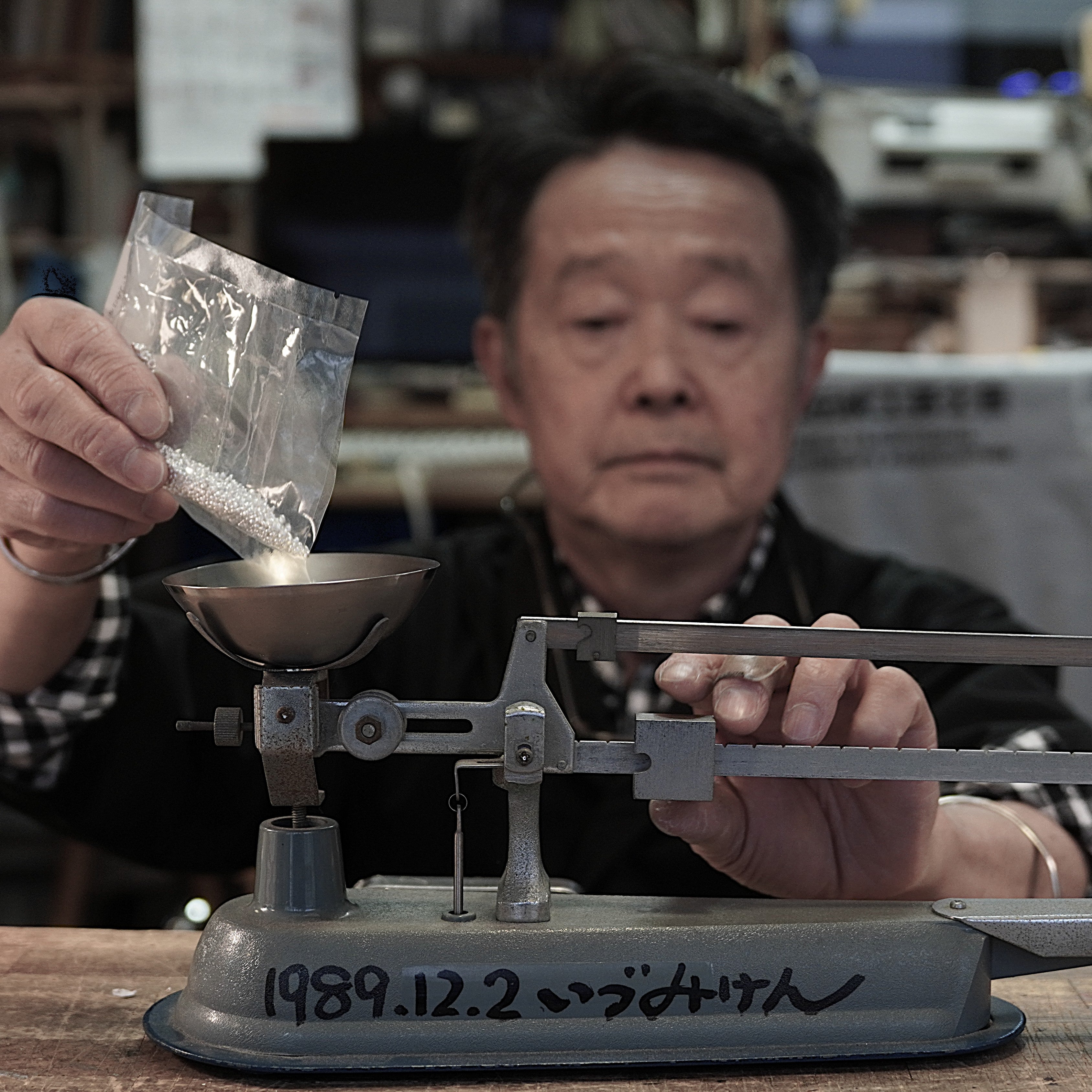
Kenichiro Izumi / Izumiken
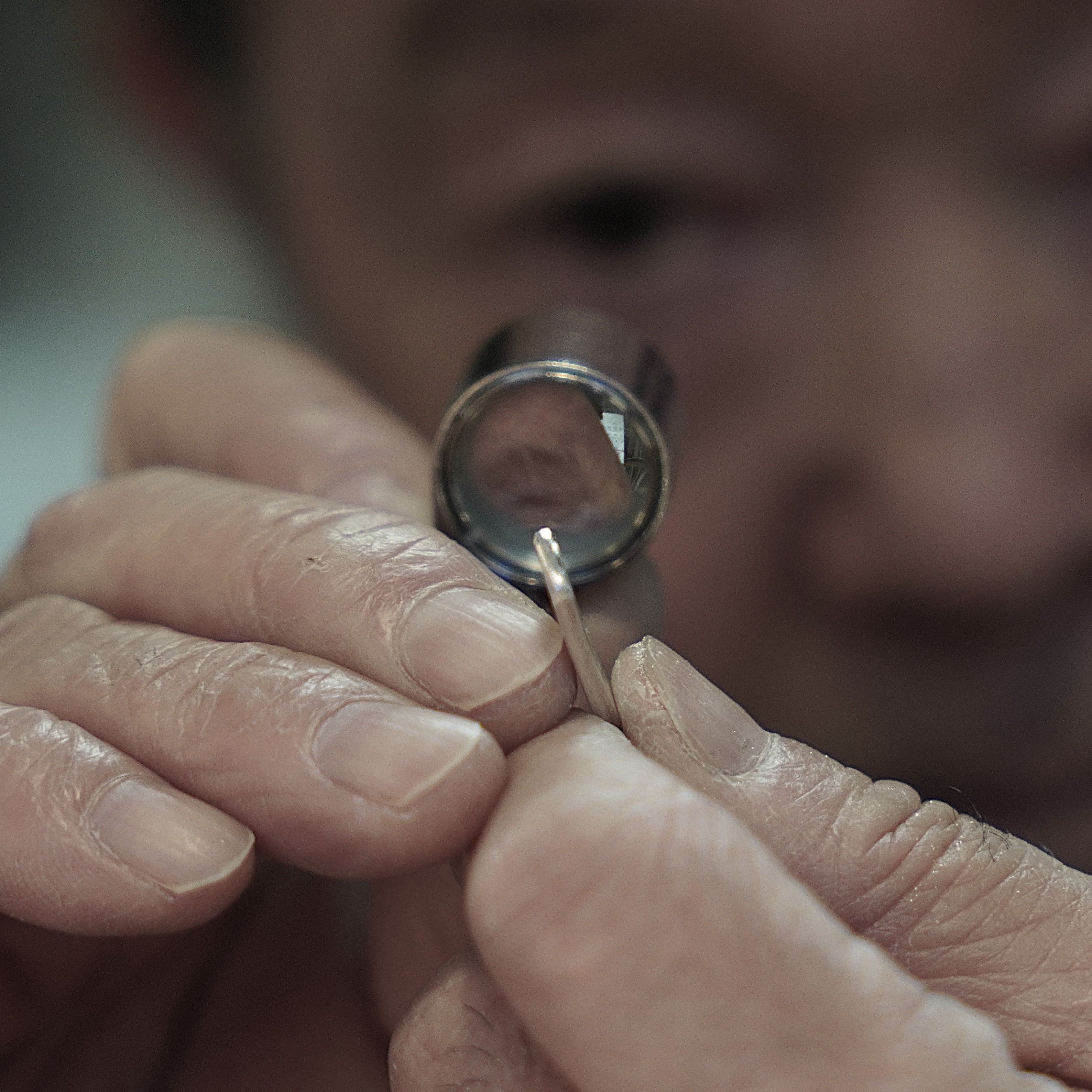
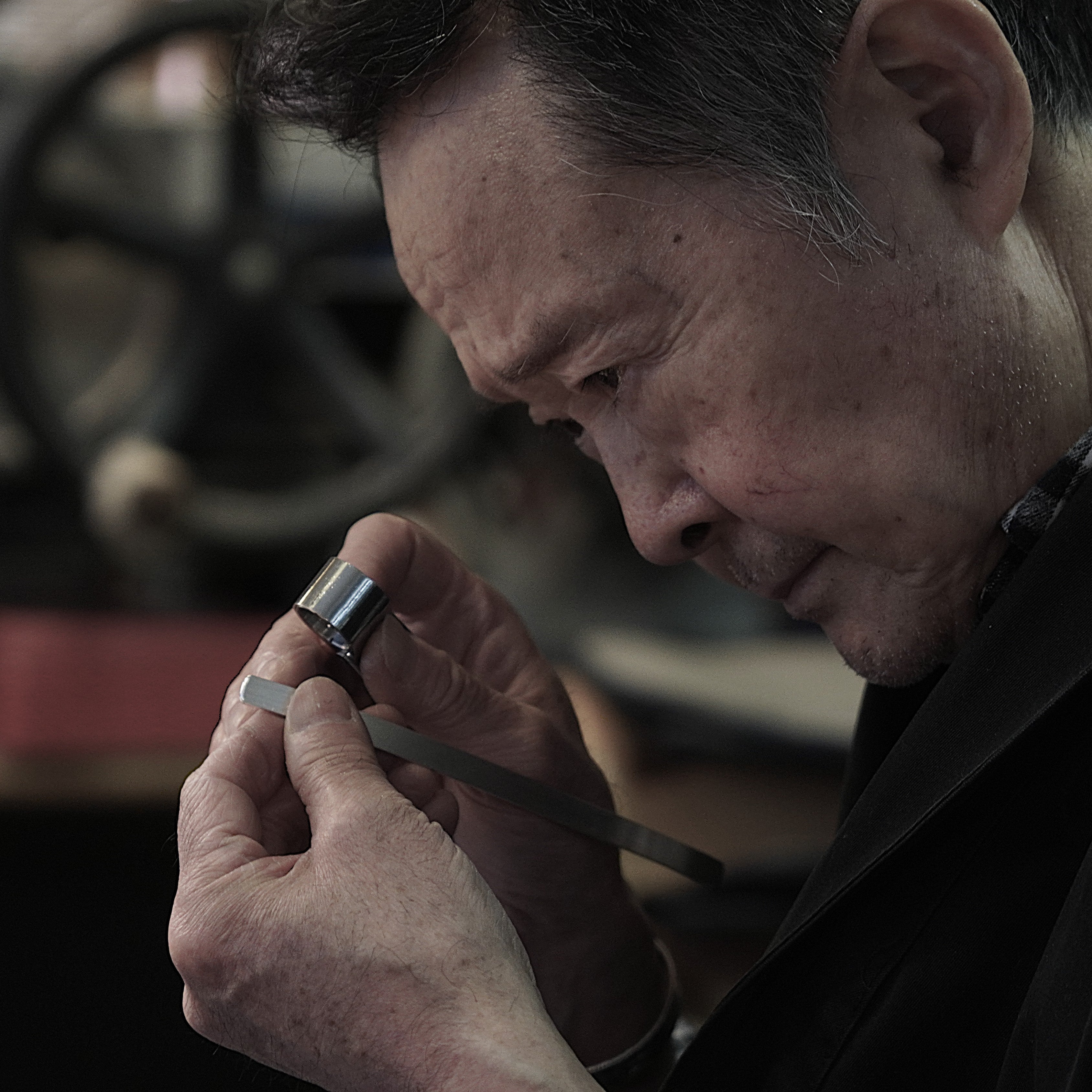
A craftsman who has been making Tokyo silverware in Tokyo since 1979. After graduating from an art school, he travelled around Japan for a year. He sometimes delivered newspapers to earn money. During the time, he was thinking about his future and ended up with making silverware. The company is known for making not only silverware, but also rings, buckles and other products that are in tune with the modern age. Careful and detailed handwork fascinates those who seethe making process.
ACHIEVEMENTS
・Received the World Gold Council Award at the All Japan Gold and Silver Creation Exhibition.
・Received the President's Award of the Association for the Promotion of Traditional Craft Industries.
・Designated as a traditional craftsman.
・They have received many other awards for their work.
TOKYO GINKI / TOKYO SILVERWARE
About 300 years ago / 1700s / Edo Period (1603–1868)
Silversmithing in Edo grew through demand from samurai households, wealthy townspeople and religious institutions for sake vessels, smoking accessories, ornaments and ritual objects. After the Meiji Restoration, Western tableware entered the market and Tokyo smiths increasingly produced both Japanese and Western forms.
In Japan, Tokyo silverware is valued as metalware that develops through use—teapots, sake vessels and cutlery change color as silver reacts with sulfur compounds in the air. Polishing away tarnish becomes part of the long relationship between owner and object.
In hammer raising, a flat sheet of silver is struck thousands of times and periodically annealed to soften the metal after work-hardening. The process alternates force and rest: hammer, heat, hammer again. The finished vessel is literally shaped by a history of countless impacts.
Individual Differences
As each piece is individually handcrafted, slight variations in color, pattern, shape, and texture may occur. These subtle differences are a natural characteristic of handcrafted works, making each piece truly unique. We hope you will enjoy these individual variations as part of the beauty and character of Japanese craftsmanship.
Production Time
If an item is not currently in stock, it may be made to order by the artisan. As each piece is carefully handcrafted, production may take several months depending on the item and the artisan's schedule. We appreciate your patience and understanding.
Optionen auswählen