Article Kachi-Mushi / Fortune
DESCRIPTION
DÉTAILS
SIZE
MATERIAL
ARTISAN
KOGEI
Attention
Choisir les options


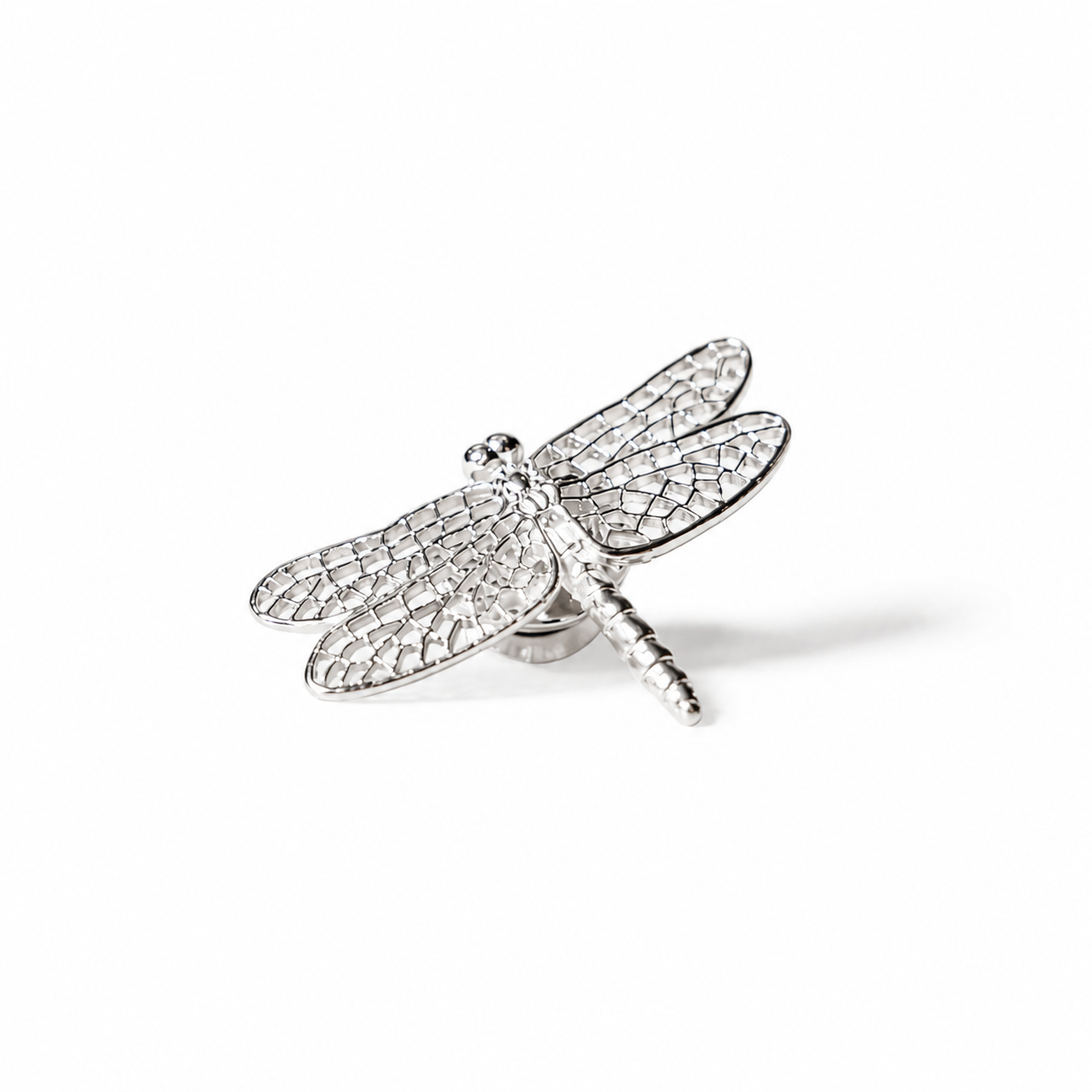
Article Kachi-Mushi / Fortune
Prix de venteR$ 1.256,00
Pays
Langue
Panier
Votre panier est vide


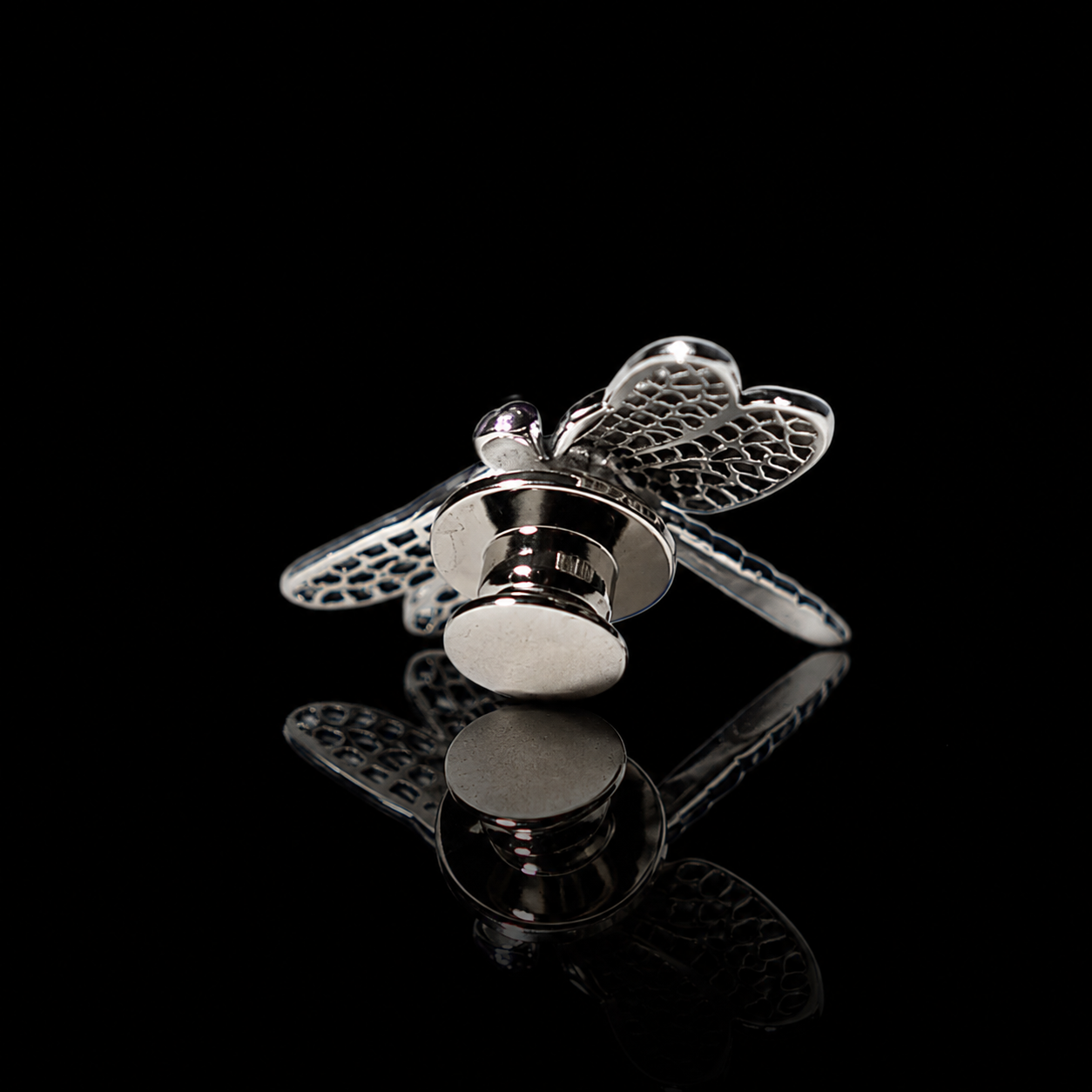
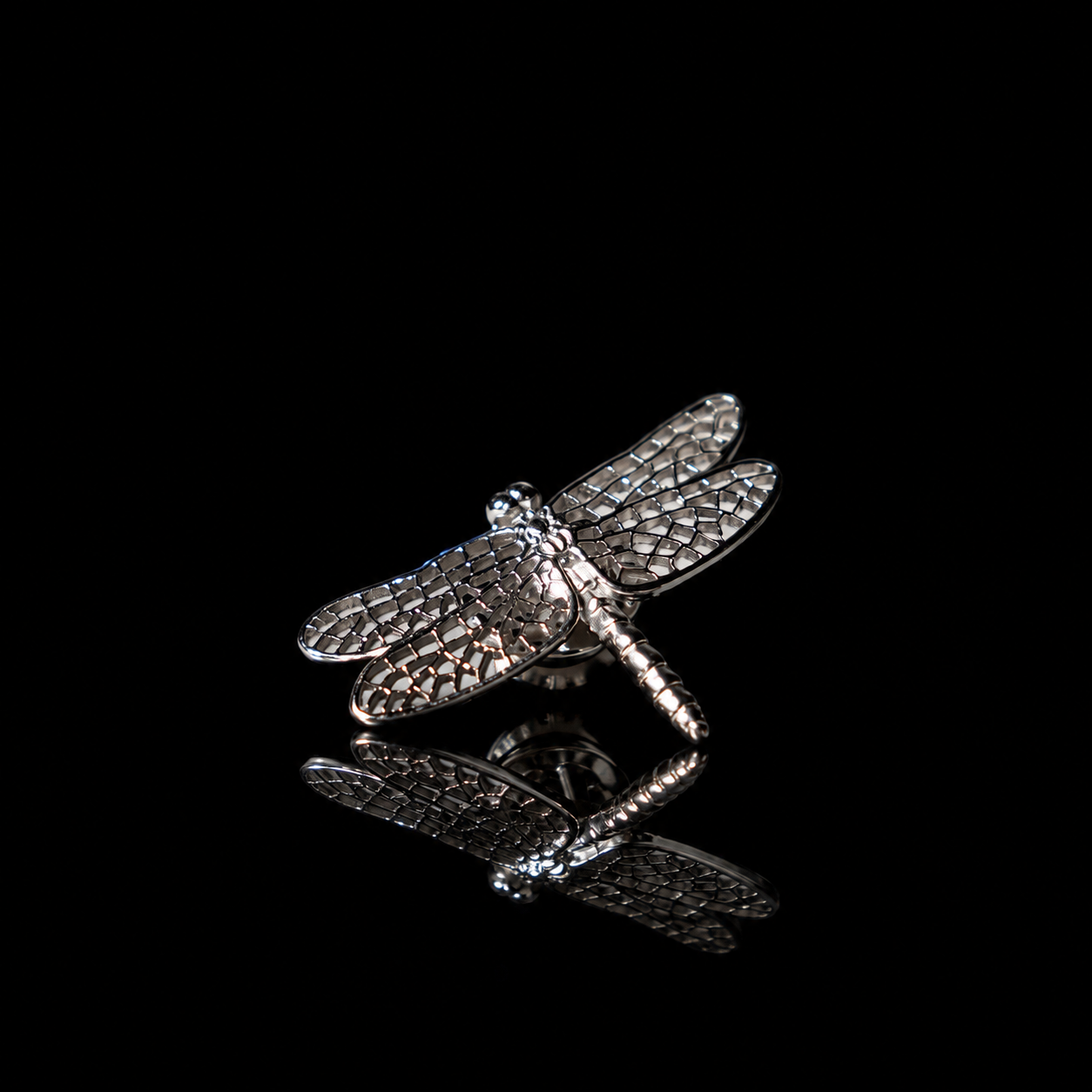
Amulette libellule en argent sterling.
Les libellules sont également connues comme des « insectes de la victoire (JAP : Kachi-Mushi) », et leur habitude d'avancer sans reculer est considérée comme porte-bonheur au Japon, et elles ont longtemps été utilisées dans les armures de samouraï et les motifs de kimono.
Ce produit est également un symbole de « courage », qui est l'acte de lever la tête et d'avancer sans reculer. Il est idéal non seulement comme porte-bonheur pour vous-même, mais aussi comme objet porte-bonheur pour prier pour la réussite du souhait de quelqu'un.
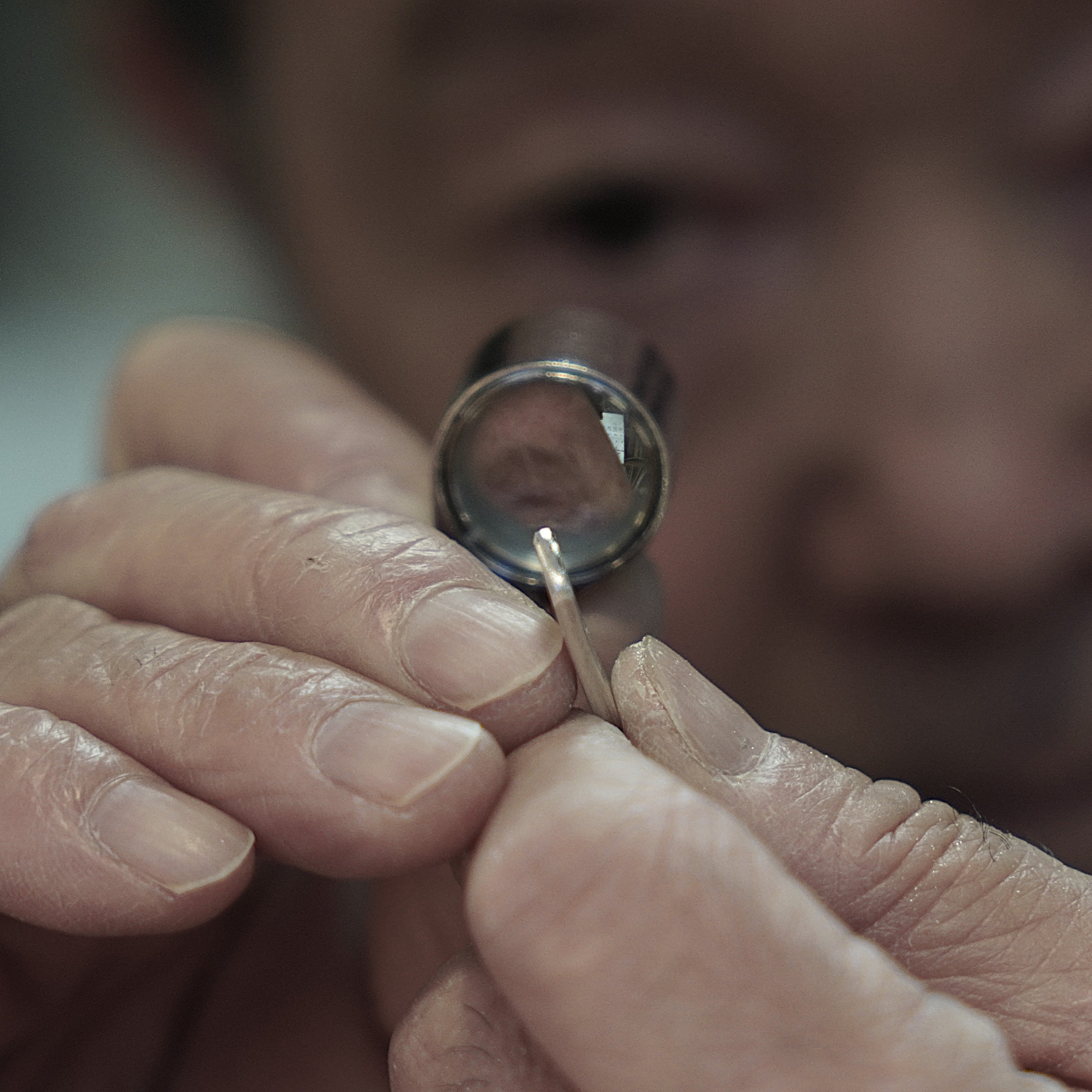
Pourquoi ne pas passer votre quotidien avec le chef-d'œuvre d'un artisan qui est impliqué dans la production de produits en argent depuis plus de 40 ans ?
En vieillissant, il prendra une expression que vous seul pouvez voir !
SIZE
Tour de poignet
12cm~14cm
Largeur:6,6cm
Profondeur:5,1cm
Hauteur:1,1cm
Poids:37g
MATERIAL
Argent Sterling
IZUMIKEN
"Throughout a conversation with silver, guide it to the shape it wants to be"
Silver can take on any form, and we place the utmost importance on how natural it can be. We are committed to creating products that are pleasant to use for both the silver and the customer.
ARTISAN STORY
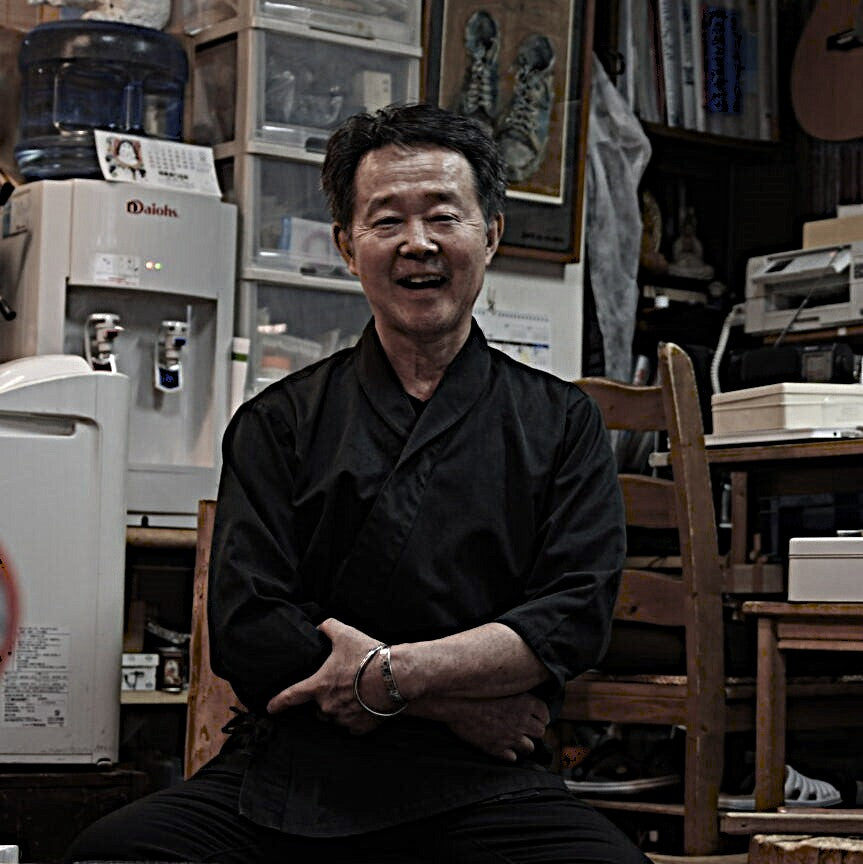
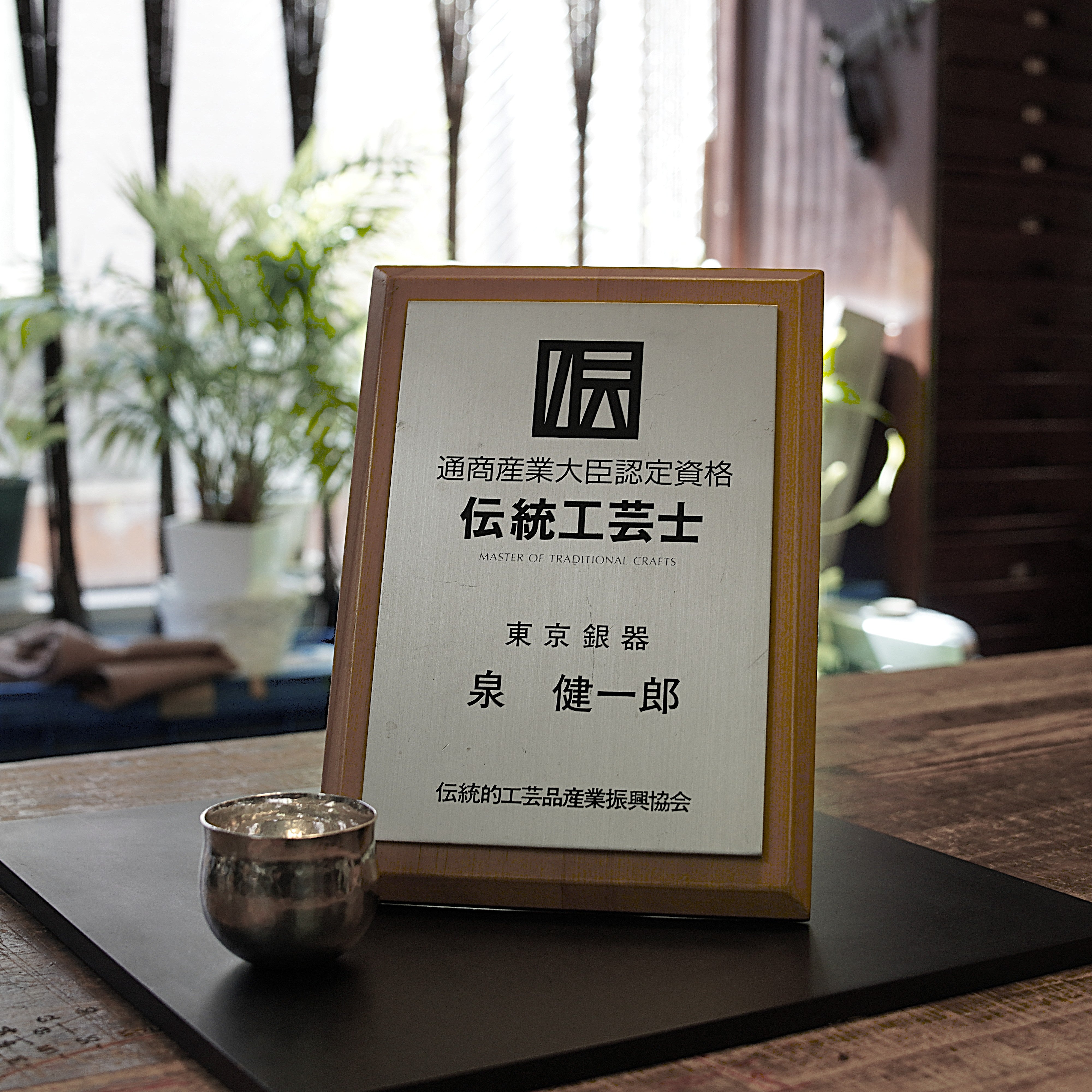
Kenichiro Izumi / Izumiken
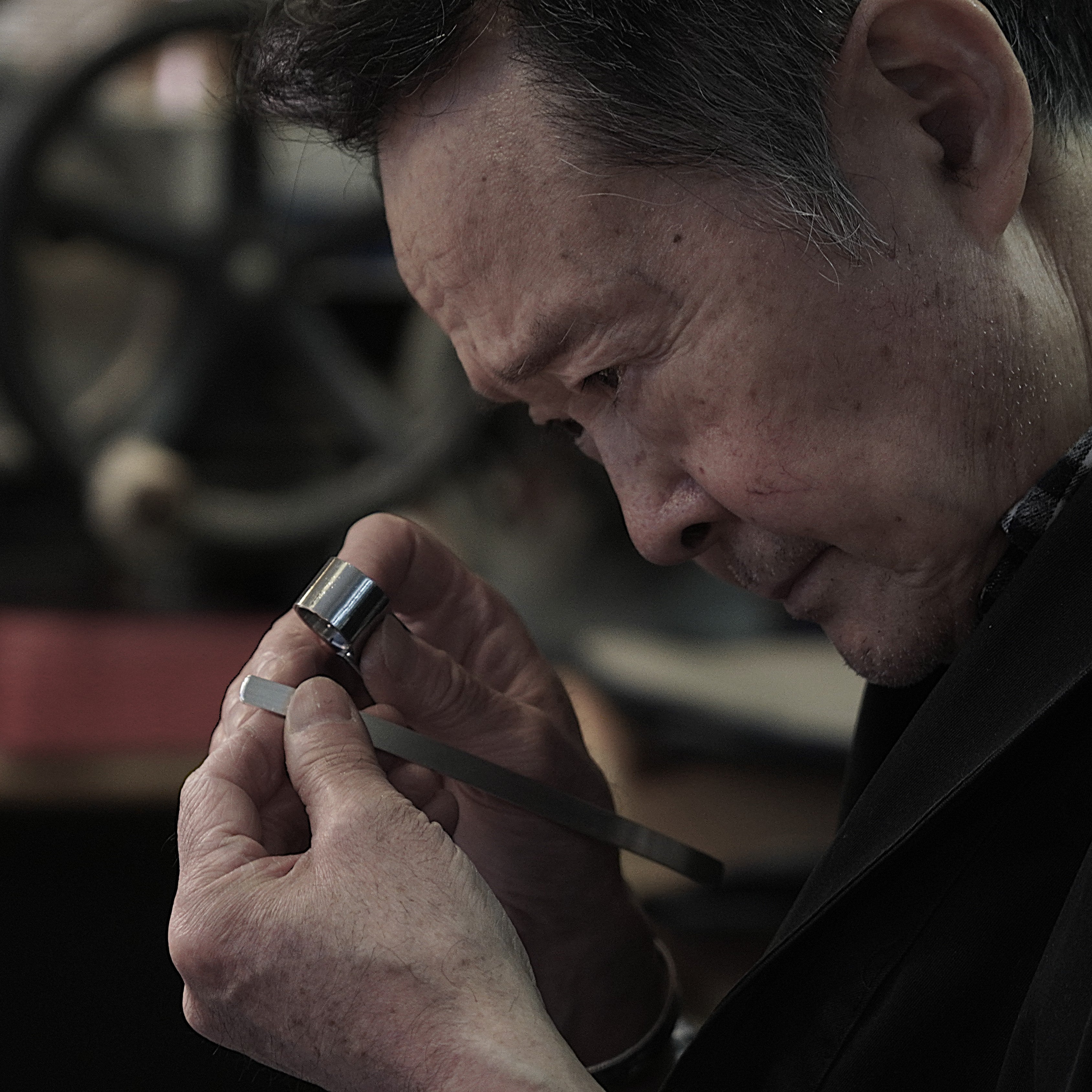
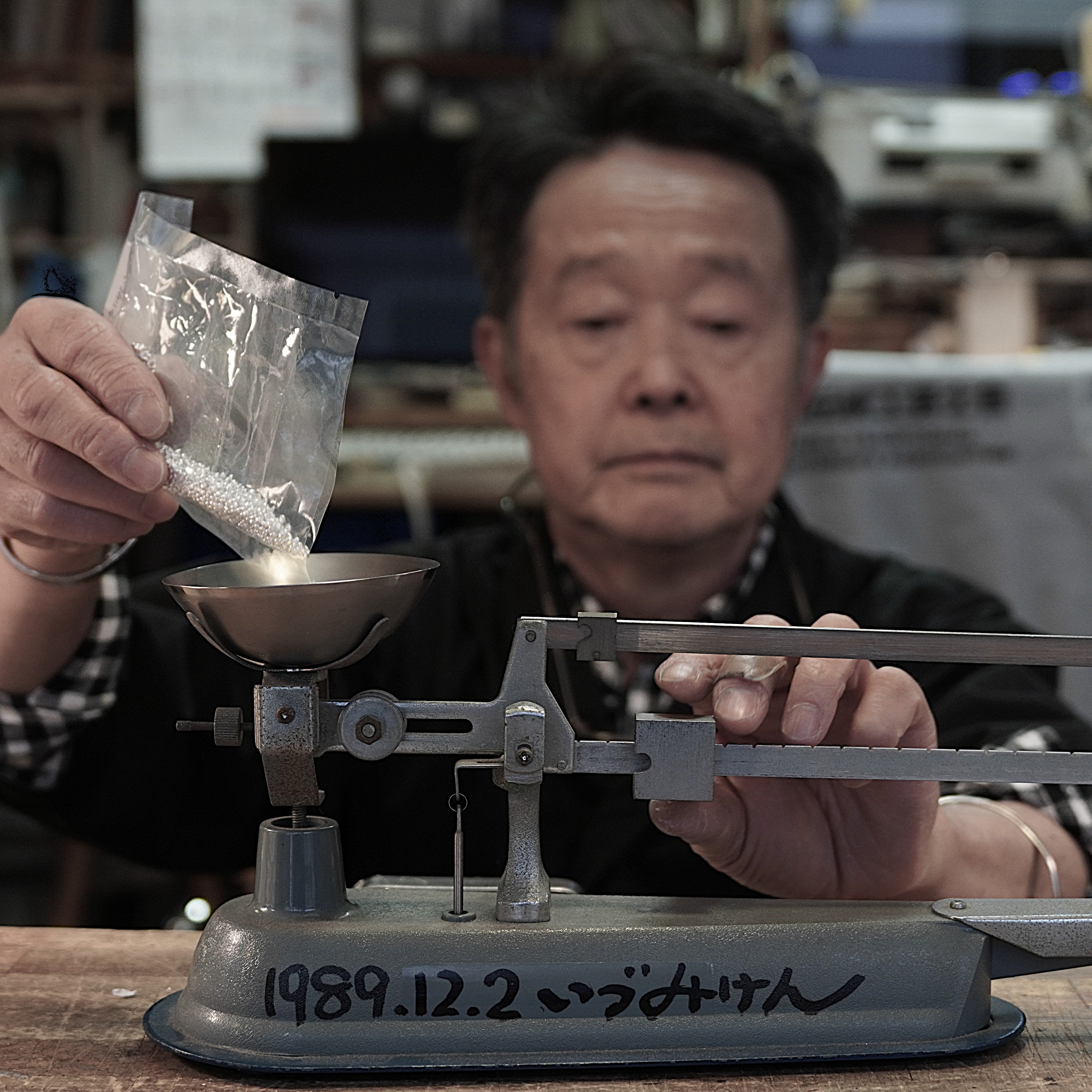
A craftsman who has been making Tokyo silverware in Tokyo since 1979. After graduating from an art school, he travelled around Japan for a year. He sometimes delivered newspapers to earn money. During the time, he was thinking about his future and ended up with making silverware. The company is known for making not only silverware, but also rings, buckles and other products that are in tune with the modern age. Careful and detailed handwork fascinates those who seethe making process.
ACHIEVEMENTS
・Received the World Gold Council Award at the All Japan Gold and Silver Creation Exhibition.
・Received the President's Award of the Association for the Promotion of Traditional Craft Industries.
・Designated as a traditional craftsman.
・They have received many other awards for their work.
TOKYO GINKI / TOKYO SILVERWARE
About 300 years ago / 1700s / Edo Period (1603–1868)
Silversmithing in Edo grew through demand from samurai households, wealthy townspeople and religious institutions for sake vessels, smoking accessories, ornaments and ritual objects. After the Meiji Restoration, Western tableware entered the market and Tokyo smiths increasingly produced both Japanese and Western forms.
In Japan, Tokyo silverware is valued as metalware that develops through use—teapots, sake vessels and cutlery change color as silver reacts with sulfur compounds in the air. Polishing away tarnish becomes part of the long relationship between owner and object.
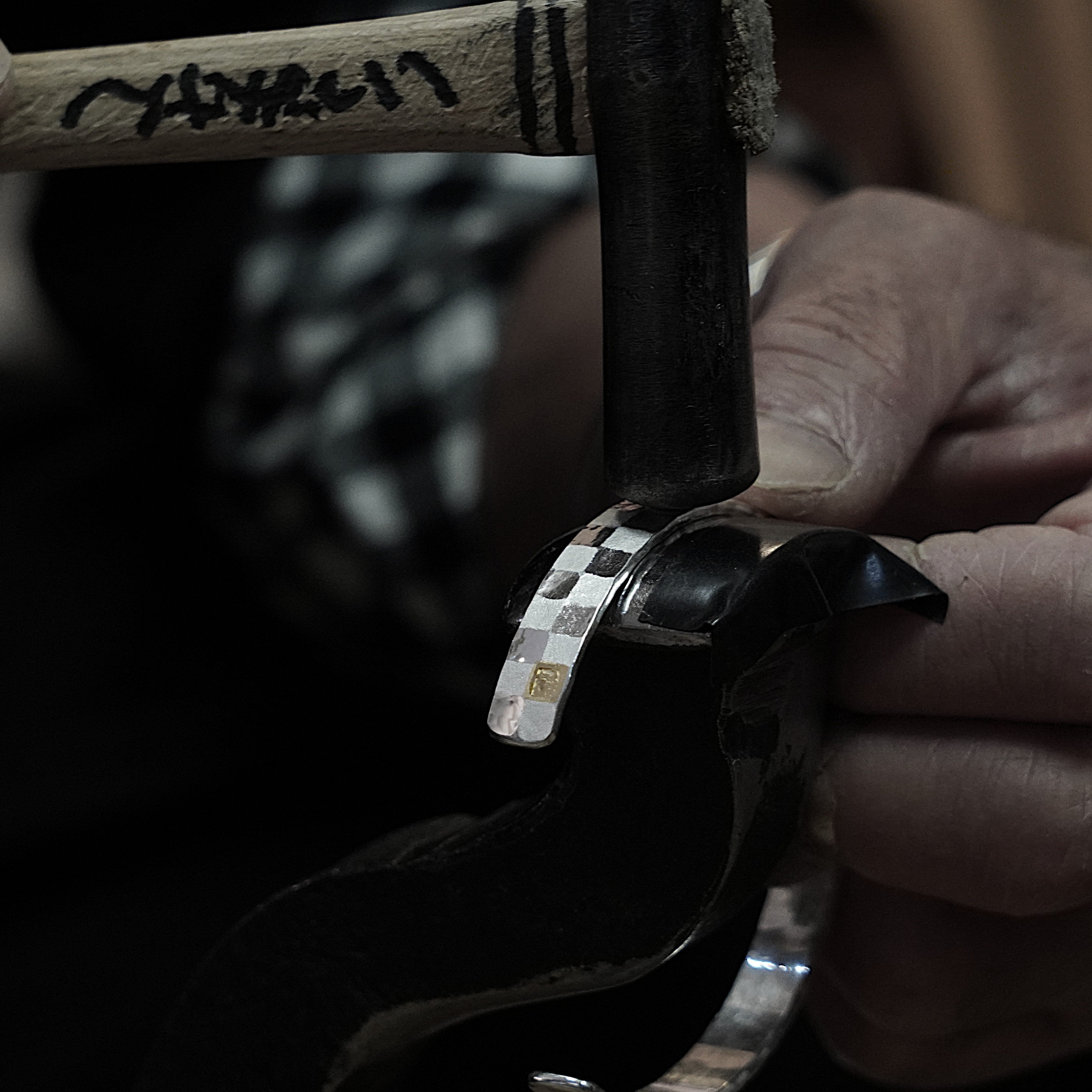
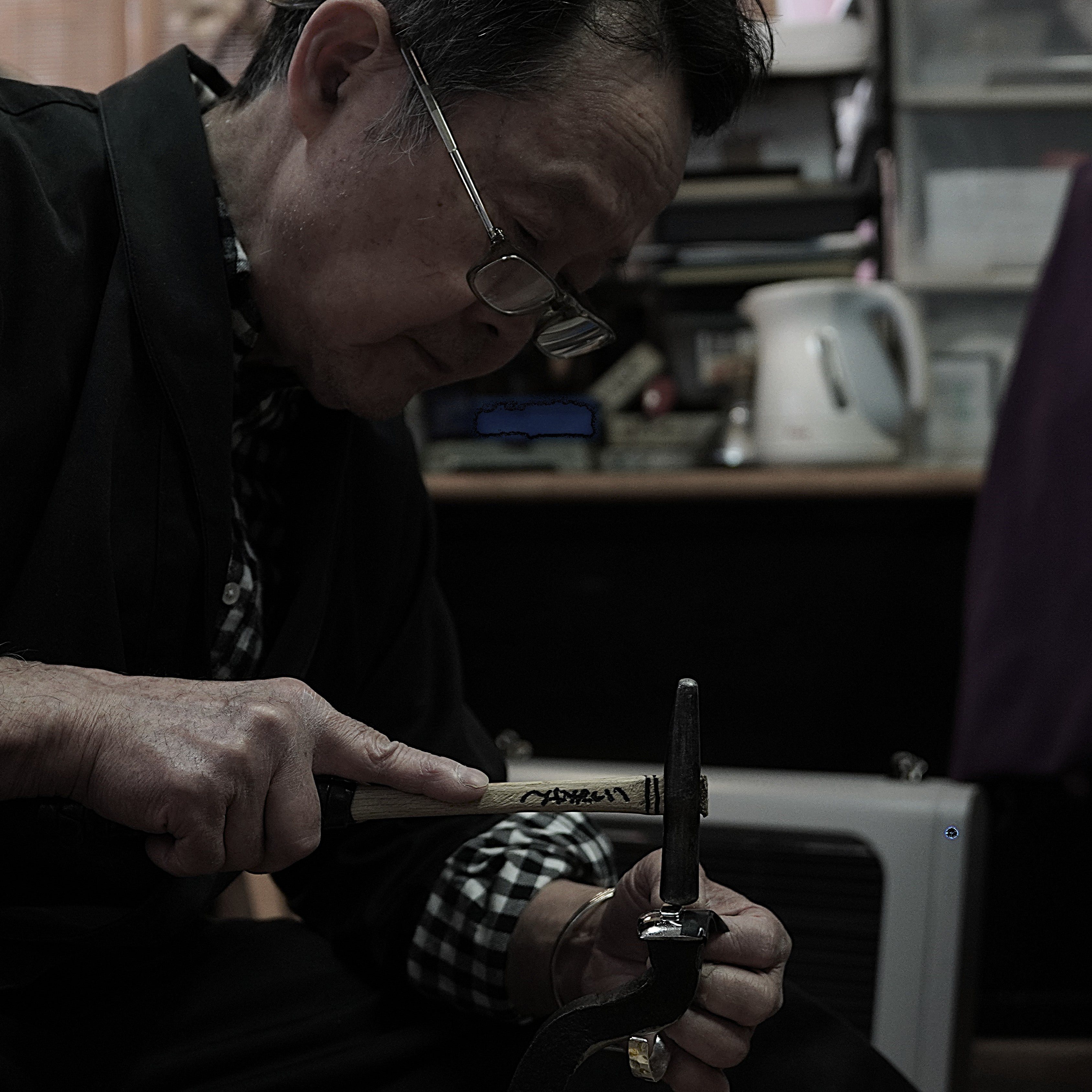
In hammer raising, a flat sheet of silver is struck thousands of times and periodically annealed to soften the metal after work-hardening. The process alternates force and rest: hammer, heat, hammer again. The finished vessel is literally shaped by a history of countless impacts.
Différences individuelles
Chaque pièce étant fabriquée à la main individuellement, de légères variations de couleur, de motif, de forme et de texture peuvent survenir. Ces différences subtiles sont une caractéristique naturelle des créations artisanales, ce qui rend chaque pièce véritablement unique. Nous espérons que vous apprécierez ces variations individuelles comme faisant partie de la beauté et du caractère de l'artisanat japonais.
Délai de production
Si un article n'est pas actuellement en stock, il peut être fabriqué sur commande par l'artisan. Comme chaque pièce est soigneusement fabriquée à la main, la production peut prendre plusieurs mois selon l'article et le planning de l'artisan. Nous vous remercions de votre patience et de votre compréhension.

Choisir les options