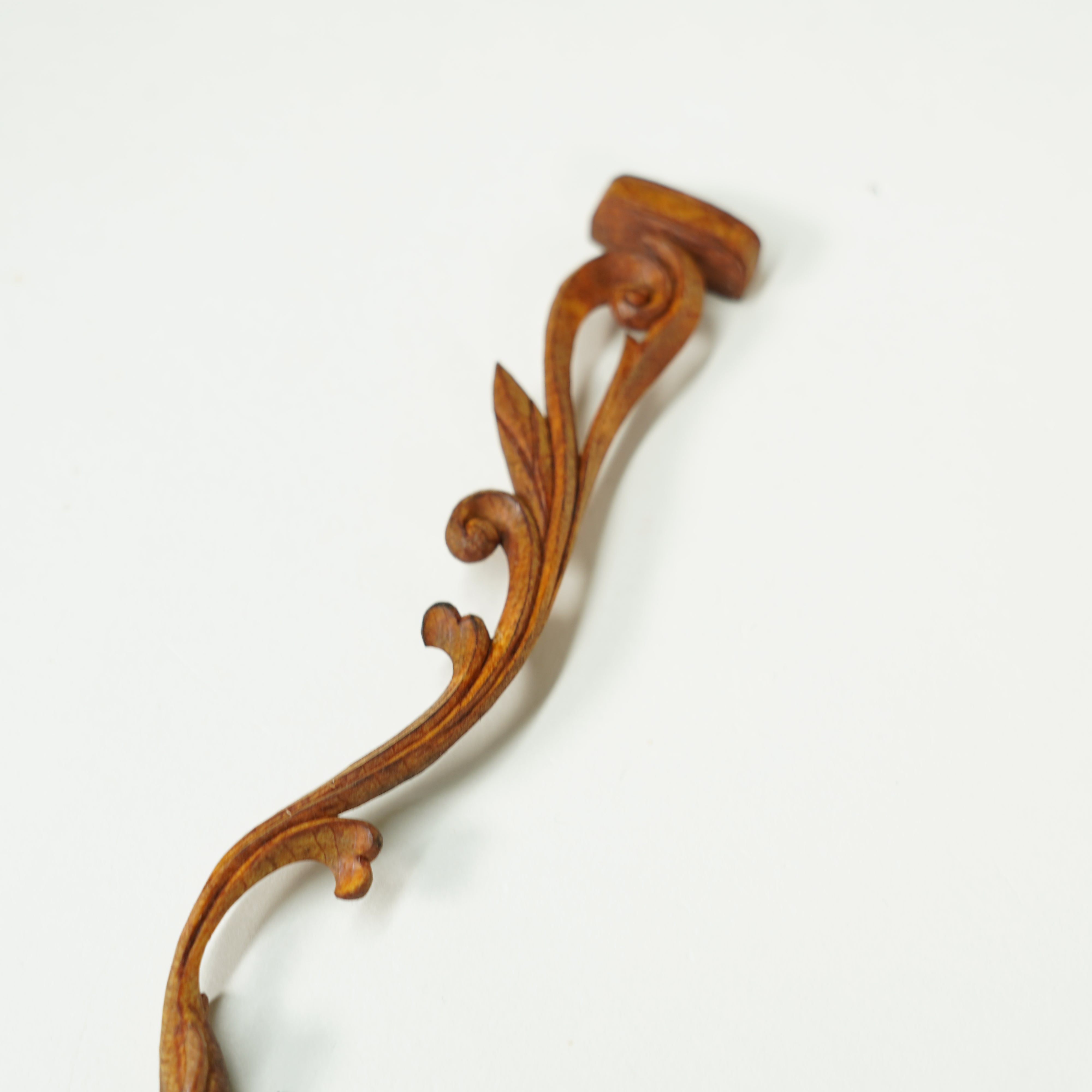
Pen Reste / Fisfing Gold 1
DESCRIPTION
DÉTAILS
SIZE
MATERIAL
ARTISAN
KOGEI
Attention
Choisir les options


Pen Reste / Fisfing Gold 1
Prix de venteR$ 982,00
Pays
Langue
Panier
Votre panier est vide


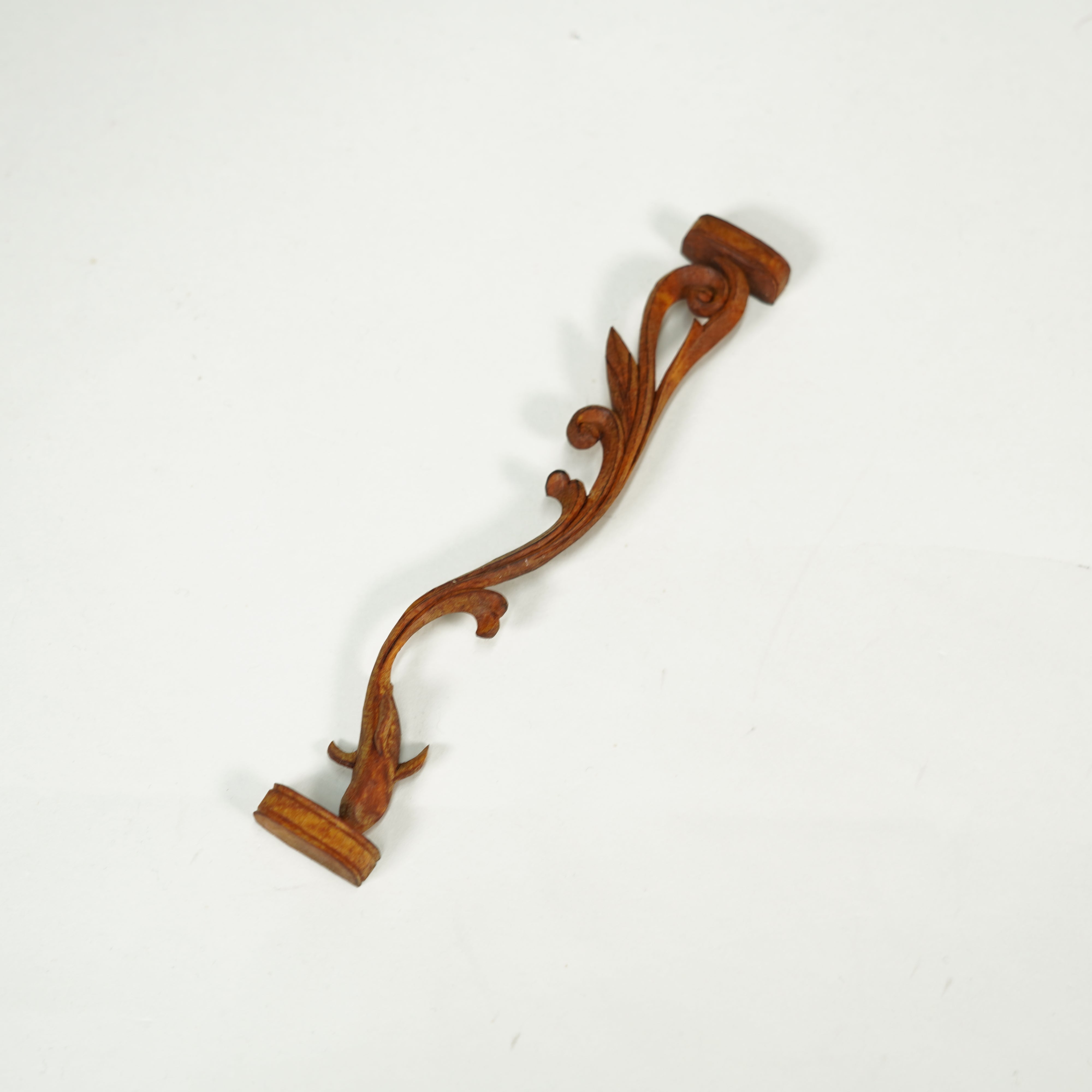
Ce repose-stylo est finement gravé selon des techniques héritées de l’art ancestral de la gravure d’autels bouddhistes.
Veuillez l’utiliser dans votre bureau, etc. C’est également un très beau cadeau.
SIZE
Largeur:13,5 cm
Profondeur:2 cm
Hauteur:1 cm
Poids:2 g
MATERIAL
Cyprès du Japon
CHIE KATORI
"I aim to deliver skills that have been passed down through many generations."
I want to share Kyoto's sculpting techniques, which have been handed down from ancient times, with people all over the world. Not limited to Buddhist altars and ritual implements, I also create products that can be easily used in everyday household settings.
ARTISAN STORY
Chie Katori
Originally from Hokkaido, now thriving as a Buddhist statue sculptor in Kyoto Prefecture. One of the attractions of their work is the effort and ingenuity that have been accumulated over many generations, passed down from master to apprentice. They specialize in detailed carvings.
KYO BUTSUDAN / KYOTO BUDDHIST ALTARS
About 1,000 years ago / 1000s / Heian Period (794–1185)
Kyoto Buddhist altars developed after the Heian period as temple building concentrated sculptors, woodworkers, lacquerers, gilders and decorative metal specialists in the capital. During the Edo period, the growth of major Buddhist sects and household worship increased demand, turning Kyoto into a center for highly sophisticated altars and ritual fittings.
In Japan, a household altar is a place to address ancestors and remember the dead. Large traditional altars have become less common in compact urban homes, but smaller prayer spaces and furniture-like designs continue to adapt the practice to modern life.
A Kyoto altar is rarely the work of one craftsperson. Wood construction, carving, lacquer, gold leaf, maki-e, metal fittings and final assembly can be divided among numerous specialists. In a single cabinet, many of Kyoto’s most important craft traditions are brought together—almost like a miniature temple.
Différences individuelles
Chaque pièce étant fabriquée à la main individuellement, de légères variations de couleur, de motif, de forme et de texture peuvent survenir. Ces subtiles différences sont une caractéristique naturelle des créations artisanales, rendant chaque pièce véritablement unique. Nous espérons que vous apprécierez ces variations individuelles comme faisant partie de la beauté et du caractère de l'artisanat japonais.
Délai de production
Si un article n'est pas actuellement en stock, il peut être fabriqué sur commande par l'artisan. Comme chaque pièce est soigneusement fabriquée à la main, la production peut prendre plusieurs mois selon l'article et le planning de l'artisan. Nous vous remercions de votre patience et de votre compréhension.

Choisir les options