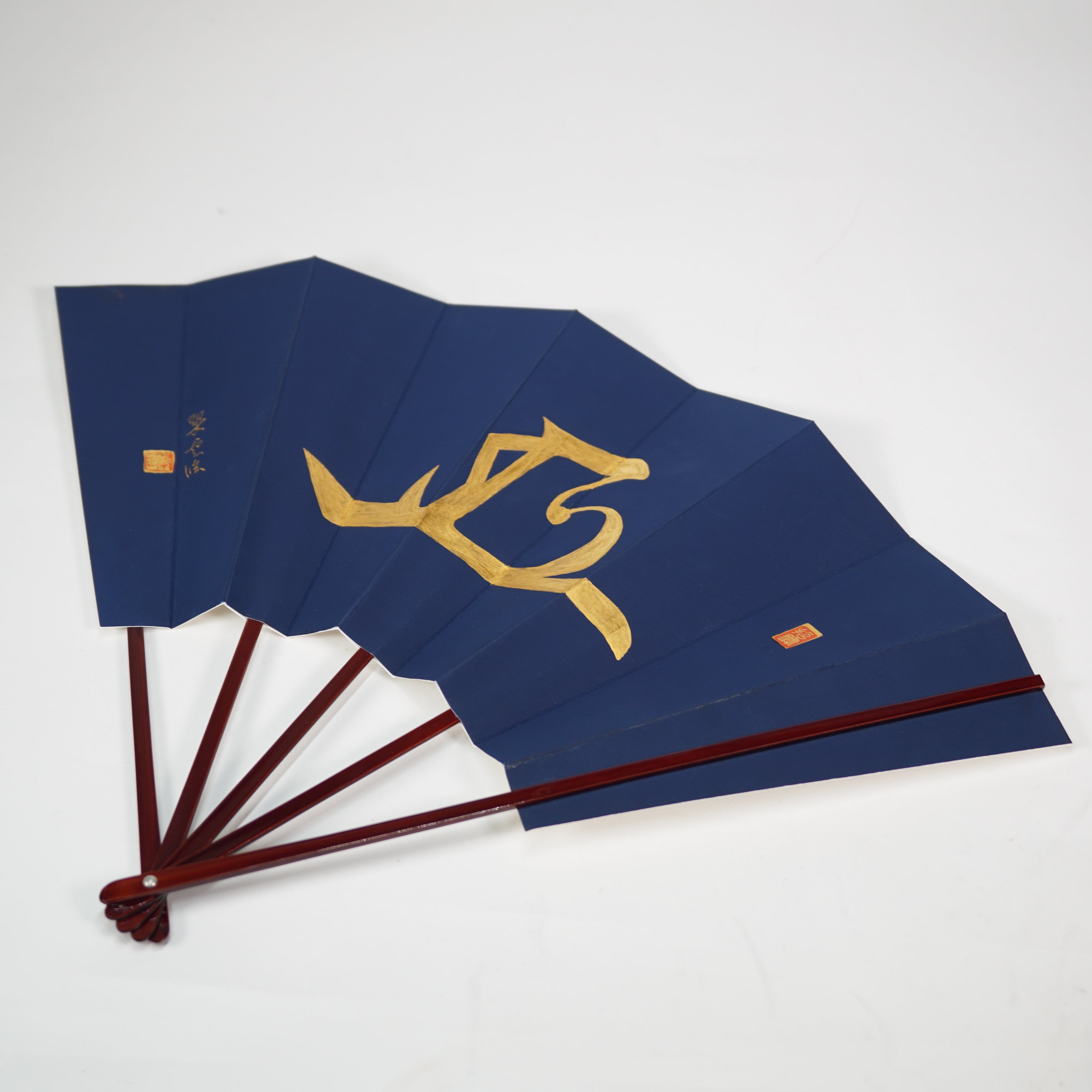
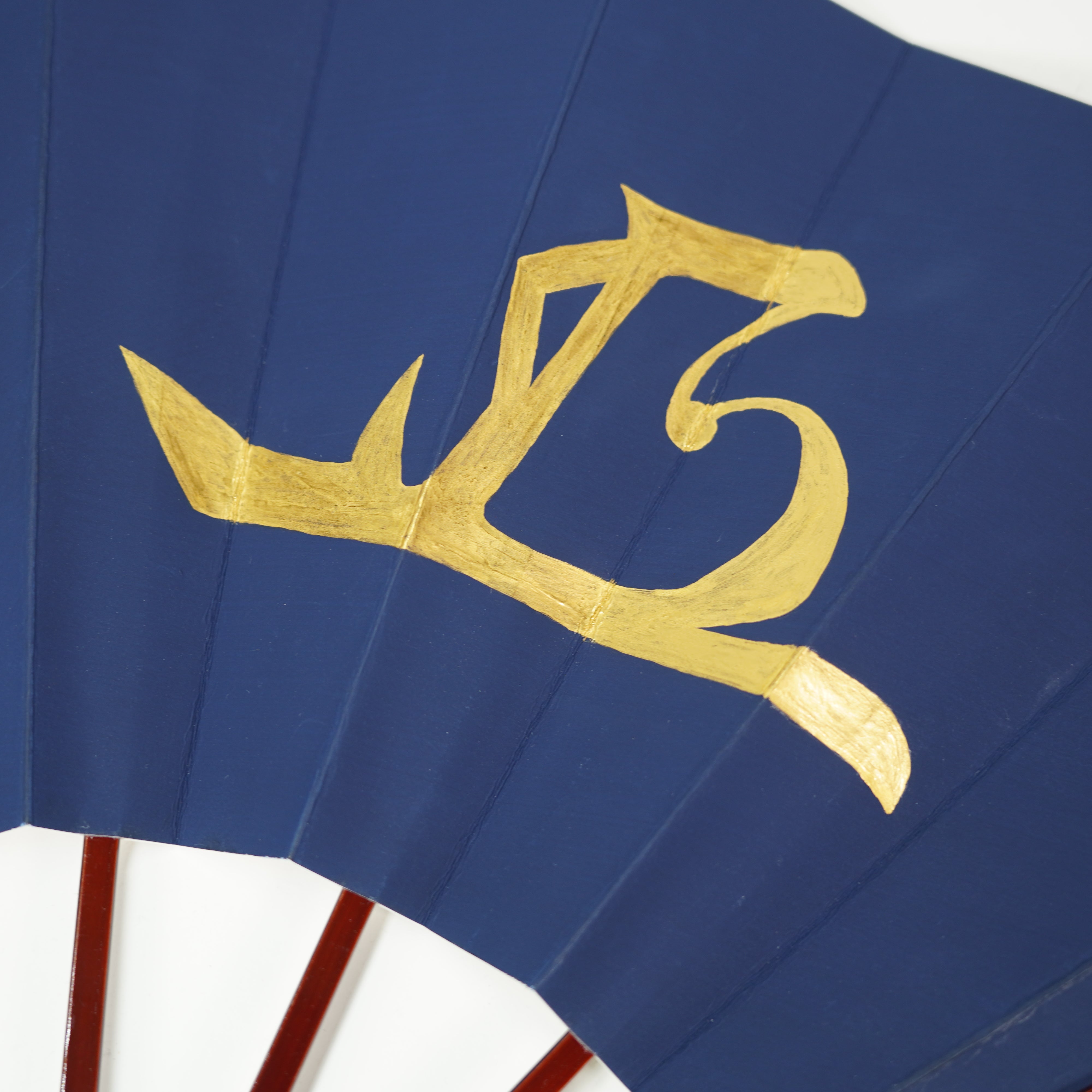
KYO SENSU / KYOTO FOLDING FANS
About 1,200 years ago / 800s / Heian Period (794–1185)
The folding fan is generally considered a Japanese invention, developing in Heian-period Kyoto from wooden hiogi fans and paper-covered bat-wing fans. It served court dress, poetry and gift exchange, then diversified for Noh, tea ceremony and dance, each tradition developing its own size, number of ribs and proportions.
For Japanese people, a folding fan is far more than a cooling device. In tea ceremony it helps define respectful personal space, while on stage it can represent a mountain, wave, cup or countless other objects. It survives today as a practical accessory, performance tool and prestigious gift.
Its compact mechanism is itself a remarkable design idea: a broad surface collapses into something almost stick-like. Japanese folding fans were later exported back through Asia and into Europe, where they became part of court fashion. A small portable object ended up influencing global material culture.