TAKE KOGEI / JAPANESE BAMBOO CRAFT
About 2,000 years ago / Ancient Japan
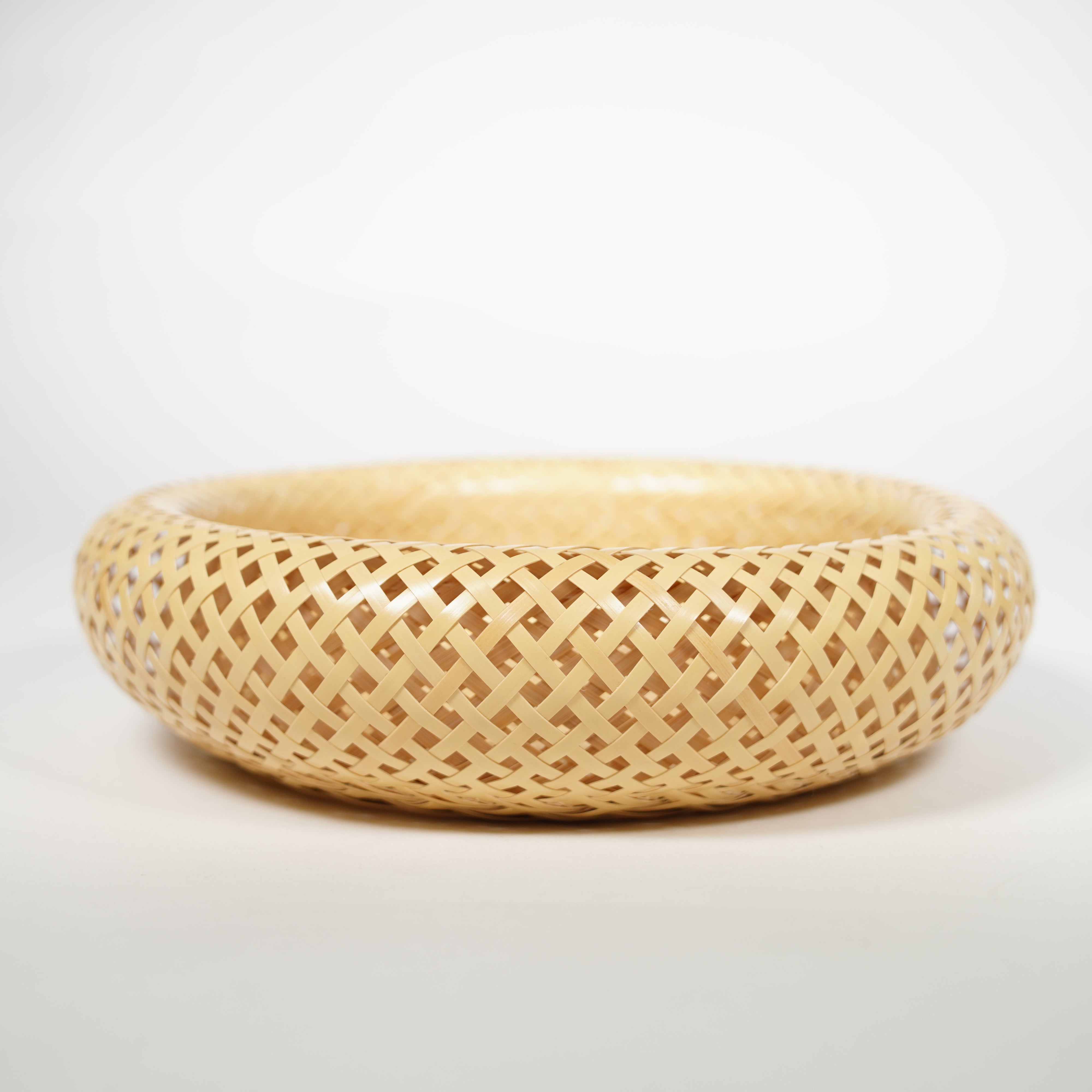
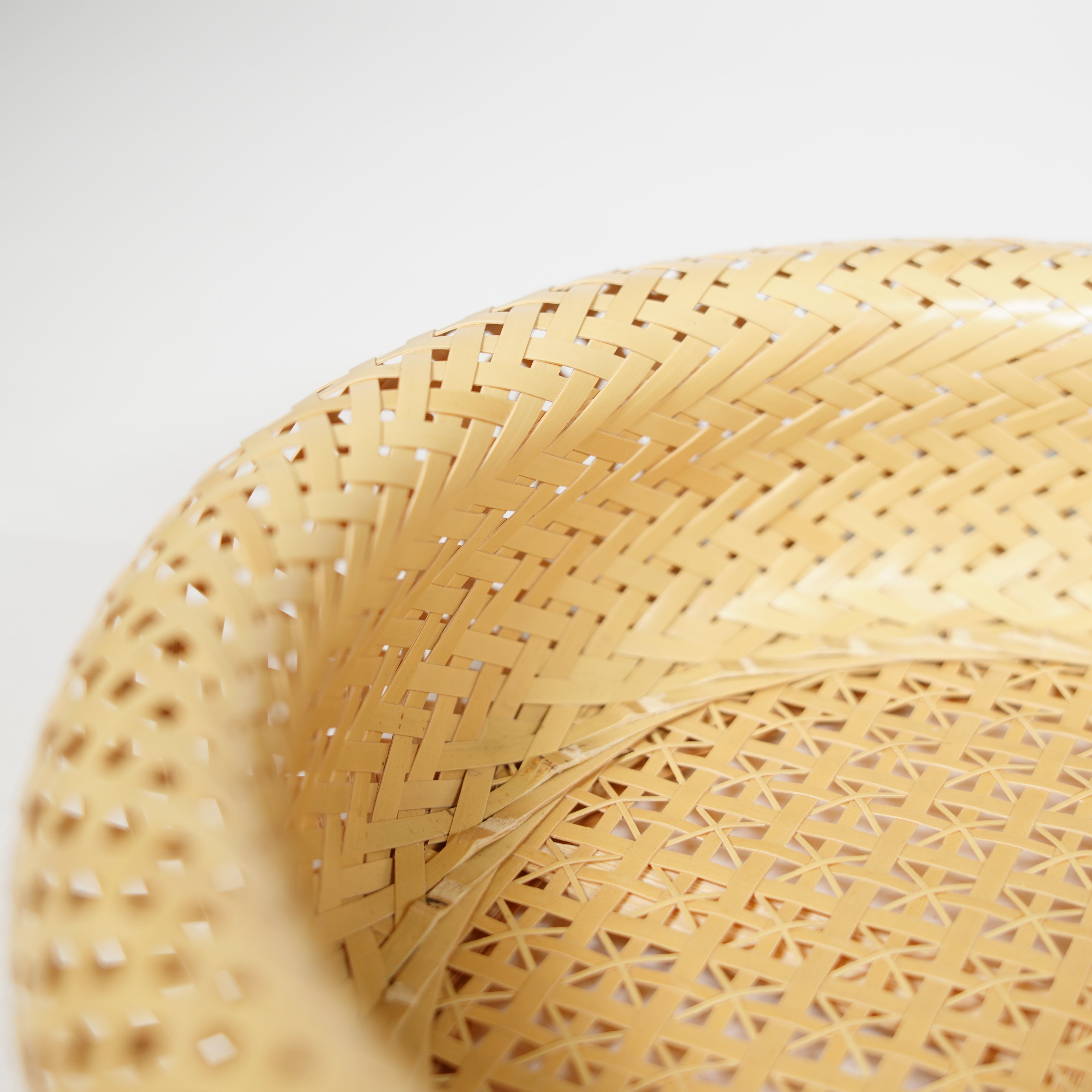
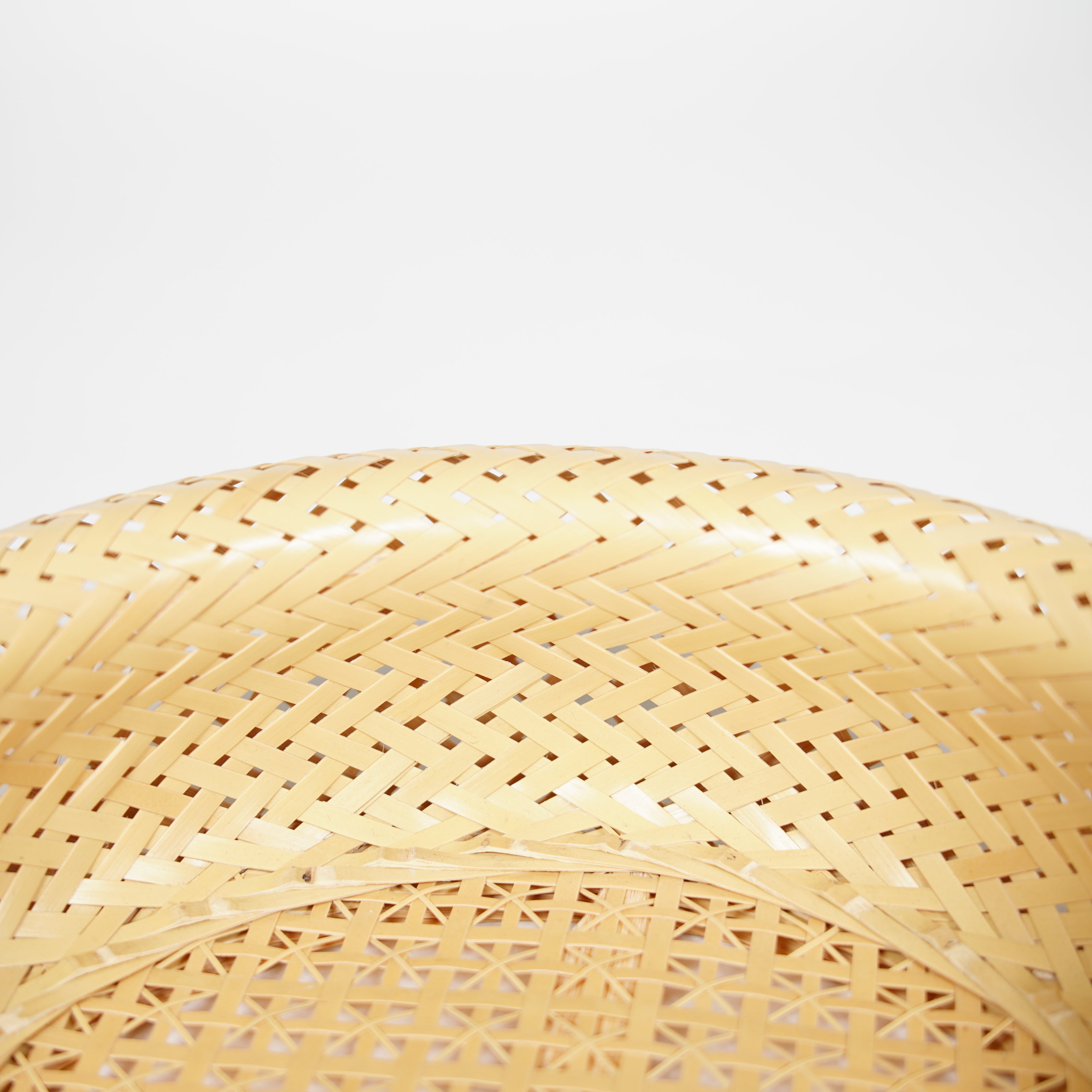
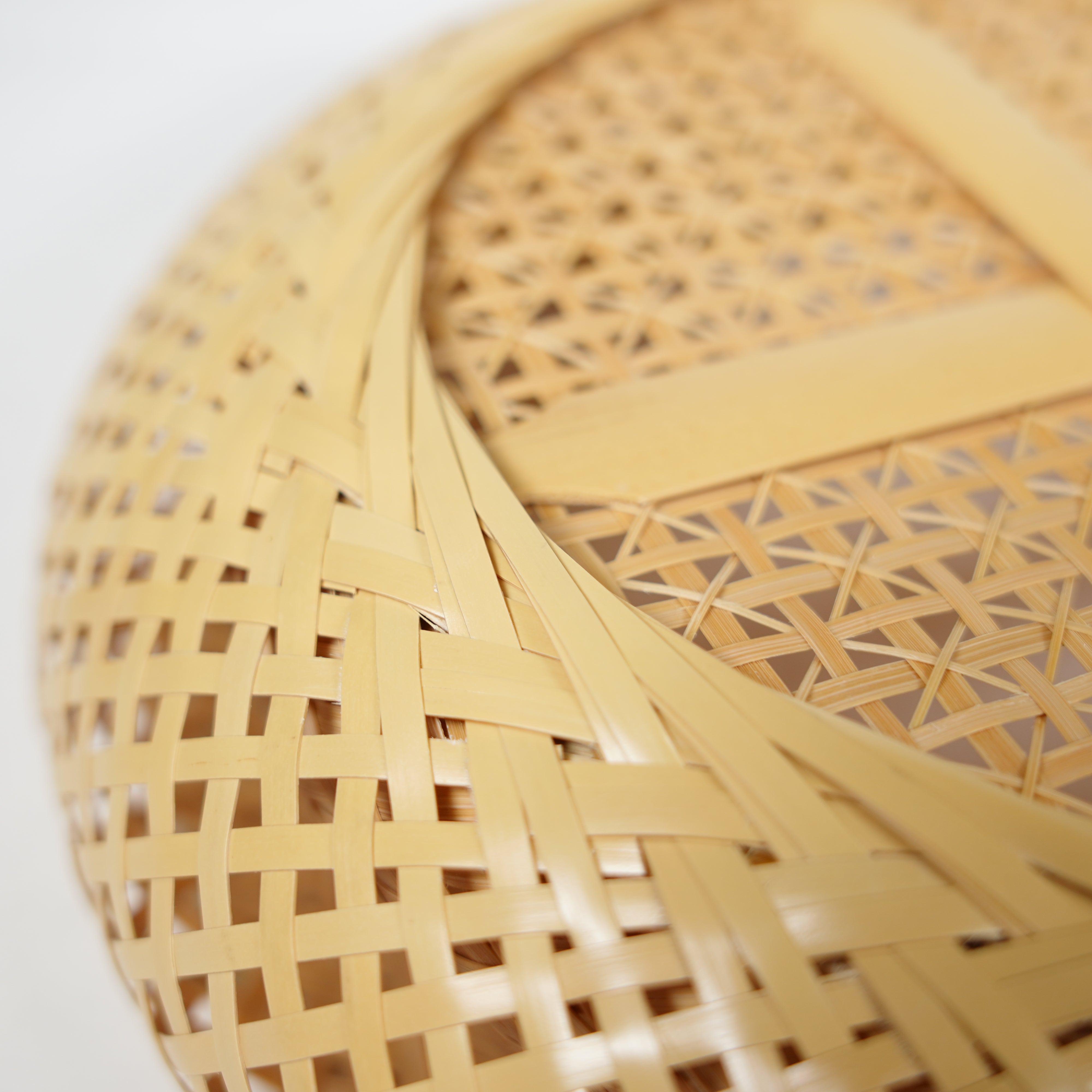
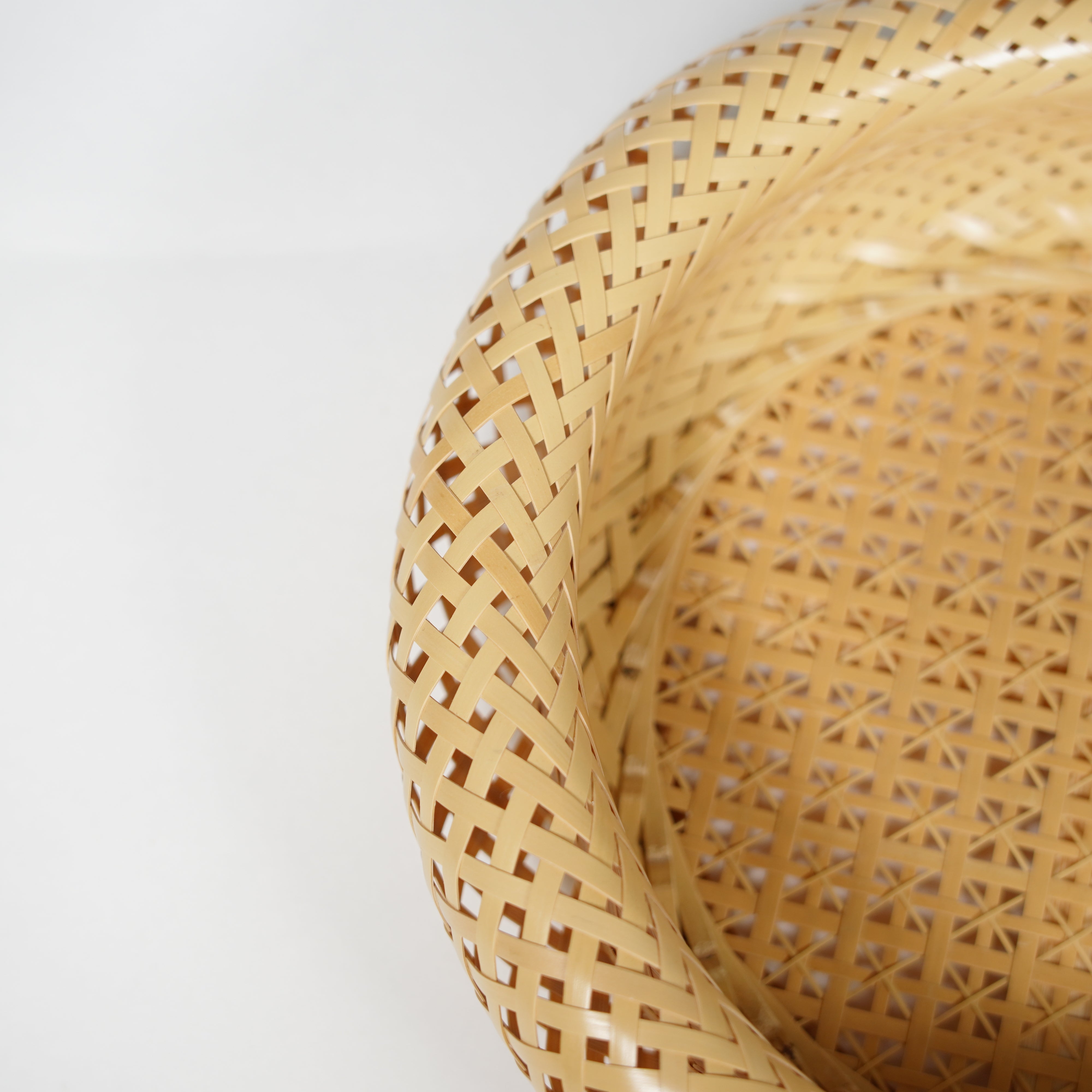
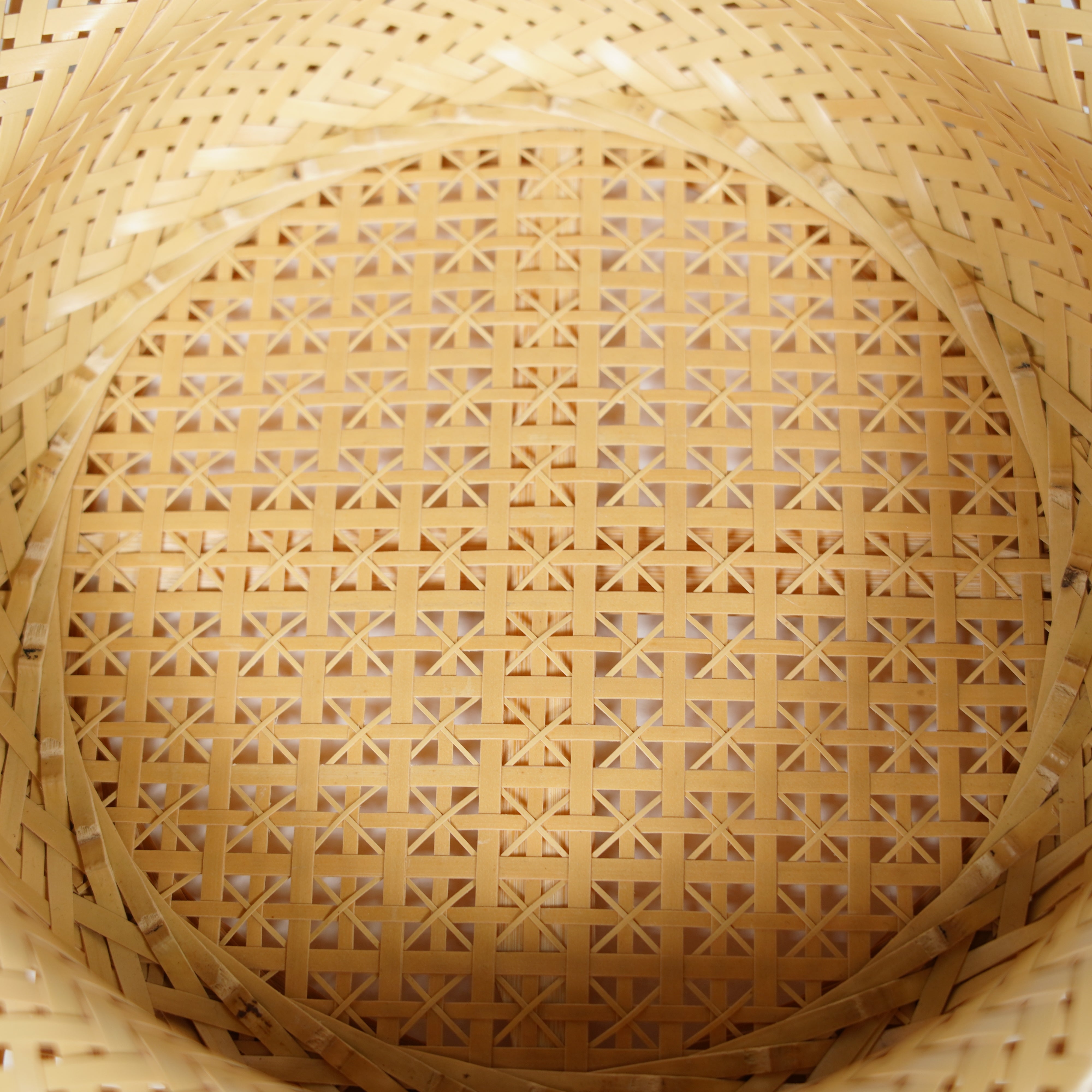
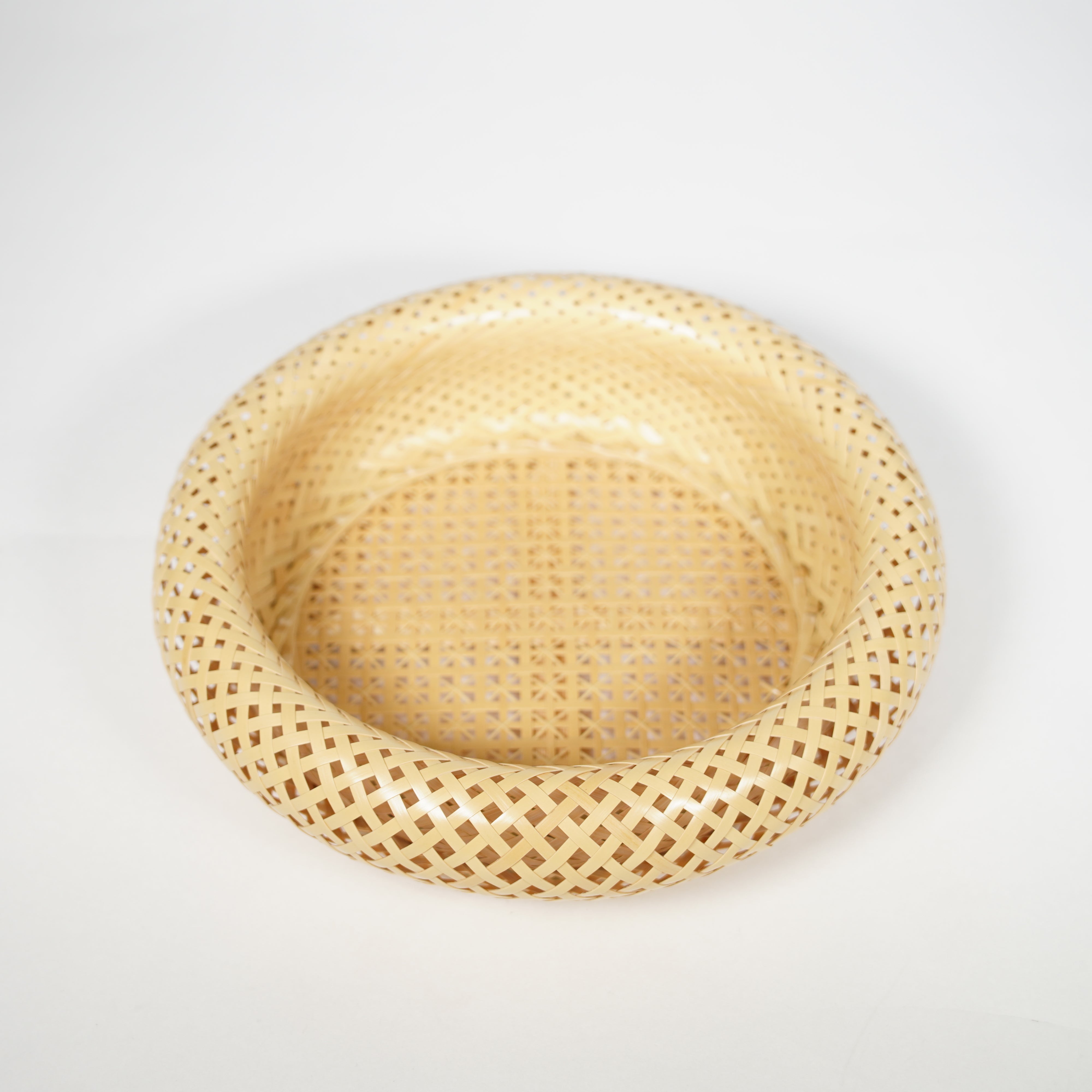
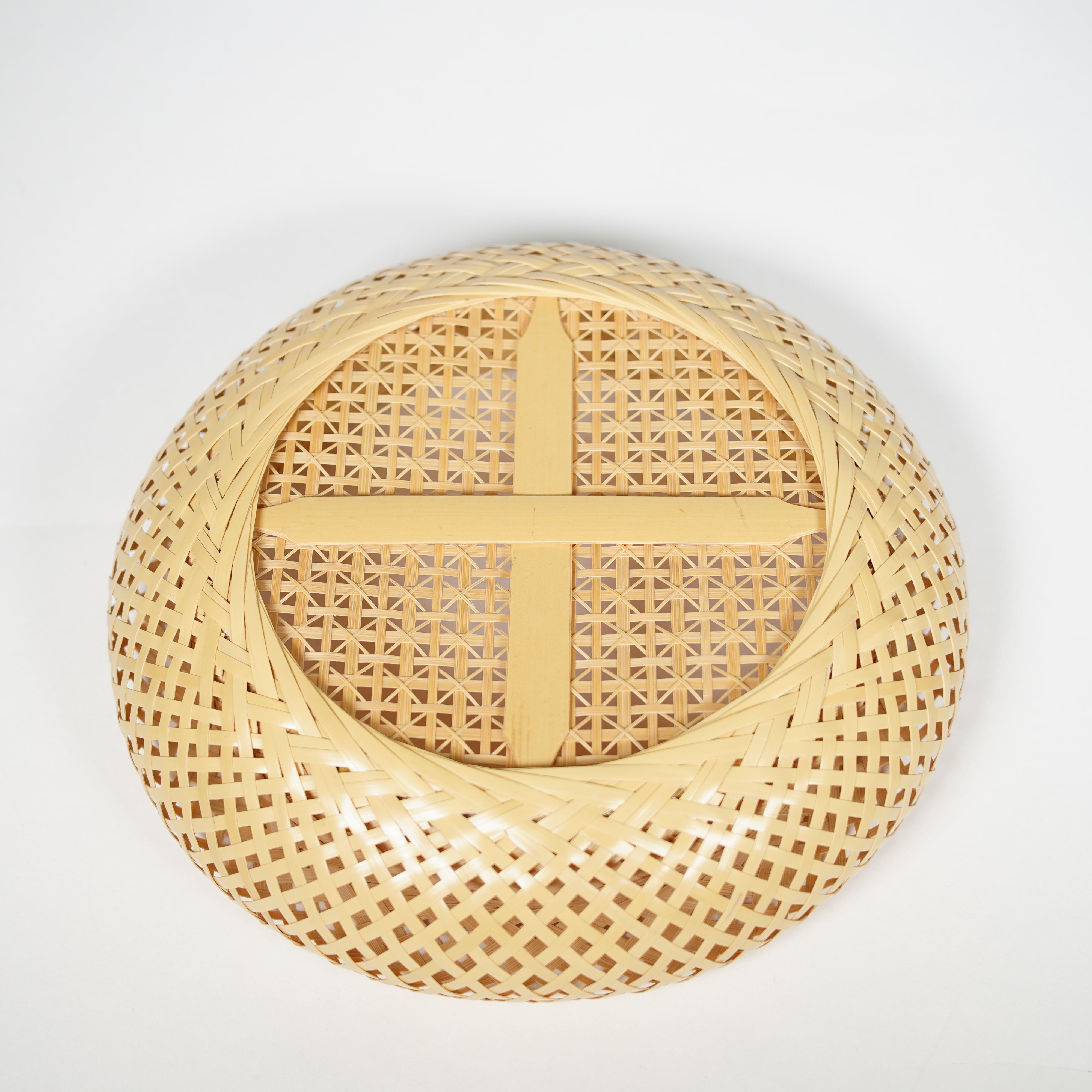
Bamboo has been used in Japan since prehistoric times for baskets and practical tools. Techniques for splitting culms into strips, weaving, bending and joining them spread from agriculture and fishing equipment to kitchenware and tea utensils, with different regions favoring madake, moso and other species.
In Japan, bamboo is deeply embedded in daily objects—colanders, baskets, chopsticks and tea whisks. Plastic replaced many traditional uses in the twentieth century, but bamboo is now being reconsidered because it is light, fast-growing and repairable.
Bamboo is not a tree but a giant grass, and some species can grow tens of centimeters in a day. The stem is hollow yet reinforced by strong longitudinal fibers, allowing it to be split extremely thin without losing strength. That natural engineering explains why the material can serve everything from baskets to architecture.