KYO YUZEN / KYOTO SILK DYEING
About 340 years ago / 1680s / Edo Period (1603–1868)
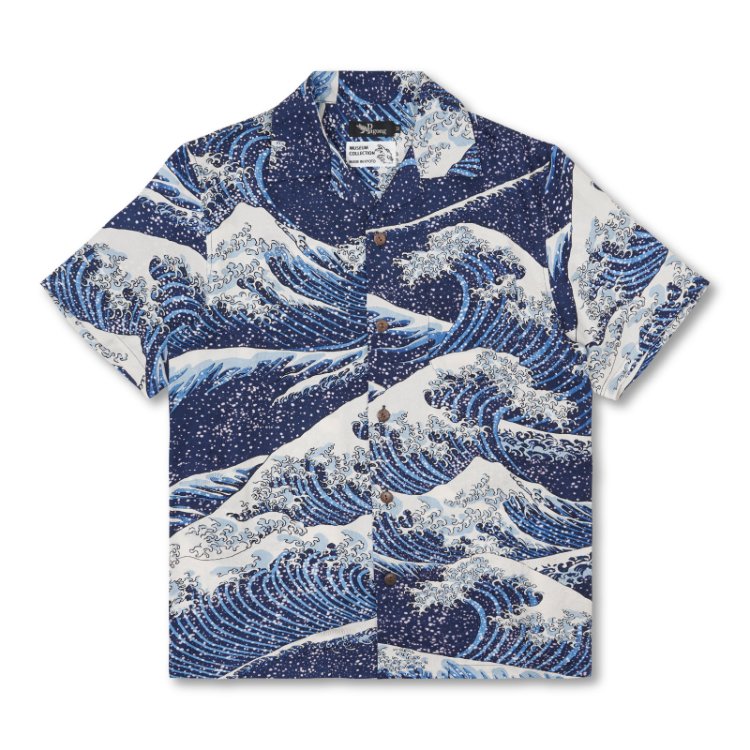
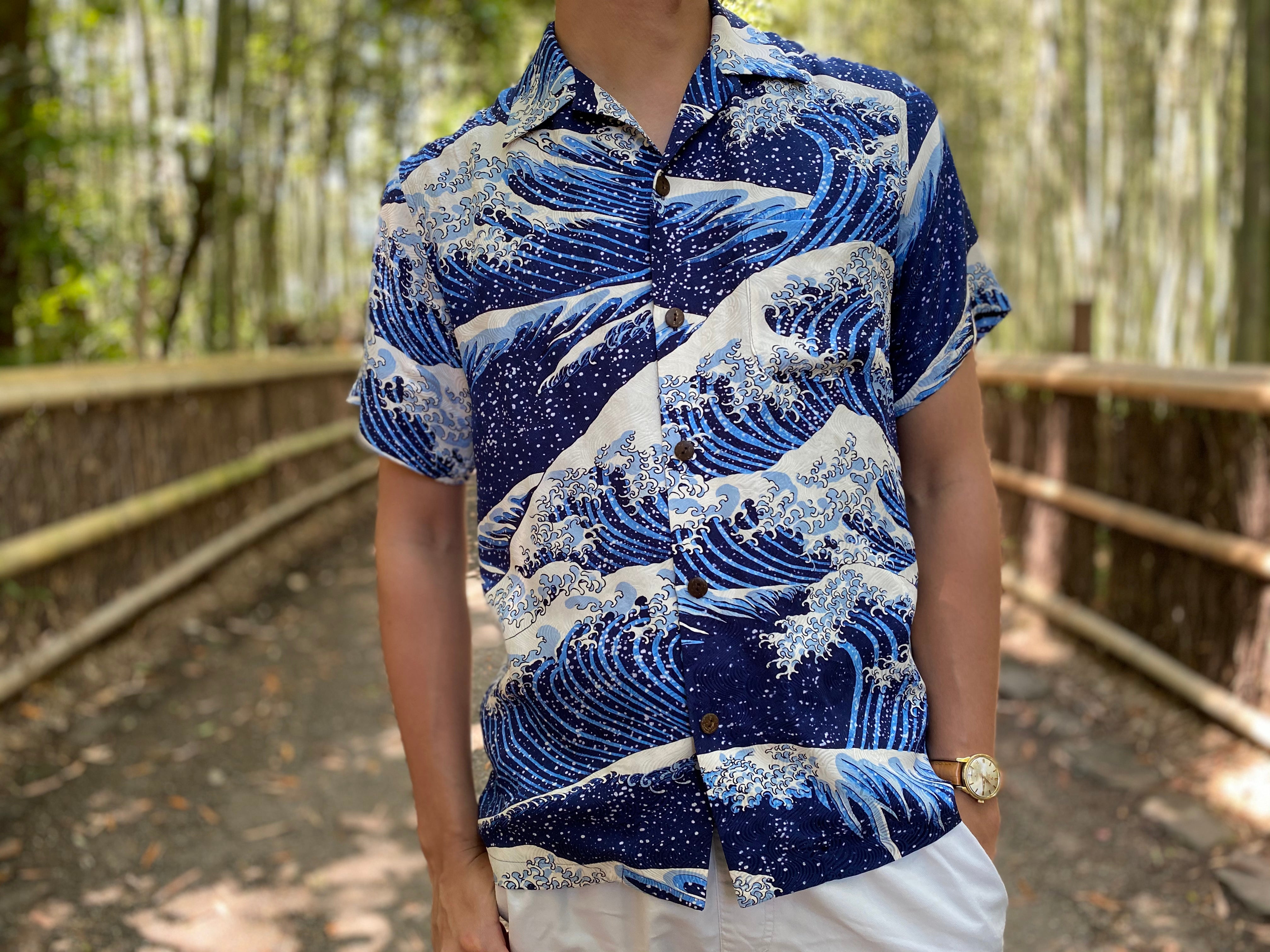
Kyo Yuzen took a decisive form in Kyoto’s Genroku era, when designs by the celebrated fan painter Miyazaki Yuzensai were applied to kimono. Fine paste-resist lines allowed many colors to be painted next to one another like a picture, establishing hand-painted Yuzen. In the Meiji period, stencil-based Yuzen greatly expanded production.
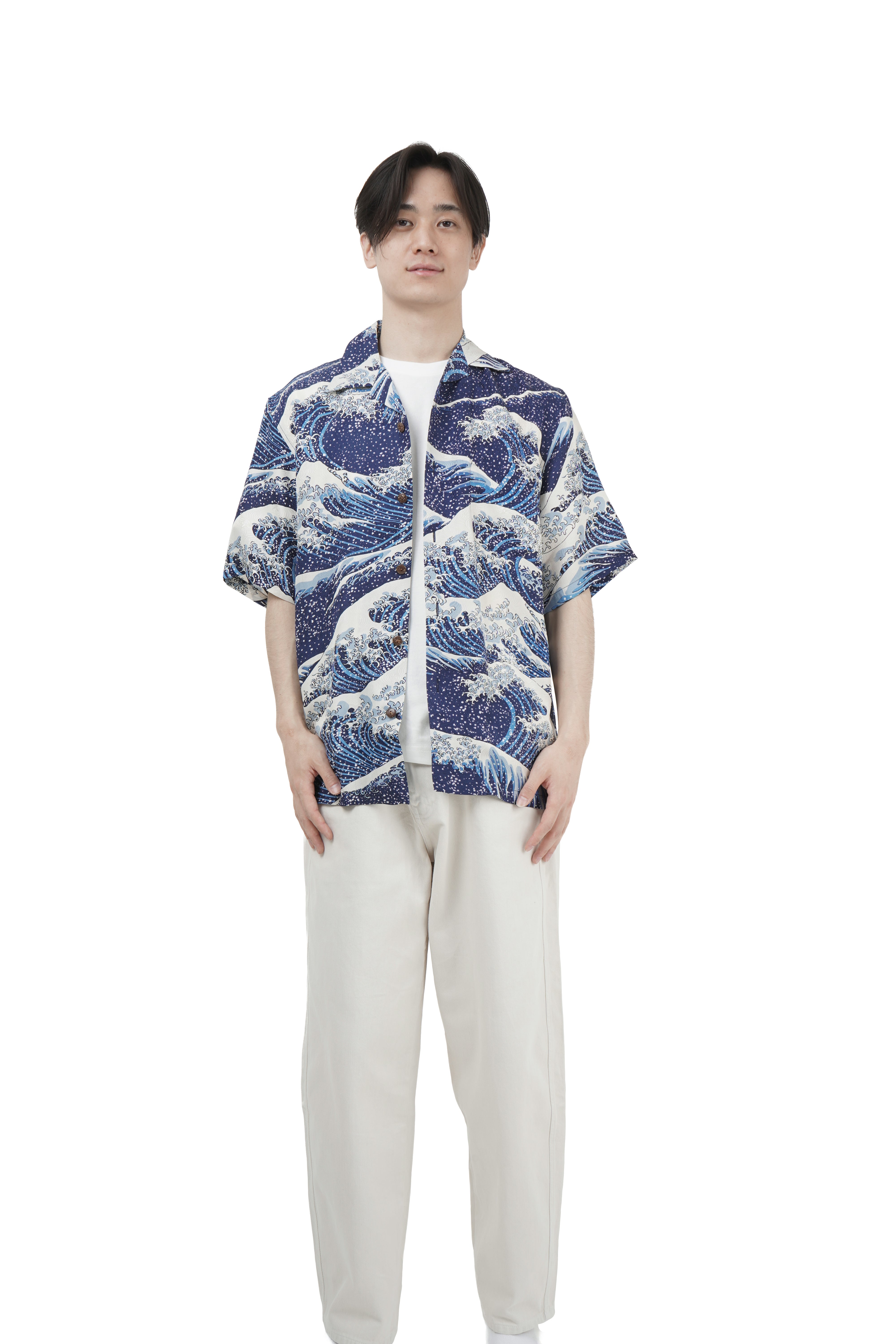
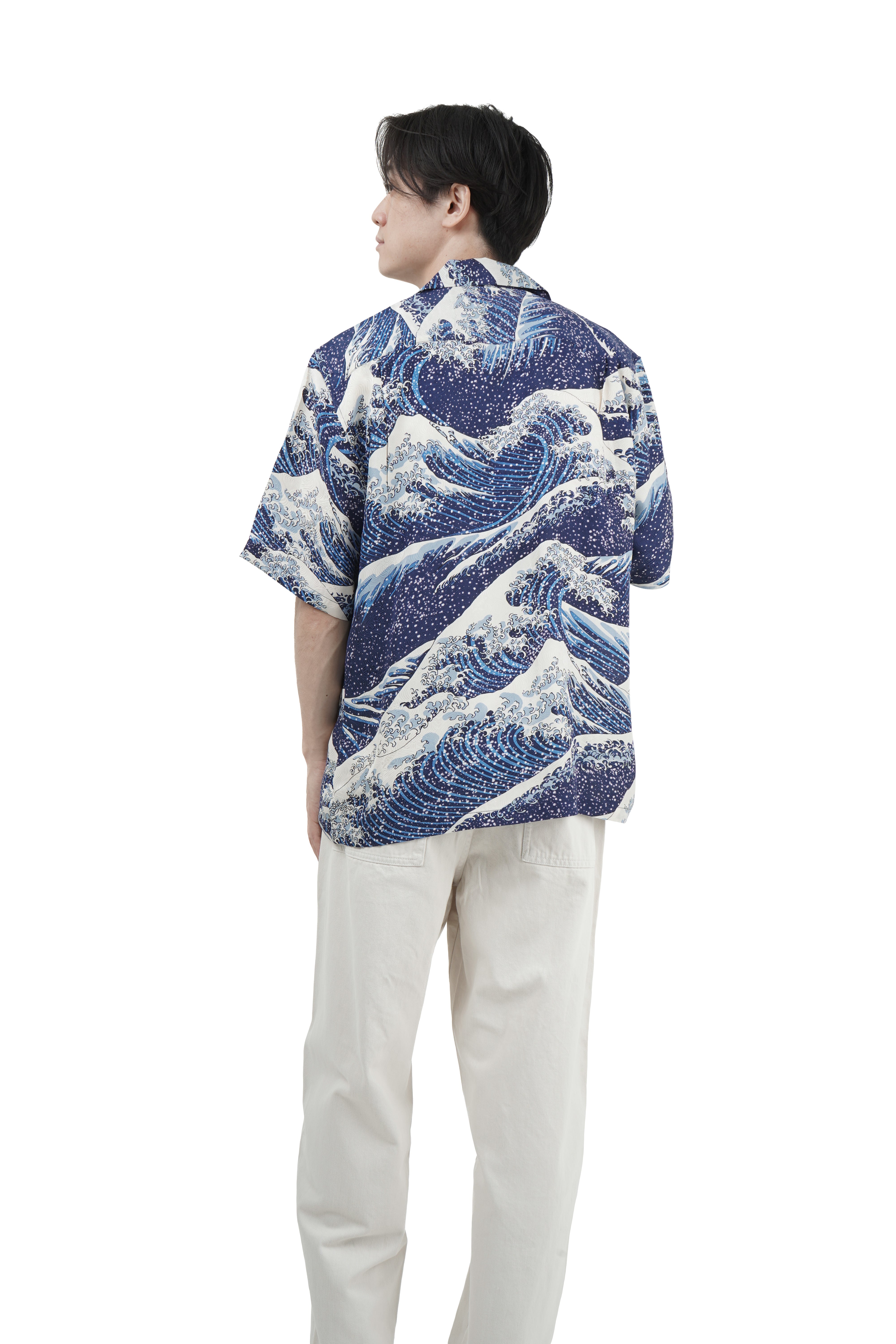
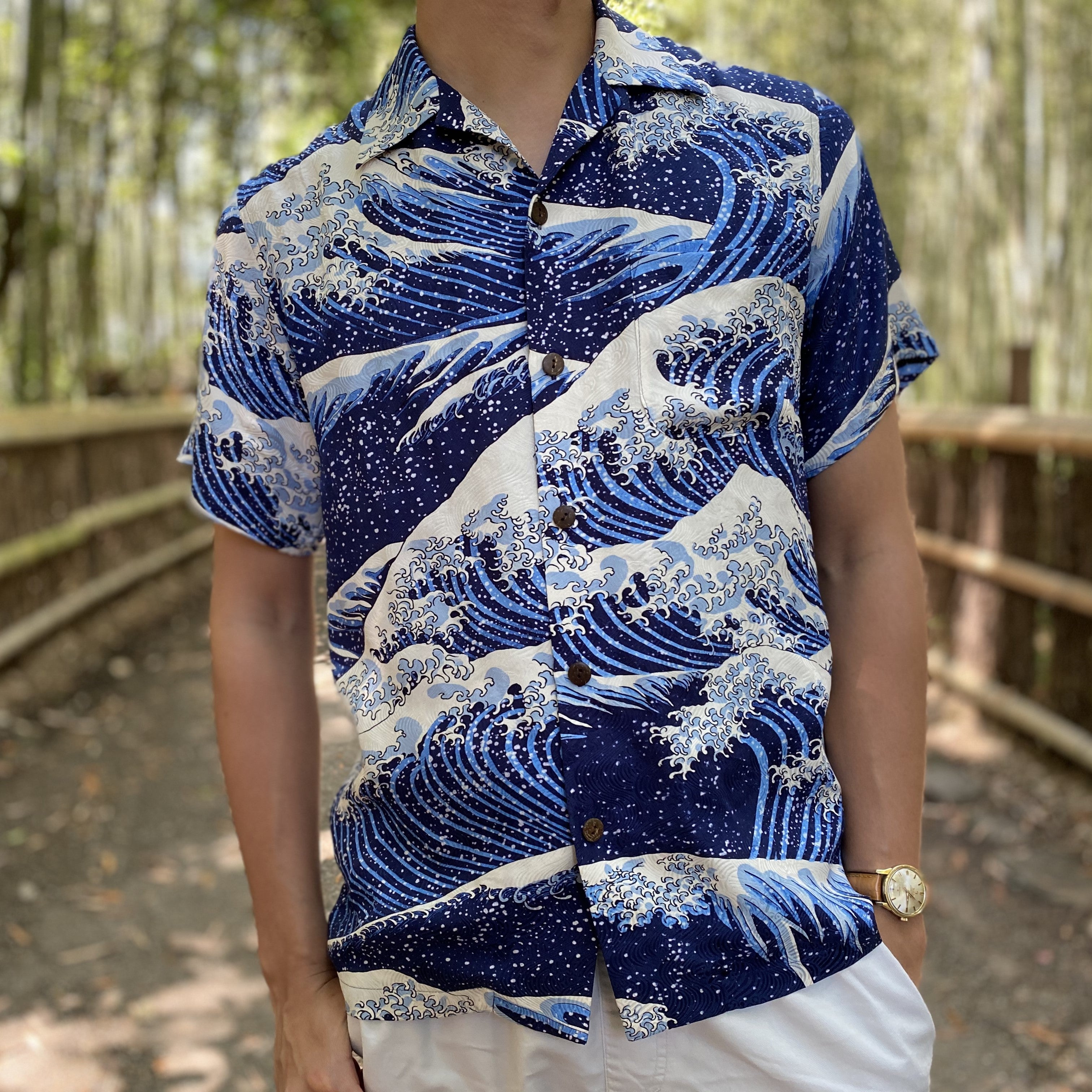
In Japan, Kyo Yuzen represents formal celebratory kimono worn for coming-of-age ceremonies, weddings and other important occasions. Brilliant dyeing may be combined with gold and embroidery, while the same techniques now appear on bags, scarves and interiors.
A single kimono can pass through more than twenty stages—design, underdrawing, resist application, coloring, steaming, washing, gold decoration and more. Different specialists often handle each stage, making Kyo Yuzen less the product of one maker than a collaborative artwork created by Kyoto’s craft network.