EDO KIRIKO / EDO CUT GLASS
About 190 years ago / 1830s / Late Edo Period
Edo Kiriko is traditionally dated to around 1834, when glass merchant Kagaya Kyubei in Edo began cutting patterns into glass with abrasive sand. In the Meiji period, Japanese craftsmen learned Western wheel-cutting methods from British engineer Emmanuel Hauptmann, leading toward today’s highly precise technique.
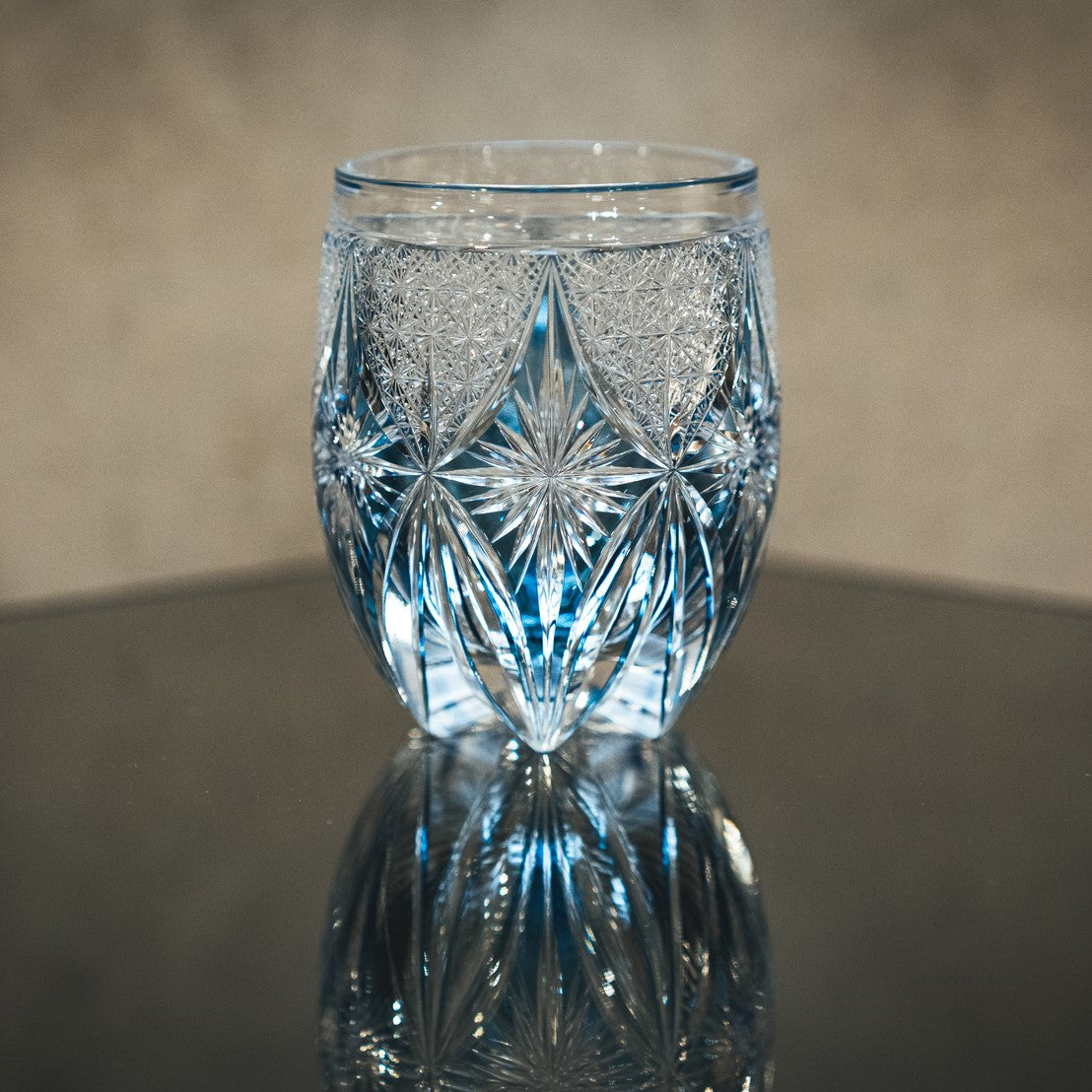
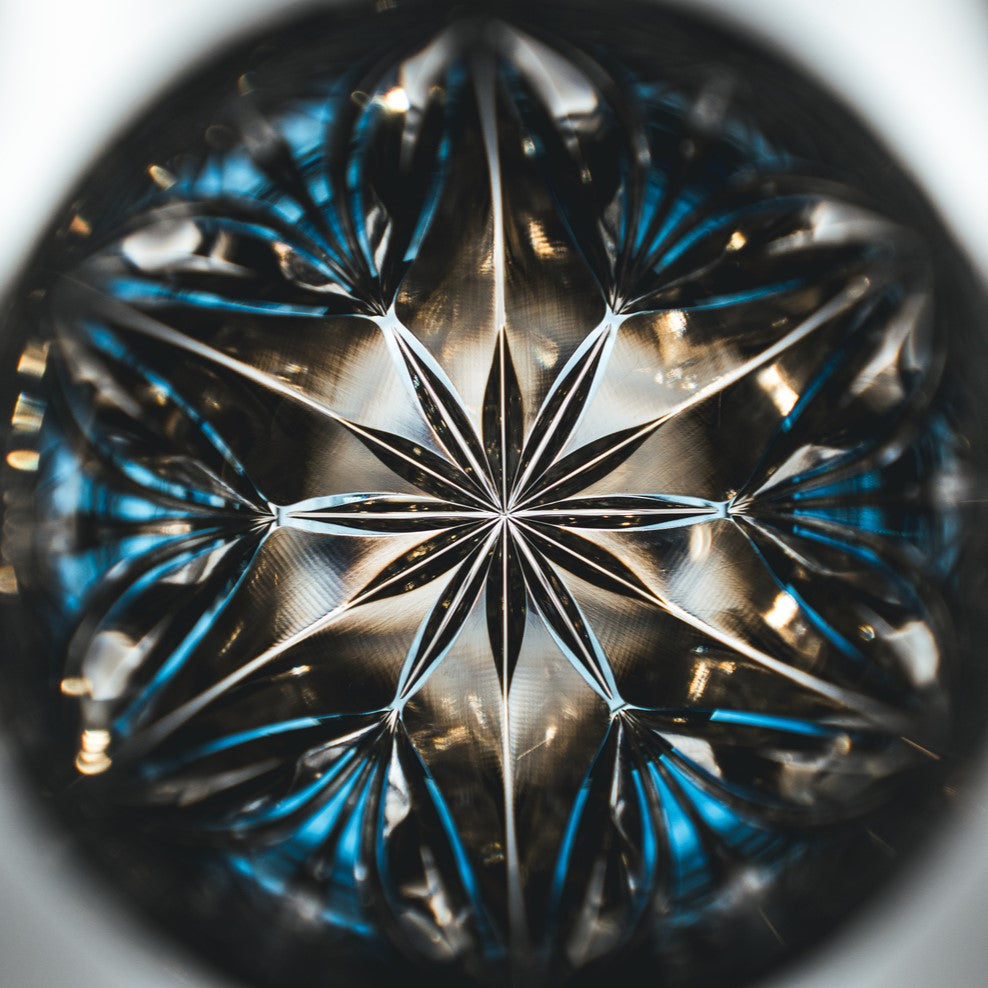
In Japan, Edo Kiriko is especially popular as luxury glassware for sake and whisky. Geometric motifs such as yarai, kiku-tsunagi and kagome recall Edo design culture. Many pieces use colored overlay glass, cutting through the outer layer to reveal clear glass beneath.
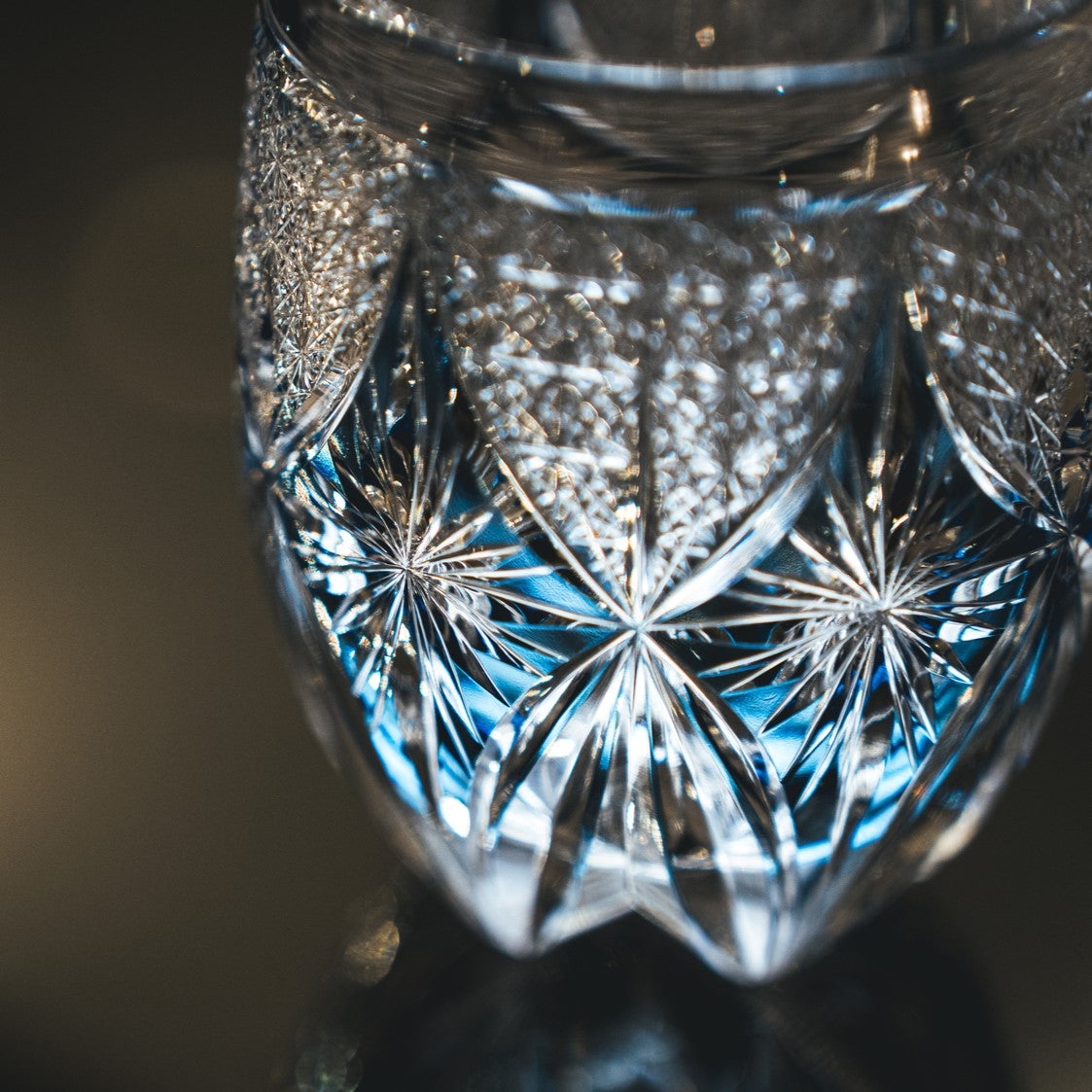
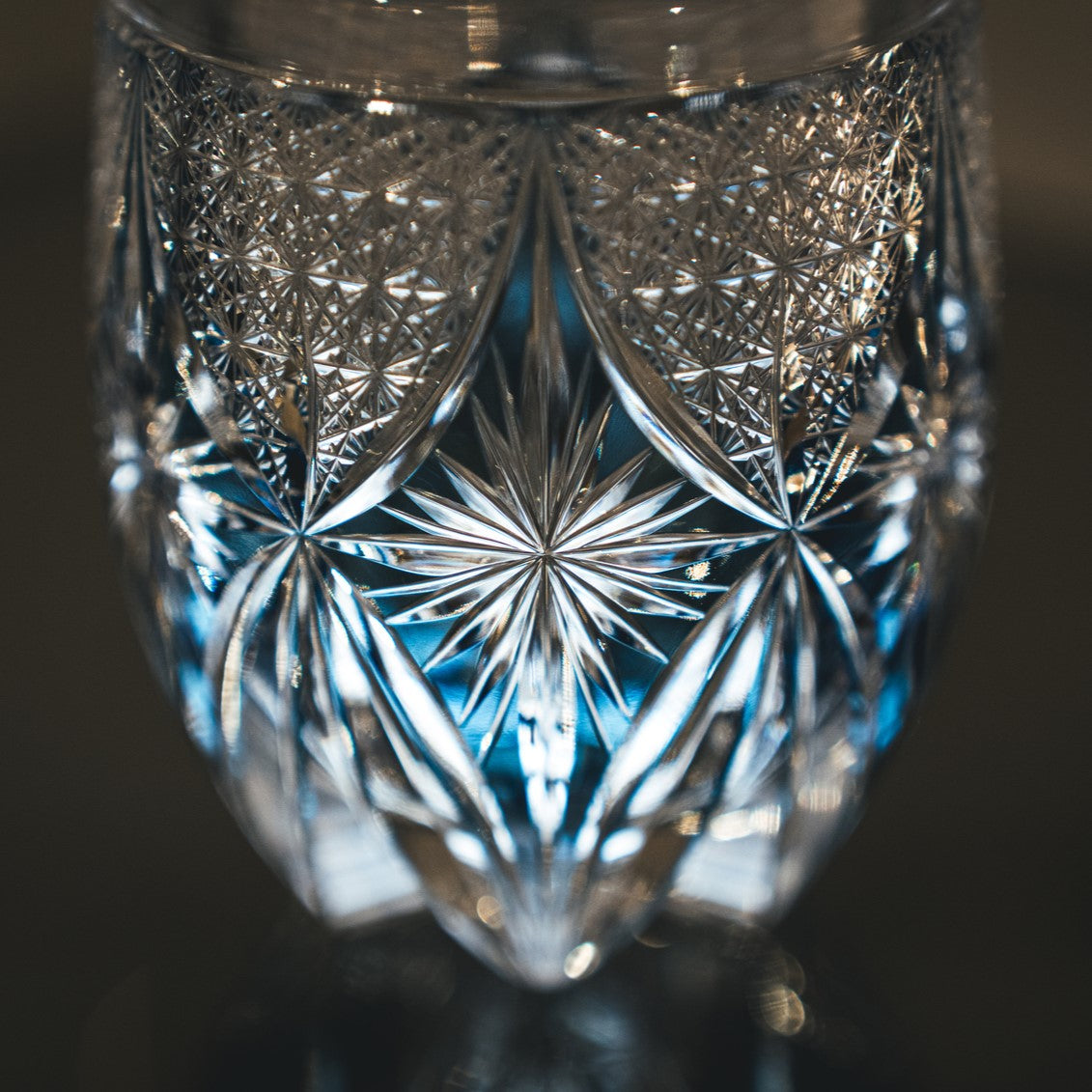
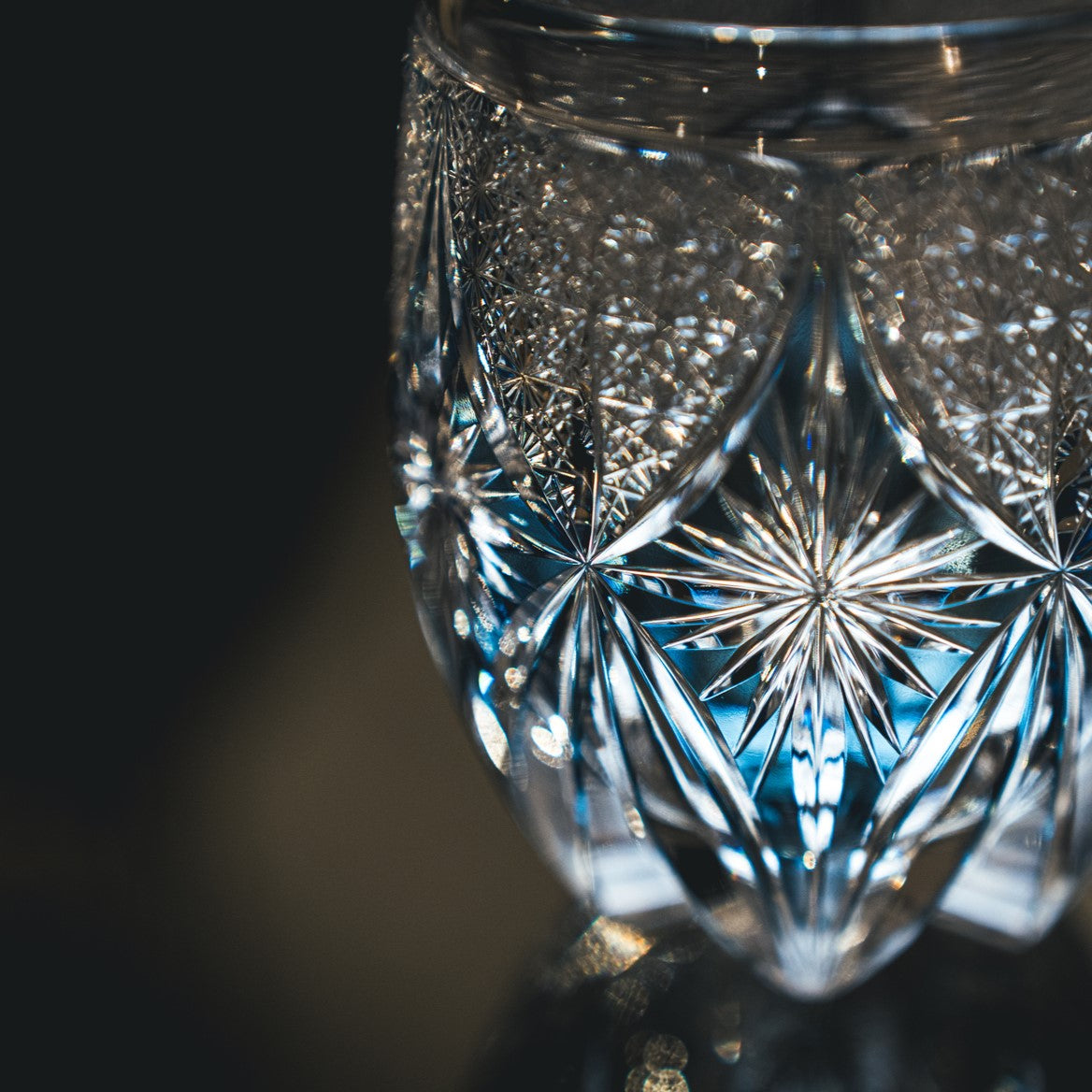
The pattern is not painted; it is physically ground into the glass. With overlay glass, even a tiny change in cutting depth alters how much color remains, allowing subtle gradation. The artisan is therefore designing not only lines and light, but the depth of every incision.