

Kit Starter Kintsugi
DESCRIPTION
DETAILS
SIZE
MATERIAL
ARTISAN
KOGEI
Caution
Kit Starter Kintsugi
促销价格¥685.00
选择选项
Kit Starter Kintsugi
促销价格¥685.00
国家/地区
语言
购物车
您的购物车为空
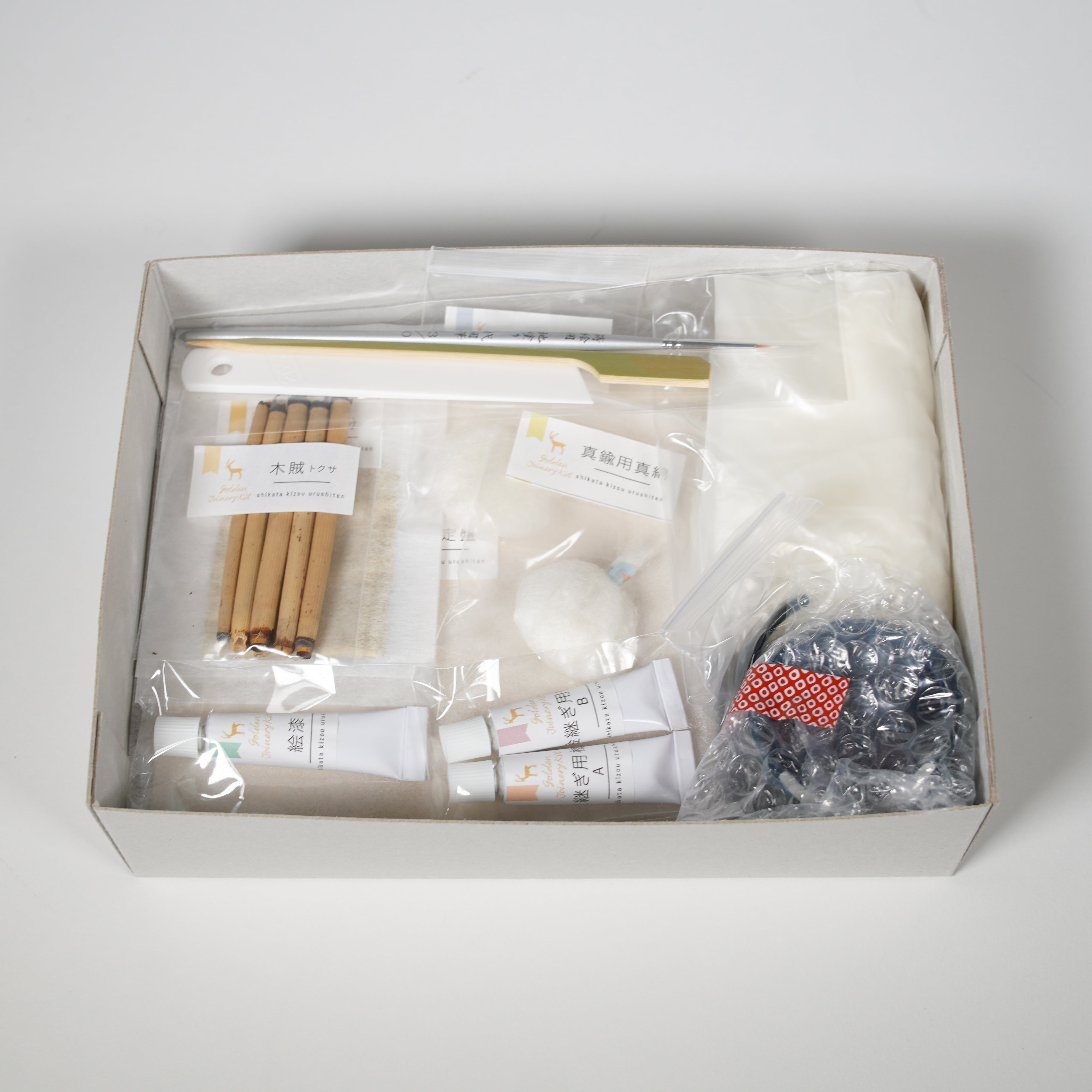
If you think you would like to try kintsugi, but it seems to be too difficult, you must be able to enjoy this kit!
This is a Kintsugi set for beginners who want to try it.
The kit includes with a broken vessel for practice.
Please try working boldly first because you can make mistakes.
The instructions are very specific, and the video is available.
This set allows you to start with ease, yet still be able to perform kintsugi.
You can easily experience the traditional restoration technique at home!
Why don't you try to restore your favourite vessels and cups?
SIZE
Width:23cm
Depth:17cm
Height:7cm
Weight:910g
MATERIAL
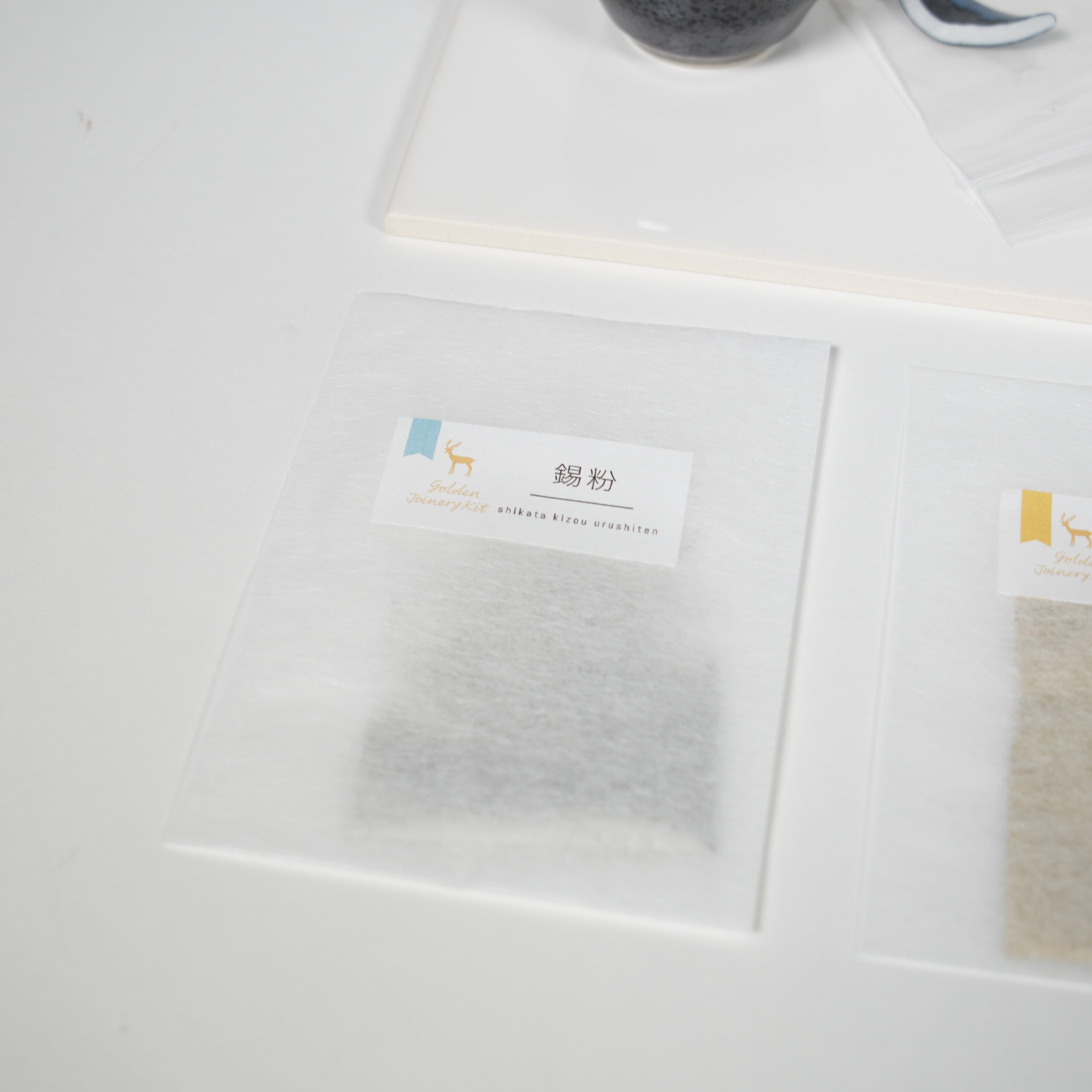
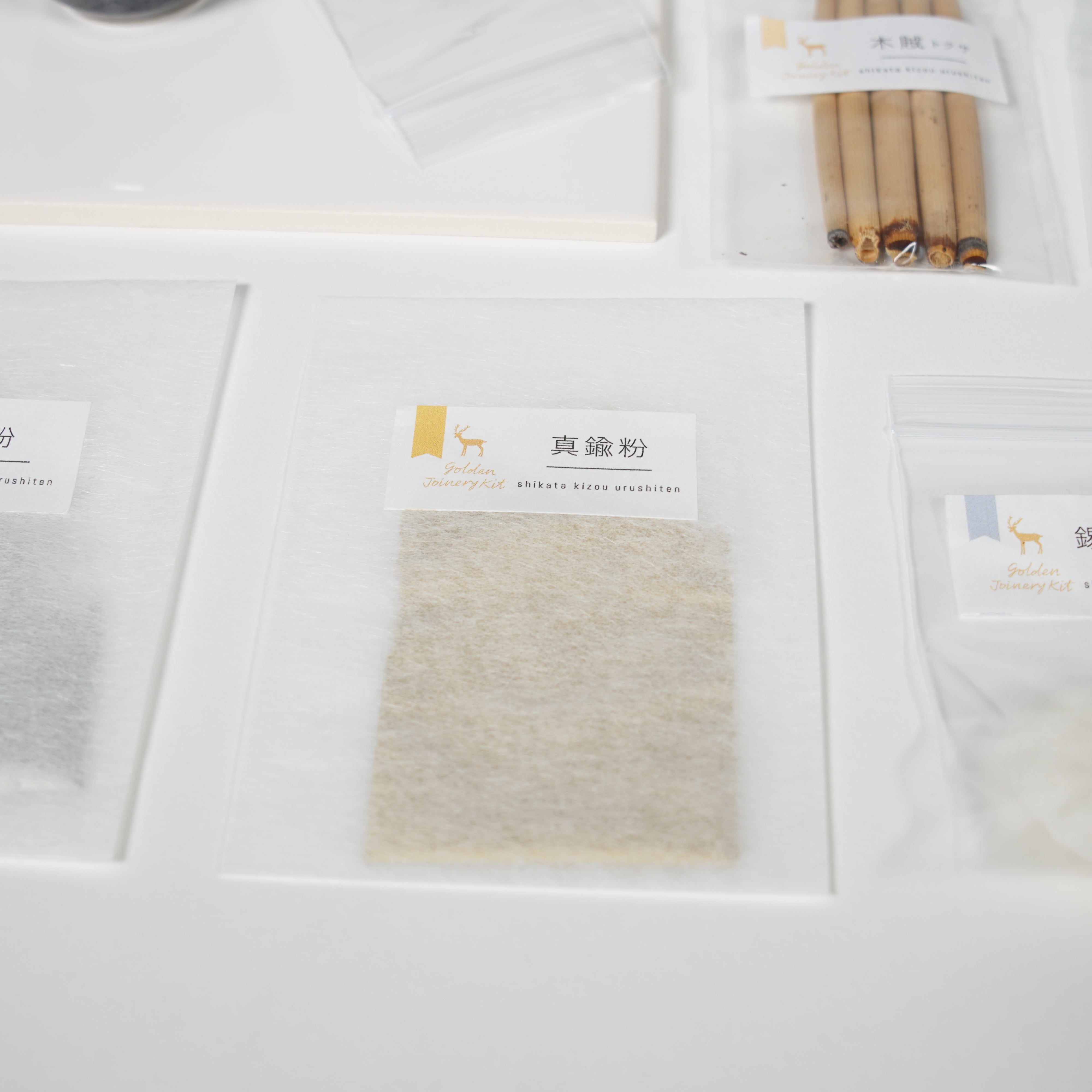
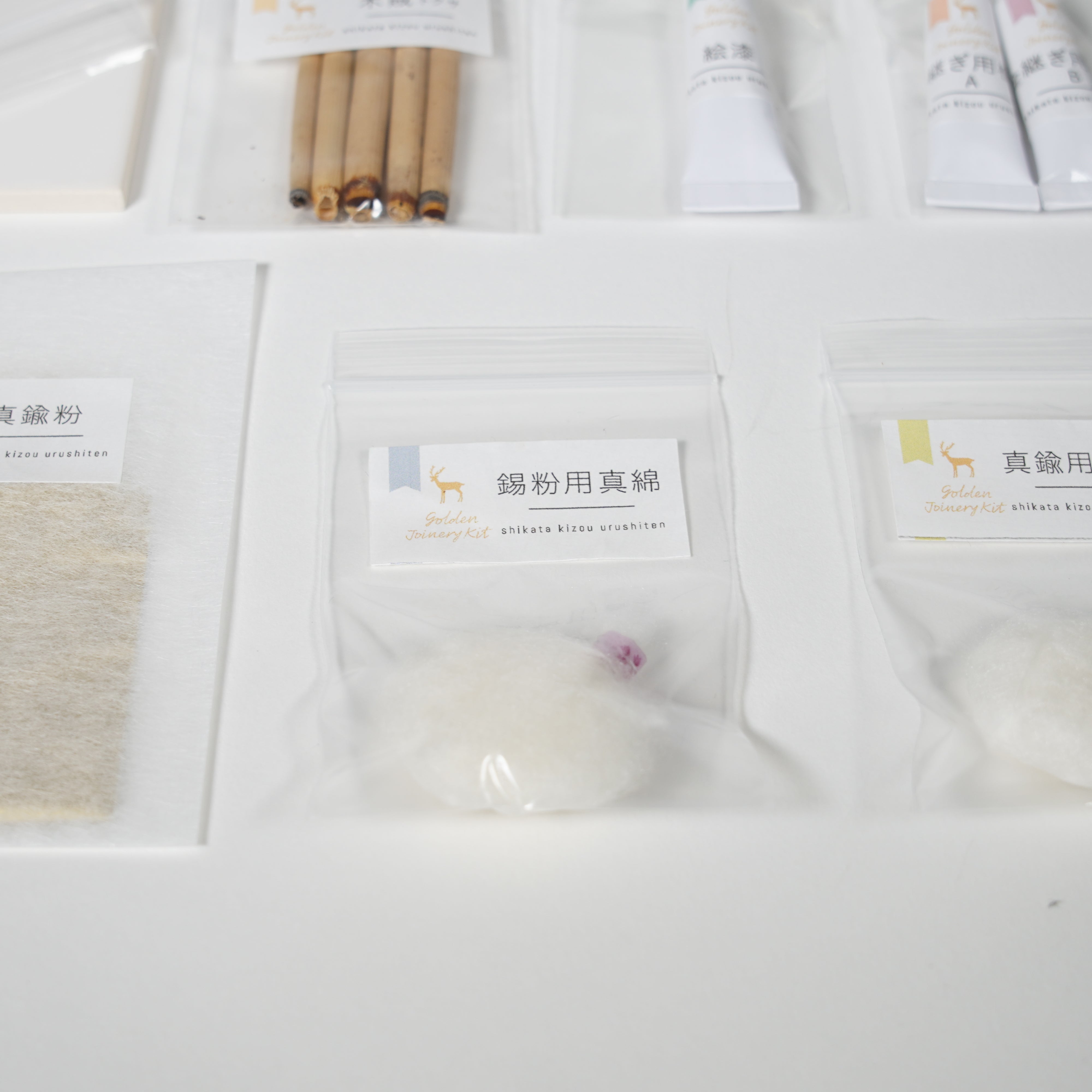
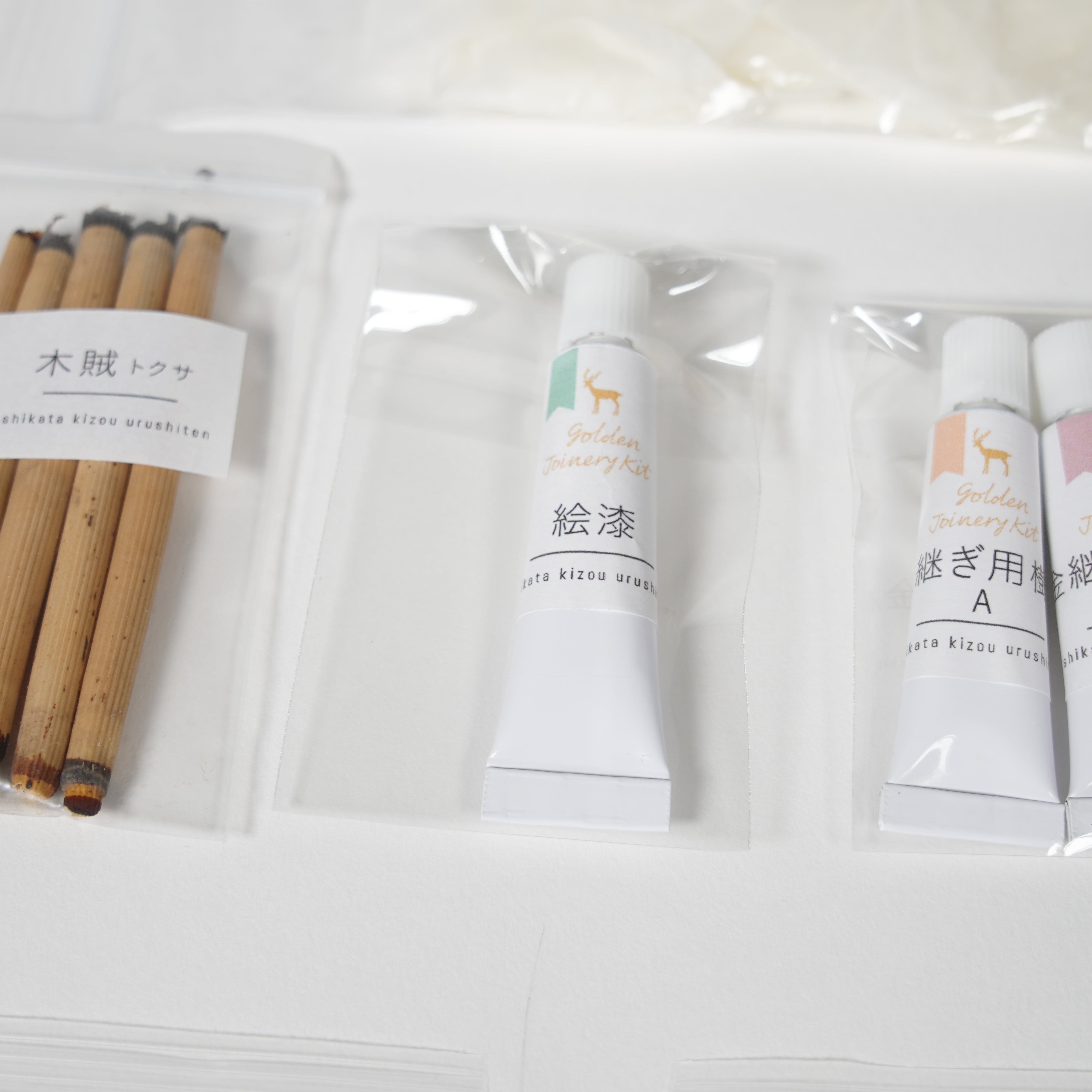
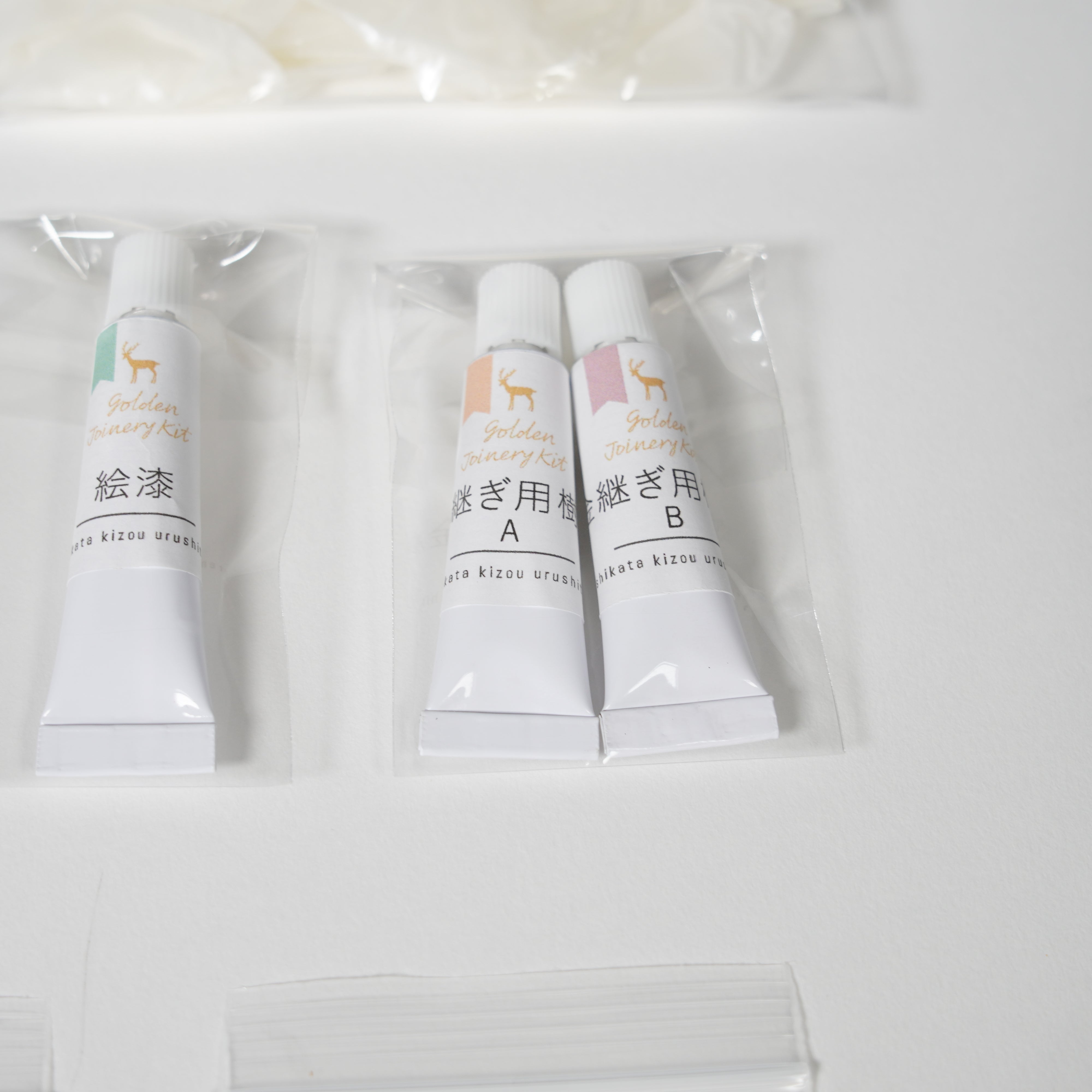
Brass powderTin powderUrushiResin
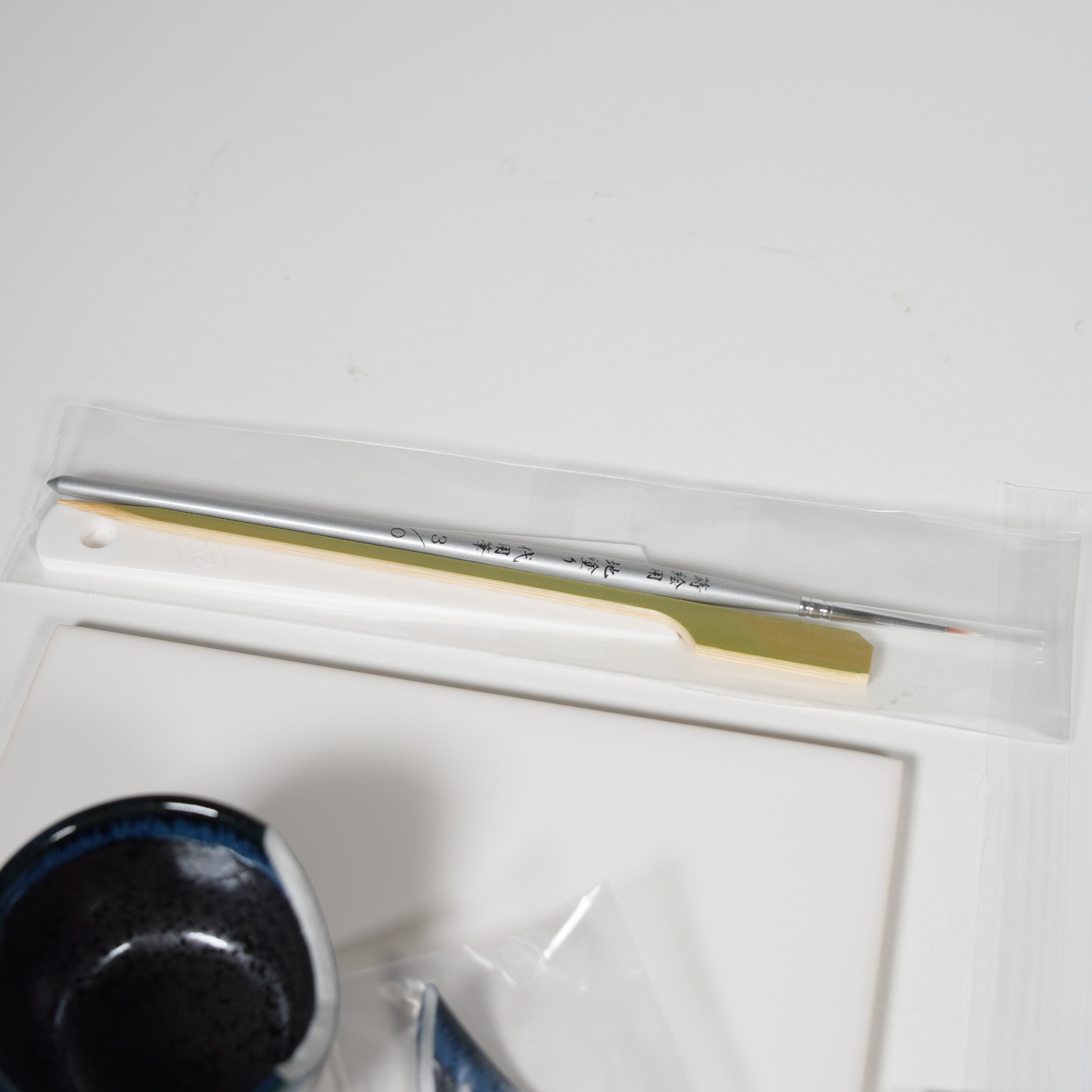
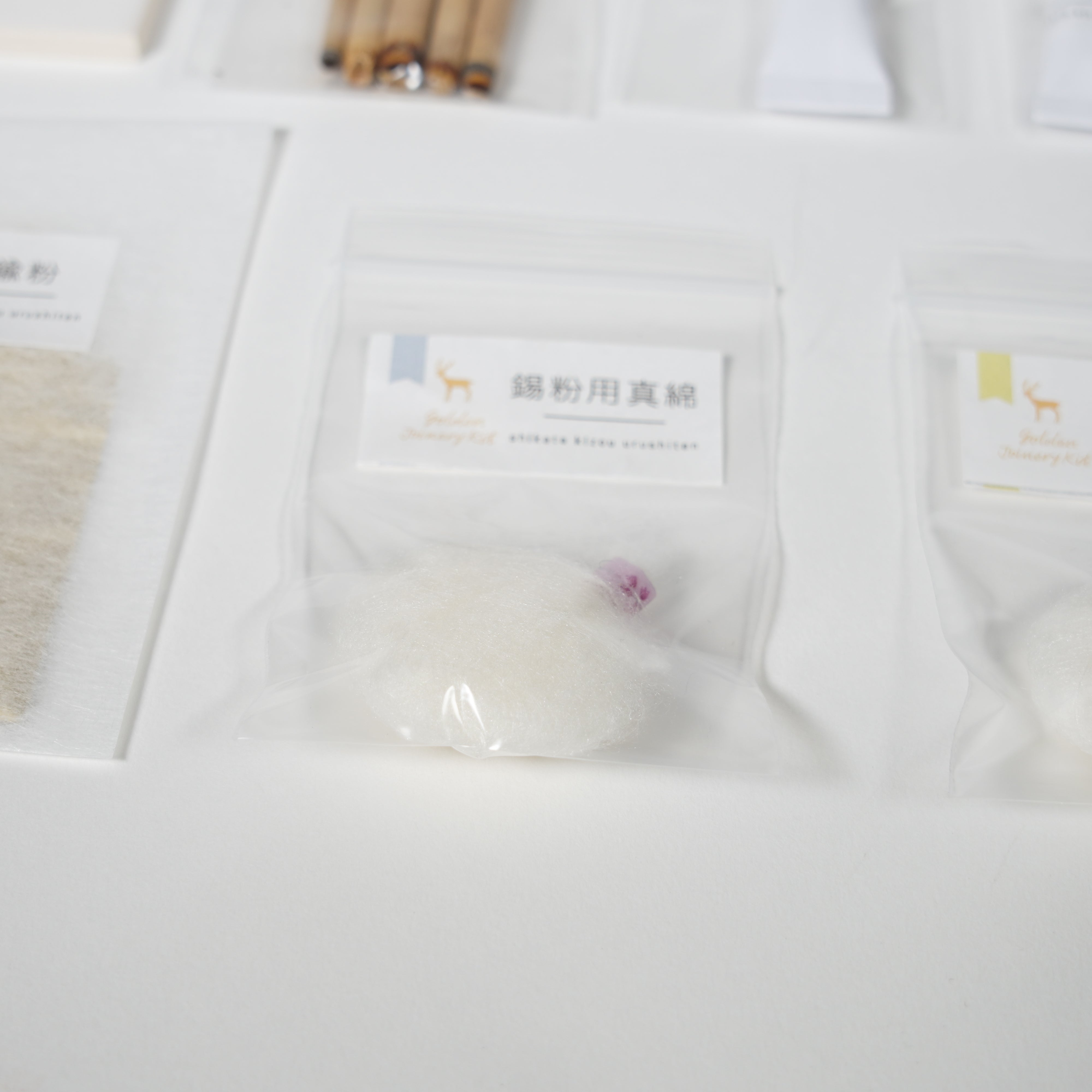
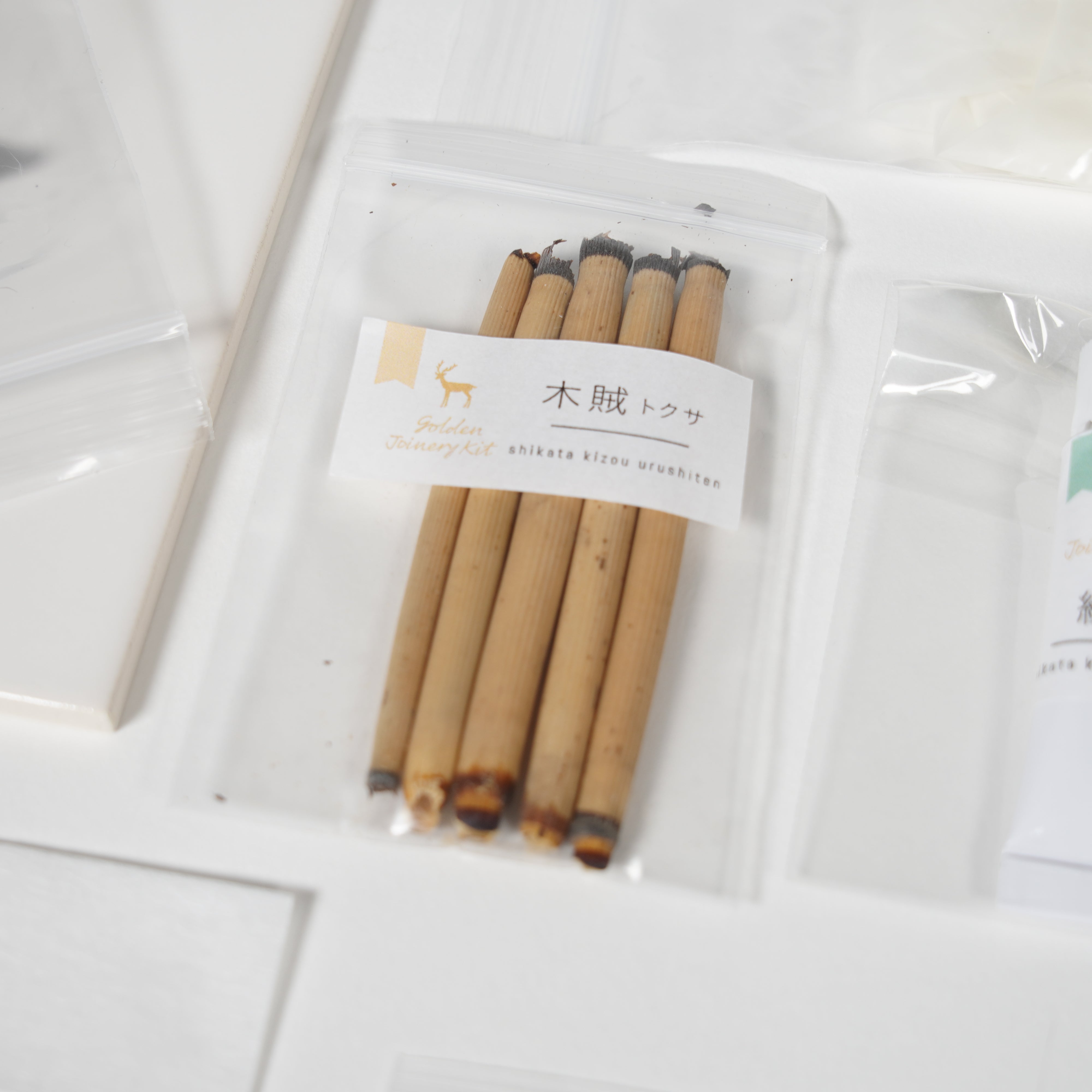
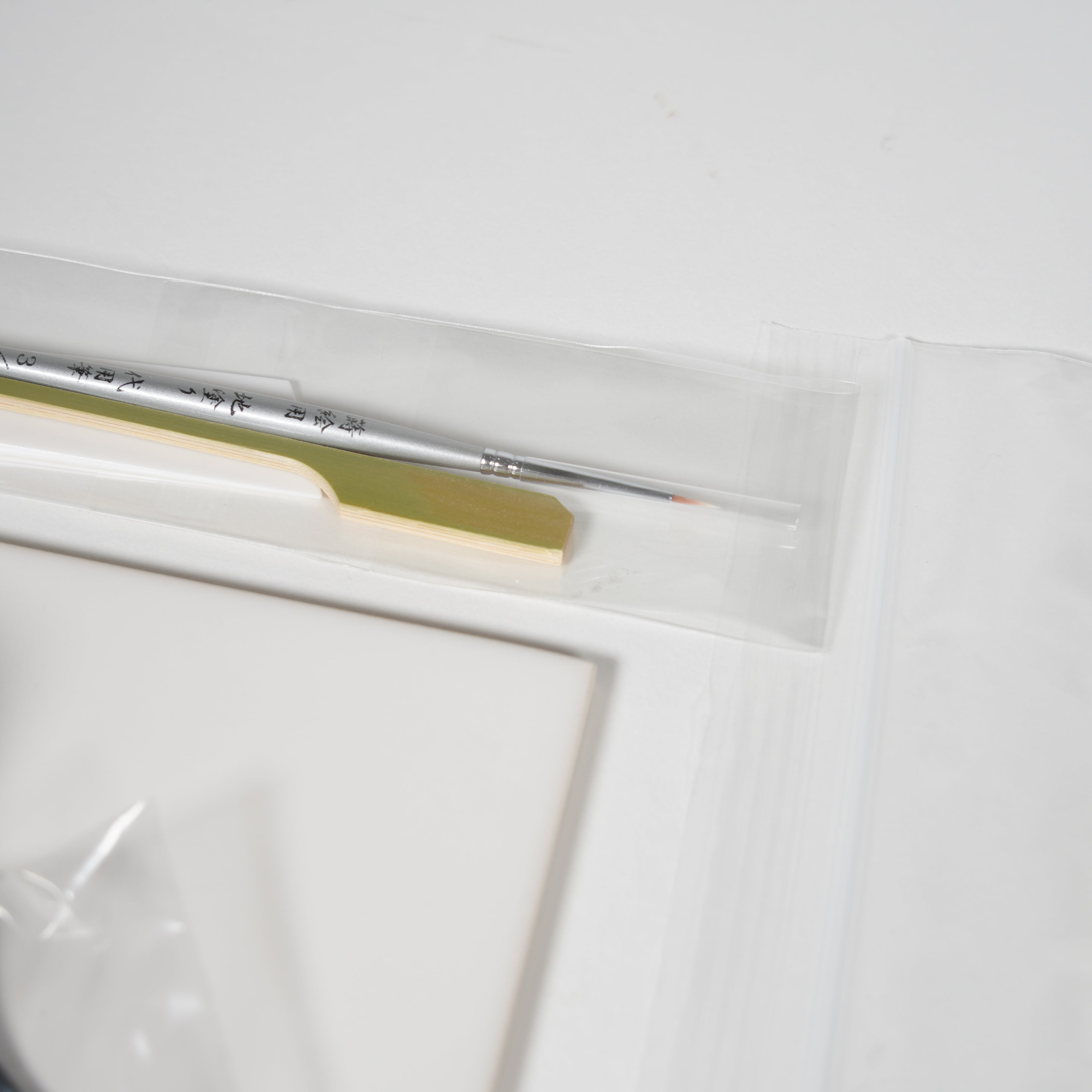
PC spatulaTokusaBrushPC GlovesPlateSilk waddingBamboo skewerBroken vessel
LACQUER STUDIO SHIKATA KIZO
KINTSUGI / JAPANESE GOLDEN REPAIR
About 500 years ago / 1500s / Muromachi Period (1336–1573)
Kintsugi repairs broken ceramics with lacquer and finishes the joins with gold or other metal powder. It is generally associated with the rise of tea culture in the Muromachi period, when repairing valued vessels rather than discarding them became linked to an aesthetic that accepted damage as part of an object’s history.
In Japan, kintsugi is understood as more than technical repair. It allows the time an object has lived through to remain visible. Renewed interest in sustainability and repair culture has brought the technique beyond tea utensils to ordinary household ceramics and public workshops.
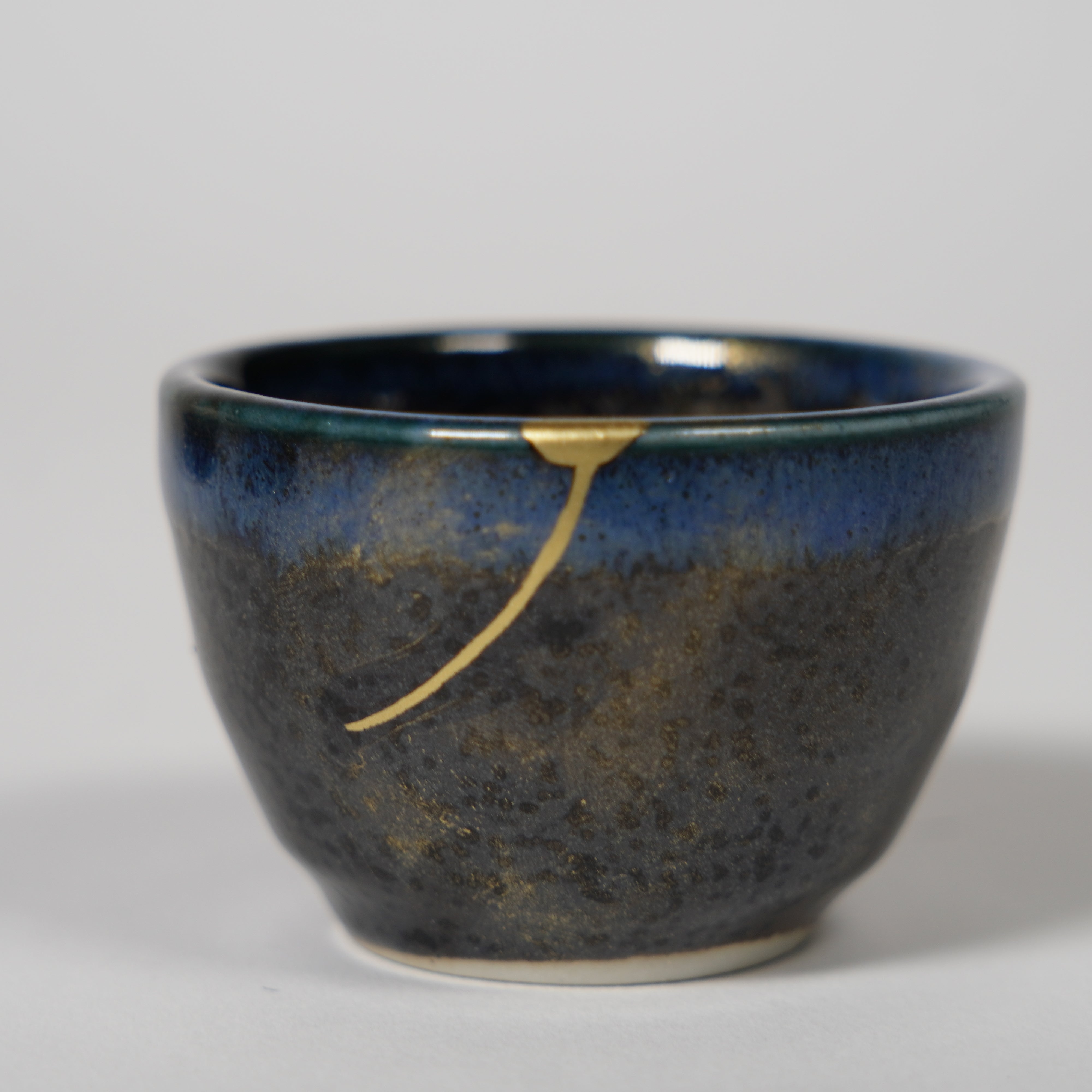
The gold line is never an original design—it records the accident itself. Because no two breaks are identical, every repaired pattern is unique. This visible history helps explain why kintsugi has become an international metaphor for accepting scars rather than pretending they never existed.
Individual Differences
As each piece is individually handcrafted, slight variations in color, pattern, shape, and texture may occur. These subtle differences are a natural characteristic of handcrafted works, making each piece truly unique. We hope you will enjoy these individual variations as part of the beauty and character of Japanese craftsmanship.
Production Time
If an item is not currently in stock, it may be made to order by the artisan. As each piece is carefully handcrafted, production may take several months depending on the item and the artisan's schedule. We appreciate your patience and understanding.
选择选项