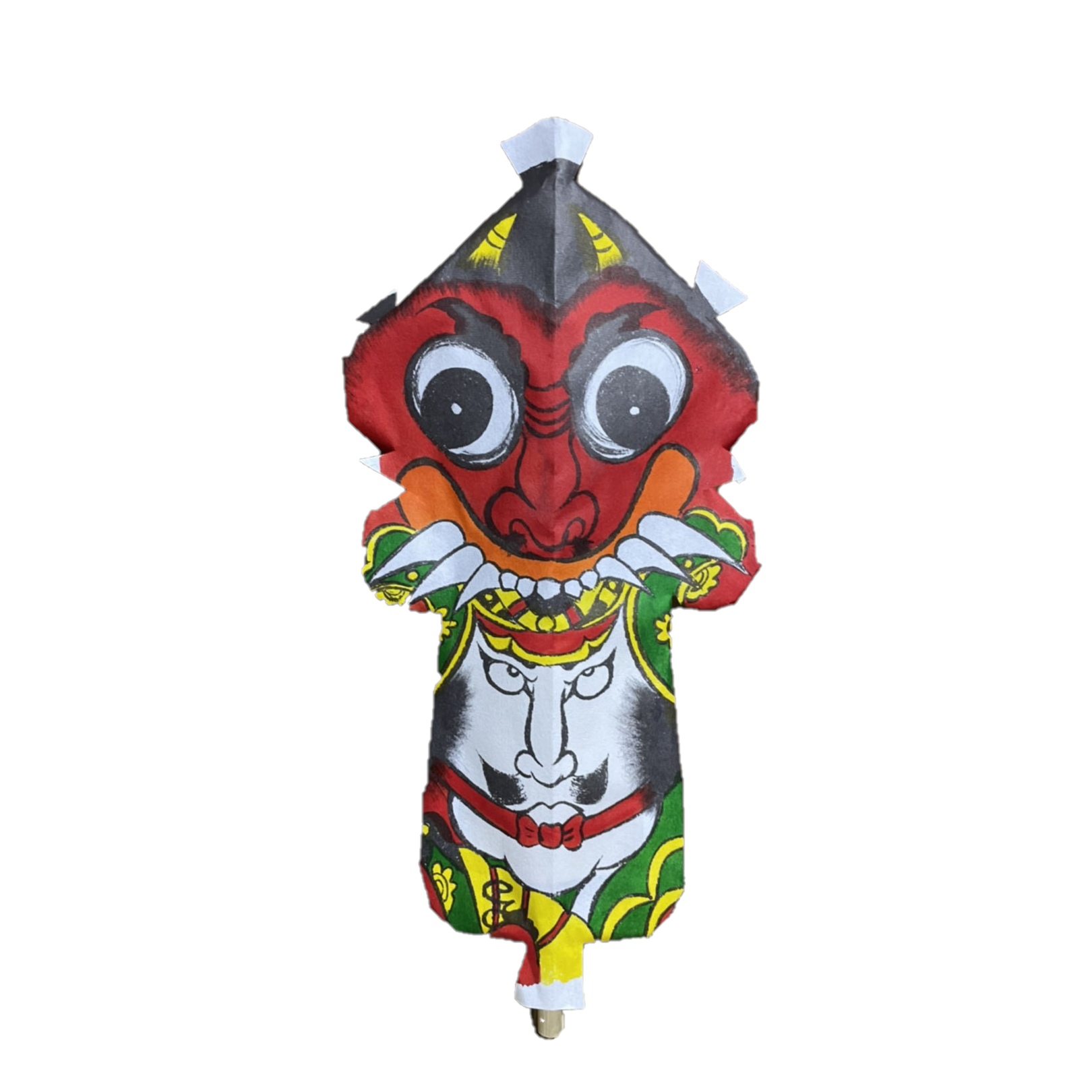
Kite Demon / 30cm
促销价格¥341.00
选择选项
Kite Demon / 30cm
促销价格¥341.00
国家/地区
语言
购物车
您的购物车为空
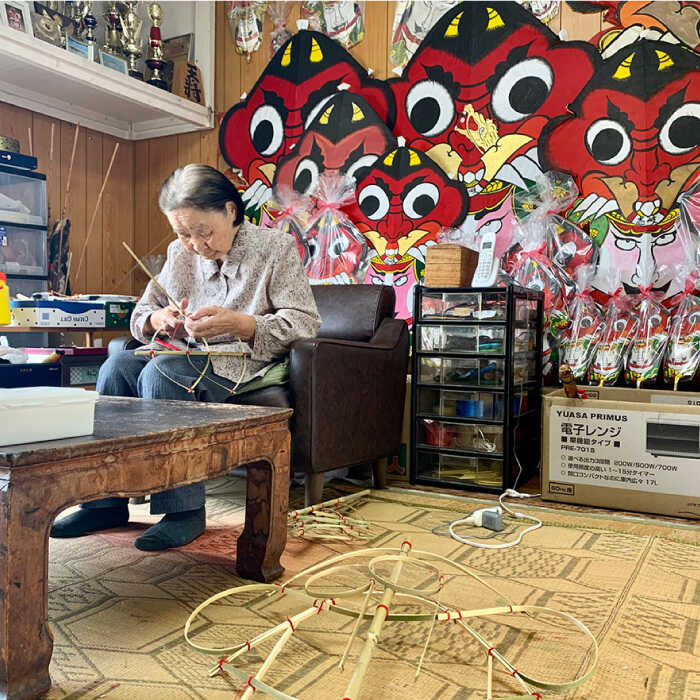
This kite is decorated with the face of an ogre. It has a special presence when you displayed it in an entryway or tokonoma (alcove) as an interior decoration. Oni (devil) kites are also believed to be effective in keeping the house safe and ward off evil spirits.
Why don't you play with your children with a traditional devil kite? It will surely be a happy time.
SIZE
Length:30cm
Width:27cm
Weight:20g
MATERIAL
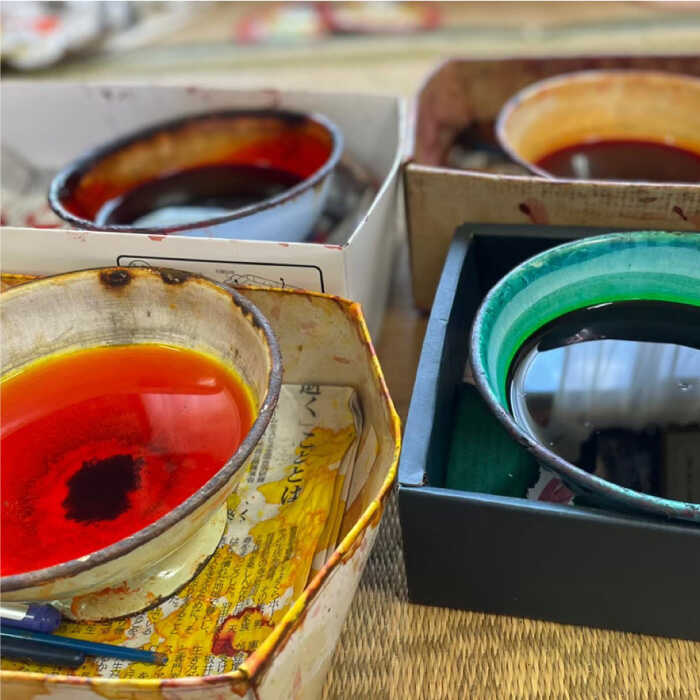
Japanese paper
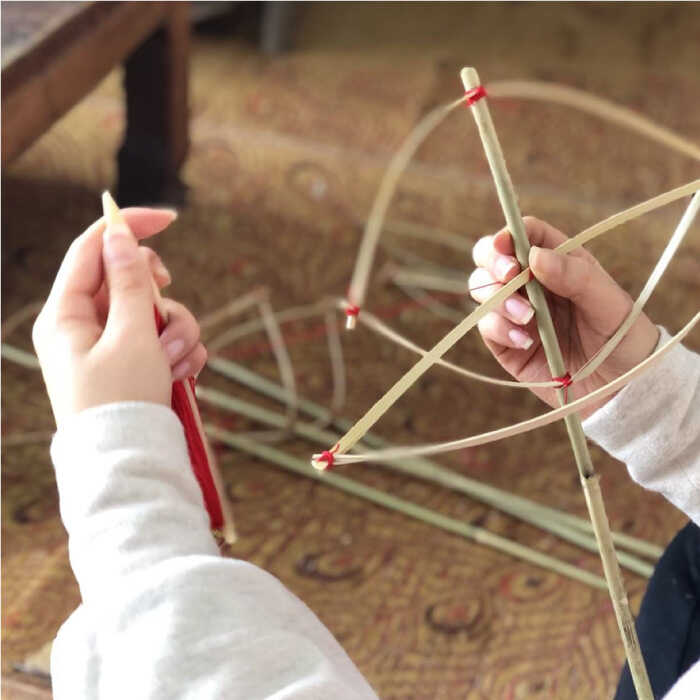
Bamboo
ONDAKO
"I am the only one who can pass the baton to future generations which my ancestors have passed on to me!"
I cant say thank you enough to Iki island and and my grandparents and other family members since it is where I grow up. It is my mission to convey my gratitude for the oni kites that these ancestors have continued to make. I will continue to work hard to keep the tradition alive.
ARTISAN STORY
Ayumi Saito / Onndako
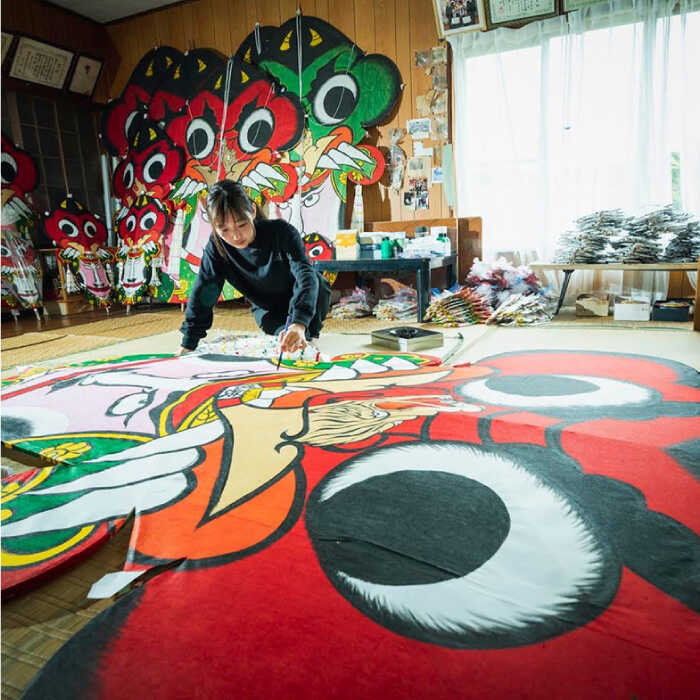
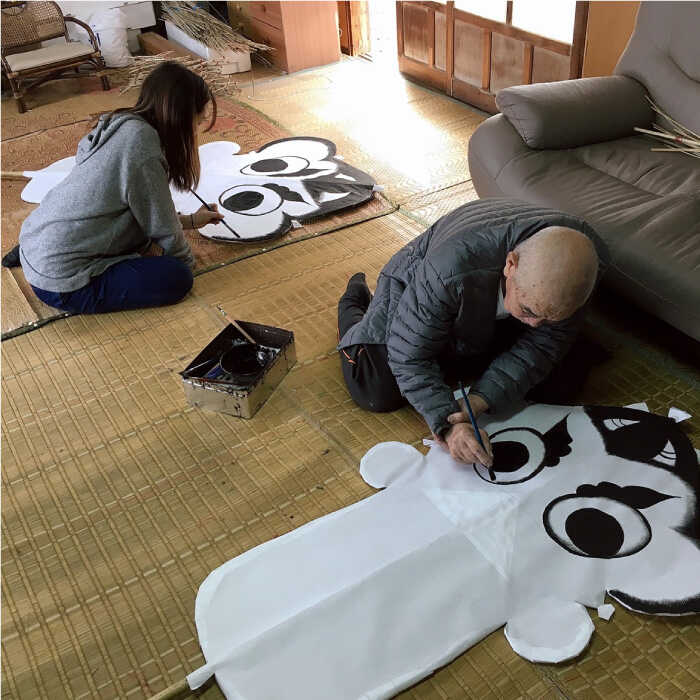
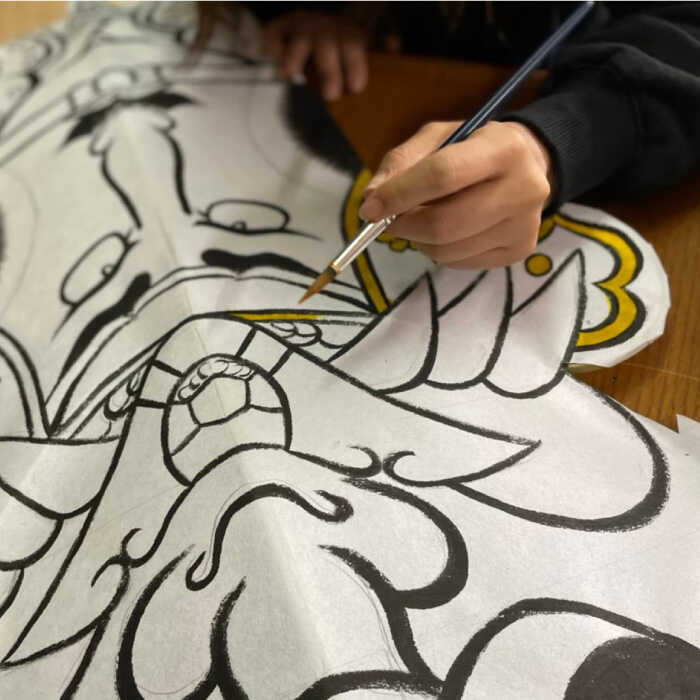
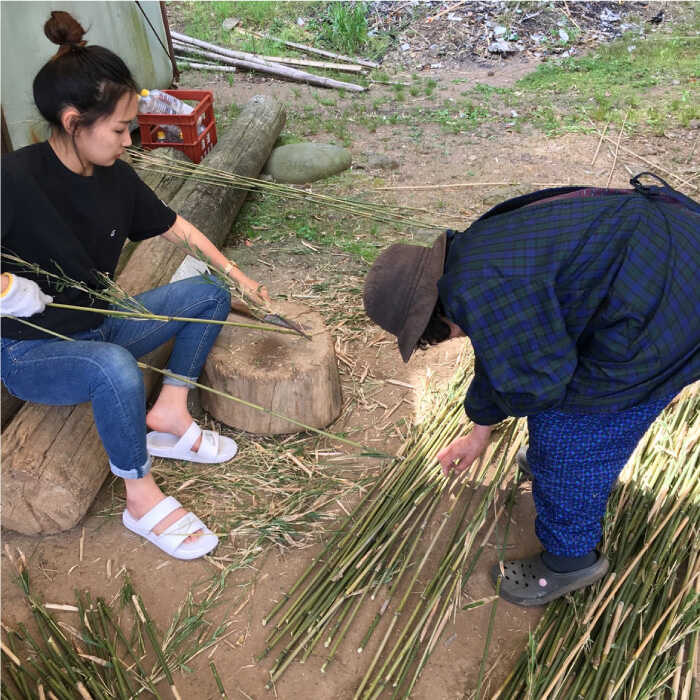
She is a young female craftsman who has been making devil kites on the remote island of Ikijima, located on the western side of Japan's main island. She began making these kites when her grandfather, who was a craftsman, became bedridden and unable to produce them due to his health. He asked her to "clean up all the devil kites in the workshop" at the time. Today, she continues to make them on a remote island where she continues to make them with her grandmother.
ONI DAKO / JAPANESE DEMON KITES
About 400 years ago / 1600s / Edo Period (1603–1868)
Oni-dako belong to Japan’s diverse culture of kites painted with dramatic demon or warrior faces. They spread widely during the Edo period as New Year toys and auspicious objects associated with children’s growth. Shapes, facial styles, frames and tails vary by region, but strong colors and bold expressions were designed to remain visible high in the sky.
In Japan, kite flying is closely associated with the New Year and historically also marked births, warded off misfortune and served as a form of local competition. Today demon kites remain functional flying objects while also being collected as striking examples of folk art.
The demon is not simply meant to frighten. In traditional thinking, a powerful and terrifying figure can protect people by frightening misfortune away. Once airborne, the fierce face becomes a huge protective emblem looking down over the community.
Individual Differences
As each piece is individually handcrafted, slight variations in color, pattern, shape, and texture may occur. These subtle differences are a natural characteristic of handcrafted works, making each piece truly unique. We hope you will enjoy these individual variations as part of the beauty and character of Japanese craftsmanship.
Production Time
If an item is not currently in stock, it may be made to order by the artisan. As each piece is carefully handcrafted, production may take several months depending on the item and the artisan's schedule. We appreciate your patience and understanding.
选择选项
Demon Kite / 30cm
Thank you so much for the 5-star review!
We are thrilled to hear that you are happy with your purchase. Your support means the world to our Japanese artisans!